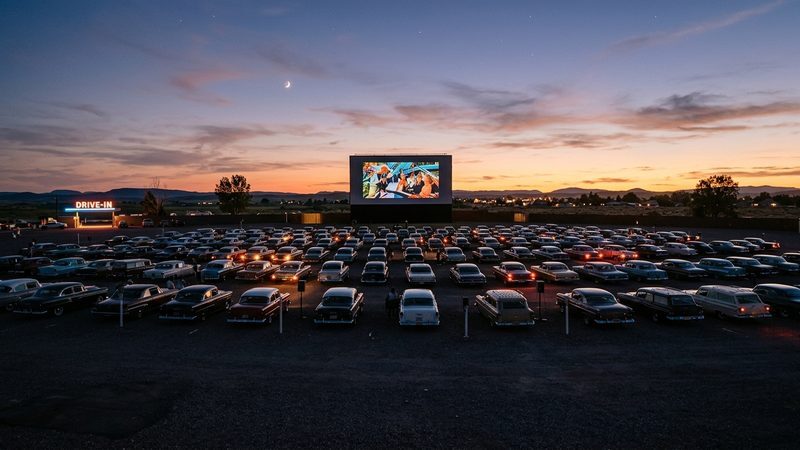
Drive-in theaters are experiencing a genuine revival, and the operators succeeding today are the ones investing in modern projection, sound, and screen technology. That equipment does not come cheap. Drive-in movie theater equipment financing lets owners acquire digital projectors, massive screen structures, FM broadcast systems, and concession equipment without exhausting the capital needed to run the business. This guide covers how the financing works, what it pays for, who qualifies, and how to structure funding around a seasonal, weather-dependent revenue model.
In This Article
What Is Drive-In Movie Theater Equipment Financing?
Drive-in movie theater equipment financing is business funding designed to cover the purchase or lease of the specialized equipment an outdoor cinema needs to operate. That includes digital cinema projectors, screen structures and surfaces, FM transmission systems, speaker systems, ticketing and point-of-sale hardware, concession equipment, and site lighting.
Instead of writing one large check, the owner repays the equipment cost in fixed monthly installments over an agreed term, typically three to seven years. The equipment itself usually secures the funding, which makes approval faster and qualification more flexible than an unsecured loan from a traditional bank.
The economics make sense when you look at the numbers. A single digital cinema projector suitable for a drive-in screen can cost as much as a luxury car. Screen structures, especially engineered steel screens rated for wind loads, run well into six figures. Financing spreads those costs across the years the equipment is actually earning revenue from ticket sales, concessions, and private events.
Both new drive-in builds and existing theaters use this funding. For established venues, it is most often used for projector upgrades, screen resurfacing or replacement, and concession expansions. For new operators reviving a closed site or building from scratch, it typically funds the entire equipment package in one deal.
Key Benefits of Financing Drive-In Theater Equipment
Drive-in theaters have an unusual revenue profile: highly seasonal, weather-sensitive, and concentrated into evening hours. Equipment financing fits that profile better than almost any other funding approach.
- Protects off-season cash reserves. A drive-in earns most of its annual revenue in a fraction of the year. Financing keeps cash available to carry the business through winter months when the lot is dark.
- Fixed payments you can budget around. Monthly installments are predictable, which lets you plan around a known cost instead of a single massive capital hit.
- Better equipment, sooner. A brighter projector and a better screen directly increase ticket sales and customer satisfaction. Financing lets you buy the right equipment now rather than a compromised version you can afford outright.
- The equipment funds its own payment. A new digital projection system starts earning from the first screening. Monthly ticket and concession revenue covers the installment while you build equity in the asset.
- Easier approval than unsecured loans. Because the equipment serves as collateral, lenders focus on the asset and your revenue plan rather than demanding perfect credit and long operating history.
- Flexible seasonal structures. Some financing programs allow reduced payments during closed months and higher payments during peak season, matching the natural rhythm of an outdoor cinema.
- Keeps expansion possible. With equipment costs financed, remaining capital stays available for marketing, events programming, and site improvements that drive attendance.
Key Stat: The United Drive-In Theatre Owners Association reports roughly 300 operating drive-in theaters remain in the U.S., down from a peak of over 4,000. The survivors and new entrants competing today win on experience quality, and that experience is built almost entirely on projection, sound, and screen equipment.
How Drive-In Theater Equipment Financing Works
The process is straightforward, and most deals move from application to funded within days rather than the weeks a bank loan takes.
Step 1: Define the Equipment Package
Start with itemized quotes from your equipment vendors. For a drive-in, that usually means the projection system, screen structure or resurfacing, sound transmission equipment, and concession hardware. Lenders want to see exactly what is being purchased and from whom.
Step 2: Submit a Short Application
The application asks for basic business information, the equipment quotes, and recent bank statements for operating theaters. New builds provide a business plan and projections instead of revenue history. Personal credit authorization from the owners is standard.
Step 3: Review and Select Terms
Approval comes back with a term length, monthly payment, and any down payment requirement. Terms of 36 to 84 months are common for cinema equipment. This is also when seasonal payment structures can be arranged if your theater closes for part of the year.
Step 4: Vendor Gets Paid Directly
The financing company pays the equipment vendor or installer directly. You take delivery and installation without ever handling the lump sum.
Step 5: Operate and Repay
The equipment goes to work immediately, and monthly payments come out of operating revenue. At the end of the term, you own the equipment outright with a loan structure, or exercise a purchase option with a lease structure.
What Equipment Can You Finance?
Everything technical a drive-in needs to put a bright picture on a big screen and keep customers comfortable qualifies. The most commonly financed categories include:
- Digital cinema projectors - the core of the operation, from mid-brightness units for small screens to high-lumen laser projectors for large formats
- Screen structures and surfaces - engineered steel screen towers, screen panels, resurfacing systems, and inflatable screens for pop-up operations
- FM broadcast and sound systems - FM transmitters that beam audio to car radios, plus traditional pole speakers for venues keeping the classic experience
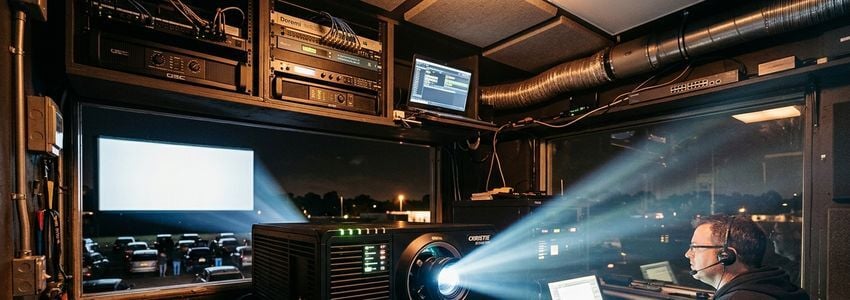
- Projection booth equipment - servers, media players, automation systems, and climate control for the booth
- Concession stand equipment - popcorn machines, fryers, grills, refrigeration, and beverage systems, which often drive the majority of profit
- Ticketing and point-of-sale systems - online ticketing platforms, gate scanners, and POS hardware for the box office and snack bar
- Site and safety lighting - lot lighting, exit lighting, and marquee signage systems
- Playground and amenity equipment - pre-show entertainment infrastructure that turns a screening into a full evening out
Soft costs frequently qualify too. Installation, freight, and projector calibration can often be rolled into the financed amount when they appear on the vendor invoice, which is worth confirming before you finalize the package.
Upgrading Your Drive-In's Equipment?
Projectors, screens, sound, and concessions, all fundable in one package. Apply in minutes with the #1 business lender in the U.S.
Apply Now →What Does Drive-In Theater Equipment Actually Cost?
Every financing conversation starts with the equipment budget, and drive-in costs cluster into a handful of categories worth understanding before you request quotes.
Projection Systems
The projector is the single most important purchase in the business. Entry-level digital cinema units suitable for smaller screens start in the tens of thousands, while high-lumen laser projectors capable of filling a large screen with a bright, sharp image can exceed one hundred thousand dollars. Booth servers, automation systems, and climate control add to the projection budget but are essential for reliable nightly operation.
Screen Structures
Screen costs depend on whether you are building new, resurfacing an existing structure, or using an inflatable for a pop-up operation. Engineered steel screen towers rated for local wind loads are the largest expense, frequently reaching six figures for a full-size installation. Resurfacing an existing screen costs far less and is one of the most commonly financed single projects among established theaters.
Sound and Broadcast
Modern drive-ins deliver audio primarily through FM transmission to car radios, which keeps the equipment cost modest compared to projection and screen. Venues maintaining classic pole speakers add restoration and wiring costs. Either approach fits comfortably inside an equipment financing package.
Concession Equipment
The snack bar is where many drive-ins make most of their profit, so concession equipment deserves real budget. Popcorn machines, fryers, grills, refrigeration, and beverage systems for a full-service stand typically total in the tens of thousands, and financing them alongside the cinema equipment keeps everything in one monthly payment.
Soft Costs
Freight, installation, and projector calibration are easy to overlook in early budgets. These costs are usually eligible to roll into the financed amount when they appear on the vendor invoice, so include them in your quotes from the start.
The practical rule: budget the complete installed cost, not the sticker price, and bring that full picture to your financing application. It produces better terms and prevents mid-project funding gaps.
Who Qualifies for Drive-In Theater Equipment Financing?
Qualification is more accessible than most owners expect, partly because the equipment itself secures the funding.
Operating Theaters
Established drive-ins with at least a season or two of revenue history are the strongest applicants. Lenders review monthly revenue during operating months, time in business, and credit. Upgrade deals, like swapping an aging xenon projector for a laser unit, are viewed favorably because the equipment directly supports proven revenue.
New Builds and Revivals
Operators building a new drive-in or reviving a closed site can qualify through startup-oriented programs. Without operating history, underwriters weigh personal credit, relevant experience in entertainment or hospitality, and the quality of the business plan. A down payment of 10 to 30 percent is typical for new ventures.
Credit Expectations
Because the equipment collateralizes the deal, many programs approve owners with credit scores in the 600 to 650 range. Stronger credit earns better rates and lower upfront costs. Owners below that range still have paths through bad credit equipment financing programs.
Typical Documentation
- Itemized equipment quotes from vendors or installers
- Three to six months of business bank statements for operating theaters
- Business plan with attendance and revenue projections for new builds
- Entity and ownership details
- Personal credit authorization for significant owners
Comparing Your Funding Options
Drive-in owners generally weigh three structures. Here is how they compare on the factors that matter most for a seasonal cinema business.
| Factor | Equipment Loan | Equipment Lease | Paying Cash |
|---|---|---|---|
| Upfront cost | Low (0-20% down typical) | Lowest (often first payment only) | Full invoice price at once |
| Ownership | Immediate | Purchase option at term end | Immediate |
| Payment shape | Fixed monthly | Fixed monthly, often lower | None |
| Seasonal flexibility | Available with some lenders | Available with some lenders | Not applicable |
| Best for | Long-lived assets like screens and projectors | Tech-forward operators upgrading on a cycle | Owners with reserves well beyond operating needs |
Most owners choose a loan for long-lived assets like screen structures and consider leasing for technology that evolves quickly, like projection servers. Both structures are detailed on our equipment financing and equipment leasing pages.
How Crestmont Capital Helps Drive-In Theater Owners
Crestmont Capital funds equipment for entertainment venues across the country, and drive-in theaters are a natural fit for the model: specialized equipment, seasonal revenue, and owners who need speed rather than bank bureaucracy.
- Same-day decisions on qualified applications. Equipment deals should not stall a season opening. Applications are reviewed in hours.
- Seasonal payment structures. Reduced payments during closed months and higher payments in peak season can be arranged for theaters with a defined operating season.
- Startup-friendly programs. New builds and theater revivals can access startup equipment financing designed for first-season operations.
- Full-package funding. Projection, screen, sound, concessions, POS, and installation combined into one financing package with one monthly payment.
- Working capital for the off-season. Many owners pair equipment funding with a business line of credit to smooth cash flow between seasons.
Quick Guide
How Drive-In Equipment Financing Works - At a Glance
Itemized quotes for projectors, screens, sound, and concession equipment form the basis of your application.
A short application with your quotes and bank statements. Most qualified applicants hear back the same day.
Pick a term of 36 to 84 months and, if needed, a seasonal payment schedule matched to your operating months.
Funding goes straight to the vendor. Your equipment is installed and earning while you repay over time.
Plan Your Next Season Now
Lock in equipment funding before opening weekend. Fast approvals, seasonal payments, one simple application.
Apply Now →Real-World Scenarios: How Owners Use Equipment Financing
These scenarios reflect the most common ways drive-in theater equipment financing plays out in practice.
Scenario 1: The Projector Upgrade That Saved the Season
A family-owned drive-in running a fifteen-year-old projector starts getting complaints about dim, washed-out picture quality, and negative reviews begin mentioning it by name. A modern laser projector package runs about $95,000 installed. Paying cash would empty the reserve that carries the theater through winter. The owner finances the projector over 60 months with a seasonal payment structure: higher payments May through September, minimal payments in the off-season. Picture quality transforms the reviews, and summer attendance rises enough to cover the payments from concession revenue alone.
Scenario 2: Reviving a Closed Theater
Two partners buy a drive-in that closed a decade earlier. The screen structure is sound, but everything else needs replacing: projector, sound system, ticketing, and the entire concession build-out, roughly $400,000 in equipment. A single financing package covers the full list over 72 months with 20 percent down. The partners keep their remaining capital for site repairs and a strong opening marketing push, and the theater reopens to sold-out weekends.
Scenario 3: Adding a Second Screen
An established single-screen theater regularly turns away customers on peak weekends. Adding a second screen with its own projection system costs around $250,000. Financing the expansion over 72 months adds a fixed payment, but the second screen nearly doubles capacity on busy nights and lets the theater program family films and late shows simultaneously. Expansion revenue covers the payment within the first season.
Scenario 4: The Concession Profit Engine
An owner realizes her theater's profit margin lives and dies in the snack bar, but the aging fryers and single popcorn machine create 20-minute lines that drive customers away. A full concession equipment replacement costs $60,000. Financed over 48 months, the payment is trivial against the increase in per-car concession spending once wait times drop. Concession revenue climbs by a third the following season.
Scenario 5: The Pop-Up Outdoor Cinema Operator
An event company running pop-up outdoor screenings wants to expand from weekend rentals into a permanent seasonal venue. Inflatable screens, portable projectors, FM transmitters, and event-grade concession equipment total about $120,000. An equipment lease with a purchase option keeps payments low during the ramp-up year, and the company exercises the purchase option once the venue proves itself across a full season.
Scenario 6: Meeting Studio Content Requirements
A theater booking first-run studio content learns its aging projection server no longer meets current digital cinema standards, putting access to new releases at risk. The replacement server and related booth upgrades cost $45,000. Financing the package over 36 months resolves the compliance issue in weeks, and access to first-run titles immediately lifts weeknight attendance.
Frequently Asked Questions
Have an Equipment Quote Already?
Turn your vendor quote into a monthly payment plan today. Same-day decisions for qualified applicants.
Apply Now →Next Steps: Getting Funded
Get itemized quotes covering projection, screen, sound, concessions, and installation from your vendors.
Submit the short application with your quotes and recent bank statements or business plan.
Compare terms and ask about seasonal schedules matched to your operating months.
Your vendor gets paid directly, equipment goes in, and the screen lights up on schedule.
Conclusion
The drive-in theaters thriving today are the ones that treat the viewing experience as the product, and that experience is built on equipment: a bright projector, a clean screen, clear sound, and a concession stand that keeps lines moving. Drive-in movie theater equipment financing converts those large capital costs into a predictable monthly expense, preserves the cash reserves a seasonal business depends on, and lets the equipment pay for itself out of the revenue it generates.
Whether you are reviving a dark screen, upgrading a projector before opening weekend, or building a new venue from the ground up, the funding structure matters as much as the equipment list. Crestmont Capital works with entertainment venue owners across the country and can shape terms around the way a drive-in actually earns. The application takes minutes, and qualified applicants hear back the same day. If equipment cost is the barrier between you and a better theater, it does not have to be.
For related reading, see our guide on financing equipment upgrades without cash flow strain, or explore broader small business financing options for your operation. Industry context from SBA.gov, Census.gov, and small business coverage from CNBC and Forbes can help you benchmark your plans.
Disclaimer: The information provided in this article is for general educational purposes only and is not financial, legal, or tax advice. Funding terms, qualifications, and product availability may vary and are subject to change without notice. Crestmont Capital does not guarantee approval, rates, or specific outcomes. For personalized information about your business funding options, contact our team directly.