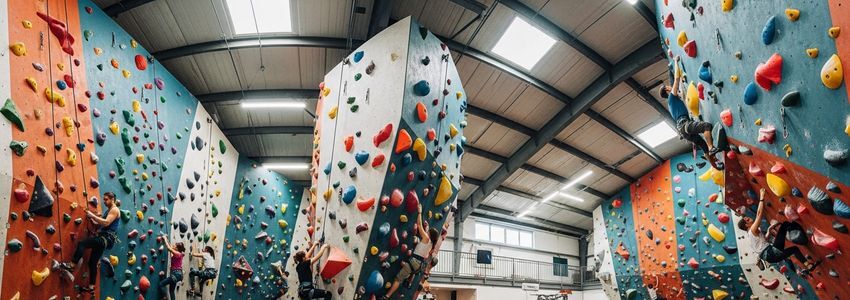
The sport of indoor climbing has experienced a meteoric rise in popularity over the last decade. Once a niche activity for outdoor enthusiasts, it has become a mainstream fitness phenomenon, attracting a diverse clientele from families and children to serious athletes. This surge in interest, amplified by climbing's debut in the Olympic Games, presents a significant opportunity for entrepreneurs. However, launching or expanding an indoor climbing facility is a capital-intensive venture. From securing a high-ceilinged commercial space to investing in state-of-the-art climbing walls, safety equipment, and specialized flooring, the upfront costs can be substantial. This is where indoor climbing gym business loans become a critical tool for success.
Navigating the world of commercial financing can be as challenging as a V10 boulder problem. Lenders need to see a solid business plan, a clear path to profitability, and an understanding of the unique financial demands of the industry. Whether you are building a new bouldering-only facility, a top-rope and lead climbing gym, or expanding an existing location to include training areas and amenities, securing the right type of funding is the first major hold on your route to success. A well-structured financing package provides the necessary capital not just for the initial build-out, but also for working capital to cover operational expenses during the crucial first months of business.
This comprehensive guide is designed to demystify the process of acquiring indoor climbing gym business loans. We will explore the various types of financing available, detail what lenders look for in an application, and outline how you can use the funds to build a thriving community hub. For both aspiring and established climbing gym owners, understanding your financing options is essential for turning your vision into a profitable reality. At Crestmont Capital, we specialize in providing tailored funding solutions that help businesses like yours reach new heights.
In This Article
- What Are Indoor Climbing Gym Business Loans?
- Why Financing Is Essential for Owners
- Types of Financing for Climbing Gyms
- How Climbing Gym Loans Work
- Who Qualifies for Financing?
- How Owners Use Business Loans
- How Crestmont Capital Helps
- Comparing Financing Options
- Real-World Financing Scenarios
- Frequently Asked Questions
- How to Get Started
- Conclusion
What Are Indoor Climbing Gym Business Loans?
Indoor climbing gym business loans are specialized financial products designed to meet the unique capital requirements of opening, operating, and expanding an indoor climbing or bouldering facility. Unlike generic business loans, these funding solutions are often structured with an understanding of the industry's specific challenges and assets. This includes high initial construction costs, the need for specialized equipment with long lifespans, and revenue models based on memberships, day passes, and ancillary services like classes and retail.
These loans are not a single product but rather a category of financing that can include several different types of funding. The right loan depends on the specific need of the business. For instance, a startup gym will have different capital needs than an established facility looking to upgrade its equipment. The funding can be used for a wide range of purposes, from securing a commercial lease and funding a multi-million dollar build-out to purchasing a new set of climbing holds or managing seasonal cash flow.
Lenders who provide these loans, like Crestmont Capital, recognize that a significant portion of a climbing gym's value is tied up in its physical assets-the climbing walls, safety flooring, and equipment. This understanding allows for more flexible and appropriate underwriting. Ultimately, an indoor climbing gym business loan is a strategic partnership that provides the capital necessary to create a safe, engaging, and profitable climbing environment.
Why Financing Is Essential for Indoor Climbing Gym Owners
The financial barrier to entry in the indoor climbing industry is significant. The very nature of the business requires a large, specialized space and a massive initial investment in infrastructure and equipment before the first customer ever walks through the door. Without adequate financing, even the most well-conceived business plan is unlikely to get off the ground. The global fitness industry is a multi-billion dollar market, and niche sectors like climbing are seeing tremendous growth. According to a Forbes report on fitness trends, consumers are increasingly seeking experience-based and community-driven activities, a description that perfectly fits the modern climbing gym.
Let's break down the primary areas where financing is not just helpful, but absolutely essential:
- Real Estate and Construction: Finding and securing a suitable building is the first major hurdle. Climbing gyms require high ceilings (typically 20-50 feet), a large open floor plan, and the structural integrity to support heavy climbing walls. Leasing or purchasing such a property represents a major cost. The subsequent build-out, which includes constructing the walls, installing HVAC, locker rooms, and front desk areas, can easily run into the hundreds of thousands or even millions of dollars.
- Climbing Walls and Holds: The climbing walls are the gym's primary asset and its biggest expense. Custom-designed walls from reputable manufacturers like Walltopia or Entre-Prises are a significant investment. Beyond the walls themselves, a gym needs thousands of climbing holds, which must be regularly replaced or "refreshed" to keep routes interesting for members. This recurring cost can be managed with proper financial planning.
- Safety Equipment and Flooring: Safety is non-negotiable. This means investing in high-quality ropes, harnesses, belay devices, and auto-belay systems. Critically, it also includes specialized, impact-attenuating flooring systems that can cost tens of thousands of dollars but are essential for mitigating risk, especially in bouldering areas.
- Operational Capital: A gym does not become profitable overnight. Financing provides the necessary working capital to cover expenses during the pre-launch and initial operating phases. This includes payroll for staff (setters, front desk, instructors), insurance premiums (which are substantial for this industry), utilities, marketing for a grand opening, and inventory for a pro shop.
- Expansion and Renovation: For existing gyms, financing is the key to growth. It allows owners to expand their footprint, add new features like a dedicated training area or a yoga studio, renovate outdated sections, or open a second location to capitalize on their brand's success.
In short, financing bridges the gap between the vision of a state-of-the-art climbing facility and the reality of its high upfront costs. It allows entrepreneurs to build a professional, safe, and appealing gym that can attract and retain members, ensuring long-term viability and profitability.
Pro Tip: Your business plan is your most important tool when seeking financing. It should include detailed financial projections, a thorough market analysis of your location, and a clear breakdown of how you will use the requested funds. Lenders want to see that you have a deep understanding of both the climbing industry and your local market.
Types of Financing for Indoor Climbing Gyms
There is no one-size-fits-all loan for an indoor climbing gym. The best financing option depends on your business's stage, financial health, and specific needs. Understanding the different products available is the first step toward securing the right capital. Here are the most common types of financing used by climbing gym owners.
SBA Loans
Loans backed by the U.S. Small Business Administration (SBA) are often considered the gold standard for small business financing due to their long repayment terms and competitive interest rates. They are an excellent option for large-scale projects like starting a new gym or purchasing a commercial property. The SBA doesn't lend money directly; instead, it provides a guarantee to partner lenders, reducing their risk and making them more willing to lend.
- SBA 7(a) Loans: This is the most popular SBA loan program. It's highly versatile and can be used for a wide range of purposes, including real estate purchase, construction, equipment financing, and working capital. For a new climbing gym, a 7(a) loan could potentially cover the entire project cost. Terms can extend up to 25 years for real estate and 10 years for equipment and working capital.
- SBA 504 Loans: This program is specifically designed for purchasing major fixed assets, such as commercial real estate or long-term equipment. A 504 loan is structured with three parts: a loan from a conventional lender for at least 50% of the project cost, a loan from a Certified Development Company (CDC) for up to 40%, and a contribution from the borrower of at least 10%. These are ideal for entrepreneurs looking to buy the building for their gym. More information can be found directly on the SBA's official website.
SBA loans require a strong application, including a detailed business plan, good personal credit, and often some form of collateral. The application process can be longer than for other loan types, but the favorable terms often make it worth the effort.
Term Loans
A traditional term loan is a lump sum of capital that you borrow and repay in fixed installments over a set period. These are offered by banks, credit unions, and alternative lenders like Crestmont Capital. Term loans are well-suited for specific, large-scale investments where you know the exact cost upfront.
For a climbing gym, a term loan could be used for:
- Financing a major renovation or expansion.
- Purchasing a complete set of new climbing walls.
- Funding a significant marketing campaign for a new location.
Repayment terms typically range from one to ten years. Lenders will look at your business's credit history, revenue, and profitability to determine your eligibility and interest rate. Our small business loans offer a streamlined application process and faster funding times than many traditional banks.
Equipment Financing
Given the high cost of specialized equipment in a climbing gym, equipment financing is an extremely popular and practical option. This type of loan is structured specifically for the purchase of physical assets. The equipment itself-whether it's climbing walls, auto-belay systems, safety flooring, or even point-of-sale systems-serves as the collateral for the loan.
This is beneficial for several reasons. First, it can be easier to qualify for since the loan is secured by the asset being purchased. Second, it allows you to conserve your working capital for other operational needs instead of tying it up in large equipment purchases. The repayment term is often aligned with the expected useful life of the equipment. This is the perfect solution for an established gym that needs to upgrade its facilities or a new gym that needs to outfit its entire space.
Business Line of Credit
A business line of credit operates much like a credit card for your business. You are approved for a certain credit limit and can draw funds as needed, up to that limit. You only pay interest on the amount you've drawn, not the total limit. Once you repay the drawn amount, your available credit is replenished.
This flexibility makes a line of credit ideal for managing ongoing or unexpected expenses, such as:
- Covering payroll during a slow season.
- Purchasing new climbing holds to keep routes fresh.
- Handling unexpected repairs or maintenance.
- Seizing a time-sensitive opportunity, like buying discounted retail inventory.
A line of credit is an excellent tool for managing cash flow and ensuring you always have access to capital when you need it without having to apply for a new loan each time.
Working Capital Loans
Working capital is the lifeblood of any business, representing the funds available to meet short-term obligations. Working capital loans are short-term financing solutions designed to cover everyday operational expenses. They are typically easier to qualify for than long-term loans and provide very fast access to cash.
These loans are not intended for large capital investments like construction. Instead, they are used to bridge gaps in cash flow, pay for marketing, hire staff before a grand opening, or purchase initial inventory. For a climbing gym, a working capital loan could be crucial in the months leading up to and immediately following its opening, before membership revenue becomes stable and predictable.
How Indoor Climbing Gym Financing Works
Assess & Prepare
Determine your exact funding needs. Compile essential documents: a detailed business plan, 3 years of financial projections, personal financial statements, and cost estimates from wall builders and contractors.
Apply with a Lender
Choose a lender that understands the fitness and recreation industry. Complete the application, providing all requested documentation. Crestmont Capital's streamlined process takes just minutes.
Underwriting & Review
The lender's underwriting team will review your application, credit history, and business plan. They assess the risk and viability of your climbing gym project. You may be asked for additional information during this stage.
Funding & Repayment
Once approved, you will receive the loan agreement. After signing, funds are disbursed. You can then begin your build-out or equipment purchase. Repayment begins according to the agreed-upon schedule.
How Indoor Climbing Gym Loans Work
The process of obtaining an indoor climbing gym business loan follows a structured path, although the specifics can vary depending on the lender and the type of financing you seek. Understanding this process can help you prepare effectively and increase your chances of a successful application.
Step 1: Initial Assessment and Preparation
Before you even approach a lender, the first step is internal. You must clearly define how much capital you need and precisely how you will use it. This involves creating a detailed budget for your project. Get quotes from climbing wall manufacturers, construction contractors, and equipment suppliers. Develop comprehensive financial projections, including expected revenue from memberships, day passes, classes, and retail, as well as all anticipated operating expenses. This information will form the core of your business plan.
Step 2: Document Collection
Lenders require a standard set of documents to evaluate your application. Being prepared with these will significantly speed up the process. Typical documents include:
- A comprehensive business plan
- Personal and business tax returns (typically for the last 2-3 years)
- Personal and business bank statements (typically for the last 6-12 months)
- Personal financial statement
- Business financial statements (if an existing business)
- A detailed list of equipment to be purchased with quotes
- Commercial lease agreement or real estate purchase contract
- Business licenses and registrations
Step 3: Application Submission
Once you have your documentation in order, you can submit your application. With a modern lender like Crestmont Capital, this can often be done through a simple online portal. It is crucial to be thorough and accurate in your application to avoid delays. You will specify the loan amount you are requesting and the type of financing you believe is most suitable.
Step 4: Underwriting and Due Diligence
This is the stage where the lender analyzes your application. The underwriting team will perform a deep dive into your financial history, credit scores, and the viability of your business plan. They are assessing the risk associated with lending to your business. For a climbing gym, they will pay close attention to your location, local competition, and projected membership numbers. They may come back to you with questions or requests for additional information. A swift and complete response is key.
Step 5: Approval and Offer
If the underwriting team is satisfied, your loan will be approved. The lender will then present you with a formal loan offer. This document will outline the approved loan amount, interest rate, repayment term, fees, and any other conditions or covenants. It is vital to review this offer carefully to ensure you understand and agree to all the terms before signing.
Step 6: Funding
After you accept and sign the loan agreement, the funds will be disbursed. The method of disbursement can vary. For a term loan, the full amount may be deposited into your business bank account. For equipment financing, the lender might pay the vendor directly. Once funded, you can begin executing your business plan-start construction, order your climbing walls, and prepare for your grand opening.
Ready to Build Your Climbing Community?
Secure the capital you need to open or expand your indoor climbing gym. Our fast, flexible financing options are designed for your industry.
Apply Now →
Who Qualifies for Indoor Climbing Gym Financing?
Lenders evaluate several key factors to determine a borrower's creditworthiness and the likelihood that a loan will be repaid. While specific requirements vary between lenders and loan products, the core criteria generally remain consistent. Aspiring and current climbing gym owners should focus on strengthening these areas to present the strongest possible application.
1. Credit Score
Your personal credit score is a primary indicator of your financial responsibility. For most conventional and SBA loans, lenders typically look for a personal credit score of 680 or higher. A higher score demonstrates a history of managing debt effectively and can lead to more favorable interest rates and terms. Some alternative financing options may be available for those with lower credit scores, but they often come with higher costs.
2. Time in Business
For existing gyms seeking expansion or renovation capital, lenders prefer to see a proven track record. A minimum of two years in operation is a common requirement, as this provides a history of revenue and profitability. Startups, by definition, do not have this history. For them, the strength of the business plan, the owner's industry experience, and personal financial strength become much more important.
3. Annual Revenue
Lenders need to see that your business generates enough revenue to comfortably cover its operating expenses and the new loan payments. For an existing gym, they will analyze your historical revenue figures. For a startup, they will scrutinize your revenue projections. These projections must be realistic and well-supported by market research and a clear pricing strategy for memberships and services.
4. Business Plan and Financial Projections
This is arguably the most critical component for a startup climbing gym. Your business plan must be exceptionally detailed. It should include:
- Executive Summary: A concise overview of your gym concept.
- Market Analysis: Data on your target demographic, local competition, and why your location is viable.
- Operations Plan: Details on staffing, hours of operation, and safety protocols.
- Marketing and Sales Strategy: How you will attract and retain members.
- Financial Projections: At least three to five years of projected income statements, cash flow statements, and balance sheets. This should include a detailed breakdown of startup costs.
5. Collateral and Down Payment
Many loans, especially larger ones like SBA loans for construction, require collateral. Collateral is an asset (like real estate or equipment) that the lender can seize if you default on the loan. For equipment financing, the equipment itself serves as collateral. For startups, lenders will almost always require a significant down payment or equity injection from the owner. This "skin in the game" demonstrates your commitment to the project and reduces the lender's risk. A typical down payment requirement for an SBA loan is between 10% and 25% of the total project cost.
How Climbing Gym Owners Use Business Loans
The capital from an indoor climbing gym business loan can be deployed across every facet of the business, from initial concept to long-term growth. Smart allocation of funds is crucial for building a sustainable and profitable enterprise. Here is a detailed breakdown of how owners typically use their financing:
- Commercial Real Estate: Purchasing a building or securing a long-term lease on a suitable property. This is often the largest single expense.
- Construction and Build-Out: This covers the extensive work required to transform an empty warehouse into a functional gym. It includes erecting climbing walls, building locker rooms, reception areas, offices, and retail space.
- Climbing Wall Purchase and Installation: Financing the design, manufacturing, and installation of bouldering, top-rope, and lead climbing structures from specialized companies.
- Climbing Holds and Route Setting Equipment: Buying the initial inventory of thousands of climbing holds, volumes, and macros, as well as the tools and equipment for the route setting team.
- Safety Equipment: Purchasing all necessary safety gear, including ropes, harnesses, auto-belay systems, carabiners, and other hardware.
- Specialized Flooring: Installing seamless, padded flooring systems throughout the facility, particularly in bouldering areas, which is a major safety and cost component.
- Fitness and Training Equipment: Outfitting a dedicated area with campus boards, hangboards, weights, and other fitness equipment to provide a comprehensive training experience for members.
- Software and POS Systems: Implementing gym management software for member check-in, billing, class scheduling, and a point-of-sale (POS) system for the front desk and retail shop.
- Initial Staffing and Training: Covering payroll costs for the first few months of operation, including hiring and training route setters, coaches, front desk staff, and management.
- Marketing and Grand Opening: Funding a pre-opening marketing blitz to generate buzz and sell founding memberships, as well as the costs associated with a grand opening event.
- Working Capital: Covering day-to-day operational expenses like rent, utilities, insurance, and inventory before the gym reaches a positive cash flow.
- Expansion Projects: For existing gyms, financing the addition of new climbing terrain, a yoga studio, a cafe, or expanding the facility's overall square footage.
- Franchise Fees: For entrepreneurs opening a franchise location of an established climbing gym brand, the loan can cover the initial franchise fee.
- Debt Refinancing: Consolidating existing, higher-interest business debts into a single loan with a more favorable rate and term to improve cash flow.
Key Stat: According to data from the U.S. Census Bureau, the Sporting Goods, Hobby, and Musical Instrument Stores sector (which includes fitness equipment) has shown resilient revenue, indicating a stable consumer demand for recreational activities and gear.
How Crestmont Capital Helps Indoor Climbing Gym Owners
At Crestmont Capital, we understand that an indoor climbing gym is more than just a business-it's a community hub built on passion. We also understand the unique financial challenges that come with this capital-intensive industry. Our goal is to be more than just a lender; we aim to be a financing partner dedicated to helping you succeed. We offer a range of funding solutions specifically tailored to the needs of fitness and recreation businesses, including climbing gyms, traditional gyms, and specialized facilities like boxing gyms.
Here’s how we help climbing gym owners reach their peak:
- Industry Expertise: We have experience working with businesses in the fitness sector. We understand your revenue models, your equipment needs, and the importance of working capital during your startup phase. Our expertise allows us to assess your application with a level of understanding that a generic lender might lack.
- Diverse Funding Options: We offer a wide portfolio of financial products. Whether you need a large SBA loan for a new build, fast equipment financing for a wall upgrade, or a flexible business line of credit for cash flow management, we can connect you with the right solution. This saves you the time and effort of applying to multiple lenders.
- Streamlined Application Process: We know that as a business owner, your time is valuable. Our application process is designed to be as simple and efficient as possible. You can apply online in minutes, and our team of funding specialists will guide you through every step, from document submission to funding.
- Speed to Funding: Traditional bank loans can take months to approve and fund. In a competitive market, you can't afford to wait. Crestmont Capital and our network of lending partners can provide decisions and funding much faster, allowing you to secure your property, order equipment, and get your project moving without unnecessary delays.
- Personalized Service: You will be assigned a dedicated funding advisor who will work with you to understand your specific goals. We take the time to review your business plan and help you present the strongest possible case to our underwriters. We are committed to finding a financing structure that aligns with your business's long-term health.
We are invested in your success. By providing reliable and flexible capital, we empower you to focus on what you do best: building an incredible climbing experience and a vibrant community.
Don't Let Financing Hold You Back
From bouldering walls to working capital, we have the funding solutions to get your climbing gym off the ground. Get a no-obligation quote today.
Get Funded →Comparing Financing Options for Climbing Gyms
Choosing the right type of financing is a critical decision. The table below provides a side-by-side comparison of the most common options to help you determine which path best suits your climbing gym's specific needs.
| Feature | SBA Loan | Term Loan | Equipment Financing | Business Line of Credit |
|---|---|---|---|---|
| Best For | New gym construction, real estate purchase, large-scale projects. | Major renovations, expansions, or other large, one-time expenses. | Purchasing climbing walls, flooring, auto-belays, and fitness gear. | Managing cash flow, unexpected repairs, buying holds, ongoing expenses. |
| Loan Amount | Up to $5 million | $25,000 - $2 million+ | Up to 100% of equipment cost | $10,000 - $500,000+ credit limit |
| Repayment Term | 10-25 years | 1-10 years | 2-7 years (matches equipment life) | Revolving; pay interest only on funds used |
| Interest Rates | Very competitive (Prime + spread) | Competitive fixed or variable rates | Competitive; depends on credit and equipment value | Typically variable; higher than term loans |
| Funding Speed | Slow (1-3 months) | Moderate (1-4 weeks) | Fast (2-7 days) | Fast (1-2 weeks for initial setup) |
| Key Advantage | Longest terms and lowest rates, making large projects affordable. | Predictable payments and a straightforward structure for planned projects. | Easier to qualify for; preserves working capital. | Maximum flexibility for managing day-to-day capital needs. |
Real-World Financing Scenarios for Climbing Gyms
To better illustrate how these financing options work in practice, let's explore a few common scenarios faced by climbing gym entrepreneurs.
Scenario 1: The Ground-Up Startup
The Situation: An experienced climber and business manager wants to open the first modern bouldering gym in a growing mid-sized city. She has found an ideal warehouse space for lease. Her total project cost, including a massive build-out, wall construction, flooring, holds, and six months of operating capital, is estimated at $1.2 million. She has $150,000 of her own capital to invest.
The Solution: An SBA 7(a) loan is the perfect vehicle. It can cover the vast majority of the project costs, including construction, equipment, and working capital, all under one loan. The long repayment term (potentially 10 years for the equipment/working capital portion and longer if real estate were involved) will keep the monthly payments manageable as the gym builds its membership base. Her significant personal investment serves as the required equity injection, and her detailed business plan is key to securing approval.
Scenario 2: The Equipment Refresh
The Situation: A successful climbing gym has been open for five years. The facility is popular, but the climbing walls are showing wear and the hold selection has become stale. To stay competitive with a newer gym across town, the owner wants to install a new, modern bouldering wall and purchase three new auto-belay systems. The total cost for the project is $250,000.
The Solution: Equipment financing is the ideal choice here. The owner can finance the full $250,000, with the new wall and auto-belays serving as collateral for the loan. This allows the gym to keep its cash reserves for operational needs. The loan term would likely be set for five to seven years, matching the useful life of the new equipment. The application process is fast, allowing the gym to begin the upgrade quickly with minimal disruption.
Scenario 3: Managing Seasonal Cash Flow
The Situation: An established gym in a college town experiences predictable cash flow fluctuations. Revenue is strong during the school year but dips significantly during the summer months when students leave. The owner needs a way to ensure they can consistently make payroll and cover rent during these slower periods without dipping into long-term savings.
The Solution: A business line of credit provides the necessary flexibility. The owner secures a $100,000 line of credit. During the peak months, they don't touch it. In June and July, they draw $30,000 to cover the revenue shortfall. They only pay interest on that $30,000. When students return in the fall and revenue surges, they can quickly repay the drawn amount, restoring the full $100,000 credit limit for any future needs.
Scenario 4: The Unexpected Opportunity
The Situation: The owner of a climbing gym learns that a neighboring retail space is becoming available. Acquiring it would allow them to double the size of their training area and add a dedicated yoga studio, something members have been requesting for years. They need to act fast to secure the lease and fund the initial build-out, which will cost around $75,000.
The Solution: A short-term working capital loan or a fast-funding term loan would be a great fit. While an SBA loan would offer better rates, the process would be too slow to seize this time-sensitive opportunity. A working capital loan can be funded in a matter of days, providing the immediate cash needed to sign the lease and begin construction, ensuring they don't miss out on the chance to expand.
Frequently Asked Questions
How much does it cost to start an indoor climbing gym?
The cost varies dramatically based on location, size, and the scope of the build-out. A small bouldering gym might cost between $500,000 and $750,000. A large, full-service facility with top-rope, lead climbing, and extensive amenities can easily cost between $1.5 million and $4 million or more. The biggest expenses are typically real estate, climbing wall construction, and specialized safety flooring.
Can I get a loan to start a climbing gym with no experience?
It is very challenging. Lenders heavily weigh industry experience. If you lack direct experience managing a gym, they will want to see that you have a strong management team in place with relevant experience. Alternatively, having a very strong business background, a significant personal financial investment in the project, and an exceptionally detailed business plan can help mitigate the lack of direct industry experience.
What is the minimum credit score needed for a climbing gym loan?
For traditional bank loans and SBA loans, lenders generally look for a personal credit score of 680 or higher. Some alternative lenders may work with scores as low as 600, but these loans will likely come with higher interest rates and shorter repayment terms. A stronger credit score significantly improves your chances of approval and helps you secure more favorable terms.
How much of a down payment do I need for a startup gym loan?
For a startup project, lenders will almost always require an equity injection or down payment from the owner. For SBA loans, this typically ranges from 10% to 25% of the total project cost. A larger down payment demonstrates your commitment and reduces the lender's risk, which can strengthen your application.
Can I finance the purchase of climbing holds?
Yes. While a large initial hold order can be included in a larger startup loan or equipment financing package, ongoing purchases can be managed differently. A business line of credit is an excellent tool for regularly refreshing your hold inventory, as it provides flexible access to cash for these smaller, recurring purchases.
Is equipment financing a good option for climbing walls?
Absolutely. Equipment financing is one of the best options for funding climbing walls, as they are a high-cost, long-life asset. The walls themselves serve as collateral, which can make the loan easier to secure than an unsecured loan. This also frees up your working capital for other essential startup or operational costs.
How long does it take to get funded?
The timeline varies by loan type. SBA loans are the slowest, often taking 30 to 90 days from application to funding. Traditional term loans can take several weeks. Alternative lenders like Crestmont Capital can move much faster, with equipment financing and working capital loans often funded in less than a week.
What documents do I need to apply?
Commonly required documents include a detailed business plan, 2-3 years of personal and business tax returns, recent bank statements, personal financial statements, a detailed list of startup costs, and quotes from major vendors (like your wall builder). Having these prepared in advance will streamline your application process.
Can I get a loan if I'm buying an existing climbing gym?
Yes, financing is available for business acquisitions. An SBA 7(a) loan is a very common tool for this purpose. Lenders will analyze the historical financial performance of the gym you are purchasing, as well as your own qualifications as a buyer. You will need the gym's financial records for the past 3 years, a purchase agreement, and a solid plan for how you will manage and grow the business.
Do I need collateral for an indoor climbing gym business loan?
It depends on the loan. For large loans like SBA 7(a) or term loans for construction, lenders will almost certainly require collateral. This could be the business's assets, commercial real estate, or even your personal residence. For equipment financing, the equipment itself is the collateral. Some smaller working capital loans may be unsecured, but they will have higher interest rates.
What kind of interest rates can I expect?
Interest rates are determined by several factors, including the loan type, your creditworthiness, your business's financial health, and the current market conditions. SBA loans typically offer the lowest rates, often based on the Prime Rate plus a small margin. Rates for alternative loans will be higher but come with the benefit of faster funding and more flexible qualification criteria.
Can I use a business loan to pay for marketing and advertising?
Yes. The working capital portion of an SBA loan or a dedicated working capital loan can be used for marketing and advertising expenses. This is especially important for funding a pre-sale campaign to sign up founding members before your doors even open, which can provide crucial initial revenue.
What's the difference between a bouldering gym loan and a full-service gym loan?
From a lender's perspective, the principles are the same, but the scale is different. A bouldering-only gym typically has lower startup costs because it doesn't require the same ceiling height or the expense of ropes, harnesses, and auto-belay systems. A full-service gym with top-rope and lead climbing is a larger project and will require a larger loan. The underwriting process will be similar for both, focusing on the viability of the business plan and the strength of the applicant.
How do lenders view the climbing industry?
The climbing industry is viewed favorably by many lenders due to its strong growth trajectory and recurring revenue model (memberships). Lenders who specialize in fitness or recreation financing understand the business model well. However, they will still conduct rigorous due diligence on your specific market, competition, and financial projections to ensure your project is a sound investment.
Can I get 100% financing for my climbing gym?
It is highly unlikely to get 100% financing for a startup climbing gym. Lenders require owners to have a financial stake in the project, typically in the form of a 10-25% cash down payment. For an existing, highly profitable gym seeking to finance a new piece of equipment, 100% financing through an equipment loan is much more attainable.
How to Get Started
Taking the first step toward financing your indoor climbing gym can feel daunting, but we make it simple. Our process is designed to give you clarity and support from start to finish. Here’s how to begin your journey with Crestmont Capital:
Submit Your Application
Complete our secure online application in just a few minutes. It’s a simple, straightforward form that gives us the basic information we need to understand your business and your funding goals. There is no cost or obligation to apply.
Consult with a Funding Specialist
Once we receive your application, a dedicated funding specialist will contact you. This is your opportunity to discuss your project in detail, review your business plan, and ask any questions you have. Your specialist will work with you to gather any necessary documents and prepare your file for our underwriting team.
Receive and Review Your Offers
Our team will work to secure the best possible financing offers for your climbing gym. We will present you with clear, easy-to-understand terms. Your specialist will walk you through the details of each option, helping you make an informed decision that best aligns with your business's future.
Conclusion
The indoor climbing industry is dynamic, community-focused, and ripe with opportunity. Launching or expanding a climbing gym is a significant undertaking, but with the right vision and a solid financial foundation, it can be an incredibly rewarding venture. Securing the appropriate indoor climbing gym business loans is a critical step in this process, providing the capital needed to build a safe, modern, and engaging facility that will attract climbers for years to come.
From large-scale SBA loans for ground-up construction to flexible equipment financing for your next set of walls and holds, a variety of options exist to meet your specific needs. The key to success is preparation: a meticulously crafted business plan, clean financial records, and a clear understanding of your capital requirements. By partnering with a lender that understands the unique demands of the fitness and recreation industry, you can navigate the financing process with confidence.
At Crestmont Capital, we are passionate about helping entrepreneurs turn their dreams into reality. We offer the expertise, diverse product portfolio, and personalized service to help you secure the funding you need to build your climbing community. If you are ready to take the next step on your ascent, we encourage you to reach out to our team today.
Disclaimer: The information provided in this article is for general educational purposes only and is not financial, legal, or tax advice. Funding terms, qualifications, and product availability may vary and are subject to change without notice. Crestmont Capital does not guarantee approval, rates, or specific outcomes. For personalized information about your business funding options, contact our team directly.