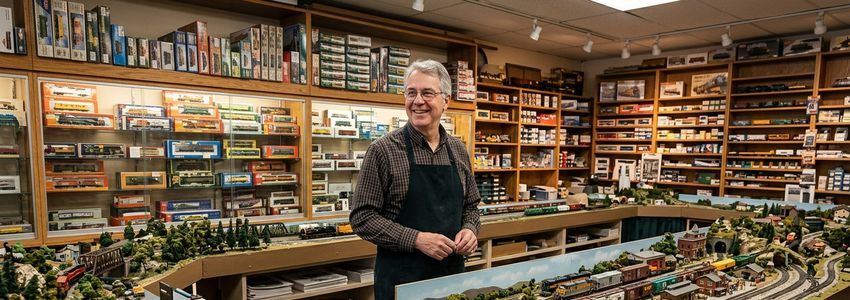
Seasonal fluctuations are a reality for millions of small businesses across retail, construction, hospitality, landscaping, tourism, and service industries. When revenue ebbs between peak periods, operating costs do not pause. Rent, payroll, insurance, utilities, and loan payments continue on schedule whether customers are walking through your door or not. Learning how to prepare for off-season expenses is one of the most important financial skills a small business owner can develop.
This guide covers everything you need to know: how to identify and forecast your off-season costs, how to build a cash reserve strategy, which financing tools work best during slow periods, and how Crestmont Capital helps seasonal businesses maintain financial stability year-round.
In This Article
- What Are Off-Season Expenses?
- How to Forecast Your Slow Season
- Building a Cash Reserve Strategy
- Financing Options for Off-Season Gaps
- How to Cut Costs Without Killing Growth
- How Crestmont Capital Helps Seasonal Businesses
- Real-World Scenarios
- Financing Options Compared
- How to Get Started
- Frequently Asked Questions
What Are Off-Season Expenses?
Off-season expenses are the ongoing operating costs a business must cover during periods of reduced or absent revenue. Even when customer traffic slows dramatically, a business remains legally and contractually responsible for its fixed obligations. These costs create the primary financial danger zone for seasonal operations.
Fixed off-season expenses typically include:
- Commercial rent or mortgage payments on business property
- Business insurance premiums (property, liability, workers' compensation)
- Utility bills for maintaining facilities
- Equipment lease payments and loan installments
- Minimum payroll for year-round employees or managers
- Vendor contracts and software subscriptions
- Debt service on existing business loans
- Storage costs for seasonal inventory
- Marketing and advertising for upcoming peak season
Variable off-season expenses - those that shrink but rarely disappear entirely - include part-time payroll, inventory purchases, supplies, and customer service overhead. Even at 20 percent of peak-season spending, these variable costs accumulate over months of slow business.
Key Insight: According to the U.S. Small Business Administration, cash flow problems are the leading cause of small business failure. For seasonal businesses, the off-season is the most dangerous window - revenue drops while overhead stays the same.
How to Forecast Your Slow Season
Accurate forecasting is the foundation of off-season preparedness. Without knowing exactly what you will owe and when, you cannot build an effective financial plan. The goal is to build a 12-month picture of expenses, broken into peak months, shoulder months, and deep off-season months.
Step 1: Review 24 Months of Financial Statements
Pull your profit and loss statements, bank statements, and expense reports for the last two years. Map your monthly revenue against your monthly expenses. This baseline data reveals your actual revenue cycle, typical expense levels by month, and the exact gap between peak and off-season cash flow.
Step 2: Categorize Fixed vs. Variable Costs
Create two columns: fixed costs (those that do not change based on revenue) and variable costs (those that scale with activity). Fixed costs are your non-negotiable off-season obligations. Variable costs are where you have flexibility to trim.
Step 3: Build a Monthly Cash Flow Projection
Using your categorized expenses and historical revenue patterns, project your monthly cash flow 12 months forward. Identify every month where projected expenses exceed projected revenue. The sum of those deficits is your funding gap - the amount of capital you need to source before your slow season begins.
Step 4: Add a 15-20 Percent Contingency Buffer
Projections are never perfect. Equipment breaks down. A key employee quits. An unexpected regulatory fee arrives. Building a 15 to 20 percent buffer above your calculated gap protects you from disruption during the most financially vulnerable period of your year.
By the Numbers
Off-Season Business Finances - Key Statistics
82%
of small businesses cite cash flow as their biggest challenge
3-6 Mo
Typical off-season duration for most seasonal industries
45%
Revenue drop experienced by seasonal retail during slow periods
$50K+
Average off-season funding gap for mid-sized seasonal SMBs
Don't Let the Slow Season Catch You Off Guard
Get fast, flexible financing from the #1 business lender in the U.S. Secure your off-season funding before you need it.
Apply Now →Building a Cash Reserve Strategy
The most reliable off-season financial defense is a cash reserve built during peak revenue months. A cash reserve is essentially your own private line of credit - one that costs nothing in interest and is always available without an application process.
The Percentage Method
During peak months, automatically transfer a fixed percentage of every dollar of revenue into a dedicated off-season reserve account. Most financial advisors recommend setting aside 10 to 20 percent of peak-season net revenue. The right percentage depends on how long your off-season lasts and how deep your revenue drop is.
For example, a landscaping company earning $80,000 per month during summer months might set aside 15 percent - $12,000 - each month. Over a four-month peak season, that creates a $48,000 reserve to cover $40,000 in off-season fixed costs with buffer to spare.
The Fixed Amount Method
A simpler approach: calculate your exact monthly off-season deficit (expenses minus projected off-season revenue), multiply by the number of off-season months, and divide by the number of peak months. The result is a fixed monthly transfer amount. This is precise and requires no ongoing calculations once set up.
Where to Hold Your Reserve
Keep your off-season reserve in a high-yield business savings account separate from your operating account. This creates a psychological barrier against dipping into the reserve for non-emergency needs. It also earns interest during the months you're building it up.
Financing Options for Off-Season Gaps
Even the best-prepared businesses sometimes encounter off-season gaps that exceed their reserves. Revenue projections can be optimistic, peak seasons can underperform, and unexpected expenses arise. This is where business financing becomes a critical tool.
Business Line of Credit
A business line of credit is arguably the best financing tool for seasonal businesses. It functions like a credit card for your business - you draw funds when needed, repay what you use, and the credit becomes available again. You only pay interest on what you borrow, not the full credit limit.
The key advantage for seasonal businesses is timing: you apply and get approved before the off-season starts, so the credit is available the moment you need it. You do not have to scramble for financing when cash flow is already strained.
Working Capital Loans
Working capital loans provide a lump sum specifically designed to cover operational costs during revenue gaps. These loans are typically short to medium-term - 6 to 24 months - with fixed payments that are easy to budget. They work well for businesses that know their exact off-season deficit and want predictable repayment.
SBA Loans
SBA loans offer the most favorable interest rates and terms available to small businesses. The SBA 7(a) program in particular supports seasonal businesses with seasonal line of credit features. The tradeoff is a more extensive application process and longer approval timeline - which is why SBA financing should be pursued well in advance of your slow season, not after it has begun.
Equipment Financing
If off-season planning involves upgrading or replacing equipment before peak season returns, equipment financing is the most cost-effective approach. Equipment loans allow you to preserve cash during the slow period by spreading the equipment cost over 24 to 72 months, with the equipment itself serving as collateral - which typically results in lower rates than unsecured working capital financing.
Invoice Financing
For businesses that invoice clients (construction, consulting, professional services), invoice financing converts outstanding receivables into immediate cash. If you have $50,000 in invoices sitting unpaid during your off-season, invoice financing can unlock up to 90 percent of that amount within 24 to 48 hours - without adding long-term debt.
| Financing Option | Best For | Typical Terms | Speed |
|---|---|---|---|
| Business Line of Credit | Recurring seasonal gaps | Revolving, 1-3 yrs | 1-5 business days |
| Working Capital Loan | Known fixed deficit | 6-24 months | 24-72 hours |
| SBA Loan | Long-term planning | 5-25 years | 2-8 weeks |
| Equipment Financing | Equipment upgrade before peak | 24-72 months | 1-3 business days |
| Invoice Financing | Unpaid receivables | 30-90 day advances | 24-48 hours |
How to Cut Costs Without Killing Growth
Cost reduction during the off-season requires discipline and strategy. The goal is to reduce unnecessary spending without cutting the investments that protect your ability to generate revenue when peak season returns.
Negotiate with Vendors and Suppliers
Many vendors prefer a negotiated reduced payment during your slow season over a client who defaults entirely. Proactively reach out to your key suppliers before the off-season begins to negotiate deferred payment terms, reduced minimum order commitments, or seasonal pricing agreements. Most professional vendors - particularly those who have worked with seasonal businesses before - will accommodate reasonable requests from reliable customers.
Reduce Variable Staffing Strategically
Payroll is almost always the largest variable expense for small businesses. During the off-season, evaluate each staff position by its necessity for maintaining business continuity versus generating revenue. Consider transitioning seasonal workers to part-time status rather than full layoffs - this preserves relationships with trained employees who are harder to replace than to retain. Cross-train your year-round staff to cover essential functions that would otherwise require additional hires.
Pause or Reduce Non-Essential Marketing
Pull back on paid advertising and promotional spending during deep off-season months when conversion rates are lower. However, do not eliminate marketing entirely. Maintain your SEO content production, social media presence, and email list engagement. These efforts are relatively low-cost and ensure you remain top of mind for customers making decisions about peak-season purchases.
Renegotiate Fixed Contracts
Review all recurring service contracts - cleaning, landscaping maintenance for your own facility, equipment maintenance agreements, professional services retainers. Many of these can be renegotiated to seasonal terms. A commercial cleaning company, for example, might accept a reduced service schedule during months your facility has minimal foot traffic.
Pro Tip: The off-season is also the best time to invest in process improvements, staff training, and equipment upgrades that would be disruptive during peak season. Strategic off-season spending that improves your peak-season performance is not a cost - it is an investment.

How Crestmont Capital Helps Seasonal Businesses
Crestmont Capital is rated the #1 business lender in the United States, and we have extensive experience helping seasonal businesses navigate off-season financial challenges. We understand that a landscaper in January, a ski resort operator in July, and a tax preparer in August all share the same fundamental problem: fixed costs and unpredictable revenue.
Our approach is built around your actual business cycle. We do not assess your application based on last month's revenue - we look at your peak-season performance, your business history, and your forward plan. This means seasonal businesses that would be declined by traditional banks based on off-season financials often qualify with us.
Our seasonal financing solutions include:
- Flexible revolving credit lines that you can draw on during slow months and repay when revenue returns
- Working capital advances structured with seasonal repayment schedules aligned to your revenue cycle
- Equipment financing timed to help you upgrade before peak season without draining your cash reserves
- Fast approvals - most decisions in 24 hours, funding within 1-3 business days
If you have been thinking about securing off-season financing, the right time to apply is before your slow season begins - not during it. When cash flow is strained, lenders see a business in distress. When you apply from a position of strength during or just after peak season, you access better terms and higher approval odds.
Ready to Secure Your Off-Season Financing?
Apply today and get a decision in 24 hours. Flexible terms built for seasonal businesses.
Apply Now →Real-World Scenarios: Off-Season Planning in Action
Scenario 1: The Coastal Seafood Restaurant
A seafood restaurant on the Florida Gulf Coast generates 75 percent of its annual revenue between November and April, when snowbirds and winter tourists fill the area. From May through October, the restaurant sees traffic drop by over 60 percent. Fixed monthly expenses - rent, insurance, utilities, core staff - total $28,000 per month regardless of season.
The owner builds a cash reserve during peak season by setting aside 12 percent of peak-season revenue. In addition, she secures a $75,000 business line of credit before May to serve as backup. During the slow months, she uses the reserve first and draws on the credit line only for unexpected expenses. When November arrives, she repays the credit line quickly as revenue surges - and the line is reset for the following slow season.
Scenario 2: The Landscaping Company
A landscaping company based in Minnesota earns almost all of its revenue between April and October. During the winter months, revenue falls to near-zero while fixed obligations - equipment leases, insurance, office rent, key employee salaries - total $22,000 per month for five months, a $110,000 gap.
The owner applies for a working capital loan of $120,000 (adding a contingency buffer) each September, before the slow season begins. The loan has a 12-month term, with repayment structured so that larger payments occur during spring and summer months when cash flow is strongest. The predictable monthly payment during winter ($4,500 on an interest-only basis) is manageable against even minimal off-season revenue from holiday light installation services.
Scenario 3: The Ski Resort Gift Shop
A gift shop at a Rocky Mountain ski resort generates most of its revenue from December through March. The owner uses the eight-month off-season to renovate the shop, expand the product line, and prepare for the next season. She finances the renovation through small business financing rather than depleting the cash reserve needed to cover the long off-season, preserving liquidity for operational expenses while making the capital improvement that will drive higher peak-season revenue.
Scenario 4: The Wedding Photographer
A wedding photography business generates 80 percent of revenue from May through October. The photographer's off-season from November through April requires covering equipment maintenance, software subscriptions, marketing, and loan payments totaling $8,000 per month.
She uses invoice financing to accelerate payment on outstanding wedding albums owed by clients - converting $24,000 in receivables to $20,400 immediately (at an 85 percent advance rate). This bridges the first two months of the off-season. She supplements this with a small working capital advance to cover the remainder, repaying it fully by July when peak-season revenue is at its highest.
Scenario 5: The Landscaping Supply Store
A landscaping supply distributor faces a different version of the seasonal challenge: the slow season is also when they need to purchase inventory in bulk before spring demand explodes. Using an inventory financing facility, they purchase $200,000 in seed, fertilizer, and supplies in January and February at wholesale prices - financing the purchase against the inventory itself. When spring buyers arrive, the inventory sells quickly and the financing is repaid from the proceeds.
Scenario 6: The HVAC Contractor
An HVAC contractor experiences two slow seasons annually - late fall and early spring. Between these dips, the business must maintain its service fleet, retain certified technicians, and keep equipment in working order. The owner secures a seasonal commercial line of credit that he draws on during both slow periods and repays during the summer and winter peak seasons. The revolving structure eliminates the need to apply for new financing twice a year.
Important: The single biggest mistake seasonal business owners make is waiting until the slow season has already begun to seek financing. By that point, monthly bank statements show declining revenue and lenders respond with tighter terms, lower approval amounts, or outright declines. Apply while your revenue is strong.
Financing Options Compared: Which Is Right for Your Off-Season?
Choosing the right financing tool depends on your business structure, how long your off-season lasts, your existing debt load, and whether your off-season gap is predictable or variable. Here is a more detailed breakdown:
| Criteria | Line of Credit | Working Capital Loan | SBA Loan |
|---|---|---|---|
| Flexibility | High - draw only what you need | Medium - fixed lump sum | Low - structured terms |
| Cost | Pay only on what you use | Fixed interest on full amount | Lowest rate available |
| Approval Speed | Fast (days) | Fast (24-72 hrs) | Slow (weeks) |
| Best Use | Recurring annual gaps | Single-season coverage | Long-term strategy |
| Credit Requirement | Moderate | Moderate to Low | Higher |
How to Get Started
Review your last 24 months of financials and calculate the exact monthly deficit between expenses and projected off-season revenue. This is the number you need to fund.
Apply for financing before your slow season starts - when your revenue is strong and your approval odds are highest. Complete our quick application at offers.crestmontcapital.com/apply-now.
A Crestmont Capital advisor will review your business cycle and recommend the financing structure that best matches your seasonal pattern.
Receive your funding and integrate it into your off-season cash flow plan alongside your reserves and cost reduction strategies.
Conclusion
Preparing for off-season expenses is not a reactive exercise - it is a proactive, year-round financial management discipline. The seasonal businesses that thrive long-term are those that plan for their slow periods during peak season, build reserves systematically, and use financing strategically to bridge gaps without destabilizing their operations.
Off-season expenses for small business owners are predictable. The costs do not surprise you - the only variable is whether you have planned adequately to cover them. With the right combination of cash reserves, cost management, and financing tools from a trusted partner like Crestmont Capital, your off-season becomes a period of stability and preparation rather than survival and stress.
Apply today to secure the off-season financing your business needs - before the slow season arrives.
Protect Your Business Through Every Season
Fast approvals. Flexible terms. Financing built for seasonal businesses. Apply in minutes.
Apply Now →Frequently Asked Questions
Disclaimer: The information provided in this article is for general educational purposes only and is not financial, legal, or tax advice. Funding terms, qualifications, and product availability may vary and are subject to change without notice. Crestmont Capital does not guarantee approval, rates, or specific outcomes. For personalized information about your business funding options, contact our team directly.