Equipment financing is one of the most practical ways for small and mid-sized businesses to acquire the tools, machinery, and technology they need to operate and grow without depleting their cash reserves. Whether you run a construction company that needs a new excavator, a restaurant that requires commercial kitchen appliances, or a medical practice investing in diagnostic equipment, understanding how equipment financing works can help you make smarter decisions about your capital.
In this guide, we break down every aspect of equipment financing so you can move forward with confidence - from how loans are structured to what lenders look for, and how Crestmont Capital can help you get funded fast.
In This Article
What Is Equipment Financing?
Equipment financing is a type of business loan specifically designed to help companies purchase or upgrade the equipment they need to run their operations. Unlike a general working capital loan, equipment financing is tied directly to the purchase of a specific asset - the equipment itself typically serves as collateral for the loan, which reduces lender risk and often makes approval easier to obtain than with unsecured financing.
Businesses across dozens of industries use equipment financing to fund purchases ranging from a single piece of machinery to entire fleets of vehicles. According to the Equipment Leasing and Finance Association, equipment and software investment in the United States exceeds $1 trillion annually - reflecting how central financing has become to how businesses acquire the tools they rely on.
The primary appeal of equipment financing is simple: you get to use income-producing equipment immediately while spreading the cost over time. Instead of writing a large check upfront, you make predictable monthly payments from the revenue the equipment helps you generate.
Key Insight: Because the equipment itself acts as collateral, lenders often approve equipment financing for businesses with credit profiles that might not qualify for unsecured loans. This makes it one of the most accessible funding options for growing businesses.
How Equipment Financing Works
The process of obtaining equipment financing follows a straightforward path. You apply for a loan with a lender, and if approved, the lender provides funds to purchase the equipment you specify. You then make fixed monthly payments over an agreed term until the loan is paid off and you own the equipment outright. The equipment acts as collateral, meaning the lender can repossess it if you default - this secured structure is what makes rates more competitive than unsecured business loans.
Here is a step-by-step look at how the process typically unfolds:
Quick Guide
How Equipment Financing Works - At a Glance
Determine the specific equipment you need, its cost, and where you will purchase it.
Submit an application with your business information, financial documents, and equipment details.
The lender reviews your credit, revenue, time in business, and the equipment's value.
Upon approval, funds are disbursed directly to the equipment vendor and you take possession of the asset.
You make monthly payments over the loan term. At the end, you own the equipment free and clear.
Loan Terms and Rates
Equipment financing terms typically range from 12 months to 84 months (7 years), depending on the useful life of the equipment and the lender's guidelines. Interest rates vary based on your credit profile, the age and type of equipment, your time in business, and revenue. Generally, stronger credit profiles and newer equipment result in lower rates.
Most lenders finance between 80% and 100% of the equipment's value. A down payment of 10% to 20% may be required by some lenders, though many alternative lenders offer no-money-down options for qualified borrowers. Loan amounts commonly range from $5,000 to several million dollars depending on the lender and the scale of the purchase.
Rate Factors: Interest rates for equipment financing typically range from 4% to 30% APR depending on your credit score, time in business, and equipment type. Businesses with 2+ years of operation and revenues above $250K tend to qualify for the most competitive rates.
Need Equipment Financing Fast?
Crestmont Capital funds equipment loans in as little as 24-48 hours. No lengthy bank delays, no unnecessary paperwork hurdles.
Apply Now →Types of Equipment Financing
Not all equipment financing products are identical. Lenders offer several structures depending on your goals, the type of equipment, and your financial profile. Understanding these options allows you to select the one that best fits your situation.
Equipment Loans
A traditional equipment loan provides a lump sum to purchase equipment. You repay it over a fixed term with interest, and at the end of the loan you own the equipment outright. This structure works best when you plan to keep and use the equipment for many years - especially for assets that hold their value well. For most business owners seeking equipment financing, a direct loan is the most straightforward path to full ownership.
Equipment Leasing
With equipment leasing, you essentially rent the equipment for a fixed period. At the end of the lease, you can typically return the equipment, renew the lease, or buy it for a residual value. Leasing works well for technology and equipment that becomes outdated quickly, since you can upgrade at the end of each lease cycle. Learn more about the differences in our guide on equipment leasing.
Equipment Lines of Credit
An equipment line of credit functions similarly to a business line of credit, but is specifically designated for equipment purchases. You draw from the line as needed and only pay interest on what you use. This option suits businesses that need to purchase equipment in phases rather than all at once.
Sale-Leaseback Financing
If you already own equipment outright, sale-leaseback financing lets you sell it to a lender and then lease it back from them immediately. This frees up capital tied in assets while still allowing you to use the equipment in your operations. It is an effective way to extract liquidity from existing assets without disrupting your workflow.
| Option | Ownership | Best For | Typical Term |
|---|---|---|---|
| Equipment Loan | Ownership at end | Long-term use, durable assets | 1-7 years |
| Equipment Lease | Lender owns; option to buy | Tech, fast-depreciating equipment | 1-5 years |
| Equipment Line of Credit | Ownership at end | Phased purchases, ongoing needs | Revolving |
| Sale-Leaseback | Asset sold; leased back | Unlocking capital from existing assets | 1-5 years |
Who Qualifies for Equipment Financing
Equipment financing is one of the more accessible forms of business lending because the equipment itself provides security for the lender. That said, lenders do have minimum requirements that vary by provider. Here are the factors most lenders evaluate:
Credit Score
Most equipment lenders look at both personal and business credit scores. A personal credit score above 600 is generally the minimum threshold for approval, though prime rates and best terms typically require scores of 680 or higher. Alternative lenders like Crestmont Capital work with businesses across a range of credit profiles, including those with bad credit equipment financing needs.
Time in Business
Most traditional lenders require at least two years in business. However, many alternative lenders work with businesses that have been operating for as little as six months, particularly if revenue is strong and the equipment serves as solid collateral. Startups with limited history may need to provide a larger down payment or accept slightly higher rates.
Annual Revenue
Lenders want to see that your business generates enough revenue to service the debt comfortably. A general benchmark is monthly revenue of at least 1.5 times the anticipated monthly loan payment. Most lenders require documentation such as bank statements or tax returns to verify income.
Equipment Type and Age
Lenders evaluate the collateral value of the equipment. Newer equipment from recognized manufacturers holds value better and is easier to finance. Older equipment - especially anything more than 10-15 years old - may face stricter terms or require a larger down payment because its resale value is more uncertain. Specialized equipment with limited resale markets may also face scrutiny.
Key Benefits of Equipment Financing
There are compelling reasons why equipment financing is one of the most widely used funding products among small businesses in the United States. Here are the primary advantages:
Preserves Working Capital
The most significant benefit is cash flow preservation. When you finance equipment rather than paying cash, you retain working capital to cover payroll, inventory, marketing, and unexpected expenses. Tying up $50,000 or $500,000 in a single equipment purchase can cripple a company's liquidity; financing spreads that cost across manageable monthly payments.
Immediate Access to Needed Assets
Equipment financing lets you put productive assets to work right away without waiting until you have saved enough cash. This matters enormously in competitive industries where having the right tools can mean winning contracts or serving more customers. A landscaping company that lands a large commercial contract needs that equipment now - not in 18 months when it might have saved enough.
Fixed Monthly Payments
Unlike variable expenses, equipment loan payments are predictable and fixed. This makes budgeting straightforward and gives business owners confidence in their cash flow projections. You know exactly what you owe each month throughout the life of the loan.
Build Business Credit
Timely repayment of equipment loans builds your business credit profile, improving your ability to access larger credit lines and better rates in the future. Building a track record with lenders opens doors for more sophisticated financing products over time. Explore how businesses can leverage this in our guide to small business loans.
The Equipment Pays for Itself
When equipment directly generates revenue or enables you to increase output, the financing often pays for itself through the additional profits it creates. A food truck that generates $8,000 per month can service a $1,200 monthly equipment payment with ease. Revenue-generating assets are the ideal candidates for equipment financing.
By the Numbers
Equipment Financing in America - Key Statistics
$1T+
Annual U.S. equipment and software investment
80%
Of U.S. businesses use some form of equipment financing
48 Hrs
Average time to funding with alternative lenders
100%
Of equipment value can be financed with strong credit
Equipment Financing vs. Equipment Leasing
One of the most common questions business owners ask is whether to finance or lease their equipment. Both options spread costs over time, but they differ in important ways. The right choice depends on how long you plan to use the equipment, whether you want to own it, and how often you need to upgrade.
Equipment financing (loans) makes more sense when:
- You plan to use the equipment for its full useful life
- The equipment has high residual value and will not become obsolete quickly
- You want to build equity in the asset
- You prefer a lower total cost of ownership over time
- You want the tax benefits of depreciation (consult your accountant)
Equipment leasing makes more sense when:
- Technology is central to the asset and it becomes outdated quickly
- You want to upgrade to newer models every few years
- Lower monthly payments are more important than ownership
- You prefer to keep the asset off your balance sheet
Many businesses use a combination of both depending on the equipment category. A construction company might finance its excavators and bulldozers (long useful life, strong residual value) while leasing its computers and office technology (rapid obsolescence). For a deeper comparison, see our guide on equipment leasing.
Ready to Finance Your Equipment?
Crestmont Capital offers competitive equipment financing for businesses across all industries. Apply in minutes, get a decision fast.
Get Funded Today →How Crestmont Capital Helps with Equipment Financing
Crestmont Capital is a leading U.S. business lender specializing in fast, flexible equipment financing for small and mid-sized businesses. We have helped thousands of business owners across dozens of industries acquire the equipment they need without the bureaucratic delays that come with traditional bank lending.
Our equipment financing products include direct equipment loans, equipment lines of credit, and commercial equipment financing for larger acquisitions. We work with businesses across manufacturing, construction, healthcare, food service, transportation, retail, and more. Our team understands that equipment purchases are often time-sensitive - a missed opportunity costs more than the loan - so we prioritize speed and simplicity without sacrificing terms.
Through our commercial equipment financing program, qualified borrowers can access:
- Loan amounts from $5,000 to $5 million+
- Terms from 12 to 84 months
- Funding in as little as 24-48 hours after approval
- Approvals for businesses with credit scores as low as 580
- Financing for both new and used equipment
- Up to 100% financing with no down payment required for qualified borrowers
Our application process is streamlined: complete our online form at offers.crestmontcapital.com/apply-now, and a Crestmont Capital advisor will reach out promptly to review your needs and guide you through the next steps. We believe in working with businesses the way business owners prefer - directly, quickly, and without unnecessary friction.
Real-World Scenarios
Equipment financing serves businesses in every industry. Here are six real-world examples illustrating how it works in practice:
Scenario 1: Construction Company Expanding Capacity
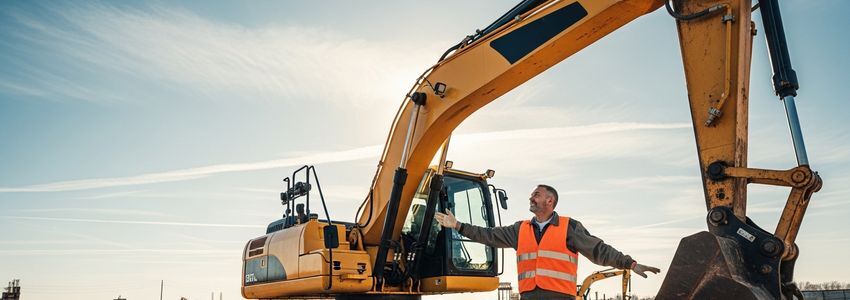
A mid-sized general contractor in Texas wins a $2M commercial development project but lacks a large enough excavation fleet. The owner applies for equipment financing to purchase two excavators totaling $280,000. Approved with a 5-year term at a competitive rate, the monthly payment is manageable relative to the contract revenue, and the company fulfills the project profitably while building equity in valuable equipment.
Scenario 2: Restaurant Upgrading Kitchen
A growing restaurant group needs to replace aging commercial ovens and refrigeration systems across two locations. Rather than pulling cash from operations, they finance $75,000 worth of commercial kitchen equipment over 36 months. The kitchen upgrades improve food quality, reduce energy costs, and pay for themselves within the first year through efficiency gains.
Scenario 3: Medical Practice Adding Diagnostic Equipment
A family medicine clinic wants to add in-house diagnostic imaging to avoid referring patients elsewhere. They finance $180,000 in ultrasound and imaging equipment over 60 months. The equipment generates $25,000+ in monthly revenue from procedures that previously left the practice - making the loan payment trivially serviceable.
Scenario 4: Landscaping Company Fleet Expansion
A regional landscaping business lands several large commercial maintenance contracts but needs three additional service trucks and equipment trailers. They finance $95,000 in commercial vehicles and equipment over 48 months. The new contracts generate $28,000/month in new revenue against a $2,200 monthly payment - a clear win.
Scenario 5: Manufacturing Shop CNC Machine Investment
A precision machining shop receives orders that exceed its current CNC machine capacity. Rather than turn away work, the owner finances a $220,000 CNC machining center over 60 months. The machine increases output by 40%, enabling the shop to fulfill the new contracts and grow annual revenue by over $500,000.
Scenario 6: Trucking Company Replacing Aging Fleet
A regional carrier needs to replace four aging semi-trucks that are increasingly costly to maintain. Rather than continue throwing money at maintenance, the owner finances four new trucks totaling $480,000 over 60 months. Reduced repair costs and improved fuel efficiency result in net savings that nearly cover the monthly payments - making new equipment far more cost-effective than keeping the old fleet running.
Frequently Asked Questions
How to Get Started
Complete our quick application at offers.crestmontcapital.com/apply-now - it takes just a few minutes to get started.
A Crestmont Capital advisor will review your equipment needs and match you with the right financing product and terms for your situation.
Upon approval, funds are disbursed directly to the vendor and you take possession of your equipment - often within 24-48 hours of approval.
Conclusion
Equipment financing is a powerful, strategic tool for businesses of all sizes and industries. Rather than waiting years to save enough cash for essential assets - or depleting working capital in one large purchase - equipment financing lets you put productive tools to work immediately while spreading costs over manageable monthly payments. Whether you need a single piece of machinery or an entire fleet, the right equipment financing structure enables growth without sacrificing the liquidity your business needs to operate day-to-day.
Crestmont Capital specializes in fast, flexible equipment financing tailored to the needs of real business owners. With approvals in as little as 24 hours, competitive rates, and financing for businesses across all credit profiles, we make it easy to get the equipment your business needs today. Visit our equipment financing page or apply now to see what you qualify for.
Start Your Equipment Financing Application Today
Join thousands of business owners who have funded their growth with Crestmont Capital - the #1 rated business lender in the U.S. Apply in minutes, get funded fast.
Apply Now →Disclaimer: The information provided in this article is for general educational purposes only and is not financial, legal, or tax advice. Funding terms, qualifications, and product availability may vary and are subject to change without notice. Crestmont Capital does not guarantee approval, rates, or specific outcomes. For personalized information about your business funding options, contact our team directly.