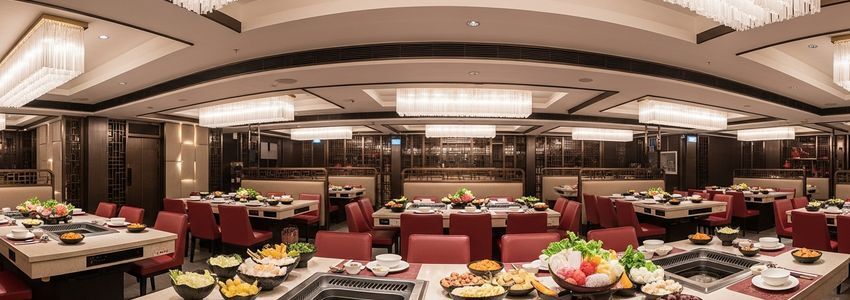
Hot pot restaurants are one of the fastest-growing dining concepts in the United States. From communal dining tables equipped with induction burners to premium broth stations and all-you-can-eat ingredient bars, the hot pot experience commands high customer loyalty and strong average ticket prices. But launching or expanding a hot pot restaurant requires substantial capital investment. Hot pot restaurant business loans give operators the financial foundation to build out their dining rooms, purchase specialized equipment, hire staff, and grow a loyal customer base.
This guide covers everything hot pot restaurant owners need to know about financing - from the types of loans available to qualification requirements and how to apply. Whether you are opening your first location or scaling to multiple sites, the right financing strategy can make the difference between a thriving business and a cash-strapped struggle.
In This Article
- What Are Hot Pot Restaurant Business Loans?
- Benefits of Financing Your Hot Pot Restaurant
- Types of Loans Available
- How the Application Process Works
- Hot Pot Equipment and Buildout Costs
- Who Qualifies for Hot Pot Restaurant Loans?
- How Crestmont Capital Helps Hot Pot Owners
- Real-World Financing Scenarios
- Frequently Asked Questions
- How to Get Started
What Are Hot Pot Restaurant Business Loans?
Hot pot restaurant business loans are financing products designed to help restaurant owners access capital for startup costs, equipment purchases, renovations, working capital, and expansion. Unlike general-purpose loans, these funds are typically used to address the specific financial demands of the hot pot format - including induction burner systems, custom dining table buildouts, ventilation infrastructure, refrigeration, and broth preparation equipment.
Hot pot restaurants face unique financial challenges compared to traditional dining establishments. The concept requires a higher-than-average per-seat capital investment because every table must be outfitted with its own cooking station. Ventilation upgrades are almost always necessary since each burner produces steam and cooking fumes. Ingredient freshness and quality control also require robust cold storage solutions. The result is that hot pot restaurant startup costs frequently run between $150,000 and $600,000 or more depending on size and market.
Business loans bridge the gap between what an owner has saved and what the business actually needs to launch or grow. With the right financing structure, hot pot operators can open fully equipped, fully staffed restaurants without depleting their personal savings or sacrificing operational flexibility.
Industry Growth: According to data from the National Restaurant Association, Asian cuisine restaurants have consistently outpaced the broader foodservice market in new unit growth over the past five years. Hot pot, KBBQ, and shabu-shabu concepts now represent one of the highest-growth dining segments in the country, with estimated annual revenues exceeding $2 billion across U.S. operations.
Benefits of Financing Your Hot Pot Restaurant
Strategic financing allows hot pot restaurant owners to move faster, build better, and compete more effectively from day one. Here are the most compelling reasons to use business loans rather than self-funding alone.
- Preserve Cash Reserves: Keeping cash on hand for working capital, payroll, and unexpected costs is critical in the restaurant industry. Financing your buildout and equipment lets you retain liquidity for day-to-day operations during the revenue ramp-up period.
- Access Better Equipment: High-quality induction burner tables, commercial ventilation systems, and refrigeration units dramatically impact customer experience and food safety compliance. Financing allows you to purchase commercial-grade equipment rather than cutting corners with inferior alternatives.
- Accelerate Your Timeline: Saving enough to fund a buildout out-of-pocket can take years. Business loans compress that timeline so you can open sooner, start generating revenue, and capture market share before competitors enter your area.
- Scale to Multiple Locations: Once your first hot pot location is profitable, financing enables rapid geographic expansion without waiting years to accumulate sufficient retained earnings.
- Build Business Credit: Successfully repaying business loans establishes your commercial credit profile, making future financing cheaper and easier to access.
- Tax-Deductible Interest: Interest paid on business loans is generally deductible as a business expense, reducing your effective cost of borrowing.
Types of Loans Available for Hot Pot Restaurants
Hot pot restaurant owners have access to multiple financing products depending on their specific needs, credit profile, and stage of business development. Understanding the differences helps you select the right tool for each situation.
SBA Loans
Small Business Administration loans are among the most attractive financing options for restaurant owners who meet the requirements. SBA 7(a) loans offer loan amounts up to $5 million with competitive interest rates and repayment terms up to 10 years for working capital or up to 25 years for real estate. The SBA partially guarantees these loans, reducing lender risk and enabling approvals for borrowers who might not qualify for conventional financing. SBA loans are ideal for larger buildouts, multi-location expansions, or acquisition financing.
Equipment Financing
Equipment financing is purpose-built for purchasing the physical assets your restaurant needs - induction burner dining tables, commercial ventilation hoods, refrigeration units, broth kettles, POS systems, and more. The equipment itself serves as collateral, which often results in faster approvals and lower rates compared to unsecured loans. Terms typically run 24 to 72 months. Restaurant equipment financing is frequently the first financing product hot pot owners pursue when building out a new space.
Business Term Loans
Traditional term loans provide a lump sum that you repay over a fixed schedule with predictable monthly payments. Term loans work well for comprehensive buildouts, renovations, or acquiring an existing restaurant. Amounts range from $25,000 to $500,000 or more depending on your revenue, credit profile, and time in business.
Business Line of Credit
A business line of credit functions like a revolving credit facility - you draw funds as needed and only pay interest on what you use. This product is ideal for managing seasonal ingredient cost fluctuations, covering payroll during slow periods, or bridging cash flow gaps between high-revenue weekends and slower weekdays. Lines of credit typically range from $10,000 to $250,000.
Working Capital Loans
Working capital loans are short-term financing products designed to cover operating expenses rather than capital investments. Hot pot restaurants may use working capital loans to stock up on specialty ingredients before a busy season, hire and train new staff, or fund a targeted marketing campaign to drive new customer traffic.
Merchant Cash Advance
A merchant cash advance (MCA) provides upfront capital in exchange for a percentage of your daily or weekly credit card sales. MCAs offer fast funding - often within 24 to 48 hours - but carry higher costs than traditional loans. They are best suited for short-term, time-sensitive needs rather than large capital projects.
| Loan Type | Best For | Typical Amount | Speed |
|---|---|---|---|
| SBA 7(a) Loan | Large buildouts, expansion | $100K - $5M | 30-90 days |
| Equipment Financing | Tables, ventilation, refrigeration | $10K - $500K | 1-5 days |
| Business Term Loan | Renovation, acquisition | $25K - $500K | 2-7 days |
| Line of Credit | Working capital, cash flow | $10K - $250K | 1-3 days |
| Working Capital Loan | Payroll, inventory, marketing | $10K - $250K | 1-3 days |
| Merchant Cash Advance | Emergency cash, fast needs | $5K - $500K | 24-48 hours |
How the Application Process Works
Applying for a hot pot restaurant business loan is more straightforward than many owners expect. Modern alternative lenders and fintech platforms have dramatically simplified the process compared to traditional bank applications. Here is what to expect.
Quick Guide
How Hot Pot Restaurant Financing Works - At a Glance
Complete a brief online application with your business name, revenue, time in business, and financing need.
Submit 3-6 months of business bank statements, tax returns (for larger loans), and any additional documents requested by the lender.
Review your loan offer including amount, term, rate, and payment schedule. Compare multiple offers to find the best fit.
Sign your loan agreement and receive funds - often within 1 to 5 business days depending on the loan type.
Hot Pot Equipment and Buildout Costs
Understanding your capital requirements is essential before approaching a lender. Hot pot restaurants have distinct equipment needs that differ substantially from traditional table-service concepts. Here is a breakdown of what you should budget for.
Induction Burner Dining Tables
The centerpiece of any hot pot restaurant is the specialized dining table equipped with induction burners or gas hookups. Custom-built induction tables with built-in burner cutouts, broth dividers, and tabletop exhaust connections typically cost $800 to $2,500 per table. A 50-seat restaurant with 12 to 15 tables can expect to invest $12,000 to $37,500 in tables alone.
Ventilation and Exhaust Systems
Hot pot cooking generates significant steam and cooking vapors. Most commercial buildings require either overhead exhaust hoods above each table or a tabletop downdraft ventilation system connected to each burner. Centralized ventilation infrastructure for a mid-size hot pot restaurant typically ranges from $30,000 to $120,000 depending on the system type, building configuration, and local code requirements. This is one of the most expensive and most frequently underestimated costs in hot pot buildouts.
Broth Preparation Equipment
Quality broth is the foundation of the hot pot experience. Commercial broth preparation requires large stock pots, commercial ranges or induction units, ladle stations, and holding equipment to keep broths at safe serving temperatures. Broth station equipment typically runs $5,000 to $25,000 depending on volume and menu complexity.
Cold Storage and Ingredient Stations
Fresh, high-quality ingredients are non-negotiable in hot pot. Reach-in refrigeration, walk-in coolers, and ingredient display cases are essential for food safety and presentation. A well-equipped hot pot ingredient bar with refrigerated self-service stations can cost $15,000 to $60,000.
Build-Out and Renovation Costs
Beyond equipment, hot pot restaurants require electrical upgrades (induction burners draw significant amperage), plumbing modifications, flooring that accommodates rolling carts, and interior design elements that support the communal dining concept. Total renovation and buildout costs for a new hot pot restaurant in leased commercial space commonly range from $80,000 to $350,000 depending on condition of the space and market.
Pro Tip: Many hot pot restaurant owners use a combination of financing products to cover different cost categories. Equipment financing handles the induction tables and refrigeration while a term loan or SBA loan covers the ventilation infrastructure and general buildout. A line of credit then provides ongoing working capital flexibility.
By the Numbers
Hot Pot Restaurant Industry - Key Statistics
$2B+
Estimated annual U.S. hot pot industry revenues
$45+
Average check per person at hot pot restaurants
30%+
Average return visit rate for loyal hot pot customers
$300K
Average startup cost for a mid-size hot pot restaurant
Ready to Fund Your Hot Pot Restaurant?
Get fast, flexible financing from the #1 business lender in the U.S. - apply in minutes with no obligation.
Apply Now →Who Qualifies for Hot Pot Restaurant Business Loans?
Qualification criteria vary by lender and loan type, but most lenders evaluate the same core factors when reviewing a hot pot restaurant loan application.
Time in Business
Most traditional lenders require at least 1 to 2 years of operating history. Alternative lenders often fund businesses with as little as 6 months in operation. Startups opening their first hot pot location typically face the most limited options - SBA loans, equipment financing, and lenders specializing in restaurant startups are the best avenues.
Monthly Revenue
Lenders want to see sufficient revenue to support loan repayments. Most alternative lenders require $10,000 to $15,000 in average monthly revenue as a minimum threshold. SBA lenders and banks evaluate revenue in the context of overall cash flow and debt service coverage.
Credit Score
Personal and business credit scores both factor into loan approvals. Equipment financing and alternative term loans are often accessible to owners with scores as low as 550 to 600. SBA loans and bank term loans generally require scores of 650 or higher. Improving your credit score before applying can significantly expand your options and lower your interest rates.
Industry Experience
Lenders view prior restaurant management or ownership experience favorably, particularly for larger loan amounts. If you are opening your first restaurant but have significant culinary or food service management experience, document that background thoroughly in your application.
Collateral
Secured loans - including equipment financing and SBA loans - use the financed assets or other business assets as collateral. Unsecured loans rely more heavily on cash flow and creditworthiness. Hot pot equipment holds reasonable collateral value given its specialized nature and demand in the restaurant resale market.
How Crestmont Capital Helps Hot Pot Restaurant Owners
Crestmont Capital is the #1 rated business lender in the United States, with a proven track record helping restaurant owners in every segment of the food service industry access the capital they need. We understand that hot pot restaurants operate differently from traditional dining concepts - the equipment investment is higher, the customer experience depends on specialized infrastructure, and growth often requires rapid multi-location deployment.
Our team works directly with hot pot restaurant owners to identify the right financing mix for their specific situation. We offer restaurant business loans across all major product categories - term loans, equipment financing, lines of credit, SBA loans, and working capital products. Our application process is designed to move quickly so you can get funded and get building.
We also understand the nuances of restaurant financing that generic lenders miss. Restaurant cash flow is seasonal and front-loaded toward weekends and peak dining hours. Our underwriting accounts for these patterns rather than penalizing restaurants for revenue that does not arrive in perfectly smooth monthly increments. We have helped dozens of Asian restaurant operators - including hot pot, Korean BBQ, and ramen concepts - access financing that banks and traditional SBA lenders turned down.
For hot pot owners who need comprehensive guidance on restaurant financing strategy, our blog post on the complete guide to restaurant loans provides additional depth on structuring your capital stack effectively.
Talk to a Restaurant Financing Specialist
Our advisors specialize in restaurant and food service financing. Get matched with the right product for your hot pot concept.
Get Your Quote →Real-World Financing Scenarios for Hot Pot Restaurant Owners
The following scenarios illustrate how different hot pot restaurant operators have used business financing to grow their businesses.
Scenario 1: First-Time Owner Opening in a Suburban Market
A couple with 12 years of combined food service experience decides to open a 60-seat hot pot restaurant in a suburban strip mall outside Atlanta. They have signed a lease and received preliminary permits but need $280,000 to complete the buildout, purchase induction tables, install ventilation, and cover the first three months of operating expenses. They use a combination of SBA 7(a) loan for $200,000 and equipment financing for $80,000 in tables and refrigeration equipment. Total monthly debt service comes to approximately $3,200, well within their projected revenue model.
Scenario 2: Established Restaurant Expanding to a Second Location
A successful hot pot restaurant owner in Houston has been operating for four years with $2.1 million in annual revenue. They want to open a second location 15 miles away in a high-traffic retail corridor. They apply for a $350,000 business term loan through an alternative lender using their existing restaurant's revenue and cash flow as the qualifying basis. Approval comes in 72 hours and funding arrives within a week. The second location opens five months later.
Scenario 3: Seasonal Cash Flow Management
A hot pot restaurant in Chicago experiences strong revenue from October through April but sees a significant drop in summer months when communal hot dining is less appealing. The owner uses a $75,000 business line of credit to cover payroll, ingredient costs, and marketing expenses during the slow season without depleting the business's cash reserves. When revenue recovers in the fall, the line is paid back down and held for the following summer.
Scenario 4: Equipment Upgrade at an Existing Location
An owner whose hot pot restaurant opened five years ago needs to replace aging induction burner tables and upgrade the ventilation system to comply with updated local fire codes. The total cost is $95,000. Rather than funding this from cash flow, the owner uses equipment financing with a 48-month term, keeping monthly payments at approximately $2,100 while preserving cash for day-to-day operations.
Scenario 5: Marketing-Led Growth Initiative
A 40-seat hot pot restaurant owner in Los Angeles wants to invest $40,000 in a targeted digital marketing and influencer campaign to build awareness in a competitive market. They draw from their existing business line of credit to fund the campaign over three months. The campaign generates a measurable 35% increase in new customer acquisitions, and the line is repaid within six months from increased revenue.
Scenario 6: All-You-Can-Eat Concept Conversion
An existing hot pot restaurant operating on an a la carte model wants to convert to an all-you-can-eat buffet format, which requires significant investment in additional cold storage, ingredient display stations, and a new POS system to manage the AYCE pricing model. The owner funds the $65,000 conversion through a working capital loan with a 12-month repayment term.
Key Insight: Successful hot pot restaurant operators rarely use a single financing product. The most effective strategies combine different loan types to match each financial need - equipment financing for physical assets, term loans for buildouts, and revolving credit for working capital. For a deeper look at this approach, see our guide on restaurant business financing strategies.

Frequently Asked Questions
What types of loans are available for hot pot restaurants?
Hot pot restaurants can access SBA loans, equipment financing, business term loans, business lines of credit, working capital loans, and merchant cash advances. The best option depends on your specific need, time in business, revenue, and credit profile. Many owners use multiple products simultaneously to fund different aspects of their operation.
How much does it cost to open a hot pot restaurant?
Startup costs for a hot pot restaurant vary widely based on market, size, and concept. A small 30 to 40 seat location in a secondary market might cost $100,000 to $200,000. A full-scale 80-seat concept in a major urban market with premium ventilation systems and custom buildout can easily exceed $500,000. Most mid-size hot pot restaurants budget $200,000 to $400,000 for a complete turnkey opening.
Can I get a hot pot restaurant loan with bad credit?
Yes. Alternative lenders, merchant cash advance providers, and some equipment financing companies work with borrowers who have credit scores as low as 500 to 550. However, lower credit scores typically result in higher interest rates and shorter repayment terms. If possible, taking steps to improve your credit before applying - such as paying down existing debts and correcting errors on your credit report - can significantly improve your offers.
How long does it take to get approved for a restaurant business loan?
Approval timelines vary by lender and loan type. Alternative lenders can approve and fund small business loans within 24 to 72 hours for working capital products. Equipment financing typically takes 1 to 5 business days. SBA loans take the longest - typically 30 to 90 days from application to funding. Preparing your documents in advance (bank statements, tax returns, ID) can significantly speed up the process.
What documents do I need to apply for a hot pot restaurant loan?
Standard documents include 3 to 6 months of business bank statements, personal and business tax returns for the past 1 to 2 years, a government-issued ID, proof of business ownership, and a voided business check. For larger SBA loans, lenders may also request a business plan, lease agreement, equipment invoices, and detailed financial projections.
Can I get financing to open my first hot pot restaurant with no prior restaurant ownership?
Yes, though options are more limited for first-time operators. SBA startup loans, equipment financing, and some alternative lenders will work with new restaurant owners who have strong personal credit, relevant industry experience, and a solid business plan. Documenting your restaurant management or culinary background is important - lenders want to see that you understand the business before extending capital.
Is equipment financing available for induction burner tables and ventilation systems?
Yes. Equipment financing applies to virtually any business-use asset including custom induction burner dining tables, commercial ventilation and exhaust systems, refrigeration units, broth preparation equipment, and POS systems. The equipment serves as collateral, which typically enables faster approval and competitive rates even for borrowers with limited credit history.
How much can I borrow for a hot pot restaurant?
Loan amounts depend on your revenue, credit profile, and the type of financing. Working capital loans commonly range from $10,000 to $250,000. Equipment financing can go up to $500,000 or more for large-scale restaurant equipment purchases. SBA 7(a) loans allow up to $5 million. The maximum you can borrow is typically based on a multiple of your monthly revenue - often 1x to 1.5x for alternative lenders and higher for SBA products.
What interest rates can I expect on hot pot restaurant loans?
Interest rates vary significantly by loan type and borrower profile. SBA loan rates typically range from 7% to 12% depending on the prime rate and loan term. Equipment financing rates run 5% to 20% depending on credit and equipment type. Alternative term loans range from 10% to 45%. Lines of credit commonly carry rates between 8% and 25%. Stronger credit scores, more business history, and higher revenues all lead to better rates.
Can I use a business loan to fund a hot pot restaurant franchise?
Yes. SBA 7(a) loans are commonly used to fund franchise purchases, including hot pot franchise concepts. The SBA maintains a franchise directory of pre-approved franchise systems, which can streamline the application process. Standard business term loans and equipment financing can also fund franchise buildouts. You will typically need a franchise disclosure document (FDD) as part of the application for SBA financing.
Do I need a business plan to get a hot pot restaurant loan?
A business plan is required for SBA loans and most bank financing. Alternative lenders focus primarily on your bank statements and revenue history rather than business plans. If you are opening a new restaurant with no operating history, a well-prepared business plan that includes realistic financial projections is essential for any lender evaluating your application.
How does a hot pot restaurant's cash flow affect loan eligibility?
Cash flow is the primary factor most lenders use to determine how much you can borrow and at what rate. Lenders look for consistent monthly deposits, a positive average daily balance, and sufficient revenue to cover proposed loan payments with a comfortable margin. Hot pot restaurants with seasonal fluctuations should be prepared to explain their cash flow patterns and demonstrate that annual revenue supports the loan even if individual months are weaker.
Are there specific lenders that specialize in restaurant loans?
Yes. Some lenders specialize in food service and restaurant financing, including Crestmont Capital. Restaurant-specialized lenders understand industry-specific cash flow patterns, equipment needs, and seasonality - which typically results in faster approvals and more flexible underwriting than generalist business lenders. They also offer product-specific expertise that can help you structure your financing effectively.
What is the difference between a business loan and a merchant cash advance for a restaurant?
A business loan provides a lump sum repaid on a fixed schedule with set payments. A merchant cash advance (MCA) provides upfront capital repaid as a percentage of your daily credit card sales - so payments fluctuate with your revenue. MCAs are faster and easier to qualify for but are significantly more expensive. For a hot pot restaurant with stable revenue, a business term loan will almost always be cheaper than an MCA over the same period.
Can I refinance my hot pot restaurant loans to get better terms?
Yes. Refinancing is a smart strategy for hot pot restaurant owners who took on high-cost financing early in their business and have since built stronger revenue and credit history. By refinancing to lower rates or longer terms, you can reduce monthly payments, free up cash flow, and reduce total interest expense over the life of the loan. Crestmont Capital specializes in helping established restaurant owners refinance into better financing products.
How to Get Started
Complete our quick application at offers.crestmontcapital.com/apply-now - it takes just a few minutes and there is no impact to your credit to apply.
A Crestmont Capital advisor who understands the restaurant industry will review your application, discuss your goals, and match you with the best financing products for your hot pot concept.
Once approved, receive your funds and put them to work - for equipment purchases, buildout costs, working capital, or expansion. Many restaurant loans fund within 1 to 5 business days.
Your Hot Pot Restaurant Deserves the Best Financing
Join thousands of restaurant owners who trust Crestmont Capital for fast, flexible funding. Apply today with no obligation.
Apply Now →Conclusion
Hot pot restaurants represent one of the most exciting and fastest-growing dining concepts in the American food service market. The communal dining experience, premium ingredient presentations, and high customer loyalty make hot pot a compelling business opportunity. But realizing that opportunity requires substantial capital for specialized equipment, ventilation infrastructure, and the working capital needed to sustain operations during the growth phase.
Hot pot restaurant business loans provide the financial foundation to build, equip, and grow your concept without sacrificing the cash reserves you need to operate effectively. Whether you need equipment financing for induction burner tables, a term loan for a complete buildout, or a line of credit for working capital flexibility, the right financing strategy can accelerate your timeline and reduce your financial risk.
Crestmont Capital is ready to help. As the #1 rated business lender in the United States, we combine industry expertise with fast approval processes to deliver financing solutions that work for hot pot restaurant operators at every stage of growth. Explore your options at Crestmont Capital's small business financing hub and take the first step toward funding your hot pot restaurant today.
Disclaimer: The information provided in this article is for general educational purposes only and is not financial, legal, or tax advice. Funding terms, qualifications, and product availability may vary and are subject to change without notice. Crestmont Capital does not guarantee approval, rates, or specific outcomes. For personalized information about your business funding options, contact our team directly.