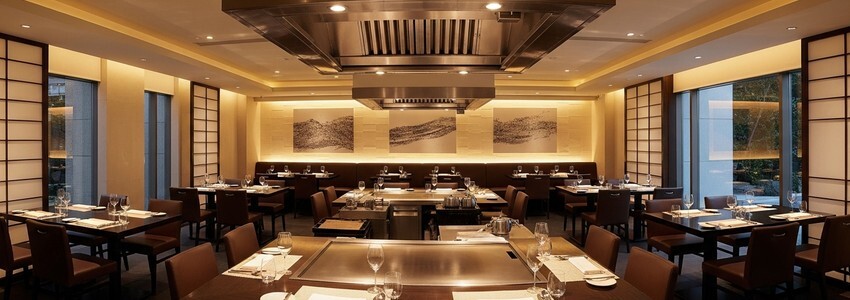
Running a hibachi restaurant is unlike operating any other dining concept. The theatrical teppanyaki experience, the custom grill stations, the skilled chefs who perform tableside cooking create an immersive dining environment that demands significant capital investment. Whether you are opening your first Japanese steakhouse, replacing aging hibachi equipment, or expanding to a second location, hibachi restaurant business loans can provide the funding you need to grow your operation confidently.
This guide breaks down every financing option available to hibachi and teppanyaki restaurant owners, explains how to qualify, and shows you exactly what steps to take to secure the capital your business needs.
- Why Hibachi Restaurants Need Specialized Financing
- Types of Loans Available for Hibachi Restaurants
- Equipment Financing for Teppanyaki Grills and Kitchen Gear
- Working Capital and Cash Flow Solutions
- SBA Loans for Japanese Steakhouse Owners
- How to Qualify for Hibachi Restaurant Financing
- Best Uses of Funds for Hibachi Restaurants
- The Loan Application Process
- Next Steps
- Frequently Asked Questions
Why Hibachi Restaurants Need Specialized Financing
Hibachi restaurants operate with unique cost structures compared to traditional dining establishments. The restaurant industry already runs on thin margins, but hibachi concepts face additional capital pressures that make access to financing especially critical.
According to the U.S. Small Business Administration, restaurant businesses regularly cite equipment costs, build-out expenses, and working capital as their top financing needs. For hibachi operators, those challenges are magnified:
- Custom teppanyaki grill stations cost $5,000 to $25,000 each, and most full-service hibachi restaurants require 6 to 12 stations
- Specialized ventilation systems for smoke and grease management can run $30,000 to $100,000 or more
- Interior buildout for the theatrical dining environment typically costs $150 to $350 per square foot
- Chef recruitment and training for teppanyaki performers commands premium salaries compared to standard kitchen staff
- Seasonal revenue swings create cash flow gaps that require bridging capital
The U.S. Census Bureau reports that full-service restaurants represent one of the largest segments of small business employment nationwide, underlining how vital financing access is to the sector.
Japanese steakhouse financing is not just about surviving these costs. It is about deploying capital strategically to create the authentic, high-quality experience that commands premium pricing and repeat customer loyalty.
Types of Loans Available for Hibachi Restaurants
Hibachi restaurant owners have access to a wide range of financing products. The right choice depends on your credit profile, time in business, revenue, and specific funding need.
Term Loans
Traditional term loans provide a lump sum of capital repaid over a set period, typically 1 to 10 years for restaurant businesses. They work well for major investments like renovations, new grill installations, or opening a second location. Small business loans of this type typically range from $25,000 to $500,000 for established hibachi operations.
Equipment Financing
Purpose-built for purchasing teppanyaki equipment, kitchen appliances, and restaurant technology, equipment financing uses the purchased asset as collateral. This often results in faster approvals and lower rates than unsecured options, making it ideal for hibachi grill stations, ventilation systems, and commercial refrigeration.
Business Line of Credit
A business line of credit gives hibachi restaurant owners flexible, revolving access to capital. Draw funds when you need them for payroll during slow months, seasonal ingredient purchases, or urgent repairs, and only pay interest on what you use.
SBA Loans
The Small Business Administration guarantees several loan programs well-suited for restaurant owners. SBA 7(a) loans offer up to $5 million with favorable terms, while SBA 504 loans are ideal for real estate and large equipment purchases. Application timelines run longer, but the lower interest rates make them worth pursuing for major investments.
Short-Term Business Loans
Short-term business loans deliver funding quickly, often within 24 to 72 hours, making them ideal for urgent needs like replacing a failed grill, covering an unexpected repair bill, or capitalizing on a time-sensitive opportunity. Terms typically run 3 to 18 months.
Merchant Cash Advances
MCAs provide an advance on future credit card sales, repaid through a percentage of daily card receipts. They are fast and easy to qualify for, but factor rates can make them expensive. Best reserved for short-term cash flow gaps when other options are unavailable.
Restaurant Loans
Specialized restaurant loans are designed with the unique cash flow patterns and operational needs of food service businesses in mind. Lenders experienced in restaurant financing understand seasonal revenue, tip income, and high cost-of-goods ratios better than generalist lenders.
Get matched with the right financing option for your Japanese steakhouse. Fast approvals, competitive rates, and lenders who understand the restaurant industry.
Apply Now →Equipment Financing for Teppanyaki Grills and Kitchen Gear
The teppanyaki grill is the heart of every hibachi restaurant and also the most expensive single asset most owners will ever purchase. Understanding teppanyaki restaurant loans specifically for equipment can save you significant money and simplify the financing process.
What Equipment Can Be Financed?
Nearly any piece of commercial kitchen equipment is financeable, including:
- Teppanyaki grill tables and stations (built-in or freestanding)
- Commercial ventilation hoods and exhaust systems
- Commercial refrigeration units and walk-in coolers
- Rice cookers, prep equipment, and specialty Japanese cooking tools
- POS systems, reservation software, and restaurant technology
- Sushi bars and display refrigeration (for combo concepts)
- Bar equipment for sake and cocktail service
- Dining furniture, benches, and custom seating configurations
Equipment Financing Terms for Hibachi Restaurants
The Section 179 tax deduction allows qualifying businesses to deduct the full purchase price of financed equipment in the year of purchase, potentially creating significant tax savings on teppanyaki grill investments. Consult your tax advisor for specifics.
Working Capital and Cash Flow Solutions
Even well-run hibachi restaurants experience cash flow gaps. The theatrical dining format means higher overhead, more staff per cover, and premium ingredient costs. Hibachi grill business funding for working capital helps bridge those gaps without disrupting operations.
Common Cash Flow Challenges for Hibachi Restaurants
- Seasonal fluctuations: Many hibachi restaurants see 30 to 50 percent revenue differences between peak holiday seasons and slower months
- Large party bookings: Group reservations require advance food purchasing and staffing commitments before payment is received
- High food costs: Premium proteins (wagyu, seafood, premium cuts) required for authentic hibachi menus carry significant upfront cost
- Staffing expenses: Teppanyaki chefs command higher wages, and payroll must be met regardless of weekly revenue variance
- Repair downtime: A malfunctioning grill station during a busy weekend can cost thousands in lost revenue
A business line of credit is often the most efficient tool for managing these challenges, since you can draw and repay funds repeatedly as needed. Fast business loans are another option when urgent capital needs arise.
SBA Loans for Japanese Steakhouse Owners
The SBA loan programs offer some of the most favorable terms available for restaurant financing, including lower interest rates, longer repayment terms, and higher loan amounts than most alternative lenders can match.
SBA 7(a) Loans
The SBA 7(a) program is the most versatile option, suitable for working capital, equipment purchases, leasehold improvements, business acquisition (buying an existing hibachi restaurant), and debt refinancing. Loan amounts reach up to $5 million with repayment terms of 7 to 25 years depending on use of funds. The SBA website has full eligibility details.
SBA 504 Loans
The 504 program is designed for major fixed-asset purchases such as commercial real estate (buying your restaurant building) or expensive equipment. A typical 504 structure requires a 10 percent down payment from the borrower, with the SBA guaranteeing 40 percent and a private lender covering 50 percent.
Challenges with SBA Loans for Hibachi Restaurants
SBA approval timelines run 30 to 90 days, and the documentation requirements are extensive. Restaurants must demonstrate strong cash flow history and personal guarantees are typically required. For faster capital needs, alternative restaurant loans may be the better initial option while an SBA application is processed in parallel.
Our team specializes in restaurant business loans and can help you find the right product for your timeline and needs.
Get a Free Consultation →How to Qualify for Hibachi Restaurant Financing
Lender requirements vary significantly across loan types and providers. Here is what you need to know about qualifying for restaurant equipment financing and working capital loans as a hibachi operator.
Minimum Qualification Criteria (Alternative Lenders)
| Loan Type | Min. Time in Business | Min. Monthly Revenue | Min. Credit Score |
|---|---|---|---|
| Term Loan | 1 year | $10,000+ | 580+ |
| Equipment Financing | 6 months | $8,000+ | 550+ |
| Business Line of Credit | 6 months | $10,000+ | 600+ |
| Short-Term Loan | 3 months | $8,000+ | 500+ |
| SBA 7(a) Loan | 2 years | Varies | 680+ |
Documentation Lenders Typically Request
- 3 to 6 months of business bank statements
- Most recent 1 to 2 years of business tax returns
- Profit and loss statements (year-to-date)
- Restaurant lease agreement
- Valid business license and health department permits
- Personal tax returns and ID for all owners with 20 percent or more ownership
- Equipment quotes (for equipment financing applications)
Best Uses of Funds for Hibachi Restaurants
Understanding how to deploy borrowed capital effectively is just as important as securing it. Here are the highest-ROI uses of small business loans for restaurants in the hibachi segment:
Teppanyaki Grill Station Upgrades or Replacement
Aging or underperforming grill stations directly impact food quality and the guest experience. Financing a fleet upgrade can improve table turn times, reduce maintenance costs, and elevate the dining theater that keeps customers coming back.
Ventilation System Installation or Repair
Proper ventilation is both a health code requirement and a critical component of the dining environment. Underpowered or failing exhaust systems create smoke issues that can drive away customers and trigger regulatory problems. Equipment financing covers these systems directly.
Dining Room Renovation
The hibachi dining experience is visual and theatrical. Investing in updated lighting, custom seating, and atmospheric decor through a restaurant business loan can significantly increase average check size and social media visibility.
Marketing and Grand Opening Campaigns
According to a Forbes analysis of restaurant marketing, local digital campaigns and social media presence are the highest-ROI marketing channels for independent restaurant operators. A working capital loan can fund a focused marketing push during slower seasons.
Staffing and Training Investments
Teppanyaki chef training is specialized and time-consuming. Many hibachi operators use working capital financing to fund training programs that reduce staff turnover and elevate performance quality.
Inventory Purchases for Peak Seasons
Pre-purchasing premium proteins and specialty ingredients before busy holiday periods, when prices may rise and availability may tighten, is a smart use of short-term financing that can improve both margins and guest satisfaction.
According to a CNBC report on small business lending, restaurant operators who work with lenders experienced in the food service industry consistently achieve better loan terms and faster approvals than those using generalist lenders. Choosing a lender who understands the hibachi restaurant business model gives you a meaningful competitive advantage in the financing process.

The Loan Application Process
Applying for hibachi restaurant financing is simpler than most business owners expect, especially with alternative lenders who specialize in the food service industry. Here is what the process looks like step by step.
Step 1: Determine Your Funding Need
Calculate exactly how much capital you need and what you will use it for. Equipment purchases have specific price points; working capital needs can be estimated based on monthly overhead and seasonal gap analysis. Being specific about your use of funds strengthens your application.
Step 2: Check Your Credit Profile
Pull your personal credit report and check your business credit profile through Dun and Bradstreet or Experian Business. Understanding your credit position helps you target the right lenders and programs from the outset.
Step 3: Gather Your Documents
Compile bank statements, tax returns, and profit and loss statements as described above. Having documents ready in advance dramatically speeds the approval process.
Step 4: Apply with Multiple Lenders
Submitting applications to multiple lenders simultaneously allows you to compare offers. Crestmont Capital works with a network of lenders and can present multiple options with a single application, saving time while maximizing your chances of approval.
Step 5: Review and Accept the Best Offer
Compare total cost of capital, monthly payment amount, repayment terms, and any prepayment penalties before accepting. The lowest monthly payment is not always the best deal if a longer term results in significantly higher total interest paid.
Step 6: Receive Funding
Alternative lenders can fund approved applications in as little as 24 to 72 hours. SBA loans may take 30 to 90 days. Plan your timeline accordingly based on the urgency of your need.
Similarly, Bloomberg has reported that the restaurant industry continues to attract financing despite broader economic pressures, with lenders recognizing the resilience of experiential dining concepts like hibachi as consumer demand for unique dining experiences remains robust.
Crestmont Capital has helped hundreds of restaurant owners access the capital they need. Get started with a simple online application and receive your options within hours.
Start Your Application →Next Steps
Frequently Asked Questions
What types of loans are available for hibachi restaurant owners?
How much can I borrow for my hibachi restaurant?
Do I need good credit to get a hibachi restaurant business loan?
How long does it take to get funded?
Can I get a business loan to open a new hibachi restaurant?
What can hibachi restaurant loans be used for?
Is equipment financing available for teppanyaki grills specifically?
How do SBA loans work for Japanese steakhouse financing?
What documentation do lenders require from hibachi restaurant owners?
Can a hibachi restaurant owner get a loan with bad credit?
How does a business line of credit work for a hibachi restaurant?
Are there grants available for hibachi restaurant owners?
What interest rates should I expect on a hibachi restaurant loan?
Can I finance a hibachi restaurant renovation?
How do I compare hibachi restaurant loan offers effectively?
Disclaimer: The information provided in this article is for general educational purposes only and does not constitute financial, legal, or tax advice. Loan availability, terms, and qualification requirements vary by lender and individual borrower circumstances. Always consult with a qualified financial professional before making borrowing decisions. Crestmont Capital is not a bank or direct lender; we connect borrowers with third-party lending partners.