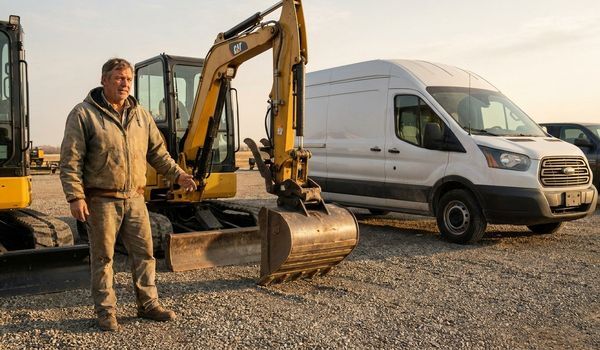
The robust U.S. handyman services market generates over $4 billion annually and continues to exhibit consistent growth, driven by several key factors. An aging housing stock across the nation, coupled with a persistent shortage of skilled tradespeople, has created a significant demand for reliable, multi-trade repair professionals. Homeowners and property managers alike increasingly seek competent individuals and companies capable of addressing a wide array of maintenance and repair needs efficiently and effectively. Handyman businesses are uniquely positioned to capitalize on these market dynamics, benefiting from relatively low overhead, flexible service offerings, and strong local demand for their versatile expertise.
For ambitious handyman operators, access to appropriate capital is not merely an advantage, but often a necessity for growth and operational efficiency. Handyman business loans provide the essential financial resources required to transition from a solo venture to a scalable enterprise. This capital can be strategically deployed to acquire professional-grade tools and equipment that expand service capabilities, upgrade crucial service vehicles to enhance reliability and reach, and invest in hiring and comprehensive training for additional skilled employees. Such investments are critical for scaling operations, increasing job capacity, and ultimately elevating profitability.
Crestmont Capital understands the unique operational landscape of the handyman services industry. We recognize that handyman businesses thrive on a combination of project-based work and often benefit from stable, recurring maintenance contracts, both of which are strong indicators of financial health and lending strength. This guide provides an exhaustive overview of the financing options available to handyman business owners, detailing how these solutions can empower your business to meet growing demand, expand service offerings, and achieve sustained success in a competitive market.
In This Article
- What Are Handyman Business Loans?
- The Real Costs of Running a Handyman Business
- Types of Handyman Business Loans
- How Handyman Business Financing Works
- Who Qualifies for Handyman Business Loans?
- How Crestmont Capital Helps Handyman Business Owners
- Real-World Financing Scenarios
- Comparing Handyman Business Financing Options
- How to Get Started
- Frequently Asked Questions
What Are Handyman Business Loans?
Handyman business loans are specialized financial products designed to meet the capital needs of businesses operating within the diverse handyman services sector. These loans provide the necessary funds for a wide array of operational and growth initiatives, from purchasing essential tools and vehicles to covering payroll, marketing, and expansion costs. Unlike generic business loans, handyman financing options are often structured with an understanding of the industry's unique revenue cycles, which can include a mix of immediate project payments, scheduled milestone payments, and recurring contract fees. This tailored approach ensures that the financing aligns with the specific cash flow patterns and investment requirements of handyman enterprises.
The handyman services market encompasses a broad spectrum of business models, each with distinct financing requirements. This includes independent residential repair and maintenance specialists who serve individual homeowners, as well as commercial property handyman services that cater to businesses, retail spaces, and office complexes. Property management handyman contractors often secure long-term agreements for routine maintenance and emergency repairs across multiple units, providing a stable revenue stream that is highly attractive to lenders. Furthermore, multi-trade service companies, which might specialize in a few key areas like plumbing and electrical, or handyman franchise operators, who benefit from established brand recognition and operational blueprints, all require capital for different stages of their business lifecycle. Each of these segments can leverage handyman business loans to optimize their operations and achieve strategic objectives.
Access to adequate capital is paramount for any handyman business aiming for sustainability and growth. Whether you are a solo operator looking to upgrade your tool kit, an established business planning to add a second service vehicle and technician, or a growing enterprise seeking to secure a significant commercial contract, financing can bridge the gap between ambition and reality. Capital allows businesses to invest in higher-quality equipment, expand their service range, hire and retain skilled staff, and effectively market their services to a wider client base. Without sufficient funding, even the most skilled handyman might find their growth potential limited by operational constraints.
Lenders often view the handyman industry favorably, particularly businesses that demonstrate consistent revenue and strong client relationships. Project-based work, while sometimes variable, indicates active demand, while recurring maintenance contracts, especially with property management companies or commercial clients, represent a highly attractive and predictable revenue stream. This stability can significantly strengthen a business's creditworthiness and improve its access to more favorable loan terms. Crestmont Capital understands these dynamics and works to structure financing solutions that leverage your business's inherent strengths, helping you manage your finances effectively and strategically. For additional guidance on managing business finances, the Small Business Administration offers valuable resources on their website, which can be found at SBA's financial management resources.
The Real Costs of Running a Handyman Business
Operating a successful handyman business involves far more than simply possessing trade skills. It requires substantial investment in a range of critical assets and ongoing operational expenses. Understanding these real costs is fundamental for effective financial planning and for determining the appropriate type and amount of handyman business loans needed to sustain and grow your enterprise. These expenses can vary significantly based on the scale of your operation, the types of services you offer, and your geographic location, but certain categories are universally applicable to nearly all handyman ventures.
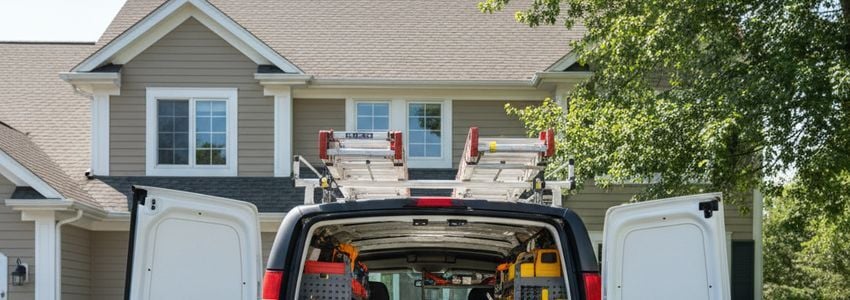
One of the most significant initial and ongoing investments for any handyman business is the service vehicle. A reliable truck or van is not just transportation; it is a mobile workshop and storage unit. These vehicles need to be robust enough to carry heavy tools, ladders, and materials, often requiring specialized shelving and storage solutions. The cost for a new, well-equipped service vehicle can range from $25,000 for a basic, reliable van to well over $60,000 for a heavy-duty truck with custom utility features. Beyond the purchase price, there are ongoing costs for fuel, maintenance, insurance, and potential vehicle wraps for branding.
Equally vital is the acquisition of professional tool sets. A handyman's effectiveness and efficiency are directly tied to the quality and range of their tools. This includes a comprehensive collection of power tools such as drills, saws, sanders, and grinders, alongside a full complement of hand tools like wrenches, screwdrivers, hammers, and measuring devices. Ladders of various heights and types, as well as essential safety equipment like gloves, eye protection, and respirators, are also non-negotiable. The initial outlay for a robust, professional-grade tool arsenal can easily fall within the $5,000 to $25,000 range, with continuous investment required for replacements and upgrades.
Beyond general tools, many handyman businesses benefit from specialty equipment that allows them to undertake more complex or lucrative jobs. Items like tile saws, commercial-grade pressure washers, drywall lifts, and even sophisticated pipe inspection cameras can significantly expand service offerings and command higher rates. These specialized pieces of equipment can represent an additional investment of $3,000 to $15,000 per item, depending on their complexity and capacity. Such investments are often crucial for moving beyond basic repairs and tapping into higher-value service segments.
Further ongoing expenses include the regular purchase of material inventory and supplies. This encompasses everything from fasteners, adhesives, and sealants to plumbing fittings, electrical components, and various types of lumber or drywall. Maintaining an adequate stock of frequently used materials reduces trips to the supply store, saving time and increasing efficiency on job sites. Business insurance is another critical cost, typically including general liability insurance to protect against claims of property damage or bodily injury, workers' compensation insurance if you have employees, and comprehensive commercial auto insurance for your service vehicles. These insurance policies are not only legally required in many jurisdictions but also provide essential financial protection against unforeseen incidents. Finally, investing in scheduling and invoicing software streamlines administrative tasks, while a well-executed marketing strategy, including a professional website, targeted Google Ads, and local advertising, is essential for attracting and retaining clients. These combined costs underscore the significant financial commitment required to build and sustain a thriving handyman business.
Industry Insight: The U.S. handyman services market is valued at over $4 billion annually and growing steadily, according to industry research. With more than 80 million homes in the U.S. built before 1980, demand for repair, maintenance, and renovation services continues to outpace the supply of qualified tradespeople, creating persistent opportunity for handyman business owners.
Ready to Fund Your Handyman Business?
Get fast, flexible financing for handyman businesses nationwide. No obligation - apply in minutes with Crestmont Capital.
Apply Now →Types of Handyman Business Loans
Navigating the various financing options available can be a critical step for handyman business owners seeking to grow or stabilize their operations. Each loan type is designed to address specific financial needs, offering distinct advantages in terms of use, repayment structure, and qualification requirements. Understanding these different types of handyman business loans is essential for making informed decisions that align with your business goals and current financial situation. Crestmont Capital offers a comprehensive suite of financing solutions tailored to the unique demands of the handyman industry.
Equipment Financing
For a handyman business, tools are the lifeblood of operations. Equipment financing is specifically designed to help businesses acquire the necessary machinery, tools, and technology without depleting their working capital. This type of loan is ideal for purchasing everything from essential power tools like drills, saws, and sanders to more specialized trade equipment such as tile saws, pressure washers, drywall lifts, or even sophisticated diagnostic tools. Ladders, scaffolding, and safety gear, while perhaps less glamorous, are equally vital and can also be financed.
The primary advantage of equipment financing is that the equipment itself often serves as collateral for the loan. This can make it easier for businesses, especially those with limited other assets or a developing credit history, to qualify. Loan terms are typically structured to match the useful life of the equipment, ensuring that payments are manageable and the asset generates revenue while it is being paid for. This preserves cash flow, allowing a handyman business to invest in high-quality, durable tools that enhance efficiency, expand service capabilities, and ultimately increase earning potential. Crestmont Capital provides robust equipment financing solutions to keep your toolbox fully stocked and your business productive.
Commercial Vehicle Loans
A reliable service vehicle is more than just transportation for a handyman; it is a mobile command center, tool shed, and advertising billboard all in one. Commercial vehicle loans are specifically tailored to help handyman businesses acquire the essential service trucks, vans, and trailers needed to transport tools, equipment, materials, and personnel to job sites efficiently and safely. Whether you need a new heavy-duty pickup truck for hauling large loads, a well-organized cargo van for urban jobs, or a utility trailer for specialty equipment, this financing option provides the capital required.
Similar to equipment financing, the vehicle itself typically serves as collateral for the loan, which can simplify the approval process and often results in more favorable interest rates compared to unsecured loans. Repayment terms are generally flexible, extending over several years to align with the vehicle's lifespan and the business's cash flow. Investing in a new or well-maintained commercial vehicle not only improves operational reliability and professionalism but also enhances your ability to reach more clients and take on larger, more profitable projects. Crestmont Capital offers competitive commercial vehicle financing to keep your fleet running smoothly.
Working Capital Loans
Even the most successful handyman businesses experience fluctuations in cash flow, whether due to seasonal demand, unexpected expenses, or the lag between completing a job and receiving payment. Working capital loans are designed to provide a flexible infusion of cash to cover day-to-day operational expenses, ensuring that your business can maintain smooth operations regardless of these fluctuations. This type of loan is highly versatile and can be used for a variety of purposes critical to a handyman's daily needs.
Common uses for working capital loans include purchasing material inventory and supplies for upcoming projects, covering payroll for additional technicians during busy periods, or funding targeted marketing campaigns to attract new clients. They are also invaluable for bridging cash flow gaps during slower seasons or when waiting for large invoices to be paid. Unlike equipment or vehicle loans, working capital loans are often unsecured, meaning they do not require specific collateral, which can speed up the application and funding process. Crestmont Capital specializes in providing unsecured working capital loans, offering the flexibility handyman businesses need to manage their finances effectively and seize new opportunities without delay.
Business Lines of Credit
A business line of credit offers unparalleled flexibility, acting as a financial safety net and a dynamic tool for managing ongoing operational needs. Similar to a credit card but often with lower interest rates and higher limits, a line of credit provides access to a revolving pool of funds up to a predetermined limit. You only pay interest on the amount you draw, and as you repay the borrowed funds, that capital becomes available again for future use. This makes it an incredibly efficient way to manage fluctuating expenses without taking out multiple loans.
For handyman businesses, a business line of credit is ideal for routine material purchases, covering the cost of unexpected tool repairs or replacements, or managing seasonal marketing spend. It can also provide critical liquidity to bridge temporary cash flow gaps, such as when waiting for payment on a large contract or covering overhead during a slow period. The revolving nature of a line of credit means that once established, it can be a continuous source of accessible capital, empowering business owners to respond quickly to opportunities or challenges. Crestmont Capital offers flexible business lines of credit tailored to the dynamic needs of handyman enterprises.
SBA Loans
SBA loans, partially guaranteed by the U.S. Small Business Administration, represent some of the most attractive financing options available to small businesses, including handyman services. While the application process can be more extensive and approval times longer than other loan types, the benefits often include lower interest rates, longer repayment terms, and smaller down payments. These features make SBA loans particularly well-suited for larger, strategic investments that require substantial capital and a more extended repayment horizon.
For a handyman business, SBA loans can be instrumental in significant growth initiatives. This might include acquiring an existing handyman business or a new territory, allowing for immediate expansion of client base and service reach. They can also be used for purchasing commercial space, providing a permanent base of operations, or funding substantial expansion projects such as building out a larger workshop or adding a specialized division. While Crestmont Capital does not directly offer SBA loans, we can guide you through the process and connect you with our network of SBA lending partners, ensuring you have access to the most favorable terms for your long-term growth objectives.
Short-Term Business Loans
Sometimes, a handyman business needs capital quickly to address immediate needs or seize time-sensitive opportunities. Short-term business loans are designed for just these scenarios, offering fast access to funds with shorter repayment periods, typically ranging from a few months to a couple of years. While they often come with higher interest rates than long-term loans due to the increased risk and speed of funding, their rapid approval and disbursement can be invaluable in critical situations.
These loans are ideal for urgent tool replacement when a crucial piece of equipment breaks down unexpectedly, ensuring minimal disruption to ongoing projects. They can also be used to quickly purchase materials for a large, lucrative contract that requires immediate investment before client payment is received, or to bridge minor cash flow gaps between invoices. The speed and relative ease of securing a short-term loan make it a practical solution for managing immediate financial demands that cannot wait for traditional lending processes. Crestmont Capital specializes in providing rapid access to short-term financing, understanding that in the handyman industry, time is often money.
Lender's Advantage: Handyman businesses with recurring property management contracts or multi-year commercial maintenance agreements are among the most lender-friendly service businesses. The predictable revenue streams and established client relationships inherent in such contracts significantly reduce perceived risk, often leading to more favorable financing terms and faster approval processes.
How Handyman Business Financing Works
Securing financing for your handyman business might seem like a complex process, but at Crestmont Capital, we've streamlined it to be as straightforward and efficient as possible. Our goal is to provide fast, flexible funding solutions that empower handyman business owners to focus on their trade, not on navigating intricate financial paperwork. The process typically involves a few key steps, designed to quickly assess your business's financial health and match you with the most suitable loan products.
From initial application to fund disbursement, our team works diligently to ensure transparency and speed. We understand that in the fast-paced world of handyman services, time is a critical resource, and delays in financing can mean missed opportunities or operational setbacks. By leveraging technology and a deep understanding of the service industry, Crestmont Capital simplifies the journey to obtaining the capital your handyman business needs to thrive.
Quick Guide
How Handyman Business Financing Works - At a Glance
Complete a brief application with your business details and revenue - takes about 5 minutes.
Your advisor reviews bank statements and business info to assess eligibility quickly.
Crestmont presents loan options with clear terms, rates, and repayment schedules - no hidden fees.
Accept your offer and receive funds in your business account - often within 24 to 72 hours.
Who Qualifies for Handyman Business Loans?
Qualifying for handyman business loans largely depends on demonstrating a stable and viable business operation, rather than just the skills of the individual tradesperson. Lenders, including Crestmont Capital, assess several key factors to determine eligibility and to structure loan terms that are appropriate for your business. Understanding these criteria can help you prepare your application and increase your chances of securing the necessary funding. While specific requirements can vary by loan product, general guidelines apply across most financing types.
A crucial factor is the time your business has been operational. Most lenders prefer to see a minimum of 6 months in business, as this demonstrates a track record of activity and the ability to generate revenue. For newer businesses, showing consistent growth and a clear business plan can sometimes compensate for a shorter operating history. Established businesses with several years of operation often qualify for more favorable terms due to their proven stability and experience in the market. This operational history provides lenders with confidence in your business's ability to navigate challenges and sustain profitability.
Annual business revenue is another primary indicator of financial health. Lenders typically look for a minimum annual revenue threshold, often starting around $75,000, to ensure the business has sufficient cash flow to comfortably manage loan repayments. Higher revenue figures generally open doors to larger loan amounts and more competitive interest rates. It is important to have clear, organized financial records, such as bank statements and tax returns, to accurately demonstrate your business's earning capacity. These documents provide a transparent view of your income and expenses, which is critical for a thorough assessment.
Your personal and business credit scores play a significant role in the qualification process. While a strong personal credit score (typically 680 or higher) is often preferred for traditional loans, especially SBA loans, Crestmont Capital understands that many small business owners may have less-than-perfect credit. For alternative financing options like working capital loans or short-term loans, a credit score of 550 or higher may be sufficient, demonstrating our commitment to working across the credit spectrum. A higher credit score generally indicates lower risk to lenders, translating into more advantageous loan terms, including lower interest rates and longer repayment schedules.
The type of handyman operation you run also influences qualification. A solo handyman with a robust client base and consistent income can certainly qualify, especially for smaller loans or lines of credit. However, multi-crew operations or commercial property maintenance companies, which often have more substantial assets, higher revenue, and more structured operations, may qualify for larger loan amounts and a broader range of products. Businesses with recurring property management contracts are particularly attractive to lenders due to the predictable and stable revenue streams these agreements provide. This consistency significantly reduces perceived risk and can act as a strong positive qualifier, leading to more favorable financing conditions.
Finally, having the necessary documentation readily available will expedite the application process. This typically includes recent business bank statements, tax returns (both personal and business), a profit and loss statement, and a balance sheet. For equipment or vehicle financing, details about the asset being purchased will also be required. Crestmont Capital prides itself on working with handyman businesses across various stages of development and financial health, providing tailored solutions and guiding you through the documentation process to ensure a smooth and efficient experience.
How Crestmont Capital Helps Handyman Business Owners
At Crestmont Capital, we recognize that handyman businesses are the backbone of local communities, providing essential services that keep homes and commercial properties functioning optimally. Our mission is to empower these vital businesses with the financial resources they need to thrive, expand, and overcome operational challenges. We distinguish ourselves by offering fast, flexible, and accessible financing solutions specifically designed with the unique characteristics of the handyman industry in mind. We understand that your time is best spent on job sites, not on complex loan applications, which is why we've streamlined our processes for maximum efficiency.
One of Crestmont Capital's core strengths is our ability to provide fast approvals and rapid funding. We know that when a critical tool breaks, a new service vehicle is needed, or an unexpected opportunity arises, time is of the essence. Our application process is designed to be quick and user-friendly, often leading to same-day decisions and funds disbursed into your account within 24 to 72 hours. This speed ensures that handyman business owners can seize opportunities, address emergencies, and maintain seamless operations without significant delays, which is crucial in a service-oriented industry where responsiveness is key.
We also possess a deep understanding of service businesses, particularly those with variable project revenue. Unlike traditional banks that might struggle with irregular income streams, Crestmont Capital's experienced advisors are adept at evaluating the financial health of handyman companies, considering factors beyond just predictable monthly income. We look at your overall business performance, client base, project pipeline, and the potential for recurring contracts to provide a holistic assessment. This nuanced approach allows us to offer financing to a wider range of handyman businesses, from solo operators to multi-crew enterprises, even if their revenue fluctuates seasonally or project by project.
Crestmont Capital offers flexible loan structures tailored to fit the diverse needs of handyman businesses. Whether you need a substantial loan for equipment and vehicle upgrades, a working capital loan to manage payroll and material costs, or a flexible line of credit for ongoing operational expenses, we have solutions to match. Our advisors work closely with you to understand your specific goals and financial situation, crafting repayment schedules and terms that are manageable and conducive to your business's growth. This personalized approach ensures that the financing you receive truly serves as a catalyst for your success, rather than an additional burden.
Beyond handyman business loans, Crestmont Capital is a leading provider of comprehensive small business loans and small business financing solutions across various service industries. Our expertise extends to supporting related trades, and we frequently assist businesses in sectors such as pest control, pressure washing, drain cleaning, and junk removal. This broad experience gives us unique insights into the operational commonalities and distinct financial requirements of service-based businesses, allowing us to provide informed advice and effective funding solutions. When you partner with Crestmont Capital, you're not just getting a loan; you're gaining a financial ally committed to your handyman business's long-term prosperity.
Get Handyman Business Financing Today
Crestmont Capital works with handyman businesses across the U.S. Speak with a specialist and get a same-day decision.
Apply Now →Real-World Handyman Business Financing Scenarios
Understanding the theoretical aspects of handyman business loans is important, but seeing how these financing options translate into tangible growth and operational improvements for real businesses can be even more illuminating. These scenarios illustrate how various types of handyman financing can be strategically applied to address common challenges and capitalize on opportunities within the handyman services industry, empowering business owners to elevate their capabilities and profitability.
1. Upgrading to a Professional Tool Arsenal
John, a highly skilled solo handyman operating in a suburban market, had built a solid reputation over five years. His client base was growing, but he found himself increasingly limited by his aging and incomplete tool set. While his existing tools allowed him to handle basic repairs, he consistently had to decline higher-value jobs like complex tile installations, minor plumbing overhauls, or intricate carpentry work because he lacked the specialized equipment. This meant he was leaving significant revenue on the table and struggling to compete with larger, better-equipped contractors.
Recognizing this bottleneck, John applied for an $18,000 equipment loan through Crestmont Capital. With the funds, he invested in a professional-grade tile saw, a robust set of plumbing inspection cameras and specialized pipe wrenches, a high-precision miter saw, and a durable, portable workbench. This strategic acquisition immediately expanded his service capabilities. Within weeks, John was confidently taking on full bathroom remodels and kitchen backsplashes, offering advanced plumbing repairs, and delivering superior finishes on carpentry projects. The ability to offer these higher-value services allowed him to command premium rates, significantly increasing his average job revenue and overall profitability, quickly offsetting the loan payments.
2. Adding a Second Crew and Vehicle
Maria's "All-Around Handyman Services" had become a local favorite in a bustling city, known for its promptness and quality work. After three years of steady growth, Maria found her single service vehicle and solo operation stretched to its limits. She was constantly turning away new clients and struggling to meet demand, indicating a clear opportunity for expansion. Her primary goal was to double her job capacity by adding a second crew, but this required a substantial upfront investment in another fully equipped service vehicle and the cost of hiring and training a new technician.
Maria approached Crestmont Capital and secured $55,000 in combined vehicle and working capital financing. The bulk of the funds went towards purchasing a new, fully outfitted service van, complete with specialized shelving and a complete set of professional tools for a second crew. The remaining working capital was allocated to cover the hiring process, initial payroll for the new technician, and a targeted local marketing campaign to announce her expanded services. Within two months, the second crew was operational and generating revenue. This strategic expansion allowed Maria to double her daily job capacity, significantly increasing her monthly revenue and solidifying her business as a dominant player in her market.
3. Landing a Property Management Contract
David, owner of "Reliable Home Solutions," had been successfully serving residential clients for several years. He had always eyed the stable, recurring revenue potential of property management contracts but lacked the immediate resources to scale up and meet the demands of such an agreement. An opportunity arose to bid on a maintenance contract for a local property management company overseeing 200 residential units. To win the bid, David needed to demonstrate the capacity to handle a high volume of diverse repair requests and ensure rapid response times, which meant hiring an additional technician and investing in more robust scheduling software and marketing materials.
David secured a $30,000 working capital loan from Crestmont Capital. This capital allowed him to immediately hire an experienced technician, ensuring he had the manpower to fulfill the contract's requirements. He also invested in professional marketing materials tailored for property managers and upgraded his scheduling and invoicing software to handle the increased volume and complexity of the new client. The working capital also provided a crucial cash flow bridge during the initial ramp-up phase of the contract, covering operational costs until the first large payments from the property management company began to flow in. This strategic financing enabled David to successfully land the significant contract, transforming his business with a predictable, high-volume revenue stream and setting the stage for long-term growth and stability.
Comparing Handyman Business Financing Options
Choosing the right financing option for your handyman business requires a clear understanding of what each loan type offers, its typical use cases, and its associated characteristics. There is no single "best" loan for every situation; the optimal choice depends on your specific needs, the amount of capital required, the urgency of the funding, and your business's financial profile. This comparison aims to provide a clear overview, helping you make an informed decision for your handyman business.
Consider your objectives carefully: are you looking to acquire a major asset, cover day-to-day expenses, or bridge a temporary cash flow gap? Each financing product is designed with a particular purpose in mind. Evaluating the typical amounts, speed of funding, and collateral requirements will enable you to align the right financial tool with your business strategy.
| Loan Type | Best For | Typical Amount | Speed | Collateral |
|---|---|---|---|---|
| Equipment Financing | Power tools, specialty equipment | $5K - $150K | 24-72 hours | Equipment |
| Vehicle Loan | Service trucks and vans | $20K - $100K | 24-72 hours | Vehicle |
| Working Capital Loan | Materials, payroll, marketing | $10K - $500K | 24-72 hours | None (unsecured) |
| Business Line of Credit | Materials, repairs, seasonal gaps | $10K - $250K | 1-5 days | Varies |
| SBA 7(a) Loan | Business acquisition, major expansion | $50K - $5M | 30-90 days | Required |
| Short-Term Loan | Urgent tool replacement, materials | $5K - $250K | 24-48 hours | None (typically) |
When considering these options, it's vital to think about the long-term implications for your business. While short-term loans offer speed, their higher costs might make them less suitable for sustained growth investments. Conversely, SBA loans provide excellent terms for large-scale projects but require patience due to their longer approval times. Equipment and vehicle financing are highly effective for asset acquisition, leveraging the purchased item as collateral, which can make them more accessible.
Working capital loans and lines of credit provide the most flexibility for day-to-day operations and managing cash flow fluctuations, which are common in the handyman industry. At Crestmont Capital, our expert advisors are available to discuss your specific needs, assess your business's eligibility, and help you navigate these options to find the most advantageous financing solution that aligns perfectly with your handyman business's goals and growth trajectory.
How to Get Started with Handyman Business Loans
Embarking on the journey to secure financing for your handyman business can be a pivotal step towards achieving your growth objectives and strengthening your operational capabilities. With a clear understanding of the types of loans available and how they can benefit your business, the next logical step is to initiate the application process. Crestmont Capital has refined its approach to make this as seamless and efficient as possible, ensuring that handyman business owners can access the capital they need without unnecessary delays or complexities.
The first and most crucial step is to assess your specific financial needs. Take stock of your current operations and future aspirations. Do you need to replace a worn-out service vehicle, purchase new professional-grade tools, hire additional technicians, or invest in a marketing campaign to attract more clients? Clearly defining your capital requirements will help determine the most appropriate loan type and amount. Having a well-articulated purpose for the funds will also strengthen your application and demonstrate your business acumen to lenders.
Once your needs are identified, gathering your financial documentation is the next critical phase. While Crestmont Capital strives for a fast and streamlined process, having your business bank statements (typically the last 3-6 months), recent tax returns (both business and personal), and any existing financial statements (like a profit and loss statement or balance sheet) readily accessible will significantly expedite your application. For equipment or vehicle financing, be prepared to provide details or quotes for the assets you intend to purchase. Organization and preparedness on your part will directly translate to a quicker decision and funding timeline.
With your needs defined and documents in hand, the easiest way to get started is to complete Crestmont Capital's simple online application. This initial application is designed to be brief, requiring only essential business information and revenue details, and typically takes just a few minutes to complete. Our secure platform ensures your information is protected throughout the process. This initial submission allows our expert advisors to quickly review your business profile and begin identifying potential financing solutions tailored to your handyman operation.
After your initial application, a dedicated Crestmont Capital advisor will reach out to discuss your specific situation, review your documentation, and clarify any details. This personalized consultation is an opportunity for you to ask questions and gain insights into the various loan options that are best suited for your business. Our advisors are skilled at understanding the nuances of the handyman industry and will work diligently to present clear, competitive offers with transparent terms, rates, and repayment schedules. With Crestmont Capital, you are assured of a partner committed to your success, providing fast, flexible, and reliable handyman business loans. Ready to take the next step? Apply now and unlock your business's full potential.
Apply for Handyman Business Financing in Minutes
Crestmont Capital offers fast, flexible financing for handyman businesses nationwide. Get a decision the same day - no obligation.
Apply Now →Frequently Asked Questions About Handyman Business Loans
What exactly are handyman business loans?
Handyman business loans are specialized financial products designed to provide capital for businesses operating in the handyman services sector. They fund needs like equipment purchases, vehicle acquisition, working capital, and expansion, tailored to the industry's unique revenue patterns.
What are the typical startup and expansion costs for a handyman business?
Startup costs can range from $10,000 to $50,000+ covering a service vehicle ($25K-$60K), professional tool sets ($5K-$25K), specialty equipment ($3K-$15K), insurance, and initial marketing. Expansion costs might include additional vehicles, hiring, and more advanced tools or software.
What credit score do I need to qualify for a handyman business loan?
Qualification varies by loan type. For traditional or SBA loans, a personal credit score of 680+ is often preferred. For alternative financing like working capital loans or short-term loans, Crestmont Capital can often work with scores as low as 550+.
How quickly can I get funding for my handyman business?
Many of Crestmont Capital's financing options, such as working capital and equipment loans, offer rapid funding, with decisions often made the same day and funds disbursed within 24 to 72 hours. SBA loans typically have longer approval times, ranging from 30 to 90 days.
What can handyman business loan funds be used for?
Funds can be used for a wide range of business needs, including purchasing or upgrading tools and equipment, acquiring service vehicles, covering material costs, managing payroll, funding marketing campaigns, or providing working capital for day-to-day operations and cash flow gaps.
Can I get financing specifically for tools and equipment?
Yes, equipment financing is specifically designed for this purpose. It allows you to acquire power tools, hand tools, specialty trade equipment, ladders, and safety gear, with the equipment itself often serving as collateral for the loan.
Are there loans available for purchasing or upgrading service vehicles?
Absolutely. Commercial vehicle loans are tailored for financing service trucks, vans, and trailers essential for transporting tools and materials. The vehicle typically acts as collateral, making these loans accessible for handyman businesses.
Can I use a handyman business loan for hiring and payroll?
Yes, working capital loans and business lines of credit are excellent options for covering payroll for new hires or existing technicians. They provide the flexibility to manage staffing costs, especially during periods of growth or seasonal fluctuations.
Do I need collateral for a handyman business loan?
It depends on the loan type. Equipment and vehicle loans typically use the purchased assets as collateral. Many working capital loans and short-term business loans offered by Crestmont Capital are unsecured, meaning they do not require specific collateral.
Are solo handyman operators eligible for business loans?
Yes, solo handyman operators are definitely eligible for business loans. Lenders like Crestmont Capital assess factors such as time in business, annual revenue, and credit history, regardless of whether you operate as a sole proprietor or a multi-crew company.
What documents are typically required for a handyman business loan application?
Commonly required documents include recent business bank statements (3-6 months), business and personal tax returns, a profit and loss statement, and a balance sheet. Specific loan types may require additional documentation, such as equipment quotes.
How can handyman business loans help with seasonal cash flow?
Working capital loans or a business line of credit are ideal for managing seasonal cash flow fluctuations. They provide funds to cover operating expenses during slower periods, ensuring your business remains stable until peak seasons resume.
Do recurring property management contracts improve my chances of getting a loan?
Yes, absolutely. Handyman businesses with recurring property management or commercial maintenance contracts are viewed very favorably by lenders due to their predictable and stable revenue streams. This can lead to easier qualification and more favorable loan terms.
Is there a difference in financing for residential versus commercial handyman work?
While the types of loans are similar, businesses primarily engaged in commercial handyman work, especially with established contracts, may be seen as lower risk due to typically larger project values and more predictable payment schedules. This can sometimes lead to access to larger loan amounts or better terms.
Why should I choose Crestmont Capital for my handyman business financing?
Crestmont Capital offers fast approvals, flexible loan structures, and a deep understanding of service businesses with variable project revenue. We work across the credit spectrum and provide personalized guidance to help handyman business owners secure the optimal funding solutions for their growth.
Disclaimer: This content is for informational purposes only and does not constitute financial, legal, or tax advice. Loan terms, rates, and availability vary by lender and applicant qualifications. Crestmont Capital is a commercial finance company. Contact a qualified financial advisor before making financing decisions.