In This Article
- What is a Glamping Business Loan?
- Why is the Glamping Industry Exploding in Popularity?
- Common Costs Glamping Business Loans Can Cover
- Types of Glamping Business Loans Available
- Who Qualifies for a Glamping Business Loan?
- How to Apply for a Glamping Business Loan: A Step-by-Step Guide
- Choosing the Right Lender for Your Glamping Venture
- Frequently Asked Questions About Glamping Business Loans
- Next Steps to Secure Your Glamping Business Loan
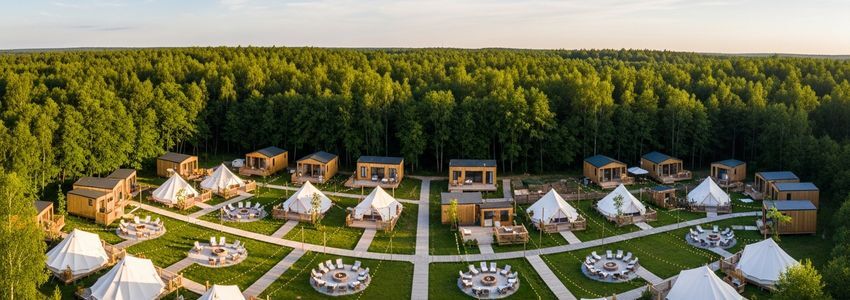
The allure of the great outdoors combined with the comforts of a luxury hotel has created one of the hottest trends in hospitality: glamping. This "glamorous camping" experience offers guests unique accommodations like yurts, safari tents, domes, and tiny cabins, all set in picturesque natural landscapes. For entrepreneurs, the glamping industry presents a massive opportunity, but launching or expanding a glamping business requires significant capital. This is where glamping business loans become essential.
From purchasing land and unique structures to developing infrastructure and marketing your destination, the upfront costs can be substantial. Traditional lenders often struggle to understand the unique assets and business model of a glamping operation, making it difficult to secure funding. Fortunately, specialized financing solutions exist to help you turn your vision of a luxury outdoor retreat into a profitable reality.
This comprehensive guide will walk you through everything you need to know about glamping business loans. We will explore the types of financing available, what lenders look for in an applicant, how to navigate the application process, and how to cover the specific costs associated with building your dream glamping business.
What is a Glamping Business Loan?
A glamping business loan is a form of commercial financing specifically designed to meet the capital needs of entrepreneurs in the luxury camping industry. Unlike a standard business loan that might be used for a retail store or restaurant, these loans are structured to accommodate the unique expenses and assets of a glamping site. This can include funding for non-traditional structures, land development, and the specialized equipment needed to create a high-end guest experience.
The primary challenge for glamping entrepreneurs is that their main assets-yurts, geodesic domes, or luxury tents-are not considered traditional real estate by most banks. This can make securing a conventional mortgage or commercial real estate loan nearly impossible. Lenders who specialize in the hospitality and alternative accommodation sectors, like Crestmont Capital, understand the value and revenue-generating potential of these assets.
Key characteristics of glamping business loans include:
- Versatility: Funds can be used for a wide range of purposes, from land acquisition and site preparation to purchasing accommodation units and marketing your new venture.
- Asset-Specific Understanding: Lenders familiar with the industry recognize the value of glamping structures as collateral, often through programs like equipment financing.
- Flexible Terms: Financing can be structured as term loans, lines of credit, or short-term solutions to match the seasonal cash flow and project timelines of a glamping business.
- Support for Startups and Expansions: Whether you are breaking ground on a new site or adding new units to an existing, profitable location, there are financing options available.
Ultimately, a glamping business loan is more than just capital; it is a partnership with a financial institution that believes in the potential of the outdoor hospitality market and has the expertise to help you succeed.
Ready to Fund Your Glamping Dream?
Don't let financing be the barrier to launching your luxury outdoor retreat. Crestmont Capital offers fast, flexible funding solutions tailored for the glamping industry.
Apply NowWhy is the Glamping Industry Exploding in Popularity?
The growth of the glamping sector is not a fleeting trend; it is a fundamental shift in travel preferences driven by a desire for authentic experiences, connection with nature, and comfort. The global glamping market size was valued in the billions and is projected to continue its impressive growth trajectory over the next decade. According to a report highlighted by Forbes, the industry is booming as travelers seek unique and Instagram-worthy getaways.
Several key factors are fueling this explosion:
- Desire for Experiential Travel: Modern travelers, particularly millennials and Gen Z, prioritize experiences over material possessions. Glamping offers a unique, memorable adventure that standard hotels cannot replicate.
- The Wellness Movement: There is a growing awareness of the mental and physical health benefits of spending time in nature. Glamping provides a comfortable and accessible way for people to disconnect from technology and reconnect with the natural world.
- Post-Pandemic Travel Shifts: The pandemic accelerated the demand for domestic, drive-to destinations and outdoor activities. As noted in a CNBC feature on the trend, glamping offers a sense of safety and seclusion that many travelers now crave.
- Accessibility for All: Traditional camping can be intimidating for those without the right gear or experience. Glamping removes these barriers, making the outdoors accessible to a wider audience, including families, couples, and solo travelers who want comfort and convenience.
- The "Instagram Effect": The unique and aesthetically pleasing nature of glamping accommodations-from starlit domes to chic safari tents-makes for highly shareable social media content, providing powerful organic marketing for operators.
This sustained demand translates into high occupancy rates and premium nightly rates for glamping business owners. For investors and entrepreneurs, this creates a compelling business case for entering the market, provided they can secure the necessary startup or expansion capital.
Pro Tip: Location is Everything. When developing your business plan for a glamping loan, emphasize the unique appeal of your chosen location. Proximity to national parks, coastlines, wineries, or other tourist attractions can significantly strengthen your application by demonstrating a built-in source of demand.
Common Costs Glamping Business Loans Can Cover
Launching a successful glamping business involves a diverse range of expenses that go far beyond just the accommodation units. A comprehensive glamping business loan provides the flexibility to cover all these critical costs, ensuring a smooth and successful launch. Here is a breakdown of the typical expenses you can finance:
1. Land Acquisition and Site Preparation
This is often the most significant upfront cost. Financing can cover:
- Land Purchase: Acquiring the right parcel of land with the proper zoning and natural beauty.
- Lease Deposits: Securing a long-term lease on a desirable property.
- Surveys and Permits: Paying for land surveys, environmental impact assessments, and securing all necessary local and state permits.
- Site Development: Costs for clearing land, building access roads, creating parking areas, and landscaping.
2. Accommodation Units
The heart of your glamping business is the unique lodging you offer. These structures are often considered specialized equipment, making them perfect candidates for financing solutions like equipment financing. This allows you to acquire the assets you need without tying up all your working capital.
- Yurts and Ger Tents: Traditional and popular, offering a rustic yet comfortable feel.
- Geodesic Domes: Modern and futuristic, often featuring large bay windows for stargazing.
- Safari and Bell Tents: Classic, canvas structures that evoke a sense of adventure.
- Tiny Cabins and A-Frames: Permanent, four-season structures that offer more amenities.
- Treehouses and Pods: Unique, high-cost units that can command premium nightly rates.
- Shipping Containers: A trendy, sustainable option for modern, industrial-chic accommodations.
3. Infrastructure and Utilities
Providing hotel-like comfort in a natural setting requires significant infrastructure investment.
- Water and Septic Systems: Drilling wells, installing septic tanks or connecting to municipal services.
- Electricity and Wi-Fi: Running power lines to each unit and providing reliable internet access, which is now a key guest expectation.
- Communal Facilities: Building luxury bathhouses, outdoor kitchens, reception areas, or lounge spaces.
- Plumbing and HVAC: Installing plumbing for private bathrooms and heating/cooling systems for year-round comfort.
4. Furnishings, Fixtures, and Equipment (FF&E)
The "glam" in glamping comes from the high-quality interior details.
- Furniture: Comfortable beds, seating, tables, and storage.
- Linens and Decor: High-thread-count sheets, plush towels, rugs, and decorative items that define your brand's aesthetic.
- Appliances: Mini-fridges, coffee makers, and microwaves for guest convenience.
- Outdoor Amenities: Fire pits, hot tubs, private decks, grills, and outdoor seating for each unit.
5. Operational and Working Capital
Beyond the physical assets, you need capital to run the business, especially in the early stages before revenue becomes consistent. A flexible business line of credit is an excellent tool for managing these ongoing expenses.
- Marketing and Branding: Website development, professional photography/videography, and digital advertising campaigns.
- Booking and Management Software: Investing in a robust property management system (PMS).
- Initial Staffing Costs: Payroll for managers, cleaning staff, and maintenance personnel.
- Insurance and Licenses: Securing the proper liability insurance and business licenses.
- Contingency Fund: Having extra cash on hand for unexpected repairs or operational challenges.
Types of Glamping Business Loans Available
There is no one-size-fits-all loan for a glamping business. The best financing option depends on your specific needs, financial profile, and business stage. At Crestmont Capital, we offer a suite of lending products to provide the right fit for your project. Here are the most common types of small business loans for glamping entrepreneurs:
1. SBA Loans
Backed by the U.S. Small Business Administration, SBA loans (like the 7(a) and 504 programs) are a top-tier financing option. They offer long repayment terms and some of the lowest interest rates available. Because they are government-guaranteed, the qualification criteria are stringent, and the application process can be lengthy. They are an excellent choice for well-qualified borrowers with a strong business plan who are not on a tight timeline. For more information, you can visit the official SBA loans page.
2. Equipment Financing
This is one of the most popular and logical financing methods for glamping businesses. With equipment financing, the loan is used to purchase the physical accommodation units (yurts, domes, cabins, etc.), and those units serve as the collateral for the loan. This reduces the risk for the lender, making it easier to qualify for than other types of loans. It allows you to preserve your cash for other expenses like site development and marketing.
3. Business Line of Credit
A business line of credit provides access to a revolving pool of capital that you can draw from as needed. You only pay interest on the funds you use. This is an ideal solution for managing ongoing operational costs, bridging gaps in seasonal cash flow, handling unexpected repairs, or seizing opportunities to purchase inventory at a discount. It provides the financial flexibility every hospitality business needs.
4. Short-Term Business Loans
When you need capital quickly to seize an opportunity-like a last-minute deal on a parcel of land or a chance to book a large corporate retreat-a short-term business loan is an excellent option. These loans are designed for rapid funding, often within a few business days. While the interest rates may be higher than long-term loans, their speed and accessibility can be invaluable for time-sensitive needs.
Financing Comparison Table
| Financing Type | Typical Loan Amount | Term Length | Key Benefit |
|---|---|---|---|
| SBA Loan | $50,000 - $5 Million | 10-25 years | Lowest interest rates and longest terms. |
| Equipment Financing | $25,000 - $1 Million+ | 2-7 years | Easier to qualify for; the asset is the collateral. |
| Business Line of Credit | $10,000 - $500,000 | Revolving | Maximum flexibility for cash flow management. |
| Short-Term Loan | $10,000 - $500,000 | 6-24 months | Fastest funding speed for urgent needs. |
Explore Your Glamping Loan Options
Not sure which loan is right for you? Our funding specialists can help you navigate your options and find the perfect fit for your business goals.
Get a Free ConsultationWho Qualifies for a Glamping Business Loan?
Lenders evaluate several key factors to determine your eligibility for a glamping business loan and to set the terms of your financing. While specific requirements vary between lenders and loan products, here are the core criteria you will need to meet.
1. Credit Score
Your personal and business credit scores are primary indicators of your financial responsibility. For most conventional and SBA loans, a personal credit score of 680 or higher is preferred. However, alternative lenders like Crestmont Capital can often work with a wider range of credit profiles. We even offer specialized bad credit business loans for entrepreneurs who have faced financial challenges but have a strong business plan.
2. Time in Business
Lenders prefer to see a track record of success. Most traditional banks require at least two years of business history. This can be a major hurdle for startups. However, many modern lenders, including Crestmont Capital, have programs designed for new businesses. For startups, the strength of your business plan and your personal financial history will be weighed more heavily.
3. Annual Revenue
For existing businesses looking to expand, lenders will analyze your annual revenue to ensure you can comfortably handle the new debt payments. A common minimum requirement is $100,000 to $250,000 in annual gross revenue. Consistent or growing revenue streams demonstrate the health and potential of your operation.
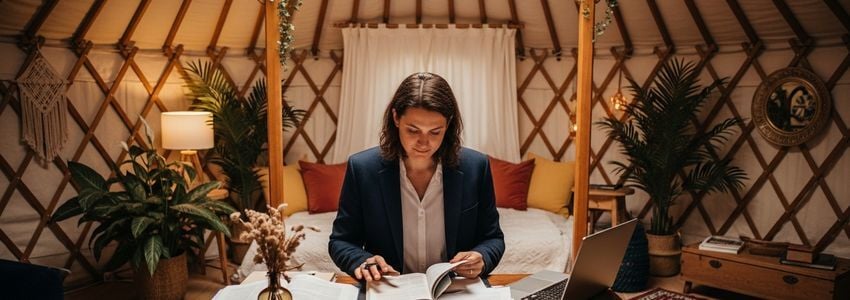
4. A Comprehensive Business Plan
For a startup glamping business, your business plan is the single most important document in your application. It is your opportunity to prove to lenders that you have a viable, well-researched concept. It must include:
- Executive Summary: A concise overview of your business.
- Market Analysis: Detailed research on your target audience, local competition, and the unique selling proposition of your location.
- Marketing and Sales Strategy: How you will attract and retain guests.
- Operational Plan: Details on day-to-day management, staffing, and guest services.
- Financial Projections: Realistic, data-backed projections for revenue, expenses, and profitability for at least the next three to five years. This should include projected occupancy rates and average daily rates (ADR).
5. Collateral and Down Payment
Most loans will require some form of collateral or a down payment. For equipment financing, the glamping units themselves serve as collateral. For larger loans like SBA loans, you may need to pledge other business or personal assets. A down payment, typically 10-20% of the total project cost, demonstrates your personal investment and commitment to the venture, reducing the lender's risk.
How to Apply for a Glamping Business Loan: A Step-by-Step Guide
Navigating the loan application process can seem daunting, but with proper preparation, it can be a straightforward experience. At Crestmont Capital, we have streamlined our process to be as fast and efficient as possible. Here is a general overview of the steps involved.
Step 1: Prepare Your Documentation
Gather all necessary financial and business documents. Being organized is key to a smooth process. This typically includes your business plan, personal and business tax returns (2-3 years), bank statements (6-12 months), a detailed breakdown of project costs, and legal documents like your business license and articles of incorporation.
Step 2: Submit Your Application
Complete the lender's application form. With modern lenders like Crestmont Capital, this can often be done online in just a few minutes. Be sure to fill out all information accurately and completely to avoid delays. Attach all the documents you prepared in Step 1.
Step 3: Underwriting and Review
Once your application is submitted, it goes to the underwriting team. They will review your financial history, creditworthiness, business plan, and the overall viability of your glamping project. They may reach out with follow-up questions or requests for additional information during this stage.
Step 4: Receive Your Offer and Get Funded
If your application is approved, you will receive a formal loan offer detailing the loan amount, interest rate, term, and any associated fees. Review the offer carefully. Once you accept and sign the loan documents, the funds will be disbursed to your business bank account, often in as little as 24-48 hours.
Choosing the Right Lender for Your Glamping Venture
The lender you partner with can have a significant impact on your business's success. Not all financial institutions are equipped to handle the nuances of the outdoor hospitality industry. When evaluating potential lenders, look for the following qualities:
- Industry Expertise: Does the lender have experience funding businesses in the hospitality, outdoor recreation, or alternative accommodation sectors? Their understanding of your business model is crucial. For example, our experience in financing similar ventures, which you can read about in our guide to RV park business loans, gives us unique insight into the needs of outdoor hospitality entrepreneurs.
- Flexible Product Offerings: A good lender will not try to fit you into a single loan product. They should offer a range of options-from SBA loans to lines of credit-and work with you to find the best solution for your specific project.
- Speed and Efficiency: In business, timing is everything. Look for a lender with a streamlined, technology-driven application process that can provide decisions and funding quickly, allowing you to move forward with your plans without unnecessary delays.
- Transparent Terms: Ensure the lender is upfront about all interest rates, fees, and repayment terms. There should be no hidden surprises in your loan agreement.
- Exceptional Customer Service: You should feel like a valued partner, not just a loan number. Choose a lender with dedicated funding specialists who are available to answer your questions and guide you through the process.
Since our founding in 2015, Crestmont Capital has established itself as the #1 U.S. business lender by prioritizing these principles. We combine cutting-edge technology with a deep understanding of niche industries like glamping to provide the capital entrepreneurs need to thrive. We are committed to being a long-term financial partner for your business's growth.
A Lender's Perspective: A strong, detailed business plan is your best sales tool. It shows us that you have thought through every aspect of the business, from marketing to operations to financial management. We are not just investing in a project; we are investing in your vision and your ability to execute it.
Frequently Asked Questions About Glamping Business Loans
1. Can I get a glamping business loan as a startup with no revenue yet?
Yes, it is possible to get a loan for a new glamping business. For startups, lenders will heavily focus on your personal credit history, your industry experience, the strength and detail of your business plan, and the amount of personal capital you are investing (down payment). Lenders like Crestmont Capital have specific programs designed to support promising new ventures.
2. What is the minimum credit score required for a glamping loan?
While requirements vary, a credit score of 650 or higher will open up more options with better terms. For premier financing like SBA loans, a score of 680+ is often needed. However, alternative lenders can work with scores in the lower 600s, especially if other aspects of your application, like revenue or collateral, are strong.
3. How much money can I borrow for my glamping business?
Loan amounts can range from as little as $25,000 for a few new units to over $5 million for large-scale projects involving land acquisition and significant infrastructure development. The amount you qualify for will depend on your project's scope, your financial profile, and the lender's risk assessment.
4. Are yurts, domes, and safari tents considered equipment or real estate?
This is a critical distinction. Most lenders classify these semi-permanent structures as equipment, not real estate. This is why traditional mortgage financing is often not an option. It also makes equipment financing an ideal and accessible solution for acquiring these specific assets.
5. What are typical interest rates for glamping business loans?
Interest rates vary widely based on the loan type, your creditworthiness, and market conditions. SBA loans typically have the lowest rates, often tied to the prime rate. Equipment financing and term loans will have slightly higher rates, while short-term loans will have the highest rates to compensate for the speed and increased risk.
6. How long does the funding process take?
The timeline depends on the loan type. SBA loans can take several weeks to months. Alternative financing options like short-term loans or equipment financing can be much faster, with funding possible in as little as 24 to 72 hours after approval.
7. Do I need to own the land to get a loan?
Not necessarily. While owning the land is a strong positive factor, you can also get financing if you have a long-term lease on the property. Lenders will want to see that your lease term extends well beyond the term of your loan to ensure the stability of your operation.
8. Can I use a loan to buy an existing glamping business?
Yes. Business acquisition loans are a common use of funds. Financing can be used to purchase an existing, operational glamping site, which can be less risky than starting from scratch as it comes with established revenue and assets.
9. What kind of insurance do I need for a glamping business?
You will need comprehensive insurance coverage, including general liability, property insurance (for your units and facilities), and potentially business interruption insurance. Lenders will require proof of adequate insurance before funding a loan.
10. How important are financial projections in my application?
Extremely important, especially for startups. Your financial projections (pro forma) demonstrate to lenders that you have a clear path to profitability. They should be realistic and based on solid market research of local occupancy rates, average daily rates (ADR), and operational costs.
11. Can a glamping loan cover marketing and website development costs?
Yes. A portion of a term loan or a business line of credit can be allocated as working capital to cover essential startup costs like building a professional website, professional photography, and launching initial marketing campaigns to attract your first guests.
12. What if my glamping business is seasonal?
Lenders who understand the hospitality industry are familiar with seasonal revenue patterns. It is important to show in your financial projections how you will manage cash flow during the off-season. A business line of credit is an excellent tool for managing these seasonal fluctuations.
13. Is a down payment always required?
For most significant projects, yes. A down payment (typically 10-20%) shows your commitment and reduces the lender's risk. Some equipment financing programs may offer up to 100% financing for highly qualified buyers, but having capital to contribute will always strengthen your application.
14. Can I refinance an existing glamping business loan?
Yes. If you have an existing loan with a high interest rate, you may be able to refinance it to secure a lower rate or a longer repayment term, which would lower your monthly payments and improve your cash flow. This is a great option once your business is established and has a proven track record of revenue.
15. How do I choose between a term loan and a line of credit?
A term loan is best for large, one-time expenses with a known cost, such as purchasing a set number of glamping domes or developing site infrastructure. A line of credit is better for ongoing, fluctuating, or unexpected expenses, such as managing payroll during the slow season, marketing costs, or equipment repairs.
Have More Questions? We Have Answers.
Our team of funding experts is ready to help you launch or expand your glamping business. Get personalized advice and a no-obligation quote today.
Apply NowNext Steps to Secure Your Glamping Business Loan
You have the vision, and you understand the incredible potential of the glamping market. Now it is time to take action. Follow these simple steps to move forward on your path to securing the financing you need.
Assess Your Financial Needs and Prepare Your Plan
Carefully calculate your total project cost, from land and units to marketing and working capital. Use this data to refine your business plan and create detailed financial projections. This preparation is the foundation of a successful loan application.
Gather Your Key Documents
Collect all the necessary paperwork, including your completed business plan, recent tax returns, bank statements, and personal financial statements. Having everything ready will significantly speed up the application and underwriting process.
Apply with Crestmont Capital
Complete our simple online application. It takes just a few minutes, and there is no obligation. A dedicated funding specialist will review your information and contact you to discuss the best financing options tailored to your unique glamping business. Let us help you bring your luxury outdoor escape to life.
Disclaimer: The information provided in this article is for general educational purposes only and is not financial, legal, or tax advice. Funding terms, qualifications, and product availability may vary and are subject to change without notice. Crestmont Capital does not guarantee approval, rates, or specific outcomes. For personalized information about your business funding options, contact our team directly.