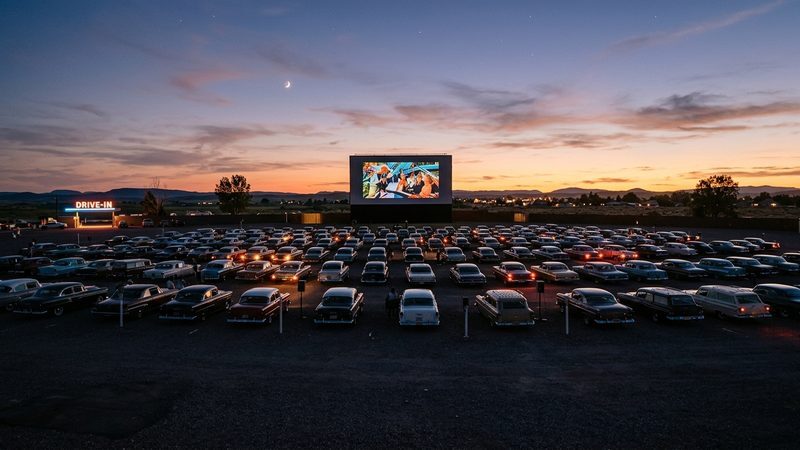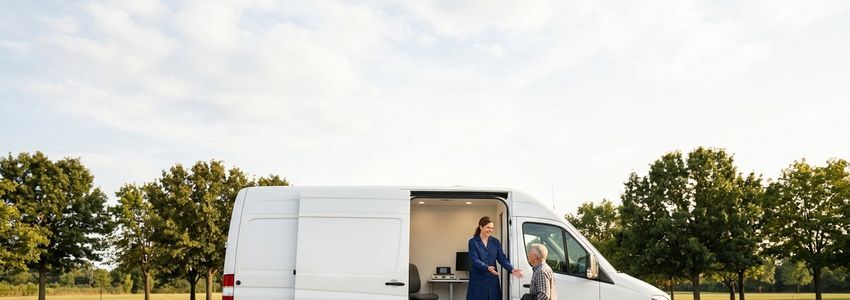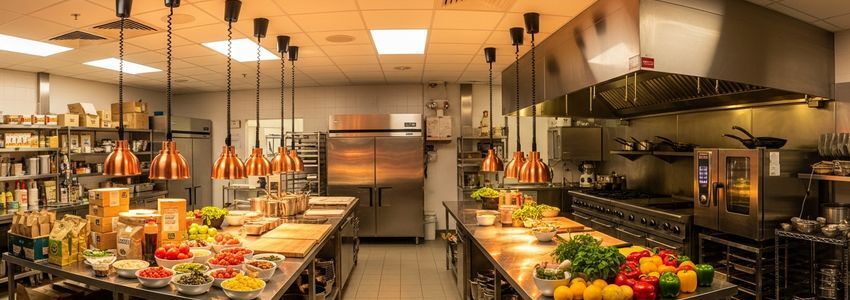
Ghost kitchens are one of the fastest-growing segments in the food service industry -- and for good reason. With startup costs a fraction of a traditional restaurant, no front-of-house expenses, and a booming food delivery market, virtual kitchen concepts are attracting ambitious entrepreneurs across the country. But even lean operations need capital, and knowing how to access the right funding can be the difference between scaling fast and stalling out.
Whether you are launching your first ghost kitchen, expanding to multiple delivery brands, or upgrading commercial equipment to handle higher order volume, this guide breaks down every financing option available to ghost kitchen operators in 2026 -- plus how to qualify, what to expect, and where to apply.
In This Article
- What Is a Ghost Kitchen?
- Why Ghost Kitchen Operators Need Financing
- Types of Ghost Kitchen Business Loans
- Ghost Kitchen Startup Costs Breakdown
- How to Qualify for a Ghost Kitchen Loan
- Equipment Financing for Ghost Kitchens
- SBA Loans for Ghost Kitchen Businesses
- Working Capital Solutions
- Ghost Kitchen Financing at a Glance
- Tips for a Stronger Loan Application
- Next Steps
- Frequently Asked Questions
What Is a Ghost Kitchen?
A ghost kitchen -- also called a dark kitchen, virtual kitchen, or cloud kitchen -- is a food preparation facility that operates exclusively for delivery or takeout orders. Unlike traditional restaurants, ghost kitchens have no dining room, no front-of-house staff, and no walk-in traffic. Orders come in through third-party platforms like DoorDash, Uber Eats, or Grubhub, or through a proprietary ordering system.
The model has exploded in popularity over the past several years. According to market research, the global ghost kitchen market was valued at approximately $97 billion in 2025 and is projected to grow at a compound annual growth rate exceeding 16%, reaching well over $100 billion by 2026. North America remains the largest regional market, accounting for a substantial share of global ghost kitchen revenues.
Ghost kitchen operators fall into several categories:
- Startups launching a delivery-only brand from a shared or commissary kitchen
- Existing restaurants adding virtual brands to generate additional revenue from their current kitchen space
- Franchise operators running multiple virtual brands under one roof
- Catering companies pivoting to delivery to capture weekday meal demand
Regardless of model, ghost kitchen businesses need capital -- for equipment, rent deposits, technology, inventory, staffing, and growth. That is where business financing comes in.
Why Ghost Kitchen Operators Need Financing
Ghost kitchens are often described as a low-cost alternative to traditional restaurants, and that is true -- relative to a full-service dine-in operation. But "lower cost" does not mean "no cost." Startup expenses typically run between $75,000 and $300,000 depending on the kitchen model, and ongoing operating costs average $10,000 to $25,000 per month before food and labor.
Here are the most common reasons ghost kitchen operators seek business financing:
- Initial buildout or lease deposit: Commissary spaces and dedicated ghost kitchen facilities often require upfront security deposits and buildout costs.
- Commercial kitchen equipment: High-volume delivery operations require commercial-grade ovens, fryers, refrigeration units, and prep equipment.
- Technology and software: POS systems, order management software, and integrations with delivery platforms are ongoing expenses.
- Inventory and food supplies: Stocking your kitchen before revenue flows in requires working capital.
- Marketing and customer acquisition: Standing out on crowded delivery apps requires investment in promotions, photography, and platform advertising.
- Expansion to multiple brands or locations: Once your first concept is profitable, scaling requires additional capital.
- Cash flow management: Delivery platforms pay out on a lag -- typically weekly -- which can create cash flow gaps when expenses are due daily.
Business loans give ghost kitchen operators the flexibility to invest in growth without waiting for cash to accumulate slowly from operations.
Ready to Grow Your Business?
Get fast, flexible financing from the #1 business lender in the U.S. No obligation -- apply in minutes.
Apply Now →Types of Ghost Kitchen Business Loans
Ghost kitchen operators have access to a wide range of financing products. The right option depends on how much you need, how quickly you need it, what stage your business is in, and what the funds will be used for.
1. Small Business Loans (Term Loans)
A traditional term loan provides a lump sum of capital that you repay over a fixed period -- typically 1 to 5 years -- with regular monthly payments. Term loans are well-suited for larger investments like dedicated kitchen buildouts, major equipment purchases, or expanding to a second location. Loan amounts typically range from $25,000 to $500,000, with interest rates varying based on creditworthiness and loan term.
2. SBA Loans
The U.S. Small Business Administration (SBA) guarantees loans made by participating lenders, which reduces risk for lenders and makes it easier for small business owners to qualify. The SBA 7(a) loan is the most popular program, offering up to $5 million for working capital, equipment, renovations, and more, with terms up to 10 years (or 25 years for real estate). Interest rates on SBA loans are typically between 5.5% and 9.25%, making them among the most affordable financing options for ghost kitchen operators. You can learn more at SBA.gov.
3. Equipment Financing
Equipment financing allows ghost kitchen operators to purchase commercial kitchen equipment -- ovens, fryers, refrigeration units, POS hardware -- with the equipment itself serving as collateral. This means lower rates and easier qualification than unsecured loans. Terms typically run 2 to 7 years, and you own the equipment outright at the end of the repayment period. Equipment financing is one of the most popular funding tools for food service businesses.
4. Business Line of Credit
A business line of credit gives you access to a revolving pool of funds that you draw from as needed and repay over time. Unlike a term loan, you only pay interest on what you use. This makes it ideal for managing the cash flow gaps that come with delivery platform payment lags, covering unexpected inventory needs, or bridging seasonal revenue dips.
5. Working Capital Loans
Working capital loans are short-to-medium term loans designed to cover day-to-day operating expenses. They are faster to qualify for than SBA loans and can fund in 24 to 48 hours, making them excellent for immediate needs like payroll, platform fees, or emergency equipment repairs.
6. Merchant Cash Advance (MCA)
A merchant cash advance provides upfront capital in exchange for a percentage of your future daily sales. Repayment is automatic and fluctuates with your revenue -- which can be helpful during slow periods. MCAs are accessible to businesses with lower credit scores but come with higher effective costs, so they are best used for short-term needs when other options are not available.
7. Equipment Leasing
Rather than purchasing equipment outright, equipment leasing allows you to use commercial kitchen equipment for a fixed monthly payment. At the end of the lease, you can return, upgrade, or purchase the equipment. Leasing preserves working capital and is a popular option for ghost kitchens that want to stay on the cutting edge of kitchen technology without large upfront costs.
Ghost Kitchen Startup Costs Breakdown
Understanding where your money needs to go is critical before approaching a lender. Here is a realistic breakdown of what it costs to launch a ghost kitchen in 2026:
| Cost Category | Shared/Commissary Kitchen | Dedicated Ghost Kitchen Space |
|---|---|---|
| Lease/Space Deposit | $1,000 - $5,000 | $5,000 - $30,000 |
| Buildout/Renovation | Minimal (shared) | $25,000 - $150,000 |
| Commercial Equipment | $5,000 - $20,000 | $30,000 - $100,000 |
| POS/Ordering Technology | $1,500 - $5,000 | $3,000 - $10,000 |
| Initial Inventory | $3,000 - $10,000 | $8,000 - $25,000 |
| Permits and Licenses | $500 - $3,000 | $1,000 - $5,000 |
| Marketing/Brand Launch | $2,000 - $8,000 | $5,000 - $20,000 |
| Total Estimated Range | $15,000 - $55,000 | $80,000 - $340,000 |
These numbers align with industry estimates from food service consultants and operators. As reported by Forbes, the ghost kitchen model remains compelling precisely because these costs are dramatically lower than the $500,000 to $1 million+ typically required to open a full-service restaurant.
Pro Tip: Start Lean, Scale Smart
Many successful ghost kitchen operators launch in a shared commissary kitchen to test their concept and build revenue history before investing in a dedicated facility. Starting lean keeps your initial funding needs manageable and makes lenders more confident in your ability to repay.
How to Qualify for a Ghost Kitchen Loan
Lender requirements vary by loan type, but here are the core factors that most business lenders evaluate when reviewing a ghost kitchen loan application:
Credit Score
Your personal and business credit score is one of the most important qualification factors. Here is a general guide:
- 720+: Excellent -- qualifies for SBA loans, term loans, and lowest rates
- 650-719: Good -- qualifies for most loan products with competitive rates
- 580-649: Fair -- may qualify for working capital loans or equipment financing with higher rates
- Below 580: Challenging -- merchant cash advances or equipment financing with collateral may be the best options
Time in Business
Lenders prefer businesses with an established track record. Requirements vary:
- SBA loans: Typically 2+ years in business
- Traditional term loans: 1-2 years preferred
- Working capital loans: As little as 6 months
- Equipment financing: As little as 3-6 months
Monthly Revenue
Most lenders want to see consistent monthly revenue. For working capital loans and lines of credit, minimum monthly revenue requirements typically start around $8,000 to $10,000. SBA and traditional term loans may require higher thresholds. Delivery platform payout reports from DoorDash, Uber Eats, and similar platforms are accepted as financial documentation by many lenders.
Business Documentation
Common documents required include:
- 3-6 months of business bank statements
- Business and personal tax returns (1-2 years for SBA loans)
- Business plan with financial projections (especially for startups)
- Proof of business registration and licenses
- Delivery platform revenue statements
For a deeper dive into qualification requirements across all loan types, see our complete guide on what lenders look for in a business loan application.
Ready to Grow Your Business?
Get fast, flexible financing from the #1 business lender in the U.S. No obligation -- apply in minutes.
Apply Now →Equipment Financing for Ghost Kitchens
Equipment is one of the largest capital expenses for ghost kitchen operators -- and one of the easiest to finance. Because the equipment itself serves as collateral, lenders can approve equipment financing faster and at lower rates than most unsecured business loans.
Ghost kitchen equipment commonly financed includes:
- Commercial convection ovens and combi ovens
- Commercial deep fryers
- Walk-in coolers and freezers
- Commercial refrigerators and prep tables
- Exhaust hoods and ventilation systems
- POS systems and order management hardware
- Packaging machines and thermal bag dispensers
- Automated cooking equipment and smart kitchen technology
Equipment loans typically cover 80% to 100% of the equipment purchase price, with terms ranging from 2 to 7 years. Monthly payments are predictable, which makes cash flow planning easier. You can read more about how this product works in our Equipment Financing 101 guide.
Key Benefit: Equipment as Collateral
Equipment financing is secured by the purchased equipment, which means lenders take on less risk -- and you get lower rates and easier approval, even if your credit profile is not perfect. This makes it one of the best first financing options for ghost kitchen startups.
SBA Loans for Ghost Kitchen Businesses
SBA loans represent some of the most affordable long-term financing available to small business owners, including ghost kitchen operators. The SBA does not lend money directly; instead, it partners with approved lenders and guarantees a portion of each loan, reducing lender risk and enabling better terms for borrowers.
SBA 7(a) Loan Program
The SBA 7(a) is the most commonly used SBA loan for food service businesses. Key features include:
- Loan amounts up to $5 million
- Terms up to 10 years for working capital, up to 25 years for real estate
- Interest rates typically between 5.5% and 9.25%
- Can be used for equipment, working capital, renovations, and business acquisition
- Down payments as low as 10%
SBA 504 Loan Program
The SBA 504 program is designed for larger capital investments -- typically real estate or major equipment. Ghost kitchen operators building or purchasing a dedicated facility may benefit from this program, which offers fixed interest rates and can finance up to $15 million in total project costs with as little as 10% down.
SBA Microloans
For ghost kitchen startups with smaller capital needs, SBA microloans provide up to $50,000 through nonprofit community lenders. These are an excellent option for new operators who need seed capital before they have the revenue history to qualify for larger loans.
For a full overview of how these programs work, see our guide to SBA loans for small businesses. You can also review official program details at SBA.gov.
Working Capital Solutions for Ghost Kitchens
Cash flow is a constant challenge in the ghost kitchen business. Delivery platforms pay out on weekly or bi-weekly cycles, but expenses -- food costs, packaging, labor, rent -- come due continuously. A cash flow gap of even a few thousand dollars can create serious operational stress.
Working capital financing closes that gap. Here are the best options for ghost kitchen operators:
Unsecured Working Capital Loans
Unsecured working capital loans do not require collateral and can fund in as little as 24 to 48 hours. Loan amounts typically range from $10,000 to $500,000, with terms of 3 to 18 months. These loans are ideal for covering short-term cash gaps, bridging platform payout delays, or funding a surge in inventory before a high-volume period.
Business Line of Credit
A revolving line of credit is the most flexible cash flow tool for ongoing operations. Draw only what you need, repay as revenue comes in, and draw again when the next need arises. Credit limits typically range from $10,000 to $250,000, and many lines of credit are renewable annually.
Revenue-Based Financing
Revenue-based financing -- which includes merchant cash advances -- provides capital in exchange for a percentage of future daily revenue. Because repayment is tied to sales volume, payments automatically shrink during slow periods. This can be valuable for ghost kitchen operators whose revenue fluctuates with seasonal demand or local events.
As reported by CNBC, many restaurant and food delivery businesses have increasingly turned to alternative financing solutions to smooth out cash flow volatility in a competitive delivery market.
Ghost Kitchen Financing at a Glance
Ghost Kitchen Business Loan Overview
Financing Options by Use Case
Tips for a Stronger Ghost Kitchen Loan Application
Getting approved for a business loan is more likely when you prepare strategically. Here are the most effective steps ghost kitchen operators can take before applying:
1. Build and Monitor Your Credit
Check both your personal and business credit scores before applying. If your score is below 650, spend a few months paying down balances, correcting errors on your credit report, and avoiding new hard inquiries. Even small improvements can unlock better loan terms.
2. Document Your Revenue Sources Thoroughly
Because many ghost kitchens operate primarily through third-party delivery platforms, lenders may not be familiar with DoorDash or Uber Eats payout cycles. Pull 6 months of platform revenue statements alongside your bank statements to clearly demonstrate consistent income.
3. Write a Compelling Business Plan
For startup ghost kitchens, a well-structured business plan is critical. Include your target market, concept description, competitive analysis, pricing strategy, and 12-24 month financial projections. Lenders want to see that you understand the business and have a realistic path to profitability. See our guide on how to apply for a business loan for tips on structuring your application.
4. Separate Business and Personal Finances
If you are commingling personal and business funds, open a dedicated business checking account before applying. This makes it much easier for lenders to evaluate your business cash flow independently.
5. Start with the Right Loan Type
Applying for a loan you do not qualify for wastes time and generates hard inquiries on your credit. Match your needs and qualifications to the appropriate product. If you are a startup, begin with equipment financing or an SBA microloan. If you have 1+ years of revenue history, you may qualify for a working capital loan or term loan. See our complete guide to business loan types to identify the best fit.
6. Consider a Specialist Lender
Lenders familiar with the food service industry understand ghost kitchen business models, delivery platform revenue, and the nuances of commissary kitchen leases. Working with a lender that specializes in small business financing for food and hospitality businesses can dramatically improve your approval chances and speed up the process.
Industry Context: Ghost Kitchens and Lender Perception
Ghost kitchens are a relatively new industry category, and some traditional bank lenders may be unfamiliar with the model. Alternative and specialized lenders are often more comfortable with virtual restaurant concepts and delivery-based revenue. According to data from Reuters, the growth of food delivery has driven significant investor and lender interest in the ghost kitchen segment, with many financial institutions now building dedicated product offerings for virtual restaurant operators.
Scaling Your Ghost Kitchen with the Right Financing Strategy
Once your first ghost kitchen concept is profitable, the question becomes how to scale -- and financing plays a central role in growth strategy.
Many successful ghost kitchen operators use a layered financing approach:
- Phase 1 (Launch): Equipment financing for kitchen gear + working capital loan for initial inventory and operating expenses
- Phase 2 (Stabilize): Business line of credit for ongoing cash flow management
- Phase 3 (Scale): SBA 7(a) loan or term loan for expanding to a second kitchen or launching additional virtual brands
- Phase 4 (Grow): Commercial financing for acquiring a dedicated facility or partnering with a larger ghost kitchen operator
This step-by-step approach keeps debt manageable at each stage and gives you time to build the revenue and credit history that supports progressively larger financing. Explore your options for commercial financing as your business scales.
According to industry reporting from AP News, multi-brand ghost kitchen operators that run 3 or more virtual concepts from a single kitchen generate up to 30% higher average revenue than single-brand operations -- making expansion funding a smart investment for established operators.
Ready to Grow Your Business?
Get fast, flexible financing from the #1 business lender in the U.S. No obligation -- apply in minutes.
Apply Now →Next Steps: How to Get Your Ghost Kitchen Financed
- Define your funding need: Determine exactly how much you need and what it will be used for. This determines the right loan product and helps you avoid overborrowing.
- Check your credit scores: Pull your personal and business credit reports. Identify and dispute any errors. Know your baseline before lenders see it.
- Gather your financial documents: Collect 6 months of bank statements, delivery platform revenue reports, tax returns, and your business registration documents.
- Match loan type to need: Review the options above and select the product that fits your timeline, loan amount, and qualifications.
- Apply with a specialized lender: Work with a lender experienced in food service and small business financing who understands the ghost kitchen model.
- Use capital strategically: Invest in the areas with the highest ROI -- equipment that expands capacity, technology that reduces errors, or marketing that drives order volume.
Frequently Asked Questions About Ghost Kitchen Business Loans
What is the best loan for starting a ghost kitchen?
For most first-time ghost kitchen operators, equipment financing and working capital loans are the most accessible options. Equipment financing lets you purchase commercial kitchen gear with the equipment as collateral, and working capital loans provide fast cash for operational startup costs. If you have strong credit and 2+ years of business history, an SBA 7(a) loan offers the best long-term rates and terms.
Can I get a ghost kitchen loan with bad credit?
Yes, though your options narrow. Equipment financing is often available to borrowers with credit scores as low as 580 because the equipment serves as collateral. Merchant cash advances and revenue-based financing are accessible with even lower scores. Working with a lender who specializes in food service businesses can also help, as they may weigh delivery platform revenue heavily in their underwriting decision.
How much can I borrow for a ghost kitchen?
Loan amounts vary widely by product and lender. Working capital loans typically range from $10,000 to $500,000. Equipment financing can cover the full purchase price of your kitchen equipment. SBA loans go up to $5 million for the 7(a) program and up to $15 million in total project costs for the 504 program. Your revenue, credit, and business history will determine the upper limit of what you qualify for.
How long does it take to get approved for a ghost kitchen business loan?
Approval timelines depend on the loan type. Working capital loans and equipment financing can fund in as little as 24 to 48 hours. Business lines of credit typically take 1 to 5 business days. SBA loans require 30 to 90 days due to more extensive underwriting. Having your documentation ready in advance speeds up the process for any loan type.
Do I need collateral for a ghost kitchen loan?
Not always. Unsecured working capital loans and business lines of credit do not require collateral. Equipment financing uses the purchased equipment as collateral, which makes it easier to qualify. SBA loans may require a general lien on business assets and, in some cases, a personal guarantee. Lenders assess collateral requirements based on loan size, borrower credit, and the strength of business financials.
Can I use delivery platform revenue (DoorDash, Uber Eats) to qualify?
Yes. Many lenders that specialize in food service and restaurant financing accept delivery platform payout statements as supplemental financial documentation. Lenders may review 3 to 6 months of platform revenue alongside your bank statements to evaluate cash flow. This is particularly useful for ghost kitchens that operate primarily through third-party delivery apps.
What can I use ghost kitchen business loan funds for?
Ghost kitchen business loans can be used for virtually any legitimate business expense: commercial kitchen equipment, facility buildout and renovation, lease deposits, inventory, staffing, POS and technology systems, marketing and advertising, platform fees, delivery vehicle acquisition, and working capital. SBA loans have the most flexibility, while equipment loans are restricted to the specific equipment being purchased.
Are ghost kitchens considered high-risk by lenders?
Ghost kitchens are a newer business category, and some traditional bank lenders may be less familiar with the model. However, specialized small business lenders and alternative lenders have become increasingly comfortable with delivery-only food businesses as the industry has grown. Your best approach is to work with a lender experienced in food service financing who understands how ghost kitchens generate revenue.
What credit score do I need for a ghost kitchen loan?
The minimum credit score depends on the loan type. SBA loans typically require a personal credit score of at least 680-720. Traditional term loans generally require 650+. Equipment financing and working capital loans may be available with scores as low as 580-620. Merchant cash advances and revenue-based financing have the most flexible credit requirements, sometimes approving borrowers with scores below 580.
How do I finance multiple virtual restaurant brands from one kitchen?
Operating multiple virtual brands from a single kitchen is a smart revenue strategy -- and financing can help you scale this model. A working capital loan or business line of credit can fund the additional menu development, packaging, and marketing needed to launch a new virtual brand. Equipment financing can cover any capacity upgrades needed to handle higher order volume. Once your multi-brand model is generating consistent revenue, an SBA loan can fund a larger facility or a second kitchen location.
Is there SBA funding available for ghost kitchen startups?
Yes. The SBA Microloan program provides up to $50,000 for startups and early-stage small businesses, including ghost kitchens. Requirements are less stringent than SBA 7(a) loans, and funds can be used for working capital, equipment, inventory, and supplies. The SBA 7(a) program is also accessible to startups with strong business plans and personal credit, though most lenders prefer some operational history.
What are the typical interest rates for ghost kitchen business loans?
Interest rates vary significantly by loan type and borrower qualification. SBA loans carry rates of 5.5% to 9.25%. Traditional term loans range from approximately 7% to 25% depending on creditworthiness. Equipment financing rates typically run 5% to 15%. Working capital loans and lines of credit can range from 8% to 30%. Merchant cash advances have effective annual rates that can exceed 40% to 80%, making them best reserved for short-term, high-urgency needs.
Can I get a loan for a ghost kitchen using a commissary kitchen?
Yes. Ghost kitchen operators renting space in a shared commissary kitchen qualify for working capital loans, equipment financing (for any equipment you own), and SBA microloans. While you may not need a facility loan if you are renting commissary space, other financing needs -- inventory, technology, staffing, delivery packaging -- are all eligible uses for business loan funds.
How do I manage cash flow between delivery platform payouts?
A business line of credit is the most effective tool for managing the gap between delivery platform payouts and daily operating expenses. Draw funds when expenses are due, then repay as platform payments arrive in your account. Some ghost kitchen operators also use short-term working capital loans to cover predictable cash flow crunches -- for example, at the start of each month when rent and supplier invoices are due simultaneously.
What is the difference between a ghost kitchen loan and a restaurant loan?
There is no loan product specifically labeled "ghost kitchen loan" -- ghost kitchen operators access the same range of small business financing products available to traditional restaurants: term loans, SBA loans, equipment financing, lines of credit, and working capital loans. The key difference is how lenders evaluate the business: ghost kitchens generate revenue primarily through third-party delivery platforms, so lenders familiar with this model will know how to assess platform revenue statements, payout cycles, and delivery-based financial performance.
Disclaimer: The information provided in this article is for general educational purposes only and is not financial, legal, or tax advice. Funding terms, qualifications, and product availability may vary and are subject to change without notice. Crestmont Capital does not guarantee approval, rates, or specific outcomes. For personalized information about your business funding options, contact our team directly.

Allan Garfinkle
Allan Garfinkle is the Chief Revenue Officer at Crestmont Capital, where he has spent more than a decade leading revenue strategy, business development, and operational growth. With 28 years of experience building and advising startups and small businesses, Allan has helped more than 10,000 business owners navigate financing decisions, growth opportunities, and changing economic conditions. He earned a Bachelor of Science in Economics and an MBA with a concentration in Finance from Northeastern University, as well as a Juris Doctor from New England Law, where his studies focused on contracts and business law. His writing draws on extensive practical experience in small-business lending, equipment financing, business credit, and commercial finance.