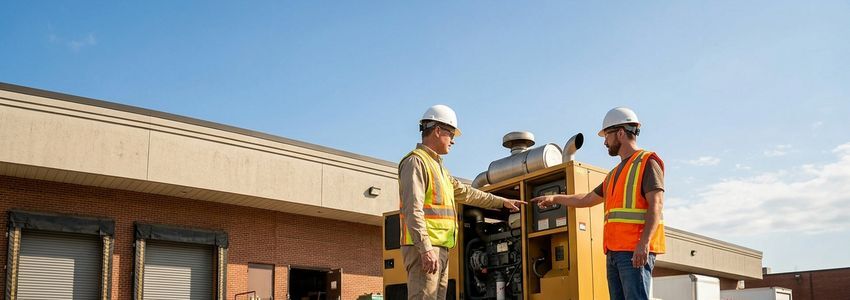
When a commercial standby generator fails without warning, the clock starts ticking immediately. Generator replacement financing gives business owners a way to fund a new unit fast, before a prolonged power outage stalls production, spoils inventory, or shuts the doors entirely. This guide walks through how generator replacement financing works, who qualifies, and how to move from a dead generator to a fully operational one without draining cash reserves.
In This Article
What Is Generator Replacement Financing?
Generator replacement financing is a category of business equipment funding designed to cover the cost of purchasing and installing a new commercial standby or backup generator, typically after an existing unit fails, becomes uneconomical to repair, or is condemned by an inspector. Unlike a general-purpose business loan, this type of financing is often structured around the equipment itself, which can make approval faster and terms more favorable than an unsecured product.
Commercial generators are not small purchases. A mid-size standby unit for a restaurant, medical office, or light manufacturing facility can run into the tens of thousands of dollars once installation, transfer switches, fuel lines, and permitting are factored in. For most small and mid-size businesses, paying that amount in cash on short notice is simply not realistic, especially when the failure happens without warning.
The financing itself can come in several forms: an equipment loan secured by the generator, an equipment lease, a short-term working capital loan, or a business line of credit tapped for an emergency purchase. Each option has a different approval speed, cost structure, and ownership outcome, which is why matching the financing type to the urgency of the situation matters.
Key Benefits of Financing a Generator Replacement
- Speed: Alternative lenders can often approve and fund equipment financing in a matter of days, not weeks, which matters when a facility is currently without backup power.
- Preserves working capital: Financing spreads the cost over months or years instead of draining cash reserves needed for payroll, inventory, and rent.
- Predictable payments: Fixed monthly payments make it easier to budget around the new expense compared to an unplanned lump-sum outlay.
- Business continuity: A functioning generator protects against spoilage, data loss, halted production, and lost sales during the next outage.
- Potential tax treatment: Businesses should consult their accountant regarding how equipment purchases are treated on their tax return, since rules vary by situation.
- Flexible structures: Options range from traditional equipment loans to leases to working capital lines, so a business can choose the structure that fits its cash flow and ownership goals.
Don't Let a Dead Generator Shut Down Your Business
Get fast, flexible financing from the #1 business lender in the U.S. No obligation, apply in minutes.
Apply Now →How Generator Replacement Financing Works
The process is more straightforward than most business owners expect, particularly compared to a traditional bank loan. Here is the typical path from a failed generator to a funded replacement.
- Get a quote from a generator dealer or electrical contractor. Most lenders want to see a written quote or invoice for the specific unit, installation, and any required electrical work before underwriting the request.
- Submit a simple application. Alternative lenders typically ask for basic business information, a few months of bank statements, and the equipment quote rather than years of tax returns.
- Receive an underwriting decision. Because the generator itself often serves as collateral, underwriting can move quickly, sometimes within 24 to 48 hours for straightforward files.
- Funds are disbursed. Depending on the lender and structure, funds may go directly to the equipment vendor or into the business bank account for the owner to pay the vendor.
- Installation and commissioning. The contractor installs the unit, connects the transfer switch, and tests the system while the business begins repaying under the agreed schedule.
Types of Financing Available for Generator Replacement
Not every business needs the same structure. The right choice depends on how urgently the generator is needed, whether the business wants to own the equipment outright, and how the monthly payment fits current cash flow.
- Equipment financing: A term loan secured by the generator itself, typically amortized over two to seven years depending on the equipment's useful life. Ownership transfers at the end of the term or immediately, depending on structure.
- Equipment leasing: Lower monthly payments in exchange for either returning the equipment or purchasing it at a predetermined price at the end of the lease term. Useful for businesses that prefer to preserve balance sheet flexibility.
- Business line of credit: A revolving credit facility that can be drawn on for the generator purchase and reused for future needs once repaid, useful for businesses that face recurring equipment or maintenance costs.
- Unsecured working capital loan: A lump sum based primarily on business revenue rather than the equipment itself, useful when a business needs to cover installation costs, electrical upgrades, or permitting fees alongside the generator purchase.
- SBA loans: Government-backed loans can offer longer terms and lower rates for businesses that can tolerate a longer approval timeline, though this route is generally not fast enough for an emergency replacement. The SBA's loan programs page outlines eligibility and program details for businesses considering this route for a planned, non-urgent replacement.
By the Numbers
Power Outages and Business Continuity: Key Statistics
$150B
Estimated annual cost of power outages to U.S. businesses
~40%
Small businesses that never reopen after a major disruption
24-48 Hrs
Typical underwriting turnaround for equipment financing
2-7 Yrs
Common repayment terms for commercial generator equipment loans
Key Insight: Power outages are estimated to cost U.S. businesses roughly $150 billion each year, according to Department of Energy-linked research widely cited across the energy industry. A recent Forbes analysis notes that businesses without reliable backup power face growing exposure as grid volatility increases. For a business without backup power, even a few hours of downtime can mean lost inventory, missed sales, or a compliance issue.
Who Generator Replacement Financing Is Best For
This type of financing tends to make the most sense for businesses where a generator is not optional but operationally critical. That includes restaurants and food service operations that risk losing entire walk-in coolers of inventory during an outage, medical and dental offices that must maintain refrigeration for medications and vaccines, manufacturers running equipment that cannot tolerate an unplanned shutdown, and multi-unit retail or hospitality operators who cannot afford customer-facing downtime.
It is also well suited to businesses in regions prone to storms, grid instability, or planned public safety power shutoffs, where the risk of an extended outage is higher than average. Property managers responsible for elevators, security systems, or life-safety equipment in commercial buildings are another common fit, since code requirements often mandate backup power for certain building systems.
Businesses that already have healthy cash flow but limited free cash on hand, due to seasonality or recent growth investments, are frequently the best candidates. Financing lets them protect operations now while preserving the reserves they need for day-to-day expenses. This mirrors broader research on small business finances: Census Bureau survey data has repeatedly shown that operational disruptions, including utility and infrastructure failures, remain a top concern for small business owners nationwide.
How Generator Financing Compares to Other Options
| Option | Speed | Ownership | Best For |
|---|---|---|---|
| Equipment Financing | Fast (24-72 hrs) | Business owns unit | Long-term operators who want the asset |
| Equipment Leasing | Fast (24-72 hrs) | Lessor owns unit | Businesses prioritizing lower payments |
| Business Line of Credit | Fast, revolving | Business owns unit | Businesses with recurring equipment needs |
| Working Capital Loan | Fast (1-3 days) | Business owns unit | Covering installation and permit costs too |
| SBA Loan | Slow (weeks) | Business owns unit | Planned, non-urgent replacements |
Traditional bank financing generally offers the lowest cost of capital, but the application and underwriting process can take weeks, which does not work for a business currently operating without backup power. Alternative lenders trade some of that cost advantage for speed and flexibility, which is often the right trade when a facility is exposed to real operational risk right now.
How Crestmont Capital Helps
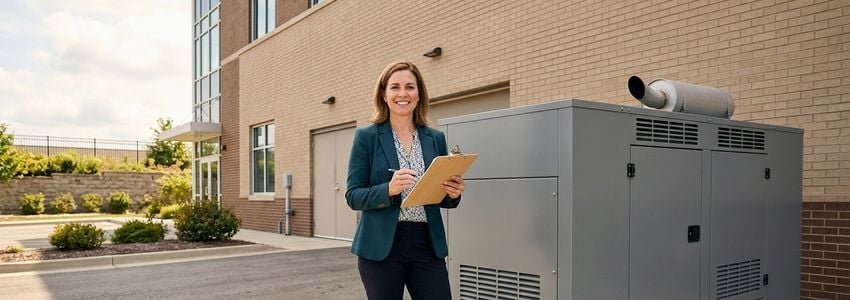
Crestmont Capital works with business owners across the country who need to fund equipment purchases quickly, including emergency generator replacements. Rather than requiring years of tax returns and weeks of underwriting, Crestmont focuses on a streamlined application built around the equipment quote and recent business performance.
Businesses considering a generator replacement can explore equipment financing or capital equipment financing to fund the purchase directly, with terms structured around the equipment's useful life. For businesses that also need to cover installation, electrical upgrades, or permitting costs on top of the unit itself, a business line of credit can provide flexible access to additional funds as needed.
For a deeper look at financing generators specifically, see Crestmont's guide to generator financing. Businesses dealing with any type of sudden equipment breakdown, not just a generator, may also find it useful to read about financing options for replacing failed critical equipment.
Crestmont's team works directly with business owners to match the financing structure to the urgency of the situation, whether that means same-week funding for an emergency replacement or a planned upgrade scheduled around a maintenance contract.
Keep Your Business Running Through the Next Outage
Talk to a funding specialist about generator replacement financing options tailored to your business.
Apply Now →Real-World Scenarios
Restaurant Loses Backup Power During Peak Season
A regional restaurant group's 15-year-old standby generator failed during a summer heat wave, right as a multi-day utility outage hit the area. With walk-in coolers full of inventory for the weekend rush, the owner needed a replacement installed within days, not weeks. An equipment loan funded within 48 hours let the business install a new unit before any inventory was lost.
Medical Office Facing a Compliance Deadline
A multi-location medical practice was cited during an inspection for an aging generator that no longer met code requirements for vaccine refrigeration backup. Facing a compliance deadline, the practice used equipment financing to fund a compliant replacement across two locations without disrupting cash flow needed for payroll and supply orders.
Manufacturer Protecting a Production Line
A small manufacturer running a single production shift discovered its backup generator would not start during a routine test ahead of storm season. Rather than risk a multi-day production halt during the next grid event, the owner used a business line of credit to fund a new unit and installation, preserving the plant's ability to run through short-term outages.
Property Manager Meeting Building Code Requirements
A commercial property manager overseeing a mixed-use building needed to replace a failing generator responsible for elevator and life-safety systems. Because the building's insurance and code compliance depended on functioning backup power, the manager used equipment financing to move quickly while spreading the cost across the building's operating budget.
Retailer Preventing Repeat Storm Damage Losses
After losing thousands of dollars in refrigerated inventory during a storm-related outage the prior year, a grocery retailer decided not to risk it again. The business financed a properly sized standby generator ahead of the next storm season using a working capital loan that also covered the electrical panel upgrade the installation required.
Pro Tip: Get a written quote from your generator dealer or electrician before applying for financing. Lenders move faster when they can underwrite against a specific equipment cost rather than an estimate, and it prevents delays once approval is issued.
Frequently Asked Questions
What is generator replacement financing?
Generator replacement financing is business funding used specifically to purchase and install a new standby or backup generator, usually after an existing unit fails or is no longer repairable. It can be structured as equipment financing, leasing, a line of credit, or a working capital loan.
How fast can I get financing for an emergency generator replacement?
Alternative lenders can often approve and fund equipment financing within 24 to 48 hours for straightforward applications, especially when a written equipment quote is available. This is significantly faster than traditional bank financing, which can take several weeks.
What documents do I need to apply?
Most lenders ask for a completed application, several months of recent business bank statements, and a written quote or invoice from the generator dealer or electrical contractor. Additional documentation may be requested depending on the loan size and structure.
Can I finance installation costs along with the generator itself?
Yes. Many financing structures can cover the full project cost, including the generator, transfer switch, fuel lines, permitting, and electrical work, not just the equipment purchase price. A working capital loan or line of credit is often used to cover costs beyond the equipment itself.
Do I need good personal credit to qualify?
Credit requirements vary by lender and product. Equipment-secured financing often has more flexible credit requirements than unsecured products because the generator itself provides collateral. Business revenue and time in business are also key factors in approval.
What size generator does my business need?
Sizing depends on the electrical load your business needs to keep running during an outage, including refrigeration, HVAC, production equipment, and life-safety systems. An electrical contractor or generator dealer can perform a load calculation to recommend the right unit size before you finance the purchase.
Is leasing or buying a generator the better option?
Buying through equipment financing makes sense for businesses that plan to keep the generator long-term and want to build equity in the asset. Leasing can lower monthly payments and may suit businesses that prefer to upgrade equipment more frequently or preserve balance sheet flexibility.
How long are typical repayment terms for generator financing?
Equipment loans for commercial generators commonly run two to seven years, depending on the size of the unit and its expected useful life. Longer terms lower the monthly payment but increase the total financing cost over time.
Can startups or newer businesses qualify for generator financing?
Some equipment-secured products are available to newer businesses, though time in business, revenue, and personal credit will factor into the approval decision and terms offered. Established businesses with consistent revenue generally see the most favorable terms.
What happens if my generator fails and I don't have financing lined up?
Without backup power or a financing plan in place, a business is exposed to lost inventory, halted operations, and potential compliance issues during the next outage. Applying for financing as soon as a failure is identified, rather than waiting, is the best way to minimize downtime risk.
Does insurance ever cover generator replacement?
Insurance coverage depends on the policy and the cause of failure. Equipment breakdown coverage may apply in some cases, but routine equipment aging or wear typically is not covered, which is why many businesses turn to financing rather than waiting on a claim.
Is a business line of credit better than an equipment loan for this?
A line of credit offers flexibility to cover the generator plus related costs like installation and permitting, and it can be reused for future needs. An equipment loan is often better if you want a fixed structure tied directly to the asset with a set payoff timeline.
How much does a commercial generator typically cost to replace?
Costs vary widely based on generator size, fuel type, and installation complexity, and can range from a few thousand dollars for a small unit to well over $50,000 for a large commercial installation. A dealer or contractor quote is the most reliable way to determine your project's specific cost.
How do I apply for generator replacement financing with Crestmont Capital?
You can start by completing a short application online, along with your generator dealer's quote and recent business bank statements. A funding specialist will review your file and walk you through the available financing structures based on your timeline and business profile.
Can I get financing for a used or refurbished generator instead of new?
Yes, many equipment lenders will finance used or refurbished generators, though terms and advance rates may differ from new equipment. A dealer inspection report or third-party appraisal can help support the application and speed up underwriting.
Get Your Backup Power Back Online
Apply now and get a funding decision fast, so a power outage never has to shut your business down.
Apply Now →Next Steps
Contact a generator dealer or electrical contractor for a quote covering the unit, installation, and any electrical upgrades.
Have three to six months of business bank statements ready to speed up underwriting.
Submit a short application to Crestmont Capital with your quote and business details.
A funding specialist will walk you through the structures available and help you pick the best fit.
Once funded, coordinate with your contractor to install and commission the new generator.
Conclusion
A failed commercial generator does not have to become a business-ending event. Generator replacement financing exists specifically to close the gap between an urgent equipment need and the cash a business has on hand, giving owners a fast, structured way to get backup power restored without draining working capital. Whether the right fit is equipment financing, a lease, a line of credit, or a working capital loan, moving quickly once a failure is identified is the single best way to limit downtime, protect inventory, and keep operations running through the next outage.
Disclaimer: The information provided in this article is for general educational purposes only and is not financial, legal, or tax advice. Funding terms, qualifications, and product availability may vary and are subject to change without notice. Crestmont Capital does not guarantee approval, rates, or specific outcomes. For personalized information about your business funding options, contact our team directly.