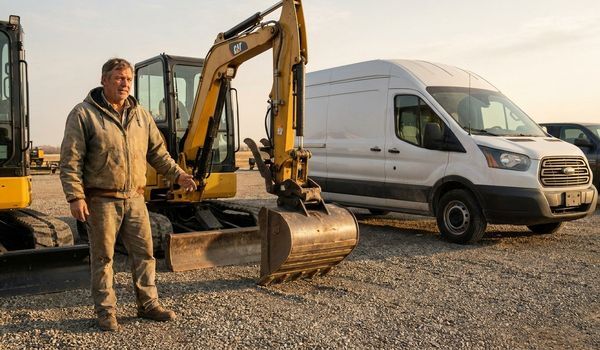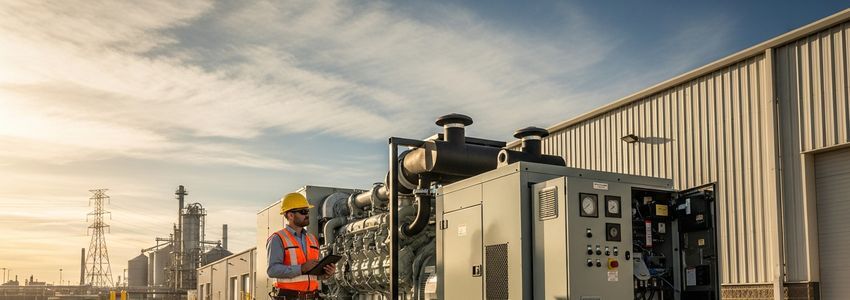
In an increasingly unpredictable world, the demand for reliable backup power solutions has never been higher. From residential homes to large commercial facilities, generators provide essential peace of mind, ensuring continuity during power outages. This growing reliance on generators has created a thriving, yet competitive, landscape for generator installation contractors. However, operating and expanding a generator installation business comes with significant financial demands, from acquiring specialized equipment and managing inventory to covering payroll and investing in growth.
For many generator contractors, traditional financing routes can be challenging or insufficient. They often require specialized funding that understands the unique operational cycles, capital expenditures, and project-based nature of their work. This comprehensive guide from Crestmont Capital is designed to illuminate the world of generator installation business loans, offering a deep dive into the types of financing available, how to qualify, and how to strategically leverage these funds to power your business forward.
Whether you're looking to purchase a new fleet of service vehicles, expand your team, invest in advanced diagnostic tools, or simply secure working capital to bridge seasonal gaps, understanding your financing options is the first step toward achieving your business goals. Let's explore how the right financial partnership can help your generator installation company not just survive, but truly thrive.
In This Article
- What Are Generator Installation Business Loans?
- Why Generator Contractors Need Specialized Financing
- Types of Financing Available to Generator Installation Companies
- How to Qualify for Generator Installation Business Loans
- How Much Can Generator Contractors Borrow?
- How to Use Business Loans as a Generator Installation Contractor
- How Crestmont Capital Helps Generator Contractors
- Real-World Scenarios: Generator Contractor Financing in Action
- Comparing Financing Options for Generator Contractors
- Frequently Asked Questions About Generator Installation Business Loans
- How to Get Started with Generator Installation Business Loans
- Conclusion
What Are Generator Installation Business Loans?
Generator installation business loans are specialized financial products designed to meet the unique capital needs of companies that sell, install, maintain, and repair generators. Unlike generic small business loans, these financing solutions often take into account the specific challenges and opportunities within the power generation industry. They recognize the substantial investment required for specialized equipment, skilled labor, and the often project-based nature of the work.
These loans are not a one-size-fits-all solution; they come in various forms, each tailored to different business objectives and financial situations. Whether a contractor needs to finance a major equipment purchase, cover operational costs during slow periods, or fund an expansion into new markets, there's a specific type of loan that can help. The key differentiator is the lender's understanding of the industry, which allows for more flexible terms, appropriate collateral considerations, and a quicker approval process for qualified businesses.
For example, a generator installation company might require a loan to purchase a new crane for larger commercial installations, or perhaps a line of credit to manage fluctuating inventory levels of generators and parts. A lender familiar with the industry will understand the value of these assets and the cyclical nature of demand, making them a more suitable partner than a conventional bank that may not grasp the intricacies of generator contracting.
Ultimately, these loans serve as a vital financial tool, empowering generator contractors to acquire necessary resources, manage cash flow effectively, and capitalize on growth opportunities, all while mitigating the financial risks inherent in a capital-intensive service business.
Why Generator Contractors Need Specialized Financing
The generator installation industry presents a unique set of financial demands that often necessitate specialized lending solutions. Here's why generic business loans might fall short for generator contractors:
High Upfront Equipment Costs
Installing generators, especially for commercial or industrial applications, requires a significant investment in specialized equipment. This includes heavy lifting machinery, specialized trucks, diagnostic tools, trenching equipment, and a wide array of hand tools. These assets are expensive to purchase and maintain. Equipment financing is crucial for acquiring these necessary tools without depleting working capital.
Inventory Management Challenges
Generator contractors often need to maintain a substantial inventory of generators, transfer switches, wiring, fuel tanks, and other components. The cost of this inventory can be high, and managing it effectively is critical for project timelines and customer satisfaction. Financing can help bridge the gap between purchasing inventory and receiving payment for completed installations.
Project-Based Revenue and Cash Flow Fluctuations
Many generator installation businesses operate on a project-by-project basis. This can lead to irregular cash flow, with large payments received only after significant work has been completed and materials purchased. Seasonal demand, often driven by severe weather events, can also create unpredictable revenue streams. Specialized financing, like a business line of credit, can provide the flexibility needed to manage these fluctuations.
Skilled Labor and Payroll Demands
Generator installation requires highly skilled electricians, technicians, and heavy equipment operators. Attracting and retaining top talent demands competitive wages and benefits. Payroll can be a significant fixed cost, regardless of project volume. Access to working capital ensures that contractors can meet payroll obligations, even during slower periods.
Licensing, Insurance, and Regulatory Compliance
Operating a generator installation business involves extensive licensing, permits, and insurance requirements, all of which come with substantial costs. Staying compliant with local, state, and national electrical and building codes is non-negotiable and can require ongoing investment in training and certifications. Financing can help cover these essential operational overheads.
Expansion and Growth Opportunities
As demand for backup power grows, so do opportunities for expansion. This might involve opening new service areas, investing in marketing to reach a broader customer base, or acquiring a smaller competitor. These growth initiatives often require substantial capital that goes beyond daily operational expenses. Specific growth-oriented loans can facilitate these strategic moves.
Emergency Preparedness and Rapid Response Needs
Generator contractors are often called upon during emergencies, requiring them to have readily available resources, vehicles, and personnel. The ability to quickly mobilize and respond to urgent client needs can differentiate a business, but it also necessitates a robust financial foundation to support on-demand operations.
Given these unique factors, specialized financing isn't just a convenience; it's often a necessity for generator contractors to maintain operational efficiency, manage growth, and remain competitive in a vital industry.
Did You Know?
According to a report by Grand View Research, the global generator market size was valued at USD 21.6 billion in 2022 and is expected to grow at a compound annual growth rate (CAGR) of 6.3% from 2023 to 2030. This robust growth underscores the increasing opportunities for generator installation businesses, but also highlights the need for adequate capital to scale operations.
Types of Financing Available to Generator Installation Companies
Understanding the various types of financing available is crucial for generator contractors to choose the best option for their specific needs. Here's a breakdown:
1. Term Loans
Term loans are perhaps the most traditional form of business financing. A lump sum of money is provided upfront, which the borrower repays over a fixed period, or "term," with regular, often monthly, payments that include both principal and interest. These loans can be secured (requiring collateral like real estate or equipment) or unsecured (based purely on creditworthiness and cash flow).
- Pros: Predictable payments, lower interest rates for secured loans, suitable for large, one-time investments.
- Cons: Less flexible, collateral may be required, can be harder to qualify for without strong credit history.
- Best for: Major equipment purchases, facility expansion, long-term working capital needs.
2. Equipment Financing
This is a highly relevant option for generator contractors due to the capital-intensive nature of their work. Equipment financing allows businesses to acquire new or used machinery, vehicles, and tools without a large upfront cash outlay. The equipment itself often serves as collateral for the loan, making it easier to qualify for than an unsecured loan.
- Pros: Easier to qualify, lower down payments, preserves working capital, often offers competitive rates.
- Cons: Limited to equipment purchases, the equipment depreciates over time.
- Best for: Purchasing specialized installation vehicles, cranes, diagnostic tools, heavy-duty generators for inventory, or even financing industrial generator financing for specific projects.
3. Business Lines of Credit
A business line of credit offers flexibility, allowing businesses to draw funds as needed, up to a pre-approved limit, and only pay interest on the amount borrowed. Once repaid, the funds become available again, making it a revolving credit facility. This is ideal for managing cash flow fluctuations.
- Pros: Flexible, provides a safety net for unexpected expenses, only pay interest on what you use.
- Cons: Can have variable interest rates, temptation to overuse, may require collateral depending on the lender and credit limit.
- Best for: Covering payroll during slow periods, purchasing inventory in bulk, managing unexpected repairs, bridging gaps between project payments.
4. SBA Loans
Backed by the U.S. Small Business Administration, SBA loans offer small businesses access to capital with favorable terms, lower down payments, and longer repayment periods. They are typically issued by traditional lenders (banks, credit unions) but are partially guaranteed by the SBA, reducing risk for the lender.
- Pros: Low interest rates, long repayment terms, smaller down payments, versatile use of funds.
- Cons: Strict eligibility requirements, lengthy application process, extensive paperwork.
- Best for: Long-term investments, real estate purchases, major expansions, working capital, or refinancing existing debt.
5. Working Capital Loans
Working capital loans are designed to cover day-to-day operational expenses rather than long-term investments. They are often short-term and can be unsecured, providing quick access to funds for immediate needs like payroll, utility bills, inventory purchases, or marketing efforts.
- Pros: Quick approval and funding, no collateral often required, helps manage cash flow.
- Cons: Shorter repayment terms, potentially higher interest rates than secured loans.
- Best for: Bridging short-term cash flow gaps, covering seasonal expenses, purchasing urgent inventory.
6. Invoice Factoring/Receivable Financing
If your generator installation business deals with commercial clients who have long payment terms (e.g., 30-90 days), invoice factoring can provide immediate cash. You sell your outstanding invoices to a third-party factor at a discount, receiving a percentage of the invoice value upfront. The factor then collects the full amount from your client.
- Pros: Immediate access to cash tied up in receivables, improves cash flow, no debt incurred.
- Cons: Reduces profit margin (due to the discount), the factor interacts with your clients, can be more expensive than traditional loans.
- Best for: Businesses with slow-paying commercial clients, rapid growth needing constant cash injection.
7. Merchant Cash Advances (MCAs)
MCAs provide a lump sum of cash in exchange for a percentage of future credit card sales. While fast and easy to obtain, they are generally considered a high-cost option and should be approached with caution.
- Pros: Quick funding, minimal documentation, flexible repayment tied to sales volume.
- Cons: Very high effective interest rates (factor rates), can be detrimental to long-term financial health.
- Best for: Emergency situations when no other financing is available, but generally not recommended for sustained growth.
Expert Tip: Diversify Your Funding Knowledge
While this guide focuses on generator installation, understanding broader financing principles is always beneficial. For more insights into general small business funding, explore resources like Forbes Advisor's guide to business loans or the SBA's funding programs.
How to Qualify for Generator Installation Business Loans
Qualifying for a business loan, especially one tailored to the generator installation industry, involves demonstrating your business's financial health and repayment capability. While specific requirements vary by lender and loan type, here are the common factors lenders assess:
1. Time in Business
Most lenders prefer businesses that have been operating for at least 1-2 years. This demonstrates stability and a track record of generating revenue. Newer businesses might still qualify, but often for smaller loan amounts or with stricter terms.
2. Business Credit Score and Personal Credit Score
Lenders will typically review both your business credit score (if established) and your personal credit score. A strong personal credit score (generally 680+) indicates responsible financial management. A good business credit score (like a Dun & Bradstreet PAYDEX score) shows your business's ability to handle commercial credit.
3. Annual Revenue
Your business's annual revenue is a key indicator of its ability to repay a loan. Lenders usually have minimum annual revenue requirements, which can range from $50,000 for smaller loans to several hundred thousand for larger financing. Consistent revenue growth is also a positive sign.
4. Profitability and Cash Flow
Beyond revenue, lenders want to see that your business is profitable and has healthy cash flow. They'll examine your bank statements, profit and loss statements, and balance sheets to ensure you have sufficient net operating cash flow to cover loan payments comfortably.
5. Business Plan
For larger loans or those from traditional banks, a well-structured business plan is often required. This plan should outline your business model, market analysis, operational strategy, management team, and financial projections. It demonstrates your vision and how the loan will contribute to sustainable growth.
6. Collateral
For secured loans, collateral is essential. This can include real estate, vehicles, equipment (like the generators or installation machinery you purchase), or accounts receivable. The value of your collateral directly impacts the loan amount and interest rate you can secure. For generator contractors, their specialized equipment can often serve as strong collateral.
7. Debt-to-Income (DTI) Ratio
Lenders assess your business's existing debt obligations relative to its income. A lower DTI ratio indicates less financial risk and a greater capacity to take on new debt.
8. Industry Experience and Licensing
Especially for specialized loans, lenders appreciate borrowers with proven industry experience. Demonstrating that your team holds all necessary licenses, certifications (e.g., master electrician, generator service certifications), and insurance coverage instills confidence in your operational competence and adherence to safety standards.
Documentation You'll Likely Need:
- Business bank statements (3-12 months)
- Tax returns (personal and business, 2-3 years)
- Profit and Loss (P&L) statements
- Balance sheets
- Business legal documents (e.g., articles of incorporation)
- Personal identification
- List of assets and liabilities
- Business plan (for larger or SBA loans)
Preparing these documents in advance can significantly streamline the application process. At Crestmont Capital, we strive to make the qualification process as straightforward as possible, focusing on understanding your business's unique strengths.
How Much Can Generator Contractors Borrow?
The amount a generator contractor can borrow is highly variable, depending on several factors unique to their business, the lender, and the type of loan. There isn't a single answer, but understanding the influencing elements can help you estimate your borrowing potential.
Key Factors Influencing Loan Amounts:
- Business Financial Health: This is paramount. Lenders will thoroughly review your annual revenue, profitability, cash flow, and debt-to-income ratio. Businesses with strong, consistent revenue and healthy profit margins will generally qualify for higher loan amounts.
- Credit Scores: Both personal and business credit scores play a significant role. Higher scores indicate lower risk, leading to better terms and potentially larger loan offers.
- Time in Business: Established businesses (3+ years) with a proven track record are perceived as less risky than startups, often qualifying for more substantial financing.
- Type of Loan:
- Term Loans: Can range from $5,000 to several million dollars, depending on the business's size and financial strength. Secured term loans typically offer higher amounts.
- Equipment Financing: Often covers 80-100% of the equipment's value, which can be hundreds of thousands or even millions for heavy machinery or a fleet of service vehicles.
- Lines of Credit: Typically range from $10,000 to $500,000, designed for revolving capital needs rather than massive one-time purchases.
- SBA Loans: Can be very substantial, with SBA 7(a) loans going up to $5 million and SBA 504 loans for real estate and equipment reaching similar figures.
- Working Capital Loans: Generally smaller, from a few thousand to $250,000, focused on short-term needs.
- Collateral: For secured loans, the value and liquidity of your collateral directly impact the maximum loan amount. High-value assets like commercial real estate, heavy installation equipment, or a significant fleet can secure larger loans.
- Industry-Specific Factors: Lenders familiar with the generator installation industry might offer more flexible terms or higher limits, understanding the capital intensity and growth potential.
Typical Ranges for Generator Contractors:
While highly generalized, a successful generator installation business could expect to qualify for:
- Small to Medium Needs ($10,000 - $150,000): Suitable for minor equipment upgrades, increased inventory, marketing campaigns, or short-term working capital. This might come from a business line of credit or a smaller term loan.
- Medium to Large Needs ($150,000 - $750,000): Ideal for purchasing a new heavy-duty service truck, expanding a workshop, hiring a significant number of new technicians, or taking on larger commercial projects. Equipment financing or a medium-sized term loan, possibly an SBA loan, would fit here.
- Major Expansion or Acquisition ($750,000 - $5,000,000+): For acquiring another generator company, building a new facility, or investing in a large-scale renewable energy integration project. SBA loans or large secured term loans are typically used for these significant investments.
It's always recommended to apply for an amount that realistically meets your business needs without over-leveraging. A lender like Crestmont Capital can help you assess your borrowing capacity and find the right loan size and type to support your ambitions.

How to Use Business Loans as a Generator Installation Contractor
Strategic deployment of business loan funds is critical for maximizing their impact on your generator installation company. Here are several key areas where financing can significantly benefit your operations and growth:
1. Equipment Acquisition and Upgrades
This is perhaps the most direct application. Loans can fund the purchase of essential equipment, including:
- New Generators for Inventory: Stocking various sizes and brands of generators (residential, commercial, industrial) allows for quicker project turnaround and immediate sales.
- Specialized Installation Tools: Cranes, forklifts, trenchers, concrete saws, heavy-duty drills, and diagnostic software.
- Service Vehicles: Upgrading or expanding your fleet of trucks and vans equipped for transportation, service, and emergency response.
- Technology: Investing in advanced project management software, CAD tools for site planning, or remote monitoring systems.
Explore equipment financing or even industrial generator financing for these specific needs.
2. Working Capital Management
Smooth operations depend on sufficient working capital. Loans can provide funds for:
- Payroll: Ensuring your skilled technicians and administrative staff are paid consistently, even during seasonal dips or when waiting for large project payments.
- Inventory Stocking: Purchasing a larger volume of parts, wiring, transfer switches, and fuel tanks to meet demand and potentially secure bulk discounts.
- Operating Expenses: Covering rent, utilities, insurance premiums, fuel costs, and administrative overhead.
- Marketing and Advertising: Investing in campaigns to attract new clients, build brand awareness, and enter new markets.
A business line of credit or working capital loans are excellent for these purposes.
3. Business Expansion and Growth
When it's time to scale, loans can be instrumental:
- Opening New Locations: Financing the leasehold improvements, equipment, and initial operating costs for a new branch or service center.
- Hiring and Training: Expanding your team of electricians, technicians, sales staff, and administrative personnel, and providing them with necessary certifications and ongoing training.
- Market Penetration: Funding aggressive marketing strategies to enter new geographic markets or target new customer segments (e.g., shifting from residential to commercial, or vice-versa).
- Acquisitions: Purchasing smaller generator service companies to expand your client base, expertise, or geographic reach.
4. Facility Upgrades and Real Estate
As your business grows, your physical infrastructure may need to evolve:
- Workshop Expansion: Enlarging your repair and maintenance facility to handle more generators or larger units.
- Warehouse Development: Building or leasing a larger, more efficient warehouse for generator and parts storage.
- Office Renovations: Upgrading administrative spaces to improve efficiency and employee morale.
- Real Estate Purchase: Acquiring commercial property for your operations, which can be a long-term asset.
SBA loans are often a great fit for real estate purchases due to their favorable terms.
5. Emergency Fund and Contingency Planning
Unexpected events can disrupt even the most well-planned operations. A loan can serve as a crucial safety net:
- Weather-Related Demand Spikes: Having funds ready to quickly procure additional inventory or hire temporary staff during hurricane season or other widespread outages.
- Unexpected Equipment Breakdowns: Covering the cost of emergency repairs or replacements for critical tools and vehicles.
- Economic Downturns: Providing a buffer to sustain operations during periods of reduced demand.
Ready to Power Your Business Forward?
Don't let capital constraints limit your generator installation business. Explore flexible financing solutions designed for your industry.
Apply NowHow Crestmont Capital Helps Generator Contractors
At Crestmont Capital, we understand that generator installation contractors are the backbone of reliable power infrastructure. We recognize the unique challenges and opportunities within your industry, and we've tailored our financing solutions to meet your specific needs. Our approach is built on flexibility, speed, and a deep understanding of what it takes to run a successful generator business.
Industry Expertise
Unlike general lenders, our team possesses a nuanced understanding of the generator installation sector. We know about the high cost of specialized equipment, the importance of inventory management, the impact of seasonal demand, and the critical role your services play. This expertise allows us to evaluate your business's potential beyond just standard financial metrics, offering more relevant and effective financing options.
Tailored Financing Solutions
We don't believe in one-size-fits-all. Crestmont Capital offers a diverse portfolio of financing products, ensuring we can match your specific need with the right solution:
- Equipment Financing: Specializing in funding the purchase of new or used generators, service vehicles, heavy machinery, and diagnostic tools, with terms that align with the equipment's lifespan.
- Business Lines of Credit: Providing flexible access to working capital to manage unpredictable cash flow, cover payroll, and seize immediate opportunities.
- Term Loans: Offering straightforward lump-sum funding for larger investments like facility upgrades, significant inventory purchases, or strategic expansions.
- SBA Loans: Guiding eligible businesses through the application process for government-backed loans with favorable terms.
- Working Capital Loans: Delivering quick access to funds for day-to-day operational needs without requiring collateral.
Streamlined Application Process
We know your time is valuable. Our application process is designed to be efficient and transparent, minimizing paperwork and maximizing speed. We aim to provide quick decisions and rapid funding, so you can get back to what you do best-installing and maintaining generators.
Dedicated Support
When you partner with Crestmont Capital, you gain access to a team of financial experts committed to your success. We provide personalized guidance, helping you navigate the complexities of business financing and ensuring you choose the solution that best supports your short-term needs and long-term goals.
Focus on Growth
Our ultimate goal is to empower your generator installation business to grow. Whether you're aiming to expand your service area, invest in cutting-edge technology, or increase your market share, Crestmont Capital is here to provide the financial foundation you need to achieve your ambitions. We are more than just a lender; we are a partner in your journey towards greater stability and profitability.
For more specific information on how financing can benefit your business, you might find our Generator Financing: The Complete Guide blog post helpful, or even our broader Electrician Financing Guide for related insights into the electrical trades.
Real-World Scenarios: Generator Contractor Financing in Action
To illustrate how different financing options can address specific needs, let's look at a few hypothetical scenarios for generator installation contractors.
Scenario 1: Rapid Expansion to Meet Demand
Business: "PowerUp Solutions," a residential generator installer, experiences a surge in demand after a series of severe storms in their region. They need to quickly expand their team and acquire more inventory to keep up.
- Challenge: Insufficient working capital to hire 3 new technicians, purchase 20 additional residential generators, and cover increased marketing costs immediately.
- Solution: PowerUp Solutions secures a Business Line of Credit for $150,000. This allows them to draw funds as needed to cover payroll for new hires, purchase inventory in batches, and run targeted advertising campaigns. As they complete installations and receive payments, they repay the drawn amount, making funds available again for future needs.
- Outcome: PowerUp Solutions successfully scales operations, meets the increased demand, and significantly boosts their market share, leveraging the flexibility of the line of credit to manage fluctuating cash flow.
Scenario 2: Upgrading Heavy Installation Equipment
Business: "Commercial Power Systems," specializing in large-scale industrial generator installations, needs to replace an aging crane and acquire a new heavy-duty service truck capable of transporting larger units.
- Challenge: The combined cost of the new crane ($250,000) and service truck ($120,000) is too high for an outright cash purchase, and they want to preserve their existing working capital.
- Solution: Commercial Power Systems opts for Equipment Financing. The new crane and truck serve as collateral, allowing them to secure a loan covering 90% of the purchase price with a fixed monthly payment over five years.
- Outcome: They acquire the essential equipment without a massive upfront expenditure, improving operational efficiency, safety, and their ability to take on more lucrative large-scale projects. Their working capital remains intact for day-to-day operations.
Scenario 3: Long-Term Growth and Facility Purchase
Business: "Reliable Energy Contractors," a well-established company with 10 years in business, is currently leasing their office and warehouse space. They want to purchase a larger commercial property to consolidate operations, expand their training facility, and have more storage for generators and parts.
- Challenge: Purchasing commercial real estate requires substantial capital and favorable long-term repayment terms to be financially viable.
- Solution: Reliable Energy Contractors applies for an SBA 504 Loan. With the SBA guarantee, they secure a loan with a low down payment (10-15%), competitive interest rates, and a long repayment term (up to 20 years for real estate).
- Outcome: They successfully purchase and customize their new facility, gaining equity in a valuable asset, reducing long-term occupancy costs, and creating a state-of-the-art hub for their growing business.
Scenario 4: Bridging Cash Flow Gaps for Project Materials
Business: "HomeGuard Generators," a smaller residential installer, lands a significant multi-home development project. They need to purchase a large quantity of generators, wiring, and materials upfront, but payment from the developer won't arrive for 45-60 days after initial installation milestones.
- Challenge: Covering the high upfront material costs before receiving payment, potentially straining their immediate cash reserves.
- Solution: HomeGuard Generators secures a short-term Working Capital Loan for $75,000. This provides the immediate funds needed to purchase all necessary materials, ensuring the project stays on schedule. They repay the loan promptly once the first milestone payment from the developer comes in.
- Outcome: The project proceeds without delay, client satisfaction remains high, and HomeGuard avoids cash flow bottlenecks, enabling them to take on larger projects confidently.
Your Business. Your Growth. Our Support.
Whether you're expanding, acquiring equipment, or managing cash flow, Crestmont Capital has the financing solutions for your generator installation business.
Get Started TodayComparing Financing Options for Generator Contractors
Choosing the right financing option requires a clear understanding of your business's needs, financial health, and risk tolerance. Here's a comparison to help generator contractors make informed decisions:
Term Loans
Best For: Large, one-time investments (e.g., facility upgrades, major equipment purchases).
Pros: Predictable payments, often lower interest rates for secured loans, can access significant capital.
Cons: Less flexible, collateral may be required, can be slower approval than alternatives.
Considerations: Requires good credit and stable cash flow. Can be secured or unsecured.
Equipment Financing
Best For: Acquiring new or used generators, service vehicles, installation machinery, diagnostic tools.
Pros: Equipment serves as collateral, easier to qualify, preserves working capital, competitive rates.
Cons: Funds are tied to equipment purchase, equipment depreciates.
Considerations: Crucial for capital-intensive businesses. Specialized lenders understand asset value.
Business Lines of Credit
Best For: Managing cash flow fluctuations, covering payroll, seasonal inventory, unexpected expenses.
Pros: Highly flexible, only pay interest on what you use, revolving credit.
Cons: Variable interest rates possible, can be tempting to over-rely, may require collateral.
Considerations: Excellent for ongoing operational needs and as a financial safety net.
SBA Loans
Best For: Long-term investments, real estate, major expansions, working capital, debt refinancing.
Pros: Low interest rates, long repayment terms, favorable down payments, versatile use of funds.
Cons: Strict eligibility, lengthy application process, extensive paperwork.
Considerations: Best for well-established businesses with strong financials seeking significant, affordable capital.
Working Capital Loans
Best For: Short-term operational needs, urgent inventory purchases, bridging immediate cash flow gaps.
Pros: Quick approval and funding, often unsecured, helps stabilize short-term finances.
Cons: Shorter repayment terms, potentially higher interest rates than secured loans.
Considerations: Ideal for immediate, smaller financial injections to keep operations smooth.
Invoice Factoring
Best For: Businesses with slow-paying commercial invoices, needing immediate cash flow.
Pros: Immediate access to cash from receivables, no debt incurred, good for rapid growth.
Cons: Reduces profit margin, factor interacts with clients, can be expensive.
Considerations: A solution for specific cash flow issues, less of a traditional loan.
Key Considerations for Choosing:
- Purpose of Funds: What specifically do you need the money for? (e.g., equipment, payroll, expansion, emergency).
- Repayment Ability: Can your current and projected cash flow comfortably support the loan payments?
- Time Horizon: Do you need funds for a short-term gap or a long-term investment?
- Credit Profile: How strong are your personal and business credit scores?
- Collateral: Do you have assets you're willing and able to pledge as collateral?
- Speed of Funding: How quickly do you need the capital?
Working with a specialized lender like Crestmont Capital can help you navigate these choices, providing expert advice to match your needs with the most suitable financing product.
Frequently Asked Questions About Generator Installation Business Loans
Q1: What is the typical interest rate for a generator installation business loan?
A1: Interest rates vary widely based on the loan type, your business's creditworthiness, time in business, annual revenue, and whether the loan is secured or unsecured. For well-qualified businesses, rates can range from 6-15% for traditional term loans or SBA loans. Alternative lenders or working capital loans might have higher rates, often expressed as factor rates or APRs, which could range from 15% upwards. Equipment financing often has competitive rates tied to the asset's value.
Q2: Can I get a business loan if I'm a new generator installation company?
A2: Yes, it's possible, but it can be more challenging. Newer businesses (under 1-2 years) may qualify for smaller working capital loans, business credit cards, or microloans. Lenders will place a heavier emphasis on your personal credit score, business plan, and industry experience. Showing strong projected cash flow and a solid business model can help. SBA microloans or community development financial institutions (CDFIs) are also good options for startups.
Q3: Is collateral always required for these types of loans?
A3: No, not always. Secured loans, such as equipment financing or traditional bank term loans, typically require collateral (e.g., real estate, equipment, accounts receivable). However, many working capital loans, smaller lines of credit, and some unsecured term loans from alternative lenders do not require specific collateral. Instead, they rely on your business's cash flow and overall financial health. A personal guarantee may still be required even for unsecured loans.
Q4: How long does the application and approval process typically take?
A4: This varies significantly by loan type and lender. Online alternative lenders for working capital or lines of credit can offer approval in hours and funding in 1-3 business days. Equipment financing often takes a few days to a week. Traditional bank loans and SBA loans typically have the longest process, ranging from several weeks to a few months, due to more stringent underwriting and paperwork requirements.
Q5: Can I use a business loan to purchase inventory of generators and parts?
A5: Absolutely. Purchasing inventory is one of the most common uses for business loans, especially working capital loans or a business line of credit. Having a robust inventory of generators and essential parts allows you to respond quickly to customer demand, minimize project delays, and potentially secure bulk discounts from suppliers.
Q6: What is the minimum credit score needed to qualify?
A6: For most traditional bank loans and SBA loans, a personal credit score of 680 or higher is generally preferred, along with a good business credit score. Alternative lenders may accept lower personal credit scores (e.g., 550-650) for certain products like working capital loans or merchant cash advances, but these often come with higher interest rates.
Q7: Are there specific loans for industrial generator financing?
A7: Yes, industrial generator financing is a specialized form of equipment financing tailored for the acquisition of large, high-capacity generators used in commercial and industrial settings. These loans often consider the higher value and longer lifespan of industrial units, offering terms that match these specific assets. Crestmont Capital offers solutions in this area.
Q8: How does a business line of credit differ from a term loan for generator contractors?
A8: A term loan provides a lump sum upfront with fixed payments over a set period, ideal for one-time large investments. A business line of credit offers a revolving pool of funds you can draw from as needed, up to a limit, and only pay interest on the amount used. It's more flexible for ongoing operational costs, inventory, or managing cash flow fluctuations, whereas a term loan is better for a specific, large capital expenditure.
Q9: Can I use a loan to cover licensing, insurance, and compliance costs?
A9: Yes, working capital loans or a business line of credit are often used to cover these essential operational expenses. While not direct income-generating activities, these costs are crucial for legal operation and maintaining your business's reputation and ability to secure projects.
Q10: What documents do I need to apply for a loan?
A10: Typically, you'll need recent business bank statements (3-12 months), business and personal tax returns (2-3 years), profit and loss statements, balance sheets, business legal documents, and personal identification. For larger loans or SBA loans, a comprehensive business plan might also be required.
Q11: Are there government programs or grants for generator installation businesses?
A11: While direct grants are less common for general business operations, government-backed loan programs like SBA loans (7(a), 504, Microloan) are excellent resources. Additionally, some states or local municipalities may offer grants or incentives for businesses involved in energy efficiency, renewable energy, or emergency preparedness, which could indirectly benefit generator contractors. It's worth researching local economic development agencies.
Q12: Can I refinance existing business debt with a new loan?
A12: Yes, many business loans, especially term loans or SBA loans, can be used for debt refinancing. This can be a smart strategy to consolidate multiple debts, secure a lower interest rate, or extend repayment terms, thereby improving your business's cash flow and financial stability.
Q13: How does seasonality affect my ability to get a loan?
A13: Seasonality can impact a lender's assessment of your cash flow. Lenders who understand the generator installation industry will account for seasonal fluctuations. Providing historical financial data that demonstrates recovery during peak seasons, or showing how a line of credit would manage these dips, can strengthen your application. Some lenders might offer structured repayment plans that accommodate seasonal income.
Q14: What if I have bad credit? Can I still get a loan?
A14: While challenging, it's not impossible. Options for businesses with bad credit include secured loans (using equipment or other assets as collateral), merchant cash advances (though often expensive), or exploring lenders who prioritize strong cash flow over credit scores. You might also consider strengthening your application with a co-signer or exploring microloans. Improving your credit score over time should be a priority.
Q15: Why choose a specialized lender like Crestmont Capital over a traditional bank?
A15: Specialized lenders like Crestmont Capital often have a deeper understanding of specific industries, such as generator installation. This means they can offer more flexible terms, faster approval processes, and financing products specifically tailored to industry needs (e.g., equipment financing for heavy machinery). Traditional banks may have stricter requirements and a longer application process, and their general business loan products might not fully address the unique capital needs of generator contractors. For more on this, check out CNBC's small business section for perspectives on various funding sources.
How to Get Started with Generator Installation Business Loans
Embarking on the journey to secure financing for your generator installation business can seem daunting, but by following a structured approach, you can streamline the process and increase your chances of success. Here are the key steps:
Your Next Steps Towards Funding:
- Assess Your Funding Needs: Clearly define how much capital you need and for what purpose (equipment, inventory, working capital, marketing). A detailed business plan and financial projections will be invaluable.
- Gather Necessary Documents: Prepare essential paperwork such as your business plan, financial statements (profit and loss, balance sheets), tax returns, bank statements, and legal business registration documents.
- Research Lenders and Loan Products: Explore various lenders, including traditional banks, online lenders, and specialty financiers like Crestmont Capital. Compare loan types, interest rates, terms, and eligibility requirements to find the best fit for your generator installation business.
- Prepare and Submit Your Application: Carefully complete the application forms, ensuring all information is accurate and complete. Attach all required documents.
- Review Offers and Accept: If approved, you may receive multiple loan offers. Review each offer's terms, rates, fees, and repayment schedule diligently. Don't hesitate to ask questions before accepting the offer that best aligns with your business goals.
Ready to Power Up Your Business?
Don't let capital constraints limit your growth. Explore flexible financing options designed for generator installation businesses today.
Apply NowConclusion: Powering Your Generator Business Growth
Securing the right financing is a critical step for any generator installation business looking to expand, upgrade equipment, or manage cash flow effectively. From term loans and equipment financing to SBA loans and lines of credit, a variety of options exist to support your operational needs and strategic objectives.
By understanding your financial requirements, preparing thoroughly, and partnering with a knowledgeable lender like Crestmont Capital, you can navigate the lending landscape with confidence. Investing in your business's infrastructure, inventory, and marketing efforts through strategic financing will not only enhance your service capabilities but also solidify your position as a trusted provider in the essential backup power market.
Don't hesitate to explore the financing solutions available to you. With the right capital, your generator installation business can achieve new levels of success and ensure uninterrupted power for your clients.
This content is for general educational purposes only and does not constitute financial or legal advice. Consult a financial professional before making borrowing decisions.