
Running a French restaurant is one of the most rewarding ventures in the culinary world - and one of the most capital-intensive. From the wine cellar to the copper cookware, from the sommelier staff to the imported cheeses, every element of an authentic French dining experience requires significant investment. French restaurant business loans give owners and operators the financial leverage to launch, grow, and sustain a world-class establishment without depleting personal savings or compromising quality.
Whether you are opening a classic Parisian bistro, a modern French brasserie, or a fine dining institution, this guide covers every financing option available, how to qualify, what lenders look for, and how Crestmont Capital can help you access the capital you need quickly.
In This Article
What Are French Restaurant Business Loans?
French restaurant business loans are financing products specifically used by French cuisine restaurant owners to fund operations, equipment, renovations, working capital, and expansion. These loans work like any commercial business loan - a lender provides a lump sum or credit line, and the borrower repays with interest over an agreed term - but they are sized and structured to meet the unique demands of the restaurant industry.
French restaurants face some of the highest operating costs in the food service sector. Imported ingredients, premium wine programs, specialized kitchen equipment like tilt bratt pans, copper pots, and professional pastry equipment, as well as the expectation of impeccable decor and trained service staff all contribute to elevated capital requirements. Financing allows owners to meet those demands without sacrificing cash flow or quality.
According to the National Restaurant Association, restaurant startups require an average of $275,000 to $425,000 in initial capital, with upscale dining concepts often exceeding $500,000. Business loans bridge the gap between what owners have and what they need to build something exceptional.
Industry Insight: The U.S. restaurant industry generates over $1 trillion in annual sales, with French cuisine consistently ranking among the top segments for average check size and customer spending. Fine dining and French-inspired restaurants often see 15-25% higher revenue per table than casual concepts, making them strong candidates for business financing.
Key Benefits of French Restaurant Financing
Accessing capital through a business loan - rather than liquidating personal assets or taking on passive investors - gives French restaurant owners significant advantages:
- Retain full ownership. Unlike equity financing, a business loan does not require giving up ownership stakes or control over creative and operational decisions.
- Preserve cash reserves. Keeping liquidity available means you can handle unexpected expenses - a broken chiller, a delayed shipment, a slow winter month - without crisis.
- Fund high-value equipment. Professional kitchen equipment for French cuisine is expensive. Financing spreads those costs over time while the equipment earns revenue immediately.
- Scale at the right moment. Opening a second location, adding a private dining room, or launching a catering arm all require capital that loans can supply on your timeline.
- Build business credit. Responsibly managed loan payments strengthen your business credit profile, enabling access to larger amounts at better rates in the future.
- Smooth seasonal cash flow. French restaurants, like all food service businesses, experience seasonal fluctuations. A line of credit or working capital loan covers payroll and suppliers during slower months.
Ready to Finance Your French Restaurant?
Get fast, flexible financing from the #1 business lender in the U.S. No obligation - apply in minutes.
Apply Now ->How French Restaurant Business Loans Work
The process of securing a French restaurant business loan follows a clear path, whether you are working with a traditional bank, an SBA program, or an alternative lender like Crestmont Capital.
Application and Underwriting
Lenders evaluate your application based on several factors: time in business, annual revenue, credit profile (both business and personal), profitability trends, and the purpose of the loan. For French restaurants specifically, they may also assess your menu concept, location demographics, and competitive positioning in the market.
Approval and Terms
Once approved, you receive a term sheet outlining the loan amount, interest rate (fixed or variable), repayment term, and any fees. Restaurant loans typically range from $25,000 to $2 million depending on the lender and your qualifications. Repayment terms range from 6 months for short-term working capital to 10 years for equipment or real estate-backed loans.
Funding and Deployment
Many alternative lenders fund within 24 to 72 hours of approval. Traditional banks and SBA loans take longer - often 30 to 90 days - but offer lower rates for well-qualified borrowers. Once funded, you deploy capital toward your specific operational or growth objective.
Quick Guide
How French Restaurant Financing Works - At a Glance
Submit your application with basic business information and financial data - takes 5-10 minutes.
A specialist reviews your application and matches you with the right loan product for your restaurant's needs.
Review your loan terms - amount, rate, repayment schedule - with no obligation to accept.
Accept your offer and receive funds - often within 24 to 48 hours of approval.
Types of Financing Available for French Restaurants
French restaurant owners have access to a wide variety of financing products, each suited to different purposes, time horizons, and credit profiles.
Term Loans
The most traditional form of business financing, term loans provide a lump sum repaid over a fixed schedule with interest. They work well for large, defined investments - a full kitchen renovation, purchasing a building, or a major expansion project. Terms range from 1 to 10 years, with loan amounts from $25,000 to $5 million or more depending on the lender.
Business Line of Credit
A revolving credit line gives restaurant owners flexible access to capital when they need it. Draw funds to cover a supplier invoice, manage a payroll gap, or order seasonal ingredients in bulk - then repay and draw again as needed. A business line of credit is ideal for managing the cyclical cash flow that characterizes the restaurant industry.
Equipment Financing
Professional French cooking requires specialized equipment - convection ovens, induction cooktops, commercial refrigeration, immersion circulators, rotisseries, professional espresso machines, wine storage systems, and more. Equipment financing lets you acquire what you need immediately while spreading payments over the equipment's useful life. The equipment itself often serves as collateral, making approval more accessible even for newer restaurants.
SBA Loans
SBA loans, backed by the Small Business Administration, offer some of the best rates and longest terms available to restaurant owners. The SBA 7(a) loan provides up to $5 million and is commonly used for restaurant acquisitions, leasehold improvements, and working capital. The SBA 504 program supports real estate and major equipment purchases. The trade-off is time - SBA approval can take 30 to 90 days and requires strong documentation.
Working Capital Loans
Working capital loans cover day-to-day operational costs during growth phases or slow periods. They are typically short-term (6 to 18 months) and fast to fund. Use them to bridge a renovation period, cover payroll while building volume, or stock up on ingredients before a major event season.
Merchant Cash Advance
An MCA provides upfront capital in exchange for a percentage of future credit card sales. This product is well-suited for French restaurants with consistent card transaction volume but weaker credit profiles. Repayment is automatic and scales with revenue - slower sales mean smaller daily repayments. However, MCAs carry higher effective costs and should be used strategically rather than as a default funding source.
Revenue-Based Financing
Similar to an MCA but often more structured, revenue-based financing ties repayments to a fixed percentage of monthly revenue. This product is growing in popularity with restaurants because payments naturally contract during slow months and expand when business is strong.
| Loan Type | Best For | Typical Term | Speed |
|---|---|---|---|
| Term Loan | Renovations, expansion | 1-10 years | 1-7 days |
| Line of Credit | Cash flow, daily ops | Revolving | 1-3 days |
| Equipment Financing | Kitchen equipment, tech | 2-7 years | 1-3 days |
| SBA Loan | Acquisitions, real estate | Up to 25 years | 30-90 days |
| Working Capital | Payroll, supplies, gaps | 6-18 months | 24-48 hours |
How French Restaurant Owners Use Business Loans
The applications for business financing are as varied as the French menu itself. Here are the most common uses we see from French restaurant operators seeking financing:
Kitchen Equipment and Renovation
A properly equipped French kitchen requires professional-grade tools that casual dining concepts simply do not need. A single Wolf or Molteni range can cost $15,000 to $80,000. Commercial refrigeration systems, sous vide equipment, a professional pastry station, bread proofers, and proper ventilation systems can push initial kitchen buildout costs well past $200,000. Equipment financing preserves working capital while getting the kitchen operational.
Dining Room Design and Renovation
French dining culture places enormous emphasis on ambiance. The bespoke millwork, imported fabrics, custom lighting, original artwork, and period furniture that define an authentic French dining room require significant investment. Renovation loans fund buildout, whether you are converting a raw space or upgrading an existing restaurant to better reflect the brand.
Wine Program Development
A curated French wine list is a defining feature of any serious French restaurant. Building a cellar with proper depth across Burgundy, Bordeaux, the Rhone, Champagne, and Alsace requires substantial upfront capital. Inventory financing can fund the initial wine purchase while monthly sales gradually reduce the outstanding balance.
Staffing and Training
French service requires trained, experienced staff - line cooks who understand classic French technique, servers with knowledge of the menu and wine list, a sommelier who can guide guests through a premium cellar. Recruiting, onboarding, and training this level of talent costs money that loans can cover during the ramp-up phase.
Marketing and Launch
Getting a French restaurant open and noticed requires marketing investment. Professional photography, a polished website, public relations outreach, launch events, social media campaigns, and review management all contribute to building an audience. Business loans fund these expenses so owners do not have to divert resources from kitchen quality or service training.
By the Numbers
French Restaurant Financing - Key Statistics
$275K+
Average startup cost for an upscale restaurant concept
60%
Of restaurant owners who seek external financing use it for equipment or renovations
72 hrs
Average time to funding with alternative lenders vs. 30-90 days at banks
$1T+
Annual U.S. restaurant industry revenue - a $1 trillion market
How to Qualify for French Restaurant Business Loans
Qualification requirements vary significantly by lender and loan type, but most lenders evaluate the same core factors when reviewing a French restaurant loan application.
Time in Business
Most lenders require a minimum of 6 months to 1 year in operation to qualify for financing. SBA and traditional bank loans typically require 2 or more years of operating history. Newer restaurants can still access financing through equipment loans (where the equipment serves as collateral) or through startup-focused lending programs.
Annual Revenue
Lenders want to see revenue sufficient to support loan repayments comfortably. Most alternative lenders look for at least $100,000 in annual revenue; banks and SBA programs prefer $250,000 or more. Higher revenue unlocks larger loan amounts and more favorable terms.
Credit Profile
Both personal and business credit scores factor into underwriting. Alternative lenders typically work with credit scores as low as 550-600, while traditional banks prefer 680 and above. Strong business credit - built through consistent payment of suppliers, utility accounts, and any existing credit facilities - can offset a weaker personal score in many cases.
Cash Flow and Profitability
Lenders analyze bank statements to understand cash flow patterns. They look at average monthly deposits, any large fluctuations, and whether the business generates consistent positive cash flow. French restaurants that show stable or growing revenue trends are more likely to qualify for larger amounts at competitive rates.
Collateral
For secured loans, lenders may require collateral - business assets like equipment, real estate, or receivables. Many alternative lenders and working capital products are unsecured, relying primarily on revenue and creditworthiness rather than physical assets.
Pro Tip: Before applying, ensure your bank statements, profit and loss statements, and tax returns are organized and up to date. Lenders that receive complete documentation process applications faster and often offer better terms to well-prepared applicants.
How Crestmont Capital Helps French Restaurant Owners
Crestmont Capital is the #1 business lender in the United States, specializing in fast, flexible financing for small and mid-sized businesses - including French restaurants at every stage of growth. Unlike traditional banks that operate with rigid criteria and weeks-long approval timelines, Crestmont works with restaurant owners to find the right financing solution quickly.
Our lending specialists understand the unique financial dynamics of the restaurant industry - seasonal revenue cycles, high fixed costs, the capital intensity of equipment and buildout - and we structure loan products that work with your business model rather than against it.
Whether you need $50,000 for kitchen equipment, $200,000 for a full dining room renovation, or a flexible line of credit to manage seasonal cash flow, Crestmont has options designed for restaurant owners. Our application process is streamlined, our approval decisions are fast, and our funding timelines are some of the fastest in the industry.
We also work with restaurant owners who have faced credit challenges in the past. Our bad credit business loans program helps owners with lower scores access the capital they need while building toward better financing options in the future.
Learn more about how other restaurant operators have used our products by reading our complete restaurant financing guide and reviewing the latest restaurant financing data and trends.
Funding for Every Stage of Your French Restaurant
From opening day to your tenth anniversary, Crestmont Capital has the financing to match your ambition.
Apply Now ->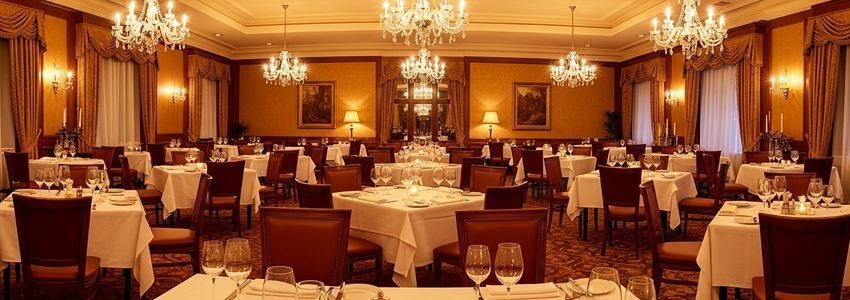
Real-World Scenarios: French Restaurant Financing in Action
To illustrate how French restaurant business loans work in practice, here are six scenarios drawn from common situations restaurant owners face.
Scenario 1: Opening a Bistro in a New Market
A chef with 15 years of experience in Parisian kitchens wants to open a 60-seat French bistro in Chicago. The buildout requires $350,000 for kitchen equipment, dining room furniture, and leasehold improvements. Using a combination of an SBA 7(a) loan and an equipment financing line, the chef secures the full amount needed, completing the buildout in 12 weeks and opening to strong initial reviews.
Scenario 2: Upgrading a Wine Program
A well-established French brasserie in San Francisco has outgrown its original wine list and wants to build a serious cellar. The owner takes a $75,000 small business loan to purchase a curated selection of Burgundy and Bordeaux. Within two years, wine sales increase by 40%, and the investment more than pays for itself through higher check averages and improved guest satisfaction scores.
Scenario 3: Bridging a Renovation Gap
A French restaurant in Boston closes for a six-week renovation. During the closure, fixed costs - rent, utilities, management salaries - continue. The owner uses a $60,000 working capital loan to cover these expenses without drawing down personal savings, then repays the loan within four months of reopening using the strong post-renovation revenue lift.
Scenario 4: Adding a Private Dining Room
A French restaurant in Dallas identifies strong demand for private events but lacks a dedicated space. A $150,000 renovation loan funds the conversion of an underutilized storage area into an elegant private dining room seating 24 guests. Within the first year, private event bookings generate $220,000 in incremental revenue.
Scenario 5: Managing Seasonal Cash Flow
A French restaurant in a resort community experiences significant revenue swings between peak summer and slow winter months. A $100,000 business line of credit gives the owner a safety net during slow periods, covering payroll, supplier payments, and operating costs without accumulating personal debt or credit card balances.
Scenario 6: Acquiring a Second Location
A French restaurant owner in Atlanta wants to replicate a successful concept in a nearby suburb. The acquisition - including equipment, leasehold improvements, and working capital - requires $475,000. An SBA acquisition loan provides the bulk of funding, while a separate equipment line covers kitchen buildout. The second location reaches profitability within 14 months.
Frequently Asked Questions
What is the minimum credit score needed for a French restaurant business loan?
Most alternative lenders work with credit scores starting at 550-600 for short-term products like working capital loans or merchant cash advances. For SBA loans and bank financing, scores of 680 or higher are typically required. Equipment financing often has more flexible credit requirements because the equipment serves as collateral.
How much can a French restaurant owner borrow?
Loan amounts vary significantly by product and lender. Working capital loans typically range from $10,000 to $500,000. Equipment financing can cover up to 100% of equipment cost with no cap in many cases. SBA 7(a) loans go up to $5 million. The amount you qualify for depends on your revenue, credit profile, and time in business.
Can I get a loan to open a new French restaurant with no existing revenue?
Startup restaurants without revenue face more limited options. Equipment financing is one of the best routes for new concepts because the equipment itself provides collateral. SBA loans also support startups with strong business plans. Personal credit and the owner's prior restaurant experience weigh heavily in startup approvals.
What documents do I need to apply for a French restaurant loan?
Standard documentation includes: 3-6 months of business bank statements, profit and loss statement, balance sheet, 2 years of business and personal tax returns, government-issued ID, and the loan purpose statement. For SBA loans, lenders typically require additional documentation including a business plan, lease agreements, and franchise documents if applicable.
How fast can I get funded for my French restaurant?
Alternative lenders like Crestmont Capital can fund within 24 to 72 hours of approval. Traditional banks typically take 2 to 4 weeks, and SBA loans can take 30 to 90 days. If speed is critical, working capital loans and merchant cash advances offer the fastest path to funding.
Can I use an equipment loan to finance my French restaurant's kitchen?
Yes, equipment financing is one of the most effective tools for funding a French restaurant kitchen. Lenders typically finance 80-100% of the equipment cost, with the equipment itself serving as collateral. This means approval is often more accessible than unsecured working capital products, and the loan terms often align with the equipment's useful life.
Do I need collateral for a French restaurant business loan?
Not necessarily. Many working capital loans and lines of credit are unsecured and do not require specific collateral. Equipment loans use the equipment as collateral. SBA loans may require a blanket lien on business assets and a personal guarantee. The collateral requirement depends on the loan type, amount, and your overall credit profile.
What interest rates should I expect for a French restaurant loan?
Interest rates vary widely by product and lender. SBA loans typically range from 7-11% APR. Traditional bank term loans range from 6-12% for qualified borrowers. Alternative lenders generally charge 15-50% APR depending on risk profile and loan type. Factor rates on MCAs typically range from 1.15 to 1.50, translating to an effective APR that can be significantly higher.
Can I get a French restaurant loan with a personal guarantee?
Most small business loans - including those for restaurants - do require a personal guarantee, especially for amounts over $50,000. A personal guarantee means the owner is personally responsible for repayment if the business cannot meet its obligations. Some alternative lenders offer products with reduced or no personal guarantee requirements for established businesses with strong revenue.
Can I use a business line of credit to manage seasonal cash flow at my French restaurant?
Absolutely. A business line of credit is one of the most effective tools for managing seasonal cash flow. You draw only what you need, pay interest only on the amount drawn, and repay as revenue allows. Many French restaurant owners maintain an open line of credit even when they do not immediately need it, so funds are available the moment a cash flow gap or opportunity arises.
How does a merchant cash advance work for French restaurants?
A merchant cash advance provides upfront capital in exchange for a percentage of future credit card sales. The lender deducts a fixed percentage of daily card transactions until the advance is repaid. Repayment is automatic and scales with revenue - slower months mean smaller repayments. MCAs are fast and accessible but carry higher effective costs than traditional loan products.
What is the difference between a restaurant term loan and a line of credit?
A term loan provides a lump sum repaid over a fixed schedule - ideal for one-time investments like renovations or equipment purchases. A line of credit is revolving, meaning you draw and repay repeatedly up to your approved limit - ideal for ongoing cash flow management. Many restaurant owners benefit from having both: a term loan for capital projects and a line of credit for operational flexibility.
Can a French restaurant owner with bad credit still get financing?
Yes. Alternative lenders focus heavily on business revenue and cash flow rather than credit score alone. Restaurant owners with scores as low as 500-550 have secured working capital loans and MCAs based on strong monthly revenue. Equipment financing is also accessible with lower credit because the equipment serves as collateral. Rates will be higher for lower credit profiles, but financing remains available.
How do I choose between an SBA loan and a conventional business loan for my French restaurant?
SBA loans offer lower rates and longer terms, making them better for large, long-term investments when time permits. Conventional loans and alternative financing are faster and less paperwork-intensive, making them better for immediate needs. If you need capital within weeks, a conventional loan is typically the right choice. If you are planning 60-90 days ahead for a major purchase, an SBA loan may save significantly on interest costs over time.
What should I avoid when applying for a French restaurant business loan?
Common mistakes include: applying for more than you can realistically repay based on your cash flow, using short-term high-cost financing for long-term investments, applying with multiple lenders simultaneously (which can hurt your credit score), and failing to read the full loan agreement before signing. Work with a reputable lender, understand the total cost of capital, and align the loan product with your actual business need.
How to Get Started
Complete our quick application at offers.crestmontcapital.com/apply-now - takes just a few minutes.
A Crestmont Capital advisor will review your French restaurant's needs and match you with the right financing option.
Receive your funds and put them to work - often within days of approval. No long waits, no unnecessary delays.
Your French Restaurant Deserves the Best Financing
Apply today and get matched with a loan designed for your restaurant's goals. Fast decisions, flexible terms, no obligation.
Apply Now ->Conclusion
French restaurant business loans are an essential financial tool for owners and operators who want to build, grow, and sustain exceptional dining experiences. Whether you are launching a first concept, expanding a successful establishment, upgrading your kitchen for a Michelin push, or simply managing the seasonal ebbs and flows of restaurant revenue, the right financing product makes the difference between surviving and thriving.
The French restaurant category demands excellence - in cuisine, in service, in ambiance. That excellence requires investment. Business loans give French restaurant owners the capital to invest confidently, without waiting years to save enough cash or compromising quality by cutting corners. With the right lender, the right product, and the right structure, financing becomes a lever for growth rather than a burden.
Crestmont Capital specializes in small business loans for restaurant operators across every cuisine and every market. Our team understands the restaurant industry, works quickly, and delivers financing built around your business - not a bank's internal guidelines. Apply today and take the first step toward your restaurant's next chapter.
Disclaimer: The information provided in this article is for general educational purposes only and is not financial, legal, or tax advice. Funding terms, qualifications, and product availability may vary and are subject to change without notice. Crestmont Capital does not guarantee approval, rates, or specific outcomes. For personalized information about your business funding options, contact our team directly.