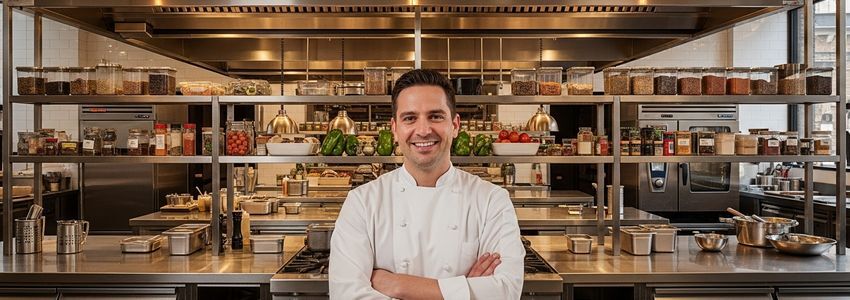
Securing the right food hall business loans is a critical step in launching, expanding, or renovating one of today's most dynamic culinary concepts. Food halls have transformed from simple cafeteria-style eateries into vibrant community hubs, offering a diverse array of artisanal foods, craft beverages, and unique experiences. This rapid growth and complexity mean that operators and owners face significant capital requirements, from initial construction and vendor build-outs to ongoing operational expenses and marketing. This comprehensive guide will explore the world of food hall financing, detailing the types of loans available, qualification criteria, and how to strategically use capital to build a thriving and profitable destination.
In This Article
- What Are Food Hall Business Loans?
- Key Benefits of Financing Your Food Hall
- How Food Hall Business Loans Work
- Types of Financing Available for Food Halls
- Who Qualifies for Food Hall Business Loans?
- How Crestmont Capital Helps Food Hall Businesses
- Real-World Scenarios: Food Halls Using Financing
- Frequently Asked Questions
- How to Get Started
- Conclusion
What Are Food Hall Business Loans?
Food hall business loans are a specialized category of commercial financing designed to meet the unique and substantial capital needs of food hall projects. Unlike a standard restaurant business loan that funds a single culinary concept, food hall financing must account for a much larger and more complex operation. This includes the master lease or purchase of a large commercial space, extensive construction and renovation, the build-out of multiple vendor stalls, installation of shared infrastructure like plumbing and ventilation, and funding for centralized operations such as management, marketing, and maintenance.
These loans are not a single product but rather a suite of financing solutions that can be combined to cover various stages of a food hall's lifecycle. The capital can be used for a wide range of purposes, including:
- Acquisition and Construction: Purchasing a property or funding the ground-up construction of a new food hall facility. This is often the largest capital expense.
- Renovation and Build-Out: Transforming an existing space-like a historic warehouse or a former retail store-into a modern, functional food hall. This includes creating individual vendor stalls, common seating areas, restrooms, and operational back-of-house spaces.
- Equipment and Infrastructure: Purchasing and installing large-scale, shared equipment. This can include commercial-grade ventilation hoods, grease traps, walk-in coolers and freezers, plumbing systems, and electrical infrastructure to support dozens of vendors.
- Working Capital: Covering the day-to-day operational costs before the hall reaches profitability. This includes payroll for management and staff, utilities, insurance, marketing campaigns to attract both vendors and customers, and initial inventory for a central bar or other operator-managed concepts.
- Technology and Systems: Implementing modern point-of-sale (POS) systems, customer Wi-Fi, security systems, and management software to streamline operations across multiple tenants.
- Expansion and Improvement: Financing the addition of new vendor stalls, creating an outdoor patio, adding a performance space, or upgrading existing facilities to keep the venue competitive and fresh.
Essentially, food hall business loans provide the foundational capital required to orchestrate a multi-faceted real estate and hospitality venture. They bridge the financial gap between the initial vision and a fully operational, revenue-generating culinary destination that can support numerous small food businesses under one roof.
Key Benefits of Financing Your Food Hall
While self-funding may be an option for some, leveraging external financing offers significant strategic advantages for food hall owners and operators. The scale of these projects makes debt financing not just a necessity but a powerful tool for growth, stability, and long-term success. The benefits extend far beyond simply getting the doors open.
Preserve Liquidity and Cash Flow
The most immediate benefit of securing a loan is the preservation of your own capital. Food hall projects are notoriously capital-intensive, with unexpected costs and delays being common. By using a loan for major expenditures like construction and equipment, you retain your cash reserves for managing day-to-day operations, covering unforeseen expenses, and navigating the crucial first few months before revenue streams stabilize. This liquidity is your business's safety net, providing the flexibility to adapt to challenges without jeopardizing the entire project.
Accelerate Growth and Seize Opportunities
The food hall market is competitive and fast-moving. An opportunity to secure a prime location or expand an already successful hall might not wait until you have saved sufficient capital. Financing allows you to act decisively. Whether it's acquiring the perfect building in a high-traffic neighborhood or adding a rooftop bar to your existing location, a loan provides the means to execute your growth strategy on your timeline, not your bank account's. This agility can be the difference between leading the market and falling behind competitors.
Build a Higher-Quality Venue
Financing empowers you to build the best possible version of your food hall from day one, rather than cutting corners to save money. This means investing in high-quality design, durable finishes, state-of-the-art kitchen infrastructure, and comfortable, appealing common areas. A superior environment not only attracts a better caliber of food vendors but also draws in more customers who are willing to spend more and return often. This initial investment in quality, funded by a loan, can pay dividends for years to come in the form of higher revenue and a stronger brand reputation.
Attract and Retain Top-Tier Vendors
Talented chefs and unique culinary concepts are the lifeblood of any food hall. These vendors are more likely to be attracted to a well-funded, professionally managed project. When they see that the operator has invested in top-of-the-line ventilation, reliable cold storage, and robust marketing support, it gives them confidence in the hall's potential for success. In some cases, operators even use a portion of their financing to offer tenant improvement (TI) allowances, helping promising but less-capitalized vendors with their stall build-out costs. This makes your food hall a more attractive and accessible option, allowing you to curate a more exciting and diverse vendor mix.
Establish Business Credit
For new entities, successfully managing and repaying a significant business loan is one of the most effective ways to build a strong business credit profile. A positive payment history on a term loan or commercial real estate loan demonstrates financial responsibility to future lenders, suppliers, and partners. This established credit history will make it easier and more affordable to secure additional financing for future projects or expansions down the road.
Optimize Your Financial Structure
Financing allows for a more sophisticated approach to your business's capital structure. By using debt, you can leverage your equity more effectively. This means you can achieve a greater return on your investment and potentially retain more ownership of the project rather than diluting your stake by bringing in numerous equity partners to cover the initial costs. A well-structured loan is a strategic financial instrument that can enhance profitability and control over your venture.
Ready to Grow Your Food Hall?
Secure the capital you need to build, expand, or innovate. See your financing options in minutes.
Apply Now ->How Food Hall Business Loans Work
The process of obtaining a food hall business loan is more involved than applying for a personal loan or a small credit card. Given the significant loan amounts and the complexity of the business model, lenders conduct a thorough due diligence process. While the specifics can vary between lenders and loan types, the general workflow follows a clear, multi-stage path from initial inquiry to funding.
Step 1: Pre-Application and Planning
Before you even approach a lender, you need a comprehensive business plan. This is the cornerstone of your application. For a food hall, this document must be exceptionally detailed, covering:
- Concept and Market Analysis: A clear vision for your food hall, its target demographic, and a detailed analysis of the local market and competition.
- Financial Projections: Multi-year financial forecasts including projected revenues (from vendor rents, revenue sharing, bar sales, event fees), a detailed breakdown of startup costs, and projected operating expenses.
- Vendor Curation Strategy: Your plan for attracting, selecting, and managing a diverse and high-quality mix of food vendors. Letters of intent from potential vendors can significantly strengthen your application.
- Management Team: Bios of the key principals, highlighting their experience in real estate, hospitality, restaurant management, and finance.
- Marketing and Operations Plan: A strategy for how you will market the food hall to the public and manage the complex day-to-day operations.
During this stage, you will also gather all necessary financial documentation, including personal and business tax returns, bank statements, and statements of personal net worth for all owners.
Step 2: Application and Document Submission
Once your plan is in place, you will complete a formal loan application. With modern lenders like Crestmont Capital, this can often be started with a simple online form. You will then be paired with a lending specialist who will guide you through the process of submitting your full documentation package. This includes your business plan, financial projections, personal financial statements, legal entity documents (like articles of incorporation), and any real estate purchase agreements or leases.
Step 3: Underwriting and Due Diligence
This is the most critical phase. The lender's underwriting team will meticulously review every aspect of your application. They are assessing the risk of the loan and the likelihood of your project's success. Their analysis will focus on:
- The "Five C's" of Credit: Character (your track record and experience), Capacity (your projected cash flow to service the debt), Capital (the amount of your own money invested), Collateral (assets securing the loan), and Conditions (the market and economic environment).
- Feasibility of Projections: Underwriters will scrutinize your financial models to ensure they are realistic and based on sound assumptions. They will compare your projections to industry benchmarks. -
- Real Estate Appraisal: If the loan involves purchasing property, an independent commercial appraisal will be ordered to confirm the value of the real estate.
- Legal and Background Checks: The lender will verify your business's legal standing and conduct background checks on the principal owners.
During this stage, the underwriter may come back with additional questions or requests for more information. Prompt and thorough responses are key to keeping the process moving forward.
Step 4: Approval and Term Sheet
If the underwriting team is satisfied with their assessment, they will approve the loan. The lender will then issue a commitment letter or a term sheet. This document outlines the proposed terms of the loan, including the loan amount, interest rate, repayment term (amortization period), any fees, collateral requirements, and any specific conditions (covenants) that must be met before and during the loan period.
Step 5: Closing and Funding
After you accept the term sheet, the final stage is closing. This involves signing the final legal loan documents, which are prepared by attorneys. For real estate-backed loans, this process is similar to a residential mortgage closing, involving title searches and insurance. Once all documents are signed and all pre-funding conditions are met, the lender disburses the funds. Depending on the loan structure, the funds may be paid out as a lump sum, or they may be placed in an escrow account and disbursed in draws as construction milestones are met.
By the Numbers
The U.S. Food Hall Industry - Key Statistics
400+
Food halls operating across the U.S.
$6.3B
Estimated U.S. food hall market value by 2027
12%
Annual growth rate projected for food hall concepts
15-30
Vendors typically housed in a single food hall
Types of Financing Available for Food Halls
There is no one-size-fits-all loan for a food hall. Most projects require a strategic blend of different financing types to cover various needs. Understanding the primary options is key to building the right capital stack for your venture. The growing popularity of food halls, as noted by outlets like Forbes, has made lenders more familiar with the model, opening up more financing avenues.
SBA Loans
Loans guaranteed by the U.S. Small Business Administration (SBA) are among the most sought-after forms of financing due to their favorable terms, long repayment periods, and lower down payment requirements. The government guarantee reduces the lender's risk, making them more willing to lend to businesses like food halls.
- SBA 7(a) Loans: This is the SBA's most popular and flexible loan program. Funds can be used for a wide variety of purposes, including real estate purchase, construction, working capital, equipment, and even refinancing existing debt. Loan amounts can go up to $5 million, with terms up to 25 years for real estate and 10 years for working capital or equipment.
- SBA 504 Loans: This program is specifically designed for financing major fixed assets. The loan is structured in two parts: up to 50% of the project cost is financed by a conventional lender, up to 40% is financed by a Certified Development Company (CDC) with an SBA-guaranteed loan, and the borrower contributes at least 10% as a down payment. This is an excellent option for purchasing land and a building or for funding major construction and renovations.
Key Insight: The SBA 504 loan is particularly well-suited for food halls as it's designed for major fixed asset purchases, like acquiring or constructing a commercial property, which often represents the largest portion of a food hall's startup costs.
Conventional Bank Loans / Commercial Term Loans
These are traditional small business loans offered by banks and other direct lenders without a government guarantee. They typically come in the form of a lump-sum payment that is repaid over a fixed term with a fixed or variable interest rate. Because the lender assumes all the risk, the qualification criteria are often stricter than for SBA loans, requiring strong credit, a significant down payment (often 20-30%), and a proven track record. They are a great option for established operators with strong financials looking to expand or renovate.
Commercial Real Estate (CRE) Loans
If your project involves purchasing the property for your food hall, a specific commercial financing loan is necessary. These are long-term loans (often 20-25 years) secured by the property itself. The underwriting process heavily focuses on the value of the real estate and its potential to generate income. Lenders will analyze the property's location, condition, and the local commercial real estate market in addition to your business plan.
Equipment Financing
This type of loan is used to purchase specific pieces of equipment, from massive HVAC systems and walk-in freezers to POS terminals and security cameras. The equipment itself serves as the collateral for the loan. This is beneficial because it often doesn't require a separate down payment and leaves other business assets unencumbered. Terms typically match the expected useful life of the equipment, usually 3-7 years. It's a great way to acquire necessary assets without a large upfront cash outlay.
Business Line of Credit
A business line of credit functions like a credit card for your business. You are approved for a certain credit limit and can draw funds as needed, up to that limit. You only pay interest on the amount you've drawn. This is an invaluable tool for managing cash flow fluctuations, covering unexpected repairs, or seizing small, time-sensitive opportunities. It's not ideal for large, initial investments like construction, but it's perfect for ongoing operational flexibility.
Working Capital Loans
These are short-term loans designed to cover everyday operational expenses. Working capital loans are crucial for the pre-opening phase of a food hall when you're spending money on hiring, marketing, and utilities but have no revenue coming in. They provide the cash bridge needed to get to opening day and beyond, until the business becomes self-sustaining. They typically have shorter repayment terms (6-24 months) and are funded much faster than larger, more complex loans.
Who Qualifies for Food Hall Business Loans?
Lenders evaluate several key factors to determine an applicant's creditworthiness and the viability of their food hall project. While alternative lenders like Crestmont Capital offer more flexibility than traditional banks, a strong application will demonstrate competence across the board. Aspiring and current food hall operators should focus on strengthening these areas.
1. Credit Score
Both personal and business credit scores are scrutinized. A strong personal credit score (typically 680 or higher for the best rates) from all principal owners demonstrates a history of financial responsibility. For existing businesses, a solid business credit score is also important. While a lower score doesn't automatically mean disqualification, it may lead to higher interest rates or require more collateral.
2. Time in Business and Experience
Lenders favor experience. For an existing food hall looking to expand, a proven track record of at least two years of profitable operation is a massive advantage. For a startup project, the lender will look at the management team's direct experience in relevant fields: commercial real estate development, large-scale restaurant or hospitality management, and property management. A team with a combined history of success in these areas inspires confidence and mitigates the risk associated with a new venture.
3. Annual Revenue and Cash Flow
For an existing business, lenders will analyze historical financial statements (profit and loss, balance sheets, cash flow statements) to confirm consistent revenue and profitability. They will calculate your debt-service coverage ratio (DSCR), which measures your ability to cover loan payments from your operating cash flow. A DSCR of 1.25x or higher is typically required. For a startup, this analysis shifts to your financial projections. Lenders need to see a clear, logical, and well-researched path to profitability that can comfortably support the proposed loan payments.
4. A Comprehensive Business Plan
This is arguably the most important document for a new food hall project. It's your opportunity to sell the lender on your vision and your ability to execute it. As mentioned earlier, it must be incredibly detailed, providing a convincing narrative backed by hard data. It needs to answer every potential question an underwriter might have about your concept, market, operations, and financial viability.
Key Insight: A detailed business plan is crucial for new food hall ventures. It should project revenue not just from rent but also from potential revenue-sharing agreements with vendors and ancillary sources like event hosting or a central bar operation.
5. Collateral and Down Payment (Equity Injection)
Nearly all large-scale loans for food halls will be secured, meaning you must pledge assets as collateral. This can include the commercial real estate, major equipment, business accounts receivable, or even personal assets like residential property. Collateral gives the lender a way to recoup their losses if you default. Furthermore, lenders require the borrower to have "skin in the game." This comes in the form of a down payment or equity injection, typically ranging from 10% (for some SBA loans) to 30% of the total project cost. This shows your commitment to the project and that you share in the financial risk.
6. Legal and Regulatory Compliance
Your business must be a legally registered entity in good standing (e.g., LLC, S-Corp). You will need to provide all necessary licenses and permits for operating a food establishment, or a clear plan to obtain them. This includes business licenses, health department permits, and liquor licenses if applicable. Lenders need to be sure your operation is fully compliant with all local, state, and federal regulations.

How Crestmont Capital Helps Food Hall Businesses
Navigating the complex world of commercial financing can be daunting, especially for a unique business model like a food hall. Crestmont Capital, as the #1 business lender in the U.S., provides a streamlined, expert-guided approach that sets us apart from traditional banks and other lenders. We understand the specific challenges and opportunities within the food hall industry and have tailored our services to meet those needs.
Expertise in the Hospitality Sector
We are not generalist lenders. Our team includes financing specialists with deep experience in the hospitality and restaurant industries. We understand the nuances of your business model, from the importance of vendor curation to the seasonal fluctuations in revenue. This expertise allows us to evaluate your business plan with a more insightful perspective, recognizing strengths and opportunities that a traditional bank underwriter might miss. We have seen what works and can provide valuable guidance throughout the process. For more on our restaurant-specific knowledge, see our complete guide to restaurant financing.
A Broad Spectrum of Loan Products
Crestmont Capital offers a comprehensive suite of financing solutions under one roof. Instead of you having to approach multiple institutions for different types of capital-a bank for a CRE loan, another company for equipment financing, and a third for a line of credit-we can help structure a complete financing package. We offer everything from SBA loans and long-term financing to fast working capital and flexible lines of credit. This integrated approach saves you time, simplifies the application process, and ensures all pieces of your capital stack work together cohesively.
Speed and Efficiency
In business, timing is everything. A delay in funding can mean losing out on a prime real estate deal or pushing back your grand opening. We have optimized our application and underwriting processes using advanced technology and a streamlined workflow. While a traditional bank loan can take months to close, we can provide approvals and funding in a fraction of that time, particularly for products like working capital loans and equipment financing. Our goal is to get you the capital you need when you need it.
High Approval Rates and Flexible Criteria
Our extensive network of lending partners and our own direct funding capabilities allow us to offer more flexible qualification criteria than many traditional banks. We look at the complete picture of your business, not just a single credit score. We value strong business plans, experienced management teams, and solid growth potential. This holistic approach results in higher approval rates, giving more food hall entrepreneurs the opportunity to bring their vision to life or expand their existing operations.
Dedicated, Personalized Service
When you work with Crestmont Capital, you are not just a number in a queue. You will be assigned a dedicated financing specialist who will be your single point of contact throughout the entire process. This specialist will take the time to understand your specific project, answer your questions, and advocate for you during underwriting. This personalized service ensures a smoother, more transparent, and less stressful financing experience.
Partner with the #1 Business Lender
Experience the Crestmont Capital difference with fast, flexible funding solutions tailored for your food hall.
Apply Now ->Real-World Scenarios: Food Halls Using Financing
To better understand how food hall business loans work in practice, let's explore a few hypothetical scenarios. These examples illustrate how different types of financing can be strategically applied to meet specific business goals at various stages of a food hall's life.
Scenario 1: The Startup - "The Gantry"
The Project: A team of experienced real estate developers and a renowned local chef plan to convert a 20,000-square-foot historic warehouse in a revitalized downtown district into "The Gantry," a 25-vendor food hall with a central craft cocktail bar and an event space.
The Challenge: The total project cost is estimated at $4 million, including the purchase of the building ($1.5M), extensive renovations ($1.8M), kitchen infrastructure ($400k), and pre-opening working capital ($300k).
The Financing Solution: The team works with Crestmont Capital to secure a blended financing package.
- SBA 504 Loan: They use an SBA 504 loan to cover the majority of the fixed-asset costs. The structure is:
- $2.15M (50%) from a conventional lender for the real estate and a portion of the construction.
- $1.72M (40%) from a CDC with an SBA guarantee.
- $430k (10%) as a cash down payment from the ownership group.
- Equipment Financing: They secure a separate $400,000 equipment financing agreement to purchase and install the shared walk-in coolers, ventilation systems, and bar equipment. This keeps the assets off the main loan and preserves cash.
- Working Capital Loan: They obtain a $300,000 short-term working capital loan to cover payroll, marketing, and other operating expenses for the first six months after opening, ensuring a smooth launch.
Outcome: By layering different loan types, The Gantry's founders were able to fund their entire ambitious project with a manageable down payment, preserving their liquidity for unforeseen challenges and initial operations.
Scenario 2: The Expansion - "Market Hall Collective"
The Project: "Market Hall Collective" is a successful 3-year-old food hall in a bustling suburb. The operators have an opportunity to take over an adjacent 5,000-square-foot retail space to add eight new vendor stalls and a large, all-season outdoor patio with a beer garden.
The Challenge: The expansion project is estimated to cost $750,000. The operators have strong cash flow but don't want to deplete their reserves to fund the entire project.
The Financing Solution: Based on their strong financial history, they qualify for a conventional term loan.
- Conventional Term Loan: They work with Crestmont Capital to secure a $600,000 term loan with a 7-year repayment period. The competitive interest rate is based on their proven profitability and strong business credit.
- Owner Contribution: They contribute $150,000 (20%) of their own capital, demonstrating their continued commitment to the business.
Outcome: The term loan provides the necessary capital to complete the expansion quickly, allowing Market Hall Collective to increase its revenue streams and market presence without disrupting its healthy day-to-day cash flow. The new patio and vendors are expected to increase overall foot traffic by 30%.
Scenario 3: The Tech and Infrastructure Upgrade - "City Eats"
The Project: "City Eats" is a 10-year-old food hall that remains popular but is starting to show its age. The management team wants to undertake a major capital improvement project to modernize the facility and improve operational efficiency.
The Challenge: The project includes replacing an aging HVAC system, upgrading to an energy-efficient refrigeration system, and implementing a new, unified POS system with online ordering and delivery integration for all vendors. The total cost is $250,000.
The Financing Solution: The operators need flexible, fast capital without the lengthy process of a major real estate loan.
- Business Line of Credit: They already have a $100,000 business line of credit which they use to cover initial deposits with contractors and the POS software company.
- Working Capital Loan: They secure a $200,000 working capital loan with a 24-month term to cover the bulk of the equipment purchase and installation costs. The fast funding process allows them to schedule the work during their slowest season to minimize disruption.
Outcome: By using a combination of their line of credit and a fast working capital loan, City Eats is able to complete the entire upgrade in under two months. The new systems reduce utility costs by 15% and the new POS platform increases off-premise sales by 40%, providing a rapid return on their investment.
Frequently Asked Questions
What is the typical loan amount for a new food hall?
Loan amounts for food halls vary dramatically based on location, size, and the scope of the project. A small-scale hall in a secondary market might require $500,000 to $1 million. A large, ground-up construction project in a major city can easily exceed $5 million to $10 million. The final loan amount depends on the total project cost, which includes real estate acquisition, construction, equipment, and initial working capital.
How long does it take to get a food hall business loan?
The timeline depends on the loan type. Fast-funding options like working capital loans or equipment financing can be approved and funded in a matter of days. Larger, more complex loans like SBA 7(a) or 504 loans, especially those involving real estate, have a more extensive underwriting and closing process that can take anywhere from 45 to 90 days or more. Being prepared with a thorough business plan and all required documentation can significantly speed up the process.
Can I get a loan for a food hall startup with no experience?
It is very challenging. Lenders heavily weigh the management team's experience. If you lack direct experience in hospitality or real estate development, your best strategy is to build a team that does. Partner with individuals who have a proven track record in these areas. A strong team, a significant personal investment (equity injection), and an exceptionally well-researched business plan can help overcome a lack of personal experience.
What kind of collateral is required for a food hall loan?
Collateral requirements depend on the loan. For commercial real estate loans or SBA 504 loans, the property itself is the primary collateral. For other loans, collateral can include a general lien on all business assets (equipment, accounts receivable, inventory), specific equipment being financed, or even personal assets of the owners, such as a personal residence. A personal guarantee from all majority owners is almost always required.
How much of a down payment do I need?
The required down payment, or equity injection, typically ranges from 10% to 30% of the total project cost. SBA loans often have the lowest down payment requirements, sometimes as low as 10%. Conventional bank loans and commercial real estate loans usually require 20% to 30%. A larger down payment reduces the lender's risk and can result in more favorable loan terms.
What's more important: my personal credit or my business plan?
Both are critically important, especially for a startup. Your personal credit score is a reflection of your past financial reliability. A strong score is essential to pass initial screening. However, for a project as complex as a food hall, the business plan is what truly sells the lender on the future viability of the venture. A brilliant business plan cannot always overcome very poor credit, and excellent credit cannot save a poorly conceived project. You need to be strong in both areas.
Can I use a business loan to pay my vendors a tenant improvement allowance?
Yes, this can often be built into the total project cost and covered by a loan like an SBA 7(a). Providing a tenant improvement (TI) allowance can be a powerful strategy to attract high-quality, emerging chefs who may not have the capital for a full build-out. You must clearly detail this in your business plan's "use of funds" section and justify it as a necessary expense for curating your desired vendor mix.
What is a debt-service coverage ratio (DSCR)?
DSCR is a financial metric used by lenders to measure a company's ability to pay its debts. It is calculated by dividing the Net Operating Income (NOI) by the total annual debt service (principal and interest payments). A DSCR of 1.0 means the company has exactly enough income to cover its debt payments. Lenders typically require a DSCR of at least 1.25x, meaning your cash flow is 25% greater than your debt obligations, providing a comfortable cushion.
Should I lease or buy the property for my food hall?
This is a major strategic decision. Buying the property with a commercial real estate loan allows you to build equity and have full control, but it requires a much larger upfront investment. Leasing reduces the initial capital outlay and may be the only option in some high-cost markets. However, you are subject to the terms of the lease and rent increases. Lenders will finance both scenarios, but the loan structure will be different. A loan for a leased property will focus on the build-out and operations, and the lease term must be long enough to justify the investment.
Can I get financing if I have a partner with bad credit?
A partner with significantly bad credit can be a major hurdle, as most lenders will review the credit of all owners with a significant stake (usually 20% or more). It may not be an automatic denial, but it will require a very strong application in all other areas: a stellar business plan, great credit from other partners, a large equity injection, and strong collateral. In some cases, it may be strategic to restructure the ownership percentage so the partner with bad credit has a smaller, non-guarantor stake, though this should be discussed with legal and financial advisors.
What are loan covenants?
Loan covenants are conditions or restrictions that a borrower must agree to abide by for the duration of the loan. They are designed to protect the lender. Affirmative covenants are things you must do (e.g., provide annual financial statements, maintain property insurance). Negative covenants are things you cannot do without the lender's permission (e.g., take on additional debt, sell major assets). It's crucial to fully understand all covenants in your loan agreement before signing.
Are interest rates for food hall loans fixed or variable?
They can be either, depending on the loan product and the current economic climate. Long-term loans like SBA 504 or commercial real estate loans often have fixed rates, which provides predictability in your monthly payments. Other products, like some SBA 7(a) loans and lines of credit, often have variable rates tied to a benchmark like the Prime Rate. A fixed rate is generally preferable for long-term planning, while a variable rate might be acceptable for a short-term loan.
What is a personal guarantee?
A personal guarantee is a legal promise from an individual business owner to repay a business loan if the business itself is unable to. This means that if the business defaults, the lender can go after the owner's personal assets (home, savings, investments) to satisfy the debt. It is a standard requirement for almost all small business loans, especially for new ventures, as it ensures the owner is fully committed to the business's success.
Can I refinance my existing food hall business loan?
Yes, refinancing is a common strategy. If your business has grown, your credit has improved, or interest rates have dropped since you took out your original loan, you may be able to refinance to get a lower interest rate, a lower monthly payment, or better terms. You can also do a "cash-out" refinance, where you borrow more than your current loan balance to get extra capital for renovations or expansion.
How does Crestmont Capital's process differ from a bank's?
Crestmont Capital offers a more streamlined, flexible, and faster process. While banks often have rigid, one-size-fits-all criteria and lengthy decision-making processes, we leverage technology and a vast network of lending partners to find the best fit for your specific needs. Our specialists understand the food hall industry and can guide you to the right products, resulting in a higher likelihood of approval and a much faster time to funding compared to the traditional bank loan application process.
How to Get Started
Securing the financing for your food hall is a significant step, but it doesn't have to be an overwhelming one. At Crestmont Capital, we've simplified the process to get you from application to funding as efficiently as possible. Here’s how to begin your journey:
Your first step is to complete our quick and secure online application. It takes just a few minutes and provides us with the basic information we need to understand your project. This initial step has no impact on your credit score. You can start now at offers.crestmontcapital.com/apply-now.
Once we receive your application, one of our dedicated food hall financing specialists will contact you. This expert will discuss your project in detail, review your goals, and help you gather the necessary documentation, such as your business plan and financial statements. They will be your guide, answering all your questions and identifying the best financing options for your unique situation.
Our team will work diligently to underwrite your application and secure an approval. We will present you with a clear, transparent term sheet outlining your loan offer. Upon your acceptance, we will move quickly through the final closing steps to get the capital into your hands, so you can start building, renovating, or expanding your food hall without delay.
Don't Let Financing Hold You Back
Your food hall's future starts today. Get a no-obligation quote and take the next step.
Apply Now ->Conclusion
The food hall concept represents one of the most exciting and fastest-growing segments of the culinary and real estate industries. As a recent CNBC report highlights, they are becoming anchors for commercial developments nationwide. However, turning a visionary food hall concept into a profitable reality requires a substantial injection of capital. Food hall business loans are the essential tool that empowers entrepreneurs to fund these complex, large-scale projects.
From securing the perfect property with an SBA 504 loan to managing cash flow with a business line of credit, a strategic financing plan is the foundation of a successful food hall. By understanding the different types of funding available, preparing a meticulous business plan, and meeting lender qualifications, you can position your project for approval and long-term success.
The journey can be complex, but you don't have to navigate it alone. Partnering with an experienced lender like Crestmont Capital provides you with the expertise, speed, and diverse product offerings necessary to build a comprehensive financial solution. If you are ready to take the next step in launching or expanding your food hall, we are here to help you access the capital you need to thrive.
Disclaimer: The information provided in this article is for general educational purposes only and is not financial, legal, or tax advice. Funding terms, qualifications, and product availability may vary and are subject to change without notice. Crestmont Capital does not guarantee approval, rates, or specific outcomes. For personalized information about your business funding options, contact our team directly.