
 (800) 949-0401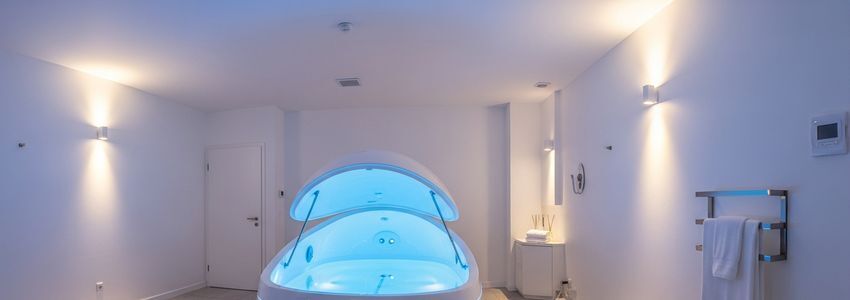
Float Tank Financing: The Complete Guide for Business Owners
Float therapy has emerged as one of the most compelling wellness services of the past decade, attracting a loyal client base of athletes, executives, chronic pain sufferers, and mindfulness practitioners. The centerpiece of any float center is the flotation tank itself - a commercial-grade isolation chamber that can cost $10,000 to $35,000 per unit. For wellness entrepreneurs looking to launch or expand a float center, float tank financing provides the most practical path to acquiring this equipment without draining working capital or waiting years to save the full purchase price.
In This Article
- What Is Float Tank Financing?
- Types of Float Tanks You Can Finance
- How Float Tank Financing Works
- Equipment Costs and Price Ranges
- Key Benefits for Float Center Owners
- ROI: What Business Owners Can Expect
- How to Qualify for Financing
- Financing vs. Leasing
- The Application Process
- Float Therapy Industry Trends
- Next Steps
- FAQ
What Is Float Tank Financing?
Float tank financing is a specialized form of equipment financing designed for wellness businesses that want to purchase commercial flotation tanks and sensory deprivation chambers. Rather than paying the full cost of a float pod or room upfront, business owners use financing to spread payments over 24 to 72 months, with fixed monthly installments and the equipment serving as collateral.
The model is straightforward: the lender pays your float tank vendor directly, you receive the equipment, and you make predictable monthly payments. At the end of the term, you own the tanks outright. This approach allows float centers to open with professional-grade equipment without depleting reserves needed for buildout, marketing, staffing, and salt supply.
For a full overview of how this product category works, see our equipment financing 101 guide. Wellness businesses may also find our hair salon equipment financing guide useful for comparison, as it covers the same financing mechanics in a closely related industry.
Key Fact
Float tank financing can cover up to 100% of equipment cost with no down payment required for qualified applicants. Terms from 24 to 72 months give float center owners flexibility to match payments to revenue cycles.
Types of Float Tanks You Can Finance
The commercial float tank market has matured significantly, offering wellness businesses a range of configurations to suit different space constraints, clientele, and business models.
Float Pods (Egg-Style)
The original consumer-facing float experience, these enclosed oval pods typically accommodate one person lying flat. They feature automated lid systems, internal lighting, audio, and filtration. Commercial float pods from leading manufacturers range from $10,000 to $25,000 per unit. They require a footprint of approximately 8 x 5 feet plus access space.
Float Cabins
Float cabins are open-top rooms, typically 4 x 8 feet or larger, built directly into the facility's floor plan. They eliminate the enclosed feeling that some clients find claustrophobic and allow easier access for mobility-limited users. Custom float cabins cost between $15,000 and $35,000 depending on materials, size, and filtration systems.
Open Float Pools
Larger communal or semi-private float pools are used in luxury spa settings and multi-sensory wellness facilities. These custom installations can exceed $50,000 to $100,000 and require specialist contractors for installation. Financing these larger projects often involves portfolio loans combining equipment and buildout costs.
Float Rooms (Walk-In)
Walk-in float rooms are purpose-built enclosures within a float center, combining architectural construction with floating equipment. Costs range from $20,000 to $45,000 per room for the equipment component. These are the premium offering for clients who want a more spa-like experience without the enclosed pod feeling.
Ready to Finance Your Float Tanks?
Get fast, flexible financing from the #1 business lender in the U.S. No obligation - apply in minutes.
Apply NowHow Float Tank Financing Works
Float tank financing operates on the same core structure as other equipment financing products. The equipment itself serves as collateral, which is why approval rates are typically higher and rates often lower than unsecured small business loans.
Key features of float tank equipment loans include:
- Coverage of up to 100% of equipment cost, including freight and installation
- Fixed monthly payments for consistent budgeting
- Repayment terms from 24 to 72 months
- The float tanks serve as collateral for the loan
- Approval decisions typically in 24 to 48 hours
- Potential eligibility for Section 179 tax deductions in the year of purchase
Once approved, the lender wires payment directly to your float tank vendor. Equipment is shipped, installed, and becomes operational. Monthly loan payments begin per the schedule in your agreement. After the final payment, full ownership transfers to you with no residual balance.
Section 179 Tip
IRS Section 179 allows businesses to deduct the full cost of qualifying equipment in the year it is placed in service, up to $1,220,000 in 2026. This means even financed float tanks may generate a substantial tax deduction in year one. Work with your accountant to optimize your depreciation strategy.
Equipment Costs and Price Ranges
Having a clear picture of float tank costs helps business owners structure their financing request accurately and negotiate with vendors from a position of knowledge.
| Equipment Type | Price Range | Best For |
|---|---|---|
| Float Pod (entry-level) | $10,000 - $16,000 | Startups, small studios |
| Float Pod (commercial grade) | $16,000 - $25,000 | Established float centers |
| Float Cabin (open-top) | $15,000 - $35,000 | ADA-friendly, luxury float centers |
| Walk-In Float Room | $20,000 - $45,000 | Premium spas, wellness centers |
| Open Float Pool | $50,000 - $100,000+ | Luxury spas, resort facilities |
| Multi-Pod Package (3-4 units) | $45,000 - $90,000 | Full float center buildout |
Float center buildouts typically involve more than just the tanks. Filtration systems, Epsom salt (typically 800 to 1,000 pounds per tank), soundproofing, shower rooms, and lounge areas are also common costs. Some lenders will bundle the full buildout into a single financing package.
Key Benefits for Float Center Owners
Float tank financing delivers concrete advantages that extend well beyond simply spreading a cost.
Preserve Cash for Buildout and Operations
A complete float center launch requires far more capital than just the tanks. Buildout, permitting, salt supply, marketing, staffing, and working capital reserves all compete for the same pool of startup funds. Financing the tanks at $400 to $600 per month per unit frees significant capital for these other priorities.
Start Generating Revenue Before Paying Full Price
With financing, float centers can begin operating and generating session revenue from the day tanks are installed. In many cases, session revenue exceeds the monthly financing payment within the first few weeks of operation, making the equipment essentially self-funding.
Scale at Your Own Pace
Float centers often start with two to three tanks and add more as demand grows. Equipment financing allows owners to add tanks incrementally without requiring large cash infusions. Each new tank financed increases revenue capacity while keeping monthly cash requirements manageable.
Fixed Predictable Payments
Unlike a business line of credit with variable draws, equipment financing provides a fixed monthly payment that does not change over the loan term. This consistency makes financial planning and profit projections more reliable.
Ownership and Long Asset Life
Commercial float tanks are built to last 15 to 25 years with proper maintenance. Financing results in full ownership, meaning the asset continues generating revenue for years after the loan is paid off. The return on investment compounds significantly over a long operating life.
Improve Business Credit
Timely equipment loan payments build your business credit profile with major bureaus including Dun and Bradstreet, Experian Business, and Equifax Business. A stronger business credit profile opens doors to future financing at better terms.
ROI: What Business Owners Can Expect
Float tank financing is particularly compelling from a return-on-investment standpoint. The math is transparent: float sessions have clear, consistent pricing and the demand side is proven.
Sample ROI Scenario: 3-Pod Float Center
- Equipment cost: 3 pods x $18,000 = $54,000
- Monthly financing payment: ~$1,100 (48-month term)
- Session price: $75 per hour session
- Sessions per pod per day (8-hour day): 5
- Daily revenue (3 pods at 60% utilization): ~$675
- Monthly gross revenue (25 operating days): ~$16,875
- Financing payment as % of revenue: ~6.5%
- Breakeven on equipment cost: approximately 3-4 months
These projections depend on location, marketing effectiveness, and session pricing. However, the fundamental economics are solid: float session pricing ($60 to $100 per hour in most markets) significantly exceeds the per-session equipment financing cost, even at moderate utilization rates.
According to Forbes Health, the float therapy market has shown consistent growth as wellness spending becomes a priority for both individual consumers and corporate wellness programs. The U.S. Small Business Administration notes that wellness-adjacent businesses with recurring membership models are among the most resilient small business categories.
Finance Your Float Center Equipment Today
Flexible terms from 24 to 72 months. Fast approvals for wellness businesses nationwide.
Apply Now
How to Qualify for Financing
Float tank financing qualification requirements are generally more accessible than unsecured loans because the equipment serves as collateral. Here is what lenders evaluate.
Personal Credit Score
Most equipment financing lenders require a personal credit score of 600 or above. Applicants with scores above 680 typically access the most competitive rates and terms. If your credit is below 600, explore bad credit equipment financing options.
Time in Business
Lenders typically prefer at least 12 months of operating history. Startups launching new float centers can still qualify under specialized programs, especially when the owner has strong personal credit and demonstrable industry experience.
Annual Revenue
Most equipment financing programs require $100,000 to $250,000 in annual gross revenue, though some smaller equipment programs have lower thresholds. Float centers with membership revenue streams and consistent monthly bookings are viewed favorably by lenders.
Documentation Required
- Completed financing application
- 3 to 6 months of business bank statements
- 1 to 2 years of business tax returns
- Float tank vendor invoice or equipment quote
- Business license and EIN verification
- Government-issued photo ID
For loans under $75,000, many lenders offer simplified approval processes requiring only bank statements and the equipment invoice, with tax returns waived for qualified applicants.
Financing vs. Leasing
Business owners considering float tank acquisition have two primary options: equipment financing (a loan leading to ownership) or equipment leasing (a rental arrangement with options at term end).
| Factor | Equipment Financing | Equipment Leasing |
|---|---|---|
| Ownership at Term End | Yes - full ownership | Option to buy, return, or upgrade |
| Monthly Payment | Typically higher | Typically lower |
| Tax Depreciation | Business claims Section 179 | Lessor typically claims depreciation |
| Long-Term Cost | Lower (own outright) | Higher if continuing to lease |
| Best For | Long-life equipment (tanks last 15-25 years) | Testing market before committing |
Given that commercial float tanks have extremely long useful lives (15 to 25 years) and the technology does not change rapidly, equipment financing leading to ownership is almost always the better long-term financial choice for established or committed float center operators.
The Application Process
Float Tank Financing: Step-by-Step Process
in Minutes
Quote/Invoice
24-48 Hours
Loan Agreement
Vendor Directly
Open for Business
Step 1: Apply Online
The application takes under 10 minutes. Provide basic business details, the requested loan amount, and the type of equipment you are financing. No hard credit pull is required at the initial application stage.
Step 2: Submit Documentation
Provide the float tank vendor invoice or quote plus your most recent bank statements. For larger loan amounts, tax returns will also be requested.
Step 3: Receive Approval Decision
Most qualified applicants receive a decision within 24 to 48 hours. Same-day approvals are available for well-qualified applicants on loans under $150,000.
Step 4: Review and Sign the Loan Agreement
Review your monthly payment amount, interest rate, term length, and any prepayment provisions. Sign electronically once you are satisfied with the terms.
Step 5: Lender Funds the Vendor
The lender wires payment directly to your float tank manufacturer or distributor. You do not need to handle the funds or coordinate wire transfers.
Step 6: Delivery, Installation, and Launch
Your tanks are delivered and installed. Monthly payments begin per your loan schedule. You start generating float session revenue from day one of operation.
Float Therapy Industry Trends
The float therapy market has transitioned from niche counterculture curiosity to legitimate mainstream wellness service over the past decade, and several trends suggest continued growth.
Mainstream Wellness Adoption
Float therapy has moved from alternative health circles into sports recovery programs, corporate wellness benefits, and medical referral networks. This mainstream adoption has dramatically expanded the addressable client base. According to U.S. Census Bureau health data, wellness service spending has grown at a rate significantly above general consumer spending for the past decade.
Sports and Athletic Recovery
Professional athletes across NFL, NBA, MLS, and Olympic sports have publicly endorsed float therapy for muscle recovery, injury prevention, and mental performance. This association has made float therapy aspirational for recreational athletes and fitness enthusiasts, creating a steady referral pipeline for float centers located near sports facilities and gyms.
Mental Health and Stress Reduction
Research published in peer-reviewed journals has documented reduced cortisol levels, improved sleep quality, and decreased anxiety symptoms associated with regular float therapy sessions. As mental health awareness has grown, float therapy has gained legitimacy as a complementary approach to stress management, broadening its appeal well beyond athletic recovery.
Corporate Wellness Programs
Companies investing in employee wellness benefits have begun incorporating float therapy memberships and vouchers as perks for high-performing employees. Float centers with corporate account programs can achieve more predictable revenue than purely walk-in or retail models.
Float center operators who need financing beyond equipment alone should consider whether a business line of credit could supplement their equipment loan for buildout costs, salt supply, and initial operating capital. A small business loan may also be worth exploring for larger-scale projects covering full facility development.
Next Steps
How to Get Started with Float Tank Financing
- Select Your Tanks: Identify the manufacturer, model, and quantity you want to finance. Get a firm vendor quote - this is the core document your lender needs.
- Review Your Credit: Check your personal and business credit reports before applying. Resolve any errors or outstanding negative items that could affect your rate.
- Prepare Documents: Have 3 months of recent business bank statements, your most recent business tax return, and your business license ready to submit.
- Apply Online: Submit your application to Crestmont Capital. The process takes under 10 minutes and does not require a hard credit pull at the initial stage.
- Review Your Offer: Examine the loan amount, interest rate, monthly payment, and term carefully. Confirm the rate is fixed and ask about prepayment options.
- Accept and Launch: Sign your agreement, let the lender fund your vendor, install your tanks, and open your float center doors.
Start Your Float Tank Financing Application
Fast approvals, flexible terms from 24 to 72 months, and up to 100% financing coverage available.
Apply NowFrequently Asked Questions
What is float tank financing?
Float tank financing is an equipment loan that allows wellness businesses to purchase commercial flotation tanks and repay the cost over 24 to 72 months in fixed monthly installments. The tanks serve as collateral, making approval more accessible than unsecured loans.
How much does a commercial float tank cost?
Commercial float pods and cabins range from approximately $10,000 for entry-level units to $35,000 or more for premium open-top cabins with advanced filtration and integrated media systems. Walk-in float rooms can cost $20,000 to $45,000 per room for the equipment component.
Can I finance multiple float tanks in one loan?
Yes. Many lenders offer portfolio or bundled equipment financing, combining multiple float tanks into a single loan with one monthly payment. This is standard practice for float center buildouts acquiring three to six pods or cabins simultaneously.
What credit score is required to qualify?
Most float tank equipment financing lenders prefer a personal credit score of 600 or above. Applicants with scores above 680 typically receive the best rates. Some programs serve lower credit profiles when business revenue and time in business are strong.
How fast can I get approved?
Most qualified applicants receive a decision within 24 to 48 business hours. Same-day approvals are possible for strong credit profiles on loans under $150,000. Larger or more complex applications may take 3 to 5 business days.
Is a down payment required?
Many float tank financing programs offer 100% financing with no down payment for qualified applicants. Some lenders may require 10% to 20% down depending on the credit profile and loan amount. Well-qualified applicants often receive no-down-payment approval.
What documents do I need to apply?
Standard requirements include a completed application, 3 to 6 months of business bank statements, 1 to 2 years of business tax returns, a float tank vendor invoice, business license, and government-issued ID. For loans under $75,000, many lenders require only bank statements and the equipment invoice.
Can a new float center startup qualify?
Startups can qualify for float tank financing, though it is more challenging. Lenders typically prefer 12 months of operating history. New centers with strong owner credit (680+), relevant wellness industry experience, and a credible business plan stand the best chance. Specialized startup equipment programs are available.
What are the repayment terms?
Float tank equipment loan terms typically range from 24 to 72 months. Shorter terms produce higher monthly payments but lower total interest costs. Longer terms reduce monthly payments, which can ease cash flow during the early stages of building a client base.
Can I use Section 179 to deduct financed float tanks?
Yes. Financed equipment is generally eligible for Section 179 deductions. Even with monthly loan payments, businesses can often deduct the full equipment purchase price in the year the tanks are placed in service, up to the $1,220,000 limit in 2026. Consult your accountant for personalized advice.
What is the difference between a float pod and a float cabin?
Float pods are enclosed egg-shaped units with a hinged lid that clients enter through. Float cabins are open-top rooms, typically built into the facility, that do not have a closing lid. Cabins are generally preferred by clients with claustrophobia concerns and are easier to access for mobility-limited clients. Both types are equally effective for the float therapy experience.
How long do commercial float tanks last?
Quality commercial float tanks are engineered for 15 to 25 years of daily operation with proper maintenance. The high-salinity environment requires corrosion-resistant materials throughout. Regular filtration maintenance, water chemistry management, and periodic component replacement extend the useful life of the equipment significantly.
What is the ROI on financed float tanks?
A three-pod center with tanks financed at $1,100 per month and sessions priced at $75 each needs only 15 sessions to cover the monthly payment. At 60% utilization across three pods running 8 hours per day, monthly gross revenue of approximately $16,000 to $17,000 generates strong margins after the financing cost. Most well-run float centers break even on equipment cost within 3 to 6 months of opening.
Is float tank financing different from a regular business loan?
Yes. Float tank financing is asset-backed - the tanks serve as collateral. This typically means lower interest rates, higher approval rates, and less stringent credit requirements compared to unsecured small business loans. The lender's risk is partially secured by the tangible asset value of the float equipment.
Can I finance the full buildout including installation and salt supply?
Some lenders will finance soft costs like delivery and installation as part of the equipment loan. Salt supply, plumbing work, and room construction are generally not covered under standard equipment financing but may be funded through a separate small business loan or business line of credit. Ask your lender about bundled financing options at the time of application.
Disclaimer: The information provided in this article is for general educational purposes only and is not financial, legal, or tax advice. Funding terms, qualifications, and product availability may vary and are subject to change without notice. Crestmont Capital does not guarantee approval, rates, or specific outcomes. For personalized information about your business funding options, contact our team directly.








