
 (800) 949-0401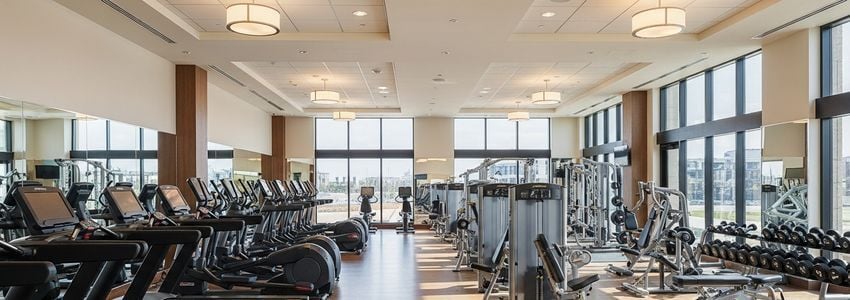
Fitness Center Equipment Financing: The Complete Guide for Gym and Fitness Business Owners
Running a fitness center requires more than passion for health and wellness - it demands constant investment in quality equipment. Treadmills wear out. Weight stacks develop issues. Cardio machines fall behind the latest technology. Whether you operate a large commercial gym, a boutique fitness studio, or a community recreation center, staying competitive means keeping your equipment current. That is where fitness center equipment financing becomes one of the most powerful tools in your business arsenal.
Rather than depleting your cash reserves or waiting years to save up for major purchases, financing allows you to acquire the equipment your members need right now - and pay for it over time from the revenue that equipment generates. This guide covers everything you need to know: how financing works, what types are available, who qualifies, how much you can borrow, and how Crestmont Capital can help you get funded quickly.
In This Article
- What Is Fitness Center Equipment Financing?
- Key Benefits for Gym Owners
- Types of Fitness Equipment You Can Finance
- How Fitness Center Equipment Financing Works
- Equipment Financing vs. Equipment Leasing
- Who Qualifies for Gym Equipment Financing?
- How Crestmont Capital Helps Fitness Businesses
- Fitness Financing by the Numbers
- Real-World Scenarios
- Financing Options Compared
- How to Get Started
- Frequently Asked Questions
What Is Fitness Center Equipment Financing?
Fitness center equipment financing is a lending arrangement that allows gym owners, fitness studios, and health clubs to purchase or lease commercial-grade exercise equipment without paying the full cost upfront. Instead of a large one-time cash outlay, you make fixed monthly payments over a term that typically ranges from 24 to 84 months. The equipment itself often serves as collateral for the loan, which makes the approval process simpler than many other forms of business credit.
This type of financing is specifically structured for the fitness industry, meaning lenders understand that commercial treadmills, ellipticals, cable machines, and strength equipment can have asset values ranging from a few thousand dollars to well over $500,000 for a fully equipped facility. Lenders who specialize in fitness equipment financing know the useful life of this equipment and can structure repayment terms accordingly.
At Crestmont Capital, we provide equipment financing solutions tailored to fitness businesses of all sizes - from single-location studios to multi-site gym chains. Our financing programs are designed to keep your cash flow intact while putting top-quality equipment on your floor quickly.
Industry Insight: According to the International Health, Racquet and Sportsclub Association (IHRSA), the U.S. fitness industry generates over $35 billion annually, with more than 41,000 health clubs serving 64 million members. Equipment quality directly impacts member retention - and financing makes it accessible.
Key Benefits of Fitness Center Equipment Financing
Many gym owners hesitate to finance equipment because they worry about interest costs or monthly obligations. But when you look at the real-world math, financing typically makes more sense than paying cash for your equipment. Here is why:
Preserve Your Working Capital. Your cash on hand is your business lifeline. Keeping it available for payroll, rent, marketing, and unexpected expenses is critical - especially in the fitness industry where seasonal membership dips can create cash flow pressure. Financing lets you deploy equipment without draining your reserves.
Acquire Better Equipment Sooner. Many gym owners delay equipment upgrades because the upfront cost seems too high. Financing removes that barrier entirely. You can acquire commercial-grade cardio, strength, and functional training equipment today - equipment that generates revenue immediately - rather than waiting months or years to save up.
Build Business Credit. Every on-time equipment loan payment helps establish and strengthen your business credit profile. This positions you for better terms on future financing - whether for additional equipment, a facility expansion, or working capital loans to support growth.
Fixed Payments for Easy Budgeting. Equipment financing comes with predictable fixed monthly payments, making it easy to budget and forecast cash flow. You know exactly what you owe each month throughout the term.
Stay Competitive. Members have options. They compare your facility to competing gyms every time they consider canceling. Fresh, well-maintained, modern equipment is a retention driver. Financing lets you continuously invest in your competitive edge.
Potential Tax Benefits. Depending on your structure and tax situation, you may be able to deduct equipment financing interest and depreciation as business expenses. We strongly recommend consulting your tax professional to understand what applies to your specific situation, as tax rules can change and vary by circumstance.
Ready to Upgrade Your Gym Equipment?
Get fast, flexible fitness equipment financing from the #1 business lender in the U.S. No obligation - apply in minutes.
Apply Now →Types of Fitness Equipment You Can Finance
One of the most important things gym owners need to understand is that virtually any type of commercial fitness equipment qualifies for financing. Whether you are outfitting a full-service health club or a specialized studio, lenders can finance:
Cardio Equipment
Treadmills, elliptical trainers, stationary bikes, rowing machines, stair climbers, and arc trainers represent the largest category of fitness equipment financing requests. Commercial cardio equipment from brands like Life Fitness, Precor, Technogym, and Peloton Commercial ranges from $3,000 to $15,000 per unit. A full cardio floor with 20-30 machines can easily total $150,000 or more - a natural candidate for equipment financing.
Strength and Resistance Equipment
Selectorized weight machines, cable systems, free weight areas (benches, racks, dumbbells, barbells, weight plates), Smith machines, functional trainers, and plate-loaded equipment all qualify. Complete strength areas can range from $50,000 for a basic setup to $500,000+ for a high-end facility.
Functional Training Equipment
Functional training has exploded in popularity. Turf areas, battle ropes, TRX suspension systems, kettlebell racks, plyometric boxes, agility ladders, sleds, rigs, and climbing walls are all eligible for equipment financing.
Studio and Group Fitness Equipment
Spin bikes for cycling studios, Pilates reformers, yoga equipment, group fitness flooring, mirrors, sound systems, and studio-specific equipment can all be financed. Boutique studios often have equipment packages ranging from $30,000 to $150,000.
Recovery and Wellness Equipment
Massage chairs, infrared saunas, cryotherapy chambers, hydromassage tables, and other recovery equipment are increasingly part of the modern fitness center experience. These can be financed as part of a larger equipment package or standalone.
Technology and Software Systems
Commercial-grade TV systems, fitness app integrations, heart rate monitoring systems, virtual training platforms, and member management technology can sometimes be financed alongside physical equipment.
Pro Tip: New and used commercial fitness equipment both qualify for financing. If your budget is tight, financing used equipment from a reputable dealer can significantly reduce your monthly payment while still delivering quality machines for your members.
How Fitness Center Equipment Financing Works
The process for getting approved for fitness center equipment financing is more straightforward than many business owners expect. Here is a step-by-step overview of what to expect:
Quick Guide
How Fitness Equipment Financing Works - At a Glance
Select the equipment you need from any authorized dealer or manufacturer.
Submit a short application with basic business and financial information.
Many applications receive same-day or next-day approval decisions.
Lender pays vendor directly; equipment ships to your facility.
Repay over your chosen term with predictable monthly payments.
Application Requirements. For equipment loans under $150,000, most lenders require minimal documentation: a completed application, a few months of bank statements, and basic business information. For larger loans, you may also need tax returns, a profit and loss statement, or a balance sheet. The process is far less intensive than applying for a traditional bank term loan.
Approval Timelines. Many equipment financing lenders, including Crestmont Capital, can pre-approve applications within 24 hours. Final approval with funding can occur within 2-5 business days for straightforward transactions. This speed is critical for gym owners who need to replace broken-down equipment quickly or take advantage of end-of-fiscal-year equipment deals.
Funding Mechanics. Once approved, the lender pays the equipment vendor directly on your behalf. The equipment is delivered to your facility. You then begin making monthly payments to the lender per your agreed schedule. In most cases, you own the equipment at the end of the term (for a loan) or have purchase options (for a lease).
Equipment Financing vs. Equipment Leasing: What Is the Difference?
Gym owners often face a choice between financing (purchasing) equipment or leasing it. Both approaches can work well depending on your goals, but understanding the key differences helps you make the right decision.
| Feature | Equipment Financing (Loan) | Equipment Leasing |
|---|---|---|
| Ownership | You own equipment from day one | Lender owns during lease term |
| Monthly Payments | Typically higher | Typically lower |
| End of Term | Equipment fully yours | Return, buy, or renew lease |
| Equipment Updates | Keep until obsolete | Easier to upgrade at end of term |
| Balance Sheet Impact | Asset and liability recorded | May be off-balance-sheet (operating lease) |
| Best For | Long-term durable equipment | Technology that needs frequent updating |
| Down Payment | Often required (10-20%) | Often first/last payment only |
For most fitness centers investing in durable strength equipment or commercial cardio machines expected to last 7-10 years, equipment financing (purchasing) often makes more financial sense. For rapidly evolving technology, digital equipment, or boutique studios that want maximum flexibility, leasing can be advantageous. The right choice depends on your specific equipment mix, cash flow needs, and long-term business goals.
Explore equipment leasing options through Crestmont Capital to compare both pathways side by side with one of our financing advisors.
Who Qualifies for Fitness Center Equipment Financing?
One of the most common questions gym owners ask is: "Will I qualify?" The answer depends on several factors, but the good news is that fitness businesses tend to be strong candidates for equipment financing because the equipment itself has clear commercial value and useful life.
Credit Score Requirements
Most equipment financing lenders look for a personal credit score of at least 600-650 for smaller transactions. For loans over $150,000, a score of 680 or higher significantly improves your approval odds and interest rate. That said, some lenders offer programs specifically designed for business owners with scores as low as 550, often requiring a larger down payment or shorter term.
Time in Business
Established fitness businesses (2+ years in operation) typically receive the most favorable terms. However, startups and newer gyms (6-24 months of operation) can still qualify, often through specialized startup equipment financing programs. Pre-revenue or newly opened gyms may need to provide a business plan, franchisor support documentation, or a stronger personal financial profile.
Annual Revenue
For equipment loans up to $150,000, many lenders do not require minimum revenue thresholds if the equipment serves as solid collateral. For larger transactions, demonstrating consistent monthly revenue - typically $10,000 to $25,000 minimum depending on loan size - strengthens your application significantly.
Down Payment
Some equipment financing programs require no down payment, especially for borrowers with strong credit. Others may request 10-20% upfront. Leasing programs typically require only the first and last month's payment. If your cash reserves are limited, ask specifically about zero-down equipment financing options when you apply.
Industry Considerations
Fitness businesses are generally viewed favorably by equipment lenders because gym equipment holds its resale value reasonably well and the industry has strong historical demand. Multi-location gym chains, franchise fitness studios, and independent gyms all have access to equipment financing.
Good to Know: Even if your personal credit is less than perfect, a co-signer with strong credit, a significant down payment, or additional collateral can help you qualify for fitness equipment financing when you might otherwise be declined.
Not Sure If You Qualify?
Let our financing specialists review your situation. We work with gym owners at every stage - startup to established chain. No obligation to find out what you qualify for.
Check My Options →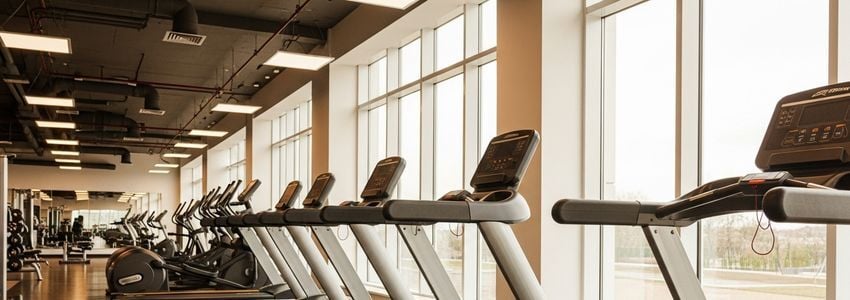
How Crestmont Capital Helps Fitness Businesses
Crestmont Capital is rated the #1 business lender in the United States, and we have extensive experience helping fitness businesses access equipment financing quickly and efficiently. Here is what sets our approach apart:
Fast Approvals. We understand that broken equipment means lost revenue. Our streamlined approval process can deliver decisions within 24 hours for most fitness equipment financing requests. We prioritize speed without sacrificing terms.
Flexible Programs. Whether you need $10,000 to replace a single commercial treadmill or $500,000 to outfit an entirely new facility, our gym equipment financing programs scale to your needs. We offer loans, leases, and equipment lines of credit so you always have access to capital when you need it.
Terms Tailored to Your Cash Flow. We structure repayment terms to match your cash flow reality - not a one-size-fits-all schedule. Whether you need a longer term to keep payments lower or a shorter term to minimize total interest, we work with you to find the right balance.
Access to Multiple Lender Relationships. Rather than being limited to a single funding source, Crestmont Capital connects you to a broad network of equipment lenders. This competition on your behalf often results in better rates and more favorable terms than approaching any single bank or lender directly.
Minimal Documentation. We know you are running a business, not a filing office. Our streamlined application process requires minimal paperwork, especially for transactions under $150,000. You can often get pre-approved with just a few months of bank statements and a completed application.
Learn more about our fitness company business loans and the full range of funding options we offer for health and wellness businesses.
Fitness Center Equipment Financing: By the Numbers
By the Numbers
Fitness Center Equipment Financing - Key Statistics
$35B+
Annual U.S. fitness industry revenue
64M+
U.S. health club members
24 hrs
Typical approval timeline with Crestmont Capital
$500K+
Maximum equipment financing available
Real-World Fitness Business Financing Scenarios
Understanding how fitness center equipment financing works in practice helps gym owners see where it fits their own situation. Here are several realistic scenarios illustrating common use cases:
Scenario 1: The Established Health Club Replacing Worn Cardio. A 10-year-old health club with 800 members notices its treadmills and ellipticals are aging. Frequent breakdowns frustrate members and lead to cancellations. The owner prices out a complete cardio floor refresh: 25 commercial treadmills, 15 ellipticals, and 10 bikes at a total cost of $280,000. With strong credit and two years of consistent revenue, the owner secures an equipment loan at favorable rates over 60 months. The monthly payment fits easily within the gym's operating budget, and member complaints about equipment quality drop immediately after installation.
Scenario 2: The Boutique Spin Studio Opening Its Second Location. A successful indoor cycling studio with one profitable location wants to expand to a second site. The buildout requires 40 commercial spin bikes, a sound system, TV screens, and studio flooring - totaling $95,000. Rather than waiting 18 months to save cash, the owner applies for equipment financing through Crestmont Capital. Approval arrives in 24 hours, equipment is installed within 3 weeks, and the second studio opens on schedule. Revenue from both locations covers the monthly payment with room to spare.
Scenario 3: The CrossFit Box Upgrading to Commercial Grade. A CrossFit affiliate has been running with entry-level equipment since opening two years ago. Member numbers have grown to 200 people and the owner needs to upgrade to true commercial-grade rigs, platforms, barbells, and bumper plates. Total equipment cost: $65,000. With a 680 credit score and consistent monthly revenue, approval comes quickly. The upgrade completes before a major local competition event, helping the gym recruit new members who hear about the improved facility.
Scenario 4: The Hotel Gym Needing a Full Renovation. A mid-size hotel wants to renovate its fitness center to attract business travelers who are increasingly choosing hotels based on gym quality. The renovation requires 15 cardio units, a functional training space, and updated strength equipment - totaling $180,000. The hotel owner applies for commercial equipment financing, citing strong occupancy rates and consistent revenue. Approval comes within 48 hours, and the renovated gym becomes a featured amenity in the hotel's marketing materials.
Scenario 5: The Startup Personal Training Studio. A certified personal trainer is opening their first private studio. With limited business history, they are concerned about qualifying. By providing a detailed business plan, evidence of a signed lease, and strong personal credit (720 score), they secure startup equipment financing for $45,000 worth of functional training equipment. The studio opens with professional-grade equipment from day one, establishing immediate credibility with clients.
Scenario 6: The Multi-Location Fitness Chain Expanding. A regional fitness chain with five locations wants to open two new facilities simultaneously. Equipment costs for both locations total $650,000. Rather than tapping into working capital or waiting for investor funding, the chain's CFO applies for a blanket equipment financing arrangement. With strong business financials and multiple locations generating revenue, the approval covers both buildouts. The chain opens both locations within 90 days without disrupting existing cash flow.
Comparing Your Fitness Equipment Financing Options
Not all fitness equipment financing is the same. Understanding your options helps you choose the right structure for your specific situation.
Traditional Equipment Loans. A standard equipment loan provides a lump sum that you use to purchase equipment. You repay the principal plus interest over a fixed term. At the end, you own the equipment outright. This is the most straightforward option and works well for established fitness businesses with clear equipment needs.
Equipment Leases. With an equipment lease, you pay to use the equipment for a set period without owning it. At the end of the lease, you typically have the option to purchase the equipment at fair market value, renew the lease, or return the equipment. Operating leases keep the asset off your balance sheet and can be advantageous for equipment that becomes technologically obsolete.
Equipment Line of Credit. An equipment line of credit is a revolving facility that allows you to finance equipment purchases up to a set limit as needed. This is ideal for gyms that make frequent smaller equipment purchases - replacing one treadmill at a time, adding accessories, or gradually building out a new area. You only pay interest on what you draw.
SBA Loans for Fitness Equipment. For larger equipment purchases (over $250,000), SBA loans may offer the lowest interest rates available. However, they come with more documentation requirements and longer approval timelines (30-90 days). They are best suited for well-established businesses with strong credit that are not in a rush.
Business Line of Credit. A business line of credit is not specifically structured for equipment but can be used for any business purpose including equipment. It offers maximum flexibility but typically comes with higher rates than dedicated equipment financing and lower limits.
Find the Right Financing for Your Fitness Business
Our specialists will compare options across our lending network to find the best fit for your gym or fitness studio. Apply in minutes - no commitment required.
Apply Now →How to Get Started
Complete our quick application at offers.crestmontcapital.com/apply-now - takes just a few minutes. Have a general sense of the equipment you need and its cost.
A Crestmont Capital advisor will review your fitness business needs and match you with the right equipment financing structure - loan, lease, or line of credit.
Receive approval within 24 hours in most cases. Equipment is ordered and delivered to your facility, often within days. Your members notice the difference immediately.
Frequently Asked Questions
Disclaimer: The information provided in this article is for general educational purposes only and is not financial, legal, or tax advice. Funding terms, qualifications, and product availability may vary and are subject to change without notice. Crestmont Capital does not guarantee approval, rates, or specific outcomes. For personalized information about your business funding options, contact our team directly.








