Running a professional photo or video studio means constantly investing in the tools that make your work shine. Whether you are a portrait photographer upgrading to a new LED panel system, a videographer adding a motorized backdrop, or a post-production house building out a color grading suite, the costs add up fast. The good news: you do not have to pay for everything out of pocket. Lighting and backdrop financing - along with funding for editing suites - gives creative professionals a smarter way to get the gear they need today while preserving cash for everything else that keeps the business running.
What Does Studio Equipment Actually Cost?
Before exploring your financing options, it helps to understand what you are actually paying for. Studio equipment spans a wide range of price points depending on your specialty, the volume of work you produce, and the quality level your clients expect. Below is a realistic breakdown of common investments creative professionals make.
Lighting Equipment
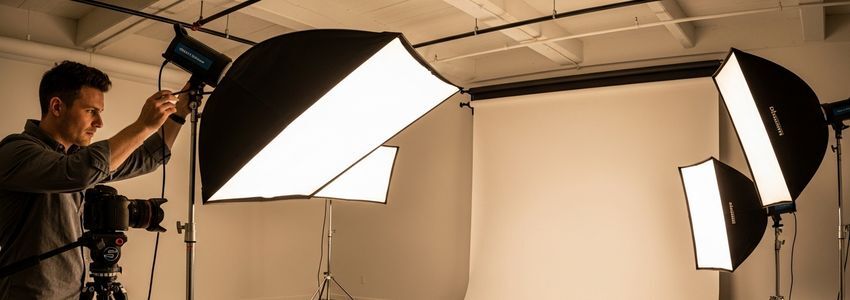
Lighting is often the single largest line item for studio photographers and videographers. A basic continuous LED panel system for a small studio might run $500 to $2,000. Mid-range strobe systems with modifiers, triggers, and stands typically land between $3,000 and $10,000. High-end broadcast lighting setups with Kino Flo fixtures, ARRI LED panels, or cinema-grade HMI units can cost $15,000 to $60,000 or more. Add in power distribution, gels, diffusion materials, and mounting hardware and the total climbs quickly.
Backdrop Systems
Paper rolls from a major supplier cost between $40 and $200 each, but the hardware that holds them is the real investment. A basic two-roller wall-mounted backdrop system runs $300 to $800. Electric motorized systems that let you switch backdrops with a button can cost $2,000 to $8,000 per unit. Full floor-to-ceiling seamless systems with multiple motorized rollers and a custom track ceiling can push $20,000 or higher for a large commercial studio. Muslin, canvas, and hand-painted specialty backdrops add another $200 to $3,000 per backdrop depending on size and material.
Editing Suites
A professional video editing workstation starts around $3,000 for an entry-level setup with a capable GPU and fast NVMe storage. Color grading suites built around DaVinci Resolve with a Blackmagic DaVinci control panel, professional reference monitors, and a dedicated server rack can run $25,000 to $100,000. Add acoustic treatment, dual or triple 4K reference displays, a NAS storage system, UPS battery backup, and ergonomic furniture, and you are looking at a significant capital outlay before a single frame is cut.
Other High-Cost Items
- Camera rigs and cinema cameras: $5,000 to $80,000+
- Audio recording booths and vocal isolation panels: $3,000 to $25,000
- Green screen systems: $500 to $15,000
- Studio furniture, flooring, and prop storage: $2,000 to $20,000
- Power conditioning and electrical upgrades: $1,000 to $10,000
It is not unusual for a photographer or videographer to need $50,000 to $150,000 in total studio infrastructure before they can serve high-paying commercial clients consistently. That is where lighting and backdrop financing - as well as funding for editing suites - becomes not just convenient but essential.
Types of Financing Available
Not all financing is created equal. As a creative professional, you have several options to consider, each with different structures, benefits, and trade-offs. Understanding the landscape helps you choose what fits your business model.
Equipment Financing Loans
With equipment financing, you borrow a fixed amount to purchase gear outright. The equipment itself typically serves as collateral, which often means lower interest rates compared to unsecured loans. You make fixed monthly payments over a set term (usually 24 to 84 months), and at the end of the term you own the equipment free and clear. This is ideal for gear you plan to keep long-term, like studio lighting systems, backdrop rigs, and editing workstations.
Equipment Leasing
Equipment leasing lets you use gear for a set period in exchange for monthly payments, similar to renting. At the end of the lease you may have the option to buy the equipment at fair market value, renew the lease, or return the gear. Leasing tends to offer lower monthly payments than financing, which helps with cash flow. It can also make sense for technology-heavy items like editing computers that become outdated quickly.
Small Business Loans
Small business financing options like term loans give you a lump sum you can use for any business purpose, including studio buildout, equipment, marketing, or working capital. These are particularly useful when your needs go beyond a single piece of equipment and you want to invest in the entire studio infrastructure at once.
Business Line of Credit
A business line of credit functions like a business credit card in that you draw funds as needed up to a set limit and only pay interest on what you use. This works well for ongoing purchases - adding a new backdrop here, upgrading a monitor there - without the formality of applying for a new loan each time.
SBA Loans
The U.S. Small Business Administration backs several loan programs that offer competitive rates and longer repayment terms. SBA 7(a) loans can fund equipment, working capital, and even real estate. SBA loans require more documentation and have longer approval timelines, but for established studios seeking $250,000 or more, they can be an excellent option.
Ready to Finance Your Studio Equipment?
Get pre-qualified in minutes. No obligation. Rates as low as the market allows for qualified borrowers.
Apply NowEquipment Financing vs. Equipment Leasing
One of the most common questions we hear from photographers and videographers is whether they should finance or lease their studio equipment. The honest answer is that it depends on your goals, cash flow, and how quickly the gear becomes outdated. The comparison table below breaks down the key differences.
| Factor | Equipment Financing | Equipment Leasing |
|---|---|---|
| Ownership | You own the equipment at end of term | Lender/lessor owns it; buyout option at end |
| Monthly Payment | Typically higher | Typically lower |
| Down Payment | Often 10-20% or $0 down options | Often first and last payment up front |
| Tax Treatment | Depreciation + Section 179 deduction | Lease payments fully deductible as expense |
| Best For | Long-lived equipment (backdrops, lights) | Tech-heavy gear that becomes outdated |
| Upgrade Flexibility | Lower - you own what you financed | Higher - can upgrade at end of lease |
| Balance Sheet | Asset and liability both appear | Depends on lease classification |
| Credit Requirements | Moderate to good credit preferred | Often more flexible |
For most established studios investing in foundational infrastructure - a top-tier backdrop system, a full LED lighting rig, or a dedicated color grading suite - equipment financing tends to be the better long-term choice. The equipment holds its value and remains useful for many years. For editing computers and camera bodies, where technology evolves rapidly, leasing often makes more sense.
How the Financing Process Works
If you have never financed business equipment before, the process may seem daunting. In reality, modern lenders like Crestmont Capital have streamlined the experience so that creative professionals can focus on their work rather than paperwork. Here is what the typical process looks like from start to funded.
How Financing Works - 4 Simple Steps
Complete a short application in minutes. Basic business info, revenue, and equipment details needed.
Receive your approval decision - often within hours. Review your options with no obligation.
E-sign your agreement securely online. No trips to a bank, no waiting for snail mail.
Funds go directly to the vendor or to your account. Buy your equipment and get to work.
Most applicants receive a decision within 24 to 48 hours. Once approved and documents are signed, funding typically happens within one to three business days. That means you could have new studio lighting set up and shooting within a week of applying.
Who Benefits Most from Studio Equipment Financing?
Lighting and backdrop financing is not a niche product for a narrow audience. It serves a wide range of creative professionals at every stage of their business journey.
Portrait and Commercial Photographers
Photographers competing for commercial contracts, senior portrait sessions, headshot packages, or product photography clients need consistent, professional-grade lighting. A high-end studio strobe system with multiple modifiers, beauty dishes, and ring lights separates the pros from the amateurs. Financing lets you invest in that edge without depleting the savings you need for slow months.
Videographers and Film Producers
Video production budgets can be tight, but clients expect cinematic quality. If you are producing corporate videos, music videos, commercials, or documentary content, your lighting package defines your production value. Financing a full LED panel system, a motorized grip package, or a professional lighting kit means you can take on larger jobs and bill accordingly. For more detail on this topic, check out our related guide on videography equipment financing and leasing.
Content Creators and YouTubers
The creator economy is real and growing. According to Forbes, the creator economy is worth over $100 billion and growing rapidly. Serious content creators who monetize through YouTube, brand deals, courses, or memberships often need professional studio setups to compete. Financing makes studio-quality lighting and backdrop rigs accessible without a massive upfront investment.
Photography and Video Studios
Established studios looking to expand, open a second location, or renovate an existing space face significant capital requirements. Financing the infrastructure - backdrop systems, lighting rigs, power distribution, editing suites - lets the studio grow without exhausting its operating cash reserves.
Post-Production Houses
Color grading studios, VFX houses, and post-production facilities need specialized workstations, reference monitors, control surfaces, and high-speed storage systems. These items depreciate over time as technology advances, making both financing and leasing smart strategies depending on the expected upgrade cycle.
Check Your Eligibility Today
Financing amounts from $5,000 to $5 million. Terms from 12 to 84 months. Fast approvals for qualified creative businesses.
Apply NowHow to Qualify for Studio Equipment Financing
Qualification requirements vary by lender and loan type, but here are the general benchmarks most equipment financing lenders use. Meeting or exceeding these benchmarks puts you in a strong position.
Credit Score
Most equipment financing programs look for a personal credit score of 620 or higher. Some lenders, including Crestmont Capital partners, work with scores as low as 580 for certain programs. The higher your score, the better your rate and terms. If your score needs work, paying down revolving debt and correcting errors on your credit report can make a meaningful difference in a short time.
Time in Business
Most lenders prefer at least one to two years in business. Some programs are available for businesses as young as six months, though rates may be higher. If you are a brand-new studio, some lenders will rely more heavily on your personal credit score and financial history.
Annual Revenue
Lenders typically want to see annual revenue of at least $100,000, though some programs start lower. The key metric is debt service coverage ratio - your ability to make the monthly payments given your current revenue and expenses. A business generating $150,000 per year applying for a $30,000 equipment loan is in a very different position than one seeking $300,000.
Down Payment
Many equipment financing programs require little to no down payment, particularly when the equipment serves as collateral. Some lenders may ask for 10-20% down for newer businesses or lower credit scores. Having a down payment ready can improve your approval odds and lower your monthly payment.
Financial Documents
Be prepared to provide recent bank statements (typically the last three to six months), your most recent business tax returns (one to two years), and sometimes a profit and loss statement. For larger amounts, a balance sheet may also be requested. Organizing these documents in advance speeds up the process considerably.
Business Entity
You do not need to be a corporation to qualify. Sole proprietors, LLCs, partnerships, and S-corps can all apply. Having a properly registered business entity with a business bank account and EIN (Employer Identification Number) helps establish credibility with lenders.
How Crestmont Capital Helps Creative Professionals
Crestmont Capital has earned a reputation as one of the top-rated small business lenders in the country. We specialize in connecting creative professionals - photographers, videographers, content creators, and studio owners - with the financing options that match their specific situation.
A Wide Network of Lending Partners
Rather than acting as a single bank with rigid criteria, Crestmont works with a network of lenders, which means more options for you. If one program does not fit your profile, another one might. This network approach dramatically improves approval rates compared to applying at a single bank or credit union.
Fast, Simple Process
Our application is straightforward and takes minutes to complete online. You do not need a mountain of paperwork to get started. Many applicants receive approval decisions within hours and are fully funded within a few business days.
Flexible Terms
We offer terms ranging from 12 to 84 months, with financing amounts from $5,000 to $5 million. Whether you need a small upgrade to your backdrop system or a complete studio infrastructure overhaul, we have options to fit.
No Hidden Fees
Transparency matters. We clearly outline all fees, rates, and repayment terms before you sign anything. You know exactly what you are committing to, with no surprises down the road.
Dedicated Support
Our team understands the creative industry. We know that your revenue may be project-based, that your peak seasons may not align with Q4, and that your equipment is your livelihood. We work with you to find a structure that fits your cash flow, not just a cookie-cutter payment schedule.
Real-World Scenarios
Sometimes the best way to understand how financing works is to see it applied to situations that mirror your own. Here are three realistic examples of how creative professionals use studio equipment financing.
Scenario 1: The Portrait Photographer Expanding to Commercial
A portrait photographer with five years in business and $180,000 in annual revenue wants to start taking commercial clients. The upgrade requires a full Profoto strobe system with multiple heads, a large format beauty dish and softbox set, a motorized backdrop system with five paper rolls, and a new tethering station. Total equipment cost: approximately $22,000. She applies for equipment financing, qualifies with a 680 credit score and clean financial history, and locks in a 48-month term at a competitive rate. Her monthly payment is around $520 - easily covered by a single half-day commercial shoot. Within six months, her commercial revenue has covered her first year of payments.
Scenario 2: The Videographer Building a Post-Production Suite
A videographer who has been renting edit suites by the hour for two years is ready to build his own. He needs a Mac Pro workstation, dual 4K reference monitors, a DaVinci Resolve control panel, a NAS with 100TB of usable storage, and acoustic panels for the room. Total cost: $45,000. He opts for an equipment lease over 36 months, keeping monthly payments low and preserving the option to upgrade at the end of the term when the next generation of editing tools will likely have arrived. His lease payments are fully deductible as a business expense, and he eliminates $2,500 per month in rental fees he was previously paying.
Scenario 3: The Studio Opening a Second Location
A successful photography studio with two locations wants to open a third in a new market. The new space needs a complete lighting package, backdrop wall system, prop storage, reception furniture, and a secondary editing workstation. Total buildout cost: $80,000. The studio uses a small business loan from Crestmont Capital to cover the full buildout, taking advantage of a 60-month term and fixed rate. The new location becomes profitable within eight months, and the loan is paid down ahead of schedule using the additional revenue.
Frequently Asked Questions
Can I finance used studio lighting equipment? +
How long does it take to get approved? +
What credit score do I need? +
Can I finance a complete studio buildout (equipment plus renovation)? +
Do I need collateral beyond the equipment itself? +
Is there a minimum amount I can finance? +
Can a sole proprietor or freelancer qualify? +
Can I finance lighting equipment from any vendor? +
What interest rates can I expect? +
Can I pay off the loan early? +
Will applying affect my credit score? +
What is the difference between a capital lease and an operating lease? +
Can I finance multiple pieces of equipment in one loan? +
Does financing studio equipment build business credit? +
How does Crestmont Capital differ from a bank? +
Next Steps: How to Get Started
Conclusion
Building a professional studio is one of the most rewarding investments a creative professional can make - and one of the most expensive. Whether you need top-of-the-line strobe systems, motorized backdrop rigs, or a cinema-grade color grading suite, the upfront cost does not have to stop you. Lighting and backdrop financing - along with equipment loans for editing suites - gives photographers, videographers, content creators, and studio owners the tools to grow without draining the cash reserves that keep their business healthy.
Crestmont Capital has helped thousands of business owners access the equipment financing and leasing solutions they need to compete at the highest level. With fast approvals, flexible terms, and a transparent process, we are ready to help you take your studio to the next level. The right equipment is within reach - and with the right financing partner, it does not have to break the bank.
Start your application today and discover how straightforward lighting and backdrop financing can be when you work with the right team.
Get Your Studio the Equipment It Deserves
Apply now and receive a decision in hours. Competitive rates, flexible terms, and a team that understands your creative business.
Apply NowDisclaimer: The information provided in this article is for general educational purposes only and is not financial, legal, or tax advice. Funding terms, qualifications, and product availability may vary and are subject to change without notice. Crestmont Capital does not guarantee approval, rates, or specific outcomes. For personalized information about your business funding options, contact our team directly.

Allan Garfinkle
Allan Garfinkle is the Chief Revenue Officer at Crestmont Capital, where he has spent more than a decade leading revenue strategy, business development, and operational growth. With 28 years of experience building and advising startups and small businesses, Allan has helped more than 10,000 business owners navigate financing decisions, growth opportunities, and changing economic conditions. He earned a Bachelor of Science in Economics and an MBA with a concentration in Finance from Northeastern University, as well as a Juris Doctor from New England Law, where his studies focused on contracts and business law. His writing draws on extensive practical experience in small-business lending, equipment financing, business credit, and commercial finance.