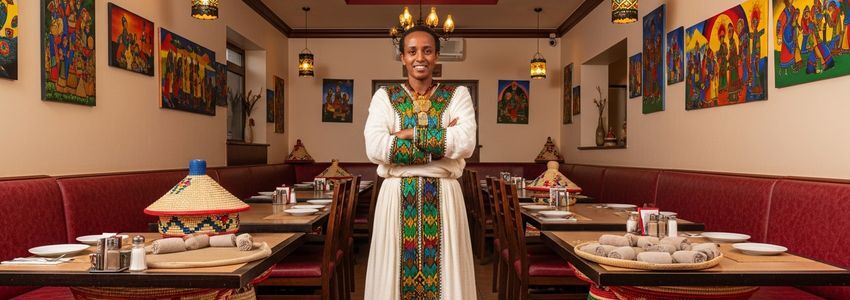
Ethiopian restaurant business loans are helping a growing wave of culinary entrepreneurs bring the rich flavors of East Africa to communities across the United States. Whether you're opening your first injera kitchen, expanding to a second location, or upgrading your commercial equipment, access to the right financing can be the difference between a restaurant that thrives and one that stalls. This guide covers every financing option available to Ethiopian restaurant owners, how to qualify, and how to get funded fast.
In This Article
What Are Ethiopian Restaurant Business Loans?
Ethiopian restaurant business loans are financing products specifically tailored to the capital needs of restaurant and food service operators who specialize in Ethiopian cuisine. Like all restaurant business loans, they can take many forms - from traditional term loans and SBA-backed products to working capital advances and equipment financing lines.
Ethiopian restaurants face some distinctive financial challenges that make access to capital especially important. The cuisine requires specialized equipment like custom-built injera fermentation chambers, large clay cooking pots (mitad), and commercial coffee roasting equipment for the traditional Ethiopian coffee ceremony. These items carry significant upfront costs that can put pressure on cash flow during the startup or growth phase.
In addition, Ethiopian restaurants are deeply community-centered establishments. They often operate in neighborhoods with growing Ethiopian diaspora populations, serving large family-style meals on communal seating arrangements. Building out that experience - with the right decor, seating capacity, and kitchen setup - requires funding that many traditional bank lenders aren't fast or flexible enough to provide.
Industry Snapshot: According to the National Restaurant Association, the U.S. restaurant industry generates over $1 trillion in annual sales. Ethnic dining - including East African cuisine - is one of the fastest-growing restaurant segments, fueled by rising interest in authentic global food experiences.
Types of Financing Available to Ethiopian Restaurant Owners
There is no single "Ethiopian restaurant loan." Instead, multiple financing products can be applied to the unique needs of your business. Understanding your options is the first step to choosing the right funding strategy.
SBA Loans
Small Business Administration loans are government-backed financing products that offer some of the most competitive interest rates and longest repayment terms available to small business owners. The SBA 7(a) loan is the most commonly used and can provide up to $5 million for working capital, equipment, renovation, or expansion. Repayment terms can extend up to 25 years for real estate and 10 years for working capital.
The main trade-off with SBA loans is the approval timeline. Funding can take 30 to 90 days, which makes them better suited for planned expenses rather than immediate needs. Lenders also require solid credit, two or more years of business history, and detailed financial documentation.
Term Loans
A traditional term loan provides a lump sum of capital that you repay in fixed monthly installments over a set period. For Ethiopian restaurant owners, term loans are ideal for large one-time purchases - like a full kitchen buildout, a major equipment purchase, or acquiring a new location. Loan amounts typically range from $25,000 to $500,000 depending on your financials and the lender.
Business Lines of Credit
A business line of credit gives you access to a revolving pool of capital that you can draw on as needed and repay over time. For Ethiopian restaurants, this is an excellent tool for managing seasonal cash flow gaps, covering payroll during slow months, or purchasing inventory in bulk when suppliers offer favorable pricing.
Equipment Financing
Equipment financing allows you to purchase or lease specific pieces of equipment using the equipment itself as collateral. This makes it easier to qualify than traditional loans, even with limited credit history. Ethiopian restaurants can use equipment financing for injera griddles (mitad), commercial ovens, coffee roasters, refrigeration units, and dining room furniture.
Working Capital Loans
Working capital loans are short-term financing products designed to cover day-to-day operating costs - payroll, rent, utilities, food costs, and supplier invoices. They're fast to obtain and don't require collateral, making them popular among restaurant owners who need quick access to cash without tying up assets.
Merchant Cash Advances
A merchant cash advance (MCA) provides an upfront sum in exchange for a percentage of your future credit card sales. MCAs don't require strong credit and can fund in as little as 24 to 48 hours. However, the cost of capital is typically higher than traditional loans, so they're best used for short-term needs where the ROI is clear.
Ready to Fund Your Ethiopian Restaurant?
Get fast, flexible financing built for restaurant owners. No obligation - apply in minutes and see your options.
Apply Now ->How Ethiopian Restaurant Business Loans Work
Understanding the mechanics of restaurant financing helps you approach lenders with confidence and secure better terms. Here's how the process typically works from application to funding.
Step 1: Assess Your Funding Needs
Before applying for any loan, you need a clear picture of exactly what you need the money for and how much you require. Are you purchasing a new mitad griddle system for $15,000? Renovating your dining room for $80,000? Opening a second location that will require $250,000? Having a precise number - backed by vendor quotes and project estimates - shows lenders that you've done your homework and strengthens your application.
Step 2: Review Your Financial Profile
Lenders evaluate Ethiopian restaurant loan applications based on several key factors. Your personal and business credit scores are a primary consideration, with most conventional lenders preferring scores above 650. Your revenue history matters too - lenders want to see consistent monthly revenue that demonstrates the ability to service the loan. Typical minimum revenue thresholds range from $10,000 to $15,000 per month for online and alternative lenders, and higher for SBA-backed products.
Step 3: Gather Your Documentation
The documentation required varies by lender and loan type, but you should generally prepare three to six months of business bank statements, your most recent federal business tax returns, a government-issued ID, and basic business formation documents. Some lenders may also request a business plan or financial projections, especially for startup financing.
Step 4: Submit Your Application
Online lenders and alternative financing companies like Crestmont Capital have streamlined digital applications that can be completed in minutes. SBA loans require significantly more documentation and may take several weeks to process. After submission, most alternative lenders can provide a decision within 24 to 48 hours.
Step 5: Review Offers and Accept Terms
Once approved, you'll receive an offer detailing the loan amount, interest rate, repayment schedule, and any fees. Review these terms carefully. Pay attention to the annual percentage rate (APR) rather than just the stated interest rate, as fees and origination costs can significantly affect the true cost of borrowing. Compare multiple offers before committing.
Quick Guide
How Ethiopian Restaurant Financing Works - At a Glance
Know exactly how much you need and what it will fund - equipment, renovation, staffing, or operations.
Review credit scores, revenue history, and time in business to understand which loan types you qualify for.
Gather bank statements, tax returns, ID, and business documents before applying to speed up approval.
Submit your application, receive offers within 24-48 hours, and choose the best terms for your goals.

What Ethiopian Restaurant Owners Can Fund with a Business Loan
Business loans are versatile financial tools. Ethiopian restaurant owners use them for a wide range of needs, from initial build-outs to ongoing operational support.
Kitchen Equipment and Cooking Tools
The Ethiopian kitchen requires highly specialized equipment that sets it apart from most other cuisine types. The mitad - a large clay or electric griddle used to prepare injera - is the centerpiece of any Ethiopian kitchen operation. High-capacity mitad units can cost several thousand dollars each, and most restaurants require multiple units to keep up with demand. Beyond the mitad, you'll need commercial refrigerators, prep tables, storage racks, and dishwashing systems. An equipment loan can cover these purchases while preserving your working capital.
Coffee Ceremony Equipment
The Ethiopian coffee ceremony (Bunna) is a culturally significant tradition that many Ethiopian restaurants offer as a premium dining experience. Authentic presentation requires traditional coffee pots (jebena), roasting pans, incense burners, grass mats, and specialty coffee from regions like Sidamo, Yirgacheffe, and Harrar. Setting up a dedicated coffee ceremony area is an investment that can significantly boost revenue through premium menu pricing and private event bookings.
Dining Room Build-Out and Renovation
Ethiopian restaurants are known for their warm, communal atmosphere. Many feature low seating arrangements with mesob (traditional woven basket tables), vibrant fabric wall decor, and intricate artwork that reflects the culture. A compelling dining room design is both a competitive differentiator and a significant driver of social media exposure. Construction and renovation loans can help you create the ambiance that earns loyal customers and drives word-of-mouth referrals.
Initial Inventory and Food Costs
Ethiopian cuisine depends on a specific set of ingredients - teff flour for injera, berbere spice blend, niter kibbeh (Ethiopian spiced butter), mitmita, and various legumes including lentils and chickpeas. Many of these ingredients are specialty items that require sourcing from specific suppliers, sometimes at premium prices. A working capital loan ensures you can stock adequate inventory to meet demand during busy periods without running short.
Staffing and Payroll
Building a team that can execute traditional Ethiopian food preparation and deliver an authentic cultural dining experience is one of the most important investments an Ethiopian restaurant can make. Experienced injera makers, knowledgeable servers who can explain dishes to unfamiliar customers, and skilled coffee ceremony hosts are all essential. Business loans can help cover payroll during slow months or fund a hiring push ahead of a major expansion.
Marketing and Digital Presence
Ethiopian restaurants have incredible marketing potential due to the visual appeal of their dishes and the culturally rich stories behind their food. High-quality food photography, social media advertising, local SEO, and online ordering integration are all investments that pay dividends in new customer acquisition. A small business loan can fund a marketing push that generates far more revenue than it costs.
Did You Know? According to data from the SBA and industry reports, restaurants that invest in equipment upgrades and professional marketing within their first three years see significantly higher revenue growth than those that delay capital expenditures. Access to early-stage financing is one of the key predictors of long-term restaurant success.
Qualification Requirements for Ethiopian Restaurant Business Loans
Qualification standards vary by lender and loan type. Here's a general breakdown of what most lenders look for when evaluating Ethiopian restaurant loan applications.
Credit Score Requirements
Most traditional lenders and SBA loan programs prefer personal credit scores of 680 or above. Alternative lenders and online financing platforms - including those that specialize in restaurant financing - may work with scores as low as 550 to 580. If your credit isn't where you'd like it to be, there are still options available, including bad credit business loans specifically designed for borrowers with imperfect credit histories.
Time in Business
Most conventional lenders require a minimum of two years of operating history. SBA loans typically follow the same guideline. Alternative lenders often work with businesses that have been operating for as little as six months, making them more accessible to newer Ethiopian restaurant owners who haven't yet established a long financial track record.
Annual Revenue
Revenue requirements vary significantly across loan types. SBA loans typically require annual revenues of $150,000 or more. Alternative lenders may work with monthly revenues as low as $8,000 to $10,000. For most Ethiopian restaurants serving a community customer base, demonstrating consistent monthly bank deposits - even without exceptional revenue - goes a long way toward qualifying.
Business Bank Statements
Three to six months of business bank statements are the most commonly requested documentation across all loan types. These statements give lenders a clear picture of your revenue patterns, cash flow consistency, and how you manage your finances. Keeping your business finances in a dedicated business bank account - separate from personal accounts - is essential for making this documentation clean and credible.
Collateral
Not all Ethiopian restaurant loans require collateral. Working capital loans, merchant cash advances, and many alternative lending products are unsecured. Equipment financing uses the equipment itself as collateral. SBA loans and traditional term loans may require collateral in the form of business assets, real estate, or a personal guarantee.
Not Sure If You Qualify?
Our team reviews every application individually. Apply with no obligation and see exactly what you qualify for today.
Check My Eligibility ->How Crestmont Capital Helps Ethiopian Restaurant Owners
Crestmont Capital is a U.S.-based direct lender rated #1 in the country for small business lending. We specialize in connecting restaurant and food service business owners with the right financing for their specific situation - fast. Unlike traditional banks that apply a one-size-fits-all lending model, Crestmont Capital evaluates each application individually, giving Ethiopian restaurant owners access to financing that reflects the strength of their business and their vision.
We offer a wide range of financing products that can be structured for Ethiopian restaurant needs:
- Small business loans from $25,000 to $5 million for major growth investments
- Working capital loans for day-to-day operational expenses
- Equipment financing for kitchen build-outs and specialty equipment
- Lines of credit for flexible, ongoing cash flow support
- SBA-backed loans for borrowers seeking the most competitive terms
- Fast-turnaround options for time-sensitive needs, including same-day funding in some cases
Our application process is designed for busy business owners. You can apply online in minutes, and most decisions are delivered within 24 to 48 hours. Once approved, funding can often be deposited into your account within one to three business days. For a deeper look at general restaurant financing options, explore our complete guide to restaurant loans.
Our Commitment: Crestmont Capital is committed to supporting diverse restaurant entrepreneurs across the United States, including the growing community of Ethiopian restaurant owners bringing their culinary heritage to American dining. We believe that access to capital should be based on business potential - not ethnicity, origin, or background.
Real-World Scenarios: Ethiopian Restaurant Owners Using Business Loans
Understanding how Ethiopian restaurant business loans work in practice can help you decide which financing option is right for your situation. Here are several realistic scenarios that illustrate how business loans create real impact.
Scenario 1: Opening a First Ethiopian Restaurant
An Ethiopian immigrant with 15 years of culinary experience decides to open her first restaurant in a mid-sized city with a growing East African community. She finds the perfect location - a 1,800-square-foot space that needs a full kitchen build-out, custom injera stations, a traditional seating area, and a coffee ceremony corner. Her total project budget is $120,000. She applies for a term loan through Crestmont Capital, qualifies based on her solid personal credit and a detailed business plan, and receives $120,000 at competitive rates with a 48-month repayment term. The restaurant opens on schedule and generates $40,000 in monthly revenue within its first six months.
Scenario 2: Expanding a Successful Ethiopian Catering Business
An established catering business that has served Ethiopian weddings, church events, and cultural festivals for seven years wants to open a brick-and-mortar restaurant location. The owner has strong revenue of $25,000 per month from catering contracts but needs capital to secure a lease, design the dining space, and hire front-of-house staff. He qualifies for an SBA 7(a) loan through Crestmont Capital with a 10-year repayment term, giving him the long runway he needs to grow the new location without cash flow pressure.
Scenario 3: Upgrading Kitchen Equipment After Rapid Growth
A popular Ethiopian restaurant in a major urban market has grown beyond the capacity of its original kitchen. Long lines during peak hours are hurting customer experience, and the aging equipment is requiring frequent repairs that disrupt service. The owner applies for an equipment financing loan to purchase three new electric mitad units, a commercial dishwasher, and an upgraded refrigeration system - a total of $45,000 in equipment. The loan is secured by the equipment itself, so no additional collateral is required. After the upgrade, table turn times improve significantly and negative online reviews about wait times decline.
Scenario 4: Bridging a Cash Flow Gap During Slow Season
An Ethiopian restaurant that does most of its business around cultural holidays and community events experiences a significant revenue dip during late summer. The owner needs $20,000 to cover payroll and rent for two months without depleting her reserves. She applies for a working capital loan and receives approval within 24 hours. The short-term loan is repaid within four months as business picks up during the fall event season.
Scenario 5: Adding a Full-Service Bar and Lounge
An Ethiopian restaurant wants to add a tej (Ethiopian honey wine) bar and expand its beverage menu to include traditional drinks alongside modern cocktail options. The renovation will require $60,000 in construction, bar equipment, and licensing costs. The owner uses a combination of a business line of credit for immediate construction costs and a term loan for equipment purchases, spreading the capital deployment in a way that keeps monthly payments manageable.
Scenario 6: Funding a Multi-Location Expansion
After seven years of operating a single highly successful location, an Ethiopian restaurant owner is ready to open two additional restaurants in neighboring cities. Each location requires approximately $180,000 in build-out and startup costs. She works with Crestmont Capital to structure an acquisition loan that covers both locations with a single lending relationship, simplifying repayment and giving her a clear financial framework for the expansion. For more on equipment funding strategies, see our guide to equipment financing fundamentals.
Frequently Asked Questions
What is an Ethiopian restaurant business loan?
An Ethiopian restaurant business loan is a financing product that provides capital to restaurant owners who specialize in Ethiopian cuisine. These loans can be used for kitchen equipment, renovation, staffing, inventory, marketing, and more. They come in many forms including term loans, SBA loans, equipment financing, working capital loans, and lines of credit.
How much can I borrow for my Ethiopian restaurant?
Loan amounts vary widely based on the type of financing and your business qualifications. Working capital loans and equipment loans typically range from $10,000 to $500,000. SBA 7(a) loans can provide up to $5 million. The right amount depends on your specific funding needs, revenue, credit profile, and business history.
What credit score do I need to get a restaurant business loan?
Traditional lenders and SBA programs generally prefer credit scores of 680 or above. Alternative and online lenders can often work with scores as low as 550 to 580. Having strong monthly revenue and good bank statement history can offset a lower credit score with many lenders.
Can I get a business loan if my Ethiopian restaurant is a new startup?
Yes, startup financing is available, though options are more limited than for established businesses. Equipment financing, SBA startup loans, and some alternative lenders work with newer businesses. A solid business plan, personal credit history, and any prior restaurant industry experience all strengthen a startup loan application.
How long does it take to get funded?
Funding timelines vary by loan type. Alternative lenders and working capital loans can fund in as little as 24 to 48 hours. Equipment financing typically takes three to seven business days. SBA loans can take 30 to 90 days due to their more extensive application and approval process. Choose the product that matches your timeline needs.
What documents do I need to apply for an Ethiopian restaurant loan?
Most lenders require three to six months of business bank statements, a government-issued ID, and basic business formation documents. SBA loans and traditional bank loans will also require tax returns, profit and loss statements, a balance sheet, and possibly a business plan. The cleaner and more organized your documentation, the faster the process goes.
Are there SBA loans specifically for Ethiopian restaurant owners?
The SBA does not have loan programs designated specifically for Ethiopian restaurants, but all eligible restaurant businesses can apply for standard SBA programs including the 7(a) and 504 loan programs. Additionally, some SBA programs focus on underserved communities and minority-owned businesses, which may benefit Ethiopian restaurant owners.
Can I use a business loan to purchase specialty Ethiopian kitchen equipment?
Yes. Equipment financing is one of the most straightforward ways to fund the purchase of specialized restaurant equipment, including mitad griddles, coffee ceremony equipment, commercial ovens, and refrigeration units. The equipment itself serves as collateral, which simplifies the qualification process.
What interest rates should I expect on an Ethiopian restaurant business loan?
Interest rates vary widely based on loan type, lender, credit score, and business financials. SBA 7(a) loans typically have rates ranging from prime plus 2.25% to prime plus 4.75%. Traditional term loans from banks range from 6% to 15% APR. Alternative lenders may charge higher rates from 15% to 40% APR in exchange for faster access and more flexible requirements. Equipment financing rates typically range from 5% to 20% APR.
Do I need a business plan to get a restaurant business loan?
A formal business plan is typically required for SBA loans and traditional bank financing, especially for startups and new location expansions. Alternative lenders and online financing platforms generally do not require a business plan - they focus primarily on revenue history and bank statements. Even when not required, having a business plan demonstrates professionalism and can support stronger terms.
Can an Ethiopian restaurant owner with no collateral get a loan?
Yes. Many business financing options do not require collateral. Working capital loans, merchant cash advances, and many alternative lending products are unsecured. Revenue-based financing is secured only by a percentage of future sales, not physical assets. If collateral is available, offering it can unlock better rates and higher loan amounts, but it is not required for all financing types.
Is a personal guarantee required for Ethiopian restaurant business loans?
Personal guarantees are commonly required for SBA loans and many traditional bank products, meaning the business owner accepts personal liability for loan repayment if the business cannot pay. Some alternative lenders do not require personal guarantees, particularly for smaller loan amounts. If preserving personal asset protection is a priority, ask specifically about no-personal-guarantee options when you apply.
How can I improve my chances of getting approved for an Ethiopian restaurant loan?
To improve your approval odds, keep your business and personal bank accounts separate, maintain consistent monthly deposits, pay your existing obligations on time, and have organized financial records. Demonstrating a clear purpose for the loan and showing how it will generate a return strengthens your application. Applying with lenders who specialize in restaurant financing also increases your chances of approval compared to generic bank applications.
What happens if my Ethiopian restaurant has bad credit?
Poor credit doesn't automatically disqualify you from restaurant financing. Alternative lenders, merchant cash advance providers, and equipment financing companies often work with lower credit scores if revenue is strong. You may pay higher interest rates or face shorter repayment terms, but access to capital is still achievable. As you build a track record of on-time payments, you can refinance into better-rate products over time.
Can I use a business loan to open a second Ethiopian restaurant location?
Absolutely. Expansion loans are one of the most common uses of Ethiopian restaurant business financing. Lenders typically look for demonstrated profitability and strong cash flow from your existing location before approving funds for a second. Having 18 to 24 months of profitable operation at your first location makes a compelling case for expansion financing. Many lenders structure multi-location expansion funding as a single loan relationship, simplifying your repayment responsibilities.
How to Get Started
Complete our quick application at offers.crestmontcapital.com/apply-now - it takes just a few minutes and requires no commitment.
A Crestmont Capital advisor will review your Ethiopian restaurant's financial profile and match you with the loan product that best fits your needs and goals.
Receive your funds - often within one to three business days - and put them to work building the Ethiopian restaurant your community deserves.
Your Ethiopian Restaurant Deserves the Right Funding
Fast approvals, flexible terms, and financing experts who understand the restaurant industry. Apply today with no obligation.
Apply Now ->Conclusion
Ethiopian restaurant business loans are a powerful tool for culinary entrepreneurs who want to bring authentic East African flavors to their communities while building a financially sustainable business. Whether you're launching your first restaurant, upgrading critical equipment, managing seasonal cash flow, or expanding to a second location, the right financing product can make all the difference.
The key is knowing your options, understanding what lenders look for, and working with a financing partner that understands the unique demands of the restaurant industry. Crestmont Capital has helped thousands of restaurant owners across the United States access the capital they need to grow - and we're ready to do the same for your Ethiopian restaurant business. Explore your options through our restaurant business loans page and take the first step toward funding your vision today.
Disclaimer: The information provided in this article is for general educational purposes only and is not financial, legal, or tax advice. Funding terms, qualifications, and product availability may vary and are subject to change without notice. Crestmont Capital does not guarantee approval, rates, or specific outcomes. For personalized information about your business funding options, contact our team directly.