
 (800) 949-0401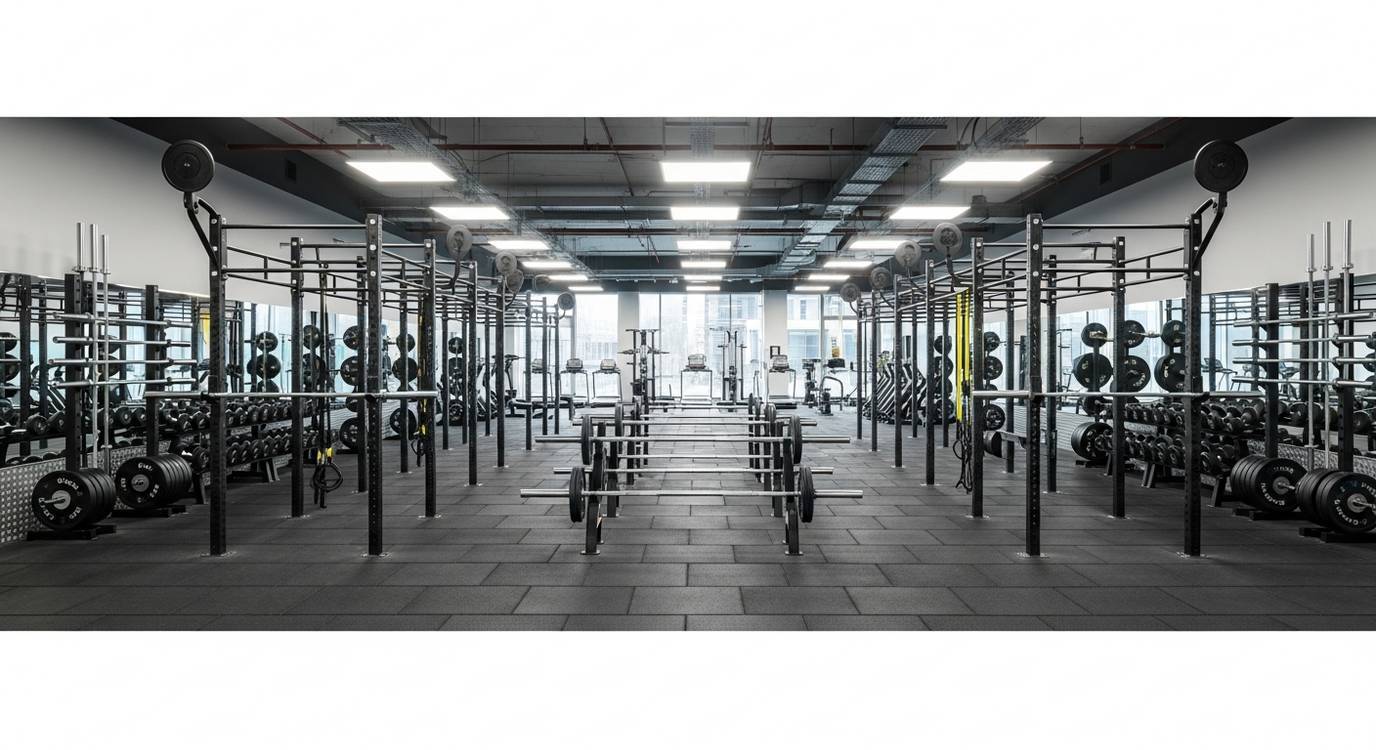
CrossFit Gym Business Loans: The Complete Financing Guide for Box Owners
CrossFit gym business loans give box owners and functional fitness gym operators the capital they need to open new locations, invest in equipment, manage membership growth, market effectively, and navigate the seasonal cash flow patterns of a membership-based fitness business. Whether you own a single CrossFit affiliate box or operate multiple high-performance fitness facilities, access to business financing is a key growth lever that the most successful gym owners use deliberately.
This guide covers everything CrossFit box owners and functional fitness gym operators need to know about financing: the types of loans available, how to qualify, what lenders evaluate, and how to deploy capital to build a stronger, more profitable gym business.
In This Article
- Why CrossFit Gyms Need Financing
- Types of CrossFit Gym Business Loans
- Who Qualifies for CrossFit Gym Financing?
- Rates, Terms, and Costs
- Strategic Uses of Capital
- How to Apply for a CrossFit Gym Loan
- How Crestmont Capital Helps
- Real-World Scenarios
- Tips for Getting Approved
- Frequently Asked Questions
- How to Get Started
Why CrossFit Gyms Need Financing
CrossFit boxes and functional fitness gyms are equipment-intensive, membership-based businesses that require meaningful capital investment at several key growth stages. The most common financing needs include:
- Opening a new box: Build-out of a CrossFit or functional fitness facility includes rubber flooring, pull-up rigs, rig systems, equipment storage, and initial equipment inventory. Total build-out costs typically range from $50,000 to $200,000 depending on location and scale.
- Equipment investment: Barbells, bumper plates, squat racks, pull-up rigs, kettlebells, rowing machines, assault bikes, jump ropes, and specialty equipment represent $30,000 to $100,000 for a well-equipped box. Equipment wears and needs periodic replacement as membership grows.
- Expanding capacity: Growing boxes often need to expand their floor space, add training sessions, and increase equipment inventory to accommodate membership growth without compromising programming quality.
- Hiring coaches: Adding qualified CrossFit coaches requires recruitment, Level 1 certification support, onboarding, and compensation - all before the additional class capacity they enable generates net new revenue.
- Marketing and membership growth: Building membership through digital marketing, referral programs, intro class campaigns, and community events requires consistent investment that often precedes the enrollment revenue it generates.
- Technology and management software: Membership management platforms, scheduling systems, payment processing, and mobile apps require meaningful investment to run a modern, efficient gym operation.
- Working capital for seasonal gaps: CrossFit gyms typically see slower enrollment in summer and December. Working capital helps maintain coaches, marketing, and operations during these slower periods without cutting quality.
Key Stat: CrossFit has approximately 15,000 affiliated gyms worldwide, with the United States representing the largest market. The functional fitness and CrossFit-style training segment has grown consistently over the past decade. Boxes with strong community culture, quality coaching, and sufficient capital for marketing and facility investment consistently outperform those that underinvest in these areas.
Types of CrossFit Gym Business Loans
Several financing products serve CrossFit boxes and functional fitness gyms effectively.
Equipment Financing
Equipment financing is the most targeted product for CrossFit gyms investing in barbells, plates, rigs, rowing machines, assault bikes, and specialty training equipment. The equipment serves as collateral, making approval more accessible than unsecured products. Equipment loans typically cover 80% to 100% of the equipment cost with 3 to 7-year repayment terms. For CrossFit gyms, this product is ideal for both initial equipment packages and ongoing capacity expansion.
Working Capital Loans
Working capital loans are the most flexible financing tool for gym operators. These unsecured, short-to-medium-term loans provide capital for any operational need: coach payroll, marketing campaigns, lease payments, membership management software, or seasonal cash flow bridging. Approval is based on monthly revenue and banking history, with funding often available within 24 to 72 hours.
SBA Loans
SBA 7(a) loans offer competitive rates for established CrossFit boxes opening second locations, acquiring existing gyms, or making major facility investments. The approval process takes 30 to 90 days with significant documentation requirements, but the long repayment terms reduce monthly payment burden. For a complete overview, see: SBA Loans: Everything You Need to Know.
Business Lines of Credit
A business line of credit provides revolving access to capital for CrossFit gym owners managing seasonal membership patterns - draw during slower periods to maintain coaches and marketing, repay from peak enrollment months. Lines of credit are one of the most efficient tools for membership-based businesses with predictable revenue cycles. For more on when to use a line of credit, read: When Should You Use a Business Line of Credit?
| Loan Type | Best For | Amount Range | Speed |
|---|---|---|---|
| Equipment Financing | Barbells, rigs, cardio equipment | $10K - $500K | 1-5 days |
| Working Capital | Payroll, marketing, seasonal gaps | $10K - $500K | 24-72 hours |
| SBA Loan | Second location, gym acquisition | Up to $5M | 30-90 days |
| Line of Credit | Seasonal cash flow flexibility | $25K - $500K | Days-weeks |
Ready to Grow Your CrossFit Gym?
Get fast, flexible financing from the #1 rated business lender in the U.S. Apply in minutes - no obligation.
Apply Now →Who Qualifies for CrossFit Gym Business Loans?
Time in Business
Most working capital lenders require a minimum of 6 months in business. Equipment financing is sometimes available for newer gyms with sufficient equipment collateral. SBA loans typically require at least 2 years of operating history. CrossFit boxes that have operated through at least one full membership cycle have the operating history most lenders prefer.
Monthly Revenue
Revenue is the primary qualification factor. Most lenders require at least $10,000 to $15,000 in average monthly gross revenue. A CrossFit box with 80 active members at $150 per month generates $12,000 in monthly revenue - typically sufficient for initial working capital financing. Loan amounts are calculated at 100% to 150% of average monthly revenue.
Credit Score
Working capital lenders accept credit scores as low as 550 to 580. Equipment financing requires 575 to 620. SBA loans require 650 to 680 or higher. Box owners with average credit who have strong, consistent membership revenue and clean banking records consistently access financing successfully.
Recurring Membership Revenue
CrossFit boxes with automated monthly membership billing are viewed very favorably by lenders. Consistent ACH or credit card drafts for membership dues create the regular deposit pattern that demonstrates cash flow health. If your box is still collecting dues manually or through inconsistent channels, transitioning to automated billing is the most impactful step you can take for both cash flow management and financing access.
Rates, Terms, and Costs
Equipment Financing Rates
Equipment financing for CrossFit and functional fitness equipment typically carries rates of 7% to 20% APR with 3 to 7-year repayment terms. Monthly payments on a $60,000 equipment package financed over 60 months at 10% APR would be approximately $1,275 per month - a manageable figure for a box with 80+ active members.
Working Capital Loan Pricing
Working capital loans for CrossFit gyms are typically priced using factor rates from 1.10 to 1.40. A $30,000 loan at a 1.25 factor rate means $37,500 total repayment with daily or weekly ACH debits. Boxes with consistent automated billing and strong monthly revenue receive rates at the lower end of this range.
SBA Loan Rates
SBA 7(a) loans carry effective rates of approximately 10.5% to 13.5% APR with 10-year repayment terms. For a second box build-out costing $120,000, a 10-year SBA loan at 12% produces monthly payments of approximately $1,723 - well within the cash flow capacity of a second location targeting 100+ active members.
Strategic Uses of Capital for CrossFit Gyms
Equipment Investment That Enables Growth
The most impactful equipment investments are those that increase training capacity - allowing more members to train simultaneously or enabling new programming categories. Adding a second rig system, increasing barbell and plate inventory, or investing in additional cardio equipment (more rowers, bikes) allows a box to run larger classes and add class times without turning members away. Each additional class slot at a well-run box generates $1,500 to $3,000+ per month in incremental membership revenue.
Marketing to Fill the Box
CrossFit boxes compete on community and coaching quality - but new members first need to find you. Capital invested in local digital marketing - Google Ads targeting "CrossFit near me," Facebook campaigns featuring member results and community culture, and a strong intro program that converts prospects to paying members - delivers strong enrollment returns. Marketing investment compounds over time as each new member generates community referrals from the CrossFit culture of peer recommendation.
Opening a Second Location
For a proven CrossFit box with strong community retention and a waitlist or capacity constraints, opening a second location is often the highest-return capital deployment available. A second box leverages the same programming, coaching systems, and brand reputation - reaching a new geographic market without duplicating all the development work from the first location.
Seasonal Working Capital
CrossFit box enrollment typically dips in summer (June-August) and December as members travel, vacation, and reduce routine. Maintaining full coach schedules, continuing marketing, and running strong programming during these periods - rather than cutting - preserves the community culture that drives fall re-enrollment. Working capital specifically sized for seasonal gaps allows box owners to invest through slow periods confidently.
Key Insight: CrossFit boxes are community-driven businesses where member retention is driven primarily by coaching quality and community culture. Capital invested in coach development, programming, and community events compounds in value over time through retention - which is ultimately the most cost-effective member acquisition strategy. A box that retains 85% of its members annually builds significantly more profitability than one that churns members and re-acquires them through expensive marketing.
How to Apply for a CrossFit Gym Loan
For Working Capital Loans
Most lenders require: a brief online application, 3 to 6 months of business bank statements showing membership billing deposits, and a government ID. Decisions are often issued within hours and funding within 24 to 72 hours. Having your bank statements ready when you apply is the most important step.
For Equipment Financing
Equipment applications require: a completed application, quotes or invoices for the equipment (barbells, rigs, cardio equipment), and 3 to 6 months of business bank statements. Decisions are typically issued within 24 to 48 hours. Equipment quotes from established fitness equipment suppliers (Rogue, Eleiko, Concept2) are well-recognized by lenders.
For SBA Loans
SBA applications require: personal and business tax returns (2-3 years), personal financial statement, business plan for new locations, profit and loss statements, bank statements, and SBA-specific forms.
How Crestmont Capital Helps CrossFit Gyms
Crestmont Capital is a direct lender and one of the top-rated business financing companies in the United States. We work with CrossFit boxes, functional fitness gyms, and fitness businesses at every stage.
Through Crestmont Capital's small business financing programs, CrossFit box owners can access:
- Equipment financing for barbells, plates, rigs, rowers, bikes, and specialty training equipment
- Working capital loans from $10,000 to $2,000,000+ for operational needs
- Business lines of credit for ongoing seasonal cash flow management
- Fast approvals - often within hours for working capital products
- Direct lender access - no brokers, no markups
Start your application at offers.crestmontcapital.com/apply-now - takes less than 10 minutes with no credit score impact.
Get Your CrossFit Gym Financed Today
Crestmont Capital - Rated #1 in the U.S. Fast approvals, flexible terms, real people reviewing your application.
Start Your Application →Real-World Scenarios
Scenario 1: Equipment Upgrade to Expand Class Capacity
A CrossFit box in Denver with 95 active members was running classes at near-maximum capacity - typically 12 to 15 athletes per class. Adding a second rig section and expanding barbell/plate inventory allowed the owner to increase class cap from 15 to 22, adding two additional time slots per day. Equipment financing of $42,000 funded the expansion. The additional class capacity supported 28 new member enrollments within 90 days - adding $4,200 per month in recurring revenue. The equipment loan was repaid within 18 months from the incremental revenue.
Scenario 2: Marketing Investment to Fill the Box
A one-year-old CrossFit box had high-quality coaching and strong member retention but struggled with new member acquisition. The owner had been relying on organic word-of-mouth with limited results. A $18,000 working capital loan funded a 4-month digital marketing campaign targeting local fitness seekers, a redesigned website with strong intro program conversion, and a 6-week intro challenge campaign. Enrollment increased by 35 new members, adding $5,250 per month in recurring revenue. The marketing loan was repaid within 4 months from the new membership income.
Scenario 3: Surviving the Summer Slowdown
A CrossFit box in a college town experienced significant membership drops from June through August as college students left. Annual members on hold, summer departures, and a drop in walk-in traffic reduced revenue by 40%. A $28,000 working capital loan covered three months of rent, coach salaries, and continued marketing through the summer. When fall arrived, the box re-enrolled returning members and ran a strong new member campaign that brought enrollment to its highest point ever - 130 active members. The loan was repaid within 6 months of the fall enrollment surge.
Scenario 4: Opening a Second Box
An established box owner with 140 active members and a waitlist identified a second location in a neighboring suburb with no CrossFit affiliate presence. Build-out and initial equipment cost $140,000. An SBA 7(a) loan covered the full amount over 10 years. Pre-enrollment marketing ahead of the opening attracted 55 founding members on day one. The second location reached 100 members within 6 months and was generating cash flow that covered SBA debt service comfortably by month 4.
Tips for Getting Approved
Automate Membership Billing
Consistent automated monthly membership billing - ACH or credit card drafts - creates the regular deposit pattern lenders want to see. If you still collect dues manually or through inconsistent channels, transitioning to automated billing is the single most impactful step for your financing access.
Maintain a Dedicated Business Bank Account
All membership revenue should flow through a dedicated business checking account. Lenders need to see clean business banking activity. Separate your business and personal finances if you have not already.
Know Your Member Count and Monthly Revenue
Know your active member count, average monthly billing per member, and total monthly revenue before applying. This information drives your loan qualification amount and demonstrates business discipline.
Have Equipment Quotes Ready
For equipment financing, having specific quotes from established fitness equipment manufacturers (Rogue, Eleiko, Again Faster, Concept2) accelerates the process and adds credibility. Equipment from recognized manufacturers is well-understood collateral.
Apply with a Direct Lender
Brokers add cost and delay. Apply directly at offers.crestmontcapital.com/apply-now for transparent, fast service with no markup on your rate.
Frequently Asked Questions About CrossFit Gym Business Loans
How to Get Started
Identify what you need financing for and the membership growth or revenue impact it will enable. Equipment, marketing, seasonal bridging, or expansion - clarity drives better outcomes.
Consistent automated monthly deposits are your most important lending asset. If you collect dues manually, transitioning to automated billing is the most impactful step you can take.
Apply at offers.crestmontcapital.com/apply-now - takes under 10 minutes, no credit score impact.
Understand total repayment, payment schedule, and all fees before signing. A reputable lender provides full transparency.
Use capital for the specific purpose you identified. Track new members enrolled, class capacity added, or seasonal stability achieved. This builds your lending track record for future capital needs.
Conclusion
CrossFit gym business loans give box owners the capital to invest in equipment that increases class capacity, marketing that fills classes, and the operational reserves that sustain quality programming through seasonal slow periods. The CrossFit community's member loyalty and word-of-mouth culture mean that investment in box quality and community consistently compounds in value - and financing deployed strategically enables those investments ahead of the revenue they generate.
Whether you need equipment financing for a rig expansion, working capital to bridge a summer slowdown, or SBA financing to open a second location, the right product and lender are available. Approach your application with automated billing, clean banking records, and a clear purpose for the capital - and you will find that established CrossFit boxes have strong access to business financing.
Crestmont Capital works with fitness and recreation businesses every day to deliver fast, transparent financing decisions. Start your application today at offers.crestmontcapital.com/apply-now.
Ready to Grow Your CrossFit Gym?
Apply now - fast decisions, flexible terms, no obligation, no credit score impact.
Apply Now →Disclaimer: The information provided in this article is for general educational purposes only and is not financial, legal, or tax advice. Funding terms, qualifications, and product availability may vary and are subject to change without notice. Crestmont Capital does not guarantee approval, rates, or specific outcomes. For personalized information about your business funding options, contact our team directly.








