Equipment Upgrade Financing: The Complete Guide to Funding Outdated Tool Replacements for Growing Businesses
Your equipment is falling behind — and it's costing you more than you realize.
U.S. businesses lose an estimated $1.8 trillion per year in wasted productivity due to aging infrastructure and outdated technology. That translates to $13,202.80 per employee, per year, simply wasted on slow tools, unexpected downtime, and frustrating workarounds. For small and mid-sized businesses operating on tight margins, that number isn't an abstraction — it's the difference between profitable growth and stagnation.
The good news? Equipment upgrade financing makes it possible to replace outdated tools without draining your cash reserves. Whether you run a manufacturing shop, a medical practice, a restaurant, or a construction company, the right financing strategy can help you modernize your equipment, boost productivity, and position your business for long-term growth.
This guide covers everything you need to know: how equipment upgrade financing works, when to use it, what options are available, and how to qualify. Let's get started.
What Is Equipment Upgrade Financing?

Equipment upgrade financing is any loan, lease, or credit facility used specifically to replace obsolete or underperforming business equipment with newer, more efficient alternatives. Unlike general business loans that can be used for any purpose, equipment financing is secured by the equipment itself — which makes it easier to qualify for and often comes with more favorable terms.
Common applications include:
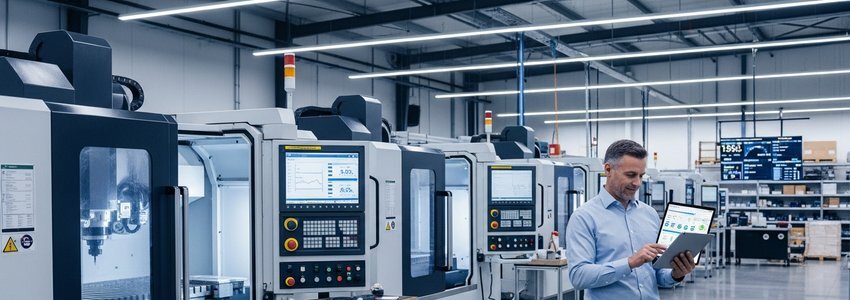
- Replacing aging manufacturing machinery
- Upgrading commercial kitchen equipment
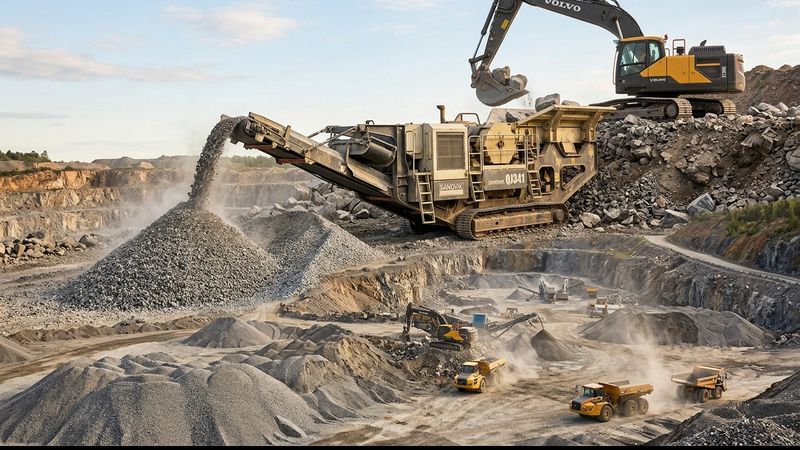
- Refreshing an entire fleet of vehicles or heavy equipment
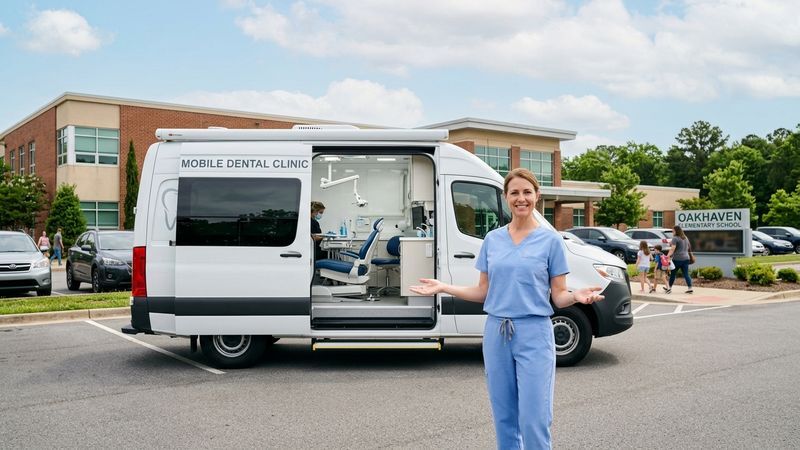
- Modernizing medical or dental equipment
- Updating technology infrastructure (computers, servers, POS systems)
- Installing new HVAC or industrial systems
- Replacing hand tools, power tools, and specialty instruments
The core benefit is simple: instead of depleting your working capital to buy equipment outright, you spread the cost over time through manageable monthly payments. The equipment earns its keep while you pay for it.
Loan Amounts
Equipment financing typically covers $5,000 to $5 million or more, depending on the lender and equipment type.
Repayment Terms
Terms typically range from 1 to 7 years for standard equipment, with SBA programs extending up to 10–25 years.
Down Payment
Most lenders require 0–20% down. Many equipment loans offer 100% financing with no money down.
Collateral
The equipment itself typically serves as collateral, reducing the risk profile compared to unsecured loans.
The Real Cost of Keeping Outdated Equipment
Business owners often delay equipment upgrades because the upfront cost feels daunting. But the cost of not upgrading is often far greater. Here's what outdated tools are actually costing you:
1. Lost Productivity
According to research cited by HR Dive, employees lose an average of 7.6% of their productive time due to technology problems — roughly 4 minutes and 34 seconds every hour. That's over 100 minutes per week, per employee. For a team of 10 people, that's roughly 16 hours of lost productivity every week.
2. Rising Maintenance and Repair Bills
Older equipment requires increasingly frequent repairs. The general rule among equipment managers: if annual repair costs exceed 50% of the equipment's replacement cost, it's almost always more economical to finance a replacement. Many businesses cross this threshold and don't even realize it because costs accumulate gradually across multiple repair incidents.
3. Energy Inefficiency
Older equipment is significantly less energy-efficient than modern alternatives. For manufacturing operations, HVAC systems, and commercial kitchen equipment, the difference can be substantial — sometimes thousands of dollars per year in unnecessary utility costs. Modern replacements often pay for themselves through energy savings alone over time.
4. Downtime and Missed Revenue
Approximately 82% of companies have experienced unplanned downtime in the past several years, with outages lasting four or more hours. In industries where equipment failure stops production entirely — manufacturing, food service, healthcare, logistics — even a single day of downtime can wipe out a week's worth of profit margins.
5. Security Vulnerabilities
The National Institute of Standards and Technology (NIST) reports that 60% of data breaches in small businesses involve unpatched vulnerabilities in older systems. Outdated technology infrastructure creates cybersecurity exposure that can result in regulatory fines, customer data loss, and reputational damage far exceeding the cost of an upgrade.
6. Competitive Disadvantage
Competitors who invest in modern equipment can produce faster, with higher quality, at lower unit cost. Over time, the productivity and quality gap becomes a market share gap. Customers and clients notice the difference — in output quality, delivery speed, and service consistency.
When you add up lost productivity, repair costs, energy waste, and downtime, the true cost of keeping outdated equipment often exceeds the annual cost of financing a replacement. That reframe is critical for business owners evaluating whether now is the right time to upgrade.
7 Clear Signs It's Time to Finance an Equipment Upgrade
Not every aging piece of equipment needs to be replaced immediately. But certain warning signs indicate that delay is costing more than action. Here are seven signs you should take seriously:
Sign 1: Repair Frequency Is Increasing
If you've called a repair technician three or more times in the past year for the same machine, the end-of-life trajectory is clear. Each repair provides diminishing returns, and the next failure could come at the worst possible time — during peak season, before a major delivery, or mid-way through a large order.
Sign 2: Parts Are Hard to Find
When replacement parts are discontinued or require special ordering from overseas suppliers with long lead times, your equipment has outlived its practical support lifecycle. A single needed part that takes three weeks to arrive can derail operations for an extended period.
Sign 3: It Can't Keep Up With Current Demand
If your equipment was sized for your business five years ago but your volume has grown significantly since then, you may be running at or over capacity. Bottlenecks caused by equipment limitations directly throttle your revenue potential — you literally cannot serve more customers, take more orders, or produce more product.
Sign 4: Employee Complaints Are Getting Louder
Front-line employees who work with equipment daily are an excellent early warning system. When they start consistently reporting frustration — slow speeds, error rates, physical difficulty using tools — that's meaningful signal. Employee dissatisfaction with tools contributes to turnover, which carries its own steep costs.
Sign 5: Quality Has Declined
If your reject rates have increased, customer complaints are up, or output consistency has degraded, your equipment's precision and reliability may be declining. In manufacturing, food production, or medical services, quality issues can damage your reputation or expose you to liability.
Sign 6: Energy Bills Are Climbing Without Explanation
Modern equipment is dramatically more energy-efficient than equipment made 10–15 years ago. If your energy costs have been rising without a corresponding increase in production volume, your older equipment's inefficiency may be the culprit.
Sign 7: You're Losing Business to Competitors
If you're regularly unable to take on certain jobs because your equipment doesn't have the capability or capacity, you're not just losing revenue — you're ceding market position. Competitors with newer tools can serve customers you can't, and those relationships are hard to win back.
Equipment Upgrade Financing Options Explained
There are several financing structures available for equipment upgrades. Each has different advantages depending on your business goals, cash flow situation, and the type of equipment involved.
1. Equipment Loans
An equipment loan is a term loan specifically for purchasing equipment. The lender provides the funds, you purchase the equipment outright, and you repay the loan in fixed monthly installments over a set term (typically 2–7 years). The equipment serves as collateral.
Key advantages:
- You own the equipment immediately and can depreciate it
- Fixed monthly payments make budgeting straightforward
- Potential Section 179 tax deduction in the year of purchase
- No restrictions on equipment use or modifications
- Equity builds as the loan is paid down
Best for: Equipment with long useful lives, situations where ownership and customization matter, businesses that want to leverage depreciation benefits.
2. Equipment Leasing
An equipment lease is essentially a rental agreement, typically structured for 2–5 years. You make monthly lease payments, use the equipment, and at the end of the term, you typically have options to return, renew, or purchase the equipment at a residual value.
Key advantages:
- Lower monthly payments compared to loans in many cases
- Easy to upgrade at lease end — ideal for technology that becomes obsolete quickly
- Lease payments may be fully deductible as a business operating expense
- Preserves working capital and credit lines
- Often requires little or no down payment
Best for: Technology equipment with short obsolescence cycles, businesses that want to upgrade frequently, situations where cash conservation is paramount.
3. SBA 7(a) Equipment Loans
The SBA 7(a) program is the most versatile SBA loan available and can be used to finance equipment purchases. Loan amounts can reach up to $5 million, with repayment terms of up to 10 years for equipment. Because the SBA guarantees a portion of the loan, lenders can offer lower rates and better terms than conventional options.
Key advantages:
- Competitive interest rates (typically Prime + 2.25% to 4.75%)
- Longer repayment terms (up to 10 years) reduce monthly payment burden
- Can finance both new and used equipment
- May be combined with working capital or other business needs
Best for: Established businesses with strong credit seeking large equipment purchases at favorable rates with longer terms.
4. SBA 504 Equipment Loans
The SBA 504 program is specifically designed for fixed asset acquisitions, including major machinery and equipment. These loans can extend up to 25 years for certain asset classes, with fixed interest rates and loan amounts up to $5 million (or $5.5 million for manufacturing projects).
Key advantages:
- Fixed interest rates protect against rate increases
- Ultra-long terms dramatically reduce monthly payments
- Ideal for major equipment investments ($250,000+)
- Can significantly improve cash flow versus shorter-term financing
Best for: Manufacturing businesses, healthcare practices, or other capital-intensive industries making large equipment acquisitions.
5. Business Line of Credit for Equipment
A business line of credit provides flexible, revolving access to capital that can be drawn and repaid as needed. While not equipment-specific, a line of credit can be an effective tool for smaller equipment upgrades, especially when you're replacing multiple tools over time rather than making a single large purchase.
Key advantages:
- Draw only what you need, when you need it
- Replenishes as you repay, providing ongoing access
- Flexible for purchasing multiple pieces of equipment in phases
- Can serve as backup for emergency equipment replacements
Best for: Businesses upgrading multiple smaller tools over time, or those who need rapid access to capital for unexpected equipment failures.
6. Alternative and Online Equipment Financing
Alternative lenders and online equipment financing platforms have made equipment upgrade financing accessible to businesses that might not qualify with traditional banks. These lenders can approve loans in hours or days rather than weeks, and often work with newer businesses or those with lower credit scores.
Key advantages:
- Fast approvals — often same-day or next-day
- More flexible qualification criteria
- Ideal for businesses with limited operating history or imperfect credit
- Streamlined applications requiring minimal documentation
Best for: Businesses that need to move quickly, can't qualify for traditional bank financing, or have recently launched.
How to Choose the Right Equipment Upgrade Financing
With multiple financing options available, choosing the right structure depends on several key factors. Here's a framework for thinking through the decision:
Consider the Equipment's Useful Life
For equipment with long useful lives (manufacturing machinery, medical equipment, heavy construction equipment), an equipment loan that builds ownership makes sense. You'll still be using the equipment long after it's paid off, making ownership valuable. For technology that will be obsolete in 3–5 years (computers, POS systems, certain production technology), leasing often makes more strategic sense.
Consider Your Cash Flow Position
If your business is cash-flow positive but cash reserves are committed to growth initiatives, an equipment loan at competitive rates may be ideal — you preserve capital while building an asset. If cash flow is tighter, a lease with lower monthly payments may be the better choice even if total cost is higher.
Consider Tax Strategy
Section 179 of the IRS tax code allows businesses to deduct the full purchase price of qualifying equipment in the year it's placed in service, up to $1,160,000 (2023 limit). This deduction only applies to equipment you purchase — not lease. If maximizing your current-year tax deduction is a priority, an equipment loan or outright purchase makes more sense than a lease. Consult your accountant to understand how this applies to your specific situation.
Consider Speed of Need
If a critical piece of equipment has failed and is halting operations, speed is paramount. In those situations, alternative lenders or an existing line of credit may be the fastest path to resolution, even if rates are somewhat higher than what a traditional bank would offer.
Consider Your Credit Profile
SBA loans and traditional bank equipment loans offer the best rates but have stricter qualification requirements — typically 2+ years in business, 650+ credit score, and strong revenue. Alternative lenders offer faster approvals with lower credit thresholds, but at higher rates. Knowing where you fall on this spectrum helps you prioritize your applications.
How to Calculate the ROI of an Equipment Upgrade
Before committing to equipment upgrade financing, it's worth calculating the return on investment. A well-structured ROI analysis gives you confidence in the decision and helps you build the business case if you need approval from partners or lenders.
Here's a simplified framework:
Step 1: Quantify current costs of the old equipment
- Annual maintenance and repair costs
- Estimated downtime hours × hourly revenue value
- Energy cost premium vs. modern equivalent
- Quality issue costs (rejected product, customer credits, rework labor)
Step 2: Estimate benefits of new equipment
- Additional output/throughput per period
- Labor savings from increased automation or efficiency
- Reduced maintenance cost
- Energy savings
- Revenue from new capabilities previously unavailable
Step 3: Compare to financing cost
If the annual benefit exceeds the annual financing payment, the upgrade generates positive ROI from day one. Many equipment upgrades achieve payback periods of 12–36 months, making them among the highest-ROI capital investments a business can make.
Example: A manufacturer replaces a $120,000 piece of machinery with equipment financing at 7% interest over 5 years (approximately $2,378/month). The new equipment reduces downtime costs by $18,000/year, cuts energy costs by $8,000/year, and enables $30,000 in additional throughput. Total annual benefit: $56,000. Annual financing cost: $28,536. Net annual gain: $27,464. Payback period: roughly 2.2 years.
Qualifying for Equipment Upgrade Financing
Understanding what lenders look for — and preparing accordingly — significantly improves your chances of approval and helps you secure the best rates.
What Lenders Evaluate
Credit Score
For traditional and SBA equipment loans, most lenders prefer a personal credit score of 650 or higher. Scores of 700+ qualify for the best rates. For alternative lenders, scores as low as 580–600 may still qualify, though at higher rates.
Time in Business
Banks and SBA lenders typically require 2+ years of operating history. Alternative lenders may work with businesses as young as 6–12 months.
Revenue and Cash Flow
Lenders want to see that your business generates enough revenue to service the new debt. Most will want to see bank statements and/or financial statements demonstrating consistent revenue. A common benchmark is monthly revenue at least 2–3x the proposed monthly payment.
Equipment Type and Value
The equipment itself affects approval. Well-established asset classes — construction equipment, manufacturing machinery, medical equipment — are easier to finance because lenders understand their value and resale market. Specialty or highly customized equipment may require a larger down payment.
Debt-to-Income Ratio
Lenders will review your existing debt obligations. Lower existing debt relative to income generally means better terms and higher loan amounts.
Documents You'll Need
- Business bank statements (typically 3–6 months)
- Business and personal tax returns (2–3 years)
- Profit and loss statement
- Balance sheet
- Equipment quote or invoice from vendor
- Business license and formation documents
- List of existing business debts
Having these documents ready in advance dramatically speeds the approval process and signals to lenders that you run an organized, professional operation.
Step-by-Step: How to Finance an Equipment Upgrade
Identify the Equipment and Define the Need
Get specific about what you're replacing, why, and what the new equipment costs. Obtain quotes from 2–3 vendors so you have a clear picture of investment required and can demonstrate due diligence to lenders.
Calculate Your ROI
Use the ROI framework above to quantify the financial benefit of the upgrade. This strengthens your case with lenders and clarifies the economic logic of the investment for yourself.
Review Your Credit and Financial Profile
Pull your personal and business credit reports. Identify any issues that should be addressed before applying. Calculate your debt-to-income ratio and review your revenue trends to understand how you'll likely appear to lenders.
Determine the Right Financing Structure
Using the framework above, decide whether a loan, lease, SBA loan, or line of credit best fits your situation. Consider tax implications, cash flow, and ownership preferences.
Gather Your Documentation
Assemble the documents listed above. The more complete and organized your package, the faster the process moves and the stronger your application appears.
Apply With a Trusted Lender
Work with a lender who specializes in small business equipment financing, understands your industry, and can move at the speed your business requires. Crestmont Capital offers equipment financing for growing businesses across a wide range of industries.
Review Terms and Close
Carefully review the loan or lease agreement. Understand the total cost of financing, any prepayment penalties, and what happens if you need to modify the agreement. Once satisfied, sign and get your equipment ordered.
Industry-Specific Equipment Upgrade Examples
Equipment upgrade financing is used across virtually every industry. Here's how it applies in common business sectors:
Manufacturing and Production
Manufacturers regularly use equipment financing to replace aging CNC machines, assembly line equipment, packaging systems, and quality control instruments. Modern manufacturing equipment often delivers 30–50% efficiency gains over 10-year-old equipment, with substantially lower defect rates. Given typical machine costs of $50,000–$500,000+, financing is almost universally used for these investments.
Restaurants and Food Service
Commercial kitchen equipment — ovens, walk-in coolers, dishwashers, prep equipment — has a typical useful life of 7–15 years but becomes a productivity liability well before replacement. A failed compressor in a walk-in during a busy Saturday night can spoil thousands of dollars in inventory. Proactive equipment financing allows restaurant operators to replace aging equipment before catastrophic failure.
Healthcare and Dental Practices
Medical and dental equipment is among the most expensive equipment in any industry, with items like diagnostic imaging equipment, dental chairs, and surgical tools running $50,000–$2 million+. Equipment financing is a standard practice in healthcare, allowing practices to provide current-generation diagnostics and treatment without multi-million-dollar capital outlays.
Construction and Contracting
Heavy construction equipment depreciates significantly and requires replacement on a regular cycle. Contractors use commercial financing to keep their fleet current, ensuring they can bid on jobs requiring specific capabilities and avoid the unpredictability of aging equipment on job sites where downtime costs are extremely high.
Technology and IT Infrastructure
Computers, servers, point-of-sale systems, and networking equipment have the shortest replacement cycles of virtually any business asset — often 3–5 years. Leasing is particularly popular here because it allows businesses to upgrade to new technology at lease-end without taking a loss on obsolete hardware.
Transportation and Logistics
Commercial vehicles are major assets with known replacement cycles. Fleet operators use equipment loans to maintain modern, fuel-efficient vehicles that reduce operating costs and ensure regulatory compliance with emissions standards.
Tax Advantages of Equipment Upgrade Financing
The IRS provides meaningful incentives that can significantly reduce the net cost of financing an equipment upgrade. Here are the key provisions to discuss with your accountant:
Section 179 Deduction
Section 179 allows businesses to immediately deduct the full cost of qualifying equipment in the year it's placed in service, rather than depreciating it over multiple years. For tax year 2023, the deduction limit is $1,160,000, with a phase-out beginning at $2,890,000 in total equipment purchases. This accelerated deduction can substantially reduce your tax burden in the year you make the upgrade.
Bonus Depreciation
Bonus depreciation allows businesses to deduct a percentage of the cost of qualifying property immediately. The percentage has varied over recent years (it was 100% in 2022, declining to 60% in 2024), so timing matters. Your accountant can advise on current rates and applicability.
Regular Depreciation (MACRS)
For equipment that doesn't qualify for or exceed Section 179 limits, the Modified Accelerated Cost Recovery System (MACRS) provides an accelerated depreciation schedule over the asset's useful life (typically 5–7 years for most equipment).
Lease Deduction
If you lease equipment, the full monthly lease payment is generally deductible as a business operating expense — though ownership-related tax benefits like depreciation don't apply.
The tax treatment of equipment financing can meaningfully change the effective cost of an upgrade. A business in the 25% tax bracket financing $100,000 in equipment and claiming a full Section 179 deduction effectively reduces the net cost to $75,000 before interest considerations.
Common Mistakes to Avoid
Equipment upgrade financing is straightforward in principle but easy to mismanage. Here are the most common pitfalls and how to avoid them:
Waiting Too Long
Many business owners wait until equipment fails completely before financing a replacement — the worst time to secure financing, as your negotiating position is weak and urgency may force you into less favorable terms. A proactive upgrade on your timeline typically yields better rates and terms than an emergency replacement.
Financing the Wrong Equipment
Not all equipment upgrades deliver equal return. Before financing, honestly assess whether the upgrade directly impacts revenue, customer satisfaction, or cost reduction — or whether it's a "nice to have." Prioritize financing for equipment that directly drives your business model.
Overfinancing
It can be tempting to finance more equipment than you strictly need when credit is available. New debt has real costs, and over-leveraging your equipment can constrain cash flow in ways that hurt other areas of your business. Finance what you need with clear ROI justification.
Ignoring Total Cost of Ownership
The purchase price or monthly payment isn't the whole story. Factor in installation costs, training, maintenance contracts, and consumables when evaluating the total cost of an equipment upgrade. A cheaper machine that requires expensive consumables or frequent specialized service may cost more over time than a pricier alternative.
Not Comparing Lenders
Equipment financing rates and terms vary significantly between lenders. Getting multiple quotes takes a few extra days but can save you tens of thousands of dollars over the life of a loan. Don't accept the first offer — compare at least 2–3 options.
How Crestmont Capital Helps Growing Businesses Upgrade Their Equipment
At Crestmont Capital, we specialize in helping small and mid-sized businesses access the equipment financing they need to compete and grow. As the #1-rated business lender in the country, we understand that equipment decisions are some of the most important operational decisions a business makes — and we're built to move fast when your business needs it.
Our equipment financing solutions offer:
- Loans from $10,000 to $5 million+ covering virtually any equipment type
- Same-day and next-day approvals for qualified applicants
- Flexible terms from 12 months to 7+ years
- Financing for new and used equipment
- Options for businesses with less-than-perfect credit
- Dedicated advisors who understand your industry
We've helped manufacturers replace aging production lines, restaurant operators refresh commercial kitchens, healthcare practices acquire next-generation diagnostics, and contractors keep their fleets current. Whatever your industry, we're ready to help you make the upgrade that moves your business forward.
Related financing options from Crestmont Capital:
- Equipment Financing — Tailored solutions for acquiring and upgrading business equipment
- Small Business Loans — Flexible term loans for a wide range of business needs
- Lines of Credit — Revolving access to capital for ongoing equipment needs and cash flow management
- Commercial Financing — Comprehensive financing for growing businesses
Frequently Asked Questions About Equipment Upgrade Financing
Can I finance used equipment?
Yes. Most equipment lenders, including Crestmont Capital, finance both new and used equipment. Used equipment loans may have slightly higher rates or shorter terms, but can be an excellent option for businesses looking to upgrade on a tighter budget.
How quickly can I get approved for equipment financing?
Alternative and online lenders can often approve applications within 24–48 hours. Traditional banks and SBA lenders typically take 1–4 weeks. If you're facing an equipment emergency, contact Crestmont Capital for expedited processing.
Do I need to put money down?
Many equipment loans offer 100% financing with no down payment, particularly for borrowers with strong credit and established businesses. Some lenders require 10–20% down, especially for higher-risk applicants or specialty equipment.
What credit score do I need for equipment financing?
Requirements vary by lender. Traditional banks and SBA loans typically require 650+. Alternative lenders may approve applicants with scores as low as 575–600. Higher scores generally qualify for lower rates and better terms.
Can a startup get equipment financing?
Startups face more challenges with equipment financing but aren't excluded. Alternative lenders are more startup-friendly. SBA microloans (up to $50,000) are another option for newer businesses. Strong personal credit and a compelling business plan improve startup approval odds.
Is equipment financing tax-deductible?
Yes, in multiple ways. Interest paid on equipment loans is generally tax-deductible. Purchased equipment may qualify for Section 179 or bonus depreciation. Leased equipment payments are generally fully deductible as operating expenses. Consult a tax professional for guidance specific to your situation.
What happens if the equipment becomes obsolete before the loan is paid off?
With a loan, you own the equipment and bear the obsolescence risk. If you're financing technology or equipment that evolves rapidly, a lease may be a better structure — at lease-end, you can return the equipment and upgrade to a newer model without being tied to outdated hardware.
The Bottom Line: Don't Let Outdated Equipment Hold Your Business Back
Outdated equipment is a silent profit drain. It costs you in productivity, repairs, energy waste, and competitive position — often more per year than the financing cost of a modern replacement. The businesses that compete most effectively in 2026 and beyond are those that treat equipment as a strategic asset, not a sunk cost to be deferred as long as possible.
Equipment upgrade financing puts you in control of that decision. Instead of choosing between a large capital outlay that depletes your reserves or continuing to tolerate the costs of aging tools, financing lets you upgrade now, preserve cash flow, and pay for improvements from the productivity and revenue gains they generate.
The math, when done honestly, usually favors action. The question isn't whether you can afford to upgrade your equipment — it's whether you can afford to keep delaying.
Ready to upgrade your business equipment? Apply for equipment financing at Crestmont Capital and get a decision as fast as the same business day. Our team is ready to help you assess your options, structure the right financing, and get the tools your business needs to perform at its best.