
 (800) 949-0401
Eco-Friendly Equipment Leasing: The Complete Guide for Sustainable Businesses
In today's competitive business landscape, sustainability has evolved from a niche interest into a core strategic imperative. For forward-thinking American businesses, embracing environmentally responsible practices is not only good for the planet but also for the bottom line. Eco-friendly equipment leasing has emerged as a powerful financial tool that enables companies to achieve both operational excellence and corporate social responsibility without the burden of massive capital expenditure.
In This Article
- What Is Eco-Friendly Equipment Leasing?
- Key Benefits of Green Equipment Leasing
- Types of Eco-Friendly Equipment You Can Lease
- How Eco-Friendly Equipment Leasing Works
- Comparing Leasing vs. Buying Green Equipment
- Industries That Benefit Most
- How Crestmont Capital Helps
- Real-World Scenarios
- Who Qualifies for Eco-Friendly Equipment Leasing?
- Frequently Asked Questions
- Your Next Steps
What Is Eco-Friendly Equipment Leasing?
Eco-friendly equipment leasing, often called green leasing, is a specialized financial product that allows businesses to acquire and use assets designed for superior environmental performance without purchasing them outright. It functions similarly to traditional equipment leasing, where a business makes regular payments to a lender (the lessor) for the use of an asset over a predetermined period. The key distinction lies in the nature of the equipment itself-it is specifically chosen for its ability to reduce energy consumption, minimize waste, lower emissions, or otherwise support a company's sustainability objectives.
This financial arrangement bridges the gap between a company's environmental aspirations and its financial realities. Many businesses recognize the long-term value of investing in green technology but are deterred by the high initial acquisition costs. Green leasing removes this barrier, providing immediate access to state-of-the-art, sustainable equipment through manageable, predictable monthly payments.
The rise in popularity of this financing method is driven by a convergence of powerful market forces:
- Economic Incentives: Modern eco-friendly equipment is engineered for efficiency. This translates directly into lower operational costs through reduced energy bills, less material waste, and decreased water usage. The long-term savings can often significantly outweigh the cost of the lease itself.
- Consumer and Investor Demand: A growing segment of consumers and investors actively seek out and support brands that demonstrate a genuine commitment to sustainability. A public commitment to using green technology can enhance brand reputation, attract new customers, and improve stakeholder relations.
- Regulatory Landscape: Environmental regulations at local, state, and federal levels are becoming more stringent. Leasing eco-friendly equipment helps businesses maintain compliance with current standards and prepare for future requirements, mitigating the risk of fines and penalties.
- Technological Advancement: The pace of innovation in green technology is rapid. Leasing prevents businesses from being locked into owning equipment that may become obsolete, allowing them to upgrade to more efficient models at the end of the lease term.
Essentially, eco-friendly equipment leasing is a strategic decision that aligns a company's financial health with its commitment to corporate social responsibility (CSR). It is a pragmatic approach that delivers a dual return on investment: tangible financial benefits through operational savings and intangible value through an enhanced, sustainable brand identity.
Key Benefits of Green Equipment Leasing
Choosing to lease eco-friendly equipment offers a multitude of advantages that extend across a company's financial, operational, and reputational domains. These benefits create a compelling business case for any organization looking to modernize its operations while championing sustainability.
Financial Advantages
The most immediate and tangible benefits of green leasing are financial. By opting for a lease over an outright purchase, businesses can implement their sustainability strategies with greater fiscal prudence.
- Conservation of Capital: Leasing eliminates the need for a substantial upfront cash outlay. This preserves working capital, which can be allocated to other critical business areas such as marketing, research and development, inventory, or hiring new talent. It transforms a large capital expenditure (CapEx) into a predictable operating expense (OpEx).
- Predictable Budgeting: Lease agreements feature fixed monthly payments over a set term. This predictability simplifies financial forecasting and budgeting, removing the uncertainty associated with lump-sum purchases and variable maintenance costs.
- Potential Tax Efficiencies: In many cases, lease payments can be fully deducted as a business operating expense, potentially lowering a company's overall tax liability. While specific benefits depend on the lease structure and the company's financial situation, this can be a significant advantage. (Note: It is crucial to consult with a qualified tax advisor to understand the specific implications for your business).
- Improved Cash Flow Management: By spreading the cost of equipment over several years, businesses can maintain a healthier cash flow. This financial flexibility is especially valuable for small and medium-sized enterprises (SMEs) and businesses in growth phases.
Operational Efficiency and Productivity
Eco-friendly equipment is, by design, at the forefront of technological innovation. Leasing provides access to this advanced technology, leading to significant improvements in day-to-day operations.
- Reduced Energy and Utility Costs: This is a primary driver for adopting green equipment. ENERGY STAR-rated appliances, variable frequency drive (VFD) motors, and high-efficiency HVAC systems consume substantially less power, leading to immediate and ongoing reductions in electricity bills. Similarly, water-saving systems can drastically cut water and sewage costs.
- Lower Maintenance and Repair Expenses: New equipment leased from a reputable provider is typically covered by a manufacturer's warranty. This minimizes unexpected repair costs and downtime. Furthermore, modern machinery is often more reliable and requires less frequent maintenance than older, less efficient models.
- Increased Output and Performance: State-of-the-art equipment often performs tasks faster, more accurately, and with greater consistency. For a manufacturer, this could mean higher production rates; for a logistics company, it could mean more efficient delivery routes with an EV fleet. This boost in productivity directly impacts revenue-generating capacity.
Key Stat: According to a global study by NielsenIQ, 73% of consumers state they would definitely or probably change their consumption habits to reduce their environmental impact, highlighting the powerful market demand for sustainable business practices.
Environmental and Brand Enhancement
The strategic value of "going green" extends far beyond operational savings. It builds a resilient and respected brand that resonates with modern consumers, employees, and partners.
- Measurable Reduction in Carbon Footprint: Leasing energy-efficient equipment is a direct and quantifiable action to reduce a company's environmental impact. This is a critical component of any corporate sustainability program and can be a powerful story to share with stakeholders.
- Enhanced Corporate Reputation: Publicly committing to and investing in sustainable practices positions a company as a responsible corporate citizen. This can differentiate a brand from its competitors, build customer loyalty, and attract top talent who want to work for mission-driven organizations.
- Compliance and Future-Proofing: Leasing the latest green technology ensures compliance with evolving environmental regulations. This proactive approach helps businesses avoid potential fines and stay ahead of the regulatory curve, future-proofing their operations against stricter standards.
- Access to New Markets: Many large corporations and government entities have procurement policies that favor or mandate suppliers with strong sustainability credentials. By leasing green equipment, smaller businesses can become more attractive partners and qualify for lucrative contracts they might otherwise have been excluded from.
Types of Eco-Friendly Equipment You Can Lease
The scope of eco-friendly equipment available for lease is vast and spans nearly every industry. As technology advances, the options continue to expand, offering businesses more ways to integrate sustainability into their core operations. Here is a look at some of the most common categories of equipment that businesses can acquire through a green lease.
Energy-Efficient Industrial and Commercial Machinery
This is one of the largest categories, focusing on reducing the significant energy consumption of heavy-duty and commercial equipment.
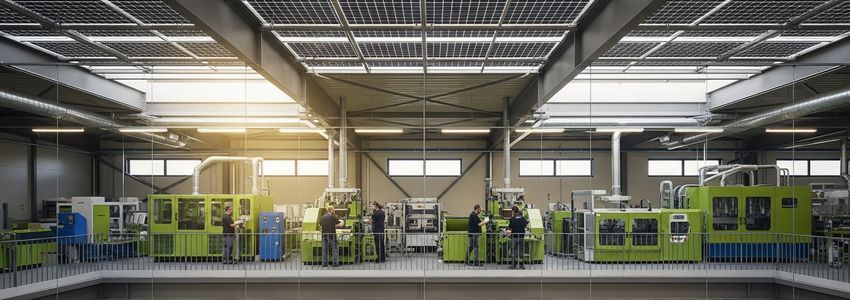
- Manufacturing: This includes CNC machines with low-power standby modes, laser cutters with higher energy efficiency, and injection molding machines with all-electric or hybrid systems that use up to 70% less energy than their hydraulic counterparts. Electric forklifts and other material handling equipment eliminate indoor emissions and reduce fuel costs.
- Construction: The industry is shifting towards hybrid and fully electric heavy machinery like excavators, loaders, and compactors. These machines drastically reduce diesel consumption and on-site emissions, making them ideal for projects in urban areas or with strict environmental standards.
- Agriculture: Precision agriculture equipment, such as GPS-guided tractors and variable-rate technology, minimizes the use of fuel, fertilizer, and pesticides. Solar-powered water pumps for irrigation reduce reliance on the grid and cut energy costs for farm operations.
Renewable Energy Systems
Leasing allows businesses to generate their own clean energy without the prohibitive upfront cost of purchasing and installing the systems.
- Solar Panel Systems: Commercial-grade solar installations can be leased, allowing businesses to lock in lower electricity rates and reduce their dependence on the utility grid.
- Geothermal Heat Pumps: These highly efficient systems use the stable temperature of the earth to heat and cool buildings, offering significant long-term savings on HVAC costs compared to traditional systems.
- Combined Heat and Power (CHP) Systems: Also known as cogeneration, these systems capture the heat produced during electricity generation and use it for heating or other industrial processes, achieving exceptional levels of energy efficiency.
Waste Reduction and Water Conservation Equipment
This equipment helps businesses minimize their environmental footprint by managing resources more effectively.
- Recycling and Compacting Machinery: Industrial balers and compactors reduce the volume of waste materials like cardboard, plastic, and metal, lowering disposal costs and streamlining recycling efforts. - Water Filtration and Recycling Systems: For industries with high water usage, such as food processing or car washes, these systems can treat and reuse water on-site, leading to dramatic reductions in water consumption and costs.
- Industrial Composting Systems: Restaurants, hotels, and food manufacturers can lease equipment to turn organic waste into valuable compost, diverting tons of material from landfills.
Sustainable Transportation and Fleet Vehicles
Transitioning to a green fleet is a high-visibility way for companies to demonstrate their commitment to sustainability.
- Electric Vehicle (EV) Fleets: Leasing electric cars, vans, and light-duty trucks for sales, service, and delivery fleets eliminates fuel costs, reduces maintenance, and produces zero tailpipe emissions.
- EV Charging Infrastructure: Alongside vehicles, businesses can lease the commercial-grade charging stations necessary to support their EV fleet, providing a complete turnkey solution.
High-Efficiency Office and IT Equipment
Sustainability efforts can extend to the office environment, where aggregated savings can be substantial.
- ENERGY STAR Certified Equipment: This includes leasing servers, computers, printers, and monitors that meet strict energy efficiency guidelines set by the U.S. Environmental Protection Agency.
- Smart Building Technology: Leasing smart thermostats, LED lighting systems with motion sensors, and advanced building automation systems can optimize energy use throughout a commercial facility, significantly lowering utility bills.
By the Numbers
The Growth of Sustainable Technology
$74.3B
Projected value of the global green technology market by 2030, demonstrating massive industry growth and investment. (Fortune Business Insights)
30%
Average energy cost savings commercial buildings can achieve by upgrading to efficient technologies certified by ENERGY STAR.
1.9M
Projected U.S. electric vehicle sales in 2024, indicating a rapid shift in commercial and consumer transportation. (BloombergNEF)
94M
Tons of material diverted from U.S. landfills in a single year through recycling and composting, a process enabled by modern equipment. (U.S. EPA)
Ready to Upgrade to Sustainable Equipment?
Don't let capital hold you back. See how our flexible leasing options can help you go green and grow your business.
Apply Now →How Eco-Friendly Equipment Leasing Works
The process of securing an eco-friendly equipment lease is designed to be straightforward and efficient, allowing businesses to acquire the assets they need without unnecessary delays. While specific steps may vary slightly between lenders, the general workflow follows a clear and logical progression. At Crestmont Capital, we've refined this process to ensure a seamless experience for our clients.
Step 1: Consultation and Needs Assessment
The journey begins with identifying your business's specific needs. This involves pinpointing the equipment that will deliver the greatest environmental and financial return. A dedicated financing expert will discuss your operational goals, sustainability targets, and budget to help you determine the right type and scale of equipment for your lease.
Step 2: Application and Documentation
Once the equipment is identified, the next step is to complete a simple financing application. This can often be done online in minutes. You will typically be asked to provide basic information about your business, such as time in business, annual revenue, and personal credit score, along with standard financial documents like bank statements or tax returns.
Step 3: Credit Review and Approval
Our underwriting team will review your application and supporting documents to assess your business's financial health and creditworthiness. Because the equipment itself serves as collateral, the approval criteria for leasing can often be more flexible than for traditional bank loans. Crestmont Capital is known for its rapid review process, with many applicants receiving a decision within hours.
Step 4: Vendor Selection and Equipment Purchase
Upon approval, you finalize your equipment choice with the vendor of your preference. You negotiate the price and specifications directly with the supplier. Once you give the go-ahead, the lender (Crestmont Capital) purchases the equipment directly from the vendor on your behalf.
Step 5: Finalize the Lease Agreement
With the equipment purchase arranged, you will review and sign the final lease agreement. This legal document clearly outlines all terms and conditions, including the monthly payment amount, the length of the lease term, and the options available to you at the end of the term. Transparency is key, and our team will ensure you understand every detail before you sign.
Step 6: Equipment Delivery and End-of-Lease Options
The vendor ships the equipment directly to your business location. Once you've confirmed its arrival and proper functioning, the lease term officially begins, and you start making your regular monthly payments. At the end of the term, you can typically choose one of several options:
- Purchase the Equipment: In a $1 buyout lease, you can own the equipment for a nominal fee. In a Fair Market Value (FMV) lease, you can purchase it for its appraised value.
- Renew the Lease: If the equipment still meets your needs, you can often extend the lease, usually at a reduced payment rate.
- Return the Equipment: You can simply return the equipment to the lessor, freeing you to lease newer, more advanced technology.
Comparing Leasing vs. Buying Green Equipment
The decision to lease or buy eco-friendly equipment is a significant one with long-term financial and operational implications. There is no single right answer; the best choice depends on your company's cash flow, long-term strategy, and attitude towards technology ownership. Understanding the key differences is crucial for making an informed decision.
| Factor | Eco-Friendly Equipment Leasing | Buying Eco-Friendly Equipment |
|---|---|---|
| Upfront Cost | Low to None. Typically requires only the first and last month's payment, preserving capital. | High. Requires full payment of the purchase price or a substantial down payment for financing. |
| Ownership & Equity | The lender (lessor) retains ownership. You build no equity in the asset. | Full Ownership. You own the equipment and build equity as it's paid off. |
| Balance Sheet Impact | Considered an operating expense (OpEx). Does not appear as an asset or liability on the balance sheet (for most common lease types). | Considered a capital expenditure (CapEx). The equipment is listed as an asset, and the loan as a liability. |
| Tax Implications | Lease payments are often 100% tax-deductible as an operating expense. | You can deduct depreciation (e.g., via Section 179) and interest paid on the loan. |
| Technology Obsolescence | Low Risk. Easy to upgrade to newer, more efficient models at the end of the lease term. | High Risk. You are locked in with the technology. Upgrading requires selling the old asset and buying a new one. |
| Maintenance & Repairs | Often covered under the manufacturer's warranty for the duration of the lease. Predictable costs. | Your sole responsibility. Costs can be unpredictable and increase as the equipment ages. |
| Customization | Limited. The equipment cannot be significantly altered as you do not own it. | Full Control. You can modify or customize the equipment as needed for your specific processes. |
| Total Long-Term Cost | Potentially Higher. The total of all lease payments may exceed the original purchase price of the equipment. | Potentially Lower. If you use the equipment for its entire useful life, the total cost of ownership is generally lower. |
For businesses that prioritize financial flexibility, want to stay on the cutting edge of technology, and prefer predictable operating expenses, leasing is often the superior choice. For companies with strong cash reserves that intend to use the equipment for many years and require full control over customization, purchasing via equipment financing might be more advantageous. Crestmont Capital offers both solutions, ensuring we can provide the right financial structure for your business goals.
Industries That Benefit Most
While nearly any business can benefit from adopting sustainable practices, certain industries stand to gain exceptional value from eco-friendly equipment leasing due to their high energy consumption, resource intensity, or public-facing nature. For these sectors, green leasing is not just a cost-saving measure but a transformative business strategy.
Manufacturing
The manufacturing sector is one of the largest consumers of energy in the U.S. economy. This makes it a prime candidate for efficiency upgrades. Leasing energy-efficient machinery like all-electric injection molding presses, CNC machines with VFDs, and robotic systems with low-power modes can lead to dramatic reductions in electricity costs. Furthermore, leasing water recycling systems can cut utility bills for facilities that use significant amounts of water for cooling or processing. Partnering with a lender that understands the nuances of manufacturing equipment financing is critical for securing the right assets.
Key Stat: According to the U.S. Department of Energy, strategic energy management in the manufacturing sector can reduce energy intensity by 10% to 20% over 5-10 years, directly improving profitability.
Construction and Contracting
The construction industry faces increasing pressure to reduce its environmental impact, from emissions on job sites to waste management. Leasing hybrid or fully electric heavy equipment like excavators and wheel loaders reduces fuel consumption and noise pollution, a significant advantage for urban projects. Leasing mobile material crushers and screeners allows contractors to recycle concrete and other materials on-site, reducing landfill fees and the cost of new aggregate.
Agriculture and Farming
Modern farming is a high-tech, energy-intensive industry. Green leasing enables farmers to access precision agriculture technology-such as GPS-guided tractors and drone-based monitoring-that optimizes the use of fuel, seeds, fertilizer, and water. Leasing solar-powered irrigation pumps can provide a stable, low-cost energy source for water management, insulating farms from fluctuating energy prices and reducing their carbon footprint.
Transportation and Logistics
For companies with vehicle fleets, fuel is a major and volatile operating expense. Leasing electric delivery vans, short-haul trucks, and company cars can nearly eliminate this cost while drastically reducing maintenance needs (no oil changes, fewer moving parts). This move also serves as a powerful marketing tool, appealing to clients and consumers who prioritize green supply chains. The U.S. Census Bureau tracks the growth of transportation and warehousing, and a shift to EVs represents a major evolution in this multi-trillion dollar sector.
Hospitality and Food Service
Restaurants, hotels, and resorts are high-volume consumers of energy and water. Leasing ENERGY STAR certified commercial kitchen equipment-including ovens, fryers, and refrigerators-can cut kitchen energy costs by 10-30%. High-efficiency laundry systems can save thousands of gallons of water per year, and upgrading to a comprehensive LED lighting system through a lease can slash a hotel's electricity bill with no upfront cost.
Healthcare
Hospitals and large medical facilities operate 24/7 and have immense energy needs. Leasing high-efficiency HVAC systems is critical for managing these costs. Additionally, modern medical imaging equipment, such as MRI and CT scanners, are being designed with energy-saving "sleep" modes. Leasing this equipment ensures facilities have access to the latest diagnostic technology while also controlling operational expenses.
How Crestmont Capital Helps
Navigating the world of eco-friendly equipment leasing requires a financial partner who is not only an expert in financing but also understands the strategic value of sustainability. As the nation's #1 rated business lender, Crestmont Capital is uniquely positioned to guide your business through this process. We don't just provide capital; we provide strategic solutions that help your business grow, save money, and become an environmental leader in your industry.
Here’s how our dedicated approach makes a difference:
- Tailored Financing Solutions: We recognize that every business is unique. We move beyond one-size-fits-all loan products to offer a wide range of equipment leasing options. Whether you need a Fair Market Value (FMV) lease for maximum flexibility or a $1 Buyout lease to own the equipment at the end, our team will work with you to structure an agreement that aligns perfectly with your cash flow, tax strategy, and long-term goals.
- A Fast and Streamlined Process: We know that in business, time is money. Our application process is designed for speed and simplicity. You can apply now online in just a few minutes, and thanks to our advanced technology and experienced underwriting team, we can often provide approvals in a matter of hours, not weeks. This means you can get the sustainable equipment you need and start reaping the benefits faster.
- Expertise and Guidance: Our team consists of seasoned financing professionals who are well-versed in the specific benefits and challenges of acquiring green technology. We can help you understand the total cost of ownership, project your potential ROI, and navigate the entire process from vendor selection to final funding. When you have questions, you can contact us and speak directly with an expert who is committed to your success.
- Financing for Businesses of All Sizes: We are passionate about empowering American businesses to thrive. Whether you are a growing startup or an established enterprise, our small business financing programs are designed to be accessible. We look beyond just credit scores to understand the complete picture of your business's health and potential.
At Crestmont Capital, we believe that sustainable business is smart business. We are committed to providing the financial tools you need to invest in a greener, more profitable future.
Partner with the Nation's #1 Business Lender
Let our experts guide you through the eco-friendly equipment leasing process. Get a no-obligation quote today.
Get a Quote →Real-World Scenarios
To better illustrate the practical impact of eco-friendly equipment leasing, let's explore a few hypothetical but realistic scenarios where businesses leverage this financial tool to solve specific challenges and achieve their goals.
Scenario 1: The Urban Manufacturing Firm
- The Business: A mid-sized metal fabrication shop operating in a city with rising energy costs and increasingly strict environmental regulations.
- The Challenge: Their aging CNC machines and welders were energy-intensive, leading to exorbitant utility bills. The high upfront cost of new, energy-efficient models-over $500,000-was prohibitive.
- The Solution: The firm partnered with Crestmont Capital to structure a 60-month, $1 buyout lease for a suite of new, high-efficiency CNC machines and an all-electric forklift. The predictable monthly payment was manageable within their existing operational budget.
- The Outcome: The new equipment reduced the shop's electricity consumption by over 35%, resulting in immediate monthly savings that partially offset the lease payment. The increased speed and precision of the machines also boosted productivity, allowing them to take on more contracts. They successfully marketed their "green manufacturing" capabilities, attracting a major new client committed to a sustainable supply chain.
Scenario 2: The Regional Logistics Company
- The Business: A third-party logistics (3PL) provider specializing in last-mile delivery for e-commerce retailers.
- The Challenge: Volatile diesel prices were eroding their profit margins. Additionally, a key retail partner announced a new requirement for its delivery partners to reduce their carbon emissions by 50% within three years.
- The Solution: The company decided to transition a portion of its fleet to electric. They used a Fair Market Value (FMV) lease to acquire 15 new electric delivery vans and the associated Level 2 charging infrastructure. The FMV lease offered lower monthly payments and the flexibility to upgrade to newer van models with better range in just 36 months.
- The Outcome: The company completely eliminated fuel costs for the 15 new routes and significantly reduced maintenance expenses. They easily met their retail partner's new sustainability mandate, strengthening the relationship and securing a long-term contract renewal. The quiet, emissions-free vans also improved their brand image in the residential neighborhoods they served.
Scenario 3: The Expanding Restaurant Group
- The Business: A successful restaurant group preparing to open its fourth location, with a brand built on farm-to-table, sustainable sourcing.
- The Challenge: They wanted the new location's physical operations to reflect their brand ethos but needed to conserve capital for marketing, staffing, and initial inventory for the grand opening. A full kitchen build-out with top-of-the-line, ENERGY STAR certified equipment would cost over $200,000.
- The Solution: The group leased the entire kitchen package-from high-efficiency combi ovens and induction cooktops to ENERGY STAR refrigerators and dishwashers. The lease consolidated dozens of items into a single, affordable monthly payment.
- The Outcome: By leasing, they preserved enough cash to execute a high-impact marketing launch and operate without cash flow strain for the first six months. The energy-efficient kitchen resulted in utility bills that were 25% lower than their other locations, boosting the new restaurant's profitability from day one. They prominently featured their "state-of-the-art, sustainable kitchen" in their PR and marketing, which resonated strongly with their eco-conscious customer base.
Who Qualifies for Eco-Friendly Equipment Leasing?
Lenders like Crestmont Capital aim to make financing accessible for a wide range of businesses committed to sustainability. While specific requirements can vary based on the transaction size and equipment type, there are several general criteria that underwriters consider when evaluating an application for an eco-friendly equipment lease.
It's important to remember that these are guidelines, not rigid rules. A strong application in one area can often compensate for a weaker one in another. The primary goal for the lender is to confirm that the business has a stable operational history and the capacity to comfortably manage the monthly lease payments.
Key Qualification Factors:
- Time in Business: Most lenders prefer to see a business that has been operational for at least two years. This track record provides evidence of stability and a consistent revenue stream. However, startups with a strong business plan, industry experience, and solid personal credit may also qualify for certain programs.
- Business and Personal Credit Score: A healthy credit history is a strong indicator of financial responsibility. Lenders will typically review both the business's credit profile and the personal credit scores of the owner(s). While a high score is beneficial, options are often available for businesses with less-than-perfect credit.
- Annual Revenue: The business's annual revenue demonstrates its ability to generate sufficient cash flow to cover its expenses, including the new lease payment. Lenders look for consistent revenue that can support the financing request.
- Industry Type: Eco-friendly equipment leasing is available to virtually every industry, from manufacturing and construction to healthcare and hospitality. The lender will consider industry-specific trends and risks as part of the overall evaluation.
- Equipment as Collateral: A significant advantage of equipment leasing is that the equipment itself serves as the collateral for the deal. This can reduce the risk for the lender and often leads to higher approval rates compared to unsecured business loans.
The best way to know if you qualify is to take the first step. Submitting an application is typically free, carries no obligation, and is the most direct way to receive a concrete offer tailored to your business's specific profile.
Frequently Asked Questions
Your Next Steps to a Sustainable Future
Making the transition to sustainable operations is a significant step, but it doesn't have to be complicated. With a clear plan and the right financial partner, you can begin your journey toward a more efficient, responsible, and profitable business. Here’s a simple, four-step path to get started.
Assess Your Needs and Opportunities
Begin by identifying the areas in your operation where an equipment upgrade would have the biggest impact. Look at your highest utility costs, oldest machinery, or processes that generate the most waste. Research the latest eco-friendly equipment in your industry and calculate the potential ROI from energy savings and increased productivity.
Gather Basic Financial Information
To streamline the application process, have some basic financial documents ready. This typically includes your last few months of business bank statements and your most recent tax return. Having this information on hand will allow you to get a fast and accurate quote.
Submit a No-Obligation Application
The easiest way to explore your options is to submit a quick online application. It takes only a few minutes and does not commit you to anything. This will allow our financing experts to provide you with a concrete set of leasing options, including potential monthly payments and term lengths, tailored to your business.
Review Your Options with an Expert
Once you receive your quote, one of our dedicated account managers will walk you through the details. This is your opportunity to ask questions, compare different lease structures, and ensure the financial solution is a perfect fit for your business's strategic goals. We are here to be your partner in growth and sustainability.
Take the Next Step Towards a Sustainable Future
Your business can be both profitable and eco-conscious. Start your application in minutes and see what you qualify for.
Start My Application →Eco-friendly equipment leasing is more than just a financing mechanism; it is a strategic enabler for the modern American business. It provides a practical and affordable pathway to reducing operational costs, enhancing brand reputation, and future-proofing operations against a changing regulatory and consumer landscape. By removing the significant capital barrier to entry, green leasing empowers businesses of all sizes to adopt the cutting-edge technology needed to compete and thrive responsibly. As you plan for the future, consider how this powerful tool can align your financial objectives with your sustainability goals, creating a powerful synergy that drives long-term success. Crestmont Capital stands ready to be your trusted partner on this journey, providing the expertise and capital you need to build a stronger, greener business.
Disclaimer: The information provided in this article is for general educational purposes only and is not financial, legal, or tax advice. Funding terms, qualifications, and product availability may vary and are subject to change without notice. Crestmont Capital does not guarantee approval, rates, or specific outcomes. For personalized information about your business funding options, contact our team directly.








