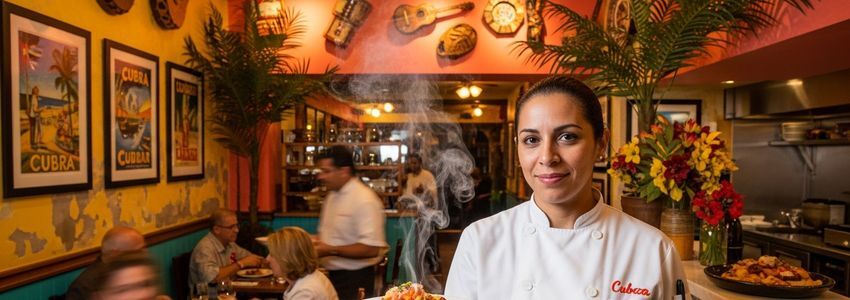
Cuban restaurants bring bold flavors, vibrant culture, and a rich culinary heritage to communities across the United States. From slow-roasted lechon asado and pressed Cubano sandwiches to refreshing mojitos and crispy tostones, Cuban cuisine has earned a devoted following in cities from Miami to New York. But behind every great Cuban restaurant is a business owner who understands that passion alone does not keep the lights on. Whether you are launching your first Cuban eatery, expanding an existing location, or modernizing your kitchen, securing the right business financing is essential. Cuban restaurant business loans can help you manage cash flow, purchase commercial equipment, fund renovations, hire staff, and weather slow seasons. This guide covers every aspect of financing for Cuban restaurant owners, including loan types, qualification requirements, strategies for success, and tips for getting approved fast.
In This Article
- Why Cuban Restaurants Need Business Financing
- Types of Loans Available to Cuban Restaurant Owners
- Equipment Financing for Cuban Restaurant Kitchens
- How to Qualify for a Cuban Restaurant Business Loan
- Apply Now
- How Much Financing Do Cuban Restaurants Typically Need?
- Smart Ways to Use Your Loan Funds
- Cuban Restaurant Financing at a Glance
- Managing Working Capital and Cash Flow
- Get Funded
- SBA Loan Options for Cuban Restaurant Owners
- Tips for Getting Approved
- Next Steps
- Frequently Asked Questions
Why Cuban Restaurants Need Business Financing
The restaurant industry is one of the most capital-intensive sectors in the U.S. economy. Cuban restaurants face the same high startup and operating costs as any full-service or fast-casual concept, plus the added challenge of sourcing specialty ingredients such as plantains, mojo marinade, Cuban bread, and tropical produce that may require relationships with specialty distributors. According to the U.S. Small Business Administration, restaurants routinely cite cash flow and access to capital as their top operational challenges.
Costs that Cuban restaurant owners commonly finance include commercial kitchen renovations, new or replacement cooking equipment, point-of-sale systems, dining room upgrades, marketing and branding campaigns, payroll during slow months, and the upfront deposits required when signing a new lease. Even a thriving Cuban restaurant can experience seasonal dips, particularly in northern markets where winter foot traffic slows. Business financing bridges those gaps and allows restaurant owners to invest confidently in growth.
Did You Know? The U.S. Census Bureau reports that the food services and drinking places sector employs more than 12 million Americans, making it one of the largest private-sector employers in the country. Cuban cuisine represents a fast-growing segment of the ethnic food market, driven by increased interest in Latin American flavors.
Types of Loans Available to Cuban Restaurant Owners
Cuban restaurant owners have access to a wide variety of financing products, each designed for different needs and timelines. Understanding the options is the first step toward choosing the right solution for your specific situation.
Small Business Loans (Term Loans)
Traditional small business loans provide a lump sum of capital repaid over a fixed schedule with interest. These are ideal for large, planned expenses such as opening a second location, completing a major renovation, or purchasing high-value equipment. Terms can range from one to ten years, and amounts typically run from $25,000 to $500,000 or more for established restaurants.
Business Lines of Credit
A business line of credit works like a revolving credit account. You draw from it as needed, repay what you use, and draw again. This makes lines of credit perfect for managing day-to-day cash flow, covering unexpected equipment repairs, or handling payroll during a slow week. Cuban restaurant owners who deal with fluctuating ingredient costs and seasonal revenue often benefit most from this flexible option.
Merchant Cash Advances
A merchant cash advance (MCA) provides upfront capital in exchange for a percentage of future credit and debit card sales. Repayments are automatic, making MCAs accessible to restaurants that may not qualify for traditional financing. However, MCAs typically carry higher costs, so they are best used for short-term needs where rapid repayment is realistic.
Revenue-Based Financing
Revenue-based financing is similar to an MCA but calculated against total monthly revenue rather than just card sales. This is a strong option for Cuban restaurants with consistent sales volume who need capital quickly without pledging collateral.
SBA Loans
SBA 7(a) and 504 loans offer some of the lowest interest rates and longest repayment terms available to small business owners. However, they require more documentation and a longer approval timeline, typically four to eight weeks or more. Cuban restaurant owners with strong credit and established financials are well-positioned to pursue SBA financing for expansions or commercial real estate purchases.
Equipment Financing
Equipment financing lets you purchase commercial kitchen equipment while spreading the cost over time. The equipment itself serves as collateral, which can help restaurant owners qualify even without strong credit histories. This is one of the most common loan types for new and expanding Cuban restaurants.
Crestmont Capital Tip: Many Cuban restaurant owners combine multiple financing products to address different needs simultaneously. For example, pairing an equipment loan with a short-term working capital line of credit gives you the stability of fixed equipment payments alongside the flexibility to handle daily cash flow fluctuations.
Equipment Financing for Cuban Restaurant Kitchens
A well-equipped kitchen is the engine of any successful Cuban restaurant. Traditional Cuban cooking relies on specific tools and appliances that may differ from standard American restaurant setups. Pressure cookers for black beans and stews, commercial griddles for Cubano sandwiches, high-output burners for frying tostones and maduros, and churrasquero or rotisserie equipment for whole-pig roasts all represent significant capital investments.
Equipment financing allows Cuban restaurant owners to acquire what they need without depleting working capital. Typical equipment loans cover 80 to 100 percent of the purchase price, with repayment terms of two to seven years. Many lenders structure the payment schedule to match the expected useful life of the equipment, ensuring that you are not still paying for a commercial oven after it has already been replaced.
Common kitchen equipment financed by Cuban restaurant owners includes:
- Commercial ranges, burners, and griddles
- Walk-in coolers and refrigerated prep tables
- Commercial dishwashers and three-compartment sinks
- Rotisserie ovens and churrasco equipment
- Ventilation hoods and fire suppression systems
- Point-of-sale (POS) systems and kitchen display monitors
- Espresso machines and cafe equipment for Cuban coffee service
Ready to Finance Your Cuban Restaurant?
Crestmont Capital is rated #1 for small business lending. Get matched with the right loan in minutes and receive funding in as little as 24 hours.
Apply Now →How to Qualify for a Cuban Restaurant Business Loan
Lenders evaluate restaurant loan applications using several key criteria. Understanding what they look for allows you to prepare a stronger application and improve your chances of approval.
Time in Business
Most traditional lenders prefer to work with restaurants that have been operating for at least one year. Alternative lenders may work with businesses as new as three to six months old. Startups may need to rely on equipment financing, SBA startup loans, or personal guarantees to secure capital in the early stages.
Monthly Revenue
Lenders want to see that your Cuban restaurant generates enough revenue to comfortably support loan repayments. Many alternative lenders require a minimum of $10,000 to $15,000 in monthly revenue. Banks and SBA lenders typically require higher revenue thresholds and more extensive documentation of revenue consistency.
Credit Score
Your personal and business credit scores both matter. Traditional lenders typically prefer credit scores of 680 or higher, while alternative lenders may work with borrowers with scores in the 550 to 620 range. Building your business credit over time by paying suppliers promptly and maintaining a business credit card with on-time payments can significantly improve your options. Crestmont Capital offers bad credit business loans for restaurant owners who have faced credit challenges.
Bank Statements
Lenders typically request three to six months of business bank statements to verify cash flow, identify revenue patterns, and assess average daily balances. Make sure your business account is separate from personal accounts and that statements clearly reflect your restaurant's revenue.
Industry Experience
Having prior restaurant or food service experience strengthens your application, especially for startup financing. Lenders see industry knowledge as a risk-mitigating factor. Highlight any culinary training, restaurant management experience, or Cuban food expertise in your application narrative.
How Much Financing Do Cuban Restaurants Typically Need?
The amount you need depends heavily on your stage of growth and what you plan to finance. Here is a general breakdown of common financing scenarios for Cuban restaurant owners:
- Startup phase: $50,000 to $250,000 to cover initial buildout, equipment, licenses, permits, initial inventory, and working capital reserves
- Kitchen renovation: $25,000 to $150,000 depending on scope and whether infrastructure changes (plumbing, electrical, ventilation) are involved
- Equipment purchase: $10,000 to $100,000 for individual appliances or full kitchen package deals
- Second location: $75,000 to $500,000+ depending on lease terms, location buildout needs, and equipment
- Working capital and seasonal bridge: $10,000 to $75,000 for a three-to-six-month operating runway
- Marketing and brand expansion: $5,000 to $30,000 for digital marketing campaigns, signage, and brand development
Industry Context: According to Forbes, the average cost to open an independent full-service restaurant in the United States ranges from $175,000 to $750,000, with a median closer to $375,000. Cuban restaurant owners in high-rent urban markets like Miami, New York, or Los Angeles may see costs at the higher end of this range.
Smart Ways to Use Your Loan Funds
Getting approved for a Cuban restaurant business loan is an achievement, but deploying capital strategically is what drives real return on investment. Here are the highest-impact ways restaurant owners typically allocate financing:
Expand Your Menu and Dining Experience
Investing in new cooking equipment or additional kitchen space allows you to add menu items, increase throughput, or launch catering and private event services. Cuban cuisine lends itself well to event catering, from large roast pig feasts to Cuban buffet spreads, which can represent significant additional revenue.
Hire and Retain Quality Staff
Labor is the single largest operating expense for most restaurants. Using a working capital loan to cover payroll during slow months keeps your team intact and prevents the costly cycle of hiring and training new employees every season.
Upgrade Technology and POS Systems
Modern POS systems integrate online ordering, loyalty programs, inventory tracking, and accounting software. For Cuban restaurants looking to grow delivery and takeout revenue alongside dine-in service, upgrading your technology stack can significantly increase efficiency and customer retention.
Marketing and Social Media Presence
Cuban food is highly photogenic and culturally compelling. Investing in professional food photography, social media advertising, influencer collaborations, and local PR campaigns can dramatically increase foot traffic and brand awareness. A well-executed digital marketing campaign typically delivers measurable ROI within 60 to 90 days for restaurant businesses.
Lease a Larger or Better-Located Space
Location matters enormously in the restaurant industry. Using a business loan to cover first and last month's rent, security deposits, and initial buildout costs at a higher-traffic location is one of the fastest ways to increase revenue for an established Cuban restaurant concept.

Cuban Restaurant Financing at a Glance
Cuban Restaurant Business Loan Quick Reference
TYPICAL LOAN AMOUNTS
$10K – $500K+
FUNDING SPEED
24 Hours – 8 Weeks
MIN. CREDIT SCORE
550+ (Alt. Lenders)
MIN. TIME IN BUSINESS
3 – 12 Months
MOST POPULAR LOAN TYPES
Term Loans, Equipment Financing, Lines of Credit, MCAs
TOP USES OF FUNDS
Equipment, Renovations, Working Capital, Marketing, Staffing
Managing Working Capital and Cash Flow
Cash flow management is one of the most critical skills for any Cuban restaurant owner. Even profitable restaurants can face cash shortfalls if revenue timing does not align with major expense deadlines. Rent, payroll, food and beverage costs, utilities, and loan repayments all tend to be due on fixed schedules regardless of how last week's sales performed.
A business line of credit is the most effective tool for smoothing out cash flow gaps. Unlike a term loan, a line of credit only charges interest on what you actually draw, which means you can maintain access to capital without incurring unnecessary costs during strong revenue periods.
Other working capital strategies for Cuban restaurant owners include:
- Negotiating net-30 or net-45 payment terms with key food and beverage suppliers
- Using invoice financing if you operate catering or B2B food service contracts with delayed payment cycles
- Maintaining a cash reserve equivalent to at least four to six weeks of operating expenses
- Reviewing food cost and labor cost percentages weekly to identify inefficiencies early
- Applying for seasonal credit lines before slow periods begin rather than after cash flow problems emerge
According to CNBC's Small Business coverage, restaurants that maintain proactive relationships with their lenders and apply for financing before urgent needs arise consistently secure better terms and faster approvals than those who wait until they are in crisis mode.
Need Working Capital Fast?
Crestmont Capital offers same-day business loans and fast-approval lines of credit for Cuban restaurant owners. No hidden fees, no lengthy waits.
Get Funded Today →SBA Loan Options for Cuban Restaurant Owners
The SBA loan program remains one of the most attractive financing options for established Cuban restaurant owners due to its combination of low interest rates, long repayment terms, and government-backed security for lenders. The two most relevant programs for restaurants are the SBA 7(a) and SBA 504 loans.
SBA 7(a) Loans
The SBA 7(a) program is the most flexible option, offering up to $5 million in financing for working capital, equipment, leasehold improvements, and even business acquisitions. Interest rates are typically prime plus a lender margin, making them highly competitive. The SBA requires that borrowers have exhausted other reasonable financing options and demonstrate ability to repay, but it does not set minimum revenue requirements, leaving qualification largely to participating lenders.
SBA 504 Loans
The SBA 504 program is specifically designed for major fixed-asset purchases such as commercial real estate or large equipment packages. If you are buying the building that houses your Cuban restaurant or acquiring restaurant property as an investment, the 504 program offers up to $5.5 million with 10- to 25-year terms at fixed rates. A certified development company (CDC) must partner with a conventional lender to facilitate the loan.
For more information on SBA programs, the SBA's official loan resource page provides current program guidelines and a lender search tool.
SBA vs. Alternative Lending: SBA loans offer lower rates but slower approval timelines (4 to 8 weeks or more). Alternative lenders like Crestmont Capital can fund in as little as 24 hours. Many Cuban restaurant owners use alternative financing for immediate needs and pursue SBA loans in parallel for longer-term capital projects. This dual-track approach maximizes both speed and cost efficiency.
Tips for Getting Approved for a Cuban Restaurant Business Loan
Approval rates for restaurant loans vary significantly depending on preparation. Here are proven strategies for strengthening your application:
Organize Your Financial Documents Before You Apply
Gather your last three to six months of business bank statements, most recent profit and loss statement, business tax returns (if available), lease agreement, and any existing loan or equipment financing documents. Having these ready before starting an application dramatically speeds up the process and demonstrates professionalism to lenders.
Know Your Numbers
Understand your monthly revenue, food cost percentage (typically 28 to 35 percent for Cuban cuisine), labor cost percentage, and average daily cash balance. Being able to speak clearly about your restaurant's financial performance signals lender confidence and increases your credibility as a borrower.
Separate Personal and Business Finances
If you are running restaurant revenue through personal accounts, open a dedicated business checking account immediately. Lenders require business bank statements, and commingling funds can complicate your application and raise red flags during underwriting.
Address Credit Issues Proactively
If your credit score is below ideal, consider bad credit business loan options while simultaneously working to improve your score by paying down outstanding balances and disputing any errors on your credit report.
Apply for the Right Amount
Requesting a loan amount that is clearly supported by your revenue and business plan is more likely to be approved than asking for a speculative amount. Work backward from your monthly revenue and identify a realistic debt service amount, then determine how much capital that repayment capacity can support.
Partner with the Right Lender
Not all lenders understand the restaurant business. Working with a lender who specializes in food service and hospitality financing means faster underwriting, fewer document requests, and a higher likelihood of approval. Restaurant business loans from Crestmont Capital are structured with restaurant cash flow cycles in mind, so repayments align with your actual revenue patterns.
Bloomberg has noted that small business lending from alternative lenders has grown significantly post-2020 as restaurants have increasingly sought faster and more flexible capital partners than traditional banks. This shift has created substantial competition among alternative lenders, which is beneficial for borrowers in the form of better terms and more accessible programs.
Next Steps for Cuban Restaurant Owners
Your Path to Funding Starts Here
- Assess your needs: Determine exactly what you need funding for and how much capital is required.
- Gather your documents: Collect three to six months of bank statements, your P&L, and any relevant lease or equipment quotes.
- Check your credit: Review your personal and business credit scores and address any errors before applying.
- Compare loan types: Match your need to the right product (term loan, line of credit, equipment financing, MCA, or SBA loan).
- Apply with Crestmont Capital: Complete our simple online application and receive a decision in as little as 24 hours.
- Deploy capital strategically: Invest your loan funds in the areas with the highest expected return for your Cuban restaurant.
Frequently Asked Questions
What credit score do I need for a Cuban restaurant business loan?
Credit score requirements vary by lender and loan type. Traditional banks and SBA lenders typically prefer scores of 680 or higher. Alternative lenders like Crestmont Capital work with Cuban restaurant owners with scores as low as 550, particularly when the business shows strong monthly revenue and consistent bank statement history. Even if your credit is less than perfect, you still have financing options available.
How long does it take to get approved for a Cuban restaurant loan?
Approval times range from same-day to several weeks depending on the lender and loan type. Alternative lenders like Crestmont Capital can provide decisions within 24 to 48 hours and fund within one to three business days. SBA loans typically take four to eight weeks or more due to their more extensive documentation and approval process. If your need is urgent, starting with an alternative lender while pursuing an SBA loan in parallel is an effective strategy.
Can I get a business loan to open a brand new Cuban restaurant?
Yes, startup financing is available for new Cuban restaurant concepts, though options are more limited than for established businesses. Startup-friendly options include SBA startup loans, equipment financing (where the equipment serves as collateral), personal loans converted to business use, and alternative lenders who factor in industry experience and personal credit. Having a solid business plan, industry experience, and a personal credit score of 640 or higher significantly improves startup loan approval odds.
What documents are required for a Cuban restaurant business loan application?
Most lenders request the last three to six months of business bank statements, a completed loan application, basic business information (legal name, EIN, address), and owner identification. For larger loans, lenders may also request profit and loss statements, business tax returns (last one to two years), a lease agreement, and a business plan or loan purpose statement. Alternative lenders typically require fewer documents than traditional banks or SBA programs.
Are there loans specifically for minority-owned or Hispanic-owned restaurants?
Yes. Several programs support minority-owned and Hispanic-owned small businesses. The SBA provides resources through its Office of Small and Disadvantaged Business Utilization, and many Community Development Financial Institutions (CDFIs) offer specialized programs for underserved business owners. Additionally, Crestmont Capital offers standard business loans to all qualified restaurant owners regardless of background, with no minimum revenue thresholds that disproportionately exclude newer or smaller operations.
How much can I borrow for my Cuban restaurant?
Loan amounts vary based on your revenue, credit profile, and lender. Through Crestmont Capital and alternative lenders, Cuban restaurant owners can typically access between $10,000 and $500,000 or more. SBA 7(a) loans go up to $5 million, and SBA 504 loans can reach $5.5 million for commercial real estate or major equipment. The amount you qualify for will be based on a multiple of your monthly or annual revenue and your demonstrated ability to service debt.
What is the difference between a term loan and a line of credit for a restaurant?
A term loan provides a lump sum upfront that you repay over a fixed schedule with interest. This is best for large, one-time expenses like equipment purchases or major renovations. A line of credit is a revolving pool of funds you draw from as needed and repay as you go. Lines of credit are best for managing day-to-day cash flow, covering unexpected costs, or bridging seasonal revenue gaps. Many Cuban restaurant owners benefit from having both simultaneously.
Can I use a business loan to pay my Cuban restaurant staff?
Yes. Working capital loans, short-term business loans, and business lines of credit can all be used to cover payroll. Payroll financing is one of the most common uses of short-term capital for restaurant owners, particularly during slow seasons or periods of unexpected revenue decline. Using a revolving line of credit for payroll allows you to repay the drawn amount quickly once revenue picks back up, minimizing interest costs.
Do I need collateral to get a Cuban restaurant business loan?
Not always. Many alternative business loans, including merchant cash advances and revenue-based financing, are unsecured and do not require pledging specific assets. Equipment financing uses the purchased equipment as collateral, which makes qualification easier even without other collateral. Traditional bank loans and SBA loans often require collateral in the form of business assets or real estate, especially for larger loan amounts. Unsecured working capital loans from Crestmont Capital provide flexibility without requiring hard collateral.
What is a merchant cash advance and is it right for my Cuban restaurant?
A merchant cash advance (MCA) provides a lump sum of capital in exchange for a percentage of your daily or weekly credit card sales. Repayment is automatic and scales with your revenue, meaning you pay less when business is slow. MCAs are best suited for Cuban restaurants that process high volumes of card transactions and need capital quickly without extensive documentation. However, the effective cost of an MCA is typically higher than that of traditional loans, so they are best used for short-term needs with a clear repayment plan.
How can I use a business loan to expand my Cuban restaurant to a second location?
Expanding to a second location typically requires $75,000 to $500,000 or more depending on your market. A combination of a term loan for buildout and equipment costs plus a line of credit for working capital during the pre-opening and ramp-up period is the most common financing structure for restaurant expansion. You will need to demonstrate that your first location generates consistent profit and that your management systems can scale. Lenders will evaluate your existing restaurant's financials alongside your projections for the new location.
How does equipment financing work for a Cuban restaurant?
Equipment financing allows you to purchase commercial kitchen equipment and repay the cost over time, typically two to seven years. The equipment itself serves as collateral, which simplifies the approval process. Lenders typically finance 80 to 100 percent of the equipment purchase price, and you own the equipment outright at the end of the repayment term. This is ideal for Cuban restaurants acquiring rotisserie ovens, commercial griddles, walk-in coolers, espresso machines, or point-of-sale systems without depleting cash reserves.
Are Cuban restaurant business loans tax deductible?
The interest paid on business loans is generally deductible as a business expense, and equipment financed for your restaurant may qualify for accelerated depreciation under current tax provisions. However, tax rules are complex and individual circumstances vary. Consult a qualified accountant or CPA for guidance specific to your situation. Crestmont Capital does not provide tax advice.
How fast can Crestmont Capital fund a Cuban restaurant loan?
Crestmont Capital can provide funding decisions within 24 hours of receiving a complete application. Once approved, funds are typically disbursed within one to three business days. For urgent needs such as equipment emergencies or payroll shortfalls, our same-day business loan options can put capital in your account the same day you apply. Apply online at any time through our secure application portal.
What makes Crestmont Capital different from other lenders for restaurant owners?
Crestmont Capital is rated #1 in the country for small business lending and specializes in working with restaurant owners across all segments, including Cuban restaurants and other ethnic cuisine concepts. We offer flexible qualification requirements, multiple loan products to match different needs, fast funding timelines, and dedicated business funding advisors who understand the restaurant industry. We do not have prepayment penalties on most products, and we structure repayments to align with how restaurants actually generate revenue.
Disclaimer: The information provided in this article is for general educational purposes only and does not constitute financial, legal, or tax advice. Loan terms, rates, and eligibility requirements vary by lender and individual business profile. Consult a qualified financial professional before making financing decisions for your business.