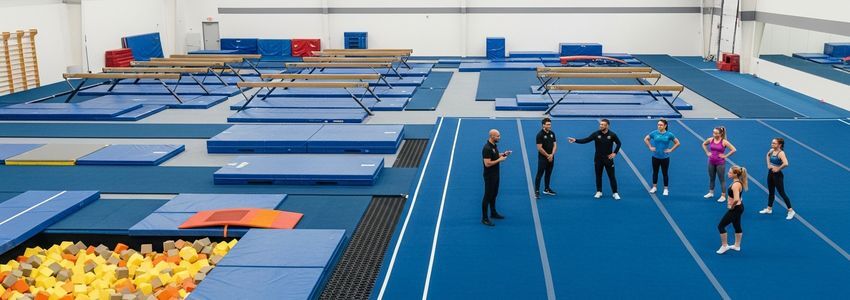
The world of competitive cheerleading is more than just pom-poms and sideline chants-it's a high-energy, physically demanding sport that combines gymnastics, dance, and acrobatics into breathtaking routines. Behind every successful All-Star cheer team is a dedicated gym owner who provides the space, equipment, and coaching necessary for athletes to thrive. Owning a cheerleading gym is a passion-driven enterprise, but it's also a serious business with significant financial demands. From securing a large enough facility to purchasing specialized spring floors and managing seasonal cash flow, the capital required to start, operate, and grow a cheer gym can be substantial.
Whether you're an aspiring entrepreneur ready to open your first gym or an established owner looking to expand your program, understanding your financing options is critical. This guide is designed to be your ultimate resource for cheerleading gym business loans. We'll break down the industry landscape, explore the specific reasons you might need funding, detail the various types of loans available, and walk you through the qualification and application process. At Crestmont Capital, we understand the unique challenges and opportunities within the cheerleading industry, and we're here to help you secure the capital you need to build a championship-level business.
In This Article
- The Cheerleading Gym Industry at a Glance
- Why Cheerleading Gym Owners Need Business Financing
- Types of Business Loans for Cheerleading Gym Owners
- How to Qualify for a Cheerleading Gym Business Loan
- How Much Can Cheerleading Gym Owners Borrow?
- Equipment and Facility Financing for Cheer Gyms
- SBA Loans for Cheerleading Gym Owners
- How to Apply for a Cheer Gym Business Loan
- Building Business Credit for Your Cheer Gym
- Frequently Asked Questions
- Next Steps to Secure Financing for Your Cheerleading Gym
The Cheerleading Gym Industry at a Glance
The cheerleading industry has exploded in popularity over the past two decades, transforming from a school-based activity into a multi-billion dollar athletic enterprise. Governed by organizations like the U.S. All Star Federation (USASF), competitive or "All-Star" cheerleading has become a mainstream sport with millions of participants and a dedicated global following. This growth presents a massive opportunity for gym owners who can cater to the increasing demand for high-quality training facilities.
Let's look at some key statistics that paint a picture of the industry's scale:
- Market Size: The combined market for gymnastics and cheerleading facilities in the United States is estimated to be a more than $4 billion industry. This reflects the significant consumer spending on tuition, competition fees, apparel, and travel.
- Participation Numbers: There are over 6 million participants in cheerleading and gymnastics in the U.S. alone. While a portion of these are scholastic athletes, a growing number are part of private All-Star gyms, which form the core of the competitive circuit.
- Growth Trajectory: The industry has shown remarkable resilience and consistent growth. According to a report highlighted by Forbes, the business of cheerleading has evolved into a sophisticated ecosystem of training, competitions, and apparel, indicating a mature and stable market for potential investors and lenders.
- Economic Impact: Major national competitions can draw tens of thousands of athletes and their families to host cities, generating millions of dollars in local economic impact. This highlights the industry's significance beyond the gym walls.
However, the industry is not without its challenges. Cheer gym ownership is capital-intensive. The initial investment for a new facility can range from $100,000 to over $500,000, depending on location, size, and the quality of equipment. Furthermore, revenue often follows a seasonal pattern, peaking during the school year when teams are actively training and competing, and dipping during the summer months. This cyclical cash flow can make managing day-to-day expenses-like rent, payroll, and utilities-a significant challenge. This is precisely why strategic business financing is not just an option but a necessity for long-term success and stability in the competitive cheerleading market.
Why Cheerleading Gym Owners Need Business Financing
Every cheer gym owner, from a brand-new startup to a well-established program, will face moments where a capital injection is necessary to reach the next level. Business financing serves as the fuel that powers growth, stabilizes operations, and allows you to seize opportunities as they arise. Understanding the specific use cases for funding can help you identify the right type of loan for your gym's unique situation.
Startup Costs and Initial Build-Out
Launching a cheerleading gym from scratch is the most capital-intensive phase. The initial investment is substantial and covers a wide range of one-time expenses. Without adequate startup funding, it's nearly impossible to open a safe, competitive, and appealing facility.
- Facility Lease or Purchase: Securing a commercial space with high ceilings and a large, open floor plan is the first major expense. This often requires a significant security deposit, several months of rent upfront, or a large down payment for a property purchase.
- Renovations and Build-Out: The raw space will need to be converted into a functional gym. This includes installing specialized flooring, building office space, constructing parent viewing areas, locker rooms, and ensuring compliance with local building codes.
- Initial Equipment Purchase: This is a massive line item. A full-size 54'x42' spring floor alone can cost between $15,000 and $50,000. Add to that tumbling tracks, trampolines, foam pits, crash mats, balance beams, and various training aids, and the equipment bill can easily exceed $100,000.
- Business Licensing and Insurance: Setting up the legal entity, obtaining necessary permits, and securing comprehensive liability insurance are essential upfront costs. Given the high-risk nature of the sport, insurance premiums can be particularly high.
- Initial Marketing and Branding: Creating a website, designing logos, printing flyers, and running initial advertising campaigns to attract your first wave of athletes all require a dedicated budget.
Expansion and Facility Upgrades
Once your gym is established, growth becomes the primary goal. Expansion might mean adding more teams, offering new classes, or simply needing more space to accommodate your current athletes. Financing is often the key to making these growth initiatives a reality.
- Moving to a Larger Facility: If your program has outgrown its current location, you'll need capital to cover the costs of moving, securing a new lease, and building out a larger space.
- Adding a Second Location: Opening a satellite gym in a neighboring town can be a powerful growth strategy, but it essentially involves repeating many of the initial startup costs.
- Facility Upgrades: To stay competitive, you need to maintain a modern, safe, and attractive facility. This could involve upgrading to a new spring floor, installing air conditioning, renovating the lobby, or adding new training equipment to keep your athletes at the cutting edge.
Managing Working Capital and Seasonal Cash Flow
The cheer gym business model is inherently seasonal. Tuition revenue is highest from late summer through spring, coinciding with the competitive season. During the summer, enrollment can dip as families go on vacation, leading to a predictable cash flow crunch. A fast business loan or line of credit is crucial for bridging these gaps.
- Covering Payroll: Your talented coaching staff is your gym's most valuable asset. A working capital loan ensures you can meet payroll consistently, even during slower months.
- Paying Rent and Utilities: These fixed costs don't stop when enrollment dips. Having a cash reserve or line of credit provides peace of mind that your essential bills will always be paid on time.
- Pre-season Expenses: There are significant expenses before the main season's revenue starts rolling in. This includes deposits for competition fees, uniform orders, and marketing for fall class registrations.
Purchasing New and Specialized Equipment
Cheerleading equipment is not only expensive but also subject to wear and tear. Replacing aging mats or upgrading to the latest training technology is an ongoing necessity. Equipment financing is a specific tool designed for this purpose, allowing you to acquire necessary assets without draining your cash reserves.
- Replacing a Worn-Out Floor: A spring floor is the centerpiece of your gym. When it reaches the end of its life, replacing it is a non-negotiable safety and performance issue.
- Adding New Training Aids: Investing in equipment like a rod floor, tumble trak, or specialized spotting rigs can give your athletes a competitive edge and attract new talent.
- Technology and Software: Upgrading your gym management software, video analysis tools, or office computers can improve efficiency and the customer experience.
KEY POINT: Strategic financing is not just about covering expenses-it's about investing in your gym's safety, competitiveness, and long-term growth. The right loan at the right time can be the difference between stagnation and building a championship-winning program.
Types of Business Loans for Cheerleading Gym Owners
Navigating the world of business financing can feel overwhelming, as there isn't a one-size-fits-all solution. The best loan for your cheer gym depends on your specific needs, financial health, and timeline. Crestmont Capital offers a wide range of funding products designed to meet the diverse needs of businesses like yours. Here's a breakdown of the most common and effective loan types for cheerleading gym owners.
Term Loans
A traditional term loan is what most people picture when they think of a business loan. You borrow a lump sum of cash upfront and repay it, plus interest, over a predetermined period (the "term") with regular, fixed payments (usually monthly). Terms can range from one to ten years or more.
- Best For: Large, one-time investments with a clear return on investment. This includes purchasing a building, financing a major facility expansion, or undertaking a complete equipment overhaul. The predictable payment schedule makes it easy to budget for.
- Pros:
- Fixed interest rates and predictable monthly payments.
- Can typically secure larger loan amounts than other options.
- Lower interest rates for well-qualified borrowers.
- Cons:
- The application and approval process can be longer and more document-intensive.
- Often requires a strong credit history and several years in business.
- May require collateral, such as real estate or equipment.
SBA Loans
SBA loans are not issued by the Small Business Administration (SBA) itself, but rather by lenders like Crestmont Capital. The SBA guarantees a portion of the loan, reducing the lender's risk. This makes it easier for small businesses, including cheer gyms, to qualify for large loans with favorable terms and low interest rates. The most popular program is the SBA 7(a) loan.
- Best For: A wide variety of purposes, including starting a new gym, purchasing commercial real estate, refinancing existing debt, or securing long-term working capital. They are one of the most versatile and affordable financing options available.
- Pros:
- Long repayment terms (up to 10 years for working capital/equipment, 25 years for real estate), leading to lower monthly payments.
- Some of the lowest interest rates on the market.
- High borrowing limits, often up to $5 million.
- Cons:
- A notoriously long and paperwork-heavy application process.
- Strict eligibility requirements from both the lender and the SBA.
- May require a personal guarantee and significant collateral.
Equipment Financing
This is a specialized type of loan designed specifically for the purchase of new or used equipment. The equipment itself-such as your spring floor, tumbling mats, or trampolines-serves as the collateral for the loan. If you default, the lender can repossess the equipment to recoup their losses.
- Best For: Purchasing any tangible asset your gym needs to operate. This is the perfect solution for upgrading your main floor, adding a new tumble trak, or buying a new van for team travel.
- Pros:
- The application process is often faster and simpler than a traditional term loan. * It's easier to qualify for, as the equipment itself secures the loan.
- Allows you to acquire essential assets without a large upfront cash outlay, preserving your working capital.
- Cons:
- The loan can only be used for equipment purchases.
- You don't own the equipment outright until the loan is fully paid off.
- May require a down payment, typically 10-20% of the equipment cost.
At Crestmont Capital, we specialize in helping businesses like yours get the necessary funding for vital assets. Learn more about our equipment financing options to see how we can help you outfit your gym for success.
Business Line of Credit
A business line of credit operates much like a credit card for your business. You are approved for a maximum credit limit and can draw funds as needed, up to that limit. You only pay interest on the amount you've drawn, not the total limit. As you repay the borrowed funds, your available credit is replenished.
- Best For: Managing seasonal cash flow gaps, handling unexpected expenses (like an emergency equipment repair), or seizing time-sensitive opportunities. It's the ideal tool for ongoing, flexible access to capital.
- Pros:
- Ultimate flexibility-draw and repay funds as your business needs dictate.
- You only pay interest on the funds you use.
- Once established, the funds are readily available without needing to re-apply.
- Cons:
- Interest rates can be higher than traditional term loans, especially on unsecured lines.
- Credit limits may be lower than what you could get with a term loan.
- Can require discipline to use responsibly and not as a long-term financing solution.
A business line of credit can be an invaluable safety net for the unpredictable nature of the cheerleading business.
Merchant Cash Advance (MCA)
A Merchant Cash Advance is not a loan in the traditional sense. Instead, a financing company provides you with a lump sum of cash in exchange for a percentage of your future credit and debit card sales. Repayment is made automatically through a daily or weekly deduction from your merchant processing account.
- Best For: Gyms with high credit card sales volume that need access to cash very quickly and may not qualify for other types of financing due to poor credit or a short time in business.
- Pros:
- Extremely fast funding, sometimes within 24-48 hours.
- Minimal paperwork and very lenient qualification requirements.
- Repayments are tied to your sales volume-you pay back less during slower periods.
- Cons:
- Can be one of the most expensive forms of financing, with high factor rates (the equivalent of an APR).
- Daily or weekly payments can strain cash flow if not managed carefully.
- Less regulated than traditional loans.
Short-Term Working Capital Loans
These are short-term loans, typically with repayment terms of 3 to 18 months, designed to provide a quick infusion of cash to cover immediate operational needs. Repayments are often made on a daily or weekly basis.
- Best For: Covering short-term operational expenses, such as making payroll during a slow month, paying for pre-season competition fees, or stocking up on pro-shop inventory before the holiday rush.
- Pros:
- Fast application and funding process.
- More accessible for businesses with less-than-perfect credit.
- Can be used for any business purpose.
- Cons:
- Higher interest rates and fees compared to long-term loans.
- Frequent repayment schedule can be demanding on daily cash flow.
- Not suitable for large, long-term investments.
Ready to Find the Right Financing for Your Cheer Gym?
Our team of specialists can help you navigate your options and find the perfect funding solution. Get a free, no-obligation quote today.
Apply NowHow to Qualify for a Cheerleading Gym Business Loan
Qualifying for a business loan involves lenders assessing the overall health and risk profile of your cheer gym. While specific requirements vary between loan products and lenders, they generally evaluate a core set of factors. Understanding these criteria will help you prepare a stronger application and increase your chances of approval. At Crestmont Capital, we look at your business holistically, but here are the key areas we-and other lenders-focus on.
1. Personal and Business Credit Scores
Your credit history is a primary indicator of your financial responsibility. Lenders will look at both your personal credit score (as the business owner) and your business credit score (if established).
- Personal Credit Score: For most small business loans, especially for newer gyms, your personal credit is crucial. A score of 680 or higher is generally preferred for traditional loans and SBA loans. However, alternative financing options are available for scores as low as 550.
- Business Credit Score: An established business credit profile (from agencies like Dun & Bradstreet) shows how your company has handled its financial obligations in the past. Timely payments to vendors and on previous loans will build a strong score.
2. Time in Business
The length of time your cheer gym has been operational demonstrates stability and a track record of success. Lenders view established businesses as less risky than startups.
- Startups (Less than 2 years): Securing traditional financing can be challenging. Lenders will heavily rely on your personal credit, a detailed business plan, and financial projections. SBA microloans or equipment financing might be more accessible.
- Established Gyms (2+ years): Most lenders, especially for term loans and SBA loans, require a minimum of two years in business. This provides them with historical financial data to analyze.
3. Annual Revenue
Your gym's revenue is a direct measure of its ability to generate the cash flow needed to repay a loan. Lenders want to see consistent and sufficient revenue to support your existing expenses plus the new loan payment.
- Minimum Revenue: Many lenders have a minimum annual revenue threshold, which could be anywhere from $100,000 to $250,000 or more, depending on the loan type.
- Revenue Trends: Lenders will analyze your bank statements and financial records to look for steady or growing revenue. A pattern of declining revenue can be a major red flag.
4. Cash Flow and Profitability
Beyond top-line revenue, lenders are keenly interested in your profitability and cash flow. A profitable business is a healthy business. Your debt-service coverage ratio (DSCR)-a measure of your cash flow available to pay current debt obligations-is a key metric. A DSCR of 1.25x or higher is often required, meaning you have $1.25 in cash flow for every $1.00 of debt payments.
5. Business Plan and Financial Projections
For startups or gyms seeking significant expansion funding, a comprehensive business plan is essential. It should clearly articulate your mission, market analysis, marketing strategy, management team, and-most importantly-detailed financial projections. You need to show the lender exactly how you plan to use the loan proceeds and how that investment will generate enough revenue to ensure repayment.
6. Collateral
Collateral is an asset (like equipment, real estate, or accounts receivable) that you pledge to the lender to secure a loan. If you default on the loan, the lender can seize the collateral to offset their loss. While many of our small business loans are unsecured, larger loans or those for borrowers with weaker credit may require collateral, which significantly reduces the lender's risk and can lead to better terms.
How Much Can Cheerleading Gym Owners Borrow?
The amount of financing a cheerleading gym can secure depends on a combination of the factors listed above-primarily revenue, creditworthiness, and the specific purpose of the loan. There is no single answer, but we can provide a general framework for what to expect.
- Working Capital Loans: For short-term needs, gyms can often qualify for amounts ranging from $5,000 to $250,000. The approved amount is typically based on a multiple of your monthly revenue.
- Equipment Financing: The loan amount is directly tied to the cost of the equipment being purchased. You can generally finance 80-100% of the equipment's value, meaning you could secure a loan for $50,000 to purchase a new spring floor, for example.
- Term Loans: For larger projects, term loans can range from $25,000 to $500,000 or more. The final amount will be heavily influenced by your annual revenue, profitability, and credit history.
- SBA 7(a) Loans: These loans offer the highest borrowing potential, with maximums up to $5 million. Qualification is rigorous, but for a major expansion, real estate purchase, or business acquisition, an SBA loan provides the most significant capital.
KEY POINT: It's crucial to borrow responsibly. Don't just seek the maximum amount you can get. Instead, carefully calculate how much capital you truly need to achieve your business goals and ensure that the projected return on investment justifies the cost of the loan.
Equipment and Facility Financing for Cheer Gyms
A cheerleading gym is defined by its equipment and facility. The safety of your athletes and the quality of their training depend directly on the condition of your floors, mats, and training aids. This makes equipment and facility financing one of the most critical financial tools for any gym owner. It allows you to acquire high-value, essential assets while spreading the cost over time, preserving your cash for day-to-day operations.
Let's break down the common costs and how financing can be applied:
- Spring Floors: The centerpiece of any cheer gym. A full 9-panel (54'x42') Baltic Birch spring floor can cost anywhere from $15,000 to $50,000, including the carpeted foam rolls that sit on top. Financing this allows you to get the best, safest floor for your athletes without depleting your bank account.
- Tumbling and Rod Floors: A rod floor or a long tumble trak is essential for advanced tumbling training. These can range from $5,000 to over $20,000 depending on the length and brand.
- Mats and Landing Surfaces: This includes everything from panel mats and incline mats ("cheese mats") to large crash mats and foam pits for safe skill progression. A full set of high-quality mats for a new gym can easily cost $10,000 to $30,000.
- Trampolines: In-ground trampolines or "Tumble Traks" are popular training tools. Costs can range from $3,000 for a basic model to over $15,000 for a high-performance, in-ground setup.
- Facility Improvements: Financing isn't just for portable equipment. A business loan can be used for essential facility upgrades like installing a new HVAC system for climate control, building a mezzanine for parent viewing, renovating bathrooms and locker rooms, or upgrading the lighting to energy-efficient LEDs.
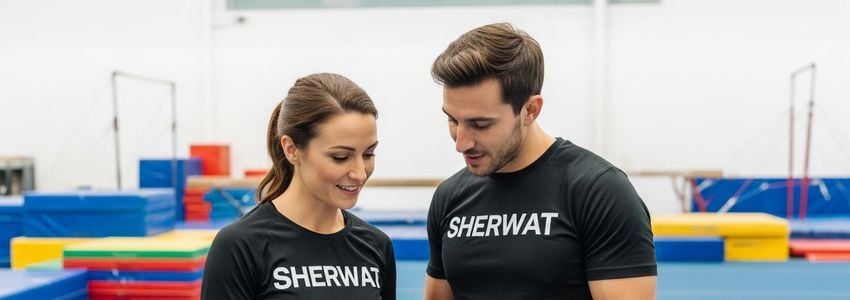
The process for equipment financing is typically more streamlined than other loan types. Because the equipment itself serves as collateral, the underwriting process focuses heavily on the value and lifespan of the asset being purchased. This can make it an accessible option even for gyms that are relatively new or have less-than-perfect credit. By structuring the loan term to match the useful life of the equipment, you can ensure the asset is generating revenue for your gym long after it's paid off.
Your Fast Track to Cheer Gym Funding: The 5-Step Process
Apply Online
Fill out our simple online application in minutes. It's fast, secure, and won't impact your credit score.
Submit Documents
A dedicated funding advisor will request basic documents, such as recent bank statements, to verify your gym's revenue.
Underwriting Review
Our team quickly reviews your application and documents to determine the best funding options available for your gym.
Receive Offers
You'll receive clear, transparent loan offers with no obligation. Your advisor will walk you through the terms.
Get Funded
Once you accept an offer and sign the agreement, funds can be deposited into your account in as fast as 24 hours.
Don't Let Old Equipment Hold Your Team Back
Finance the state-of-the-art floors, mats, and training aids you need to compete at the highest level. See your equipment financing options now.
Apply NowSBA Loans for Cheerleading Gym Owners
For cheer gym owners planning significant, long-term investments, SBA loans represent the gold standard of small business financing. Backed by the U.S. Small Business Administration, these loans offer some of the most attractive terms available, including high borrowing limits, long repayment periods, and competitive interest rates. While the application process is more intensive, the benefits can be transformative for a growing gym.
The most common and versatile SBA loan program is the SBA 7(a) loan. Cheer gym owners can use a 7(a) loan for a multitude of purposes:
- Commercial Real Estate: Purchase the building your gym currently leases, or buy a new, larger facility. Owning your property can provide long-term stability and build equity.
- Business Acquisition: Acquire a competing cheer gym to expand your market share or enter a new territory.
- Major Renovations: Fund a complete overhaul of your existing facility, including structural changes, additions, and significant upgrades.
- Debt Refinancing: Consolidate multiple high-interest business debts (like credit cards or short-term loans) into a single, manageable monthly payment with a lower interest rate.
- Long-Term Working Capital: Secure a substantial amount of capital to support operations and growth over an extended period.
Another relevant program is the SBA 504 loan, which is specifically designed for purchasing major fixed assets like real estate or heavy equipment. It involves two lenders-a bank and a Certified Development Company (CDC)-and typically requires a lower down payment from the business owner (as little as 10%).
Why Consider an SBA Loan?
The primary advantage is the repayment term. While a typical bank loan for equipment might have a 5-year term, an SBA loan for the same purpose could have a 10-year term. For real estate, terms can extend up to 25 years. This longer amortization period results in significantly lower monthly payments, freeing up more of your cash flow for reinvestment into your program, staff, and athletes.
The main hurdle is the rigorous application process. You will need to provide extensive documentation, including:
- A detailed business plan
- Several years of business and personal tax returns
- Historical financial statements (Profit & Loss, Balance Sheet)
- Detailed financial projections
- A list of all personal and business debts
Working with an experienced lender like Crestmont Capital can make a significant difference. Our team is well-versed in the SBA's requirements and can guide you through the process, helping you prepare a comprehensive application package that maximizes your chances of approval. For official information and resources, the SBA's official website is an excellent starting point.
How to Apply for a Cheer Gym Business Loan
Once you've identified your funding needs and researched the best loan types, it's time to prepare your application. A well-prepared application not only speeds up the process but also presents your business in the best possible light to underwriters. Follow these steps for a smooth and successful application experience.
Step 1: Determine Your Needs
Before you apply, have a precise understanding of how much money you need and exactly how you will use it. Create a detailed budget for your project, whether it's for new equipment, a facility expansion, or working capital. Lenders want to see that you have a clear, strategic plan for the funds.
Step 2: Gather Your Documents
Having your paperwork in order is the single most important thing you can do to expedite the process. While requirements vary by loan type, a standard application will likely require:
- Basic Information: Business name, address, tax ID (EIN), and ownership structure.
- Bank Statements: Typically the last 3-6 months of your business bank statements to verify revenue.
- Financial Statements: Profit and Loss (P&L) statements and Balance Sheets for the last 1-2 years.
- Tax Returns: Both personal and business tax returns for the last 1-2 years.
- Business Plan: Especially for startups or large loan requests.
- Equipment Quotes: If applying for equipment financing, provide the official quote from the vendor.
- Debt Schedule: A list of all current business debts and their payment terms.
Step 3: Complete the Application
With Crestmont Capital, you can start the process with a simple online application that takes just a few minutes. Be prepared to provide accurate and honest information. Our streamlined process is designed to be as efficient as possible. A dedicated funding advisor will then contact you to discuss your needs and guide you through the next steps.
Step 4: Underwriting and Review
Once your application and documents are submitted, our underwriting team will review your file. They will analyze your gym's financial health, credit history, and the overall strength of your application to determine your eligibility and the best available loan options. This process can be as fast as a few hours for some products or may take several weeks for an SBA loan.
Step 5: Review and Accept Your Offer
If approved, you will receive one or more loan offers. Each offer will clearly outline the loan amount, interest rate, term, and any associated fees. It is crucial that you read and understand all the terms before accepting. Your funding advisor will be available to answer any questions you have. Once you sign the loan agreement, the funds will be disbursed to your business bank account, often in as little as 24 hours.
Building Business Credit for Your Cheer Gym
Strong business credit is a valuable asset that can unlock better financing opportunities with lower interest rates and more favorable terms in the future. Unlike personal credit, business credit must be intentionally built. If you're just starting your gym or haven't focused on this before, now is the time to start.
- Establish a Separate Legal Entity: Operate your gym as an LLC or corporation, not a sole proprietorship. This legally separates your personal finances from your business finances.
- Get a Federal Employer Identification Number (EIN): This is like a Social Security number for your business. You'll need it to open a business bank account and apply for credit.
- Open a Business Bank Account: All gym-related income and expenses should flow through this account. This creates a clear financial record and is a prerequisite for most business loans.
- Apply for a Business Credit Card: Start with a card from your business bank or a major issuer. Use it for small, regular purchases (like office supplies or cleaning products) and pay the balance in full every month.
- Establish Trade Lines with Vendors: Ask your suppliers (for apparel, trophies, etc.) if they report payment history to business credit bureaus like Dun & Bradstreet, Experian Business, or Equifax Small Business. Paying these vendors on time is a powerful way to build your credit file.
- Monitor Your Business Credit Reports: Just like personal credit, you should periodically review your business credit reports for accuracy and to see how your efforts are paying off.
Building a strong credit profile takes time and consistency, but the long-term benefits of easier access to capital are well worth the effort. As an article on CNBC.com points out, a solid business credit history is essential for separating your personal liability and securing the best funding deals as your business grows.
Take Your Cheer Gym to the Next Level
Whether it's for expansion, equipment, or managing cash flow, we have a funding solution for you. Start your application today and get a decision quickly.
Apply NowFrequently Asked Questions
Can I get a business loan for a brand new cheerleading gym?
Yes, but it can be more challenging than for an established gym. Lenders will heavily scrutinize your business plan, financial projections, personal credit score, and any relevant industry experience you have. SBA microloans, equipment financing (where the equipment itself is collateral), and loans that utilize strong personal credit are often the most viable options for startups.
How much working capital should my cheer gym have?
A good rule of thumb is to have enough working capital to cover 3-6 months of fixed operating expenses (rent, payroll, utilities, insurance). This provides a crucial buffer to manage seasonal downturns in revenue, especially during the summer months, and handle unexpected costs without disrupting your operations.
What is the minimum credit score needed for a cheer gym loan?
This varies significantly by loan type. For traditional bank loans and SBA loans, lenders typically look for a personal credit score of 680 or higher. However, at Crestmont Capital, we offer a range of alternative financing solutions, such as short-term loans or merchant cash advances, that can accommodate business owners with credit scores as low as 550.
Can I use a business loan to pay for competition travel and fees?
Yes, absolutely. A working capital loan or a business line of credit is perfectly suited for these types of operating expenses. You can use the funds to pay for competition registration fees, book hotel blocks for your teams, charter buses, or cover other travel-related costs, ensuring your athletes can focus on performing their best.
How long does it take to get funded?
The funding timeline depends on the loan product. Fast funding options like a merchant cash advance or a short-term working capital loan can deposit funds into your account in as little as 24-48 hours after approval. Equipment financing can take a few days. Traditional term loans and especially SBA loans have a longer timeline, ranging from a few weeks to a couple of months.
Do I need to provide collateral for a cheer gym loan?
Not always. Many of our small business loans are unsecured, meaning they don't require specific collateral. However, for larger loan amounts, SBA loans, or for borrowers with weaker credit profiles, collateral may be required. In equipment financing, the equipment you are purchasing automatically serves as the collateral for the loan.
What's the difference between an interest rate and an APR?
The interest rate is the percentage charged on the principal loan amount. The Annual Percentage Rate (APR) is a broader measure of the cost of borrowing. It includes the interest rate plus any additional fees, such as origination fees or closing costs, expressed as an annual percentage. Always compare APRs when evaluating loan offers to get a true sense of the total cost.
Can I refinance existing debt with a new business loan?
Yes, debt refinancing is a common and smart use of a new business loan. If you have high-interest debt from credit cards or other short-term financing, consolidating it into a single term loan or SBA loan with a lower interest rate can significantly reduce your monthly payments, improve your cash flow, and save you a substantial amount of money over the life of the loan.
Will applying for a loan at Crestmont Capital affect my credit score?
Our initial application process uses a "soft" credit pull, which does not impact your credit score. This allows us to pre-qualify you and review your initial options without any negative effect. A "hard" credit inquiry, which may slightly affect your score, is only performed later in the process if you decide to move forward with a specific loan offer.
My cheer gym's revenue is highly seasonal. How do lenders view this?
Experienced lenders who work with businesses like yours understand seasonal revenue patterns. We look at your total annual revenue and the overall health of your business. As long as your annual cash flow is sufficient to cover your expenses and the new loan payment, seasonality is not typically a barrier to approval. In fact, it's a key reason why many gyms seek a line of credit to manage those seasonal dips.
What kind of insurance do I need to run a cheer gym?
Comprehensive insurance is non-negotiable. You will need General Liability insurance to cover accidents and injuries, as well as Participant Accident insurance. Property insurance for your facility and equipment is also essential. Many lenders will require proof of adequate insurance as a condition of funding to protect their investment.
Is it better to lease or buy cheerleading equipment?
Both have their advantages. Leasing can offer lower monthly payments and allows you to upgrade to new equipment every few years, but you don't build any equity. Buying through an equipment financing loan means you own the asset at the end of the term, which can be more cost-effective for long-lasting items like a spring floor. The best choice depends on your gym's financial situation and long-term strategy.
Can I get a loan if I already have an existing business loan?
Yes, it is often possible to secure additional financing even if you have an existing loan. Lenders will assess your overall debt-to-income ratio and cash flow to ensure your business can comfortably handle the payments for both the new and existing loans. In some cases, the new loan can be used to refinance the old one into better terms.
What are common mistakes to avoid when applying for a loan?
The biggest mistakes include not having a clear plan for the funds, providing inaccurate or incomplete information on the application, not having your financial documents organized, and waiting until you have a cash flow emergency to apply. Proactive financial planning is key. Another mistake is accepting the first offer you receive without understanding all the terms and costs.
How is owning a cheer gym different from a gymnastics gym for financing?
While very similar, there are subtle differences. Cheer gyms often have higher costs related to competition travel, music licensing, and uniforms. Lenders familiar with the industry, like Crestmont Capital, understand these nuances. We have experience financing both types of facilities and you can read more in our guide to gymnastics gym business loans. The core financial principles and available loan types are largely the same.
Next Steps to Secure Financing for Your Cheerleading Gym
You've learned about the industry, identified your needs, and explored the best financing options. Now it's time to put that knowledge into action and take the next steps toward securing the capital your cheer gym needs to succeed. Here's your clear path forward:
Assess and Organize
Take a detailed inventory of your financial needs. Create a precise budget for your project. Gather all the necessary documents mentioned in this guide-bank statements, tax returns, and financial statements. Being organized is the first step to a successful application.
Consult with a Funding Expert
You don't have to navigate this process alone. Speak with a business funding specialist at Crestmont Capital. We can review your situation, answer your specific questions, and help you identify the loan product that best aligns with your gym's goals and financial profile.
Submit Your Application
Start your no-obligation application online. It's fast, secure, and won't affect your credit score. This gets the process started and allows our team to begin working on finding you the best possible funding offers for your cheerleading gym.
Disclaimer: The information provided in this article is for general educational purposes only and is not financial, legal, or tax advice. Funding terms, qualifications, and product availability may vary and are subject to change without notice. Crestmont Capital does not guarantee approval, rates, or specific outcomes. For personalized information about your business funding options, contact our team directly.