Catering is a capital-intensive business. You need commercial kitchen equipment, reliable transportation, event supplies, and enough working capital to staff and provision large events - often weeks before the client pays their invoice. Catering business loans provide the financial foundation to grow your operation, take on larger events, upgrade equipment, and bridge the cash flow gaps that are an inherent part of the industry. This guide covers every financing option available to catering companies in 2026 and how to choose the right one for your situation.
In This Article
Why Catering Companies Need Financing
The catering business model creates structural cash flow challenges that financing is perfectly designed to solve. You buy ingredients, rent equipment, hire temporary staff, and execute events - all before your client pays. For large corporate events or wedding bookings, your cash outlay can run tens of thousands of dollars weeks before payment arrives. As your business grows and events get larger, this cash float requirement scales with it.
Beyond the day-to-day cash flow challenge, catering companies face significant capital requirements for growth:
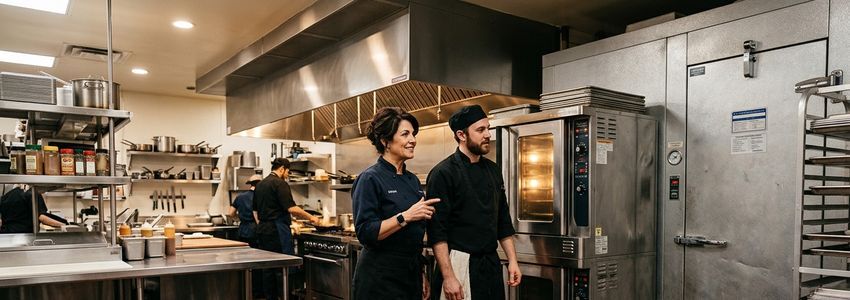
- Commercial kitchen equipment: Ovens, ranges, prep equipment, refrigeration, and dishwashers cost thousands to hundreds of thousands of dollars
- Transportation: Catering vans, refrigerated vehicles, and trailers are essential for event delivery
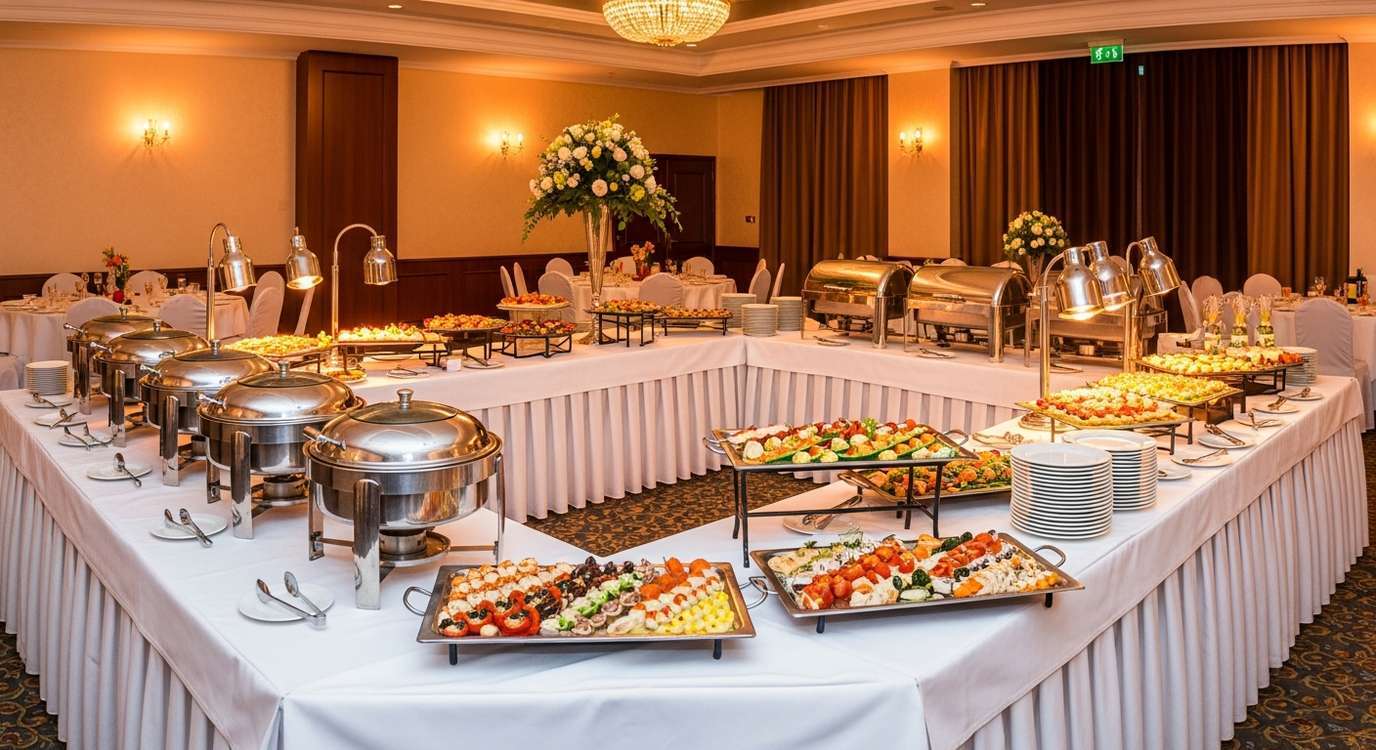
- Event inventory: Chafing dishes, serving equipment, linens, tables, chairs, and décor represent significant ongoing capital
- Facility upgrades: Expanding your commissary kitchen or opening a dedicated prep space
- Staffing ramp-up: Hiring and training additional staff to handle increased event volume
- Marketing and sales: Building your brand, website, and lead generation to fill your calendar
Each of these represents an investment that pays dividends over time but requires upfront capital. Business financing lets you make those investments when the opportunity is right rather than waiting months to accumulate cash organically.
Industry insight: The U.S. catering industry generates over $12 billion in annual revenue, according to industry research. Corporate catering accounts for a growing share of that as companies bring food service back in-house for team events, client entertainment, and employee perks. Catering businesses well-positioned with equipment and capacity to handle corporate contracts are capturing significant market share.
Types of Catering Business Loans
No single loan product fits every catering business need. Understanding your options lets you match the right tool to each specific situation.
Equipment Financing for Catering
Equipment financing is typically the best option for purchasing commercial kitchen equipment, catering vehicles, and event supplies with significant asset value. The equipment itself serves as collateral, which usually results in lower interest rates and easier qualification compared to unsecured loans. Most equipment lenders offer terms from 2 to 7 years, and many provide 100% financing with no down payment required.
Common catering equipment financed this way includes:
- Commercial ovens, ranges, and cooking equipment
- Refrigeration and cold storage units
- Commercial dishwashers and warewashing equipment
- Catering vans and refrigerated transport vehicles
- Food warmers, chafing equipment, and serving stations
- Tents, tables, chairs, and event rental inventory
- POS and event management software systems
Equipment financing is especially powerful for catering companies because equipment purchases often have a direct, measurable impact on revenue capacity. A new delivery van adds events you can service simultaneously. A second commercial oven increases production capacity for large-scale events. The ROI calculation is clear, making the case to a lender straightforward.
Learn more: Equipment financing at Crestmont Capital
Working Capital Loans for Catering
Working capital loans are ideal for covering the cash flow gap between event execution and client payment. They are also well-suited for seasonal buildouts, staffing ramp-ups, and inventory procurement before a busy season. Alternative lenders can fund working capital loans in as little as 24-72 hours, making them the go-to option when you need cash quickly to fulfill a large booking.
Working capital loans for catering businesses typically range from $10,000 to $500,000 with repayment terms of 6 to 24 months. Approval is primarily based on your business's monthly revenue and bank statement performance, not just credit score and collateral. If you have consistent deposits showing active catering revenue, you have a strong foundation for working capital financing.
Learn more: Working capital loans for small businesses
SBA Loans for Catering Businesses
SBA loans offer the best long-term economics available to catering businesses: low interest rates, long repayment terms, and high loan amounts. The trade-off is time and documentation. SBA loans take 30-90 days to fund, which makes them unsuitable for immediate cash flow needs but excellent for planned capital investments.
SBA 7(a) Loans for Catering
The SBA 7(a) is the most flexible SBA product - up to $5 million for working capital, equipment, real estate, vehicle purchases, and more. For catering companies planning major expansion - a new kitchen facility, a fleet of vehicles, or acquiring a competitor - the 7(a)'s combination of favorable rates and long terms is hard to beat. Most SBA lenders require at least 2 years in business, a personal credit score of 650+, and demonstrated cash flow sufficient to service the debt.
SBA 504 Loans for Catering Real Estate
If you are purchasing a commercial building for your commissary kitchen or catering facility, the SBA 504 is specifically designed for real estate and major fixed asset purchases. The structure - borrower contributes 10%, bank covers 50%, SBA covers 40% - minimizes your upfront capital requirement while securing long-term fixed-rate financing.
Business Lines of Credit for Catering
A business line of credit is the most flexible financing tool for catering operations. Draw what you need to purchase ingredients and supplies for an upcoming event, pay it back when the client pays, and draw again for the next booking. You only pay interest on what you use, making it cost-efficient for catering companies with variable, event-driven cash needs.
Lines of credit work particularly well for:
- Ingredient and supply purchases for upcoming events
- Temporary staffing costs before event payment arrives
- Equipment rentals for large events that exceed your owned inventory
- Bridging gaps during slow booking periods
- Taking advantage of bulk purchasing opportunities from suppliers
Learn more: Business line of credit guide
Ready to Grow Your Catering Business?
Crestmont Capital is the #1 rated business lender in the United States. Equipment financing, working capital, lines of credit, and SBA loans — apply in minutes.
Apply Now ->How to Qualify for a Catering Business Loan
Qualification requirements vary by lender and product, but these are the core factors every lender evaluates:
Time in Business
Alternative lenders typically require 6-12 months of operating history. SBA-approved lenders prefer 2 years. If your catering company is brand new, equipment financing (secured by the equipment) and SBA Microloans are often the most accessible early-stage options.
Monthly Revenue
Most alternative lenders want to see at least $10,000-$15,000 per month in business bank account deposits. Catering businesses with variable seasonal revenue should use an annualized average - lenders understand that event-based businesses have peaks and valleys. Showing 12 months of bank statements rather than just the most recent 3-4 months gives lenders a more complete picture of your annual revenue cycle.
Credit Score
Alternative lenders often work with personal credit scores as low as 550. Equipment financing lenders typically start at 600. SBA loans generally prefer 650+. A stronger credit score expands your options and improves your rate. If your credit needs work, addressing delinquencies and reducing credit utilization before applying is worth the time investment.
Business Bank Statements
Having all business revenue flow through a dedicated business bank account - not personal accounts or payment apps - is essential. Lenders evaluate your deposits when underwriting. Revenue that never hits your business account does not count. If you have been mixing personal and business finances, separating them now and establishing a clean 6-12 month track record strengthens your application significantly.
Collateral
Equipment financing is secured by the equipment itself. SBA loans require collateral when available. Working capital loans and lines of credit from alternative lenders are often unsecured - no collateral required beyond a personal guarantee. This makes unsecured products particularly accessible for catering companies whose most valuable assets are their reputation, client relationships, and human capital rather than fixed assets.
Common Uses for Catering Business Loans
Here are the most common ways catering companies put financing to work:
Purchasing Commercial Kitchen Equipment
Upgrading to commercial-grade equipment or expanding your kitchen capacity for larger events. Equipment financing with the equipment as collateral is typically the most cost-effective option.
Buying a Catering Vehicle or Refrigerated Van
A dedicated catering vehicle or refrigerated van is a revenue-generating asset. Equipment financing or a commercial auto loan secured by the vehicle is standard. With the right vehicle, you can service multiple simultaneous events or expand your delivery radius.
Building Seasonal Inventory
Wedding season, holiday corporate events, and graduation season all require building up your event supply inventory in advance. A working capital loan or line of credit provides the capital to stock up before the revenue arrives.
Staffing Large Events
Large events may require 20-50 temporary staff members whose wages must be covered before the client pays. A line of credit or working capital loan bridges this gap, letting you take on large-scale events you could not otherwise staff without depleting your reserves.
Marketing and Sales Investment
A professional website, wedding venue partnerships, bridal show participation, and digital advertising are all investments that fill your event calendar. A small working capital loan to fund a marketing push during the slow season can deliver a full calendar for the busy season ahead.
Commissary Kitchen Buildout or Expansion
Expanding your commercial kitchen capacity, upgrading your facility, or building out a new commissary location requires significant capital investment. Working capital loans, SBA 7(a) loans, or SBA 504 loans (for real estate) are all options depending on the scope and timeline.
Acquiring Another Catering Business
Acquiring a competitor's client list, equipment, and staff is one of the fastest ways to grow a catering company. SBA 7(a) loans are among the best financing tools for business acquisitions - providing up to $5 million with long repayment terms sized around the acquisition's projected cash flow.
Learn more: Business acquisition loans guide
Loan Comparison: Catering Business Financing Options
| Loan Type | Best For | Speed | Typical Amount |
|---|---|---|---|
| Equipment Financing | Kitchen equipment, vehicles, event gear | 1-5 days | $5K–$2M |
| Working Capital Loan | Staffing, inventory, seasonal buildout | 1-3 days | $10K–$500K |
| Line of Credit | Event cash flow gaps, ongoing flexibility | 1-5 days | $10K–$500K |
| SBA 7(a) | Expansion, acquisition, real estate | 30-90 days | $50K–$5M |
Frequently Asked Questions
Can a new catering business get a loan?
Yes, though options are more limited. Equipment financing (secured by the equipment) is the most accessible product for new catering businesses because the collateral reduces lender risk. SBA Microloans through CDFI intermediaries are another option for early-stage businesses. Most working capital lenders require at least 6 months of operating history with consistent revenue.
How much can a catering company borrow?
Loan amounts are primarily driven by your monthly revenue. Most alternative lenders will approve working capital loans up to 1-1.5x your monthly revenue for short terms, with larger amounts available for longer terms and stronger financial profiles. Equipment financing is sized around the value of the equipment being purchased. SBA loans go up to $5 million for well-qualified businesses.
Do catering business loans require collateral?
Equipment financing is secured by the equipment itself. SBA loans require lenders to take available collateral. Many alternative working capital loans and lines of credit are unsecured - they require a personal guarantee but no specific business asset as collateral. This makes unsecured products particularly accessible for service-based catering operations.
How fast can I get a catering business loan?
Alternative lenders and equipment financing companies can often fund in 24-72 hours from application. SBA loans take 30-90 days. If you need capital to cover an upcoming event or take advantage of a time-sensitive opportunity, an alternative working capital product or equipment loan is your fastest path to funding.
Can I use a business loan to buy a catering van?
Yes. Equipment financing or a commercial vehicle loan is the standard tool for purchasing catering vehicles. The vehicle serves as collateral, typically resulting in favorable rates and terms. Many lenders offer 100% financing, meaning no down payment required for qualified borrowers.
What documents do I need to apply for a catering business loan?
For alternative lenders, typically 3-6 months of business bank statements, a voided check, basic business information (EIN, business license), and a brief description of your use of funds. For SBA loans, expect two to three years of business and personal tax returns, profit and loss statements, balance sheet, and potentially a business plan.
Get Started: Finance Your Catering Business Today
Whether you need working capital to bridge the gap between event execution and payment, equipment financing for a new commercial kitchen or catering vehicle, or a larger SBA loan for a major expansion, Crestmont Capital has financing products built for businesses like yours.
We work with catering companies at every stage - from solo operators growing their first corporate client base to established full-service caterers expanding to new venues and markets. Apply now and get a decision in as little as 24 hours, or explore our full range of small business financing options to find the right fit for your catering operation.
Disclaimer: This article is for general educational purposes only and does not constitute financial, legal, or tax advice. Loan terms, rates, and availability vary and are subject to change. Crestmont Capital does not guarantee approval or specific loan terms.