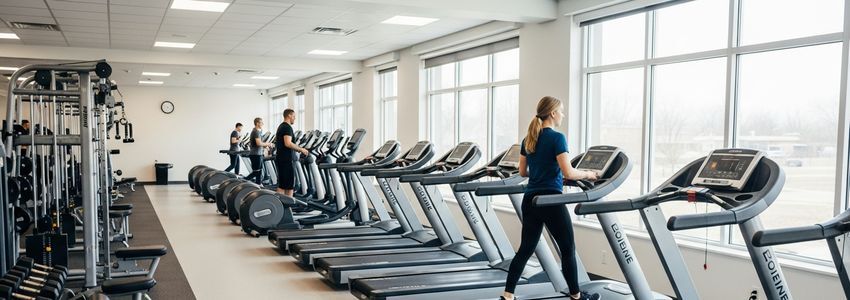
Running a gym or fitness center is equal parts passion and business. Between buying or leasing commercial-grade equipment, covering payroll during slow months, expanding into new locations, and keeping up with member expectations, capital needs are constant. Business loans for gyms and fitness centers give owners the financial runway to invest in growth without depleting cash reserves. Whether you are opening your first location, upgrading equipment, or weathering a seasonal dip, the right financing strategy makes the difference between struggling and scaling.
In This Article
- What Are Business Loans for Gyms and Fitness Centers?
- Key Benefits of Gym Business Financing
- How Gym Business Loans Work
- Types of Financing for Fitness Businesses
- Who Qualifies for Gym Business Loans?
- How Crestmont Capital Helps Fitness Businesses
- Gym Financing: Key Statistics
- Real-World Financing Scenarios
- Comparison: Gym Financing Options
- Frequently Asked Questions
- How to Get Started
What Are Business Loans for Gyms and Fitness Centers?
Business loans for gyms and fitness centers are commercial financing products designed to address the unique capital needs of fitness industry businesses. These include standalone gyms, boutique fitness studios, personal training facilities, CrossFit boxes, yoga studios, martial arts academies, and full-service health clubs. Unlike general-purpose business loans, fitness industry financing is structured around the revenue patterns, asset base, and growth cycles common to fitness businesses.
Gyms typically generate predictable monthly recurring revenue through memberships, which makes lenders comfortable extending credit. At the same time, fitness businesses face high upfront equipment costs, seasonal fluctuations, and expensive facility requirements that make external capital a practical necessity for most operators. A well-timed loan can mean the difference between capitalizing on a growth opportunity and watching a competitor take your market share.
Fitness businesses can use loan proceeds for a wide range of purposes, including purchasing new cardio and strength equipment, renovating locker rooms and studio spaces, hiring certified trainers and support staff, funding marketing campaigns to attract new members, covering lease deposits on new locations, and managing day-to-day operating expenses during slow periods. The flexibility of modern business financing makes it a powerful tool for operators at every stage of growth.
Industry Note: According to IHRSA, the global fitness industry generates over $96 billion annually, with more than 210,000 health clubs and studios operating in the U.S. alone. Access to capital is consistently cited as one of the top barriers to growth for independent gym operators.
Key Benefits of Gym Business Financing
Securing a business loan for your gym or fitness center offers a range of strategic advantages that go beyond simply having more cash on hand. Here is what the right financing can deliver for your operation.
Preserve cash flow while growing. Equipment purchases, facility renovations, and marketing campaigns require large lump-sum outlays. A business loan spreads those costs over time, letting you invest in growth without draining reserves needed for day-to-day operations. Many gym owners find that financing a major equipment purchase allows them to maintain a three-to-six month operating cushion, which is critical during slow enrollment periods.
Upgrade equipment without compromise. Commercial-grade fitness equipment - treadmills, cable machines, rowing machines, functional training systems - can cost tens of thousands of dollars per unit. Financing lets you equip your facility with the best available equipment rather than settling for lower-quality options. Members notice the difference, and premium equipment directly impacts retention rates.
Open or expand locations faster. Lease deposits, build-out costs, and initial inventory for a new gym location can easily reach $200,000 or more before the doors open. A business loan or line of credit bridges the gap between your current capital and the full investment required to launch a new site. Operators who wait until they have saved enough to self-fund expansions often lose prime locations to better-capitalized competitors.
Manage seasonal revenue gaps. Gym memberships spike in January and again in September, with noticeable dips in summer. A revolving line of credit or short-term working capital loan ensures you can cover payroll, lease payments, and utilities even during the slow months, without disrupting your member experience or staff morale.
Fund marketing and member acquisition. Filling a gym to 80 percent capacity or above requires consistent marketing investment. Digital advertising, corporate wellness partnerships, referral programs, and promotional events all require upfront spending. A working capital loan lets you run aggressive acquisition campaigns during peak enrollment seasons when competition for new members is highest.
How Gym Business Loans Work
The process of securing a business loan for a gym or fitness center follows a straightforward path. Understanding each stage helps you prepare effectively and avoid common pitfalls.
Step 1 - Determine your capital needs. Before applying, identify exactly how much you need and what you will use it for. Lenders want to see a clear purpose for the funds, whether that is a specific equipment purchase, a renovation project, or a general working capital buffer. Having precise numbers demonstrates financial competence and speeds up the approval process.
Step 2 - Review your business financials. Lenders evaluate your ability to repay based on revenue, cash flow, and credit profile. Pull your last three to six months of bank statements, your most recent business tax return, and your year-to-date profit and loss statement. Fitness businesses with steady membership revenue and minimal outstanding debt are viewed favorably by most lenders.
Step 3 - Choose the right loan product. Different financing products serve different needs. Equipment loans are ideal for purchasing machines and technology. Working capital loans work for operational expenses and marketing. SBA loans offer lower rates for larger investments. Your lender can help match the product to your specific situation.
Step 4 - Submit your application. Modern lenders can process gym business loan applications quickly - often in as little as one business day. You will typically need to provide basic business information, bank statements, and identification. Larger loan amounts may require additional documentation such as a business plan or financial projections.
Step 5 - Review terms and close. Once approved, review the loan offer carefully, including the interest rate or factor rate, repayment term, and any fees. Once you accept, funds are typically deposited within one to five business days depending on the loan type and lender.
Ready to Fund Your Fitness Business?
Get fast, flexible financing tailored for gym and fitness center owners. Apply in minutes - no obligation.
Apply Now →Types of Financing for Fitness Businesses
There is no single loan product that fits every gym or fitness center. The right choice depends on how much you need, what you will use it for, how quickly you need funding, and your current financial profile. Here is a breakdown of the most commonly used financing options in the fitness industry.
Equipment Financing and Leasing
Equipment financing is purpose-built for purchasing commercial fitness equipment. The equipment itself serves as collateral, which makes approval rates higher and interest rates more favorable than unsecured options. You own the equipment outright at the end of the loan term. Equipment leasing is an alternative where you rent equipment for a defined period, often with the option to purchase at the end. Leasing preserves capital and allows you to upgrade to newer equipment more frequently, which is especially valuable in a rapidly evolving fitness technology environment.
Treadmills, ellipticals, rowing machines, cable and plate-loaded strength systems, and group fitness equipment all qualify for equipment financing. Amounts typically range from $10,000 to over $500,000 depending on the scope of your purchase. Terms of 24 to 72 months are standard, and approval can happen within hours for creditworthy applicants.
SBA Loans
Small Business Administration loans offer the most favorable rates and longest terms available to small business owners, but they take longer to process and require more documentation. The SBA 7(a) loan is the most flexible, with amounts up to $5 million and repayment terms of up to 25 years for real estate or 10 years for equipment and working capital. SBA 504 loans are ideal for purchasing commercial property for your gym, offering fixed below-market rates on the long-term portion of the loan.
For gym owners looking to purchase their building, acquire an established fitness business, or make a substantial renovation investment, an SBA loan delivers the lowest total cost of capital. The trade-off is a longer approval timeline of 30 to 90 days and stricter eligibility requirements including a minimum credit score of around 680 and two-plus years in business. Learn more about SBA loans from Crestmont Capital.
Business Line of Credit
A business line of credit functions like a revolving credit account. You are approved for a maximum credit limit, draw funds as needed, and repay over time. As you repay, your available credit replenishes. Lines of credit are ideal for managing the cash flow volatility common in fitness businesses, covering payroll during summer slowdowns, funding marketing campaigns, and handling unexpected repairs.
Credit limits for fitness businesses typically range from $25,000 to $500,000 depending on revenue and creditworthiness. Lines of credit are more flexible than term loans since you only pay interest on what you draw. A business line of credit is often the most practical ongoing financial tool for an established gym operator.
Working Capital Loans
Working capital loans are unsecured term loans designed to fund operating expenses rather than specific asset purchases. For gyms, this might mean covering payroll, marketing spend, or lease obligations during a period of growth or transition. Approval is typically fast - often same day or next day - based primarily on monthly revenue and banking history. Terms run from three to 24 months, and amounts range from $10,000 to $500,000 or more for established businesses.
Unsecured working capital loans require no collateral, making them accessible even for gym owners who do not own their building or significant equipment inventory. The trade-off is higher rates compared to secured options, which is why they work best for short-term needs rather than long-term investments.
Business Term Loans
A traditional term loan provides a lump sum repaid over a fixed schedule with consistent monthly payments. For gyms, term loans work well for planned investments with predictable returns - a renovation project, a marketing campaign with a defined ROI, or the acquisition of a competing studio. Terms typically run from one to five years for conventional term loans, with rates and approval requirements in between working capital loans and SBA products.
Revenue-Based Financing
Revenue-based financing delivers capital in exchange for a fixed percentage of future monthly revenue until the advance is repaid. This structure is particularly useful for fitness businesses with strong revenue but limited collateral or credit history. Repayment scales with your business performance, which means lower payments during slow months and faster payoff when revenue is strong. It is a flexible option for growing boutique studios and newer fitness concepts.
Pro Tip: Many gym operators use a combination of loan products simultaneously - for example, an equipment loan to purchase machines plus a line of credit for working capital. Using multiple products strategically gives you the best rate on each type of expenditure while keeping maximum flexibility.
Who Qualifies for Gym Business Loans?
Qualification requirements vary by loan type and lender, but here is a general overview of what fitness business owners typically need to qualify.
Time in business. Most conventional lenders prefer at least one to two years in business. SBA loans typically require two or more years. Working capital loans and revenue-based financing options are available to businesses as young as six months with consistent monthly revenue. Startups or pre-revenue gym concepts may qualify for SBA startup loans or equipment financing secured by the equipment itself.
Monthly revenue. Lenders look at your gross monthly revenue to determine how much you can comfortably borrow and repay. A rough guideline is that your monthly loan payment should not exceed 15 to 20 percent of your monthly gross revenue. Most working capital lenders require at least $15,000 to $25,000 in monthly revenue to qualify for meaningful loan amounts.
Credit score. Business credit and personal credit both factor in, particularly for smaller gym operations where the owner's personal finances are intertwined with the business. Scores of 650 and above access the widest range of products, though some revenue-based options approve applicants with scores in the 500s. Higher scores unlock lower rates and larger amounts.
Cash flow consistency. Lenders review your bank statements for consistent deposits, minimal non-sufficient funds activity, and a positive average daily balance. Gyms with steady membership billing demonstrate predictable cash flow, which is a strong qualification signal. If your bank statements show inconsistent or declining revenue, it helps to explain the reason and provide projections for improvement.
Industry stability. Fitness is a recognized industry with established revenue models and relatively low default rates. Most lenders are comfortable with gym and fitness center loans, which means gym owners face fewer of the qualification hurdles that more obscure industries encounter.
How Crestmont Capital Helps Fitness Businesses
Crestmont Capital has established itself as one of the leading business lenders in the United States, working with gym owners, boutique fitness studios, health clubs, and personal training businesses across the country. As a full-service lender with access to a broad network of funding sources, Crestmont can match fitness operators with the product that best fits their situation - whether that is an equipment loan, an SBA product, a line of credit, or working capital financing.
One of the key advantages of working with Crestmont is speed and simplicity. Many gym owners receive approval decisions within 24 to 48 hours of submitting their application. For businesses that need to act quickly on an equipment purchase or expansion opportunity, that turnaround time is critical. Funding is typically available within days of approval rather than weeks.
Crestmont also works with gym owners across the credit spectrum. If your credit score is below conventional thresholds or your business is relatively young, Crestmont's team can explore alternative structures including revenue-based financing and equipment-secured loans that make capital accessible even when traditional lending is not available. Explore the full range of fitness company business loans available through Crestmont.
For owners ready to make their next major investment - whether that is new equipment, a studio renovation, or a new location - Crestmont's advisors can model out the different financing structures and their total cost implications, helping you make an informed decision rather than just accepting the first offer you receive. Learn more about equipment financing options for gym operators.
Upgrade Your Gym Without Draining Your Reserves
Crestmont Capital offers competitive rates and flexible terms for fitness businesses. See your options in minutes.
Get a Free Quote →Gym Financing: Key Statistics
By the Numbers
U.S. Fitness Industry - Financing at a Glance
$96B+
Global fitness industry annual revenue
210K+
Health clubs and studios operating in the U.S.
$150K+
Average equipment cost to outfit a mid-size gym
72%
Of fitness business owners report using external financing for growth
Real-World Financing Scenarios for Gym Owners
To make these concepts concrete, here are examples of how fitness business owners have used financing to achieve growth objectives.
Scenario 1: The established gym expanding to a second location. A 300-member gym in suburban Ohio had built a loyal customer base and saw demand for a second location three miles away. The owner needed $185,000 for a lease deposit, initial build-out, and equipment for the new site. A five-year SBA 7(a) loan at a competitive rate provided the capital with manageable monthly payments. The second location reached breakeven within 14 months and added 250 members in its first year.
Scenario 2: The boutique studio replacing aging cardio equipment. A cycling studio in Chicago had 40 bikes on the floor, most over six years old. Constant maintenance calls and member complaints about reliability were hurting retention. The owner used a $90,000 equipment loan with a 48-month term to replace all bikes with a premium connected fitness brand. Membership cancellations dropped 30 percent in the three months following the upgrade, and new member signups increased as word spread about the refreshed experience.
Scenario 3: The new CrossFit box funding its launch. A certified CrossFit trainer was opening a new box concept in Austin, Texas. Without two years of business history, traditional loans were difficult to access. An equipment financing arrangement secured by the specialty rigs, barbells, and flooring - valued at $65,000 - provided the capital for a professional setup. The equipment collateral made approval straightforward even as a startup.
Scenario 4: The health club managing summer cash flow. A full-service health club in Florida saw membership usage and new signups drop significantly from June through August each year. A $50,000 revolving line of credit allowed the operator to cover payroll and utilities during those months without touching operational reserves. The line was repaid in full by November each year when enrollment spiked heading into the new year.
Scenario 5: The personal training studio investing in marketing. A personal training studio in Seattle had a strong 60-member base but was not growing. The owner identified that a targeted digital marketing campaign focused on corporate wellness contracts could triple the client base within 18 months. A $30,000 working capital loan funded the campaign, including ad spend, website improvements, and a content creator. The studio signed three corporate wellness agreements within six months, adding over $8,000 in predictable monthly revenue.
Scenario 6: The yoga studio financing a renovation. A 200-member yoga studio in Brooklyn needed to renovate its locker rooms and add a third practice room to meet demand. The $120,000 renovation cost exceeded available cash reserves. A combination of a $75,000 term loan and a $45,000 draw from a business line of credit funded the project. The expanded space allowed for a 35 percent increase in class capacity, which translated to higher revenue within three months of completion.
Comparing Gym Financing Options
| Loan Type | Best For | Typical Amount | Term | Speed to Fund |
|---|---|---|---|---|
| Equipment Financing | Cardio/strength equipment purchase | $10K - $500K+ | 24 - 72 months | 1 - 3 days |
| SBA 7(a) Loan | Expansion, acquisition, renovation | Up to $5M | Up to 10 years | 30 - 90 days |
| Business Line of Credit | Seasonal cash flow, ongoing needs | $25K - $500K | Revolving | 1 - 5 days |
| Working Capital Loan | Marketing, payroll, short-term needs | $10K - $500K | 3 - 24 months | Same day - 2 days |
| Term Loan | Planned investments, renovations | $25K - $2M | 1 - 5 years | 2 - 7 days |
| Revenue-Based Financing | Newer studios, variable cash flow | $10K - $250K | Variable (tied to revenue) | 1 - 3 days |
Important: The comparison above reflects general market ranges. Your actual rate, term, and maximum loan amount will depend on your specific revenue, credit profile, time in business, and the lender you work with. Crestmont Capital's advisors can provide customized quotes across multiple products simultaneously, allowing you to compare real offers side by side.

Frequently Asked Questions
What credit score do I need to get a business loan for a gym?
Requirements vary by loan type. SBA loans generally require a personal credit score of 680 or above. Conventional term loans and equipment financing typically look for scores of 650 and up. Working capital loans and revenue-based financing can approve scores in the 550 to 600 range, with emphasis placed on monthly revenue and bank statement history rather than credit score alone. The stronger your revenue and cash flow, the more flexibility you have on credit requirements.
How much can a gym or fitness center borrow?
Loan amounts depend heavily on your monthly gross revenue, creditworthiness, and the loan product. Working capital and short-term loans typically max out at 100 to 150 percent of your monthly gross revenue. Equipment loans are sized around the value of the equipment being purchased. SBA loans can reach up to $5 million for qualifying businesses. Most gym operators with $50,000 or more in monthly revenue can access loan amounts of $100,000 to $500,000 or more through the right lender.
Can a new gym qualify for business financing?
Yes, though options are more limited. Startups without an established revenue history can access equipment financing secured by the equipment itself - lenders are comfortable because they can repossess and resell fitness equipment relatively easily. SBA startup loans are another option for new gym concepts with a strong business plan and owner experience in the fitness industry. Newer businesses that have been operating for six months or more with consistent revenue may also qualify for revenue-based financing or short-term working capital products.
What documents do I need to apply for a gym business loan?
For most working capital and equipment loans, you will need three to six months of business bank statements, a driver's license, and basic business information including your EIN, business name, and business address. Larger loans and SBA products require additional documentation including business and personal tax returns for the past one to two years, a year-to-date profit and loss statement, a business plan or description, and possibly a lease agreement if you are borrowing to fund a new location.
How long does it take to get approved for a gym business loan?
Approval timelines vary significantly by loan type. Working capital loans and revenue-based financing can be approved same day and funded within 24 to 48 hours. Equipment loans typically take one to three business days from application to funding. Conventional term loans generally take three to seven days. SBA loans are the slowest, often requiring 30 to 90 days for full processing and funding. For urgent capital needs, working with a lender like Crestmont Capital that has experience in the fitness industry can significantly speed up the process.
Can I use a business loan to buy gym equipment?
Absolutely. Equipment financing is specifically designed for this purpose and is one of the most common uses of business credit in the fitness industry. Treadmills, ellipticals, rowing machines, cable machines, free weights, functional training rigs, spin bikes, and virtually any other commercial-grade fitness equipment qualifies. The equipment serves as collateral, which generally means better rates and higher approval rates than unsecured options. Leasing is an alternative that preserves capital and allows for easier equipment upgrades.
Are there loan options for gym owners with bad credit?
Yes. Revenue-based financing and equipment-secured loans are available to gym owners with credit scores below 600, provided the business has consistent monthly revenue. Lenders offering these products place more weight on cash flow and bank statement history than credit score. The trade-off is higher rates compared to conventional loans. Improving your credit score over time will unlock better rates, but poor credit should not be an automatic barrier to accessing needed capital for a business with strong fundamentals.
What can gym business loan funds be used for?
Business loan funds can be used for almost any legitimate business purpose, including purchasing or leasing fitness equipment, renovating or expanding your facility, hiring and training staff, funding marketing campaigns, covering lease deposits or security deposits on new locations, managing payroll and utilities during slow months, acquiring a competitor or complementary fitness business, upgrading technology including member management software and payment systems, and building up a cash reserve for operational resilience.
Do I need collateral to get a gym business loan?
Not always. Working capital loans and revenue-based financing are typically unsecured, meaning no collateral is required. Equipment loans use the equipment itself as collateral, which is a practical option for gym owners who do not own commercial real estate. SBA loans may require a personal guarantee and may place a lien on business assets, but they do not always require specific collateral for loans under certain thresholds. The need for collateral depends on loan size, the lender's policies, and your overall credit and financial profile.
How do gym membership revenues affect loan eligibility?
Recurring membership revenue is one of the strongest signals a gym can demonstrate to a lender. Predictable monthly billing shows that cash flow is consistent and not dependent on one-time transactions. If your gym has 300 members paying $50 per month, that is $15,000 in baseline recurring revenue before personal training, merchandise, or ancillary income. Lenders look at this stability favorably. The higher your recurring revenue as a percentage of total revenue, the stronger your loan application will be.
Is it better to lease or finance gym equipment?
Both options have merit depending on your goals. Financing allows you to own the equipment outright at the end of the loan term, building a tangible asset for your business. Leasing typically offers lower monthly payments, easier upgrades to newer equipment at lease end, and possible off-balance-sheet treatment depending on the lease structure. For core equipment you plan to use for many years, financing usually delivers better long-term value. For technology-driven equipment that evolves rapidly - connected fitness systems, virtual training platforms - leasing preserves flexibility to upgrade without being stuck with outdated hardware.
Can a gym owner get a business loan to buy the building they currently rent?
Yes. The SBA 504 loan program is specifically designed for owner-occupied commercial real estate purchases, and it is one of the most commonly used tools for gym operators looking to purchase their facility. The program offers fixed below-market rates on the long-term portion of the loan, typically up to 25 years, which results in predictable payments and significant long-term savings compared to renting. Conventional commercial real estate loans are also an option for well-established gyms with strong financials.
How does applying for a gym loan affect my credit?
Many lenders, including those working with Crestmont Capital, perform a soft credit pull during the initial prequalification stage, which does not affect your credit score. A hard pull, which can temporarily lower your score by a few points, typically occurs only when you accept an offer and proceed to funding. Making on-time loan payments then builds business and personal credit over time. Taking on well-structured debt and managing it responsibly is one of the most effective strategies for improving credit profiles and accessing better rates on future financing.
What interest rates should a gym owner expect on a business loan?
Interest rates vary widely depending on the loan type, your credit profile, and current market conditions. SBA loans typically carry rates in the prime rate plus 2.25 to 4.75 percent range, which in recent markets translates to roughly 7 to 12 percent annually. Equipment loans typically range from 6 to 15 percent APR. Working capital loans from alternative lenders often carry higher effective rates of 15 to 40 percent or more due to the unsecured nature and short terms. Getting multiple quotes and comparing the total cost of capital - not just the stated rate - is essential for finding the best deal.
Can I get a gym business loan if I already have existing debt?
Yes, though existing debt affects how much additional credit you can access. Lenders evaluate your debt service coverage ratio - essentially whether your monthly income comfortably covers all existing debt payments plus the new loan payment. A ratio of 1.25 or higher is generally considered healthy. If existing debt is limiting your options, refinancing or consolidating existing obligations may improve your coverage ratio and unlock larger loan amounts. Crestmont Capital's advisors can help evaluate your full debt picture and recommend the most efficient financing structure.
How to Get Started
Complete our simple online application at offers.crestmontcapital.com/apply-now. Basic information, a few months of bank statements, and you are on your way.
A Crestmont Capital financing specialist will review your needs and match you with the right loan product and terms for your gym or fitness center.
Receive your funds - often within days - and put them to work upgrading your facility, acquiring new members, or expanding to new locations.
Take Your Fitness Business to the Next Level
From equipment upgrades to full gym expansions, Crestmont Capital has the financing tools to fuel your growth. Apply today - no obligation, no impact to your credit score to check your options.
Check Your Options →Conclusion
The fitness industry is one of the most dynamic and resilient sectors in the American economy. Gym owners who understand how to leverage business loans for gyms and fitness centers strategically gain a significant competitive advantage - whether that means staying ahead on equipment quality, expanding faster than self-financing would allow, or simply weathering slow seasons without sacrificing quality or staff. The right financing partner makes all the difference.
Crestmont Capital provides fitness business owners with access to the full spectrum of business financing products, fast approvals, and expert guidance to match the right product to each situation. If you are ready to take your gym or fitness center to the next level, explore your options today.
Disclaimer: The information provided in this article is for general educational purposes only and is not financial, legal, or tax advice. Funding terms, qualifications, and product availability may vary and are subject to change without notice. Crestmont Capital does not guarantee approval, rates, or specific outcomes. For personalized information about your business funding options, contact our team directly.