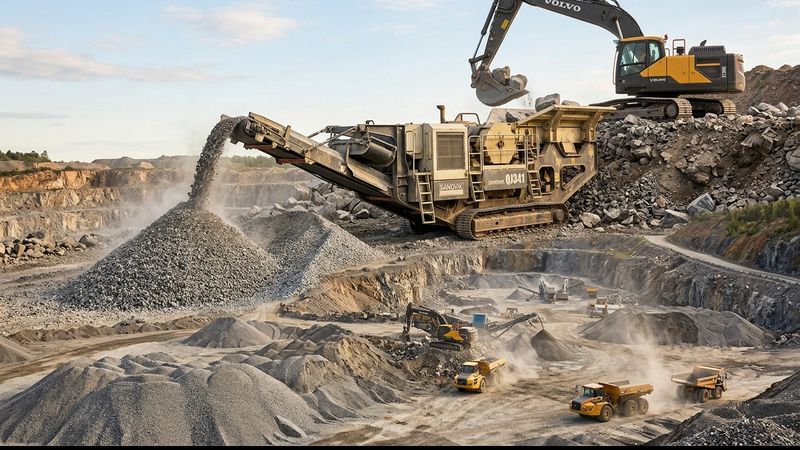
A government environmental cleanup order can arrive with almost no warning and an enormous price tag attached. Whether the notice comes from the EPA, a state environmental agency, or a local health department, the message is the same: contamination has been identified on your property, and you are now legally responsible for fixing it, on a timeline you did not choose. For most small and mid-sized businesses, the cost of remediation, engineering assessments, legal counsel, and regulatory compliance can run into the tens or hundreds of thousands of dollars, often due well before insurance proceeds or a legal settlement ever materializes. Environmental cleanup order financing exists specifically to close that gap, giving business owners the working capital they need to comply on schedule, protect their operating license, and keep the business running while the underlying environmental issue gets resolved.
In This Article
What Is Environmental Cleanup Order Financing?
Environmental cleanup order financing is business funding used to cover the costs associated with complying with a mandated environmental remediation action. These orders are typically issued after soil, groundwater, or air contamination is discovered on a commercial property, often tied to underground storage tanks, chemical spills, improper waste disposal, or legacy contamination from a prior tenant or owner. Once an order is issued, the clock starts ticking. Regulatory agencies generally set firm deadlines for site assessment, remediation planning, and completed cleanup, and missing those deadlines can trigger daily fines, additional legal exposure, or even a forced shutdown of operations.
The financing itself is not a specialized "environmental loan" product in most cases. Instead, it is typically a working capital loan, a business line of credit, or an SBA-backed loan that a business owner uses specifically to fund remediation contractors, environmental engineers, legal counsel, and the administrative costs of compliance. Because these orders often carry legal deadlines rather than flexible timelines, speed of funding matters just as much as the amount of capital available.
Unlike routine operating costs, environmental cleanup expenses tend to arrive in large, front-loaded chunks. A Phase II Environmental Site Assessment alone can run $15,000 to $75,000, and full remediation of contaminated soil or groundwater frequently reaches six figures before a single dollar of insurance reimbursement or responsible-party contribution comes back to the business. Environmental cleanup order financing is designed to bridge exactly that timing mismatch, so the business does not have to choose between staying compliant and staying solvent.
It is worth noting that environmental orders differ from other emergency business expenses in one important way: the consequences of delay are set by statute rather than by market conditions. A slow month of sales can often be weathered with patience, but a missed regulatory deadline generates penalties automatically, regardless of how reasonable the underlying delay might have been. That structural difference is exactly why speed of funding, not just the lowest possible rate, should be the primary factor when evaluating financing options for this specific situation.
Facing a Cleanup Deadline? Don't Wait.
Get fast, flexible financing to cover remediation and compliance costs. No obligation, apply in minutes.
Apply Now →Key Benefits of Environmental Cleanup Order Financing
Bringing in outside capital to manage a regulatory cleanup deadline offers several concrete advantages beyond simply having cash on hand.
- Meet regulatory deadlines without delay. Missing a court-ordered or agency-mandated cleanup deadline can result in escalating daily penalties. Fast funding lets you hire contractors and begin work on schedule.
- Avoid business disruption. Many cleanup orders threaten a facility's certificate of occupancy or operating permit if remediation is not underway. Financing keeps the business operational while the issue is resolved.
- Preserve cash reserves for payroll and operations. Draining working capital to pay for an unplanned six-figure remediation bill can leave a business unable to cover payroll, rent, or supplier invoices.
- Bridge the gap before insurance or responsible-party reimbursement. Environmental liability claims and cost-recovery actions against prior owners or tenants can take months or years to resolve. Financing lets remediation proceed now while those claims work through the system.
- Maintain vendor and lender relationships. Falling behind on other obligations to fund an emergency cleanup can damage supplier terms and existing credit lines. A dedicated loan keeps those relationships intact.
- Protect your business's reputation and customer trust. A stalled or unresolved environmental issue can become public record and affect how customers, landlords, and partners view your business.
How It Works
Financing an environmental cleanup order generally follows the same underwriting process as other forms of commercial financing, with a few additional considerations specific to the urgency and nature of the expense.
Step 1: Document the Order and Scope of Work
Before approaching a lender, gather the actual cleanup order or notice of violation, any Phase I or Phase II Environmental Site Assessment reports, and a preliminary cost estimate from a remediation contractor or environmental engineer. Lenders move faster when they can see the specific deadline and dollar figure involved.
Step 2: Determine the Right Loan Amount and Structure
Remediation costs often unfold in phases: assessment, active cleanup, and post-remediation monitoring. Decide whether you need a lump sum to cover the full estimated cost or a revolving line of credit that lets you draw funds as each phase of work is invoiced.
Step 3: Submit Financial Documentation
Most alternative and SBA lenders will request 3 to 6 months of business bank statements, your most recent business tax return, and basic details about time in business and annual revenue. This is typically faster than the extensive appraisal process required for a real estate loan.
Step 4: Underwriting and Approval
Lenders evaluate the health of your business, not the environmental condition of the property itself, in most working capital and line of credit products. This is an important distinction: you are not financing the contaminated asset, you are financing your business's ability to comply with a legal obligation.
Step 5: Funding and Contractor Payment
Once approved, funds are deposited directly into your business bank account, often within 24 to 72 hours for working capital products. From there, you pay your remediation contractor, environmental attorney, or engineering firm according to their invoicing schedule.
Types of Financing Available for Cleanup Order Compliance
Unsecured Working Capital Loans
Unsecured working capital loans provide a lump sum of capital without requiring the business to pledge specific collateral. This makes them one of the fastest options for a time-sensitive remediation project, since there is no need to appraise or lien specific assets.
Business Line of Credit
A business line of credit is often the best fit when remediation costs will be billed in phases over several months. You draw only what you need for each invoice, pay interest only on the amount drawn, and preserve availability for the next phase of work.
SBA Loans
SBA loans can offer lower rates and longer terms for businesses that can plan several weeks ahead rather than needing same-week funding. Be aware that SBA lenders conduct their own environmental due diligence on the underlying property, which is a separate process from the remediation itself and can add time to the approval timeline.
Commercial Financing and Term Loans
For larger remediation projects tied to a specific facility, commercial financing structured as a term loan can provide a larger capital amount with predictable monthly payments, useful when the total remediation budget is known upfront and paid to a single environmental contractor.
Equipment Financing for Remediation Equipment
In cases where a business needs to purchase or lease specialized environmental monitoring or containment equipment as part of the remediation plan, environmental equipment financing can fund those specific assets separately from the broader working capital need.

By the Numbers
Environmental Cleanup Costs and Compliance — Key Statistics
$50K–$500K
Typical remediation cost range for a commercial underground storage tank or soil contamination site
$2,500+
Minimum per-day, per-violation penalty for regulatory non-compliance under federal environmental law
$10K–$20K+
Typical annual environmental compliance cost for a small business with moderate regulatory requirements
24–72 Hrs
Typical funding timeline for an unsecured working capital loan once approved
Key Point: Compliance is almost always cheaper than the consequences of missing a deadline. Daily fines, additional legal exposure, and the risk of a forced shutdown typically far exceed the cost of financing the remediation itself.
Who This Financing Is Best For
Environmental cleanup order financing is most relevant to businesses that own or lease commercial, industrial, or retail property where contamination has been identified, or where a regulatory agency has flagged a violation requiring corrective action. Common industries facing these situations include:
- Gas stations and businesses with underground storage tanks
- Auto repair shops, body shops, and dealerships with fluid or solvent handling
- Dry cleaners using chemical solvents
- Manufacturing and fabrication facilities with historical waste disposal practices
- Warehouses and distribution centers that discover legacy contamination during due diligence for a sale or lease renewal
- Property owners and landlords who inherit a contamination issue from a prior tenant
- Construction and demolition companies that uncover contamination mid-project
This type of financing is a strong fit whether the order came from the EPA, a state environmental agency, a local health department, or as a condition of a property transaction or lease renewal. It is equally useful for a business that is the direct source of the contamination and for a business that inherited a problem from a previous owner or tenant.
Keep Your Business Running While You Comply
Get the working capital you need to hire contractors and meet your cleanup deadline. See your options today.
Apply Now →Comparing Your Financing Options
Choosing the right financing structure depends heavily on how the remediation costs will be billed and how quickly you need the funds.
| Feature | Working Capital Loan | Business Line of Credit | SBA Loan |
|---|---|---|---|
| Best For | A single lump-sum remediation bid with a known total cost | Multi-phase remediation billed over several months | Larger projects with a longer planning horizon |
| Funding Speed | As fast as 24-72 hours | 1-3 days to set up, instant draws after | 30-90 days |
| Collateral | Typically unsecured | Typically unsecured | May require collateral and environmental due diligence on real property |
| Rates | Higher, reflects speed | Variable, pay only on funds drawn | Typically the lowest available |
For most businesses facing a hard regulatory deadline, the speed of an unsecured working capital loan or business line of credit outweighs the lower rate of an SBA loan, since SBA approval timelines rarely align with a 30 or 60 day compliance order.
How Crestmont Capital Helps
As the #1 rated business lender in the U.S., Crestmont Capital understands that a regulatory cleanup order does not wait for a convenient time in your business's cash flow cycle. Our streamlined application process is built around speed: most working capital and line of credit decisions can be made in as little as 24 hours, with funding to follow shortly after approval.
Every applicant is paired with a dedicated funding advisor who will walk through your specific timeline, the scope of the required remediation, and which financing structure best matches how your costs will be invoiced. Whether you need an unsecured working capital loan to cover a fixed-price remediation contract, a business line of credit to draw against as work progresses, or commercial financing for a larger facility-wide project, we help you compare real terms so you can move forward with confidence.
We also work with businesses that have already been through a version of this challenge. Our environmental remediation financing guide and our soil remediation business loan resource cover related financing paths for businesses whose primary operations involve ongoing remediation work, and both are useful reading if your cleanup order involves soil or groundwater contamination specifically.
Real-World Scenarios
Scenario 1: The Gas Station Owner and a Leaking Underground Storage Tank
The Challenge: A state environmental agency notifies a gas station owner that soil testing near an aging underground storage tank shows petroleum contamination. The agency issues a cleanup order with a 90-day deadline for a Phase II assessment and remediation plan, with an estimated total cost of $120,000.
The Solution: The owner secures a $75,000 unsecured working capital loan to cover the Phase II assessment and initial excavation, while a separate insurance claim and state trust fund reimbursement process moves in parallel. The loan allows remediation to begin immediately rather than waiting months for the insurance claim to resolve, keeping the station's fuel operating permit active throughout the process.
Scenario 2: The Auto Body Shop Facing a Solvent Disposal Violation
The Challenge: An EPA inspection finds improper disposal of paint solvents at an auto body shop, resulting in a corrective action order requiring new containment systems, employee training, and a documented waste management plan within 60 days.
The Solution: The shop draws $35,000 from a business line of credit to cover new containment equipment, a compliance consultant, and required staff training, paying it back over 18 months as normal revenue resumes. Because the line of credit only charges interest on funds drawn, the owner avoids taking on unnecessary debt for costs that turn out to be lower than the initial estimate.
Scenario 3: The Warehouse Owner Who Inherited a Legacy Contamination Issue
The Challenge: A warehouse and distribution company discovers groundwater contamination from a previous tenant's operations during a lease renewal environmental review. The landlord issues a notice that continued occupancy requires the current tenant to fund initial remediation steps, with reimbursement pursued separately against the responsible prior tenant.
The Solution: The company secures a $150,000 term loan through commercial financing to fund the full remediation scope upfront, structured with a 36-month repayment term. This allows the business to keep its facility operational and preserve its lease while its attorney pursues a separate cost-recovery claim against the party actually responsible for the contamination.
Scenario 4: The Manufacturer Facing a Multi-Phase Remediation Timeline
The Challenge: A metal fabrication company is issued a consent order requiring a phased remediation plan spanning 18 months: site characterization, active remediation, and two years of post-cleanup groundwater monitoring, with staggered costs at each phase.
The Solution: Rather than borrowing the full estimated project cost upfront, the company establishes a $200,000 business line of credit and draws against it as each phase is invoiced by its environmental engineering firm, minimizing interest costs while ensuring funds are available the moment each phase begins.
Don't Let a Compliance Deadline Threaten Your Business
Get fast, transparent financing to cover your remediation costs and stay in compliance. Apply in minutes.
Apply Now →Pro Tip: If you believe a prior owner or tenant is the responsible party for the contamination, you can pursue remediation now with financing while your attorney separately files a cost-recovery claim. You do not have to wait for that legal process to resolve before complying with your deadline.
Frequently Asked Questions
What is environmental cleanup order financing?
Environmental cleanup order financing refers to business loans, lines of credit, or other funding used specifically to pay for the costs of complying with a government-mandated environmental remediation action. This typically covers site assessments, active remediation work, legal fees, and compliance documentation.
How quickly can I get funding after receiving an environmental cleanup order?
Unsecured working capital loans and business lines of credit can often be funded within 24 to 72 hours after approval. SBA loans generally take 30 to 90 days due to more extensive underwriting and environmental due diligence requirements.
Can I get a loan if my business has been issued an EPA enforcement order?
Yes. Most working capital loans, lines of credit, and commercial financing products evaluate the financial health of your business rather than the environmental condition of the underlying property, which means an active enforcement order does not automatically disqualify you from financing.
What does environmental cleanup order financing typically cover?
It typically covers Phase I and Phase II site assessments, excavation and disposal of contaminated soil, groundwater treatment systems, environmental engineering and consulting fees, legal counsel, containment equipment, and required employee training or compliance documentation.
Do I need collateral to qualify for cleanup order financing?
Not always. Unsecured working capital loans and many business lines of credit do not require you to pledge specific collateral. SBA loans and larger term loans may require collateral or additional documentation, including environmental due diligence on the property.
How much does environmental remediation typically cost?
Costs vary widely depending on contamination type and scope. A Phase II Environmental Site Assessment often runs $15,000 to $75,000, while full remediation of a contaminated site can range from $50,000 to several hundred thousand dollars or more depending on the extent of soil or groundwater impact.
Can I use an SBA loan to pay for environmental cleanup costs?
In some cases, yes, particularly if the remediation is tied to a property you are purchasing or refinancing. However, SBA lenders conduct their own environmental due diligence process on the property, which is separate from the remediation itself and can extend the approval timeline.
What credit score do I need to qualify?
Requirements vary by lender and product. Working capital loans and lines of credit are often available to businesses with credit scores in the 550 to 620 range, while SBA loans typically require scores of 680 or higher for the most favorable terms.
Will taking out a loan for compliance costs affect my ability to get future financing?
Responsibly managing and repaying a loan for compliance or remediation costs can actually strengthen your business credit profile over time. Lenders generally view proactive compliance financing favorably, since it demonstrates that you addressed a regulatory issue promptly rather than letting it escalate.
What's the difference between a working capital loan and a business line of credit for this situation?
A working capital loan provides a lump sum upfront, which works well when you have a single fixed-price remediation contract. A business line of credit lets you draw funds as needed and only pay interest on what you use, which is better suited to multi-phase remediation projects billed over time.
How long do I have to comply with an environmental cleanup order?
Deadlines vary significantly depending on the issuing agency, the severity of the contamination, and whether the order is voluntary or the result of an enforcement action. Timelines can range from 30 days for urgent containment steps to 18 months or more for phased remediation and monitoring plans.
Can a business loan cover legal fees related to an environmental order?
Yes. Working capital loans and business lines of credit are typically flexible enough to cover legal counsel fees related to negotiating the terms of a cleanup order, pursuing cost recovery from a responsible party, or managing regulatory communications, in addition to the physical remediation costs.
What happens if I don't comply with an environmental cleanup order?
Non-compliance can result in escalating daily fines, which under federal environmental law can start at a minimum of $2,500 per day per violation and climb significantly higher for repeated or severe violations. Continued non-compliance can also lead to permit revocation, forced closure, or referral for criminal enforcement in extreme cases.
Are there SBA-specific environmental compliance requirements I should know about?
Yes. The SBA requires environmental due diligence on properties involved in SBA-backed loans, using a tiered process based on loan size, ranging from a simple environmental questionnaire for smaller loans to a full Records Search with Risk Assessment or Phase I Environmental Site Assessment for larger loans or higher-risk property types.
How do I choose the right lender for emergency compliance financing?
Look for a lender that can move quickly, offers transparent terms without hidden fees, and assigns a dedicated advisor who understands time-sensitive regulatory situations. Comparing funding speed, total cost of capital, and repayment flexibility across a few lenders before committing is always worth the extra day it takes.
Your Next Steps
If you have received an environmental cleanup order, time is the most important factor working against you. Here is a simple plan to move forward quickly and confidently.
Get a Contractor Estimate
Contact a licensed environmental remediation contractor or engineering firm to obtain a written scope of work and cost estimate tied to your specific order.
Gather Your Financials
Pull together 3-6 months of business bank statements and your most recent tax return so your lender can move quickly on underwriting.
Apply Online
Complete our simple, no-obligation online application. It takes just a few minutes and will not impact your credit score.
Conclusion
An environmental cleanup order is one of the most stressful notices a business owner can receive, precisely because it combines a hard legal deadline with an unplanned, often substantial cost. The good news is that environmental cleanup order financing through an unsecured working capital loan, a business line of credit, or an SBA loan can close that gap quickly, allowing you to hire the right contractors, meet your compliance timeline, and protect your operating license without draining the cash reserves your business needs to keep running. Whatever the source of the contamination or the specific agency involved, the fastest path forward is securing the right financing structure before the deadline arrives, not after.
Crestmont Capital works with business owners across every industry to structure fast, transparent financing for exactly these situations. Reach out today to discuss your timeline and find the funding solution that fits your specific compliance deadline. Waiting for a claim to settle or a court case to resolve is rarely a realistic option when a regulator has already set a firm date on the calendar, and proactive financing puts control of that timeline back in your hands.
Disclaimer: The information provided in this article is for general educational purposes only and is not financial, legal, or tax advice. Funding terms, qualifications, and product availability may vary and are subject to change without notice. Crestmont Capital does not guarantee approval, rates, or specific outcomes. For personalized information about your business funding options, contact our team directly.