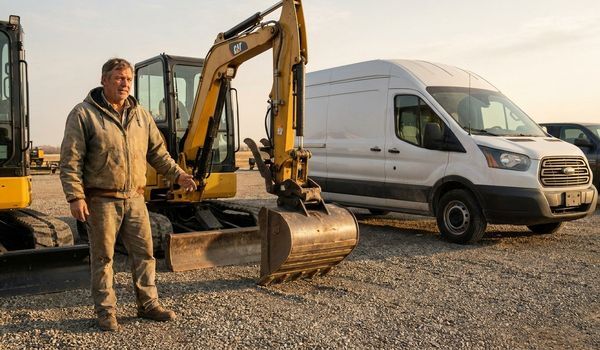
Biohazard cleanup business loans are the lifeblood of one of the most critical and demanding industries in the U.S. - helping remediation companies acquire specialized equipment, cover operating costs, and scale operations to meet growing demand. Whether you run a crime scene cleanup company, a hoarding remediation service, or a full-scale environmental hazmat operation, this guide covers every financing option available to biohazard businesses in 2026.
In This Article
- What Are Biohazard Cleanup Business Loans?
- Why Biohazard Cleanup Companies Need Financing
- Types of Financing Available
- How the Application Process Works
- Who Qualifies for Biohazard Cleanup Business Loans
- How Crestmont Capital Helps Biohazard Businesses
- Real-World Scenarios
- Frequently Asked Questions
- How to Get Started
- Conclusion
What Are Biohazard Cleanup Business Loans?
Biohazard cleanup business loans are financing products specifically used by biohazard remediation, crime scene cleanup, trauma cleaning, and environmental hazmat companies to fund their operations, equipment, and growth. These loans are not industry-specific products offered only by niche lenders - they are standard small business financing products that biohazard companies apply for through banks, alternative lenders, and specialized funding sources.
The biohazard remediation industry operates at the intersection of public health, emergency response, and professional contracting. Companies in this space handle bloodborne pathogens, chemical spills, mold infestations, hoarding cleanup, sewage damage, and even trauma scenes. The work is technical, regulated, and requires significant upfront investment in equipment, personal protective gear, certified vehicles, and trained personnel.
Unlike restaurants or retail shops where financing might be used for inventory or store renovations, biohazard businesses rely on loans for very specific needs: purchasing industrial decontamination equipment, funding compliance training and certifications, acquiring specialized vehicles, and bridging cash flow gaps that arise from the insurance-dependent nature of the work. Because insurance reimbursements often take 30 to 90 days, companies frequently need working capital financing to stay operational between job completions and payment receipt.
According to the U.S. Small Business Administration, hazardous waste remediation is classified among the specialty contractor trades - a sector that consistently ranks among the top users of small business financing. The industry's technical requirements and high startup costs make access to capital a determining factor in whether a biohazard business survives its first few years or scales successfully.
Biohazard cleanup loans can fund:
- PPE (personal protective equipment) in bulk - Tyvek suits, respirators, gloves, goggles
- Industrial cleaning equipment including HEPA vacuums, foggers, and ozone generators
- Specialized vehicles and enclosed trailers for biohazard material transport
- OSHA and IICRC compliance training and certification costs
- Waste disposal contracts and regulatory compliance fees
- Marketing to grow referral networks with hospitals, law enforcement, and property managers
- Working capital to cover payroll and overhead between insurance payments
- Business expansion - additional crews, new service areas, or acquisitions
Why Biohazard Cleanup Companies Need Financing
The biohazard remediation industry is growing rapidly, driven by an aging population, rising crime rates, natural disasters, and increased awareness of proper hazmat disposal requirements. Yet it remains one of the most capital-intensive service businesses to operate - and one where cash flow problems can develop quickly even when revenue is strong.
Here are the primary reasons why biohazard cleanup companies seek financing:
1. High Equipment Startup Costs
Starting a biohazard cleanup company from scratch requires a minimum of $50,000 to $150,000 in equipment alone. A professional setup includes industrial-grade decontamination units, HEPA air scrubbers, ozone generators, truck-mounted extractors, personal protective equipment for multiple team members, and a certified vehicle for hazardous waste transport. For companies expanding to handle larger commercial contracts - hospital cleanups, industrial spills, or large-scale mold remediation - equipment costs can easily exceed $500,000.
2. Insurance Reimbursement Delays
Most biohazard cleanup jobs - particularly crime scene and trauma cleanups - are paid through homeowner's or commercial property insurance. This creates a 30-to-90-day gap between job completion and payment receipt. During that time, the company must cover payroll, supplies, vehicle expenses, and overhead. A working capital loan or business line of credit is often the only way to bridge that gap without disrupting operations.
3. Regulatory Compliance Costs
Biohazard businesses are heavily regulated at federal, state, and local levels. OSHA requires bloodborne pathogen training, hazardous waste management certifications, and regular equipment audits. State environmental agencies may require additional permits and inspections. Staying compliant is not optional - violations can result in fines, suspension of operations, or permanent loss of licensure. Compliance costs can run tens of thousands of dollars annually.
4. Seasonal and Unpredictable Revenue
Biohazard cleanup is inherently unpredictable. While some services like mold remediation and sewage cleanup see higher demand in wet seasons, others like crime scene cleanup have no predictable pattern. This volatility makes cash flow management difficult. Financing provides a buffer that allows companies to maintain operations, keep skilled staff, and respond rapidly to new job opportunities regardless of current revenue levels.
5. Scaling Operations to Meet Demand
The biohazard remediation market is growing. To capture more market share, companies need to expand their crews, add vehicles, enter new geographic markets, and develop relationships with property managers, real estate agents, hospitals, and law enforcement agencies. All of this requires capital - for marketing, staffing, training, and equipment. Business loans make scaling possible without depleting reserves.
6. Competitive Bidding and Large Contracts
Landing large commercial contracts - with hospitals, government agencies, or major property management companies - often requires demonstrating significant operational capacity. Lenders and procurement officers look at equipment inventories, staff certifications, and financial stability. A well-funded biohazard company is better positioned to win these high-value contracts.
Ready to Fund Your Biohazard Cleanup Business?
Get fast, flexible financing from the #1 business lender in the U.S. Apply in minutes - no obligation.
Apply Now ->Types of Financing Available for Biohazard Cleanup Businesses
Biohazard remediation companies have access to the full range of small business financing products. Understanding which type of financing best fits your specific situation is essential to choosing the right solution and avoiding unnecessary costs.
| Loan Type | Best For | Typical Amount | Term | Speed |
|---|---|---|---|---|
| Term Loan | Equipment, expansion, large purchases | $25K - $500K+ | 1 - 5 years | 1-5 days |
| Working Capital Loan | Payroll, supplies, overhead gaps | $10K - $250K | 3 - 24 months | Same day - 2 days |
| Business Line of Credit | Ongoing cash flow, emergency expenses | $10K - $250K | Revolving | 1-3 days |
| Equipment Financing | Decon units, vehicles, PPE bulk orders | $10K - $500K+ | 2 - 7 years | 1-3 days |
| SBA 7(a) Loan | Large projects, real estate, long-term growth | Up to $5 million | Up to 25 years | 30-90 days |
| Invoice Financing | Insurance reimbursement gaps | Varies by AR | 30-90 days | 1-2 days |
| Merchant Cash Advance | Rapid cash, flexible repayment | $5K - $500K | 3 - 18 months | Same day |
Term Loans for Biohazard Businesses
A term loan is a lump-sum loan repaid over a fixed period with regular (typically monthly) payments. For biohazard cleanup companies, term loans work well for major purchases: a new fleet vehicle, a large HEPA filtration system, or a complete equipment overhaul. Loan amounts typically range from $25,000 to over $500,000, with repayment terms of 1 to 5 years for short-to-medium term needs. Interest rates vary based on creditworthiness, time in business, and revenue, but alternative lenders often approve applications within 24 to 48 hours.
Working Capital Loans
Working capital loans are specifically designed to cover day-to-day operating expenses - payroll, supplies, rent, and utilities - while a business waits for payment. For biohazard companies relying on insurance reimbursements, a working capital loan can mean the difference between keeping experienced staff employed between jobs or losing them to competitors. These loans are typically short-term (3 to 24 months) and can be funded as quickly as the same business day.
Business Lines of Credit
A business line of credit gives biohazard companies revolving access to funds up to a predetermined limit. You draw only what you need, when you need it, and pay interest only on what you borrow. This is ideal for businesses with irregular revenue cycles - you can draw funds when a large job is pending, repay when the insurance check arrives, and redraw as needed. A well-managed business line of credit is one of the most flexible and cost-effective financing tools available to remediation companies.
Equipment Financing
Equipment financing uses the equipment itself as collateral, which typically means lower interest rates and easier approval than unsecured loans. For biohazard companies, this is an excellent way to finance high-cost items: decontamination chambers, industrial extractors, negative air machines, specialized service vehicles, or bulk orders of PPE. Equipment loans preserve your working capital while allowing you to acquire the tools needed to take on more jobs and larger contracts. The equipment is paid off over time as it generates revenue.
SBA Loans
SBA 7(a) loans offer the lowest interest rates and longest repayment terms available to small businesses. For established biohazard companies looking to make major investments - purchasing a building, acquiring a competitor, or financing a large-scale equipment upgrade - SBA loans are worth pursuing. The tradeoff is time: SBA applications take 30 to 90 days to process. The SBA's loan programs are federally backed, which reduces lender risk and translates to better terms for borrowers who qualify.
Invoice Financing
Invoice financing (also called accounts receivable financing) allows biohazard companies to borrow against outstanding invoices before they're paid. If you've completed a $40,000 mold remediation job and are waiting 60 days for the insurance company to pay, invoice financing lets you access up to 80-90% of that invoice value immediately. This is particularly valuable for remediation companies that do commercial and institutional work, where invoice payment cycles are long but the underlying obligation is solid.
How the Application Process Works
Applying for a biohazard cleanup business loan through a lender like Crestmont Capital is straightforward and fast - especially compared to bank applications that can take weeks or months. Here is what to expect:
Step 1: Gather Basic Documents
Most alternative lenders require minimal documentation compared to traditional banks. For a working capital loan or short-term term loan, you typically need:
- 3 to 6 months of business bank statements
- Basic business information (legal name, EIN, address)
- Proof of business ownership
- Basic financial information (annual revenue, time in business)
For larger loan amounts or SBA products, additional documentation may be required including tax returns, profit and loss statements, and balance sheets.
Step 2: Submit Your Application
Online applications typically take 5 to 15 minutes to complete. Crestmont Capital's application is streamlined to focus on what matters most: your business revenue, time in operation, and immediate funding needs. There is no obligation to accept any offer you receive.
Step 3: Underwriting and Approval
Alternative lenders use technology-driven underwriting that can produce decisions in hours rather than weeks. The underwriter analyzes your cash flow patterns, revenue consistency, and creditworthiness. For most biohazard companies with at least 6 months in business and $10,000 or more in monthly revenue, approval happens within 24 to 48 hours.
Step 4: Review Your Offer
Once approved, you receive a formal offer detailing the loan amount, term, interest rate or factor rate, and repayment schedule. Review the terms carefully and ask questions if anything is unclear. A reputable lender will explain the total cost of the loan, not just the monthly payment.
Step 5: Funding
Upon acceptance and final document signing, funds are typically deposited directly into your business bank account - often within 24 hours of final approval. For time-sensitive equipment purchases or immediate operational needs, same-day funding options may be available.
By the Numbers
Biohazard Cleanup Industry - Key Statistics
$9.8B
U.S. restoration services market size
6.3%
Annual industry growth rate
$75K+
Average per-job revenue for major remediation projects
$500K
Typical financing need for full equipment setup
Who Qualifies for Biohazard Cleanup Business Loans
Most biohazard cleanup companies that have been in operation for at least 6 months with consistent revenue will qualify for at least some form of business financing. Here is a breakdown of typical qualification criteria across different loan types:
General Qualification Requirements
| Requirement | Alternative Lenders | SBA Loans | Equipment Financing |
|---|---|---|---|
| Time in Business | 6+ months | 2+ years | 1+ year |
| Monthly Revenue | $10,000+ | Varies | $5,000+ |
| Credit Score | 500+ | 680+ | 550+ |
| Collateral | Not always required | Required for large loans | Equipment as collateral |
| Personal Guarantee | Usually required | Required | Usually required |
Industry-Specific Considerations
Biohazard cleanup businesses are generally viewed favorably by lenders because of their essential nature and the high barriers to entry (licensing, training, and equipment requirements). However, there are a few industry-specific factors lenders may consider:
- Business Structure: LLC or S-Corp status is preferred. Sole proprietors can still qualify but may face lower limits.
- Licensing and Certifications: Valid state licenses and OSHA certifications demonstrate legitimacy and reduce perceived risk.
- Insurance: Biohazard businesses should carry general liability, professional liability, and workers' compensation insurance. Lenders may ask for proof of coverage.
- Revenue Consistency: Even though biohazard revenue can be irregular, demonstrating consistent monthly deposits over 6+ months is critical. Insurance payment receipts, work orders, and invoices can supplement bank statements to tell a more complete story.
New Businesses and Startups
If you are launching a new biohazard cleanup company and have less than 6 months of business history, financing options are more limited but not impossible. Equipment financing is often the most accessible option for startups because the equipment itself serves as collateral. Additionally, strong personal credit (680+) can open doors to startup business loans, SBA microloan programs, or loans backed by personal assets. The U.S. Census Bureau reports that biohazard and specialty cleaning businesses have consistently lower failure rates than general service businesses, which can make lenders more comfortable with newer operations in this sector.
How Crestmont Capital Helps Biohazard Cleanup Businesses
Since its founding in 2015, Crestmont Capital has helped thousands of specialty service businesses - including biohazard remediation, environmental cleanup, and hazmat services - access the capital they need to grow. As the #1 business lender in the U.S., Crestmont Capital offers a full suite of financing options tailored to the specific needs of cleanup and remediation companies.
Fast Approval and Funding
Biohazard jobs often require immediate mobilization. When an opportunity comes through - a hospital cleanup, a large commercial mold job, or a crime scene remediation contract - you need equipment and staff ready. Crestmont Capital's streamlined application and underwriting process means most biohazard businesses receive an approval decision within hours and can have funds in their account within 24 hours. Our same-day business loans are designed for situations where time is critical.
Flexible Financing Products
Crestmont Capital offers multiple financing products that work for biohazard companies at every stage of growth:
- Small business loans for general operating needs and expansion
- Equipment financing for decontamination units, vehicles, and specialized tools
- Business lines of credit for flexible, ongoing cash flow management
- Bad credit business loans for owners with less-than-perfect credit history
- Fast business loans for urgent capital needs
- Small business financing across a wide range of funding structures
No Industry Penalties
Some lenders categorize biohazard and hazmat businesses as "high risk" and either decline applications or impose punishing rates. Crestmont Capital takes a holistic view of your business - we look at revenue, growth trajectory, and operational health, not just industry classification. Biohazard cleanup is an essential service, and we fund essential businesses.
Dedicated Business Advisors
When you apply through Crestmont Capital, you work directly with a business financing advisor who understands the unique challenges of remediation and specialty service companies. They will match you with the right product, help you understand total costs, and guide you through the process from application to funding. There is no automated system replacing human judgment - real specialists review your situation and recommend the best path forward.
You can also explore relevant guides on our blog, such as our fire restoration business loans guide and our mold remediation business loans resource, for additional context on financing similar service businesses.
Ready to Fund Your Biohazard Cleanup Business?
Get fast, flexible financing from the #1 business lender in the U.S. Apply in minutes - no obligation.
Apply Now ->Real-World Scenarios: Biohazard Businesses Using Financing
Understanding how other biohazard businesses have used financing can help you identify the right strategy for your own company's needs.
Scenario 1: Startup Equipment Purchase
Maria launched a biohazard cleanup company in Phoenix after completing her OSHA bloodborne pathogen certification and state licensing requirements. She had the training, the business contacts, and several interested clients - but lacked the equipment to take on jobs. With $12,000 in personal savings, she needed at least $85,000 in equipment to operate professionally.
Using equipment financing through an alternative lender, Maria secured $90,000 over 48 months. She purchased a HEPA air scrubber system, truck-mounted extractor, negative pressure machine, bulk PPE, and a used cargo van certified for biohazard transport. The monthly payment fit her projected revenue from the initial contracts she had already lined up. Within 18 months, her business had enough revenue to add a second crew and expand to commercial contracts.
Scenario 2: Bridging Insurance Reimbursement Gaps
Carlos's trauma cleanup company in Dallas completed a $55,000 commercial mold remediation job for a large property management company in January. The property's insurance company acknowledged the claim but estimated payment in 75 days. Meanwhile, Carlos had to make payroll for three employees, replace consumed PPE, and cover his lease payment on equipment storage.
Carlos used invoice financing to access 85% of the invoice value ($46,750) within two business days. He covered his obligations, took on two additional jobs during the 75-day wait, and repaid the invoice advance when the insurance payment arrived. The cost of the financing - about $1,400 - was a fraction of what he would have lost if he had laid off staff or turned down new jobs due to cash constraints.
Scenario 3: Fleet Expansion for New Market Entry
Lisa's biohazard remediation company had built a strong reputation in Seattle over five years, specializing in hoarding cleanup and estate cleaning services. A major hospital system in Portland approached her about providing on-call trauma and biohazard cleaning services for their network of facilities - a contract worth an estimated $400,000 annually. The catch: she needed two additional certified vehicles and crew equipment within 60 days to qualify.
Through Crestmont Capital, Lisa secured a $185,000 term loan to purchase and outfit two additional vehicles, hire and certify two crew chiefs, and cover the initial ramp-up costs. The hospital contract went live within 45 days of the loan funding. Within one year, the Portland operation was profitable enough to pay down the loan ahead of schedule.
Scenario 4: Working Capital During a Slow Quarter
Robert's biohazard cleanup company in Chicago experienced an unusually slow Q1 after a winter with fewer incidents than average. His team was experienced and certified, and he didn't want to lose them to competitors. With payroll due and limited cash flow, he drew $35,000 from a pre-approved business line of credit he had established with Crestmont Capital during the previous year's busy season.
The line of credit carried a competitive interest rate, and Robert only paid interest on what he drew. By Q2, business rebounded and he repaid the drawn amount within three months. Having the line of credit available prevented a staffing crisis that would have cost him far more in rehiring and retraining costs than the financing itself.
Frequently Asked Questions About Biohazard Cleanup Business Loans
Can a new biohazard cleanup company get a loan?+
Yes, though options are more limited. Equipment financing is often the most accessible route for new biohazard businesses because the equipment serves as collateral. SBA microloans and alternative startup loan programs are also options if you have strong personal credit (680+) and a solid business plan. Most lenders want at least 6 months of business history, but some will work with newer operations given the essential nature of the industry and strong personal creditworthiness.
What credit score do I need for a biohazard business loan?+
Minimum credit score requirements vary by lender and loan type. Alternative lenders like Crestmont Capital may work with personal credit scores as low as 500 for short-term working capital products. Equipment financing typically requires 550 or above. SBA loans and traditional bank loans generally require 650 to 680 or higher. If your credit is below 600, focus on demonstrating strong revenue and cash flow - many lenders weigh these factors heavily alongside credit scores.
How much can a biohazard cleanup business borrow?+
Loan amounts depend on your revenue, time in business, credit, and the type of financing. Small working capital loans can start as low as $5,000. Equipment loans can range from $10,000 to $500,000 or more. SBA 7(a) loans go up to $5 million. As a general rule, lenders will consider loan amounts up to 10 to 15 percent of your annual revenue for short-term products and more for collateralized loans. A biohazard company generating $500,000 annually might qualify for $50,000 to $150,000 in working capital or significantly more in equipment financing.
Is biohazard cleanup considered a high-risk industry by lenders?+
Some traditional banks classify biohazard and hazmat businesses as higher risk due to regulatory exposure and potential liability. However, many alternative lenders - including Crestmont Capital - evaluate biohazard businesses on their actual financial performance rather than industry classification. Essential service businesses with consistent revenue, proper licensing, and insurance coverage are generally viewed favorably. The key is demonstrating compliance, stability, and a track record of revenue.
How fast can I get funding for my biohazard business?+
Alternative lenders can approve and fund biohazard business loans in as little as 24 to 48 hours. Same-day funding is available for certain products and qualifying businesses. If you need emergency funding to take on a job or replace critical equipment, short-term working capital loans and merchant cash advances offer the fastest access to capital. SBA loans take 30 to 90 days but offer the best long-term rates.
Can I use a business loan to buy a biohazard cleanup vehicle?+
Yes. Equipment financing and term loans can both be used to purchase and outfit vehicles for biohazard transport and cleanup operations. Equipment loans are particularly well-suited because the vehicle itself serves as collateral, making approval easier and rates more competitive. You can finance new or used vehicles, enclosed trailers, and specialized hazmat transport units. The vehicle must be used for business purposes to qualify as equipment financing.
What documents do I need to apply for a biohazard business loan?+
For most alternative lenders, you will need 3 to 6 months of business bank statements, your business EIN, basic business details (legal name, address, type of business), and information about your revenue and operating history. For larger loans, lenders may also request tax returns (business and personal), a profit and loss statement, accounts receivable aging reports, and proof of licenses or insurance. The more documentation you can provide, the stronger your application will be.
Can I get a business loan if I have bad credit?+
Yes. Alternative lenders place greater emphasis on business revenue and cash flow than personal credit scores. If your biohazard business generates strong, consistent monthly revenue, you can qualify for working capital loans and equipment financing even with credit scores in the 500 to 580 range. The interest rates will be higher than premium-credit approvals, but funding is available. Focus on demonstrating stable deposits and a clear repayment capacity.
How do insurance payment cycles affect my loan options?+
Insurance reimbursement delays are one of the biggest cash flow challenges for biohazard cleanup companies. Invoice financing and accounts receivable financing are specifically designed to solve this problem - you can access up to 80 to 90 percent of an outstanding insurance invoice immediately. Alternatively, a business line of credit provides flexible access to funds to cover expenses while waiting for insurance payments, with repayment once the insurance check arrives. Planning ahead with a credit line before you need it is the most cost-effective approach.
What is the difference between a term loan and a working capital loan for biohazard businesses?+
A term loan provides a lump sum repaid over a set period - typically used for specific, larger purchases like equipment, vehicles, or expansion costs. A working capital loan is also a lump sum but is designed specifically to cover short-term operating expenses like payroll, supplies, and overhead. Working capital loans typically have shorter repayment terms (3 to 18 months) and higher rates, while term loans can extend 2 to 5 years with better rates. The right choice depends on whether your need is for a specific purchase or for general operational liquidity.
Can a biohazard business use a loan to hire and train employees?+
Absolutely. Payroll, recruitment costs, OSHA training fees, and certification expenses are all legitimate uses of business loan proceeds. As a biohazard company grows, certified technicians become a core competitive asset. Using working capital loans or term loans to hire and develop your workforce is a smart investment. Many lenders support this use case explicitly, recognizing that a skilled, certified crew directly translates to higher revenue capacity and client confidence.
Are there any restrictions on how biohazard businesses can use loan funds?+
Most working capital loans and term loans from alternative lenders have minimal restrictions - funds must be used for legitimate business purposes. Equipment financing is typically restricted to the specific equipment being financed. SBA loans have more detailed guidelines around use of proceeds. Generally, biohazard companies can use business loan funds for equipment, payroll, marketing, compliance costs, vehicle purchases, facility improvements, and working capital needs. Lenders may ask you to describe your intended use at the time of application.
How does a business line of credit work for biohazard cleanup companies?+
A business line of credit provides revolving access to funds up to a set limit. You draw what you need, when you need it, and only pay interest on the amount borrowed. As you repay, your available balance is restored. For biohazard companies with irregular revenue cycles, a line of credit functions like a financial safety net - available when you need it, dormant when you don't. Establishing a credit line before a cash crunch occurs is the best strategy, as lenders prefer to extend credit to businesses in strong financial health.
What happens if I cannot repay my biohazard business loan?+
If you are struggling to repay a business loan, the most important step is to contact your lender immediately. Many lenders will work with you on a modified repayment plan, deferral, or restructuring rather than pursue default proceedings. Default on a secured loan may result in the lender seizing collateral. For loans with personal guarantees, your personal assets could also be at risk. To avoid this situation, borrow conservatively, have a clear repayment plan before taking on debt, and maintain open communication with your lender at the first sign of difficulty.
How can I improve my chances of getting approved for a biohazard business loan?+
To maximize your approval chances: maintain a dedicated business bank account and keep it active with consistent deposits; pay existing debts on time to protect your credit score; keep your business licenses and certifications current; have organized financial records including bank statements and tax returns; and clearly articulate the purpose of the loan and how you will repay it. Lenders favor businesses that demonstrate financial discipline, operational legitimacy, and a clear growth plan. Working with an experienced lending advisor can also improve your chances by matching you with the right product for your profile.
Ready to Fund Your Biohazard Cleanup Business?
Get fast, flexible financing from the #1 business lender in the U.S. Apply in minutes - no obligation.
Apply Now ->How to Get Started
Complete our quick application at offers.crestmontcapital.com/apply-now in just minutes.
A Crestmont Capital advisor reviews your needs and matches you with the right financing option.
Receive your funds and put them to work for your biohazard cleanup business - often within days of approval.
Conclusion
The biohazard remediation industry provides an invaluable service to communities across the United States - handling the dangerous, difficult cleanup work that most people cannot or should not attempt. But running a successful biohazard cleanup business requires more than technical skills and regulatory compliance. It requires capital: to acquire equipment, maintain operations through insurance payment delays, respond to opportunities at scale, and build a company capable of winning the largest and most lucrative contracts.
Biohazard cleanup business loans provide the financial backbone that allows remediation companies to invest in their future. Whether you need working capital to bridge a cash flow gap, equipment financing to add a new decontamination system, or a line of credit for ongoing flexibility, the right financing product can transform your business's capacity and competitive position.
Crestmont Capital has been helping specialty service businesses access the capital they need since 2015. With fast approvals, flexible products, and advisors who understand your industry, we are the partner biohazard cleanup companies trust when they need funding that works as hard as they do. Apply today and discover how biohazard cleanup business loans from Crestmont Capital can help your remediation company grow, compete, and thrive.
According to data from CNBC's Small Business coverage and industry analysts, essential service businesses like biohazard remediation consistently outperform broader small business sectors in loan repayment rates - making them attractive borrowers for lenders who look beyond surface-level industry classifications.
Disclaimer: The information provided in this article is for general educational purposes only and is not financial, legal, or tax advice. Funding terms, qualifications, and product availability may vary and are subject to change without notice. Crestmont Capital does not guarantee approval, rates, or specific outcomes. For personalized information about your business funding options, contact our team directly.

Allan Garfinkle
Allan Garfinkle is the Chief Revenue Officer at Crestmont Capital, where he has spent more than a decade leading revenue strategy, business development, and operational growth. With 28 years of experience building and advising startups and small businesses, Allan has helped more than 10,000 business owners navigate financing decisions, growth opportunities, and changing economic conditions. He earned a Bachelor of Science in Economics and an MBA with a concentration in Finance from Northeastern University, as well as a Juris Doctor from New England Law, where his studies focused on contracts and business law. His writing draws on extensive practical experience in small-business lending, equipment financing, business credit, and commercial finance.