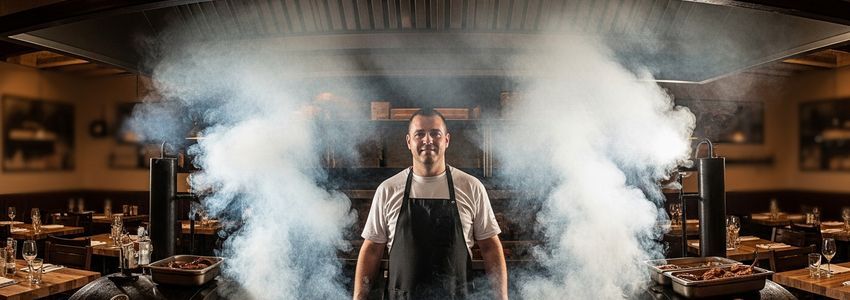
The world of barbecue is built on passion, patience, and a deep respect for tradition. From the slow-and-low smoking of a perfect brisket to the secret blend of spices in a signature rub, every detail matters. But while passion fuels the fire, capital keeps the doors open. Running a successful barbecue restaurant requires more than just culinary skill; it demands significant financial investment in specialized equipment, high-quality ingredients, and a welcoming space for customers. This is where barbecue restaurant business loans become an essential ingredient for growth and stability. These tailored financing solutions provide the necessary capital to turn a beloved local spot into a thriving enterprise.
Whether you're looking to upgrade your smoker, expand to a second location, or simply manage the seasonal ebb and flow of cash, securing the right funding can be a game-changer. The challenge for many pitmasters and restaurateurs is navigating the complex world of commercial finance. Traditional lenders may not fully appreciate the unique business model of a BBQ joint, from its high upfront equipment costs to its specific inventory needs. Understanding the different types of loans available, the qualification requirements, and how to best leverage the funds is critical for making informed decisions that will help your business sizzle, not fizzle.
This comprehensive guide will walk you through every aspect of barbecue restaurant financing. We’ll break down what these loans are, the benefits they offer, and the specific ways they can be used to elevate your business. From purchasing a new commercial-grade smoker to launching a marketing campaign that gets the whole town talking, the right financing partner can help you achieve your goals. At Crestmont Capital, we understand the unique financial heartbeat of the restaurant industry and are dedicated to helping pitmasters like you get the funding you need to succeed.
In This Article
- What Are Barbecue Restaurant Business Loans?
- Key Benefits of BBQ Restaurant Financing
- How BBQ Restaurant Loans Work
- Types of Financing for Barbecue Restaurants
- What Barbecue Restaurant Financing Can Fund
- Who Qualifies for BBQ Restaurant Business Loans?
- Barbecue Restaurant Loans vs. Other Financing Options
- Real-World Scenarios: How BBQ Restaurants Use Financing
- How Crestmont Capital Helps BBQ Restaurant Owners
- How to Get Started
- Frequently Asked Questions
- Conclusion
What Are Barbecue Restaurant Business Loans?
Barbecue restaurant business loans are not a single, one-size-fits-all product. Instead, they represent a broad category of financial solutions specifically designed to meet the unique capital needs of businesses in the barbecue industry. Unlike a generic business loan, these financing options are often structured and underwritten with an understanding of the specific challenges and opportunities that pitmasters face. This includes the high cost of specialized cooking equipment, the need for consistent working capital to purchase bulk meat and wood, and the capital required for renovations or expansion.
The core purpose of these loans is to provide accessible capital that empowers owners to invest in their business's growth, efficiency, and long-term stability. A BBQ restaurant's success hinges on its ability to produce a consistent, high-quality product, which often requires expensive, specialized gear. A commercial-grade offset smoker, for example, can cost tens of thousands of dollars-an amount that can be difficult to pay out-of-pocket without depleting essential cash reserves. Financing allows you to acquire these critical assets while maintaining healthy cash flow for day-to-day operations.
Furthermore, the barbecue business model has distinct operational characteristics. The slow-cooking process means inventory management is crucial; you're not just ordering ingredients for the day but investing in meats like brisket that require significant time and resources before they can be sold. Seasonal demand can also create cash flow gaps, with busy summer months contrasting with slower winter periods. A business loan or line of credit can act as a financial buffer, ensuring you can cover payroll, rent, and inventory costs regardless of seasonal fluctuations. Ultimately, these loans are strategic tools that help owners move beyond surviving and start thriving, enabling them to scale their operations, enhance their customer experience, and build a lasting brand.
Key Benefits of BBQ Restaurant Financing
Securing dedicated financing for your barbecue restaurant offers a multitude of strategic advantages that go far beyond a simple cash infusion. These benefits can directly impact your operational efficiency, growth potential, and overall financial health.
- Acquire Mission-Critical Equipment Without Draining Cash: The heart of any great BBQ joint is its smoker. Commercial smokers, rotisseries, grills, and holding cabinets are significant investments. Financing allows you to obtain the best possible equipment to produce a superior product, spreading the cost over time. This preserves your liquid capital for daily operational needs like payroll and inventory.
- Fuel Expansion and Growth Opportunities: Have you identified a perfect spot for a second location? Do you want to add a food truck to cater events? Or perhaps build an outdoor patio to increase seating capacity? These growth initiatives require substantial capital. A business loan provides the funds to seize these opportunities when they arise, allowing you to scale your business and increase revenue streams.
- Improve Cash Flow Management: The restaurant business is notorious for its tight margins and fluctuating cash flow. A working capital loan or a business line of credit provides a crucial safety net. It ensures you have the funds to cover unexpected expenses, like an emergency equipment repair, or to bridge revenue gaps during slower seasons without compromising operations.
- Enhance Marketing and Branding Efforts: In a competitive market, simply having great food isn't always enough. A dedicated marketing budget can help you reach new customers, build your brand online, and promote special events. Financing can fund a professional website, social media advertising campaigns, local sponsorships, and other initiatives to keep your restaurant top-of-mind.
- Boost Operational Efficiency: Upgrading from outdated equipment to modern, more efficient models can have a significant impact on your bottom line. A new energy-efficient refrigerator can lower utility bills, while a modern Point of Sale (POS) system can streamline ordering, inventory tracking, and sales reporting. Financing these upgrades can lead to long-term cost savings and smoother operations.
- Purchase Inventory in Bulk: The price of high-quality meats like brisket and pork shoulder can fluctuate. Having access to capital allows you to buy in bulk when prices are favorable, locking in lower costs and protecting your profit margins. This is especially valuable for high-volume restaurants.
How BBQ Restaurant Loans Work
Navigating the loan application process can seem daunting, but it's a structured journey. At Crestmont Capital, we've streamlined the process to be as efficient and transparent as possible. Here’s a step-by-step look at how barbecue restaurant loans typically work from application to funding.
Step 1: Assess Your Financial Needs
Before you apply, the first step is to clearly define why you need the capital and how much you require. Are you buying a specific piece of equipment? Create a detailed list with quotes from suppliers. Are you planning a renovation? Get estimates from contractors. Do you need working capital? Analyze your cash flow statements to determine the exact amount needed to cover your expenses for a set period. Having a clear, well-documented plan not only helps you request the right amount but also demonstrates to lenders that you are a responsible and well-prepared business owner.
Step 2: Gather Necessary Documentation
Lenders will need to verify your business's financial health. While requirements vary by loan type and lender, it's wise to have the following documents ready:
- Business Bank Statements: Typically the last 3-6 months.
- Credit Score: Both personal and business, if applicable.
- Tax Returns: Personal and business returns for the past 1-2 years.
- Business Plan: Especially important for new businesses or large expansion projects.
- Financial Statements: Profit & Loss (P&L) statements and balance sheets.
- Equipment Quotes or Project Estimates: For use-of-funds verification.
Step 3: Complete the Application
With a clear need and your documents in hand, the next step is to complete the loan application. Many modern lenders, including Crestmont Capital, offer a simple online application that can be completed in minutes. Be prepared to provide basic information about your business, such as its legal name, time in business, annual revenue, and details about the ownership structure.
Step 4: Underwriting and Review
Once your application is submitted, it enters the underwriting phase. This is where the lender's team reviews your financial documents, credit history, and the overall health of your business. They assess the risk associated with the loan and determine your eligibility for various financing products. An underwriter may reach out with follow-up questions or to request additional documentation during this stage.
Step 5: Receive and Review Your Offer(s)
If your application is approved, you will receive a formal offer or multiple offers. This document will detail the specifics of the financing, including the total loan amount, the interest rate (or factor rate), the repayment term (how long you have to pay it back), and the frequency of payments (daily, weekly, or monthly). It is crucial to review this offer carefully and ensure you understand all the terms and conditions before accepting.
Step 6: Acceptance and Funding
After you've reviewed and accepted the loan offer, you'll sign the final loan agreement. Once the paperwork is complete, the funds are disbursed. With lenders like Crestmont Capital, this final step is incredibly fast. Depending on the loan type, funds can be deposited directly into your business bank account in as little as 24 hours. You can then immediately put the capital to work, firing up your new smoker, starting your renovation, or stocking up on inventory.
Ready to Fire Up Your Growth?
See what financing options your BBQ restaurant qualifies for in minutes. Fast, simple, no-obligation.
Apply Now →Types of Financing for Barbecue Restaurants
There is a diverse menu of financing options available to barbecue restaurant owners. The best choice for your business depends on your specific needs, financial situation, and long-term goals. Understanding the key differences between these products is essential for making an informed decision.
Term Loans
A traditional term loan provides a lump sum of capital that you repay over a set period (the "term") with fixed, regular payments. These loans are incredibly versatile and can be used for a wide range of purposes, such as renovations, debt consolidation, or opening a new location. Terms can range from one to ten years, and interest rates are often fixed, making budgeting predictable.
SBA Loans
Backed by the U.S. Small Business Administration, SBA loans offer some of the most favorable terms available, including long repayment periods and low interest rates. The two most common types for restaurants are the 7(a) loan, which is highly flexible, and the 504 loan, which is specifically for major fixed assets like real estate or heavy equipment. While the application process can be more intensive, the excellent terms make them a top choice for well-qualified businesses.
Business Line of Credit
A business line of credit functions like a credit card for your business. You are approved for a certain credit limit and can draw funds as needed, up to that limit. You only pay interest on the amount you've drawn. Once you repay the funds, your available credit is replenished. This is an excellent tool for managing cash flow, handling unexpected expenses, or seizing small opportunities without needing to apply for a new loan each time.
Equipment Financing
This is one of the most popular options for BBQ restaurants. Restaurant equipment financing is designed specifically for the purchase of new or used equipment. The equipment itself typically serves as the collateral for the loan, which can make it easier to qualify for than other types of financing. This is the ideal solution for buying smokers, grills, refrigeration units, or a new POS system.
Working Capital Loans
Short-term working capital loans are designed to cover everyday operational expenses. They provide a quick injection of cash to help you manage payroll, purchase inventory, fund a marketing campaign, or bridge a seasonal revenue gap. These loans typically have shorter repayment terms and are valued for their speed and accessibility, often funding within 24-48 hours.
Comparison of BBQ Restaurant Loan Types
| Loan Type | Typical Loan Amount | Term Length | Best For | Funding Speed |
|---|---|---|---|---|
| Term Loan | $25,000 - $500,000+ | 1 - 10 years | Large, one-time investments like expansion or major renovations. | 1 - 2 weeks |
| SBA Loan | Up to $5 Million | 10 - 25 years | Real estate purchase, business acquisition, major long-term projects. | Several weeks to months |
| Business Line of Credit | $10,000 - $250,000 | Revolving | Ongoing cash flow management, unexpected expenses, small projects. | A few days to 1 week |
| Equipment Financing | Up to 100% of equipment cost | 2 - 7 years | Purchasing smokers, grills, refrigeration, POS systems, etc. | 2 - 5 business days |
| Working Capital Loan | $5,000 - $250,000 | 3 - 18 months | Inventory purchase, payroll, marketing, bridging seasonal gaps. | As fast as 24 hours |
By the Numbers
Barbecue Restaurant Financing - Key Statistics
82%
Of restaurant failures are caused by poor cash flow management, highlighting the need for working capital. (Source: NPR)
$50,000+
The average cost for essential cooking equipment in a new small-to-midsize restaurant. (Source: Industry Data)
37%
Of small businesses seek financing to expand their business or pursue new opportunities. (Source: SBA.gov)
$1 Trillion
Projected sales for the U.S. restaurant industry in 2024, showing strong continued demand. (Source: National Restaurant Association)
What Barbecue Restaurant Financing Can Fund
The versatility of restaurant business loans means the capital can be deployed across virtually every area of your BBQ operation. Smart investments funded by a loan can drive revenue, improve efficiency, and enhance the customer experience. Here are some of the most common and impactful uses for financing in a barbecue restaurant.

Core Cooking and Kitchen Equipment
This is often the primary driver for seeking financing. The quality of your barbecue is directly tied to the quality of your cookers.
- Commercial Smokers: Upgrade to a larger offset, rotisserie, or pellet smoker to increase your cooking capacity and consistency.
- Grills and Charbroilers: Essential for finishing ribs, chicken, and other items with the perfect char.
- Refrigeration: Walk-in coolers and freezers are non-negotiable for safely storing large quantities of meat.
- Holding Cabinets: Crucial for keeping briskets and pork butts at the perfect temperature for hours without drying them out.
- Kitchen Hood and Ventilation Systems: A necessary and expensive component for safety and code compliance in any commercial kitchen.
Expansion and Renovation Projects
Financing can turn your vision for a bigger, better restaurant into a reality.
- Opening a Second Location: Cover the costs of a lease deposit, build-out, initial inventory, and staffing for a new branch.
- Patio and Outdoor Seating: A popular addition that can dramatically increase your seating capacity and appeal during warmer months.
- Dining Room Remodel: Update your decor, furniture, and lighting to create a more inviting atmosphere for your guests.
- Kitchen Expansion: Reconfigure your kitchen layout for a more efficient workflow and add space for new equipment.
Working Capital and Operational Needs
These funds keep the business running smoothly day-to-day.
- Inventory Purchases: Buy meat, wood, spices, and paper goods in bulk to manage costs and ensure you never run out of your most popular items.
- Payroll and Staffing: Hire additional cooks, servers, or managers to handle increased demand or to prepare for a new location opening.
- Marketing and Advertising: Launch a digital ad campaign, sponsor a local food festival, or hire a PR firm to boost your restaurant's visibility.
- Unexpected Repairs: Cover the cost of a sudden breakdown of your walk-in cooler or HVAC system without disrupting service.
- Technology Upgrades: Invest in a modern POS system, online ordering platform, or a customer loyalty program to streamline operations and drive repeat business. For more detailed insights on this, check out our report on restaurant financing data and trends.
Key Insight: Using financing for a new POS system can provide an immediate return on investment. Modern systems can improve order accuracy, speed up service, provide valuable sales data, and manage inventory-all of which contribute to a healthier bottom line.
Who Qualifies for BBQ Restaurant Business Loans?
Lenders evaluate several key factors to determine a business's eligibility for financing and to assess the level of risk involved. While specific requirements can vary between different loan products and financial institutions, the following criteria are almost always part of the equation. Understanding these factors can help you prepare a stronger application.
Credit Score
Your personal and business credit scores are a primary indicator of your financial responsibility. For most traditional and alternative loans, a personal credit score of 650 or higher is preferred. Higher scores will generally unlock better interest rates and more favorable terms. While some financing options are available for owners with lower credit scores, the costs are typically higher. Building and maintaining a strong credit history is one of the best things you can do to improve your financing prospects.
Time in Business
Lenders want to see a track record of stability and success. Most prefer to work with businesses that have been operational for at least one to two years. This history provides concrete data on revenue, profitability, and your ability to manage the business through different cycles. Startups can still find financing, but they often need to present a very strong business plan, have excellent personal credit, and may need to provide collateral or a personal guarantee.
Annual Revenue
Your restaurant's annual gross revenue is a direct measure of its market viability and its ability to generate enough income to support loan repayments. Lenders will have minimum revenue thresholds, which might range from $100,000 to $250,000 or more per year, depending on the loan size and type. Consistent or growing revenue is a very positive signal to underwriters.
Cash Flow and Profitability
Beyond top-line revenue, lenders will analyze your business bank statements to assess your average daily balance and cash flow patterns. They want to see that you consistently have enough cash on hand to cover your existing operating expenses with room to spare for a new loan payment. Profitability, as shown on your P&L statements, demonstrates the underlying financial health of your operation.
Business Plan
For large loans, expansion projects, or new businesses, a comprehensive business plan is essential. This document should outline your business concept, target market, competitive analysis, marketing strategy, and detailed financial projections. It shows lenders that you have a clear vision and a strategic plan for using their capital to generate a return.
Barbecue Restaurant Loans vs. Other Financing Options
While business loans are a primary tool for funding, they aren't the only option available. It's helpful to compare them against other common methods of raising capital to understand which path is right for your specific situation.
| Financing Option | Control | Repayment Structure | Speed | Best For |
|---|---|---|---|---|
| Business Loans | You retain 100% ownership and control of your business. | Fixed, predictable payments over a set term. Creates debt on the balance sheet. | Fast (24 hours to a few weeks, depending on type). | Specific projects like equipment purchase, expansion, or working capital needs. |
| Personal Loans / Savings | You retain 100% control, but you are mixing personal and business finances. | Varies. Savings have no repayment; personal loans have fixed payments. | Instant (savings) to a few days (personal loan). | Very small startup costs or minor expenses. Puts personal assets at risk. |
| Crowdfunding | You retain control, but must deliver on promised rewards or updates to backers. | No repayment of capital, but requires fulfilling rewards (e.g., free meals, merchandise). | Slow. Campaigns can take months to plan and execute. | Generating buzz for a new opening or special project while raising smaller amounts of capital. |
| Angel Investors / Partners | You give up a percentage of ownership (equity) and some decision-making control. | No direct repayment; investors are paid through a share of profits or an eventual sale of the business. | Very slow. Finding the right investor and negotiating terms can take many months. | Large-scale, high-growth-potential ventures where you also need mentorship and industry connections. |
Don't Let Financing Slow Your Sizzle.
Our streamlined process gets you the capital you need, fast. Explore your options with Crestmont Capital today.
Apply Now →Real-World Scenarios: How BBQ Restaurants Use Financing
To better understand the practical application of barbecue restaurant business loans, let's explore some detailed, real-world scenarios that owners commonly face.
Scenario 1: The Smoker Upgrade for "Smoky Hollow BBQ"
The Challenge: Smoky Hollow BBQ, a popular spot open for three years, is constantly selling out of brisket by 7 p.m. Their current smoker can't keep up with demand, forcing them to turn away customers and lose potential revenue. The owner, Dave, wants to buy a new, high-capacity rotisserie smoker that can triple his output.
The Solution: Dave applies for equipment financing. The smoker costs $35,000. Because the smoker itself acts as collateral, the application process is quick and requires minimal paperwork. He is approved for a 5-year equipment loan with a fixed monthly payment.
The Outcome: With the new smoker, Smoky Hollow can now meet peak demand, increasing its daily sales by over 40%. The additional revenue easily covers the monthly loan payment, and the restaurant's profits grow significantly. Dave also improves his product consistency and reduces labor, as the new smoker requires less hands-on management.
Scenario 2: The Second Location for "Ribs & Racks"
The Challenge: "Ribs & Racks" has become a regional favorite, with customers driving from the next county over. The owners, Maria and Carlos, see a massive opportunity to open a second, larger location in a bustling neighboring town. They need capital for the down payment on a commercial property, extensive renovations, and initial operating costs.
The Solution: With a strong business history and excellent credit, Maria and Carlos apply for an SBA 7(a) loan. The process is thorough, requiring a detailed business plan, financial projections for the new location, and personal financial statements. The favorable long-term repayment (10 years for working capital/equipment, 25 for real estate) and low interest rate make it the ideal choice for such a large project.
The Outcome: They secure a $750,000 SBA loan. They use the funds to purchase and build out the new restaurant, which opens to huge fanfare. The second location is an immediate success, doubling the company's overall revenue within the first year and establishing "Ribs & Racks" as a dominant brand in the region.
Scenario 3: The Seasonal Slump for "The Rolling Pit" Food Truck
The Challenge: "The Rolling Pit," a BBQ food truck, does incredible business during the spring, summer, and fall festival season. However, business slows dramatically during the cold winter months. The owner, Jen, struggles to cover fixed costs like insurance, storage, and her own salary during this three-month period.
The Solution: Jen secures a $25,000 working capital loan at the beginning of winter. The application is fast, and she receives the funds in two days. This capital injection acts as a bridge, allowing her to comfortably cover all her expenses without stress.
The Outcome: Instead of shutting down, Jen uses the quiet time and the extra capital to invest in marketing for the upcoming season, book events further in advance, and perform needed maintenance on her truck. When spring arrives, she is better prepared than ever and has her most profitable season yet, easily repaying the short-term loan.
Scenario 4: The Patio Expansion for "The Brisket Barn"
The Challenge: The Brisket Barn is a small, cozy restaurant with limited indoor seating. On beautiful days, the owner, Tom, sees potential customers leave because there's nowhere to sit. He has an adjacent outdoor space that is perfect for a patio, which could add 40 seats.
The Solution: Tom applies for a $50,000 medium-term loan to fund the construction of a covered patio, purchase outdoor furniture, and install heaters for cooler evenings. He presents quotes from contractors and a clear projection of how the increased seating will boost revenue.
The Outcome: The new patio is a massive hit. It increases the restaurant's seating capacity by 60% and becomes the most requested dining area. His revenue during the warmer six months of the year increases by over 50%, paying for the investment in less than two years and dramatically increasing the value of his business.
How Crestmont Capital Helps BBQ Restaurant Owners
At Crestmont Capital, we're more than just a lender; we're a financing partner dedicated to the success of restaurant owners. We understand that the world of barbecue is unique, and we've tailored our services to meet the specific needs of pitmasters and restaurateurs. Our deep expertise in the food and beverage industry allows us to see the potential in your business and provide the capital to help you realize it.
We pride ourselves on a fast, transparent, and consultative approach. We know that when you need a new smoker or have an opportunity to expand, time is of the essence. Our streamlined online application takes just minutes to complete, and our dedicated funding specialists work quickly to find the best possible financing solutions for your specific circumstances. We offer a full menu of funding products, ensuring we have the right fit for any need.
Whether you need to finance a single piece of commercial kitchen equipment or are looking for a comprehensive funding package for a major expansion, our team is here to guide you. Our offerings include:
- Fast Working Capital Loans: Get the funds you need for inventory, payroll, or marketing in as little as 24 hours.
- Flexible Business Lines of Credit: Manage your cash flow effectively with a revolving credit line you can access anytime.
- Specialized Restaurant Equipment Financing: Acquire the smokers, grills, and coolers your business needs to thrive with terms that make sense for your budget.
- Growth-Oriented Term Loans: Secure the capital for significant projects like renovations, technology upgrades, or opening a new location.
- SBA Loan Expertise: Navigate the complexities of the SBA loan process with our expert guidance to secure the best rates and terms available.
Our commitment is to build long-term relationships. We're here to support your BBQ restaurant not just for one transaction, but as a reliable financial partner throughout your growth journey. Let us handle the financing, so you can focus on what you do best: crafting unforgettable barbecue.
How to Get Started
Complete our secure, simple application at offers.crestmontcapital.com/apply-now. It’s fast, free, and won’t impact your credit score.
A dedicated specialist will contact you to discuss your business needs, review your qualifications, and explain your best financing options in clear, simple terms.
Once you choose the best offer for your BBQ restaurant, you can sign the documents electronically and receive your funds directly in your business bank account, often within 24 hours.
Get the Funding Your BBQ Business Deserves.
Take the first step towards your business goals. Our simple application is your gateway to the best financing in the industry.
Apply Now →Frequently Asked Questions
What is the minimum credit score needed for a barbecue restaurant loan?
While requirements vary, most lenders prefer a personal credit score of 650 or higher for the best rates and terms. However, at Crestmont Capital, we have financing options available for business owners with a wide range of credit profiles. Factors like strong revenue and time in business can often help offset a lower credit score.
Can I get financing for a brand new BBQ restaurant?
Yes, financing for a startup BBQ restaurant is possible, though it can be more challenging than for an established business. Startup financing often relies more heavily on the owner's personal credit score, industry experience, and a very detailed business plan with realistic financial projections. SBA loans are a common path for well-prepared startups.
How quickly can I receive funds?
Funding speed depends on the loan type. Working capital loans and some equipment financing options can be funded in as little as 24-48 hours after approval. Term loans may take a few days to a week, while SBA loans have a longer timeline of several weeks to a few months due to their more intensive underwriting process.
What documents are required to apply?
For a streamlined application, you'll typically need the last 3-6 months of your business bank statements. For larger loans or SBA loans, you may also need to provide business and personal tax returns, a profit and loss statement, a balance sheet, and a detailed list of how you plan to use the funds (e.g., equipment invoices).
Can I use a business loan to buy a BBQ food truck?
Absolutely. A food truck is considered business equipment, making it a perfect candidate for equipment financing. The truck itself can serve as collateral for the loan, which often simplifies the approval process. You can also use a term loan or SBA loan to cover the cost of the truck plus initial inventory and marketing expenses.
Will applying for a loan affect my credit score?
Submitting an initial application with Crestmont Capital and many other modern lenders results in a "soft pull" on your credit, which does not affect your credit score. A "hard pull," which can have a minor, temporary impact on your score, is only conducted later in the process, typically after you've reviewed and decided to move forward with a specific loan offer.
What's the difference between an interest rate and a factor rate?
An interest rate is a percentage of the principal that is charged over a period, typically expressed as an Annual Percentage Rate (APR). It's common with traditional term loans and SBA loans. A factor rate is a decimal figure (e.g., 1.25) used to calculate the total fixed cost of a loan, common with short-term working capital loans. To find the total repayment, you multiply the loan amount by the factor rate.
Can I get a loan if my restaurant has slow seasons?
Yes. Lenders who specialize in the restaurant industry understand seasonality. They will look at your overall annual revenue, not just a few slow months. A working capital loan or a business line of credit is specifically designed to help businesses manage the cash flow dips that come with seasonal fluctuations.
Is collateral always required for a BBQ restaurant loan?
No, not always. Many financing options, such as unsecured working capital loans and business lines of credit, do not require specific collateral. For equipment financing, the equipment itself serves as collateral. Larger loans, like SBA loans or traditional bank loans, may require a general lien on business assets or even specific collateral like real estate.
What are the typical repayment terms?
Repayment terms vary widely based on the loan type. Short-term working capital loans might have terms from 3 to 18 months. Equipment financing typically ranges from 2 to 7 years. Term loans can go from 1 to 10 years, and SBA loans can have terms as long as 25 years if real estate is involved.
Can I use the loan to buy out a business partner?
Yes, a business acquisition loan, often structured as a term loan or an SBA loan, can be used to finance the buyout of a partner. Lenders will assess the health of the business and the terms of the buyout agreement to structure the financing.
How much financing can my BBQ restaurant get?
The amount of financing you can qualify for depends on your business's annual revenue, profitability, cash flow, credit history, and time in business. Loan amounts can range from as little as $5,000 for a small working capital loan to over $5 million for an SBA loan for a major expansion or real estate purchase.
Can I refinance existing business debt with a new loan?
Yes, debt consolidation is a common and smart use of a new business loan. If you have multiple high-interest debts (like from credit cards or a merchant cash advance), you can take out a new term loan or SBA loan with a lower interest rate to pay them all off. This consolidates your debt into a single, more manageable monthly payment and can save you a significant amount in interest charges over time.
What if my loan application is denied?
If your application is denied, the lender is required to provide a reason. This feedback is valuable. Common reasons include low credit score, insufficient revenue or cash flow, or too short a time in business. You can use this information to improve your financial profile before reapplying. A Crestmont Capital specialist can also review your file and suggest alternative financing options you may still qualify for.
Are there any restrictions on how I can use the funds?
This depends on the loan type. Equipment financing must be used to purchase the specified equipment. However, funds from working capital loans, term loans, and lines of credit are very flexible and can be used for nearly any legitimate business purpose, including inventory, payroll, marketing, renovations, and more. The funds generally cannot be used for personal, non-business-related expenses.
Conclusion
Running a successful barbecue restaurant is a labor of love that requires dedication, skill, and a significant financial commitment. While your passion for the pit is the heart of your business, strategic financing is the fuel that powers its growth. From acquiring a state-of-the-art smoker that perfects your product to expanding your dining room to welcome more guests, capital is the key to unlocking your restaurant's full potential. Understanding and leveraging the right barbecue restaurant business loans can be the single most important business decision you make.
By partnering with a lender that understands the unique rhythm of the restaurant industry, you can secure the funding you need with terms that fit your business model. Whether you're a seasoned pitmaster looking to open a new location or a rising star needing to upgrade your equipment, Crestmont Capital is here to help you navigate your financing options and achieve your goals. Don't let a lack of capital hold your ambitions back; take the next step and invest in the future of your barbecue legacy today.
Disclaimer: The information provided in this article is for general educational purposes only and is not financial, legal, or tax advice. Funding terms, qualifications, and product availability may vary and are subject to change without notice. Crestmont Capital does not guarantee approval, rates, or specific outcomes. For personalized information about your business funding options, contact our team directly.