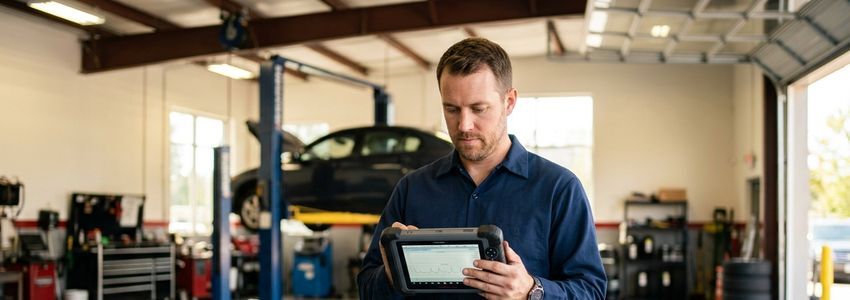
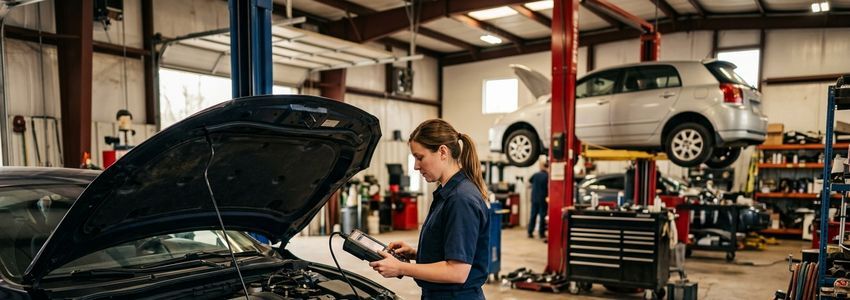
Auto diagnostic scanner financing gives auto repair shop owners a way to acquire the scan tools, code readers, and diagnostic systems their technicians need without tying up working capital in a single purchase. Modern vehicles pack dozens of onboard computers, and a shop that cannot properly diagnose a check-engine light or an ABS fault loses jobs to the competitor down the street who can. This guide walks through exactly how diagnostic scanner financing works, who qualifies, what it costs, and how to decide whether financing or leasing makes more sense for your shop.
In This Article
- What Is Auto Diagnostic Scanner Financing?
- Key Benefits of Financing Your Scan Tools
- How Diagnostic Scanner Financing Works
- Types of Diagnostic Equipment and Financing Structures
- Who Diagnostic Scanner Financing Is Best For
- Comparing Your Financing Options
- How Crestmont Capital Helps Auto Repair Shops
- Real-World Scenarios
- Frequently Asked Questions
- How to Get Started
- Conclusion
What Is Auto Diagnostic Scanner Financing?
Auto diagnostic scanner financing is a form of equipment financing that lets a repair shop spread the cost of scan tools, code readers, and full diagnostic platforms over a fixed repayment term instead of paying the full price upfront. The scanner itself typically secures the loan, which makes approval faster and more accessible than an unsecured loan of the same size.
Modern diagnostic equipment ranges from a basic OBD2 code reader that costs a few hundred dollars to a full OEM-level diagnostic system that can run $8,000 to $15,000 or more once you add software subscriptions, J2534 pass-through devices, and manufacturer-specific modules. For an independent shop or a growing franchise location, that upfront cost can be the difference between taking on European or hybrid vehicle work and turning it away.
Financing bridges that gap. Instead of waiting until you have $10,000 sitting in a business checking account, you make a manageable monthly payment while the scanner is already generating revenue on your bay floor. This is the same logic shops already apply to lifts, alignment racks, and tire machines, and it applies just as directly to diagnostic hardware and software.
Key Benefits of Financing Your Scan Tools
Paying cash for a scanner might feel simpler, but it usually is not the smartest move for a shop that wants to grow. Financing offers several concrete advantages that go beyond simply spreading out payments.
- Preserve working capital. Keep cash available for payroll, parts inventory, rent, and unexpected repairs on your own shop equipment.
- Take on more vehicle makes and models. A shop that can only run basic OBD2 codes turns away late-model imports, hybrids, and EVs. Financing the right scanner opens that revenue immediately.
- Match payments to revenue. A financed scan tool starts paying for itself in diagnostic fees and repair jobs the same week it arrives, rather than sitting as a sunk cost.
- Stay current with technology. Diagnostic software and hardware change fast as manufacturers add new modules and protocols. Financing shorter terms makes it easier to upgrade instead of being stuck with outdated equipment.
- Potential tax advantages. Many shops structure equipment financing to take advantage of Section 179 style equipment deductions in the year the equipment is placed in service; always confirm specifics with your accountant.
- Build business credit. On-time payments on an equipment loan or lease can help establish and strengthen your shop's business credit profile, which makes future financing easier to obtain.
Key Stat: There are more than 280 million registered vehicles on U.S. roads today, and the average vehicle age has climbed past 12 years, according to data highlighted by Reuters automotive coverage. Older, more complex vehicle fleets mean more diagnostic work for shops equipped to handle it.
Ready to Equip Your Shop?
Get fast, flexible equipment financing from the #1 business lender in the U.S. No obligation - apply in minutes.
Apply Now →How Diagnostic Scanner Financing Works
The process of financing a diagnostic scanner follows a predictable path, and understanding each step ahead of time makes the application move much faster.
- Get a quote from your equipment vendor. Decide which scanner, software package, and accessories you need and get a formal invoice or quote from the dealer or manufacturer.
- Apply online. Submit a short application with basic business details: time in business, monthly revenue, and the equipment cost. Most lenders do not require a mountain of paperwork for equipment financing under $50,000.
- Underwriting review. The lender reviews your business bank statements, credit profile, and the vendor quote. Because the scanner itself serves as collateral, underwriting tends to move faster than for a general unsecured loan.
- Receive your offer. You'll get a proposed rate, term length, and monthly payment. Compare the total cost of financing against the cash price to make sure the math works for your shop.
- Sign and fund. Once you accept and sign, the lender typically pays the vendor directly or funds your account so you can complete the purchase. Many shops have their new scanner in hand within a few business days.
Types of Diagnostic Equipment and Financing Structures
Not every shop needs the same diagnostic setup, and not every financing structure fits every situation. Here is a breakdown of the equipment categories shops most commonly finance, followed by the financing structures available.
Diagnostic Equipment Categories
- Generic OBD2 code readers - entry-level tools that pull basic trouble codes across most gas-powered vehicles made after 1996.
- Enhanced scan tools - mid-range platforms that add bi-directional controls, live data streaming, and coverage for ABS, airbag, and transmission modules.
- OEM-level diagnostic systems - dealer-grade platforms with full manufacturer software, often required for programming keys, modules, and advanced driver assistance systems (ADAS).
- J2534 pass-through devices - hardware that lets independent shops reflash and reprogram vehicle modules using manufacturer software, essential for warranty and recall work.
- ADAS calibration equipment - targets, frames, and alignment tools needed to recalibrate cameras and sensors after windshield or bumper repairs.
- Software subscriptions and updates - many lenders will roll the first year of required software licensing into the total financed amount.
Financing Structures
- Equipment loan. You own the scanner from day one, make fixed payments, and the equipment secures the loan.
- Equipment lease. Lower monthly payments with the option to buy out the equipment, upgrade to a newer model, or return it at the end of the term. Attractive for tools that get software updates often.
- Equipment line of credit. A revolving credit line dedicated to equipment purchases, useful for shops that add tools throughout the year rather than all at once.
- Working capital loan. A lump sum not tied specifically to the scanner, useful if you want to bundle the diagnostic purchase with other shop upgrades like a new lift or alignment rack.
Quick Guide
How Auto Diagnostic Scanner Financing Works - At a Glance
Get a vendor quote for the scan tool, software, and accessories you need.
Submit a short application with basic shop revenue and time-in-business details.
Underwriting reviews your bank statements and the vendor quote, often within hours.
Funds are released and your new diagnostic tool is on the shop floor within days.
Who Diagnostic Scanner Financing Is Best For
Diagnostic scanner financing tends to make the most sense for a specific set of shop owners and situations, though the flexibility of modern equipment financing means most repair businesses can benefit.
- Independent shops expanding vehicle coverage. If you are turning away hybrid, EV, or European vehicle work because you lack the right scan tool, financing lets you capture that revenue immediately.
- Multi-bay shops adding a second or third scanner. Waiting for one technician to finish diagnostics before another can start costs you billable hours. Financing a second unit keeps every bay productive.
- Collision and body shops adding ADAS calibration. As more vehicles ship with lane-assist cameras and radar sensors, calibration equipment has gone from optional to mandatory for many repair jobs.
- Shops with limited cash reserves. Financing lets a newer or smaller shop compete on capability without depleting the cash cushion needed for payroll and parts.
- Fleet maintenance operations. Businesses running their own delivery, service, or work-truck fleets often need diagnostic equipment in-house rather than paying a third party for every check-engine light.
Comparing Your Financing Options
Once you know you want to finance rather than pay cash, the next decision is which financing product fits your shop best. The right answer depends on how long you plan to keep the equipment, how quickly you need it, and how your cash flow moves throughout the year.
| Financing Type | Best Use Case | Funding Speed | Typical Term |
|---|---|---|---|
| Equipment Loan | Own the scanner outright, longer-term use | 1-5 days | 2-5 years |
| Equipment Lease | Lower payments, plan to upgrade software/hardware | 1-3 days | 2-4 years |
| Equipment Line of Credit | Adding tools throughout the year | Same-day draws once approved | Revolving |
| Working Capital Loan | Bundling scanner with other shop upgrades | 1-2 days | 3-18 months |
| SBA Loan | Larger shop buildout including diagnostic bay | 30-90 days | 7-10 years |
Loan vs. lease. A loan makes sense when you expect to use the same scanner for years without needing frequent hardware upgrades. A lease makes more sense for OEM-level platforms where manufacturers push regular software and even hardware revisions, since it is easier to roll into a new unit at the end of the term.
Owning vs. financing outright with cash. Even shops that can afford to pay cash often choose financing to preserve liquidity for payroll and parts inventory, especially heading into a slower season.
How Crestmont Capital Helps Auto Repair Shops
Crestmont Capital works with auto repair shops, collision centers, and fleet maintenance operations across the country to fund the equipment that keeps bays running and technicians busy. Our equipment financing programs are built specifically for scenarios like a shop adding a new scan tool, an ADAS calibration system, or a full diagnostic bay upgrade.
We also offer equipment leasing for shops that would rather keep payments low and stay current with the newest diagnostic software as manufacturers roll out updates. For shops that already have equipment in place but want to add newer or used units, our used equipment financing program covers previously owned scan tools and diagnostic platforms as well.
If your shop needs broader flexibility beyond a single piece of equipment, our business line of credit and unsecured working capital loans give you access to cash for parts inventory, payroll, or additional shop upgrades alongside your diagnostic equipment purchase.
Many of the same principles apply across shop equipment categories. If you are also considering a new lift, our car lift financing guide covers similar underwriting criteria, and our auto repair shop financing guide walks through broader funding options for shop owners planning a larger buildout.
- Speed: A simple online application with approvals often returned within hours and funding in as little as 24-48 hours.
- Flexibility: Choose between a loan, lease, line of credit, or working capital structure based on how your shop actually operates.
- High approval rates: Underwriting looks at your shop's cash flow and revenue, not just a credit score, giving more shops a real path to approval.
- Dedicated support: A financing specialist walks you through the numbers so you understand the true cost before you sign anything.
Pro Insight: Before you apply, get an itemized vendor quote that separates hardware, software licensing, and any training or installation fees. A clean, itemized quote speeds up underwriting and helps you compare true costs across financing offers.
Stop Turning Away Diagnostic Work
Finance the scan tools your shop needs today and pay for them out of the revenue they generate. Apply in minutes.
Apply Now →Real-World Scenarios
Scenario 1: The Independent Shop Adding European Coverage
The Business: "Route 9 Auto," a two-bay independent shop that has historically focused on domestic vehicles.
The Challenge: Local demand for BMW and Mercedes service has grown, but the shop's basic code reader cannot handle manufacturer-specific diagnostics or key programming.
The Solution: The owner finances a $9,500 OEM-level diagnostic system with a 3-year equipment loan, keeping monthly payments under $300.
The Outcome: Within two months the shop accepts its first European diagnostic jobs, generating enough incremental revenue to cover the payment more than three times over.
Scenario 2: The Collision Center Adding ADAS Calibration
The Business: "Crestview Collision," a body shop that repairs late-model vehicles with lane-assist and adaptive cruise control.
The Challenge: Insurance partners increasingly require in-house ADAS calibration rather than outsourcing to a third-party calibration center, which was slowing down cycle time.
The Solution: The shop leases a $14,000 calibration target system and diagnostic scanner bundle over 36 months, keeping cash reserves intact for parts.
The Outcome: Average repair cycle time drops by nearly two days per vehicle, and the shop captures calibration billing that previously went to an outside vendor.
Scenario 3: The Multi-Bay Shop Adding a Second Scanner
The Business: "Harbor Line Auto Care," a six-bay shop running two technicians short-handed on diagnostic capacity.
The Challenge: Technicians were waiting to share a single scan tool, creating bottlenecks during the busy morning rush.
The Solution: The owner draws $6,000 from an equipment line of credit to purchase a second enhanced scan tool.
The Outcome: Diagnostic throughput nearly doubles during peak hours, and the shop books two to three additional vehicles per day.
Scenario 4: The Fleet Maintenance Operation Going In-House
The Business: "Coastal Delivery Services," a company running 40 delivery vans that previously paid a third-party shop for every diagnostic check.
The Challenge: Outsourced diagnostics were costing thousands per month and adding downtime while vans waited for an outside appointment.
The Solution: The company finances a fleet-grade diagnostic system and J2534 pass-through device with a working capital loan.
The Outcome: In-house diagnostics cut van downtime significantly and the equipment pays for itself within the first year in avoided third-party fees.
Frequently Asked Questions
What is auto diagnostic scanner financing?
Auto diagnostic scanner financing is an equipment financing product that lets an auto repair shop spread the cost of a scan tool, code reader, or full diagnostic system over fixed monthly payments instead of paying the full purchase price upfront.
How much does a professional diagnostic scanner cost?
Basic OBD2 readers can cost a few hundred dollars, while enhanced scan tools typically run $1,500 to $5,000. Full OEM-level diagnostic systems with software licensing and pass-through devices can range from $8,000 to $15,000 or more.
What credit score do I need to qualify?
Requirements vary by lender, but many equipment financing programs approve applicants with personal credit scores as low as 600, since the scanner itself secures the loan and reduces the lender's risk.
How fast can I get funded?
Equipment financing for diagnostic tools typically funds within one to five business days once you submit a vendor quote and complete the application. Smaller equipment lines of credit can sometimes fund same-day after initial approval.
Should I lease or take out a loan for a scan tool?
A loan makes sense if you plan to use the same scanner for years and want to own it outright. A lease often makes more sense for OEM-level platforms that receive frequent software and hardware updates, since it is easier to upgrade at the end of the term.
Can I finance software subscriptions along with the hardware?
Many lenders will include the first year of required software licensing in the total financed amount, since ongoing software access is often necessary for the scanner to function on newer vehicles.
What documents do I need to apply?
Most applications require a vendor quote for the equipment, your last three to six months of business bank statements, and basic business information such as time in operation and monthly revenue.
Can I finance a used diagnostic scanner?
Yes. Used equipment financing programs cover previously owned scan tools and diagnostic platforms, which can be a cost-effective way to add capability without paying full price for a brand-new unit.
Is a down payment required?
Many equipment financing programs require little to no down payment, especially for established shops with strong revenue. Newer shops or larger equipment purchases may require a modest down payment to secure the most favorable terms.
What happens if my shop is seasonal?
Some lenders can structure payment schedules around predictable seasonal cash flow, though standard equipment loans typically use a fixed monthly payment. Discuss your revenue pattern with your financing specialist before signing.
Can I add ADAS calibration equipment to the same financing?
Yes. Many shops bundle a diagnostic scanner with ADAS calibration targets and frames into a single equipment financing package, since both are often needed for the same repair jobs on newer vehicles.
Will financing hurt my personal credit score?
Initial applications generally involve a soft credit pull that does not affect your score. A hard pull typically only occurs once you accept a specific financing offer, and on-time payments afterward can help build your credit profile.
What is the difference between an equipment loan and an equipment lease?
With a loan, you own the scanner from the start and build equity with every payment. With a lease, you typically make lower monthly payments and choose at the end of the term to buy out the equipment, upgrade to a newer model, or return it.
Can a brand-new shop qualify for diagnostic equipment financing?
Startup shops can qualify, though options may be more limited without an operating history. A strong personal credit score, a solid business plan, and a modest down payment can help a newer shop secure equipment financing.
How do I get started with Crestmont Capital?
Submit a short online application with your vendor quote and basic shop information. A financing specialist will review your options and walk you through the approved terms before you sign anything.
How to Get Started
Get an Itemized Vendor Quote
Decide on the scanner, software, and any calibration accessories, and get a written quote from your equipment vendor.
Apply Online in Minutes
Submit our secure, one-page application with basic details about your shop. It won't impact your credit score.
Review Your Offer
A dedicated financing specialist walks you through your approved rate, term, and monthly payment.
Get Your Scanner and Get to Work
Once you sign, funds are released and your new diagnostic equipment is on the shop floor within days.
Ready to Upgrade Your Diagnostic Capability?
Get the scan tools your technicians need with financing built for auto repair shops. Apply in minutes.
Apply Now →Conclusion
Auto diagnostic scanner financing gives repair shop owners a practical way to stay ahead of increasingly complex vehicle technology without draining cash reserves. Whether you need a single enhanced scan tool, a full OEM-level diagnostic platform, or a complete ADAS calibration setup, financing lets the equipment start paying for itself the moment it hits your bay floor.
As vehicles on the road keep getting more computerized and the average car keeps getting older, the shops that invest in proper diagnostic capability are the ones capturing the work that less-equipped competitors have to turn away. Explore your financing options today and put the right scan tool to work in your shop.
Disclaimer: The information provided in this article is for general educational purposes only and is not financial, legal, or tax advice. Funding terms, qualifications, and product availability may vary and are subject to change without notice. Crestmont Capital does not guarantee approval, rates, or specific outcomes. For personalized information about your business funding options, contact our team directly.