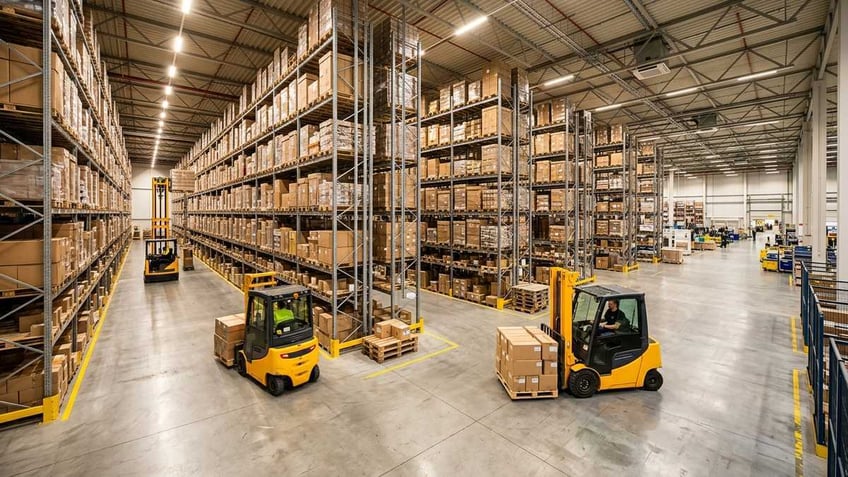
Financing Equipment That Reduces Labor Costs: A Smarter Way to Grow Without Hiring More Staff

Financing Equipment That Reduces Labor Costs: A Smarter Way to Grow Without Hiring More Staff

Financing Equipment That Reduces Labor Costs: A Smarter Way to Grow Without Hiring More Staff

Rising wages, labor shortages, and operational inefficiencies are forcing many businesses to rethink how they grow. Instead of hiring more employees, companies across manufacturing, healthcare, construction, logistics, and professional services are investing in automation and productivity-enhancing machinery. Financing equipment that reduces labor costs allows businesses to upgrade operations without draining cash reserves, making it one of the most effective strategies for sustainable growth.

Credit Line Strategies for Managing Multiple Locations

Credit Line Strategies for Managing Multiple Locations

Credit Line Strategies for Managing Multiple Locations

Expanding from one location to several is a milestone many business owners work years to achieve. But once the excitement fades, reality sets in: managing cash flow across multiple locations is significantly more complex than running a single storefront or office. Inventory cycles vary, payroll dates stack up, unexpected repairs happen simultaneously, and growth rarely waits for perfect timing.

Using Equipment Financing to Move Into New Regions

Using Equipment Financing to Move Into New Regions

Using Equipment Financing to Move Into New Regions

Expanding into new geographic regions is one of the most effective ways to grow revenue, diversify risk, and strengthen long-term business value. But regional expansion almost always requires significant upfront investment in vehicles, machinery, technology, or specialized tools. This is where equipment financing becomes a strategic growth tool rather than just a funding option.

Instead of tying up working capital or delaying expansion plans, businesses can use equipment financing to acquire the assets they need now while preserving liquidity for hiring, marketing, and operations. When structured correctly, equipment financing allows companies to scale faster, enter new markets confidently, and generate returns from expansion before the equipment is fully paid off.

This guide explains how equipment financing works for regional growth, the benefits and trade-offs, and how Crestmont Capital helps businesses use it strategically when expanding into new territories.


What equipment financing is and why it matters for regional expansion

Equipment financing is a form of business funding specifically designed to help companies purchase or lease equipment needed to operate or grow. The equipment itself typically serves as collateral, which often leads to lower rates and longer repayment terms compared to unsecured financing.

When businesses move into new regions, equipment needs multiply quickly. A company may need additional service vehicles, manufacturing machines, medical devices, construction equipment, or point-of-sale systems before opening doors in a new market. Paying cash for these assets can slow expansion or strain working capital. Equipment financing spreads the cost over time, aligning payments with revenue generated in the new region.

According to the U.S. Small Business Administration, access to capital remains one of the biggest constraints for small and mid-sized businesses pursuing growth. Equipment financing addresses this challenge by enabling expansion without overextending cash reserves.


The key benefits of using equipment financing to enter new markets

Equipment financing offers several advantages for companies planning geographic expansion.

  • Preserves cash flow by avoiding large upfront capital expenditures

  • Enables faster market entry by acquiring equipment immediately

  • Matches costs with revenue generated in the new region

  • Often provides tax advantages through depreciation or expensing

  • Protects existing credit lines and working capital

  • Reduces risk by limiting exposure to a single large cash outlay

For businesses scaling into unfamiliar regions, maintaining liquidity is essential. Equipment financing allows leadership teams to invest simultaneously in equipment, staffing, marketing, and compliance without choosing one priority at the expense of another.


How equipment financing works step by step

Understanding the process helps businesses plan expansion timelines more effectively.

Step one: Identify equipment needs by region

Start by assessing what assets are required to operate successfully in the new market. This may include vehicles, production equipment, medical devices, restaurant equipment, or technology systems.

Step two: Determine the right financing structure

Businesses can choose between loans, leases, or hybrid structures depending on usage, asset lifespan, and tax strategy.

Step three: Apply with financial and operational documentation

Lenders typically review time in business, revenue, credit profile, and equipment details. Because the equipment acts as collateral, approvals are often faster than unsecured funding.

Step four: Equipment purchase and deployment

Once approved, funds are paid directly to the vendor or seller, allowing immediate delivery and deployment in the new region.

Step five: Repayment aligned with cash flow

Payments are made over a fixed term while the equipment generates revenue, supporting sustainable growth.


Types of equipment financing options for multi-region growth

Different expansion strategies call for different financing structures.

Equipment loans

Equipment loans allow businesses to own the asset outright while paying over time. These are well-suited for long-term expansion where the equipment will be used for many years.

Equipment leasing

Leases provide lower monthly payments and flexibility for businesses entering new markets with uncertain demand. This option works well when technology or equipment may need frequent upgrades.

Sale-leaseback arrangements

Companies that already own equipment can unlock capital by selling it and leasing it back, freeing cash to support expansion into new regions.

Vendor financing

Some equipment vendors offer built-in financing programs, though terms may be less flexible than independent lenders.


Who equipment financing is best for when expanding regions

Equipment financing is particularly effective for:

  • Service businesses adding vehicles or specialized tools

  • Manufacturers expanding production capacity across locations

  • Healthcare providers opening satellite offices or clinics

  • Construction and contracting firms entering new territories

  • Hospitality and restaurant brands scaling into new cities

According to data from the U.S. Census Bureau, businesses that expand geographically often experience higher long-term revenue stability compared to those operating in a single market, making strategic financing critical during growth phases.


Equipment financing compared to other expansion funding options

Choosing the right funding method affects both risk and scalability.

Equipment financing vs. cash purchases

Cash purchases avoid interest but can severely limit liquidity and slow expansion timelines.

Equipment financing vs. business lines of credit

Lines of credit are flexible but often come with higher rates and shorter repayment terms, making them less suitable for large equipment purchases.

Equipment financing vs. SBA loans

SBA loans offer competitive rates but involve longer approval timelines, which may delay market entry.

Equipment financing vs. merchant cash advances

MCAs provide fast capital but at significantly higher costs and are generally not ideal for asset-backed expansion.


How Crestmont Capital supports regional expansion with equipment financing

Crestmont Capital works with growing businesses to structure equipment financing that aligns with expansion goals rather than short-term fixes. Their approach focuses on speed, transparency, and scalability.

Businesses can explore flexible solutions through Crestmont Capital’s dedicated equipment financing programs, designed to support growth without disrupting operations. For companies evaluating multiple funding paths, Crestmont Capital’s business loan solutions help compare equipment financing with other strategic options.

Crestmont Capital also supports businesses across industries, helping clients match equipment types with appropriate financing structures. Companies planning expansion can learn more about Crestmont Capital’s approach and experience or connect directly through the contact page to discuss expansion timelines.


Real-world scenarios where equipment financing enables regional growth

1. Service company expanding fleet operations

A regional HVAC provider used equipment financing to add service vehicles, enabling same-year expansion into two neighboring states.

2. Manufacturer opening a second production facility

A mid-sized manufacturer financed CNC machines for a new facility, allowing revenue from the new region to cover loan payments.

3. Healthcare provider adding satellite clinics

Medical equipment financing supported rapid clinic openings without requiring ownership of high-cost diagnostic tools upfront.

4. Restaurant brand entering a new metro area

Kitchen equipment financing preserved cash for staffing and marketing during initial market entry.

5. Construction firm scaling into public sector contracts

Heavy equipment financing allowed entry into larger projects without depleting bonding capacity.

Industry analysis from Reuters frequently highlights how asset-backed financing supports sustainable business expansion while managing risk exposure.


Frequently asked questions about equipment financing and regional expansion

How fast can equipment financing be approved?

Approvals often occur within days, depending on financials and equipment type, making it faster than many traditional loans.

Does expanding into a new region affect approval?

Generally no, as lenders focus on the business’s overall financial health rather than geography.

Can startups use equipment financing to expand?

Some lenders require operating history, but newer businesses may still qualify with strong revenue or collateral.

Is equipment financing tax deductible?

Interest and depreciation may be deductible depending on structure, but businesses should consult a tax professional.

What happens if expansion plans change?

Leases offer more flexibility, while loans provide ownership stability if plans evolve.

Can multiple pieces of equipment be financed together?

Yes, many lenders bundle equipment into a single financing agreement to simplify payments.

Insights from Forbes and CNBC consistently emphasize the importance of aligning financing structures with growth strategy when entering new markets.


Next steps for businesses planning regional expansion

Businesses considering expansion should start by evaluating equipment needs, revenue projections, and cash flow impact. Equipment financing works best when aligned with a clear growth plan and realistic market entry timeline.

Speaking with a financing partner early in the process allows businesses to secure terms that support long-term expansion rather than short-term pressure. Crestmont Capital helps companies map equipment financing strategies that grow with the business rather than constrain it.


Conclusion: Using equipment financing as a growth strategy

Entering new regions requires speed, capital discipline, and operational readiness. Equipment financing gives businesses the ability to scale assets alongside growth while preserving liquidity and managing risk. When used strategically, it becomes more than a funding tool—it becomes a growth enabler that supports sustainable expansion across markets.

For businesses ready to move beyond a single region, equipment financing can provide the flexibility and momentum needed to grow confidently.


Disclaimer:
The information provided in this article is for general educational purposes only and is not financial, legal, or tax advice. Funding terms, qualifications, and product availability may vary and are subject to change without notice. Crestmont Capital does not guarantee approval, rates, or specific outcomes. For personalized information about your business funding options, contact our team directly.

Loans for Building a Centralized Operations Hub

Loans for Building a Centralized Operations Hub

Loans for Building a Centralized Operations Hub

Building a centralized operations hub is one of the most impactful investments a growing company can make. By consolidating teams, systems, equipment, and workflows into a single operational center, businesses can reduce costs, improve efficiency, and scale more predictably. The challenge is that this type of expansion often requires substantial upfront capital.

How Lines of Credit Support Frequent Small Upgrades

How Lines of Credit Support Frequent Small Upgrades

How Lines of Credit Support Frequent Small Upgrades

Small, frequent upgrades are often the quiet drivers of long-term business growth. Replacing outdated equipment, refreshing software, upgrading workspaces, or making incremental improvements to operations may not feel urgent, but over time they compound into major competitive advantages. The challenge for many businesses is finding a way to pay for these upgrades without disrupting cash flow.

Equipment Financing: Funding Durable Equipment for Harsh Work Environments

Equipment Financing: Funding Durable Equipment for Harsh Work Environments

Equipment Financing: Funding Durable Equipment for Harsh Work Environments

In industries where unforgiving conditions, extreme temperatures, or heavy workloads are the norm, investing in rugged, durable equipment is essential to operational success. However, the up-front cost of such machinery, tools, and technology can be a significant barrier to growth. That’s where equipment financing comes into play — a strategic funding solution that enables businesses to acquire the resilient tools they need without draining capital reserves. In this guide, we’ll explore what equipment financing is, why funding durable equipment for harsh work environments matters, and how businesses can use this tool to stay competitive, compliant, and resilient.

Equipment Financing for Mobile Service Fleets: A Practical Guide to Growing Without Straining Cash Flow

Equipment Financing for Mobile Service Fleets: A Practical Guide to Growing Without Straining Cash Flow

Equipment Financing for Mobile Service Fleets: A Practical Guide to Growing Without Straining Cash Flow

Running a mobile service business means your fleet is your livelihood. Service vans, trucks, trailers, and specialized equipment are not optional—they’re how revenue is generated every day. For many growing companies, equipment financing for mobile service fleets provides a practical way to expand operations, replace aging assets, and stay competitive without tying up working capital.

In this guide, we’ll break down exactly how equipment financing works for mobile service fleets, the benefits and trade-offs, and how businesses use it in real-world scenarios. We’ll also explore how Crestmont Capital supports fleet-based companies with flexible funding solutions designed around operational realities.


What equipment financing for mobile service fleets really means

Equipment financing for mobile service fleets is a form of business funding that allows companies to acquire vehicles and essential equipment while spreading the cost over time. Instead of paying the full purchase price upfront, the business makes scheduled payments using the financed asset itself as collateral.

This type of financing is especially relevant for businesses that rely on mobility—industries where technicians travel to customers rather than operating from a single location. Examples include HVAC, plumbing, electrical services, mobile detailing, construction, landscaping, pest control, and field service operations.

Unlike general-purpose loans, fleet equipment financing is structured around the usable life and revenue-generating capacity of the vehicles and tools being purchased. Payments are typically aligned with cash flow, making it easier to scale responsibly.


Why mobile service businesses rely on equipment financing

Mobile service fleets face unique financial challenges. Vehicles depreciate, equipment requires constant upgrades, and customer demand often fluctuates seasonally. Equipment financing addresses these challenges in several ways.

Key benefits of equipment financing for mobile service fleets

  • Preserves cash flow by avoiding large upfront purchases

  • Enables faster fleet expansion to meet demand

  • Allows upgrades to newer, more efficient equipment

  • Keeps ownership or usage rights with the business

  • Often easier to qualify for than unsecured loans

  • Payments may be structured to align with revenue cycles

Because the equipment itself serves as collateral, lenders often offer more favorable terms compared to unsecured funding options. For fleet-heavy businesses, this creates a financing structure that supports growth without overextending resources.


How equipment financing works step by step

While terms vary by provider, the process generally follows a predictable sequence:

  1. Identify the equipment or vehicles needed
    This may include service vans, trucks, trailers, diagnostic tools, or specialized machinery.

  2. Choose a financing structure
    Options may include loans, leases, or vendor financing depending on operational goals.

  3. Submit a financing application
    Basic business information, time in operation, and equipment details are reviewed.

  4. Approval and terms review
    Approved applicants receive an offer outlining rates, payment schedules, and term length.

  5. Equipment acquisition
    Once finalized, funds are released or paid directly to the equipment vendor.

  6. Repayment over time
    Monthly or scheduled payments are made as the equipment is used to generate revenue.

This structure makes equipment financing for mobile service fleets more predictable and scalable than large lump-sum purchases.


Common types of equipment financed for mobile service fleets

Fleet-based businesses use equipment financing to fund a wide range of assets. Understanding the categories helps clarify what qualifies.

Vehicles and transportation assets

  • Service vans and cargo vans

  • Box trucks and flatbeds

  • Pickup trucks for field operations

  • Refrigerated or specialty vehicles

Tools and onboard equipment

  • HVAC systems and diagnostic tools

  • Plumbing and electrical equipment

  • Mobile lifts, generators, and compressors

  • Welding and fabrication tools

Industry-specific machinery

  • Landscaping and lawn care equipment

  • Construction and excavation machinery

  • Pest control and sanitation systems

  • Mobile repair and maintenance units

Financing structures are often customized based on the useful life and value of the equipment being financed.


Who equipment financing is best suited for

Equipment financing is not a one-size-fits-all solution, but it is particularly effective for certain business profiles.

This approach works well for:

  • Established mobile service companies expanding fleets

  • Startups with signed contracts or steady demand

  • Businesses replacing aging or unreliable vehicles

  • Companies seeking predictable monthly expenses

  • Owners who prefer not to use personal credit heavily

Fleet financing becomes especially valuable when growth opportunities are limited only by available vehicles or equipment.


Equipment financing vs. other funding options

Understanding how equipment financing compares to alternatives helps business owners make informed decisions.

Equipment financing vs. paying cash

Paying cash eliminates interest costs, but it ties up liquidity. Financing preserves working capital that can be used for payroll, marketing, or emergency repairs.

Equipment financing vs. business lines of credit

A business line of credit offers flexibility but may come with higher rates and variable limits. Equipment financing is typically lower cost and purpose-built for asset acquisition.

Crestmont Capital offers both solutions, allowing businesses to combine tools when appropriate, such as pairing fleet financing with a flexible business line of credit for operational expenses.

Equipment financing vs. short-term loans

Short-term loans can fund equipment quickly but often carry higher rates and shorter repayment periods. Equipment financing aligns payments with the asset’s revenue life, reducing financial strain.


How Crestmont Capital supports mobile service fleets

Crestmont Capital works with service-based businesses across industries to design financing solutions that match operational needs. Rather than forcing businesses into rigid funding structures, the focus is on flexibility, speed, and clarity.

Through programs like equipment financing, Crestmont Capital helps fleet operators acquire vehicles and tools without disrupting cash flow. Businesses can also explore complementary options such as working capital solutions to cover fuel, payroll, or seasonal fluctuations.

For growing companies, Crestmont Capital’s approach emphasizes:

  • Straightforward applications

  • Realistic qualification criteria

  • Clear repayment structures

  • Funding designed around business cash flow

You can learn more about Crestmont Capital’s approach and available solutions by visiting their equipment financing page or exploring their broader business funding options.


Real-world examples of equipment financing in action

HVAC company expanding into new service areas

An HVAC contractor needed three additional service vans to handle increased residential demand. Equipment financing allowed the business to add vehicles immediately, generating revenue that covered monthly payments.

Mobile auto detailing startup

A new mobile detailing company financed a fully equipped van with water reclamation and polishing systems. Financing enabled a professional launch without exhausting startup capital.

Electrical contractor replacing aging trucks

Older vehicles were causing downtime and repair costs. By financing newer trucks, the contractor reduced maintenance expenses and improved reliability.

Landscaping company preparing for peak season

Seasonal growth required additional mowers and trailers. Equipment financing spread costs across the revenue-heavy months.

Construction service provider scaling crews

A growing construction service added trucks and specialized tools, allowing multiple crews to operate simultaneously and increase project capacity.

These scenarios illustrate how equipment financing for mobile service fleets directly supports revenue growth.


Frequently asked questions about equipment financing for mobile service fleets

What credit score is needed for equipment financing?

While requirements vary, equipment financing often has more flexible credit standards than unsecured loans because the equipment itself serves as collateral.

Can new businesses qualify for fleet equipment financing?

Yes. Startups with strong contracts, invoices, or industry experience may qualify, particularly for essential revenue-generating equipment.

Are used vehicles eligible for financing?

In many cases, yes. Financing is often available for both new and used vehicles, depending on age, condition, and valuation.

How long are typical repayment terms?

Terms commonly range from 24 to 72 months, depending on the type of equipment and its expected lifespan.

Does financing affect business taxes?

Equipment financing may offer potential tax considerations related to depreciation or expense treatment. Businesses should consult a qualified tax professional.

Can multiple pieces of equipment be financed together?

Yes. Many providers allow bundling of multiple assets into a single financing agreement.


Next steps for mobile service fleet owners

If your business growth is limited by the number or condition of your vehicles and equipment, equipment financing may provide a clear path forward. The key is choosing a funding partner that understands service-based operations and fleet economics.

Review your current fleet needs, projected revenue, and cash flow. From there, explore financing structures that align with how your business actually operates.

To learn more about available options or begin the application process, visit Crestmont Capital’s apply now page or connect directly with their team to discuss your funding goals.


Conclusion

For service-based businesses on the move, the right equipment can unlock significant growth. Equipment financing for mobile service fleets offers a strategic way to acquire vehicles and tools while protecting cash flow and maintaining operational flexibility. By aligning payments with revenue and leveraging the value of the equipment itself, mobile service companies can scale confidently and sustainably.


Disclaimer:
The information provided in this article is for general educational purposes only and is not financial, legal, or tax advice. Funding terms, qualifications, and product availability may vary and are subject to change without notice. Crestmont Capital does not guarantee approval, rates, or specific outcomes. For personalized information about your business funding options, contact our team directly.

How a Credit Line Helps You Negotiate with Vendors

How a Credit Line Helps You Negotiate with Vendors

How a Credit Line Helps You Negotiate with Vendors

Vendor negotiations can make or break your bottom line. Business owners who walk into those conversations with cash on hand and flexible financing consistently secure better pricing, longer payment windows, and stronger relationships. A business line of credit is one of the most effective tools for building that leverage. When your vendors know you can pay quickly or purchase in larger volumes, the dynamics of every negotiation shift in your favor.

Eco-Friendly Equipment Financing: The Complete Guide for Business Owners

Eco-Friendly Equipment Financing: The Complete Guide for Business Owners

Eco-Friendly Equipment Financing: The Complete Guide for Business Owners

American businesses spend billions each year upgrading equipment - and a growing number of those purchases are going green. Whether you run a manufacturing plant, a commercial fleet, or a small retail operation, switching to energy-efficient equipment cuts operating costs, reduces your environmental footprint, and positions your brand for the future. But sustainable equipment often carries a higher upfront price tag, which is exactly where eco-friendly equipment financing comes in.

Merchant Cash Advance Pros and Cons: The Complete Guide to MCA Financing

Merchant Cash Advance Pros and Cons: The Complete Guide to MCA Financing

Merchant Cash Advance Pros and Cons: The Complete Guide to MCA Financing

A merchant cash advance (MCA) is one of the most widely used - and most misunderstood - small business financing tools available today. For some businesses, it's a fast and flexible lifeline that fills a gap no other product can. For others, it's an expensive debt cycle that can significantly strain cash flow. Understanding the genuine pros and cons of merchant cash advances is essential before deciding whether an MCA is the right financing move for your business.

Best Financing Options for Forklifts and Material Handling Equipment

Best Financing Options for Forklifts and Material Handling Equipment

Forklift Financing: The Complete Guide for Warehouse and Logistics Businesses

Forklifts are the workhorses of the warehouse, distribution center, and logistics industry. A single counterbalance forklift can cost $20,000 to $50,000. An electric reach truck runs $25,000 to $65,000. A large rough-terrain forklift for construction or outdoor use can exceed $80,000. For businesses that operate fleets of two, five, or ten forklifts, the capital requirements add up quickly. Paying cash for a forklift fleet is rarely the right strategic move - it depletes working capital and limits your ability to respond to other operational needs.