
 (800) 949-0401
Wrecker Business Loans: The Complete Financing Guide for Wrecker and Recovery Businesses
The wrecker and recovery industry is the backbone of our transportation system, providing essential services 24/7. To succeed and grow in this capital-intensive field, having access to the right funding is not just an advantage- it is a necessity. This comprehensive guide will explore every aspect of wrecker financing, empowering you to make informed decisions that will drive your business forward and help you secure the capital you need to thrive.
In This Article
- What Are Wrecker Business Loans?
- Benefits of Wrecker Financing
- Types of Wrecker and Recovery Business Loans
- Who Qualifies for Wrecker Business Loans?
- Loan Types Comparison Table
- Key Statistics: Wrecker and Towing Industry
- How Crestmont Capital Helps
- Real-World Financing Scenarios
- Frequently Asked Questions
- Next Steps to Secure Wrecker Financing
- Conclusion
What Are Wrecker Business Loans?
Wrecker business loans are specialized financial products tailored to the unique needs of the vehicle towing and recovery industry. Unlike generic small business loans, this type of financing is designed with a deep understanding of the assets, operational cycles, and cash flow challenges specific to wrecker companies. These loans provide the necessary capital to acquire, maintain, and upgrade the expensive equipment that is essential for day-to-day operations and long-term growth.
The core of any recovery business is its fleet. A light-duty wrecker can cost upwards of $60,000, while a heavy-duty rotator- a piece of equipment capable of handling overturned semi-trucks- can easily exceed $500,000. Few businesses, especially small to medium-sized ones, have this level of cash readily available. Wrecker financing bridges this gap, enabling owners to invest in critical assets without depleting their working capital.
These loans can be used for a wide range of business purposes, including:
- Purchasing New or Used Equipment: This is the most common use, covering everything from standard tow trucks and flatbeds to specialized recovery vehicles like rotators and landolls.
- Fleet Expansion: Adding more trucks to your fleet to expand your service area, reduce response times, or enter new markets like heavy-duty towing.
- Equipment Upgrades: Replacing older, less reliable vehicles with modern, efficient ones to reduce maintenance costs and downtime.
- Major Repairs: Covering unexpected and costly repairs to engines, hydraulic systems, or other critical components to get a truck back on the road quickly.
- Working Capital: Funding daily operational expenses such as fuel, insurance, payroll, and marketing during slow periods or while waiting for invoice payments.
- Business Acquisition: Financing the purchase of a competing towing company to rapidly expand market share.
- Technology and Software: Investing in dispatch software, GPS tracking systems, and other technology to improve efficiency and customer service.
A key feature of many wrecker financing options, particularly equipment financing, is that the wrecker itself serves as collateral for the loan. This can make the financing easier to obtain than unsecured loans, as it reduces the lender's risk. Lenders who specialize in the towing industry understand the value and longevity of these assets, which often translates into more favorable terms and higher approval rates for qualified applicants.
Benefits of Wrecker Financing
Securing appropriate financing is a strategic move that offers numerous benefits beyond simply acquiring a new truck. It is a tool that, when used wisely, can accelerate growth, improve operational efficiency, and provide a significant competitive advantage. Here are some of the key benefits of using wrecker financing for your business.
Preserve Cash Flow
Cash flow is the lifeblood of any business. Tying up a large sum of cash in a single equipment purchase can leave your company vulnerable to unexpected expenses or unable to seize other opportunities. Financing allows you to spread the cost of an expensive asset over several years, breaking it down into predictable monthly payments. This keeps your cash reserves intact for essential operational needs like payroll, fuel, insurance, marketing, and emergency repairs.
Acquire Modern and Specialized Equipment
The towing and recovery industry is constantly evolving, with new technologies making trucks safer, more efficient, and more capable. Financing gives you the purchasing power to invest in the best equipment for the job. A modern fleet suffers from less downtime, incurs lower maintenance costs, and has better fuel efficiency. Furthermore, financing can enable the purchase of specialized vehicles like heavy-duty rotators, allowing you to take on more complex and profitable recovery jobs that your competitors cannot handle.
Expand Your Fleet and Services
Growth often requires investment. Whether you want to expand your service area, reduce customer wait times, or secure a lucrative municipal contract, you need the right number of trucks. Wrecker financing provides the capital to scale your fleet strategically. By adding vehicles, you can increase your capacity, improve your response times, and diversify your service offerings to include light, medium, and heavy-duty towing, as well as roadside assistance and transport services.
Build Strong Business Credit
Successfully managing and paying off a business loan is one of the most effective ways to build a strong credit profile for your company. Each on-time payment is reported to business credit bureaus, demonstrating your company's financial responsibility. A solid business credit history will make it easier and more affordable to secure financing for future needs, such as additional equipment, real estate, or lines of credit.
Gain a Competitive Edge
In a competitive market, your fleet is your reputation. Customers and contractors are more likely to choose a company with a modern, clean, and reliable fleet. A well-financed business can project an image of professionalism and success. Faster response times, greater capabilities, and higher reliability- all made possible through strategic financing- will set you apart from competitors operating with older, less capable equipment.
Potential Tax Advantages
Financing equipment can offer significant tax benefits. Under Section 179 of the IRS tax code, businesses may be able to deduct the full purchase price of qualifying new or used equipment in the year it is placed into service. This can substantially lower your taxable income. Additionally, the interest paid on your business loan is typically tax-deductible. It is always best to consult with a qualified tax professional to understand how these benefits apply to your specific financial situation.
Types of Wrecker and Recovery Business Loans
There is no one-size-fits-all financing solution for wrecker businesses. The best option depends on your specific needs, financial situation, and business goals. Understanding the different types of loans available is the first step toward making a smart financing decision. Here is a breakdown of the most common financing options for the towing and recovery industry.
Equipment Financing
This is the most direct and popular method for acquiring new or used wreckers. With an equipment loan, the truck you are purchasing serves as the collateral. This secured nature often results in competitive interest rates and makes it accessible even for businesses with less-than-perfect credit. Typically, these loans cover up to 100% of the equipment's value, requiring little to no down payment. Repayment terms usually align with the expected useful life of the asset, ranging from 3 to 7 years. Crestmont Capital's equipment financing programs are specifically designed for industries like towing, ensuring a smooth and knowledgeable process.
SBA Loans
Loans backed by the U.S. Small Business Administration (SBA) are highly sought after due to their long repayment terms and low interest rates. The two most common types for wrecker businesses are:
- SBA 7(a) Loans: This is the SBA's most popular program, offering versatile funding up to $5 million. The funds can be used for a wide range of purposes, including purchasing equipment, buying real estate for a tow yard, refinancing debt, or for working capital.
- SBA 504 Loans: This program is specifically for financing major fixed assets, such as commercial real estate or long-lasting equipment. It involves two lenders- a traditional bank and a Certified Development Company (CDC)- and offers long-term, fixed-rate financing.
While SBA loans offer excellent terms, the application process is more rigorous and time-consuming than other options, requiring extensive documentation and a strong credit profile. For more information on federal lending programs, the SBA's official site is a valuable resource.
Business Line of Credit
A business line of credit provides flexible, revolving access to capital up to a set limit. You can draw funds as needed and only pay interest on the amount you use. Once you repay the drawn amount, your full credit limit becomes available again. This is an ideal solution for managing cash flow fluctuations, covering unexpected repairs, paying for fuel, or bridging the gap while waiting for insurance or motor club payments. It acts as a financial safety net for the unpredictable nature of the recovery business.
Working Capital Loans
When you need a lump sum of cash quickly for short-term operational needs, a working capital loan is an excellent choice. These are typically short-term loans (6-24 months) designed to fund the everyday operations of your business rather than to purchase long-term assets. Common uses include covering payroll during a slow season, launching a marketing campaign to attract new customers, or paying for a major, unexpected insurance premium. Approval and funding for these loans can be very fast, often within 24-48 hours.
Term Loans
A traditional term loan provides a lump sum of capital that you repay with fixed monthly payments over a predetermined period. The interest rate can be fixed or variable. Term loans are suitable for planned, specific investments such as opening a new dispatch center, purchasing a competitor's business, or funding a large-scale marketing initiative. Lenders typically require a strong credit history and a solid track record of revenue.
Bad Credit Business Loans
A challenging credit history should not be a dead end for your business ambitions. Several lenders specialize in providing financing for business owners with lower credit scores. These bad credit business loans often have higher interest rates and shorter repayment terms to compensate for the increased risk to the lender. However, they can provide a vital lifeline to acquire necessary equipment or manage cash flow when traditional options are unavailable. Successfully managing such a loan can also be a stepping stone to rebuilding your credit and qualifying for better terms in the future.
Who Qualifies for Wrecker Business Loans?
Lenders evaluate several factors to assess the risk and determine the eligibility of a wrecker business for financing. While specific requirements vary between lenders and loan products, most will look at a combination of the following key criteria. Preparing in these areas will significantly increase your chances of a successful application.
Credit Score
Your personal and business credit scores are primary indicators of your financial responsibility. For traditional loans and SBA loans, lenders typically look for a personal credit score of 650 or higher. For equipment financing, requirements can be more flexible, with some programs accepting scores as low as 600, especially if other factors are strong. A higher credit score will generally result in lower interest rates and more favorable terms. It is wise to check your credit reports for any errors and address any outstanding issues before applying.
Time in Business
Lenders prefer to work with established businesses that have a proven track record of success. Most lenders require a minimum of one to two years in operation. This history demonstrates that your business model is viable and that you have experience managing the company's finances. Financing for startups is available but can be more challenging to secure. Startup applications will require a very strong business plan, solid financial projections, and often a significant personal investment from the owner.
Annual Revenue
Consistent and sufficient revenue is crucial. Lenders need to see that your business generates enough cash flow to comfortably handle the new loan payments in addition to your existing expenses. The minimum annual revenue requirement can range from $100,000 to $250,000 or more, depending on the lender and the size of the loan requested. You will need to provide bank statements and tax returns to verify your revenue figures.
Collateral
Collateral is an asset that you pledge to a lender to secure a loan. For equipment financing, the wrecker itself serves as the collateral. If you default on the loan, the lender can repossess the equipment to recoup their losses. For unsecured loans like some working capital products, no specific collateral is required, but the lender may place a general lien on your business assets or require a personal guarantee. A personal guarantee means you are personally responsible for repaying the debt if the business cannot.
Required Documentation
Being prepared with the necessary paperwork can dramatically speed up the application and approval process. While requirements vary, you should be ready to provide some or all of the following:
- Loan Application: A completed form with details about your business and the financing request.
- Business Bank Statements: Typically the most recent 3 to 6 months to show cash flow.
- Tax Returns: Both business and personal tax returns for the last 2 to 3 years.
- Financial Statements: Including a Profit and Loss (P&L) Statement and a Balance Sheet.
- Business Plan: Especially important for startups or large loan requests, detailing your strategy, market analysis, and financial projections.
- Equipment Quote: A formal quote or invoice from the seller for the wrecker you intend to purchase.
- Business Legal Documents: Such as Articles of Incorporation, business licenses, and ownership agreements.
Ready to Grow Your Business?
Get fast, flexible financing from the #1 business lender in the U.S. Apply in minutes.
Apply Now →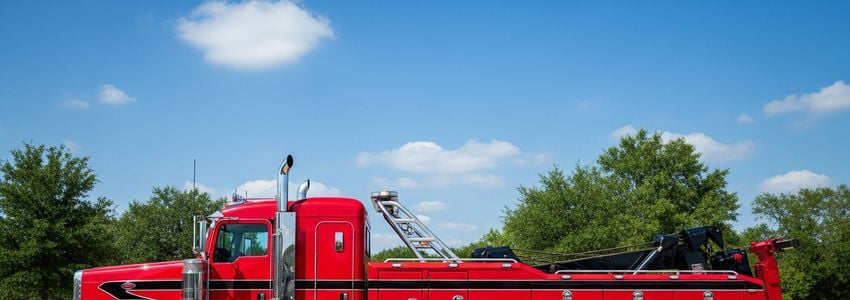
Loan Types Comparison Table
Choosing the right financing option can be complex. This table provides a quick comparison of the most common loan types for wrecker and recovery businesses to help you identify the best fit for your specific needs.
| Loan Type | Best For | Amount | Term | Speed |
|---|---|---|---|---|
| Equipment Financing | Purchasing new or used wreckers and tow trucks. | $10,000 - $1,000,000+ | 2 - 7 years | Fast (1-3 days) |
| SBA Loan | Major expansions, real estate purchases, or large equipment buys. | $50,000 - $5,000,000 | 10 - 25 years | Slow (3-8 weeks) |
| Business Line of Credit | Managing cash flow, unexpected repairs, and ongoing expenses. | $5,000 - $250,000 | Revolving | Fast (1-3 days) |
| Working Capital Loan | Short-term needs like payroll, inventory, or bridging cash gaps. | $5,000 - $500,000 | 6 - 24 months | Very Fast (24-48 hours) |
| Merchant Cash Advance | Urgent cash needs when other options are unavailable. | $5,000 - $200,000 | 3 - 18 months | Very Fast (24 hours) |
Key Statistics: Wrecker and Towing Industry Financing
The vehicle towing industry in the United States is a dynamic and essential part of the economy. Understanding the financial landscape of this sector can provide valuable context for your business planning and financing strategy. The data highlights both the opportunities and the capital-intensive nature of the business, reinforcing the need for reliable financing partners. Economic trends can be further explored through resources like the U.S. Census Bureau's economic indicators.
Key Statistics: Wrecker and Towing Industry
$11B+
U.S. towing industry market size
35,000+
Towing businesses operating in the U.S.
80%
Of businesses use financing for equipment purchases
$500k+
Average cost of a new heavy-duty rotator
How Crestmont Capital Helps Wrecker Businesses
Navigating the world of business financing can be daunting, but you do not have to do it alone. Partnering with a lender that specializes in your industry can make all the difference. At Crestmont Capital, we have extensive experience working with wrecker and recovery businesses across the country. We understand your unique challenges, from high equipment costs to fluctuating cash flow, and we have developed financing solutions to meet them head-on.
Deep Industry Expertise
We are not just general lenders; we are specialists in transportation and equipment financing. Our team understands the difference between a flatbed, a self-loader, and a heavy-duty rotator. We know the value of these assets and the revenue they can generate for your business. This expertise allows us to structure loans that make sense for your specific operational model, a level of understanding you may not find at a traditional bank. For a deeper dive into vehicle-specific funding, check out our guide on tow truck financing.
A Broad Spectrum of Financing Products
Crestmont Capital offers a comprehensive suite of financial products. Whether you need straightforward equipment financing for a new wrecker, an SBA loan for a major expansion, a flexible line of credit for daily operations, or a fast working capital loan for an emergency repair, we have a solution. Our ability to offer multiple options means we can tailor a financing package that perfectly aligns with your business goals, timeline, and financial health.
Fast, Streamlined Application Process
In the towing business, time is money. When a truck is down or an opportunity arises, you cannot afford to wait weeks for a loan decision. We have designed our application process to be as simple and efficient as possible. Many of our programs, including our popular fast business loans, require minimal paperwork and can provide a decision in hours and funding in as little as one business day. Our online application takes just minutes to complete.
Flexible and Inclusive Underwriting
We believe that a credit score does not tell the whole story. While traditional banks often have rigid, automated approval criteria, we take a more holistic approach. We look at your overall business health, including cash flow, time in business, and the value of the asset you are financing. This flexibility allows us to approve a high percentage of applicants, including those who may have been turned down elsewhere or have less-than-perfect credit.
Dedicated and Personalized Service
When you work with Crestmont Capital, you are assigned a dedicated account manager who will be your single point of contact throughout the entire process. They will take the time to understand your business, answer your questions, and guide you to the best financing solution. We are committed to building long-term relationships with our clients, serving as a trusted financial partner as your business grows and evolves.
Ready to Grow Your Business?
Get fast, flexible financing from the #1 business lender in the U.S. Apply in minutes.
Apply Now →Real-World Financing Scenarios
To better understand how different financing options apply in practice, let's explore some common situations faced by wrecker and recovery business owners. These real-world scenarios illustrate how the right type of funding can solve specific challenges and unlock growth opportunities.
Scenario 1: The Startup - First Response Towing
The Challenge: Maria is a skilled tow operator who has worked for other companies for years. She decides it is time to start her own business, "First Response Towing." She has a solid business plan and excellent personal credit, but no business history and limited startup capital. She needs to purchase her first vehicle- a reliable, used flatbed tow truck costing $55,000.
The Solution: Maria applies for an equipment financing loan. Because she has a strong personal credit score (720), a detailed business plan with realistic revenue projections, and is making a 10% down payment from her savings, the lender sees her as a strong candidate despite being a startup. The flatbed truck itself serves as the primary collateral. She is approved for a 5-year equipment loan that covers the remaining cost of the truck. The predictable monthly payments fit comfortably within her projected cash flow, allowing her to launch her business on solid financial footing.
Scenario 2: The Expansion - Heavy Haulers Inc.
The Challenge: "Heavy Haulers Inc." has been a successful medium-duty towing company for eight years. The owner, David, sees a major opportunity to expand into the lucrative heavy-duty recovery market. A nearby city is offering new municipal contracts for highway incident management, but they require a heavy-duty rotator. A new rotator costs over $450,000, a significant investment.
The Solution: Given the size of the investment and the long-term nature of the asset, David decides an SBA 7(a) loan is the best option. The long repayment term (up to 10 years for equipment) and low interest rate will result in a manageable monthly payment. With his company's strong financial history, consistent revenue, and good credit, he qualifies for the loan. The financing not only covers the cost of the rotator but also provides some additional working capital to cover the initial costs of training and marketing for his new heavy-duty division.
Scenario 3: The Emergency - Roadside Rescue
The Challenge: "Roadside Rescue" is in the middle of its busiest season when its primary workhorse, a medium-duty wrecker, suffers a major transmission failure. The repair bill is an unexpected $18,000. Every day the truck is out of commission means lost revenue. The owner, Tom, needs cash immediately to pay for the repairs and get the truck back on the road.
The Solution: Tom needs speed above all else. An SBA loan or traditional term loan would take too long. He applies for a fast business loan in the form of a short-term working capital loan. He provides his last four months of business bank statements and is approved within hours. The $20,000 in funds are deposited into his account the next business day. While the interest rate is higher than a long-term loan, the speed of funding prevents him from losing weeks of revenue, making the cost well worth it. He gets the truck repaired and back in service in just a few days.
Scenario 4: The Cash Flow Gap - Summit Recovery
The Challenge: "Summit Recovery" does a lot of work for large insurance companies and national motor clubs. While these contracts are steady, the payment terms are often net-60 or net-90, meaning they can wait up to three months to get paid. This creates a cash flow gap where owner Lisa struggles to cover immediate expenses like payroll, fuel, and truck payments while waiting for large invoices to be paid.
The Solution: Lisa applies for and is approved for a $75,000 business line of credit. This provides the perfect flexible solution. When cash flow is tight, she draws from the line of credit to cover her expenses. When the large payments from the insurance companies come in, she pays back the amount she used, plus interest. Her credit line is then fully available again for the next time she needs it. This tool smooths out her cash flow, reduces financial stress, and allows her to operate her business seamlessly.
Frequently Asked Questions
1. Can I finance a used wrecker?
2. What credit score do I need for wrecker financing?
3. How much of a down payment is required?
4. Can I get financing for a startup towing business?
5. What is the difference between an equipment loan and a lease?
6. How long does the approval process take?
7. Can I finance repairs for my existing wrecker?
8. What documents do I need to apply?
9. Does applying for a loan affect my credit score?
10. Can I get wrecker financing with bad credit?
11. Are there prepayment penalties?
12. What is Section 179 and how does it apply to wrecker financing?
13. Can I bundle multiple pieces of equipment into one loan?
14. How do lenders value a used wrecker for a loan?
15. What are typical interest rates for wrecker loans?
Ready to Grow Your Business?
Get fast, flexible financing from the #1 business lender in the U.S. Apply in minutes.
Apply Now →Next Steps to Secure Wrecker Financing
Feeling prepared and ready to take action? Following a structured approach can make the process of securing financing smoother and more successful. Here are the key steps to take to get the funding your wrecker business needs.
A Step-by-Step Guide to Your Loan Application
- Define Your Needs: Before you apply, get specific. How much money do you need? What exactly will it be used for- a specific truck, repairs, or operational cash? Having a clear purpose will help you choose the right loan product and present a stronger case to lenders.
- Gather Your Financial Documents: Get organized ahead of time. Collect the essential paperwork, including your last 3-6 months of business bank statements, recent tax returns (personal and business), and any relevant financial statements like your P&L. For equipment purchases, have the seller's quote or invoice ready.
- Review Your Credit Profile: Check both your personal and business credit reports. Knowing your scores will help you identify which loan products you are most likely to qualify for. Dispute any errors you find on your reports, as this can improve your score and your chances of approval.
- Research and Compare Lenders: Do not just go with the first offer. Compare different lenders, paying attention to not only interest rates but also repayment terms, fees, and customer reviews. Prioritize lenders who, like Crestmont Capital, have specific experience in the towing and recovery industry.
- Complete the Application Thoroughly: Fill out the loan application completely and accurately. Incomplete or inconsistent information is a common reason for delays or denials. Be prepared to answer questions about your business operations, revenue, and plans for the funds.
- Review and Accept Your Offer: Once you are approved, you will receive a loan agreement. Read it carefully before signing. Make sure you understand the interest rate, total cost of financing, payment schedule, and any covenants or penalties. Do not hesitate to ask your loan officer to clarify any terms you are unsure about.
Conclusion
In the demanding and competitive wrecker and recovery industry, strategic financing is the fuel for growth and stability. From purchasing your first truck to expanding a multi-vehicle fleet, the right capital at the right time is essential for success. By understanding the different types of wrecker financing available- including equipment loans, SBA loans, and lines of credit- you can make empowered decisions that align with your business objectives.
The key is to be prepared. Assessing your needs, organizing your financial documents, and understanding your credit profile will position you for a successful application. Partnering with a specialized lender like Crestmont Capital, who understands the nuances of your industry, can further streamline the process and unlock the best possible terms.
Your ability to respond to calls, manage complex recoveries, and serve your community depends on the quality and reliability of your fleet. Do not let a lack of capital hold you back. Invest in your business's future today by exploring the financing options that will help you purchase the equipment you need to stay competitive, improve efficiency, and drive profitability for years to come. For more insights into the small business landscape, resources like CNBC's small business section offer valuable perspectives.
Disclaimer: The information provided in this article is for general educational purposes only and is not financial, legal, or tax advice. Funding terms, qualifications, and product availability may vary and are subject to change without notice. Crestmont Capital does not guarantee approval, rates, or specific outcomes. For personalized information about your business funding options, contact our team directly.








