
 (800) 949-0401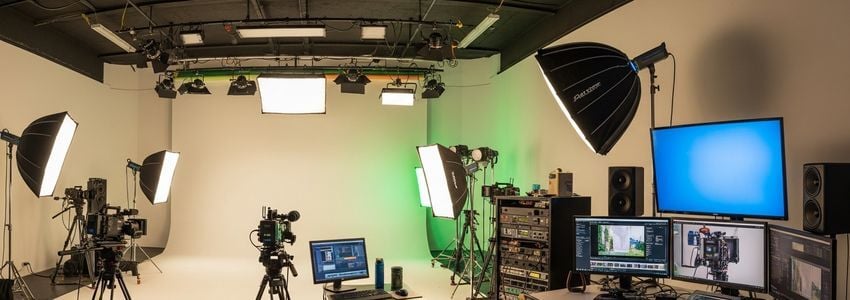
Videography Business Loans: The Complete Financing Guide for Videography Business Owners
Securing videography business loans is a critical step for creative entrepreneurs looking to purchase high-end equipment, scale their operations, and manage cash flow in a competitive market. As the demand for professional video content continues to explode across social media, corporate marketing, and entertainment, the opportunities for skilled videographers have never been greater. The global video production market is projected to grow significantly, transforming passion projects into profitable, full-scale businesses. However, this growth requires substantial capital investment in technology and talent, making specialized financing an essential tool for success.
From freelance cinematographers to established video production agencies, accessing the right funding can be the difference between stagnation and significant growth. The initial outlay for cinema-grade cameras, lighting rigs, audio equipment, and powerful editing workstations can be prohibitive. Beyond equipment, capital is needed for marketing to attract higher-paying clients, hiring a reliable crew, renting studio space, and bridging the gap between project completion and client payment. At Crestmont Capital, the #1 rated business lender in the country, we understand the unique financial challenges and opportunities within the creative industry. Since our founding in 2015, we've specialized in providing fast, flexible financing solutions tailored to the specific needs of businesses just like yours.
This comprehensive guide will walk you through everything you need to know about videography business loans. We will explore the different types of financing available, what you can use the funds for, who qualifies, and how to navigate the application process. Whether you're upgrading your gear, expanding your team, or launching a major marketing campaign, this guide will provide the clarity you need to make informed financial decisions and take your videography business to the next level.
In This Article
What Are Videography Business Loans?
Videography business loans are a specific category of commercial financing designed to meet the unique capital requirements of video production companies, freelance videographers, and cinematographers. Unlike generic personal loans, these financial products are structured to support business-related expenses and investments. They provide the necessary funds to purchase or upgrade essential equipment, cover operational costs, and fuel growth initiatives. The core purpose of these loans is to empower creative professionals to build a sustainable and scalable business without depleting personal savings or relying on high-interest credit cards.
The funds from a videography business loan can be used for a wide range of purposes critical to the industry. This includes acquiring tangible assets like professional cinema cameras, lenses, drones, gimbals, lighting kits, and audio recording gear. It also covers intangible yet vital expenses such as software licenses for editing suites like Adobe Premiere Pro or DaVinci Resolve, marketing campaigns to attract new clients, and website development. Furthermore, these loans can provide working capital to manage day-to-day operations, such as paying staff and freelance crew, renting studio or office space, and covering insurance costs. Essentially, they are a versatile tool that helps videography businesses, which fall under the SBA's definition of a small business, overcome financial hurdles and seize growth opportunities.
Lenders who specialize in small business financing, like Crestmont Capital, understand that videography businesses often have fluctuating revenue streams and project-based income. Therefore, they offer a variety of loan products with different repayment structures and qualification criteria to fit these unique business models. From short-term working capital loans to cover immediate needs to long-term equipment financing for major gear acquisitions, the goal is to provide a financial solution that aligns with the company's cash flow and long-term vision. This tailored approach ensures that videographers can access the capital they need on terms that make sense for their business.
Why Videography Businesses Need Financing
The videography industry is incredibly capital-intensive. To produce high-quality, professional-grade content that stands out, videographers must invest in state-of-the-art equipment and technology. This barrier to entry and the ongoing costs of staying current make financing not just a convenience, but a necessity for growth and competitiveness. Without access to external capital, many talented creators are limited by their existing gear and unable to take on larger, more lucrative projects.
One of the most significant expenses is camera gear. While a consumer-level DSLR might suffice for a hobbyist, a professional videographer needs cinema cameras, which can range from $3,000 for an entry-level model to over $80,000 for a high-end RED or ARRI camera body alone. Lenses, gimbals, tripods, drones, and lighting rigs can easily add tens of thousands of dollars to the initial investment. Editing is another major cost center. A powerful computer or editing workstation capable of handling 4K or 8K raw footage can cost upwards of $5,000-$10,000, and annual subscriptions for professional editing software add to the recurring expenses.
Industry Insight: According to a recent market analysis, the global video editing software market alone is projected to reach $4.9 billion by 2030, highlighting the massive and ongoing investment creatives are making in post-production technology.
Beyond equipment, financing is crucial for scaling a business from a solo freelance operation to a full-fledged production agency. This transition requires capital to hire talented editors, camera operators, producers, and sales staff. It involves costs for marketing and advertising to build a brand and attract corporate clients. Renting a dedicated studio space or office is another significant step that requires upfront capital. Furthermore, the project-based nature of the industry often leads to inconsistent cash flow. A videography business loan can provide a vital cash buffer to cover payroll and operational expenses while waiting for client invoices, which often have 30, 60, or even 90-day payment terms. This financial stability allows business owners to focus on creative execution and client acquisition rather than worrying about short-term cash shortfalls, a common challenge in the booming creative economy.
Types of Business Loans Available to Videography Business Owners
Videography business owners have a diverse range of financing options to choose from, each designed for different needs, timelines, and financial situations. Understanding the nuances of each loan type is key to selecting the right solution for your specific goals. Here are some of the most common and effective types of business loans for videographers.
Small Business Loans
A traditional small business loan, often referred to as a term loan, provides a lump sum of capital that you repay over a fixed period with regular installments. These loans are highly versatile and can be used for almost any business purpose, from purchasing a suite of new equipment to funding a major marketing campaign or renovating a studio. They are an excellent choice for planned, large-scale investments where you know the exact amount of capital you need upfront. Terms typically range from one to five years, offering predictable monthly payments that are easy to budget for.
Equipment Financing
Given the high cost of camera and production gear, equipment financing is one of the most popular options for videographers. This type of loan is specifically designed for the purchase of physical assets. The equipment itself serves as collateral for the loan, which often makes it easier to qualify for than an unsecured loan, even for businesses with less-than-perfect credit. You can finance up to 100% of the cost of new or used cameras, lenses, drones, lighting kits, and editing workstations. Repayment terms are typically aligned with the expected lifespan of the equipment.
Business Line of Credit
A business line of credit offers flexibility that a term loan does not. Instead of a one-time lump sum, you get access to a revolving pool of funds up to a certain limit. You can draw from this fund as needed and only pay interest on the amount you use. Once you repay the drawn amount, your credit line is replenished. This is ideal for managing unpredictable expenses, bridging cash flow gaps between client payments, or seizing unexpected opportunities, like a last-minute deal on gear. It acts as a financial safety net for your videography business.
SBA Loans
Backed by the U.S. Small Business Administration, SBA loans are highly sought after due to their long repayment terms and low interest rates. These loans can be used for a variety of purposes, including equipment purchase, working capital, and real estate acquisition. While the favorable terms are a major advantage, the application process is typically more extensive and time-consuming than other options, requiring detailed documentation and a strong financial history. They are best suited for established videography businesses planning significant, long-term investments.
Working Capital Loans
When you need cash quickly to cover immediate operational expenses, a working capital loan is an excellent solution. These are typically short-term loans designed to provide a rapid infusion of cash to manage payroll, pay rent, purchase inventory (like hard drives or media cards), or fund a marketing push. The focus is on funding the day-to-day operations rather than long-term assets. The application and funding process is usually very fast, making it perfect for addressing urgent financial needs.
Fast Business Loans
For videographers who need funding in a hurry, fast business loans prioritize speed and convenience. These loans, often available through online lenders like Crestmont Capital, can be applied for in minutes and funded in as little as 24 hours. They are ideal for time-sensitive situations, such as needing to rent specific equipment for a sudden high-profile gig or covering an unexpected repair bill for a primary camera. While they may have slightly higher rates than traditional loans, the speed and accessibility can be invaluable.
Revenue-Based Financing
Revenue-based financing is an alternative funding model where a lender provides capital in exchange for a percentage of your business's future monthly revenue. Repayments are flexible and tied directly to your cash flow-you pay more when business is good and less during slower months. This can be an attractive option for videography businesses with seasonal or fluctuating income, such as those specializing in weddings or events. It's often easier to qualify for than traditional loans as the focus is on revenue history rather than credit score.
| Loan Type | Best For | Typical Amount | Speed |
|---|---|---|---|
| Small Business Loan | Large, planned investments and business expansion | $25,000 - $500,000+ | 1-2 weeks |
| Equipment Financing | Purchasing cameras, lighting, drones, editing gear | $5,000 - $2,000,000+ | 2-5 days |
| Business Line of Credit | Managing cash flow, unexpected costs, flexibility | $10,000 - $250,000 | 1-3 days |
| SBA Loan | Major long-term growth with lowest rates | $50,000 - $5,000,000 | 30-90 days |
| Working Capital Loan | Short-term operational needs, payroll, marketing | $5,000 - $250,000 | 24-48 hours |
| Fast Business Loan | Urgent, time-sensitive opportunities or expenses | $5,000 - $150,000 | As fast as 24 hours |
| Revenue-Based Financing | Businesses with strong revenue but fluctuating income | $10,000 - $500,000 | 1-3 days |
Ready to Grow Your Videography Business?
Get fast, flexible financing from the #1 business lender in the U.S. No obligation - apply in minutes.
Apply Now ->How Videography Business Loans Work
Securing a videography business loan, especially through a modern lender like Crestmont Capital, is a streamlined and straightforward process designed to get you the capital you need with minimal hassle. The days of spending weeks filling out paperwork and waiting anxiously for a decision from a traditional bank are largely over. Today, the process is fast, transparent, and can often be completed almost entirely online.
The journey begins with a simple online application. You'll provide basic information about yourself and your videography business, including your business name, time in business, average monthly revenue, and the amount of funding you're seeking. This initial step is designed to be quick, often taking just a few minutes to complete. Many lenders, including Crestmont Capital, use a soft credit pull for this initial review, which means it won't impact your credit score.
Once your application is submitted, it moves to the review and approval stage. A dedicated funding specialist will review your information and may request a few supporting documents, such as your last few months of business bank statements. This helps them verify your revenue and understand the financial health of your business. Based on this review, the lender will determine which financing options you qualify for. You'll then receive a clear, no-obligation offer (or multiple offers) detailing the loan amount, interest rate, term, and repayment schedule. After you review and accept the offer that best suits your needs, the final contracts are signed electronically, and the funds are transferred directly to your business bank account, often within 24 to 48 hours.
Quick Guide
How Videography Business Loans Work - At a Glance
Complete a quick application with basic business and financial info - takes just minutes.
A specialist reviews your application, business revenue, and financing needs - often same day.
Get matched with the right financing option - loan amount, term, and rate tailored to your business.
Funds deposited directly to your business account - often within 24-48 hours of approval.
What Can You Use Videography Business Loans For?
The flexibility of modern business financing allows videographers to invest in virtually any area that will help their business grow and operate more efficiently. The key is to use the capital strategically to generate a positive return on investment, whether through increased production quality, higher client volume, or improved operational workflow. Here are some of the most common and impactful ways videography business owners use their loan funds:
- Professional Cameras and Cinema Gear: Upgrade from a DSLR to a dedicated cinema camera like a Blackmagic, Canon C-series, or RED to improve image quality and attract higher-paying clients.
- Drones and Aerial Equipment: Purchase a high-quality drone like a DJI Mavic 3 Cine or Inspire 3 to offer stunning aerial shots and expand your service offerings.
- Lighting and Grip Equipment: Invest in a professional lighting kit (e.g., Aputure lights), C-stands, and modifiers to achieve cinematic lighting in any environment.
- High-Fidelity Audio Gear: Acquire professional microphones, boom poles, and audio recorders to ensure crystal-clear sound, a crucial component of high-quality video.
- Powerful Editing Workstations: Build or buy a custom computer with a high-end processor, ample RAM, and a powerful graphics card to handle 4K/8K footage and complex visual effects smoothly.
- Editing Software and Subscriptions: Pay for annual licenses for industry-standard software like Adobe Creative Cloud, DaVinci Resolve Studio, or specialized plugins.
- Studio Rental or Build-Out: Secure a down payment to lease or purchase a studio space, or use the funds to build a green screen, soundproof a room, and install a permanent lighting grid.
- Marketing and Advertising: Launch targeted ad campaigns on social media, Google, or industry platforms to reach new clients, or invest in a professional website and showreel.
- Hiring Editors or Crew: Expand your team by hiring a freelance or full-time editor, second shooter, or production assistant to take on more projects simultaneously.
- Covering Cash Flow Gaps: Use working capital to pay for operational expenses and payroll while waiting on large client invoices to be paid, ensuring business continuity.
Pro Tip: When using a loan for equipment, consider bundling your purchases. Financing a complete camera package (body, lenses, batteries, media) at once is often more efficient than seeking separate, smaller loans for each component. This streamlines your finances and can help you secure a better overall deal.
Who Qualifies for Videography Business Loans?
Qualifying for a videography business loan is more accessible than many entrepreneurs think, especially when working with alternative lenders who look beyond just a single credit score. While specific requirements vary depending on the lender and the type of loan, most lenders evaluate a few key factors to assess the health and potential of your business.
The primary criteria generally include:
- Time in Business: Most lenders prefer to see that you have been operating for at least 6 to 12 months. This demonstrates a track record and a level of stability. However, some programs are available for newer businesses and startups, particularly for equipment financing where the asset itself provides security.
- Monthly Revenue: Consistent revenue is a strong indicator of your ability to repay a loan. Lenders typically look for a minimum monthly revenue, often starting around $5,000 to $10,000. Providing recent business bank statements is the standard way to verify this income.
- Personal and Business Credit Score: Your credit history plays a role, but it's not always the deciding factor. While a higher score (650+) will open up more options with better rates, many lenders, including Crestmont Capital, have programs for business owners with credit scores as low as 550. They often place more weight on your business's cash flow and revenue.
- Business Financials: For larger loans or SBA financing, you may be asked to provide additional documents like profit and loss statements, balance sheets, and business tax returns. For most smaller, faster loans, bank statements are often sufficient.
It's important to remember that even if you have been turned down by a traditional bank, you may still qualify for financing through a lender that specializes in small business funding. These lenders understand the realities of running a business in the creative industry and have more flexible underwriting criteria. Options exist for those with bad credit, inconsistent revenue, or a short time in business. The key is to apply with a lender who can match you with the right product for your specific situation.
Key Qualifying Factors
- Consistent Cash Flow: More important than a perfect credit score.
- Business Bank Account: Demonstrates separation of personal and business finances.
- No Recent Bankruptcies: A clean recent financial history is crucial.
- Industry Experience: Your portfolio and client list can strengthen your application.
See What You Qualify For
Check your options in minutes with no impact to your credit score. Crestmont Capital works with videography businesses at all stages.
Check My Options ->How Crestmont Capital Helps Videography Business Owners
At Crestmont Capital, we're not just a lender; we're a financial partner dedicated to the success of small businesses across the United States. Since our founding in 2015, we have earned our reputation as the #1 rated business lender in the country by focusing on what matters most: providing fast, flexible, and transparent financing solutions that empower entrepreneurs to achieve their goals. We have a deep understanding of the unique challenges and opportunities faced by businesses in the creative sector, including videographers and production companies.
We recognize that for a videographer, speed and flexibility are paramount. When a new client opportunity arises or a critical piece of equipment fails, you don't have time to wait weeks for a bank's approval. Our streamlined online application process and rapid funding times-often within 24 hours-ensure you can get the capital you need precisely when you need it. We offer a wide portfolio of funding products, from specialized equipment financing perfect for your next camera purchase to versatile small business loans for overall growth.
What truly sets Crestmont Capital apart is our commitment to personalized service and our ability to work with a diverse range of business profiles. We believe that a credit score doesn't tell the whole story. Our funding specialists look at the bigger picture, focusing on your business's revenue and potential. We successfully fund businesses with excellent credit, as well as those with past financial challenges. Every client is assigned a dedicated advisor who will walk you through your options, answer your questions, and help you secure the best possible terms for your videography business. Our goal is to build a long-term relationship, providing the financial tools you need at every stage of your business journey.
Real-World Financing Scenarios for Videography Businesses
Understanding how videography business loans work in practice can help you visualize the impact they can have on your own company. Here are four common scenarios where financing plays a pivotal role in driving growth and stability.
a) The Freelance Videographer Going Full-Time
Scenario: Sarah is a talented freelance videographer who has been shooting weddings and small corporate events on weekends using her prosumer-level DSLR camera. Her client list is growing, and she's ready to quit her day job to pursue videography full-time. However, to compete for higher-end projects and deliver the quality she's capable of, she needs to upgrade her gear to a professional cinema camera kit, including a Canon C70, a set of prime lenses, and a professional gimbal.
Solution: Sarah applies for equipment financing. Because the camera kit itself serves as collateral, she is approved for a $15,000 loan despite having a limited business history as a full-time operator. The loan allows her to purchase the entire package at once. With her new professional setup, she immediately improves her production value, updates her showreel, and confidently markets her services to a higher-paying clientele. The monthly loan payments are easily covered by the increased rates she can now charge for her superior quality work.
b) The Wedding Videography Business Scaling Up
Scenario: "Everlasting Films," a successful two-person wedding videography business, is facing a bottleneck. They are booking so many weddings that they are forced to turn down clients, and the lead videographer is spending all his time editing, unable to focus on sales and marketing. To grow, they need to hire a second shooter for their team and a dedicated freelance editor to handle the post-production workload during the busy season.
Solution: The owners secure a $25,000 working capital loan. They use the funds to cover the initial costs of onboarding and paying their new team members for the first few months before the revenue from the additional bookings starts coming in. This capital injection allows them to double their capacity, taking on two weddings per weekend instead of one. The increased revenue not only covers the loan payments and new salaries but also significantly boosts their annual profit, allowing them to establish a dominant position in their local market.
c) The Commercial Video Production Company Landing a Big Client
Scenario: A small commercial production company, "Dynamic Visuals," lands its biggest contract ever: a series of training videos for a large corporation. It's a $100,000 project, but the client's payment terms are net-60, meaning the company won't get paid until 60 days after delivering the final videos. In the meantime, they need to pay for location rentals, equipment hire for specialized gear, and their crew of five for a month-long shoot.
Solution: Dynamic Visuals uses a business line of credit to manage their cash flow. They draw $40,000 from their credit line to cover all the upfront production costs. This allows them to execute the project flawlessly without draining their business bank account or delaying payments to their crew. Once the corporate client pays the $100,000 invoice, they immediately pay back the $40,000 plus interest, and the line of credit is fully available again for their next big project. This financial flexibility enables them to take on large corporate clients with confidence.
d) The Videography Studio Owner Building Out a Space
Scenario: Alex, a videographer specializing in product commercials and interviews, has been renting studio space on a per-project basis, which is expensive and inefficient. She finds a perfect commercial space to lease and wants to build it out into a dedicated, fully-equipped studio with a cyclorama wall, a permanent lighting grid, a client lounge, and an editing bay. The total cost for the build-out and initial equipment installation is estimated at $75,000.
Solution: Alex applies for a small business loan. With her strong business plan and two years of consistent revenue, she is approved for an $80,000 term loan with a five-year repayment period. She uses the funds to complete the entire studio build-out. Not only does this save her money on hourly studio rentals, but she can now rent her own studio out to other photographers and videographers on her off-days, creating a new, passive revenue stream for her business. The loan transforms her business from a service provider into a multi-faceted production hub.

How to Apply for a Videography Business Loan
Applying for a videography business loan with a modern lender like Crestmont Capital is designed to be a quick and transparent experience. By preparing a few key documents ahead of time, you can make the process even smoother. Here is a step-by-step guide to securing the financing your business needs.
- Gather Your Documents: While requirements vary, having a few standard documents ready will expedite your application. The most common request is for your last 3-4 months of business bank statements. This is the primary way lenders verify your revenue. You may also want to have your business license, government-issued ID, and voided business check on hand. For larger or more complex loans like SBA loans, you might need business tax returns and financial statements. The SBA offers excellent resources for preparing your business documentation.
- Apply Online: The next step is to complete a simple online application. This typically takes only a few minutes and asks for basic information about you and your business, such as your name, business name, contact information, time in business, monthly revenue, and desired loan amount. This initial application is usually a "soft pull" and will not affect your credit score.
- Speak with a Funding Advisor: After you submit your application, a dedicated funding advisor will contact you, often within a few hours. This specialist will discuss your business goals, review your application, and explain the financing options you are likely to qualify for. This is your opportunity to ask questions and ensure you understand the different loan types available.
- Review Your Offer(s): Based on your application and documents, the lender will present you with a formal offer. This will clearly outline the loan amount, the interest rate or factor rate, the repayment term, and the total cost of financing. If you qualify for multiple products (e.g., a term loan and a line of credit), you can compare them side-by-side to see which best fits your needs. There is no obligation to accept any offer.
- Get Funded: Once you've chosen an offer and are ready to proceed, you will sign the loan agreement electronically. After the final verification is complete, the funds will be wired directly into your business bank account. With lenders like Crestmont Capital, this final step is incredibly fast, with many businesses receiving their funds in as little as 24 hours after approval.
Frequently Asked Questions About Videography Business Loans
Take the Next Step for Your Videography Business
Crestmont Capital has helped thousands of business owners access the capital they need to grow. Get started today with no obligation.
Apply Now ->How to Get Started
Complete our secure, simple online application. It takes less than five minutes and won't impact your credit score. Click here to start.
A dedicated funding advisor will contact you to discuss your business needs, answer your questions, and guide you to the best financing options available for your videography company.
Review your no-obligation offers, sign your agreement electronically, and receive the funds directly in your business bank account, often in as little as 24 hours.
The videography industry is dynamic, creative, and filled with opportunity for those equipped to seize it. However, the high cost of professional gear and the capital required for scaling can present significant barriers. Strategic use of videography business loans breaks down these barriers, providing the fuel needed to upgrade your technology, expand your team, and take on more ambitious projects. Whether you're a solo filmmaker dreaming of a cinema camera or an established studio ready to expand, the right financing is the key to unlocking your full potential.
Navigating the world of business financing can seem complex, but it doesn't have to be. By understanding the different types of loans available-from equipment financing for your next camera to a line of credit for cash flow-you can make an informed decision that aligns perfectly with your business goals. The process is faster and more accessible than ever, with lenders who value your business's performance and potential over a single credit score.
At Crestmont Capital, we are passionate about helping entrepreneurs in the creative fields thrive. As the nation's #1 rated business lender, we have the experience, flexibility, and dedication to find the perfect funding solution for your videography business. Don't let a lack of capital hold back your creative vision. Take the next step today, and let us help you invest in your talent, grow your brand, and build the successful videography business you've always envisioned.
Disclaimer: The information provided in this article is for general educational purposes only and is not financial, legal, or tax advice. Funding terms, qualifications, and product availability may vary and are subject to change without notice. Crestmont Capital does not guarantee approval, rates, or specific outcomes. For personalized information about your business funding options, contact our team directly.








