Opening an Urban Air Adventure Park franchise puts you in one of the fastest-growing segments of the family entertainment industry, but it also requires one of the most substantial upfront investments in franchising. If you are serious about bringing this indoor adventure park concept to your community, understanding your financing options before signing the franchise agreement can mean the difference between a smooth launch and a stressful scramble for capital. This guide breaks down exactly what an Urban Air franchise costs, what lenders look for, and how to structure the funding you need to move forward.
What Is Urban Air Adventure Park?
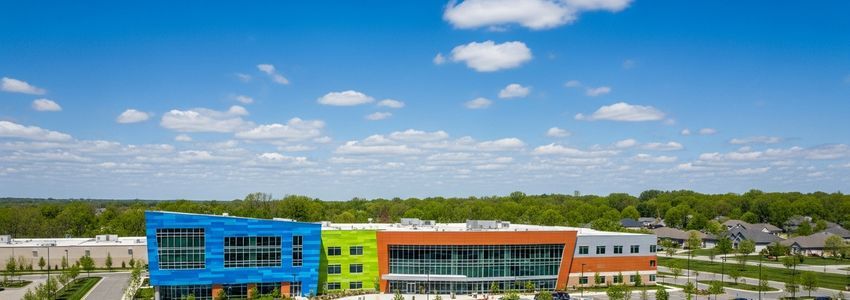
Urban Air Adventure Park is a franchise concept owned by Urban Air Holdings, which operates hundreds of indoor family entertainment centers across the United States. Founded in 2011 in the Dallas-Fort Worth area, Urban Air differentiates itself from traditional trampoline parks by offering a broader variety of attractions under one roof. A typical location includes wall-to-wall trampolines, climbing structures, warrior courses, battle beams, tube slides, zip lines, and dedicated toddler zones. Many parks also include virtual reality experiences, go-karts, and a cafe or snack bar.
The brand targets families with children ages 2 through 14, with a secondary audience of teens and young adults drawn by the high-energy obstacle courses. Revenue comes through general admission, birthday parties, special events, membership programs, and food and beverage sales. According to Entrepreneur Magazine, Urban Air has consistently ranked among the top franchise opportunities in the entertainment category, citing its multi-revenue stream model and strong repeat-visit rates.
Urban Air Adventure Park was named to the Forbes list of top franchise brands for its rapid expansion and franchise support infrastructure. The company provides franchisees with site selection assistance, design support, construction management, marketing tools, and ongoing operational guidance. For operators looking to own a business with genuine community appeal and strong weekend and holiday traffic patterns, Urban Air represents a compelling but capital-intensive opportunity.
How Much Does an Urban Air Adventure Park Franchise Cost?
Urban Air Adventure Park requires a significant investment relative to most food service or service-based franchises. The total initial investment range reflects the fact that every location is a large-format retail and entertainment build-out, which means real estate, construction, equipment, and technology all carry major costs.
Here is a breakdown of the estimated investment ranges based on the most recent Franchise Disclosure Documents:
| Investment Component | Estimated Range |
|---|---|
| Initial Franchise Fee | $100,000 |
| Real Estate and Leasehold Improvements | $1,200,000 - $4,500,000 |
| Equipment and Attractions | $800,000 - $2,500,000 |
| Technology Systems and POS | $50,000 - $150,000 |
| Opening Inventory and Supplies | $30,000 - $80,000 |
| Grand Opening Marketing | $50,000 - $100,000 |
| Working Capital Reserve | $300,000 - $600,000 |
| Miscellaneous Startup Costs | $50,000 - $200,000 |
| Total Estimated Investment | $2,852,887 - $8,382,109 |
Beyond the initial outlay, Urban Air franchisees pay an ongoing royalty fee of 7 percent of gross revenue. The company also requires a minimum of $750,000 in liquid capital and a net worth of at least $1,500,000. These financial thresholds reflect the scale of the operation and Urban Air's interest in partnering with franchisees who have the staying power to grow through the early ramp-up period.
Site size matters considerably. Most Urban Air locations occupy between 22,000 and 40,000 square feet of retail or flex commercial space. Larger parks in densely populated markets tend to carry construction and equipment costs at the higher end of the range. Markets with lower commercial real estate costs can bring the total closer to the floor of the estimate.
How to Finance Your Urban Air Adventure Park Franchise
Given that total investment can exceed $8 million in some markets, most Urban Air franchisees do not self-fund the entire project. Instead, they combine multiple financing sources to assemble the capital stack needed to open and sustain the operation through the first year or two of business. Understanding how each financing tool works and how they fit together is the foundation of a successful launch strategy.
According to the U.S. Small Business Administration, franchise businesses have historically had strong loan approval rates because the underlying brand reduces some of the risk that lenders associate with startup operations. A well-known franchise system with an established FDD provides lenders with performance data, territory exclusivity documentation, and brand stability information that pure startups simply cannot offer.
The most common financing approaches for Urban Air franchisees include SBA 7(a) loans, SBA 504 loans, conventional commercial real estate loans, equipment financing, and working capital lines of credit. Each serves a different part of the capital stack. Many franchisees work with a financing broker or specialist who can orchestrate multiple products simultaneously and ensure closing timelines line up with construction and opening dates.
Ready to Explore Financing for Your Urban Air Franchise?
Crestmont Capital works with franchise operators across the country to build multi-product capital solutions for large-scale investments. Our team understands the unique structure of franchise financing and can help you move quickly.
Types of Financing Available for Urban Air Franchise Owners
SBA 7(a) Loans
The SBA 7(a) loan program is the most commonly used financing vehicle for franchise acquisitions. These government-backed loans can fund up to $5 million per loan and typically carry terms of 10 years for working capital purposes and up to 25 years when real estate is included as collateral. Interest rates are pegged to the prime rate plus a lender spread and are generally more favorable than conventional small business financing. SBA 7(a) loans require a personal guarantee and typically a down payment of 10 to 20 percent of the total project cost. For an Urban Air franchise, a single SBA 7(a) loan may cover a substantial portion of the total project but rarely covers the entire investment due to the scale of the build-out. Our SBA loan specialists can walk you through eligibility and structuring options.
SBA 504 Loans
The SBA 504 program is designed specifically for major fixed assets, including commercial real estate, heavy construction, and large equipment purchases. A 504 loan is structured as a partnership between a conventional lender (providing 50 percent), a Certified Development Company or CDC (providing 40 percent), and the borrower (contributing 10 percent as a down payment). The total loan size can exceed $5 million in certain circumstances and carries fixed rates on the CDC portion, which provides rate certainty over a 20-year term. For Urban Air operators purchasing or constructing a building, the 504 program can be especially powerful.
Conventional Commercial Real Estate Loans
If you are purchasing a commercial building or funding a ground-up construction project, a conventional commercial real estate loan from a bank or credit union may be part of your financing mix. These loans typically carry terms of 5 to 20 years with amortization schedules that can extend to 25 years. Rates are often slightly higher than SBA programs and require stronger collateral positions, but they offer more flexibility in loan size and structure for experienced operators with established business history.
Equipment Financing
The attractions, play structures, and technical systems that define an Urban Air park are capital equipment by any definition. Equipment financing allows you to fund those purchases with the equipment itself serving as collateral. This keeps the debt tied directly to the asset generating revenue and often preserves working capital that you would otherwise tie up in upfront equipment purchases. Equipment loans and equipment leases are both available, with leasing providing more flexibility at the cost of higher total payments over time.
Business Lines of Credit
Once your park is open, a business line of credit serves as a flexible tool for managing the cash flow swings that come with a seasonally influenced entertainment business. Lines of credit allow you to draw funds as needed for payroll, marketing surges, repair and maintenance, and off-peak period expenses without taking on a lump-sum loan you do not need. Many Urban Air operators establish a working capital line alongside their primary project financing before opening.
Long-Term Business Loans
For operators who have already been in business for at least one to two years and have revenue history to support their application, long-term business loans provide structured financing with predictable payments over three to ten years. These loans are particularly useful for expansion capital, remodel projects, or adding new attractions to an existing park.
Rollover for Business Startups (ROBS)
Some Urban Air franchisees use retirement savings through a ROBS structure to fund a portion of their equity contribution without incurring early withdrawal penalties or tax consequences. ROBS is a legal structure that requires careful coordination with a ROBS specialist but can allow you to deploy 401(k) or IRA funds as equity capital in your new franchise business. According to data published by CNBC, ROBS structures have grown in popularity among franchise buyers as a way to reduce debt load and lower monthly financing costs during the startup phase.
Urban Air Franchise: Key Investment Facts at a Glance
How Crestmont Capital Helps Urban Air Franchise Owners Secure Funding
Crestmont Capital specializes in franchise business financing and has helped operators across entertainment, food service, fitness, and service industries close on complex multi-product capital structures. When you are putting together financing for a project in the $3 million to $8 million range, you need a lending partner who understands how the pieces fit together and can advocate for your deal with multiple funding sources simultaneously.
Our team begins with a comprehensive review of your financial position, including your credit profile, liquidity, net worth documentation, and any existing business history. From there, we build a financing roadmap that identifies the right combination of SBA programs, equipment financing, and working capital solutions to match your specific Urban Air project. We work with SBA-preferred lenders, conventional commercial banks, and alternative capital providers to give you access to the broadest possible range of options.
Beyond the initial financing, Crestmont remains a resource as your business grows. Many franchise operators return to us when they are ready to open a second location, refinance existing debt at better terms, or add a line of credit to manage seasonal cash flow. Our small business loan programs and small business financing solutions are designed to support operators at every stage of growth.
We have also helped operators in adjacent franchise categories structure their financing successfully. If you are researching how other large-format entertainment and service concepts approach their capital stack, our recently published guides on Restoration 1 franchise financing and Layne's Chicken Fingers franchise financing provide additional context on how we approach complex franchise transactions.
Let's Talk About Your Urban Air Financing Plan
Our franchise lending specialists are ready to review your project, answer your questions, and identify the best path to capital for your situation. No commitment required.
Real-World Financing Scenarios for Urban Air Franchisees
Scenario 1: First-Time Franchisee in a Mid-Sized Market
A first-time franchise buyer in a mid-sized southeastern city is developing an Urban Air park in a leased 28,000-square-foot retail space. Total project cost is estimated at $4.2 million. The buyer contributes $800,000 from personal savings and retirement fund rollovers, then uses an SBA 7(a) loan of $3 million to cover leasehold improvements, equipment, and working capital. A separate equipment financing facility of $400,000 covers the specialized attractions package. Monthly debt service is projected to be covered by year two revenue with reasonable occupancy assumptions.
Scenario 2: Experienced Multi-Unit Operator Adding a Second Location
A franchise operator who has run a successful Urban Air location for four years wants to open a second park in an adjacent market. Because the operator has established revenue history and existing collateral, they qualify for a conventional commercial loan at more favorable terms than their original SBA structure. They draw $1.5 million against a commercial equity line on their first location's improvements and combine it with a term loan of $2 million for the new project. Total out-of-pocket equity is minimized while they preserve liquidity for the working capital reserve required by the Urban Air system.
Scenario 3: Ground-Up Construction with Real Estate Purchase
A buyer with strong financial backing wants to own the real estate in addition to the business. They structure a $5.5 million SBA 504 loan to purchase and construct the building, contributing a 10 percent down payment of $550,000. A separate SBA 7(a) loan covers the equipment, franchise fee, and operating capital. The two SBA programs complement each other and allow the buyer to lock in a fixed rate on the real estate portion while using a variable-rate 7(a) for shorter-term operational needs.
Scenario 4: Partnership Group Opening in a Major Metro
Three business partners pool resources to open an Urban Air in a high-density suburban market. Total project cost approaches $7 million. The group combines $1.5 million in combined equity, a $3.5 million conventional construction loan, $1.5 million in equipment financing, and a $500,000 working capital line of credit. Each partner signs a personal guarantee on the debt. Their combined net worth and liquid capital positions meet Urban Air's financial requirements while also satisfying lender underwriting thresholds.
Who Qualifies for Urban Air Franchise Financing?
Lenders evaluate Urban Air franchise applicants using the same core criteria applied to any large commercial project, but the franchise element adds credibility that pure startups lack. Here is what most lenders look for:
- Credit Score: Most SBA lenders want to see a personal credit score of at least 680. Scores above 720 improve your chances of approval at lower rates. Negative items like recent bankruptcies, foreclosures, or significant delinquencies are disqualifying factors for most programs.
- Liquid Capital: You must meet Urban Air's own $750,000 liquid capital requirement. Lenders will want to see bank statements and investment account documentation verifying this position.
- Net Worth: A net worth of $1.5 million or more is required by Urban Air. Lenders will also review net worth as part of their own underwriting to assess your personal financial capacity.
- Industry Experience: Direct entertainment industry experience is valued but not required. General business management, operations, or franchise experience strengthens your application. First-time franchisees may need to demonstrate strong management credentials or business education.
- Business Plan: A detailed business plan with realistic revenue projections, market analysis, staffing plan, and opening timeline is required for most SBA applications. Crestmont can help you structure this document to meet lender expectations.
- Collateral: Large franchise projects often require collateral in addition to the assets being funded. Real estate, personal assets, and business equipment may all be pledged depending on the loan structure.
How to Apply for Urban Air Franchise Financing
The application process for franchise financing at this scale involves several stages and typically takes 60 to 120 days from initial application to closing, depending on the loan type and lender. Here is what to expect:
1. Pre-Qualification: Contact Crestmont Capital to discuss your project, financial position, and timeline. We will conduct an initial review and identify the most appropriate financing programs for your situation.
2. Documentation Gathering: You will need to provide two to three years of personal tax returns, personal financial statements, a copy of the Urban Air Franchise Disclosure Document and franchise agreement, a detailed project budget, and site information including lease terms or purchase contract.
3. Lender Submission: We prepare and submit your application package to the appropriate lenders simultaneously, allowing you to compare offers and move quickly when a preferred offer is identified.
4. Underwriting: The lender's underwriting team will review your application, request additional documentation, and may conduct an appraisal of the property or a business valuation. Urban Air's support team may be asked to provide performance data on comparable locations.
5. Approval and Closing: Once approved, you will receive a commitment letter outlining loan terms. After you accept, closing documents are prepared and the transaction closes. Funds are then disbursed according to the draw schedule established in the loan agreement.
Next Steps to Finance Your Urban Air Franchise
- Contact Urban Air Holdings to express your interest and begin the franchisee qualification process.
- Review the Franchise Disclosure Document carefully and consult with a franchise attorney before signing any agreements.
- Gather your financial documentation including tax returns, bank statements, and personal financial statements.
- Reach out to Crestmont Capital to begin the pre-qualification process and build your financing roadmap.
- Identify your target market and begin the site selection process with Urban Air's real estate team.
- Finalize your business plan with market analysis, staffing projections, and revenue forecasts.
- Submit your financing applications and work through the underwriting process with your lender and the Crestmont team.
- Close your financing, execute your lease or real estate purchase, and begin the construction and build-out process.
Start Your Urban Air Franchise Financing Journey Today
Crestmont Capital has the experience, lender relationships, and franchise financing expertise to help you build the capital stack your Urban Air project requires. Apply now and connect with a specialist who understands large-format franchise financing.
Frequently Asked Questions
How much does an Urban Air Adventure Park franchise cost?
The total initial investment ranges from approximately $2,852,887 to $8,382,109, depending on the size of the park, location, and construction costs. The initial franchise fee is $100,000. Urban Air also requires franchisees to have at least $750,000 in liquid capital and a net worth of $1,500,000 or more.
Can I use an SBA loan to fund an Urban Air franchise?
Yes. Both the SBA 7(a) and SBA 504 programs are commonly used for Urban Air franchise financing. The 7(a) program can fund up to $5 million for working capital, equipment, and leasehold improvements. The 504 program is particularly useful for real estate and major equipment purchases and can fund larger amounts when structured correctly. Eligibility requirements include a credit score of 680 or higher and the ability to contribute a down payment of typically 10 to 20 percent.
How much of my own money do I need to invest in an Urban Air franchise?
Urban Air requires at least $750,000 in liquid capital. Most lenders will require you to contribute 10 to 20 percent of the total project cost as equity, which could range from $285,000 to $1.7 million depending on your total investment. Combining personal savings with retirement fund rollovers through a ROBS structure can help you meet equity requirements without liquidating all of your liquid assets.
Does Urban Air offer financing directly to franchisees?
Urban Air Adventure Park does not provide direct financing to franchisees. However, the company maintains relationships with preferred lenders who have experience with Urban Air projects and can move through the underwriting process more efficiently than general commercial lenders. Independent franchise financing specialists like Crestmont Capital can also help you access multiple lending programs simultaneously.
What credit score do I need to finance an Urban Air franchise?
Most SBA lenders require a minimum personal credit score of 680. Higher scores in the 720 to 780 range increase your chances of approval and can help you qualify for better interest rates. Significant negative items such as a bankruptcy within the past three to five years or multiple recent late payments can be disqualifying factors depending on the lender.
How long does it take to get an Urban Air franchise loan approved?
The approval timeline for franchise financing depends on the loan type and lender. SBA 7(a) loans typically take 30 to 90 days from application to closing. SBA 504 loans may take 60 to 120 days due to the involvement of the Certified Development Company. Working with an experienced franchise financing specialist can help streamline the process and reduce delays caused by incomplete documentation or mismatched lender selection.
Can I use equipment financing to fund Urban Air attraction equipment?
Yes. Equipment financing is an excellent option for the trampolines, climbing structures, virtual reality systems, and other physical attractions that make up the core of an Urban Air park. Equipment loans use the equipment itself as collateral, which preserves working capital and keeps the debt tied directly to the revenue-generating assets. Terms typically range from three to seven years depending on the asset type.
What is ROBS and can I use it to fund my Urban Air franchise?
ROBS stands for Rollover for Business Startups and is a legal structure that allows you to use funds from a 401(k) or IRA to invest in a new business without paying early withdrawal penalties or income taxes. The ROBS structure requires you to establish a C corporation, have the corporation adopt a retirement plan, and roll your existing retirement funds into that plan, which then purchases stock in the new corporation. ROBS can be used alongside SBA loans to meet equity requirements. Working with a qualified ROBS specialist is essential to ensure proper setup and ongoing compliance.
What do lenders look at when evaluating an Urban Air franchise application?
Lenders evaluate personal credit scores, liquid capital, net worth, business experience, the strength of the franchise system, the business plan, location demographics, and the applicant's overall character and capacity to repay. For SBA loans, lenders also assess your ability to inject equity and your personal financial commitment to the project through a personal guarantee.
Is Urban Air a good investment from a financing standpoint?
Urban Air's multi-revenue stream model and strong brand recognition are positive factors from a lender's perspective. The franchise's established track record, FDD performance data, and operational support infrastructure reduce some of the risk that lenders associate with startup entertainment businesses. However, the large initial investment means that debt service obligations are significant, and underperforming locations can face cash flow challenges in the early years. Thorough market analysis and realistic financial projections are essential before committing to a project of this scale.
Can I finance an Urban Air franchise if I have never owned a business before?
First-time business owners can qualify for Urban Air franchise financing, but they may face additional scrutiny from lenders. Demonstrating strong management experience, business education, or prior involvement in similar industries helps offset the lack of direct business ownership history. A thorough business plan and strong financial position are particularly important for first-time applicants. Urban Air's training program and operational support are also factors lenders consider when evaluating first-time franchisee applications.
How do I structure financing for a second Urban Air location?
Expanding to a second location often involves leveraging equity built in the first location, using cash flow from the existing business to qualify for new financing, and potentially refinancing existing debt at better terms to free up capital. Experienced multi-unit operators may qualify for conventional commercial loans that carry fewer restrictions than SBA programs. Crestmont Capital works with multi-unit franchise operators to structure expansion financing that fits their overall portfolio and cash flow position.
What happens if my Urban Air location underperforms in the first year?
If revenue falls short of projections during the ramp-up period, your working capital reserve becomes critical. This is why lenders and franchisor alike emphasize maintaining adequate reserves of at least $300,000 to $600,000. If cash flow challenges persist, options include drawing on a business line of credit, working with your lender to restructure repayment terms, or engaging Urban Air's operational support team to identify performance improvement strategies. Early communication with your lender is always better than missing payments without notice.
Are there any special SBA programs for entertainment businesses like Urban Air?
The SBA 7(a) and 504 programs are available to most legally operating businesses, including entertainment and recreation businesses. There is no specialized SBA program exclusively for entertainment franchises, but SBA-preferred lenders who work extensively with franchise businesses often have streamlined processes for well-known brands like Urban Air. The SBA also maintains a franchise registry that can accelerate the review process for approved franchise systems.
How do I find out if my target market is a good fit for an Urban Air franchise?
Urban Air conducts its own site selection analysis and territory evaluation process as part of the franchisee onboarding. Key factors include population density, median household income, proximity to schools and family-oriented residential areas, competition from other entertainment venues, and commercial real estate availability. Independently reviewing U.S. Census Bureau demographic data for your target area can also provide useful context before committing to a location.
Conclusion
The Urban Air Adventure Park franchise opportunity is built for operators who are serious about owning a large-format entertainment business with genuine community impact and multiple revenue streams. The investment required is substantial, but so is the potential when the right combination of location, market conditions, and operational execution come together. The key to making that investment work is approaching the financing process with the same level of thoroughness you bring to the business itself.
Most successful Urban Air operators do not self-fund their projects. They build capital stacks that combine SBA loans, equipment financing, and working capital facilities in a way that preserves liquidity, minimizes personal risk exposure, and positions the business to survive the critical early months of operation. Getting that structure right from the beginning requires working with lenders and financing specialists who understand both the franchise industry and the unique demands of large commercial entertainment projects.
Crestmont Capital is here to help you move from concept to closing. Whether you are in the early stages of exploring the Urban Air opportunity or ready to submit a financing application, our team is available to answer your questions and begin building a plan that fits your specific situation. Apply now or contact us to speak with a franchise financing specialist today.
Disclaimer: The information provided in this article is for general educational purposes only and is not financial, legal, or tax advice. Funding terms, qualifications, and product availability may vary and are subject to change without notice. Crestmont Capital does not guarantee approval, rates, or specific outcomes. For personalized information about your business funding options, contact our team directly.

Allan Garfinkle
Allan Garfinkle is the Chief Revenue Officer at Crestmont Capital, where he has spent more than a decade leading revenue strategy, business development, and operational growth. With 28 years of experience building and advising startups and small businesses, Allan has helped more than 10,000 business owners navigate financing decisions, growth opportunities, and changing economic conditions. He earned a Bachelor of Science in Economics and an MBA with a concentration in Finance from Northeastern University, as well as a Juris Doctor from New England Law, where his studies focused on contracts and business law. His writing draws on extensive practical experience in small-business lending, equipment financing, business credit, and commercial finance.