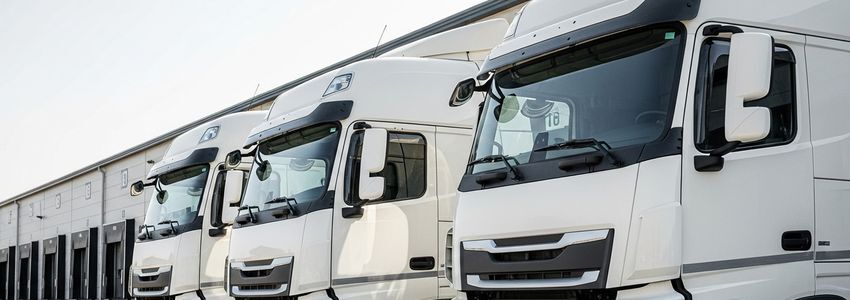
For trucking companies and owner-operators, access to reliable, modern trucks is the foundation of every successful haul. But purchasing new trucks outright - especially when you need multiple vehicles to scale - can strain cash reserves and limit your ability to respond to market demand. Truck equipment leasing offers a practical alternative that puts new trucks on the road faster, preserves capital, and gives fleets the flexibility to grow without overextending financially.
Whether you operate a regional carrier, a last-mile delivery company, or an owner-operator fleet, understanding how truck equipment leasing works - and how to structure the right deal - can mean the difference between a fleet that grows strategically and one that stagnates due to aging equipment or cash flow pressure.
In This Article
- What Is Truck Equipment Leasing?
- How Truck Equipment Leasing Works
- Types of Truck Leases
- Key Benefits for Trucking Businesses
- Leasing vs. Buying: A Direct Comparison
- Truck Leasing by the Numbers
- Who Qualifies for Truck Equipment Leasing?
- How Crestmont Capital Helps
- Real-World Scenarios
- How to Get Started
- Frequently Asked Questions
What Is Truck Equipment Leasing?
Truck equipment leasing is a financing arrangement in which a business or individual uses a new or late-model truck for an agreed-upon period - typically 24 to 84 months - in exchange for regular monthly payments to a lender or leasing company. At the end of the lease term, the lessee typically has the option to return the vehicle, renew the lease, or purchase the truck at a pre-determined residual value.
Unlike a traditional truck loan, where you own the vehicle outright after payoff, a lease gives you the use of the asset without taking on full ownership from day one. This distinction has significant implications for cash flow, balance sheet management, and operational flexibility - particularly for businesses that need to keep their equipment current without continuously tying up capital.
Leasing covers a wide range of commercial vehicles: semi-trucks and tractor-trailers, Class 8 freight trucks, refrigerated reefer trucks, flatbed trucks, dump trucks, box trucks, delivery vans, and more. Nearly any commercial truck used for business purposes can be leased.
Industry Context: According to the American Trucking Associations, trucks move approximately 72.6% of all freight transported in the United States, generating over $940 billion in annual revenue. The industry employs 8.9 million people in trucking-related jobs, including 3.5 million truck drivers. Fleet financing - including equipment leasing - plays a central role in keeping this industry moving.
How Truck Equipment Leasing Works
The mechanics of a truck equipment lease are straightforward, though the details vary depending on the lease structure, lender, and your specific business situation. Here is how the process typically unfolds from application to road-ready:
Step 1 - Application and Pre-Approval. You submit a lease application to a lender or equipment finance company. The application typically includes your business financials, credit history, time in business, and details about the trucks you want to lease. Unlike traditional bank loans, many equipment lenders prioritize the value of the equipment over your credit score, making approvals faster and more accessible.
Step 2 - Vehicle Selection. Once pre-approved, you identify the specific trucks you need - whether new from a manufacturer, sourced through a dealer, or selected from available inventory. Your lender works with dealers and manufacturers to finalize pricing and configure the lease terms.
Step 3 - Lease Structuring. The lender calculates monthly payments based on the truck's cost, the residual value at lease-end, the lease term, and the interest rate (known as a money factor in lease structures). You may have options to adjust the term length, down payment, and mileage allowances to customize payments.
Step 4 - Documentation and Closing. Once terms are agreed upon, you sign the lease agreement. The lender purchases the truck and takes legal title; you receive the right to use the vehicle for the duration of the lease.
Step 5 - Ongoing Lease Period. You make monthly payments and operate the trucks according to the terms of your agreement. Depending on the lease type, maintenance may be included or your responsibility. At term end, you exercise your end-of-lease option.
Ready to Put New Trucks on the Road?
Get flexible truck equipment leasing from the #1 business lender in the U.S. No obligation - apply in minutes.
Apply NowTypes of Truck Leases
Not all truck leases are created equal. Understanding the different lease structures available will help you choose the arrangement that best fits your business model, financial situation, and long-term equipment strategy.
Finance Lease (Capital Lease)
A finance lease - also called a capital lease - is structured more like a loan than a traditional lease. You make payments over a set term, and at the end you typically own the truck outright (or purchase it for a nominal amount such as $1). This structure makes sense when you intend to keep the truck long-term and want to build equity in the asset. Finance leases typically show up on your balance sheet as both an asset and a liability.
Operating Lease
An operating lease is a true lease - you use the truck for a defined period and return it at the end. Monthly payments are generally lower because you are paying for the use of the vehicle, not its full value. Operating leases offer the most flexibility, allowing fleets to upgrade to newer trucks at each term renewal without the burden of ownership. They are particularly valuable in industries where technology and efficiency improvements come rapidly.
Full-Service (Maintenance) Lease
A full-service lease bundles the truck rental with a maintenance, repair, and management package. The leasing company handles scheduled maintenance, tires, roadside assistance, and sometimes even driver training and compliance support. For fleets that want to simplify operations and reduce the administrative burden of fleet management, full-service leases offer a predictable all-in monthly cost.
Open-End Lease
In an open-end lease, the residual value of the truck is estimated at the start. If the truck is worth less than the estimated residual value at lease-end, you pay the difference. If it is worth more, you may receive a credit. Open-end leases are common for commercial fleets because they offer flexibility in mileage and usage, which matters for high-utilization trucking operations.
Closed-End Lease
A closed-end lease fixes the residual value upfront. As long as you return the truck in good condition and within mileage limits, you have no additional financial obligation at the end. This protects lessees from depreciation risk and is the standard structure for most business vehicle leases.
Key Benefits for Trucking Businesses
Truck equipment leasing has gained significant traction among fleet operators of all sizes because it solves several critical business challenges simultaneously. Here are the core advantages:
Preserved Cash Flow. Purchasing a new Class 8 semi-truck can cost anywhere from $150,000 to $200,000 or more. Leasing spreads that cost over time, allowing your capital to stay in the business for fuel, payroll, insurance, and growth investments rather than sitting in depreciating rolling stock.
Access to Newer Trucks. Older trucks cost more to maintain, burn more fuel, and increasingly fail to meet stricter emissions standards. Leasing lets you refresh your fleet regularly, keeping drivers in reliable, fuel-efficient equipment that reduces downtime and keeps operating costs in check.
Fixed Monthly Costs. Budget predictability is critical in trucking, where fuel prices and freight rates can fluctuate significantly. A fixed lease payment gives finance teams a stable expense line to work with each month, reducing financial uncertainty.
Potentially Lower Monthly Payments Than Financing. Because lease payments are calculated on the vehicle's depreciation during the lease term rather than its full purchase price, monthly payments can be lower than a comparable loan - particularly for operating leases.
Flexibility at Term End. At the conclusion of a lease, you can upgrade to the latest model, add additional units, reduce your fleet if demand softens, or convert to ownership - all without being locked into a depreciating asset you no longer need.
Credit-Friendly Qualification. Equipment lenders often take a more holistic view of creditworthiness than traditional banks, weighing the value of the trucks being leased against the borrower's repayment ability. This opens doors for businesses with newer credit histories or imperfect scores.
Fleet Efficiency Fact: The American Transportation Research Institute (ATRI) reports that the average cost of truck ownership (including depreciation, maintenance, tires, and financing) accounts for roughly 18 cents per mile for a typical long-haul operation. Leasing newer, fuel-efficient trucks can meaningfully reduce per-mile costs over time.
Leasing vs. Buying: A Direct Comparison
One of the most common decisions fleet managers face is whether to lease or purchase new trucks outright. The right answer depends on your specific cash position, growth trajectory, and operational priorities. The following comparison highlights the key differences:
| Factor | Leasing | Buying (Cash or Loan) |
|---|---|---|
| Upfront Cost | Low - typically first payment or small deposit | High - 10-20% down payment or full purchase price |
| Monthly Payments | Lower (based on depreciation only) | Higher (repaying full vehicle value) |
| Ownership at End | No (unless finance lease or buyout) | Yes |
| Depreciation Risk | Lender absorbs risk (closed-end lease) | Owner absorbs all depreciation |
| Fleet Upgrade Ease | High - upgrade at each term renewal | Low - must sell/trade-in first |
| Maintenance Responsibility | Varies - can be included in full-service lease | Always owner's responsibility |
| Balance Sheet Impact | Operating leases may keep debt off-balance-sheet | Loan adds to liabilities |
| Best For | Growing fleets, cash flow management, regular upgrades | Long-term operations, high-mileage use, equity building |

Truck Equipment Leasing by the Numbers
By the Numbers
The U.S. Commercial Trucking Industry at a Glance
$940B
Annual trucking industry revenue (ATA)
72.6%
Of U.S. freight moved by truck
$175K+
Average cost of a new Class 8 semi-truck
3.5M
Truck drivers employed in the U.S.
Who Qualifies for Truck Equipment Leasing?
Truck equipment leasing is accessible to a broad range of businesses and operators, from brand-new startups to established multi-truck fleets. Unlike conventional bank financing, which tends to favor businesses with long histories and pristine credit, equipment lessors are often willing to work with a wider range of applicants because the truck itself provides collateral for the transaction.
Established Trucking Companies. Carriers with two or more years in business, steady revenue, and a track record of on-time payments are the easiest to approve. Lenders will want to see bank statements, income documentation, and evidence of active freight contracts or consistent revenue streams.
Owner-Operators. Single-truck owner-operators can qualify for truck leases, particularly if they have a freight contract in hand (such as a carrier agreement with a broker or shipper) or a strong personal credit profile. First-time owner-operators may need a co-signer or a slightly larger down payment.
Growing Fleets Expanding Capacity. Companies adding trucks to meet increased freight demand are strong candidates for equipment leasing. Lenders view fleet expansion as a revenue-generating use of capital, which makes approval more straightforward when backed by solid business financials.
Businesses with Imperfect Credit. Equipment leasing lenders often focus more on the equipment's value and the business's cash flow than on credit scores alone. Businesses with credit challenges can sometimes qualify with higher down payments or shorter initial lease terms that reduce lender risk.
Startups and New Businesses. New trucking operations can sometimes access startup equipment financing through lenders that specialize in early-stage businesses. Requirements typically include a solid business plan, freight contracts, relevant industry experience, and a meaningful personal credit history.
General qualification guidelines for truck equipment leasing include:
- Minimum time in business: 6-24 months (varies by lender)
- Annual revenue: Typically $100,000 or more for commercial fleet leases
- Credit score: 550+ is often sufficient, though 650+ unlocks better rates
- Business documentation: Tax returns, bank statements, and freight contracts
- Down payment: Often $0 to 10% for well-qualified applicants
Expand Your Fleet Today
Get pre-approved for truck equipment leasing in as little as 24 hours. Flexible terms designed for growing trucking operations.
Start Your ApplicationHow Crestmont Capital Helps Trucking Businesses Lease New Trucks
Crestmont Capital is rated the #1 business lender in the United States, and our team has extensive experience helping trucking businesses of all sizes secure the equipment financing they need to grow. We understand the unique financial dynamics of the trucking industry - the seasonality, the fuel volatility, the tight margins, and the constant pressure to keep equipment current and on the road.
Our truck equipment leasing solutions are designed to be fast, flexible, and accessible. Here is what sets us apart:
Fast Approvals. We know that downtime costs money in trucking. Our streamlined application process is designed to deliver decisions quickly - often within 24 hours for straightforward fleet leasing requests. When freight is waiting, you cannot afford to spend weeks waiting on a bank committee.
Flexible Terms. We offer lease terms ranging from 24 to 84 months, with the ability to customize payment structures to fit your cash flow cycles. Whether you need lower payments during slower freight periods or want to structure a lease around seasonal revenue patterns, we work with you to build a deal that makes sense.
Multiple Lease Structures. Through our network of lenders and leasing partners, we can structure capital leases, operating leases, and full-service lease arrangements depending on your operational needs and financial goals. We help you compare options and choose the right structure rather than forcing you into a one-size-fits-all product.
All Credit Profiles Considered. We work with trucking businesses at every stage - from established carriers with strong credit to growing fleets with limited history. Our team understands that creditworthiness in trucking is about more than a FICO score - it is about cash flow, freight contracts, and the value of the assets being financed.
Our commercial truck financing team is equipped to handle both individual owner-operators and large multi-truck fleets. For fleets operating in specific states, we also offer specialized programs - for example, Texas trucking businesses or California carriers can access regional programs tailored to their operating environment.
Beyond truck leasing, our broader portfolio of equipment financing and small business financing options means we can help trucking companies address multiple financing needs in one place - whether that means leasing a new truck, financing a trailer, or securing a working capital line to smooth out freight payment cycles.
Real-World Scenarios: Truck Equipment Leasing in Action
Scenario 1: The Regional Carrier Adding Capacity. A regional LTL carrier based in the Midwest has been operating six trucks for four years. Freight demand has grown significantly, and the company needs two additional Class 8 trucks to take on a new shipper contract. Rather than drawing down their operating cash reserves on $350,000 in truck purchases, they lease both trucks over 60 months. Monthly payments come in at around $3,800 per truck, keeping $350,000 free to cover insurance, fuel, and driver payroll during the ramp-up. By the time the lease ends, the trucks have generated millions in freight revenue - more than justifying the financing cost.
Scenario 2: The Owner-Operator Starting Out. A former company driver decides to start his own operation. He has a freight broker contact willing to provide a carrier agreement, $15,000 in savings, and a 620 credit score. He applies for a truck equipment lease on a late-model used Class 8 truck through Crestmont Capital. The lender approves him based on the freight contract, the truck's value as collateral, and the down payment. His $2,200 monthly lease payment is well within what the freight agreement will generate - and within two years, his strong payment history qualifies him for better rates on his next truck.
Scenario 3: The Fleet Upgrading for Fuel Efficiency. A hazmat carrier has six trucks, all between eight and twelve years old. The older trucks are generating increasing maintenance costs and burning more fuel per mile than newer models. By replacing all six with new leases over a 48-month term, the company locks in modern, fuel-efficient trucks with manufacturer warranties. Estimated fuel savings of $0.04 per mile across 100,000 miles per truck per year generate $24,000 in annual savings per truck - enough to cover a significant portion of the lease payments while also reducing maintenance exposure.
Scenario 4: The Delivery Fleet Adding Last-Mile Capacity. An e-commerce fulfillment operation needs to add eight new box trucks to handle a major retail contract starting in Q4. The contract's revenue stream is solid, but cash is tied up in inventory ahead of peak season. Leasing all eight trucks allows the company to add capacity without depleting the inventory budget. The lease payments are structured to begin 60 days out, giving the operation time to begin generating freight revenue before the first payment is due.
Scenario 5: The Refrigerated Carrier Maintaining Cold Chain Compliance. A food-grade carrier operating reefer trucks needs to upgrade three units to meet new shipper temperature-monitoring requirements. The cost to purchase new reefer trucks with the required technology packages exceeds $200,000 each. Leasing allows them to access compliant, fully-equipped units immediately without a massive capital outlay - keeping them in compliance and protecting a shipper relationship worth $2 million per year in freight revenue.
Scenario 6: The Trucking Startup Scaling Quickly. Two business partners with combined industry experience of 30 years launch a new trucking operation targeting flatbed freight to industrial manufacturers. They enter a lease on four flatbed trucks simultaneously, with staggered payment starts tied to their anticipated driver hiring timeline. Within 18 months, they have grown to a 12-truck operation and are using their payment history with Crestmont Capital to access better terms as they continue expanding.
How to Get Started with Truck Equipment Leasing
Complete our quick application at offers.crestmontcapital.com/apply-now - takes just a few minutes. Have your business financials and truck specifications ready to speed things along.
A Crestmont Capital advisor will review your fleet needs, evaluate your options, and help you compare lease structures, terms, and payment scenarios side by side.
Once approved, we move quickly to finalize the lease and coordinate with your dealer or truck source. In many cases, you can have trucks on the road within days of approval.
Frequently Asked Questions
What types of trucks can be leased through equipment leasing programs?
Nearly any commercial truck used for business purposes can be leased, including semi-trucks and tractor-trailers, box trucks, flatbed trucks, refrigerated reefer trucks, dump trucks, tankers, delivery vans, and specialty vehicles. Both new and late-model used trucks are eligible under most equipment leasing programs.
What is the difference between a truck lease and a truck loan?
A truck loan is used to purchase the vehicle - you own the truck and make payments to pay off the debt. A lease allows you to use the truck for a set period in exchange for monthly payments, after which you return the vehicle, renew the lease, or exercise a purchase option. Leases typically have lower monthly payments and more flexibility at term end, while loans build equity in the asset.
What credit score is needed to lease a commercial truck?
Credit requirements vary by lender, but many equipment lessors will work with business credit scores as low as 550-580. A score of 650 or above generally qualifies for better rates and terms. Equipment lenders often weigh cash flow, time in business, and the value of the trucks being leased heavily alongside credit score, making approvals more accessible than traditional bank loans.
How long are typical truck equipment lease terms?
Commercial truck lease terms typically range from 24 to 84 months (2 to 7 years). The most common terms are 36, 48, 60, and 72 months. Shorter terms result in higher monthly payments but allow you to upgrade sooner; longer terms reduce monthly payments but extend the commitment period. The right term depends on your cash flow needs and how long you expect to need the specific truck.
Can a startup trucking company qualify for equipment leasing?
Yes, though requirements are typically more stringent. Startup trucking companies can qualify through lenders that specialize in startup equipment financing, particularly when they can demonstrate a freight contract, relevant industry experience, solid personal credit, and some capital for a down payment. Providing a carrier agreement or letter of intent from a shipper or broker significantly strengthens startup applications.
What happens at the end of a truck lease?
At the end of a truck lease, you typically have three options: return the truck to the lessor (and potentially lease a new one), renew the lease for an extended period (sometimes with updated terms), or purchase the truck for its predetermined residual value. In a closed-end lease, if the truck is returned in good condition and within mileage limits, there are no additional financial obligations beyond the final payment.
Is maintenance included in a truck lease?
Maintenance inclusion depends on the lease type. Full-service or maintenance-inclusive leases bundle preventive maintenance, tires, roadside assistance, and sometimes compliance support into the monthly payment. Finance leases and standard operating leases typically leave maintenance responsibility with the lessee. Full-service leases cost more per month but simplify operations and provide more predictable total operating costs.
How much does it cost to lease a commercial truck monthly?
Monthly lease costs vary significantly depending on the type of truck, the lease structure, the term length, and the applicant's credit profile. As a general reference, a new Class 8 semi-truck valued at $175,000 might lease for approximately $2,500-$4,000 per month on a 60-month term, depending on residual value and interest rate. Box trucks and delivery vans typically range from $700-$2,000 per month. Getting a custom quote based on your specific needs provides the most accurate pricing.
Can I lease multiple trucks at once?
Yes. Fleet leasing programs are specifically designed to accommodate multiple units under a single or staggered lease structure. Leasing multiple trucks at once can sometimes improve your negotiating position on terms and rates. Fleet leasing programs at Crestmont Capital are structured to grow with your operation, whether you need 2 or 20 trucks.
What documents are needed to apply for a truck equipment lease?
Typical documentation requirements include: completed application, 3-6 months of business bank statements, most recent business and personal tax returns, business license and operating authority (MC number for interstate carriers), and a description of the trucks you want to lease. Some lenders may also request freight contracts or letters of intent from shippers to validate revenue projections.
Does leasing a truck affect my business credit?
When structured as a business lease, the lease obligation typically reports to business credit bureaus (Dun & Bradstreet, Experian Business) rather than your personal credit report. Consistent on-time payments on a truck lease are one of the most effective ways to build strong business credit over time, which improves your access to future financing at better rates.
What is a residual value in a truck lease?
The residual value is the estimated value of the truck at the end of the lease term. In a closed-end lease, the lender assumes the risk that the truck may be worth less than this estimate. In an open-end lease, the lessee is responsible for any shortfall if the actual value comes in below the residual. A higher residual value reduces monthly payments (because you are paying for less depreciation), but a lower residual makes it easier to purchase the truck at term end.
Are there mileage limits on commercial truck leases?
Some lease structures include mileage caps, while others - particularly open-end leases commonly used for commercial trucks - are designed for high-mileage operations with no per-mile penalties. It is critical to disclose your expected annual mileage upfront so your lender can structure the lease appropriately. Underestimating mileage and incurring overage charges can significantly increase your total cost.
Can I get out of a truck lease early?
Early termination of a truck lease is possible but typically comes with fees. Options include paying an early termination fee (which varies by lender and remaining term), finding another business to assume the lease, or purchasing the truck at its current fair market value. Before signing, review the early termination provisions carefully and ask your lender to explain the costs in a scenario where business conditions change.
How do I choose between leasing and financing a truck?
The right choice depends on your specific situation. Leasing is generally better when cash flow preservation is a priority, you want to upgrade trucks regularly, or you prefer lower monthly payments. Financing (owning outright) makes more sense when you intend to use the truck for 10+ years, expect high mileage that would trigger lease overages, or want to build equity in the asset. Many fleet operators use a combination of both strategies depending on the vehicle type and intended use.
Ready to Grow Your Trucking Business?
Talk to a Crestmont Capital truck financing specialist today. Get fast, flexible truck equipment leasing with terms built around your fleet.
Apply NowConclusion
Truck equipment leasing is one of the most effective tools available to trucking businesses looking to grow their fleet, manage cash flow, and access modern, reliable equipment without overextending their financial resources. Whether you are an owner-operator launching your first truck, a regional carrier adding capacity for a new shipper contract, or an established fleet manager replacing aging equipment, leasing offers a path to the trucks your business needs on terms that work with your operation.
The key to a successful truck equipment lease is matching the right lease structure to your specific needs - whether that means a full-service lease that bundles maintenance, an operating lease that maximizes flexibility, or a finance lease that builds toward ownership. Working with an experienced equipment financing partner like Crestmont Capital ensures that you get the right structure, competitive rates, and a fast, straightforward process from application to truck delivery.
If you are ready to explore truck equipment leasing options for your fleet, contact the Crestmont Capital team today. We specialize in helping trucking businesses of all sizes access the financing they need to keep equipment current, cash flow positive, and operations running at full capacity.
Disclaimer: The information provided in this article is for general educational purposes only and is not financial, legal, or tax advice. Funding terms, qualifications, and product availability may vary and are subject to change without notice. Crestmont Capital does not guarantee approval, rates, or specific outcomes. For personalized information about your business funding options, contact our team directly.