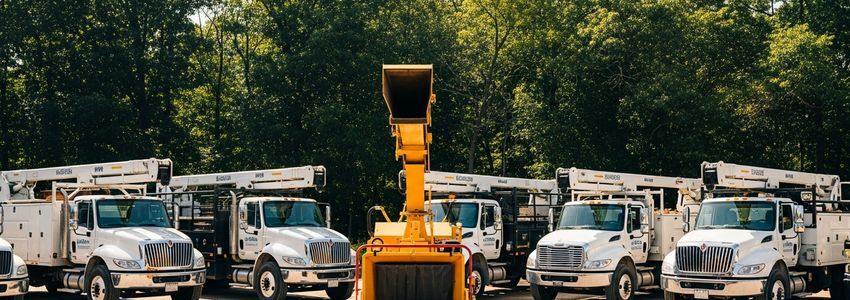
The tree care industry is a vital, high-demand sector that offers significant growth opportunities for skilled entrepreneurs. From residential pruning to large-scale commercial land clearing, the need for professional arborists is constant. However, scaling a tree trimming business requires substantial capital for specialized equipment, skilled labor, and operational expenses, which is where tree trimming business loans provide the necessary fuel for growth.
In This Article
- What Are Tree Trimming Business Loans?
- Key Benefits of Financing for Tree Trimming Companies
- Types of Loans Available for Tree Trimming Businesses
- How Tree Trimming Business Loans Work
- How Crestmont Capital Helps Tree Trimming Businesses
- Who Qualifies for Tree Trimming Business Loans?
- How to Use Tree Trimming Business Loans
- Real-World Scenarios: Financing in Action
- Tree Trimming Loans vs. Other Financing Options
- How to Apply for Tree Trimming Business Loans
- Frequently Asked Questions
- How to Get Started
- Conclusion
What Are Tree Trimming Business Loans?
Tree trimming business loans are specialized financial products designed to meet the unique capital needs of arborists and tree care companies. Unlike generic personal loans or standard business loans that might not account for the specific challenges of the industry, these financing solutions are tailored to address the high equipment costs, seasonal cash flow fluctuations, and rapid growth potential inherent in tree services. These loans provide the necessary capital to purchase, lease, or repair essential equipment, hire and train skilled crews, manage operational expenses during slower seasons, and invest in marketing to secure more profitable contracts.
The core purpose of a tree trimming business loan is to bridge the gap between your current operational capacity and your future growth goals. Whether you are a solo operator looking to buy your first bucket truck and wood chipper or an established company aiming to expand your fleet to handle municipal contracts, financing provides immediate access to funds. This prevents you from having to drain your working capital or wait years to save enough cash. These financial tools recognize that assets in the tree care industry-like a stump grinder or aerial lift-are revenue-generating tools. Therefore, the structure of the loan often aligns with the expected return on investment from the new equipment or expanded operations.
At Crestmont Capital, we understand that the tree service industry is not a one-size-fits-all market. A company specializing in residential pruning has different needs than one focused on storm cleanup or utility line clearance. That is why tree trimming business loans come in various forms, including equipment financing, working capital loans, and business lines of credit. Each type is structured to solve a specific business problem, from acquiring a new crane to covering payroll during an unexpected winter lull. Ultimately, these loans are strategic instruments that empower tree care professionals to operate safely, efficiently, and profitably in a competitive and physically demanding field.
Key Benefits of Financing for Tree Trimming Companies
Securing dedicated financing offers numerous strategic advantages that can significantly accelerate a tree trimming company's growth and stability. By leveraging external capital, business owners can overcome common industry hurdles and capitalize on opportunities more effectively.
- Acquire High-Value Equipment Immediately: The most significant barrier to entry and growth in the tree service industry is the cost of equipment. A reliable bucket truck, a powerful wood chipper, or a modern stump grinder can cost tens or even hundreds of thousands of dollars. Financing allows you to acquire this essential, revenue-generating machinery without a massive upfront cash outlay, enabling you to take on larger, more profitable jobs right away.
- Improve Cash Flow Management: The tree trimming business is often seasonal, with revenue peaking in the spring and fall and slowing down in the winter. A working capital loan or a line of credit provides a crucial cash buffer to cover fixed expenses like insurance, payroll, and equipment storage during these slower periods. This financial stability prevents cash flow crises and ensures your business remains healthy year-round.
- Scale Operations and Expand Your Team: When a major storm hits or you land a large municipal contract, you need the ability to scale up quickly. Financing provides the funds to hire additional certified arborists and ground crew, purchase more safety gear, and run multiple job sites simultaneously. This scalability is key to maximizing revenue during periods of high demand.
- Enhance Professionalism and Safety: Operating with outdated or poorly maintained equipment is not only inefficient but also extremely dangerous. Financing allows you to invest in modern, reliable equipment with the latest safety features. This not only protects your crew but also enhances your company's professional image, helping you win clients who prioritize safety and quality.
- Preserve Business Capital for Other Needs: By using a loan to finance major purchases, you keep your own cash reserves free for other critical business needs. This liquid capital can be used for unexpected repairs, marketing initiatives, performance bonuses for your team, or as a safety net for unforeseen circumstances.
- Build Business Credit: Responsibly managing a business loan is an excellent way to build a strong business credit profile. As you make consistent, on-time payments, you improve your creditworthiness, making it easier and more affordable to secure financing for future growth initiatives.
- Gain a Competitive Edge: In a competitive market, the company with the best equipment and the most reliable crew often wins the best contracts. Financing levels the playing field, allowing smaller but ambitious companies to compete with larger, more established players by investing in the same high-quality tools and talent.
- Potential Tax Advantages: Many business loans, particularly equipment financing agreements, can offer tax benefits. Depending on the structure of the loan or lease, you may be able to deduct interest payments or the full cost of the equipment under Section 179 of the IRS tax code. Consult with a tax professional to understand the specific advantages for your business.
Types of Loans Available for Tree Trimming Businesses
Tree trimming companies have diverse financial needs, from purchasing a new aerial lift to managing payroll during a slow month. Fortunately, there is a range of loan products specifically suited to address these challenges. Understanding the different types of tree trimming business loans is the first step toward choosing the right solution for your company's goals.
Equipment Financing
Equipment financing is one of the most popular funding options for arborists, and for good reason. This type of loan is designed specifically for the purchase of new or used machinery. The equipment itself-be it a bucket truck, wood chipper, stump grinder, or crane-serves as the collateral for the loan. This secured nature often makes equipment loans easier to qualify for than other types of financing, even for businesses with less-than-perfect credit.
How it works: You apply for funding for a specific piece of equipment. The lender pays the vendor directly or provides you with the funds to make the purchase. You then make regular payments (typically monthly) over a set term, which usually aligns with the expected useful life of the equipment. Once the loan is fully paid, you own the equipment outright. Terms can range from two to seven years, and funding can often be secured in just a few days.
Best for: Acquiring essential, high-cost machinery without depleting cash reserves. It is ideal for startups needing their first set of gear or established companies upgrading an aging fleet.
Working Capital Loans
Working capital loans are short-term loans designed to cover everyday operational expenses. Unlike equipment financing, these funds are not tied to a specific asset purchase. Instead, they provide a lump sum of cash that can be used for a wide variety of business needs, offering maximum flexibility.
How it works: After a simple application process, a lender provides a lump sum of cash directly to your business bank account. You repay the loan, plus interest and any fees, over a shorter term, typically ranging from three to 24 months. Repayments can be structured as daily, weekly, or monthly automatic deductions. Because they are often unsecured, approval is heavily based on the business's cash flow and revenue history.
Best for: Managing seasonal cash flow gaps, covering payroll during a slow period, paying for insurance premiums, launching a marketing campaign, or handling unexpected repairs and maintenance costs.
Business Lines of Credit
A business line of credit provides a flexible way to manage ongoing or unexpected expenses. Instead of receiving a lump sum, you are approved for a specific credit limit. You can draw funds from this limit as needed, and you only pay interest on the amount you have actually used. It functions much like a business credit card but often with higher limits and lower interest rates.
How it works: You apply and are approved for a maximum credit amount (e.g., $100,000). If you need $15,000 for an immediate equipment repair, you draw that amount. You then only owe payments on the $15,000. As you repay the balance, your available credit is replenished, ready for the next time you need it. This revolving nature makes it an excellent tool for ongoing cash flow management.
Best for: Businesses that need a financial safety net for unforeseen expenses, want to manage fluctuating inventory costs (like fuel and saw chains), or need to bridge the gap between completing a job and receiving payment from a client.
SBA Loans
SBA loans are partially guaranteed by the U.S. Small Business Administration, which reduces the risk for lenders. This government backing allows banks and other financial institutions to offer loans with longer repayment terms and lower interest rates than many conventional loan products. The most common types for tree services are the SBA 7(a) and 504 loan programs.
How it works: The application process for an SBA loan is typically more intensive and lengthy than for other loan types. It requires detailed financial statements, a comprehensive business plan, and a strong credit history. However, the favorable terms can make the effort worthwhile. SBA 7(a) loans are versatile and can be used for working capital, equipment, and even real estate. SBA 504 loans are specifically for major fixed assets like commercial property or heavy machinery.
Best for: Well-established, financially healthy businesses seeking large amounts of capital with the most favorable terms available. They are ideal for major expansions, such as buying a commercial property for your operations or undertaking a complete fleet overhaul. For more information, visit the official SBA website.
Revenue-Based Financing
Revenue-based financing, also known as a merchant cash advance (MCA), is an alternative funding option where a business receives an upfront sum of cash in exchange for a percentage of its future revenue. Repayments are not fixed; instead, they fluctuate with your daily or weekly sales. When business is strong, you pay back more. When it's slow, you pay back less.
How it works: A funder provides a lump sum. In return, they automatically collect a fixed percentage of your daily credit card sales or make a fixed daily/weekly withdrawal from your business bank account until the agreed-upon amount is repaid. The approval process is very fast and places less emphasis on credit scores, focusing instead on your recent revenue history.
Best for: Businesses that need capital extremely quickly, have inconsistent revenue streams, or may not qualify for traditional loans due to a low credit score or short time in business. It is a useful tool for seizing a sudden opportunity, like buying discounted equipment or covering an emergency expense.
How Tree Trimming Business Loans Work
Navigating the financing process can seem complex, but at its core, it is a straightforward series of steps designed to connect your business with the capital it needs to thrive. Understanding this process demystifies financing and empowers you to make informed decisions for your tree trimming company. Here is a step-by-step breakdown of how tree trimming business loans typically work from application to funding.
- Initial Consultation and Application: The process begins when you identify a need for capital. You will start by completing a simple application, which can often be done online in just a few minutes. This form gathers basic information about your business, such as its legal name, time in business, monthly revenue, and the amount of funding you are seeking. At this stage, you may also have a brief consultation with a funding specialist to discuss your specific goals and challenges.
- Documentation Submission: To verify the information on your application and assess your business's financial health, the lender will request a few key documents. For most modern, alternative lenders, this is a streamlined process. Typically, you will only need to provide your last three to six months of business bank statements and perhaps a copy of your driver's license. For larger or more complex loans like those from the SBA, more extensive documentation like tax returns and financial projections will be required.
- Underwriting and Review: Once your application and documents are submitted, they go to the underwriting team. This is the risk assessment phase. Underwriters will analyze your business's revenue, cash flow patterns, credit history, and time in business. They are looking for consistency and the ability to comfortably manage loan repayments. For equipment financing, they will also assess the value of the asset you intend to purchase. This stage is often completed within hours for alternative lenders.
- Approval and Offer Presentation: If your business meets the lender's criteria, you will receive a loan approval and a formal offer. This offer will clearly outline the key terms of the financing, including the total loan amount, the interest rate or factor rate, the repayment term (how long you have to pay it back), and the payment schedule (daily, weekly, or monthly). A dedicated funding specialist will walk you through the offer, answer any questions, and ensure you fully understand the terms before you commit.
- Contract and Funding: If you are satisfied with the terms and decide to move forward, you will sign a loan agreement. Thanks to modern technology, this is almost always done electronically. After the signed contract is received, the lender initiates the funding process. The capital is then transferred directly into your business bank account, often via wire or ACH transfer. For many loan products, this final step can happen in as little as 24 hours from the initial application. For equipment financing, the funds may be sent directly to the equipment vendor.
Your Funding Journey in 4 Simple Steps
Apply Online
Complete our simple, secure application in minutes. No impact on your credit score.
Review Offers
Receive and review your customized loan offers, often within hours.
Accept Terms
Select the best option for your business and electronically sign the agreement.
Get Funded
Capital is deposited directly into your account, often within 24 hours.
Ready to Grow Your Tree Trimming Business?
Get the capital you need for equipment, crew, and operations. Fast, simple, and transparent financing is just a click away.
Apply Now →How Crestmont Capital Helps Tree Trimming Businesses
At Crestmont Capital, we specialize in providing financing solutions tailored to the unique demands of skilled trade industries, including tree care and arboriculture. We understand that your business is not a typical retail store or office-based company. You face distinct challenges related to high equipment costs, seasonal revenue, and the need for rapid response to opportunities like storm cleanup contracts. Our entire process is built to address these specific needs, ensuring you get the right funding, right when you need it.
We pride ourselves on speed and efficiency. While traditional banks can take weeks or even months to approve a loan, our streamlined application and underwriting process can provide you with access to capital in as little as 24 hours. This agility is crucial in the tree service industry. When a vital piece of equipment like a wood chipper breaks down, you cannot afford to wait. We offer fast and flexible Equipment Financing that gets you the machinery you need to stay operational and profitable.
Our expertise extends beyond just equipment. We know that managing cash flow is a constant challenge for arborists. That is why we offer versatile Working Capital Loans to help you cover payroll, insurance, fuel, and other operating expenses during slower months. For ongoing financial flexibility, our Business Line of Credit acts as a revolving safety net, giving you peace of mind that you can handle any unexpected cost without disrupting your business. We see ourselves as a financing partner, providing the tools you need to build a resilient and successful company.
Furthermore, we recognize the similarities and shared challenges between various field service industries. Our experience providing roofing business loans and financing for construction companies gives us a deep understanding of businesses that rely on heavy equipment, skilled labor, and project-based revenue. This cross-industry knowledge allows us to structure our Small Business Financing products more effectively for your specific situation. We work with business owners across the credit spectrum and focus on your business's health and potential, not just a single credit score.
Who Qualifies for Tree Trimming Business Loans?
Qualifying for a tree trimming business loan is more accessible than many business owners assume. While traditional banks often have rigid requirements that can exclude newer or smaller companies, modern lenders like Crestmont Capital take a more holistic view of your business. We focus on your company's overall health and cash flow rather than just a few narrow metrics. However, there are some general guidelines that will increase your chances of approval.
Minimum Credit Score
Your personal credit score is a factor, but it is not the only one. For traditional bank loans or SBA loans, you will typically need a FICO score of 680 or higher. For more flexible financing options from alternative lenders, the requirements are often lower. Many lenders can work with business owners who have scores as low as 550. They place a greater emphasis on the business's revenue and cash flow. A stronger credit score will generally result in better rates and terms, but a lower score does not automatically disqualify you from receiving funding.
Time in Business
Lenders want to see a track record of stability. Most prefer to work with businesses that have been in operation for at least one to two years. However, specialized programs are available for newer companies. Some lenders offer financing for businesses that have been operational for as little as six months, provided they can demonstrate strong and consistent revenue during that time. Startup financing is more challenging to secure and often requires a strong business plan and some form of collateral or a significant down payment.
Annual and Monthly Revenue
This is one of the most critical factors, especially for unsecured loans. Lenders need to see that your business generates enough income to comfortably support loan repayments. The minimum revenue requirements vary by loan type and lender. A common benchmark is at least $15,000 to $25,000 in monthly revenue, which translates to $180,000 to $300,000 in annual revenue. The higher and more consistent your revenue, the larger the loan amount you can qualify for. Be prepared to show this revenue through your business bank statements.
Required Documentation
To streamline the process, it is helpful to have your documents ready. The exact requirements will depend on the lender and loan type, but here is a general list of what you might need:
- Business Bank Statements: Typically, the last 3-6 months. This is the most important document for assessing your cash flow.
- Driver's License: A copy to verify your identity.
- Voided Business Check: To set up funding and automatic repayments.
- Equipment Quote/Invoice: If you are applying for equipment financing, you will need an official quote from the vendor.
- For Larger Loans (e.g., SBA): You may also need business tax returns, personal tax returns, a detailed business plan, and profit and loss statements.
How to Use Tree Trimming Business Loans
A tree trimming business loan is a versatile tool that can be deployed to address nearly any challenge or opportunity your company faces. The key to maximizing its value is to invest the funds strategically in areas that will generate a clear return, whether through increased efficiency, expanded capacity, or enhanced safety. Here are some of the most common and effective ways arborists use business financing.
Purchase New or Used Equipment
This is the most frequent use for tree trimming business loans. The right equipment is the lifeblood of your operation. Financing can help you acquire:
- Bucket Trucks and Aerial Lifts: Essential for safely reaching high branches, these are often the most expensive assets in a fleet, with costs ranging from $50,000 to over $150,000.
- Wood Chippers and Stump Grinders: These machines are critical for efficient cleanup and disposal. Commercial-grade chippers can cost $20,000 to $70,000, while stump grinders vary widely based on size and power.
- Chainsaws, Rigging, and Safety Gear: While less expensive individually, the cost of outfitting a full crew with professional-grade saws, ropes, harnesses, and personal protective equipment (PPE) adds up quickly.
- Grapple Saws and Cranes: For companies taking on large-scale tree removal projects, specialized equipment like cranes or remote-controlled grapple saws can dramatically improve efficiency and safety.
Industry Insight: According to reports from Forbes and industry suppliers, the initial equipment investment for a new tree trimming business can easily exceed $100,000, making financing a practical necessity for most entrepreneurs entering the market.
Cover Working Capital and Operational Expenses
A working capital loan provides the liquidity to keep your business running smoothly, especially during seasonal lulls. Common uses include:
- Payroll: Ensuring your skilled crew is paid on time, every time, is essential for retention and morale.
- Insurance: The tree care industry requires significant insurance coverage, including general liability and workers' compensation. A loan can help you pay these large annual or semi-annual premiums upfront.
- Fuel and Maintenance: Keeping your trucks and equipment fueled and in good working order is a constant, significant expense.
- Marketing and Advertising: Invest in a professional website, local SEO, or targeted ads to attract higher-value residential and commercial clients.
Expand Your Crew and Services
When you are ready to grow, capital is required. A loan can fund the expansion of your team by covering the costs of recruiting, hiring, and training new ground crew members or a certified arborist. This allows you to run multiple job sites at once, significantly increasing your revenue potential. You can also use the funds to add complementary services like stump removal, land clearing, or plant health care, creating new revenue streams for your business.
Finance Your Next Big Move
Whether it's a new bucket truck or capital to expand your crew, we have a solution. See what you qualify for in minutes.
Get Pre-Approved →Real-World Scenarios: Tree Trimming Business Financing in Action
Theory is helpful, but seeing how financing works in practice provides a clearer picture of its impact. Here are a few realistic scenarios illustrating how tree trimming business loans can solve common challenges and unlock growth for arborists.
Scenario 1: The Fleet Upgrade
The Business: "Oakwood Tree Experts," a family-owned business run by Michael, has been operating for 10 years. Their reputation is solid, but their primary bucket truck is over 15 years old and becoming unreliable, leading to costly downtime and project delays. Michael wants to bid on a lucrative municipal contract for park maintenance, but he knows his old equipment won't meet the contract's reliability standards.
The Challenge: A new, reliable aerial lift truck costs $125,000, a sum Michael does not have available in cash without crippling his business's operating funds.
The Solution: Michael applies for an equipment financing loan through Crestmont Capital. Because the truck itself serves as collateral and his business has a strong history of revenue, he is quickly approved. The funds are sent directly to the dealership, and Michael takes delivery of the new truck within a week.
The Outcome: With the new, efficient, and reliable truck, Oakwood Tree Experts wins the municipal contract. The increased revenue from the contract easily covers the monthly loan payments, and the business's overall profitability increases by 30% in the first year. The new equipment also improves crew safety and morale.
Scenario 2: Managing the Winter Slowdown
The Business: "Alpine Arborists," owned by Sarah, operates in a region with harsh winters. While they are incredibly busy from spring through fall, business drops by nearly 70% from December to February. Sarah needs to cover fixed costs like insurance, yard rent, and the salary of her lead arborist to ensure he doesn't leave for another company.
The Challenge: Sarah's cash reserves are dangerously low after a slower-than-expected fall season. She is worried about making payroll and keeping the business afloat until the spring rush begins.
The Solution: Sarah applies for a $40,000 short-term working capital loan. Based on her strong revenue from the previous nine months, she is approved in 24 hours. The funds are deposited into her account, providing an immediate cash infusion.
The Outcome: The loan allows Sarah to cover all her winter expenses without stress. She retains her key employee and even uses a small portion of the funds for a targeted marketing campaign for tree health consultations, generating some off-season revenue. When spring arrives, her business is fully staffed and ready to handle the influx of work, stronger than ever.
Scenario 3: Seizing a Storm Cleanup Opportunity
The Business: "Rapid Response Tree Service," a three-person operation led by David, focuses on residential tree care. A major thunderstorm with high winds sweeps through their service area, leaving a massive amount of damage and an overwhelming number of calls for emergency tree removal.
The Challenge: David's crew can only handle one job at a time. To capitalize on the surge in demand, he needs to rent a second chipper and hire two temporary, experienced ground crew members immediately. He needs about $20,000 in fast cash to cover the rental deposit, fuel, and upfront labor costs.
The Solution: David uses a business line of credit he had previously established for emergencies. He draws $20,000 from his available credit, a process that takes only a few minutes online. The money is in his account the same day.
The Outcome: With the extra resources, David's company is able to run two crews simultaneously for three weeks, completing dozens of high-paying emergency jobs. They generate over $100,000 in revenue in less than a month. He is able to pay back the $20,000 draw quickly, and his line of credit is replenished and ready for the next unexpected opportunity.
Scenario 4: The Startup's First Big Purchase
The Business: Maria, a certified arborist with five years of experience working for a large company, decides to start her own business, "Canopy Care LLC." She has a business plan, a few clients lined up, and some personal savings for initial costs, but she lacks the capital for the most critical piece of equipment: a commercial-grade wood chipper.
The Challenge: As a new business with only a few months of operation, Maria is denied a loan by her local bank. A new chipper costs $35,000, and without it, she cannot efficiently complete jobs or compete with established companies.
The Solution: Maria applies for equipment financing with a lender that specializes in working with newer businesses. While the interest rate is slightly higher due to her limited time in business, the lender approves her based on her strong personal credit, industry experience, and the value of the chipper as collateral.
The Outcome: The financing allows Maria to purchase the chipper and begin operating at full capacity. Her professionalism and efficiency lead to excellent reviews and referrals. Within a year, her business is profitable, and she has built a strong business credit history by making her loan payments on time, setting her up for easier financing in the future.
Tree Trimming Loans vs. Other Financing Options
When seeking capital, it is important to evaluate all available avenues. While specialized tree trimming business loans are often the best fit, understanding how they compare to other options like personal loans or credit cards can help you make the most strategic choice for your company's needs.
Below is a comparison of common financing methods for a tree care business:
| Financing Option | Best For | Pros | Cons |
|---|---|---|---|
| Tree Trimming Business Loans (from Alternative Lenders) | Equipment purchases, working capital, rapid growth, and managing seasonal cash flow. | - Fast funding (24-48 hours) - Flexible qualification criteria - Loan amounts tailored to business revenue - Helps build business credit |
- Interest rates can be higher than traditional bank loans - Shorter repayment terms on some products |
| SBA Loans | Large, long-term investments like real estate or a complete fleet overhaul for established businesses. | - Very low interest rates - Long repayment terms (up to 25 years) - High borrowing limits |
- Very slow application and funding process (months) - Strict credit and documentation requirements - Difficult for new businesses to qualify |
| Business Credit Cards | Small, recurring purchases like fuel, tools, and supplies. Managing minor, unexpected expenses. | - Instantly accessible funds (up to your limit) - Potential for rewards and cashback - Good for very small, short-term needs |
- High interest rates (APR) if balance isn't paid off - Low credit limits may not cover major equipment - Can easily lead to accumulating debt |
| Personal Loans | Startups with no business history or for very small funding needs when other options are unavailable. | - May be easier to obtain for a brand-new business owner - Does not require business documentation |
- Puts personal assets and credit at risk - Loan amounts are typically smaller - Does not build business credit - Mixes personal and business finances |
| Using Personal Savings | Covering initial startup costs or very small expenses if you have significant liquid assets. | - No debt, no interest payments - Complete control over the funds |
- Depletes your personal financial safety net - High risk; if the business struggles, your savings are gone - Limits the scale and speed of your growth |
How to Apply for Tree Trimming Business Loans
Applying for a tree trimming business loan with a modern lender like Crestmont Capital is designed to be a fast, simple, and transparent process. We have removed the barriers and paperwork common with traditional banks to get you the capital you need without the hassle. Follow these steps to get started.
Step 1: Determine Your Needs
Before you apply, have a clear idea of what you need the funding for and how much you require. Are you buying a specific stump grinder? Calculate the total cost, including taxes and delivery. Do you need working capital to bridge the slow season? Create a simple budget of your monthly expenses (payroll, insurance, rent, fuel) to determine the amount that will provide a comfortable cushion. Having a clear purpose will help you and your funding specialist identify the best loan product for your situation.
Step 2: Gather Your Documents
To ensure a speedy process, have your basic documentation ready. For most of our loan products, this is a very short list:
- Last 3-6 Months of Business Bank Statements: This is the most important document, as it shows your revenue and cash flow health. You can typically download these as PDFs directly from your online banking portal.
- A Government-Issued Photo ID: A clear picture of your driver's license is usually sufficient.
- An Equipment Quote: If you are applying for equipment financing, have the official quote or invoice from the seller ready to submit.
Application Tip: Ensure your business bank account is used exclusively for business transactions. Lenders look for clean, consistent deposits and a healthy average daily balance. Avoid commingling personal and business funds, as this can make it difficult for underwriters to assess your company's true financial performance.
Step 3: Complete the Online Application
Our secure online application takes only a few minutes to complete. You will provide basic information about yourself and your business. The application can be filled out from your computer or mobile device. Submitting an application with us is free and does not impact your credit score, so there is no risk in exploring your options.
Step 4: Speak with a Funding Specialist and Review Your Offer
Shortly after you apply, a dedicated funding specialist will contact you to discuss your application and goals. They will answer any questions you have and work with the underwriting team to find the best possible financing offers for your business. Once approved, you will receive a clear, easy-to-understand offer detailing the loan amount, term, and payment structure. We believe in full transparency, with no hidden fees.
Step 5: Sign and Get Funded
Once you have selected the offer that works best for you, you will sign the loan agreement electronically. After we receive the signed contract, the funding process is initiated. In most cases, the capital will be deposited directly into your business bank account in as little as 24 hours. It is that simple.
Frequently Asked Questions
1. What is the minimum credit score for a tree trimming business loan?
While a higher credit score (650+) will always result in better terms, it is not a strict barrier. At Crestmont Capital, we work with business owners across the credit spectrum and can often find financing solutions for those with scores as low as 550. We place a stronger emphasis on your business's recent revenue and cash flow history, as this is a better indicator of your ability to repay the loan.
2. How quickly can I get funded?
Speed is one of our primary advantages. For many of our products, such as working capital loans and equipment financing, the entire process from application to funding can be completed in as little as 24 to 48 hours. The key to a fast turnaround is submitting a complete application and having your recent bank statements ready.
3. Can I get a loan to buy a used bucket truck or chipper?
Yes, absolutely. We provide equipment financing for both new and used equipment. Financing used machinery is a common and smart way for businesses to acquire necessary assets at a lower cost. We will work with you and the seller (whether it is a dealership or a private party) to facilitate the purchase.
4. What if my tree service is seasonal and my revenue fluctuates?
We understand the seasonal nature of the tree care industry. Our underwriters are experienced in analyzing businesses with fluctuating revenue. We look at your overall annual performance and cash flow patterns, not just a single slow month. Products like a business line of credit or revenue-based financing are specifically designed to be flexible and accommodate these seasonal swings.
5. Do I need to provide collateral for a loan?
It depends on the loan type. For equipment financing, the equipment you are purchasing serves as its own collateral, so no additional collateral is typically required. For unsecured working capital loans or lines of credit, no specific collateral is needed, as approval is based on your business's cash flow. A general lien on business assets may be required in some cases.
6. Can I get a loan if my business is new?
Yes, we have programs for newer businesses. While many lenders require 1-2 years in business, we can often provide funding for companies that have been operating for as little as six months, provided they can show strong and consistent revenue during that period. For brand-new startups with no revenue history, financing can be more challenging but options may still be available.
7. How much money can I borrow for my tree trimming business?
The amount you can borrow depends on several factors, primarily your business's average monthly revenue, time in business, and credit profile. Loan amounts can range from as little as $5,000 for small working capital needs to over $500,000 for major equipment purchases or expansion projects. Generally, a business can qualify for an amount equal to 1-2 times its average monthly revenue.
8. Will applying for a loan hurt my credit score?
Submitting an application with Crestmont Capital to see your options will not affect your credit score. We use a "soft credit pull" for the initial review, which is not visible to other lenders and has no impact. A "hard credit pull" is only performed if you decide to move forward with a specific loan offer.
9. What are the typical repayment terms for these loans?
Repayment terms vary by loan product. Short-term working capital loans typically have terms ranging from 3 to 24 months. Equipment financing terms are longer, usually from 2 to 7 years, designed to match the useful life of the asset. SBA loans offer the longest terms, often 10 years for working capital and up to 25 years for real estate.
10. Can I use the loan to pay for business insurance or marketing?
Yes. A working capital loan or business line of credit is perfect for these types of expenses. These loans provide flexible cash that can be used for any legitimate business purpose, including paying for large insurance premiums, launching a new website, running a local advertising campaign, or investing in certifications for your crew.
11. What is the difference between an interest rate and a factor rate?
An interest rate is the percentage of the principal charged for a traditional loan, and it amortizes over time. A factor rate is a simple multiplier used for some short-term financing products, like a merchant cash advance. For example, a $10,000 advance with a 1.3 factor rate means you will pay back a total of $13,000. It is a fixed cost that does not change over the life of the funding.
12. Can I pay off my loan early?
This depends on the specific loan product. Many of our term loans do have early payment benefits. However, some short-term financing options with fixed costs may not offer a discount for early repayment. Your funding specialist will clearly explain the prepayment terms associated with your specific offer before you sign any agreement.
13. My business is a sole proprietorship. Can I still qualify?
Yes. We provide financing to businesses with various legal structures, including sole proprietorships, LLCs, S-Corps, and C-Corps. As long as you have a business bank account and can demonstrate consistent business revenue, your entity type is not a barrier to qualification.
14. What happens after I pay off my loan?
Once your loan is paid in full, you are free of the obligation. For equipment financing, you receive the title and own the asset outright. Successfully paying off a loan also strengthens your relationship with the lender and builds your business credit history, often making you eligible for larger loan amounts and better terms for any future financing needs.
15. How is Crestmont Capital different from a traditional bank?
Crestmont Capital differs from traditional banks in three key areas: speed, flexibility, and focus. Our application and funding process is measured in hours, not weeks. Our qualification criteria are more flexible, focusing on your business's cash flow rather than just your credit score. Finally, we are specialists in small business and equipment financing, so we understand the unique needs of industries like tree care far better than a generalist bank lender.
Don't Let a Lack of Capital Hold You Back
Find out how much your tree service business can get. The application is free, fast, and won't affect your credit score.
See Your Options →How to Get Started
Taking the next step toward securing funding for your tree trimming business is simple and straightforward. We have designed our process to get you from inquiry to funding with maximum efficiency so you can get back to what you do best. Here is how to begin.
Click to Apply
Start by filling out our secure, one-page online application. It takes less than five minutes and provides us with the basic information we need to begin finding your best financing options.
Connect with a Specialist
A dedicated funding specialist will reach out to you, often within the hour. They will discuss your goals, answer your questions, and guide you on submitting the necessary documents, like your recent bank statements.
Receive and Accept Your Offer
Review your customized loan offer with no obligation. Once you accept the terms that best suit your business, you can sign electronically and prepare to receive your funds, often by the next business day.
Conclusion
In the competitive and capital-intensive tree care industry, strategic financing is not just an option; it is a fundamental component of growth and long-term success. The ability to acquire modern equipment, manage seasonal cash flow, and scale operations on demand is what separates thriving companies from those that stagnate. Tree trimming business loans provide the critical capital needed to overcome these hurdles, transforming financial challenges into opportunities for expansion, efficiency, and enhanced profitability.
From equipment financing that puts a state-of-the-art bucket truck in your fleet to working capital loans that ensure your crew gets paid during the winter months, the right funding solution acts as a powerful catalyst. It empowers you to take on larger contracts, improve safety standards, and build a more resilient and valuable business. By partnering with a lender that understands the unique rhythm of your industry, you gain more than just money; you gain a strategic resource dedicated to helping you achieve your goals.
Navigating the world of business financing can seem daunting, but it does not have to be. With a clear understanding of your options and a streamlined application process, securing the right tree trimming business loans can be a quick and seamless experience. Investing in your company's future through smart financing is one of the most impactful decisions an arborist or tree service owner can make.
Disclaimer: The information provided in this article is for general educational purposes only and is not financial, legal, or tax advice. Funding terms, qualifications, and product availability may vary and are subject to change without notice. Crestmont Capital does not guarantee approval, rates, or specific outcomes. For personalized information about your business funding options, contact our team directly.