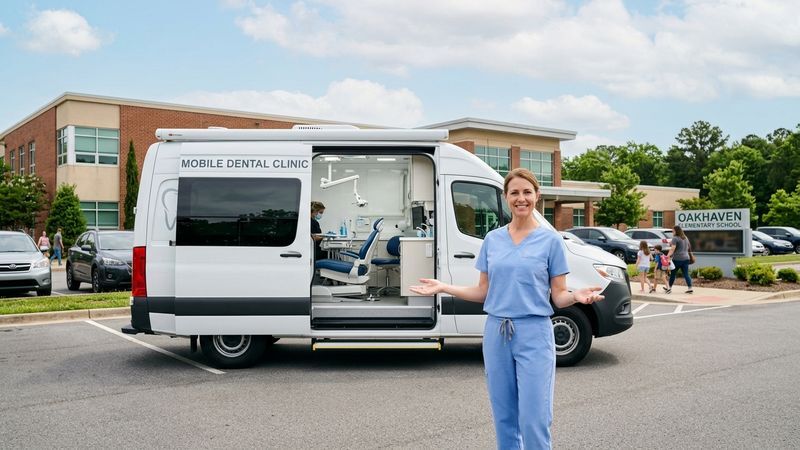
Running a tour company is one of the most rewarding businesses in the travel industry - and one of the most capital-intensive. Whether you operate guided hiking expeditions, wine country tours, city sightseeing routes, adventure travel packages, or luxury private experiences, tour company business loans give you the capital to grow your fleet, hire seasonal staff, market to new customers, and bridge the inevitable gaps between busy seasons and slow ones. This guide covers everything tour operators need to know about financing options, qualification requirements, and how to put capital to work for sustainable business growth.
In This Article
- What Are Tour Company Business Loans?
- Why Tour Operators Need Financing
- Types of Loans Available to Tour Companies
- Best Uses for Tour Company Financing
- How to Qualify for a Tour Company Loan
- Loan Comparison Table
- How Crestmont Capital Helps
- Real-World Scenarios
- Frequently Asked Questions
- How to Get Started
What Are Tour Company Business Loans?
Tour company business loans are standard small business financing products applied specifically to the needs of travel and tour operators. Unlike personal loans or mortgages, these loans are made to your business entity - whether you operate as an LLC, S-corp, or sole proprietorship - and can be used for virtually any legitimate business purpose. The lender evaluates your tour company's revenue history, time in business, creditworthiness, and cash flow to determine how much you qualify for and at what terms.
Tour companies span an enormous range of business types: adventure sports outfitters, wine country tour operators, city walking and bus tours, boat and kayak excursion companies, food and culinary tours, helicopter tour operators, wildlife and safari experiences, and corporate event travel providers. Despite this diversity, they share common financial characteristics that make them well-suited to specific financing products - particularly working capital loans, equipment financing for vehicles and gear, and lines of credit for managing seasonal revenue swings.
What distinguishes tour company financing from other small business loans is the seasonal nature of the business. Most tour operators earn the majority of their revenue during peak travel seasons - summer months, holidays, and local festival periods - while fixed costs continue year-round. Lenders familiar with travel and tourism businesses understand this pattern and structure financing accordingly.
Industry Context: According to the U.S. Travel Association, the domestic travel industry generates over $1 trillion in economic activity annually. Tour operators are a critical part of this ecosystem, generating billions in revenue through curated travel experiences. Despite their contribution, many small tour companies operate on thin margins and rely on financing to navigate seasonal cash flow challenges.
Why Tour Operators Need Financing
Tour companies face a unique combination of capital requirements that make business financing essential for growth and stability. Understanding why financing matters helps you identify where capital will have the greatest impact on your specific operation.
Seasonal Cash Flow Volatility
Seasonal cash flow volatility is the defining financial challenge of the tour industry. A wilderness expedition company in the Rocky Mountains might earn 75% of its annual revenue between June and September. The remaining nine months generate minimal bookings while fixed costs - office rent, insurance premiums, equipment storage, staff salaries for permanent employees, and marketing - continue without interruption. A business line of credit or working capital loan provides the runway to cover these off-season expenses without slashing staff or cutting marketing investments that generate next season's bookings.
The timing challenge is compounded by the advance booking model used by most tour companies. Customers book and pay months before the tour date, creating apparent cash balance that is actually owed in future services rather than earned revenue. When tours are canceled due to weather, wildfires, or other disruptions, refunds can create sudden cash shortfalls. Financing creates a financial buffer against these realities.
Vehicle and Equipment Investment
Most tour companies depend heavily on vehicles and specialized equipment. A city tour operation might run a fleet of buses, vans, or pedicabs. An adventure company needs kayaks, bikes, climbing gear, camping equipment, or snowmobiles. A boat tour company requires vessels that may cost $100,000 to several million dollars. These assets depreciate, require maintenance, and eventually need replacement or expansion as the business grows. Equipment financing allows tour operators to acquire or upgrade these assets without depleting operating cash reserves.
Marketing and Booking Platform Investment
Modern tour companies compete online. Listings on platforms like TripAdvisor, Viator, GetYourGuide, and Google require consistent five-star reviews and active marketing to maintain visibility. Building a direct booking website with robust e-commerce capabilities, managing social media advertising, and running paid search campaigns require upfront investment that may take months to generate measurable return. Loans allow operators to fund marketing campaigns during the off-season to fill peak-season bookings before the revenue arrives.
Staffing and Training
Tour guides, drivers, safety personnel, and administrative staff are the backbone of any tour operation. Hiring, training, and retaining quality staff requires capital investment. Seasonal operations often need to hire large numbers of temporary guides and drivers in spring to prepare for summer season - payroll costs that arrive before summer revenue materializes. Working capital loans or payroll financing bridge this common gap.
Insurance, Licensing, and Compliance
Tour companies carry significant insurance obligations. General liability, commercial vehicle insurance, professional liability, and - for adventure operators - accident and activity-specific coverage can cost tens of thousands of dollars annually. State and local licensing fees, guide certifications, safety training requirements, and compliance costs add to the burden. These necessary business costs often come due in lump sums that strain seasonal cash flow.
Ready to Fund Your Tour Business?
Crestmont Capital offers fast, flexible financing designed for seasonal businesses. Apply in minutes with no obligation.
Apply Now →Types of Loans Available to Tour Companies
Tour operators can access a full menu of small business financing products. The right choice depends on your specific need, the size of the financing required, and your business's financial profile.
Working Capital Loans
Working capital loans are the most common financing product for seasonal businesses like tour companies. These short-term loans provide a lump sum to cover operational expenses - payroll, marketing, insurance, supplies, and overhead - when revenue is low and costs are running. They are fast to obtain, often funded within 1-3 business days, and do not require collateral in many cases. Repayment terms typically range from 3 to 24 months.
For tour operators, working capital loans are ideal for bridging the off-season, pre-booking season hiring and training costs, and funding peak-season preparation before peak-season revenue arrives. Explore unsecured working capital loans designed for businesses that need fast, flexible capital without putting up specific assets as collateral.
Business Line of Credit
A business line of credit is arguably the most powerful financing tool for tour operators managing seasonal volatility. Unlike a term loan, a line of credit is revolving: you draw what you need when you need it, repay as revenue flows in, and draw again as needed. This structure perfectly matches the cyclical nature of a tour business.
With a $100,000 line of credit, a tour operator might draw $25,000 in November to cover off-season staff and marketing, repay it in March when spring deposits start arriving, draw $40,000 in April to hire and train summer guides, and repay it in August when summer revenue peaks. The line functions as a permanent financial management tool, not a one-time loan. Learn more about how business lines of credit can transform your tour company's cash flow management.
Equipment Financing
Equipment financing covers the acquisition of vehicles, vessels, specialized gear, and technology systems. The equipment itself typically serves as collateral, making qualification easier than unsecured products. Terms generally range from 2 to 7 years and are matched to the useful life of the equipment being financed.
For tour companies, equipment financing covers a wide range: passenger vans and minibuses, charter boats and pontoons, mountain bikes and kayaks, snowmobiles and ATVs, cameras and production equipment for marketing content, point-of-sale systems, and scheduling software infrastructure. Equipment financing allows operators to acquire revenue-generating assets without the full upfront cash cost.
SBA Loans
Small Business Administration guaranteed loans offer the best rates and longest terms available to qualified tour companies. SBA 7(a) loans can provide up to $5 million and are well-suited for established tour operators looking to expand significantly - opening a second location, acquiring a competitor, purchasing commercial real estate for a base of operations, or making a major fleet investment. The tradeoff is time: SBA loans require significant documentation and typically take 30-90 days from application to funding. Read our comprehensive guide to SBA loans explained to understand whether this is the right option for your business.
Short-Term Business Loans
Short-term business loans provide quick capital with repayment terms typically under 18 months. They are faster to obtain than SBA loans and work well for immediate needs: a marketing push before a key booking period, emergency equipment repair, or covering a payroll shortfall. Rates are higher than longer-term products, but the speed and flexibility justify the cost for operators facing time-sensitive capital needs. Visit our guide to short-term business loans for more details on qualification and funding speed.
Revenue-Based Financing
Revenue-based financing advances capital against a percentage of your tour company's future revenue. Repayments flex with your income - higher payments in strong months, lower payments in slow months. This structure is particularly well-suited to tour operators who have seasonal revenue spikes and want repayments tied to actual income rather than a fixed monthly obligation. The cost is typically higher than conventional loans, but the flexibility may justify the premium for businesses with highly variable cash flow.
By the Numbers
Tour Industry & Small Business Financing - Key Statistics
$1T+
U.S. domestic travel economic impact annually
43%
of small businesses cite cash flow as a top challenge
1-3 Days
Typical funding speed for working capital loans
$5M
Maximum SBA 7(a) loan amount for qualified operators
Best Uses for Tour Company Financing
Capital deployed strategically generates far better returns than capital used reactively. Here are the highest-ROI uses of financing for tour operators at different stages of growth.
Fleet Expansion and Replacement
Your vehicles and vessels are your primary revenue-generating assets. An aging van fleet creates reliability risk, higher maintenance costs, and a less professional customer impression. Adding capacity - whether a second van, a larger boat, or a new fleet of e-bikes - directly enables revenue growth. Equipment financing is purpose-built for this use case. The vehicle generates revenue that services the loan payment, making fleet financing one of the most self-sustaining uses of capital in the tour industry.
Pre-Season Marketing and Booking Campaigns
The most profitable customers book early. A tour company that invests heavily in digital advertising, email campaigns, and travel influencer partnerships in January and February can fill peak summer slots months before competitors who wait to market until spring. The challenge: marketing spend happens in the off-season, months before the revenue from those bookings materializes. Working capital loans or lines of credit fund pre-season marketing campaigns that generate disproportionate full-season ROI.
Seasonal Staff Hiring and Training
Experienced, well-trained guides are the single most important factor in customer satisfaction and repeat business in the tour industry. Hiring and training staff takes time and money before they generate a single dollar of revenue. A rafting company that needs 12 guides for summer season must identify, recruit, interview, background-check, certify, and train them all by May. The labor costs begin months before summer bookings pay out. Working capital financing covers this common payroll gap without forcing operators to delay hiring or cut training quality.
Technology and Booking System Upgrades
Modern tour companies need robust booking and customer management technology. A well-configured booking platform with real-time availability, automated confirmation emails, review collection integrations, and payment processing can dramatically increase conversion rates and reduce administrative labor. Implementation costs for best-in-class systems can run $5,000 to $30,000 or more. Equipment financing or working capital loans cover these technology investments that pay back through improved efficiency and higher booking volumes.
Acquisition of a Competing Tour Company
Some of the best growth opportunities in the tour industry come through acquisition. A competitor's established routes, customer lists, equipment, and guide relationships can be worth considerably more than a startup would cost. Acquisition financing through SBA 7(a) loans or conventional term loans allows established tour operators to execute strategic acquisitions that would be impossible to fund from operating cash flow alone.
Insurance Premium and Compliance Costs
Comprehensive tour company insurance is not optional - it is legally required in most jurisdictions and practically required by booking platforms, clients, and liability concerns. Annual premiums for a multi-vehicle adventure tour company can easily exceed $20,000 to $50,000 per year, often paid in large installments. When premium due dates align with slow seasons, financing provides the capital to stay fully insured without creating a cash crisis.
Pro Tip: According to CNBC, small businesses that establish credit relationships before they urgently need capital consistently secure better terms and faster approval than those who apply for the first time in a crisis. Tour operators should consider establishing a line of credit during their peak revenue season when financials are strongest, even if they do not immediately need the funds.
How to Qualify for a Tour Company Business Loan
Qualifying for tour company financing follows the standard business lending framework, with some important nuances for seasonal businesses. Understanding what lenders evaluate helps you prepare a stronger application and choose the right lender for your profile.
Credit Score Requirements
Personal credit score is a significant factor in most small business loan decisions. Traditional banks and SBA lenders typically require personal credit scores of 680 or above. Alternative and online lenders often work with scores in the 580-650 range, making financing accessible to operators who have faced credit challenges. Your business credit profile - separate from personal credit - also matters, particularly for established businesses with credit history under the business entity.
If your credit score is below your target lender's threshold, there are steps to improve it: pay down revolving credit utilization, dispute inaccurate negative items, avoid applying for multiple new credit accounts simultaneously, and build a track record of on-time payments. Our guide to business credit scores covers strategies for building and improving your creditworthiness.
Revenue and Time in Business
Most lenders want to see at least 6 months of operating history, with 2+ years preferred for conventional financing. Minimum revenue thresholds vary: many alternative lenders require $10,000 to $15,000 per month in average revenue, while SBA loans often require higher minimums based on the loan amount. For seasonal tour businesses, lenders should be evaluating your annual revenue averaged across all months, not just peak-season months, to get an accurate picture of the business.
Present your revenue clearly: total annual gross revenue, seasonal breakdown showing peak and off-season patterns, and year-over-year trends. A tour company growing 20% year-over-year despite seasonal volatility is a strong loan candidate even if any individual slow month looks concerning in isolation.
Business Bank Statements
Most lenders require 3-6 months of business bank statements as the primary document for evaluating your financial health. They will analyze average monthly deposits, the pattern of cash flow (seasonal spikes and troughs), and consistency over time. For seasonal tour businesses, providing a full 12 months of bank statements - rather than just the standard 3-month window - gives lenders the complete picture of your business cycle and may result in better qualification outcomes.
Debt Service Coverage Ratio (DSCR)
Lenders calculate DSCR to determine whether your income adequately covers existing and proposed debt payments. A DSCR of 1.25 or higher (meaning the business generates $1.25 for every $1 of debt obligations) is the typical minimum threshold. For tour companies, lenders should average revenue across the full year rather than using a single peak or trough month. Understanding your DSCR before applying helps you gauge how much financing you can realistically qualify for without over-leveraging your business.
Collateral and Personal Guarantee
Many working capital loans and lines of credit are unsecured - no specific collateral required. Equipment financing uses the financed equipment as collateral. Larger term loans and SBA loans often require either a blanket lien on business assets or a personal guarantee from the business owner. Understanding collateral requirements before applying helps you assess risk and select the most appropriate product.
Documentation Requirements
A complete loan application for a tour company typically includes: 3-12 months of business bank statements, business tax returns (1-2 years for larger loans), a voided business check, business formation documents (LLC operating agreement or articles of incorporation), a copy of relevant business licenses (tour operator license, commercial vehicle permits, guide certifications), and sometimes a brief description of loan purpose. Having these documents organized before you apply significantly speeds up the approval process.
Loan Comparison Table
| Loan Type | Best For | Typical Amount | Terms | Speed |
|---|---|---|---|---|
| Working Capital Loan | Off-season gaps, payroll, marketing | $10K - $500K | 3-24 months | 1-3 days |
| Business Line of Credit | Seasonal cash flow management, flexible use | $10K - $500K | Revolving / 12-24 months | 2-5 days |
| Equipment Financing | Vehicles, boats, gear, tech systems | $5K - $500K+ | 2-7 years | 2-5 days |
| SBA 7(a) Loan | Major expansion, acquisition, real estate | Up to $5M | Up to 10-25 years | 30-90 days |
| Short-Term Loan | Urgent needs, quick opportunities | $5K - $250K | 3-18 months | 1-2 days |
| Revenue-Based Financing | Flexible repayment tied to seasonal revenue | $10K - $300K | 6-18 months | 1-3 days |
Compare Your Financing Options
Our specialists work with tour and travel businesses across the U.S. Let us match you with the right product for your goals.
Get My Options →
How Crestmont Capital Helps Tour Companies
Crestmont Capital is a U.S.-based direct lender specializing in flexible, fast business financing for established companies across all industries, including tour operators and travel businesses. We understand the seasonal nature of tour company revenue and structure financing that works with your business cycle, not against it.
We offer the full spectrum of products tour operators need: working capital loans to bridge seasonal gaps, business lines of credit for ongoing cash flow management, equipment financing for vehicles and gear, and SBA loans for larger expansion initiatives. Our process is fast and transparent. Most tour company applications receive approval decisions within 24 hours and funding within 3-5 business days - far faster than traditional bank timelines of weeks or months.
We evaluate your application based on the complete picture of your business, not just a single credit score data point. We look at your annual revenue trends, the strength of your peak seasons, the consistency of your off-season activity, and your overall business trajectory. A tour company with strong summer revenue and modest off-season activity is a fundamentally different business than a company with uniformly weak cash flow - and we evaluate them accordingly. Our team at small business loans is ready to help you access the capital your tour business needs to grow.
Related Reading: If you are managing multiple seasons and want to understand how other travel-related businesses handle financing, see our guide to working capital lines of credit - one of the most powerful tools for businesses with seasonal cash flow patterns.
Real-World Scenarios: Tour Companies Using Financing
These scenarios illustrate specific situations where tour company business loans create measurable business impact. The details are representative of common situations tour operators encounter.
Scenario 1: Adventure Company Bridges the Winter
A Colorado-based whitewater rafting company earns 80% of its annual revenue between May and August. By November, the season is over but fixed costs continue: two full-time staff members, storage for 30 rafts and all support gear, an office lease, insurance premiums, and the winter marketing campaign needed to generate summer bookings. The monthly operating deficit from November through March is approximately $18,000. Rather than laying off permanent staff and losing institutional knowledge, the owner establishes a $90,000 revolving line of credit. He draws roughly $18,000 per month through winter, repays the full balance when June bookings start generating revenue, and is positioned to repeat the cycle annually. The line of credit costs approximately $6,500 in interest over five months - a fraction of what he would lose in rehiring and retraining costs if he cut staff each winter.
Scenario 2: City Tour Operator Expands Her Fleet
A Washington, D.C.-based food tour operator runs walking tours with groups of up to 10 people, generating an average of $150 per person. Demand is consistently strong and she frequently turns away bookings because she cannot run enough tours simultaneously. Adding two additional guides and running three simultaneous tours would increase capacity by 200%, but requires hiring, training, and - for her recently launched bike tour offering - purchasing 12 additional bikes at $800 each ($9,600 total). She finances the bikes over 36 months at approximately $310 per month. The bikes generate approximately $1,800 in additional daily revenue when deployed. The financing cost is less than 20% of a single day's incremental revenue from the expanded capacity.
Scenario 3: Wine Country Tour Company Invests in Marketing
A Sonoma Valley wine country tour operator has historically relied entirely on Tripadvisor and word-of-mouth for bookings. The business is profitable but capped at 60% capacity utilization because the owner has not invested in proactive marketing. A digital marketing agency quotes $35,000 for a six-month campaign targeting affluent travelers in Bay Area markets, projected to increase bookings by 30-40% in year one. The owner uses a working capital loan to fund the campaign upfront. The campaign generates $140,000 in incremental annual revenue - a 4x return on the marketing investment in year one alone, with ongoing brand awareness benefits in subsequent years.
Scenario 4: Family-Owned Tour Company Acquires a Competitor
A 10-year-old guided fishing tour operation in Montana learns that a competitor who runs boat tours on a different section of the same river is looking to retire and sell. The competitor's business includes three boats, an established customer list of 2,000 past clients, two experienced guides willing to stay, and a booking system with strong summer reservations. Purchase price: $220,000. The acquiring owner has $40,000 in cash and applies for a $180,000 SBA 7(a) loan. The acquired business generates approximately $180,000 annually in revenue. The combined operation, after operational integration, projects $380,000 in combined annual revenue. The SBA loan, approved over 60 days at a favorable rate, makes a transformational acquisition possible that would have taken 8+ years to build organically.
Scenario 5: Tour Operator Weathers an Unexpected Disruption
A Yellowstone-area tour operator has a strong track record when a late-season wildfire closes major sections of the park for 6 weeks during what should be peak season. An estimated $85,000 in expected July and August revenue evaporates due to cancellations and refunds. The operator has $30,000 in reserves but faces $28,000 in monthly fixed costs for two months. She applies for an emergency working capital loan of $60,000 and is funded within 48 hours. The loan covers operating costs through the disruption while preserving her team and operations intact. When the park reopens in September and October business rebounds, she begins repaying the loan. Without financing, she would have faced significant staff layoffs and potentially been unable to recover for the following season. According to Bloomberg, businesses that maintain access to capital through disruptions recover 40% faster than those that must rebuild from scratch after cutting operations.
Scenario 6: Helicopter Tour Operator Upgrades Safety Systems
A Hawaiian helicopter tour company is required by both FAA regulations and its insurance carrier to upgrade its flight tracking and communication systems fleet-wide. The required equipment upgrade costs $45,000 across four aircraft. The company's cash reserves are earmarked for next quarter's lease payments on the helicopters themselves. Equipment financing through Crestmont Capital covers the required upgrades over 24 months at approximately $2,100 per month. The financing ensures the company remains compliant, insured, and operating without depleting reserves needed for core operational costs.
See What Funding You Can Access
Crestmont Capital works with seasonal businesses nationwide. Fast approval, flexible terms, no surprise fees.
Apply in Minutes →Frequently Asked Questions
What are tour company business loans?
Tour company business loans are standard small business financing products used by travel and tour operators to fund operations, equipment, staffing, marketing, and cash flow needs. They cover everything from working capital to bridge slow seasons to equipment financing for vehicles and vessels, and can range from a few thousand dollars to several million depending on the business's qualifications and needs.
Can a seasonal tour company qualify for a business loan?
Yes. Seasonal businesses are common borrowers, and lenders familiar with the travel industry understand that revenue is concentrated in certain months. Lenders evaluate your annual revenue trend and average monthly performance rather than a single slow month. A tour company with strong peak-season revenue and consistent off-season operations can absolutely qualify for financing, particularly a line of credit designed specifically for seasonal cash flow management.
How much can a tour company borrow?
Loan amounts vary significantly by product type and business qualifications. Working capital loans for smaller tour operations might range from $10,000 to $150,000. Established operators with strong revenue can qualify for lines of credit or term loans of $250,000 to $500,000. Equipment financing is sized to match specific asset costs. SBA loans can go up to $5 million. As a general benchmark, many lenders approve amounts equivalent to 10-20% of your annual gross revenue for shorter-term products.
What credit score do I need for a tour company loan?
Minimum credit score requirements vary by lender and loan type. SBA loans typically require personal scores of 680 or above. Traditional banks often want 700+. Alternative online lenders frequently work with scores in the 580-650 range, particularly when revenue and time in business are strong. The higher your credit score, the better your rates and terms will be. Building and maintaining strong credit is one of the best long-term investments a tour operator can make.
How long does it take to get approved and funded?
Timelines vary by lender and loan type. Alternative lenders and working capital products often provide decisions within 24 hours and fund within 1-3 business days. Traditional bank term loans typically take 2-4 weeks. SBA loans are the slowest, often requiring 30-90 days from application to funding. For seasonal tour businesses facing time-sensitive cash needs, alternative lenders and online platforms offer the fastest access to capital.
Is collateral required for a tour company loan?
Collateral requirements depend on the loan type. Many working capital loans and lines of credit are unsecured - no specific collateral required. Equipment financing uses the financed vehicles, vessels, or gear as collateral, which often makes qualification easier. Larger term loans and SBA loans may require a general lien on business assets or a personal guarantee from the business owner. Always review collateral requirements before committing to a loan product.
What documents do I need to apply for a tour company loan?
Typical documentation includes: 3-12 months of business bank statements, 1-2 years of business tax returns (for larger loans), a voided business check, business formation documents such as your LLC operating agreement or articles of incorporation, and copies of relevant business licenses including your tour operator license, commercial vehicle permits, and any required guide certifications. Alternative lenders generally require less documentation than banks, and many accept digital uploads for quick processing.
Can a new tour company get financing?
Newer tour companies face more qualification challenges, as most lenders prefer at least 6-12 months of verifiable operating history. However, options exist: SBA Microloan programs are designed for newer and smaller businesses, equipment financing may be available using the equipment itself as collateral, and some alternative lenders work with businesses as young as 3 months. Strong personal credit and a solid business plan significantly improve your chances if your business is new.
What is the best loan type for managing seasonal cash flow?
A business line of credit is generally the ideal tool for managing seasonal cash flow in a tour company. Its revolving structure lets you draw funds during slow periods, repay when peak-season revenue arrives, and draw again the following off-season. This cycle repeats indefinitely as long as you maintain the line in good standing. A working capital loan can serve the same purpose but requires a new application and approval for each cycle, making a line of credit more efficient for recurring seasonal needs.
Can tour company loans be used for vehicle purchases?
Yes, and equipment financing is purpose-built for exactly this use case. Vans, buses, boats, ATVs, snowmobiles, and other tour vehicles can be financed with the vehicle itself serving as collateral, typically resulting in more favorable rates than unsecured loans. Repayment terms are typically set to match the useful life of the vehicle, and payments are structured so that the revenue generated by the vehicle covers its financing cost. This makes fleet expansion one of the most self-sustaining uses of capital in the tour industry.
How do I use a tour company loan to fund marketing?
Working capital loans and lines of credit can be used for marketing expenses with no restrictions on how the funds are deployed. Common marketing uses include digital advertising on Google and social media platforms, search engine optimization, listing optimization on platforms like Viator and GetYourGuide, content creation and photography for websites and social media, email marketing software subscriptions, and partnerships with travel influencers. The key is timing: fund marketing investments in the off-season to generate bookings that fill peak-season capacity before competitors do the same.
What interest rates should I expect on a tour company loan?
Interest rates vary significantly based on loan type, lender, and your creditworthiness. SBA 7(a) loans typically range from 10-15% APR for qualified borrowers. Traditional bank term loans range from 8-18% APR. Alternative lender working capital products and lines of credit range from 15-40% APR or higher, reflecting their greater speed and flexibility. Equipment financing rates depend on the equipment type and borrower credit profile, typically 6-20% APR. The best strategy is to maintain strong credit and compare multiple offers before committing.
Can tour operators use financing to pay insurance premiums?
Yes. Working capital loans and lines of credit can be used to pay any legitimate business expense including insurance premiums. This is particularly valuable for tour companies whose annual premiums fall due during slow seasons when cash reserves are at their lowest. Financing insurance costs allows operators to maintain full coverage without creating a seasonal cash crisis. Some insurance carriers also offer premium financing directly, but business loans often provide more flexibility and competitive rates.
Can I use a business loan to acquire another tour company?
Yes. Business acquisition is a legitimate and common use of SBA 7(a) loans and conventional term loans. For tour company acquisitions, lenders will evaluate both the acquiring business's financials and the target business's revenue and cash flow to assess combined repayment capacity. Acquisition financing can cover the purchase price, any working capital needed to transition operations, and integration costs. Having a clear acquisition rationale and financial projections for the combined operation strengthens your application significantly.
How does Crestmont Capital evaluate tour company applications?
Crestmont Capital evaluates tour company applications holistically, looking at the complete picture of your business: annual revenue trends, seasonal patterns, time in business, credit profile, and the specific purpose of the financing. We understand that a tour company with strong summer revenue and modest winter activity is a fundamentally healthy business, not a weak one. Our specialists match you with the financing product that best fits your business model, goals, and qualification profile rather than applying a one-size-fits-all approach.
How to Get Started
Before applying, determine exactly how much you need and what you will use it for. Knowing your purpose - fleet expansion, seasonal working capital, marketing, or insurance - helps you select the right product and present the strongest application.
Collect 3-12 months of business bank statements, your business license and tour operator permits, business formation documents, and tax returns. Having these ready dramatically speeds up the approval process.
Complete our quick online application at offers.crestmontcapital.com/apply-now. It takes just minutes and our specialists review it promptly - often with a decision within 24 hours.
A Crestmont Capital specialist will present financing options tailored to your tour business, with clear rates, terms, and monthly payment amounts. Ask every question before committing.
Once approved and funded, deploy capital with a clear deployment plan. Track the performance of your investment so you can make smarter financing decisions as your tour business grows.
Conclusion
Tour company business loans are one of the most strategic investments a tour operator can make. Whether you are managing the inevitable gaps between peak seasons and slow ones, expanding your fleet to capture more bookings, investing in the marketing that fills your calendar before competitors do, or acquiring a complementary business to accelerate growth, the right financing product makes each of these objectives achievable without depleting the operating reserves you need to run your day-to-day business.
The tour industry rewards operators who are prepared, consistent, and well-capitalized. Companies that use financing strategically - establishing lines of credit before they urgently need them, investing in revenue-generating assets through equipment financing, and funding off-season marketing that fills peak-season demand - consistently outperform competitors who wait for cash to accumulate organically. Crestmont Capital specializes in helping tour operators access the capital they need, with the speed and flexibility that seasonal businesses demand. Apply today and take the first step toward building a stronger, more resilient tour company.
Disclaimer: The information provided in this article is for general educational purposes only and is not financial, legal, or tax advice. Funding terms, qualifications, and product availability may vary and are subject to change without notice. Crestmont Capital does not guarantee approval, rates, or specific outcomes. For personalized information about your business funding options, contact our team directly.