
 (800) 949-0401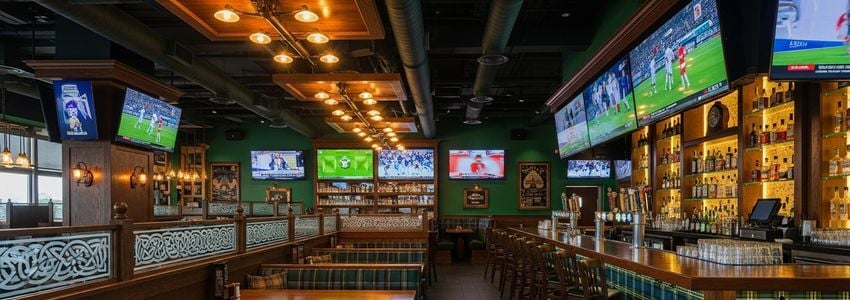
Tilted Kilt Franchise Loan: The Complete Financing Guide for Tilted Kilt Franchise Owners
Investing in a franchise can be a rewarding path to business ownership, offering the appeal of a proven brand and an established operational model. For entrepreneurs drawn to the high-energy atmosphere of sports bars, the Tilted Kilt Pub & Eatery presents a unique opportunity. Famed for its Celtic theme, extensive beer selection, and classic pub fare, Tilted Kilt has carved out a distinct niche in the competitive casual dining and entertainment sector. However, turning the dream of owning a bustling sports pub into reality requires significant capital. Understanding the full scope of the tilted kilt franchise cost and navigating the complex world of franchise financing are the first critical steps on your journey. This comprehensive guide will break down every financial aspect of acquiring a Tilted Kilt franchise, from initial fees to long-term operational costs, and explore the diverse funding solutions available through lenders like Crestmont Capital to help you secure the necessary funding and launch your new venture successfully.
In This Article
- What is the Tilted Kilt Franchise? A Brand Overview
- Breaking Down the Tilted Kilt Franchise Cost
- Financial Requirements for Tilted Kilt Franchisees
- Your Guide to Tilted Kilt Franchise Financing Options
- Unique Challenges of Financing a Bar and Restaurant Franchise
- The Tilted Kilt Franchise Application and Approval Process
- Frequently Asked Questions About Tilted Kilt Financing
- Next Steps: Securing Your Tilted Kilt Franchise Loan
What is the Tilted Kilt Franchise? A Brand Overview
Before diving into the financial specifics, it is essential to understand the brand you are considering investing in. Tilted Kilt Pub & Eatery is not just another sports bar; it is a themed entertainment restaurant that has built its identity on a unique concept. Founded in 2003 in Las Vegas, Nevada, the franchise quickly gained attention for its modern take on a Celtic-style public house.
The core of the Tilted Kilt experience combines several popular elements: sports, food, and fun, all wrapped in a distinctive and memorable theme. The most recognizable feature is the "Kilt Girls" and "Kilt Guys" servers, whose Celtic-inspired uniforms are a central part of the brand's marketing and atmosphere. This has helped the franchise stand out in a crowded market, creating a strong brand identity that attracts a specific demographic, primarily sports fans and groups looking for a lively social setting.
The business model revolves around several key revenue streams:
- Food: The menu features elevated pub fare, including burgers, wings, shepherd's pie, and other comfort food classics. A robust food menu helps attract a wider audience beyond just bar patrons, including families during earlier hours.
- Beverages: A significant portion of revenue comes from alcohol sales. Tilted Kilt locations typically boast an extensive selection of draft and bottled beers, including craft and imported options, as well as a full bar serving cocktails and spirits.
- Entertainment: As a sports pub, the viewing experience is paramount. Locations are equipped with numerous high-definition televisions and state-of-the-art sound systems to broadcast a wide array of sporting events, from football and basketball to soccer and UFC fights. This makes it a go-to destination on game days.
At its peak, the Tilted Kilt franchise expanded rapidly, with over 100 locations across the United States and Canada. However, like many brands in the casual dining sector, it has faced challenges and has seen a significant contraction in recent years. This is a critical factor for any potential investor to consider. While the brand has a proven concept and name recognition, it also operates in a highly competitive industry and has a history of fluctuations. A thorough due diligence process, including speaking with current and former franchisees and analyzing the local market potential, is more important than ever. For the right operator in the right market, the Tilted Kilt's unique theme and sports-centric model can still offer a compelling business opportunity.
Ready to Finance Your Tilted Kilt Franchise?
Crestmont Capital specializes in restaurant and bar franchise financing. Get pre-qualified in minutes.
Apply Now →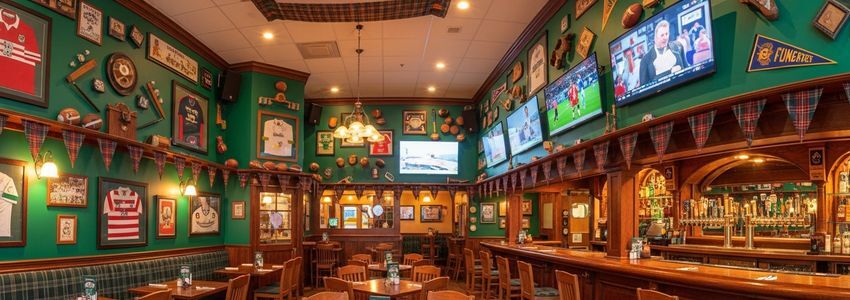
Breaking Down the Tilted Kilt Franchise Cost
The most pressing question for any prospective franchisee is: "What is the total investment?" The tilted kilt franchise cost is substantial, reflecting the high overhead associated with opening a large-format restaurant and bar. The official figures are detailed in the Franchise Disclosure Document (FDD), a legal document that franchisors must provide to potential buyers. While these figures are estimates and can vary significantly based on location, size, and market conditions, they provide a crucial framework for your financial planning. The total estimated initial investment to open a Tilted Kilt franchise typically ranges from approximately $600,000 to $2.2 million.
Let's break down the major components of this investment:
1. Initial Franchise Fee: $49,500
This is the upfront, one-time fee paid directly to the franchisor upon signing the franchise agreement. This fee grants you the license to operate under the Tilted Kilt name and access to their proprietary systems, training programs, and operational support. It is a fixed cost and is non-refundable.
2. Real Estate and Leasehold Improvements
This is the most variable and often the largest portion of your total investment. The costs depend heavily on whether you lease or purchase a property and the condition of the site. Tilted Kilt pubs are typically large, often ranging from 5,000 to 8,000 square feet, to accommodate a large bar, dining areas, a kitchen, and often a patio.
- Lease Deposits & Rent: You will need to pay a security deposit and several months of rent upfront.
- Construction & Build-Out: This includes converting a space to meet Tilted Kilt's specific design and layout requirements. Costs cover architectural design, general contracting, plumbing, electrical work, HVAC, and finishing. A "vanilla box" space will be far more expensive to build out than a second-generation restaurant space that requires less modification. This can range from $300,000 to over $1,000,000.
3. Furniture, Fixtures, and Equipment (FF&E)
Outfitting a large restaurant and bar requires a significant investment in equipment. This category covers everything needed to operate both the front and back of the house.
- Kitchen Equipment: Ovens, grills, fryers, walk-in coolers and freezers, prep tables, and a full dishwashing station.
- Bar Equipment: A comprehensive draft beer system, ice machines, coolers, POS terminals, and glassware.
- Audio/Visual (AV) Package: A crucial element for a sports bar. This includes dozens of large-screen HDTVs, projectors, a high-quality sound system, and the necessary wiring and controls.
- Furniture: Tables, chairs, barstools, and outdoor patio furniture.
4. Signage and Decor: $50,000 - $100,000
Creating the signature Tilted Kilt atmosphere requires specific branding and decor. This includes exterior signage, interior graphics, themed decorations, and other elements that align with the brand's Celtic pub image.
5. Initial Inventory: $30,000 - $60,000
This covers the cost of stocking your bar and kitchen for the first time. It includes all food ingredients, a wide variety of beers (kegs and bottles), wine, spirits, and other non-alcoholic beverages. This is a recurring cost, but the initial stock-up is a significant upfront expense.
6. Grand Opening Marketing: $20,000 - $40,000
The franchisor requires you to spend a minimum amount on marketing and advertising to promote your grand opening. This is crucial for building initial buzz and driving traffic to your new location. These funds are used for local advertising, social media campaigns, public relations, and launch events.
7. Licenses, Permits, and Professional Fees: $10,000 - $50,000
This category includes a variety of essential but often overlooked costs. The most significant of these is the liquor license, which can be expensive and time-consuming to obtain depending on your state and municipality. Other costs include business licenses, health permits, architectural fees, and legal fees for reviewing your lease and franchise agreement.
8. Additional Funds / Working Capital (3-6 Months)
No business is profitable from day one. You will need a substantial cash reserve, known as working capital, to cover operating expenses during the initial ramp-up period before your revenue stabilizes. This includes payroll, rent, utilities, inventory replenishment, and other unforeseen costs. Franchisors and lenders will require you to have this capital on hand, typically estimated to be between $50,000 and $250,000.
Ongoing Fees
Beyond the initial investment, you must also budget for ongoing fees paid to the franchisor, which are typically based on your gross sales:
- Royalty Fee: Typically 5% of gross sales.
- National Marketing Fee: Typically 1% of gross sales.
These fees cover ongoing support, brand development, and national advertising campaigns. They are a standard part of the franchise model and must be factored into your long-term financial projections.
Financial Requirements for Tilted Kilt Franchisees
Given the high total investment, Tilted Kilt, like most major franchisors, has established minimum financial qualifications for potential candidates. These requirements are designed to ensure that new franchisees not only have enough capital to open the business but also have the financial stability to withstand the challenges of the initial operating period. Lenders will also look closely at these figures when evaluating your loan application.
While subject to change, the typical financial requirements are:
- Minimum Net Worth: Candidates are often required to have a minimum net worth of around $1,000,000. Net worth is calculated as your total assets (cash, stocks, real estate equity, etc.) minus your total liabilities (mortgages, loans, credit card debt, etc.).
- Minimum Liquid Capital: Within that net worth, a certain amount must be in liquid assets. This means cash or assets that can be quickly converted to cash. The requirement is often in the range of $250,000 to $500,000.
Why are these requirements so high? There are several reasons:
- Securing Financing: Lenders rarely finance 100% of a project. You will need to inject a significant amount of your own capital, typically 20-30% of the total project cost, as a down payment. Your liquid capital is the source for this injection.
- Covering Unforeseen Costs: Construction projects and business openings are notorious for unexpected delays and cost overruns. Having a strong liquidity position provides a crucial buffer to handle these situations without jeopardizing the project.
- Demonstrating Financial Acumen: Meeting these thresholds demonstrates to both the franchisor and the lender that you have a history of financial responsibility and are a lower-risk candidate.
If you do not meet these requirements on your own, you may be able to partner with other investors to meet the collective financial qualifications. However, all partners will be thoroughly vetted by the franchisor and the lender.
Tilted Kilt Franchise: Key Investment Facts
Total Investment
$600k - $2.2M
Franchise Fee
$49,500
Min. Liquid Capital
$250k+
Your Guide to Tilted Kilt Franchise Financing Options
With a total project cost that can exceed $2 million, very few franchisees pay for their new location entirely with cash. The vast majority will need to secure a business loan to cover a significant portion of the startup costs. As a leading provider of small business financing, Crestmont Capital offers several loan products well-suited for a venture like a Tilted Kilt franchise. Understanding your options is key to building a sound financial strategy.
SBA Loans
Loans backed by the U.S. Small Business Administration (SBA.gov) are often considered the gold standard for franchise financing, and for good reason. The SBA doesn't lend money directly; instead, it provides a guarantee to lenders like Crestmont Capital, reducing the lender's risk. This allows lenders to offer more favorable terms than they might otherwise.
There are two primary SBA loans for this type of project:
- SBA 7(a) Loan: This is the most common and versatile SBA loan. The funds can be used for a wide range of purposes, including the franchise fee, real estate build-out, equipment purchases, and working capital. For a Tilted Kilt franchise, a 7(a) loan can be used to finance the entire project under a single loan. They offer long repayment terms (up to 10 years for working capital and equipment, up to 25 years for real estate) and competitive interest rates. The maximum loan amount is $5 million.
- SBA 504 Loan: This loan is specifically designed for purchasing major fixed assets, such as commercial real estate and heavy equipment. It involves two lenders: a traditional lender finances about 50% of the project cost, a Certified Development Company (CDC) finances up to 40%, and the borrower contributes as little as 10% as a down payment. This can be an excellent option if you plan to purchase the building for your Tilted Kilt, as it offers long-term, fixed-rate financing.
The benefits of SBA loans include lower down payments (often 10-20% versus 20-30% for conventional loans) and longer repayment periods, which result in lower monthly payments and improved cash flow, a critical advantage for a new business.
Conventional Business Term Loans
A conventional or traditional business term loan is a lump-sum loan from a bank or direct lender that you repay over a set period with fixed monthly payments. While they can be harder to qualify for than SBA loans (often requiring a higher down payment and stronger credit), the application process can sometimes be faster as there is no government agency involvement. These are excellent options for entrepreneurs with strong personal credit, a solid business plan, and significant capital for a down payment. These loans are a core part of our restaurant loans portfolio and can be structured to meet the specific needs of a franchise startup.
Equipment Financing
As detailed earlier, the cost of kitchen, bar, and AV equipment for a Tilted Kilt is substantial. Equipment financing is a specific type of loan or lease designed to fund these purchases. The equipment itself serves as the collateral for the loan. This is a highly effective strategy for a few reasons:
- Preserves Working Capital: By financing the equipment separately, you can preserve your cash and SBA loan funds for other critical startup costs like construction and working capital.
- High Approval Rates: Because the loan is secured by a hard asset, these loans often have higher approval rates than unsecured loans.
- Structured Payments: The loan term is typically aligned with the expected useful life of the equipment, making payments manageable.
This allows you to acquire top-of-the-line equipment without a massive upfront cash outlay, which is essential for a brand that relies on a high-quality food and entertainment experience.
Business Line of Credit
While not typically used for the initial major investment, securing a business line of credit is a smart move for any new Tilted Kilt owner. A line of credit provides access to a revolving pool of funds that you can draw from as needed and only pay interest on the amount you use. It is the perfect tool for managing cash flow fluctuations, covering unexpected repairs, making opportunistic inventory purchases, or funding short-term marketing campaigns. Having a line of credit in place before you need it provides a vital financial safety net.
Ready to Finance Your Tilted Kilt Franchise?
Crestmont Capital specializes in restaurant and bar franchise financing. Get pre-qualified in minutes.
Apply Now →Unique Challenges of Financing a Bar and Restaurant Franchise
Securing a loan for a bar and restaurant concept like Tilted Kilt comes with a unique set of challenges that lenders scrutinize carefully. The food and beverage industry is known for its high operating costs, intense competition, and relatively high failure rate compared to other sectors. As a borrower, you need to be prepared to address these concerns head-on in your business plan and loan application.
1. High Initial Capital Outlay
As we have established, the startup costs are significant. Lenders will want to see a very detailed and realistic budget. Underestimating build-out costs or working capital needs is a major red flag. Your financial projections must be robust and backed by solid research, including quotes from contractors and suppliers.
2. Perceived Industry Risk
Lenders are well aware of the statistics surrounding restaurant failures. To overcome this, you need to present a compelling case for why your venture will succeed. This is where being part of a franchise system helps, as it provides a proven model. However, you must also demonstrate your own qualifications. Relevant management experience, especially in the restaurant or hospitality industry, is a massive advantage. A well-crafted business plan that details your local market analysis, competitive landscape, and marketing strategy is non-negotiable.
3. Managing Cash Flow and Seasonality
Sports bars can experience significant seasonality. Business may boom during football season but slow down during other times of the year. Your financial projections must account for these fluctuations. Show the lender that you have a plan to drive traffic during slower periods and that you have sufficient working capital to manage cash flow troughs.
4. Liquor License Complexities
A substantial portion of a Tilted Kilt's revenue comes from alcohol sales. Obtaining a liquor license can be a long, complicated, and expensive process that varies by state and even by city. Lenders will want to see that you have a clear understanding of the process and have factored the timeline and cost into your business plan. Any delay in securing your liquor license can delay your opening and jeopardize your entire financial model.
The Tilted Kilt Franchise Application and Approval Process
The journey from initial interest to Grand Opening follows a structured path. Understanding this process will help you plan your financing timeline accordingly.
- Initial Inquiry and Qualification: The first step is to contact the Tilted Kilt franchising department. You will submit an initial application and have introductory calls to discuss your background, financial qualifications, and interest in the brand.
- Receive and Review the FDD: Once you are deemed a qualified candidate, you will receive the Franchise Disclosure Document. This is a lengthy legal document containing 23 "Items" of information about the franchise system, including detailed investment costs, litigation history, franchisee contact information, and audited financial statements. You should review this document carefully with an attorney and an accountant.
- Discovery Day: If you and the franchisor wish to proceed, you will be invited to a "Discovery Day," often held at their corporate headquarters. This is an opportunity to meet the executive team, ask in-depth questions, and get a deeper feel for the company culture and support systems.
- Secure Your Financing: While you can have preliminary discussions with lenders earlier, this is the stage where you will formally apply for your franchise loan. You will use the information from the FDD and your own site-specific research to finalize your business plan and submit your loan application to a lender like Crestmont Capital. Getting pre-approved for financing strengthens your position with the franchisor.
- Site Selection and Lease Negotiation: With the franchisor's help, you will identify and secure a suitable location for your pub. The franchisor must approve the site. This is a critical step, as the location will have a massive impact on your success.
- Sign the Franchise Agreement: Once your financing is secured and your site is approved, you will sign the franchise agreement and pay the initial franchise fee. This legally binds you to the franchise system.
- Construction, Training, and Pre-Opening: The final phase involves the build-out of your location, attending the comprehensive corporate training program, hiring staff, and executing your grand opening marketing plan.
The entire process, from initial inquiry to opening your doors, can take anywhere from 9 to 18 months, largely dependent on site selection and construction timelines.
Frequently Asked Questions About Tilted Kilt Financing
Next Steps: Securing Your Tilted Kilt Franchise Loan
Opening a Tilted Kilt franchise is a major undertaking that requires careful planning and substantial capital. By understanding the costs, meeting the financial requirements, and preparing a thorough business plan, you can position yourself for success. Navigating the world of commercial lending can be complex, but you do not have to do it alone.
- Assess Your Financials: Before anything else, get a clear picture of your net worth and liquid capital. Confirm you meet the minimum requirements set by the franchisor.
- Develop a Comprehensive Business Plan: This is your roadmap and your most critical tool for securing a loan. It should include detailed cost estimates for your specific market, 3-5 year financial projections, a local market analysis, and your marketing strategy.
- Gather Your Documentation: Assemble all necessary documents, including tax returns, financial statements, and a copy of the Tilted Kilt FDD.
- Speak with a Financing Expert: Partner with a lender that specializes in franchise and restaurant loans. The team at Crestmont Capital understands the unique challenges and opportunities of your industry and can guide you to the right financing solution.
Investing in a Tilted Kilt franchise can be a pathway to owning a vibrant and exciting business. With the right financial strategy and a strong lending partner, you can turn your entrepreneurial vision into a thriving pub and eatery.
Ready to Finance Your Tilted Kilt Franchise?
Crestmont Capital specializes in restaurant and bar franchise financing. Get pre-qualified in minutes.
Apply Now →This content is provided for general educational purposes only and does not constitute financial, legal, or investment advice. Franchise costs, fees, and financing terms vary and are subject to change. Always consult with a qualified financial advisor and review the Franchise Disclosure Document (FDD) before making any investment decisions. Crestmont Capital is a commercial lender and does not guarantee loan approval.








