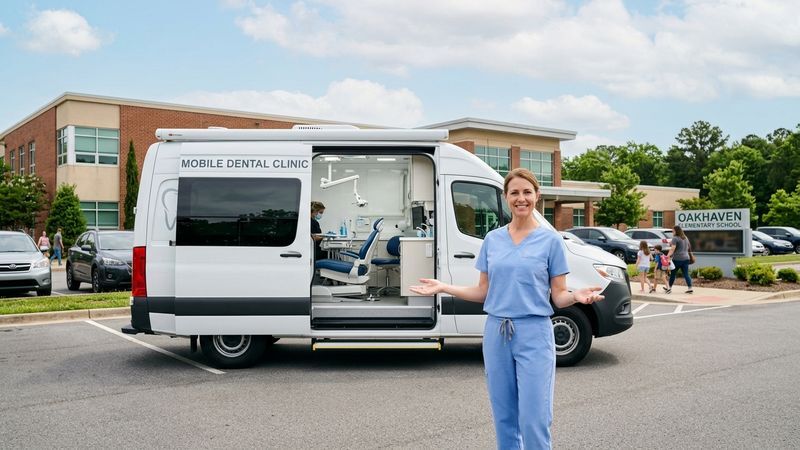
Running a therapy practice takes more than clinical skill. It takes capital. Whether you are opening a new office, upgrading equipment, hiring licensed staff, or scaling to multiple locations, therapy business loans give you the financial foundation to grow without depleting your personal savings. This guide covers every major financing option available to physical therapists, occupational therapists, mental health counselors, marriage and family therapists, and other licensed healthcare professionals.
In This Article
- What Is a Therapy Business Loan?
- Types of Financing Available to Therapists
- How Therapy Business Loans Work
- Therapy Financing - Key Numbers
- Who Qualifies for a Therapy Business Loan?
- How Therapists Use Business Loans
- Loan Type Comparison
- Real-World Scenarios
- How Crestmont Capital Helps Therapists
- How to Get Started
- Frequently Asked Questions
What Is a Therapy Business Loan?
A therapy business loan is a form of commercial financing designed for licensed healthcare professionals who operate therapy practices. This includes physical therapists, occupational therapists, speech-language pathologists, licensed professional counselors, psychologists, marriage and family therapists, social workers, and mental health group practice owners. The loan can be used for virtually any legitimate business purpose, from building out office space and purchasing clinical equipment to payroll, marketing, and technology upgrades.
Therapy practices are among the most fundable healthcare businesses in the United States. Lenders view them favorably because they typically maintain consistent revenue streams tied to insurance reimbursements, out-of-pocket payments, and long-term patient relationships. Unlike retail businesses that fluctuate with consumer trends, well-run therapy practices tend to hold steady even during economic downturns, making them attractive borrowers for banks and alternative lenders alike.
Industry Insight: According to the Bureau of Labor Statistics, employment in occupational therapy and physical therapy is projected to grow 15-18 percent through 2033, significantly faster than the average for all occupations. This growth creates both opportunity and competitive pressure - which is why capital access is critical for therapy practice owners right now.
Types of Financing Available to Therapists
There is no single "therapy loan" product. Instead, therapy practices have access to a full menu of commercial financing options, each with its own structure, eligibility requirements, and ideal use case. Understanding which type of loan matches your situation is the most important step before applying.
SBA Loans for Therapy Practices
Small Business Administration loans are among the most competitive financing options available to licensed healthcare professionals. SBA 7(a) loans can provide up to $5 million in funding with terms stretching to 10 years for working capital and 25 years for real estate. Rates are tied to the prime rate plus a small spread, making them significantly lower than most alternative lending products.
The SBA 7(a) loan is particularly well-suited for therapists who want to purchase or refinance an existing practice, acquire real property for their office, fund a major build-out, or consolidate existing high-interest debt. The SBA 504 program is another option for practices that want to purchase commercial real estate or major long-term equipment, offering fixed rates and longer amortization periods. Crestmont Capital works directly with SBA-preferred lenders to help therapy practice owners navigate the application process and maximize their approval odds.
Equipment Financing for Therapy Practices
Physical therapy and occupational therapy practices rely on specialized equipment. Treatment tables, ultrasound therapy units, electrical stimulation devices, parallel bars, traction equipment, hydrotherapy units, and digital billing systems represent significant capital expenditures. Equipment financing allows therapists to acquire these assets without paying full price upfront.
With equipment financing, the asset itself serves as collateral. This means approval can be faster and easier than unsecured lending, even for practices that are relatively new or have moderate credit. Terms typically run two to seven years, matching the usable lifespan of the equipment. Once the loan is paid off, the practice owns the asset outright.
Business Line of Credit
A business line of credit gives therapy practices revolving access to capital that can be drawn and repaid as needed. This is ideal for managing cash flow gaps that occur when insurance claims take 30 to 90 days to process. Instead of waiting on reimbursements, a practice can draw on its credit line to cover payroll, rent, and supplies, then repay the line as revenue comes in.
Lines of credit are also useful for seasonal demand spikes, unexpected equipment repairs, and short-term staffing needs. Most business lines of credit range from $25,000 to $500,000, with interest charged only on the amount drawn.
Working Capital Loans
Unsecured working capital loans provide a lump sum of capital that can be used for nearly any business purpose. Approval is based primarily on revenue history, time in business, and credit profile. For established therapy practices with at least one to two years of operating history and consistent monthly revenue, working capital loans can often be approved within 24 to 48 hours.
These loans typically range from $10,000 to $500,000 with terms of six months to five years. They are commonly used for hiring new therapists, expanding marketing efforts, opening satellite locations, and covering gaps between patient volume and overhead costs.
Term Loans
Traditional term loans provide a fixed amount of capital repaid on a set schedule over a defined period, typically two to ten years. They are best suited for planned, significant investments such as buying out a partner, acquiring a competing practice, renovating clinical space, or purchasing a building.
Ready to Grow Your Therapy Practice?
Crestmont Capital specializes in healthcare practice financing. Get fast, flexible options matched to your needs. No obligation - apply in minutes.
Apply Now →How Therapy Business Loans Work
Understanding the mechanics of business lending helps therapy practice owners compare offers intelligently and avoid common pitfalls. The process generally follows these stages.
Application and Documentation: Lenders typically request recent bank statements (three to six months), profit and loss statements, business tax returns (one to two years), proof of licensure, accounts receivable aging reports, and sometimes a brief description of how you intend to use the funds. The cleaner and more organized your documentation, the faster the process moves.
Underwriting: The lender evaluates your application against their credit criteria. Key factors include your personal credit score, business credit score, annual revenue, time in business, debt service coverage ratio, and the stability of your revenue streams. Therapists who accept insurance tend to score well on revenue consistency because insurance-based revenue is highly predictable.
Approval and Terms: Once approved, you will receive a term sheet outlining the loan amount, interest rate, repayment schedule, origination fees, and any prepayment penalties. Review this carefully. The annual percentage rate (APR) gives you the true cost of the loan when all fees are factored in.
Funding: After you sign the loan agreement, funds are typically deposited into your business bank account within one to five business days, depending on the lender and loan type. SBA loans take longer, often four to eight weeks from application to funding.
By the Numbers
Therapy Practice Financing - Key Statistics
$5M
Maximum SBA 7(a) loan amount available to qualifying therapy practices
18%
Projected job growth for physical therapists through 2033 (BLS)
24 Hrs
Typical approval timeline for alternative working capital loans
$500K+
Maximum unsecured working capital available through Crestmont Capital

Who Qualifies for a Therapy Business Loan?
Eligibility requirements vary by lender and loan type. However, most therapy practice owners who meet the following baseline criteria will qualify for at least one financing option.
Time in Business: Most conventional lenders require at least one to two years of operating history. Some alternative lenders will work with practices that have been open for as little as six months, particularly if they can demonstrate strong monthly revenue. Brand-new practices may qualify for startup equipment financing or SBA startup loan programs.
Annual Revenue: Lenders typically want to see at least $100,000 to $150,000 in annual revenue for most working capital products. For equipment financing, lower revenue thresholds often apply because the collateral reduces lender risk. For SBA loans, lenders look at revenue relative to the size of the loan requested.
Credit Score: A personal credit score of 650 or higher qualifies for many alternative lending products. For SBA loans, most lenders prefer scores of 680 or above. Scores above 700 will unlock the best rates and terms. Even therapists with credit challenges have options, particularly if their revenue is strong and consistent.
Licensure: Being a licensed healthcare professional is a positive factor in the eyes of most lenders. Licensure creates barriers to entry, reduces competition risk, and signals regulatory accountability. If you hold active state licensure and maintain good standing with your licensing board, lenders will view this favorably.
Debt-to-Income Ratio: Lenders will assess your existing obligations relative to your income. A low debt-to-income ratio makes approval easier and often results in better rates. If your practice carries significant student loan debt or business liabilities, address these where possible before applying.
Pro Tip: Therapists who accept Medicare, Medicaid, and major commercial insurance tend to qualify more easily for business financing because their receivables are backed by institutional payors. If you operate a cash-pay-only or out-of-network practice, be prepared to provide additional documentation showing revenue consistency.
How Therapists Use Business Loans
The way you deploy borrowed capital matters as much as the amount you borrow. The most successful therapy practice owners use financing strategically, investing in high-return areas of their business rather than simply covering day-to-day shortfalls.
Expanding Office Space and Locations
One of the highest-return uses of a therapy business loan is expanding your physical footprint. Adding a new treatment room allows you to accommodate more patients without hiring another clinician. Opening a satellite office in an underserved area creates a new revenue stream. Acquiring an established practice from a retiring therapist brings built-in patient volume and an existing referral network.
Commercial real estate financing is available through SBA 504 loans, conventional commercial mortgages, and commercial real estate bridge loans. Crestmont Capital's commercial financing division can help therapy practice owners explore their options for purchasing or leasing clinical space.
Hiring and Staffing
Staffing is typically the largest expense in any therapy practice, but it is also the largest revenue driver. Hiring a licensed physical therapist or occupational therapist creates immediate capacity for additional patient visits. A working capital loan can fund the onboarding period, covering salary costs while the new clinician builds their caseload and generates billable hours.
Technology and Electronic Health Records
Electronic health record systems, billing software, telehealth platforms, and patient scheduling tools are not optional expenses in today's healthcare environment. They are investments that directly impact revenue cycle efficiency, claims denial rates, and patient retention. A business loan or equipment financing arrangement can cover the upfront cost of technology implementation, which often includes software licensing, hardware, training, and workflow redesign.
Marketing and Patient Acquisition
Referral relationships with physicians, orthopedic surgeons, and primary care providers remain important for therapy practices. But digital marketing has become equally essential. A well-structured Google Ads campaign, a professionally designed website, and a consistent local SEO strategy can generate a steady stream of new patient inquiries. Using a portion of a working capital loan to invest in marketing infrastructure delivers a measurable return on investment that compounds over time.
Equipment Upgrades and New Modalities
Adding new therapeutic modalities - such as dry needling, blood flow restriction therapy, neuromuscular electrical stimulation, or aquatic therapy - can differentiate your practice and attract patients who are not finding relief elsewhere. Equipment financing for specialty devices allows you to offer premium services without depleting your operating cash reserves.
Need Capital to Hire More Therapists or Open a New Location?
Crestmont Capital offers unsecured working capital, SBA loans, and equipment financing specifically for healthcare practices. Same-day decisions available.
Apply Now →Therapy Business Loan Comparison Table
| Loan Type | Loan Amount | Typical Rate | Best For | Speed |
|---|---|---|---|---|
| SBA 7(a) | Up to $5M | Prime + 2.25-4.75% | Practice acquisition, real estate, large build-outs | 4-8 weeks |
| Equipment Financing | $5K-$2M | 5-15% APR | Clinical equipment, technology, vehicles | 1-5 days |
| Business Line of Credit | $25K-$500K | 8-25% APR | Cash flow management, insurance lag coverage | 1-7 days |
| Working Capital Loan | $10K-$500K | 12-40% APR | Hiring, marketing, supplies, operating costs | 24-48 hours |
| Traditional Term Loan | $50K-$2M | 7-20% APR | Practice expansion, partner buyout, renovation | 5-15 days |
Real-World Scenarios: How Therapy Practices Use Financing
Understanding how other therapy practice owners have deployed business financing helps illustrate the practical value of these funding products.
Scenario 1: The PT Practice Expanding to a Second Location
Dr. Marcus operates a physical therapy clinic in a suburban market. After four years in business, his schedule has been full for over six months and his waitlist is growing. He identifies a 1,800-square-foot space in a neighboring community that would serve a patient population with no PT clinic within ten miles. The estimated build-out cost is $120,000, including treatment tables, exercise equipment, and tenant improvements. Marcus secures a $150,000 SBA 7(a) loan at a competitive rate, uses $120,000 for the build-out and equipment, and retains $30,000 for the first three months of operating expenses at the new location. Within eighteen months, the second clinic reaches profitability and generates over $400,000 in annual revenue.
Scenario 2: The Mental Health Practice Managing Insurance Payment Delays
Lisa runs a group mental health practice with four licensed counselors. Her practice generates strong revenue, but insurance reimbursements typically take 45 to 75 days to arrive after a claim is submitted. During a particularly slow payment period, Lisa faces difficulty meeting payroll while her claims are pending. She establishes a $75,000 business line of credit with Crestmont Capital. The line allows her to draw funds when reimbursements are delayed and repay them as insurance payments arrive. She uses less than $30,000 at any given time but values the peace of mind the full credit line provides.
Scenario 3: The New Occupational Therapy Practice Acquiring Equipment
James recently left a hospital system to open an independent occupational therapy practice specializing in hand therapy. He needs specialized equipment including an upper extremity evaluation system, therapeutic exercise tools, splinting materials, and a digital documentation platform. Total startup equipment costs are $85,000. Because he has been in business for less than a year, he qualifies for equipment financing but not yet for most working capital products. He secures $85,000 in equipment financing with the equipment as collateral, preserving his cash for rent, malpractice insurance, and initial marketing costs.
Scenario 4: The Speech Therapy Practice Expanding Telehealth Services
Dr. Angela operates a pediatric speech therapy practice. Following the pandemic, she realizes that a significant portion of her patient population prefers telehealth sessions, particularly families with young children. She wants to invest in a professional telehealth setup with premium audio-visual equipment, a secure HIPAA-compliant telehealth platform, and additional administrative support. She uses a $35,000 working capital loan to fund the infrastructure build-out and add a part-time billing specialist. Within six months, telehealth revenue accounts for 40 percent of her total practice revenue, and she expands to serve patients in three additional states through telehealth licensure.
Scenario 5: The Established Practice Acquiring a Competitor
Terrence runs a successful physical and occupational therapy practice with strong physician referral relationships. A competing practice in his area announces it is closing due to the owner's retirement. The patient panel includes over 300 active patients, and the lease has eighteen months remaining. Terrence negotiates a practice acquisition price of $200,000, covering patient records, equipment, and goodwill. He secures a $220,000 SBA 7(a) loan, covers the acquisition price, and retains $20,000 to fund the integration period. The acquired patient panel contributes an estimated $280,000 in incremental annual revenue.
Scenario 6: The Group Practice Adding a New Specialty
Maria operates a multi-disciplinary outpatient rehabilitation practice. She identifies that aquatic therapy is underserved in her market, and that adding a hydrotherapy pool would differentiate her practice and attract physician referrals she is currently not capturing. She finances a $180,000 pool installation and associated renovation costs through a combination of equipment financing and a commercial real estate improvement loan, structured to match the expected lifespan of the improvement and the term of her building lease.
How Crestmont Capital Helps Therapy Practice Owners
Crestmont Capital is the #1 rated business lender in the United States, specializing in healthcare practice financing. We understand that therapy practices have unique revenue cycles, regulatory considerations, and growth trajectories that differ from general small businesses. Our advisors have experience working with physical therapists, mental health professionals, occupational therapists, speech-language pathologists, and multi-disciplinary rehabilitation practices.
We offer a streamlined application process that typically takes less than ten minutes to complete online. Our lending team reviews applications quickly and can often provide same-day or next-day decisions for working capital and equipment financing products. For SBA loans, we work with a network of preferred lenders to help therapy practice owners navigate the more involved approval process efficiently.
Crestmont Capital provides access to working capital loans, equipment financing, business lines of credit, and SBA loans tailored to the needs of healthcare professionals. We also offer commercial real estate financing for practices looking to purchase their own building or expand to a new location.
Our team understands that therapy practice owners are healthcare professionals first and business owners second. We work with you to structure financing that fits your revenue cycle, your growth plans, and your tolerance for debt. We do not believe in one-size-fits-all lending.
Talk to a Therapy Practice Financing Specialist
Crestmont Capital's advisors understand healthcare lending. Get matched with the right loan product for your practice - no obligation, no hard credit pull to get started.
Start Your Application →How to Get Started
Complete our quick application at offers.crestmontcapital.com/apply-now - takes just a few minutes. Have your recent bank statements and business information ready.
A Crestmont Capital advisor familiar with therapy practice financing will review your application, discuss your goals, and identify the best loan options for your situation.
We present you with a clear, transparent loan offer including all terms, rates, and fees. No hidden surprises. You review and decide with no pressure.
Once you accept your offer, funds are deposited into your business account - often within 24 to 48 hours. Put your capital to work and grow your practice with confidence.
Conclusion
Therapy business loans are not just for practices in financial difficulty. They are tools that strategically positioned therapy practice owners use to accelerate growth, reduce cash flow stress, and invest in the assets that drive long-term revenue. Whether you need equipment financing for a new modality, working capital to cover insurance payment delays, or an SBA loan to acquire a competing practice, the right financing product exists for your situation.
Crestmont Capital has helped thousands of healthcare practice owners access the capital they need to build stronger, more sustainable businesses. Our team understands therapy practice economics, insurance billing cycles, and the regulatory environment you operate in. If you are ready to take the next step in growing your therapy practice, we are ready to help you get there.
Frequently Asked Questions
What types of therapy practices qualify for business loans?
Most licensed therapy practices qualify for at least one type of business financing. This includes physical therapy clinics, occupational therapy practices, speech-language pathology offices, mental health counseling practices, marriage and family therapy offices, group psychology practices, behavioral health centers, and multi-disciplinary rehabilitation centers. The key qualifying factors are time in business, revenue, and creditworthiness, not the specific therapy specialty you practice.
How much can a therapy practice borrow?
Loan amounts vary significantly by product type and your qualifications. Working capital loans for therapy practices typically range from $10,000 to $500,000. Equipment financing can go up to $2 million or more for specialized clinical equipment. SBA 7(a) loans go up to $5 million. The amount you qualify for depends on your annual revenue, credit score, time in business, and existing debt obligations. As a general guideline, most lenders will approve working capital loans up to 10-20 percent of your annual revenue.
Can a new therapy practice get a business loan?
Yes, though options are more limited for brand-new practices. Equipment financing is generally available to newer therapy practices because the equipment itself serves as collateral, reducing lender risk. SBA startup loan programs are also available for new healthcare businesses with strong personal credit and a solid business plan. As your practice matures past six months and then one to two years, more financing options open up. Building business credit early is important for future borrowing capacity.
What credit score is needed for a therapy business loan?
Credit score requirements depend on the loan type. Alternative working capital lenders typically work with personal credit scores as low as 600-620 if your revenue is strong. Equipment financing is available at scores of 620 or higher. Traditional bank loans and SBA loans generally require 650-680 minimum, with the best terms reserved for scores of 700 and above. Even if your credit is not perfect, strong revenue and solid business cash flow can help offset a lower credit score in many cases.
How fast can a therapy practice get approved and funded?
Speed varies significantly by loan type. Working capital loans through alternative lenders can be approved within 24-48 hours and funded within one to three business days. Equipment financing typically takes three to five business days from application to funding. Bank term loans usually take two to four weeks. SBA loans take the longest, typically four to eight weeks from application to closing, due to their more rigorous underwriting and documentation requirements.
What documents do I need to apply for a therapy business loan?
Most lenders require recent business bank statements (three to six months), profit and loss statements, business tax returns for the past one to two years, proof of active licensure, and a completed loan application. For larger SBA loans, you may also need personal tax returns, a business plan, financial projections, accounts receivable aging reports, and a personal financial statement. Having these documents organized before you apply significantly speeds up the process.
Can I use a business loan to hire additional therapists?
Yes. Hiring licensed therapists is one of the most common and highest-return uses of a therapy business loan. A working capital loan can fund the onboarding period - covering salary costs while a new clinician builds their schedule and generates sufficient billable hours to cover their compensation cost. For practices bringing on multiple clinicians, a business line of credit provides the flexibility to draw funds as needed rather than borrowing a single lump sum upfront.
Does accepting insurance make it easier to get a business loan?
Generally, yes. Lenders view insurance-based revenue favorably because it is backed by large, stable institutional payors - Medicare, Medicaid, Blue Cross, Aetna, and similar organizations. This makes your receivables more predictable and more reliable than cash-pay revenue alone. If your practice operates on a cash-pay or out-of-network model, you can still qualify, but you may need to provide additional evidence of revenue consistency through bank statements and profit and loss statements.
What interest rates should a therapy practice expect?
Interest rates depend on the loan type, your credit profile, time in business, and market conditions. SBA 7(a) loans typically carry rates of prime plus 2.25 to 4.75 percent. Equipment financing rates range from 5 to 15 percent APR. Business lines of credit range from 8 to 25 percent APR. Unsecured working capital loans carry higher rates, ranging from 12 to 40 percent APR, reflecting the lack of collateral. The best way to assess your rate is to apply and receive an actual offer based on your specific profile.
Can I get a loan to acquire another therapy practice?
Yes, practice acquisition financing is available for therapy practices. The most common vehicles are SBA 7(a) loans, conventional bank loans, and seller financing arrangements. Lenders will evaluate the target practice's revenue, patient volume, referral relationships, and asking price relative to your existing cash flow. Practice acquisitions are viewed favorably by lenders because they bring immediate revenue - unlike startup situations where revenue must be built from scratch.
Are there loans specifically for mental health practices?
There are no loan products exclusively labeled "mental health practice loans," but all of the mainstream business financing products discussed in this guide are available to licensed mental health professionals. This includes licensed professional counselors (LPCs), licensed clinical social workers (LCSWs), licensed marriage and family therapists (LMFTs), licensed psychologists (PhDs and PsyDs), and psychiatric nurse practitioners. Mental health practices often qualify easily because of steady session-based revenue and strong long-term patient retention.
What is the difference between equipment financing and leasing for therapy equipment?
Equipment financing involves borrowing money to purchase equipment outright. At the end of the loan term, you own the equipment free and clear. Equipment leasing involves renting the equipment for a fixed monthly payment. At the end of the lease term, you typically have the option to purchase the equipment at a pre-negotiated price, return it, or renew the lease. Financing is generally better when the equipment has a long useful life and high residual value. Leasing can make sense for technology equipment that becomes outdated quickly.
Can I get a business line of credit as a solo therapist in private practice?
Yes. Solo practitioners in private practice are eligible for business lines of credit, though the amounts may be smaller than those available to multi-provider practices. Most lenders require at least one year of business banking history, a minimum credit score of 620-650, and monthly revenue of at least $8,000 to $15,000 to qualify for a meaningful line of credit. Solo therapists often use lines of credit to manage cash flow during slow periods, cover the cost of continuing education and licensure renewal, and fund modest marketing investments.
How does a debt service coverage ratio (DSCR) affect my loan approval?
The debt service coverage ratio (DSCR) measures how much operating income your practice generates relative to your existing debt obligations. Most lenders require a DSCR of at least 1.25, meaning your practice earns at least $1.25 for every $1.00 in debt payments due. A higher DSCR means you are more creditworthy and may qualify for larger loan amounts and better rates. If your DSCR is below 1.0, your current debt load exceeds your income, which makes new borrowing difficult. Improving revenue or paying down existing debt improves your DSCR.
What is the best first step for a therapy practice looking for financing?
The best first step is to gather your financial documents and have a clear understanding of how much capital you need and what you will use it for. Lenders respond best when borrowers can articulate a specific purpose and demonstrate how the funding will generate a return. Next, check your personal credit score and review your business bank statements for the past three to six months. Then, apply with Crestmont Capital for a no-obligation review of your options. Our advisors will help you identify the right product and guide you through the process from application to funding.
Disclaimer: The information provided in this article is for general educational purposes only and is not financial, legal, or tax advice. Funding terms, qualifications, and product availability may vary and are subject to change without notice. Crestmont Capital does not guarantee approval, rates, or specific outcomes. For personalized information about your business funding options, contact our team directly.