
 (800) 949-0401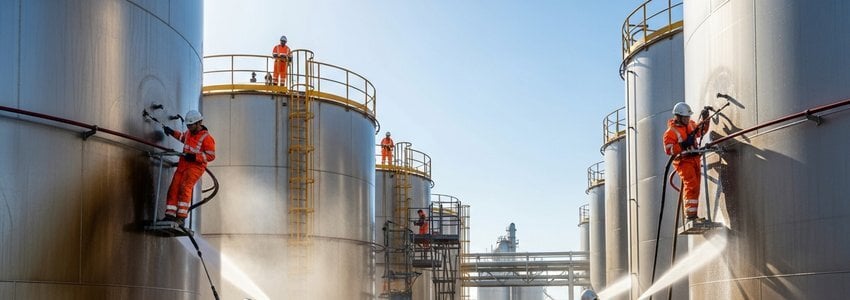
Tank Cleaning Business Loans: The Complete Financing Guide for Tank Cleaning Business Owners
Securing the right tank cleaning business loans is a critical step for any entrepreneur looking to enter or expand within this vital, yet capital-intensive, industry. From purchasing high-pressure hydro-blasting equipment and vacuum trucks to covering payroll for certified technicians and managing day-to-day operational costs, having access to flexible and reliable financing is not just an advantage, it is a necessity for survival and growth. The unique demands of the tank cleaning sector, including stringent safety regulations and environmental compliance, place significant financial pressure on business owners, making specialized funding solutions essential.
Whether you're a startup navigating the initial hurdles of acquiring your first set of equipment or an established company aiming to scale your operations, understanding the landscape of available financing is paramount. This comprehensive guide will serve as your roadmap, exploring the various types of loans tailored for tank cleaning businesses, what lenders like Crestmont Capital look for in an applicant, and how you can strategically use funding to propel your business forward. We will delve into everything from equipment financing and working capital loans to SBA-backed options, ensuring you have the knowledge to make informed decisions that fuel your success in this demanding field.
In This Article
- Understanding the Tank Cleaning Industry and Its Unique Financial Needs
- Types of Tank Cleaning Business Loans and Financing Options
- How to Use Your Tank Cleaning Business Loan Effectively
- Qualifying for a Tank Cleaning Business Loan: What Lenders Look For
- How Much Funding Can Your Tank Cleaning Business Secure?
- Navigating the Costs: Interest Rates and Fees for Tank Cleaning Loans
- Step-by-Step Guide to Applying for a Tank Cleaning Business Loan
- Tips for Maximizing Your Approval Chances
- Frequently Asked Questions About Tank Cleaning Business Loans
- Next Steps to Secure Your Tank Cleaning Business Loan
Ready to Fund Your Tank Cleaning Business?
Get fast, flexible financing tailored to your business needs. Apply in minutes.
Apply Now →Understanding the Tank Cleaning Industry and Its Unique Financial Needs
The tank cleaning industry is a cornerstone of modern commerce and manufacturing, ensuring the safe transport and storage of countless materials. From massive industrial silos holding chemicals to the tanker trucks that transport our food and fuel, clean and contaminant-free tanks are non-negotiable. This creates a consistent demand for professional tank cleaning services, but also presents a unique set of financial challenges for business owners in this space.
What is a Tank Cleaning Business?
A tank cleaning business specializes in the cleaning and maintenance of various types of storage and transport tanks. The scope of work is vast and can be highly specialized. Services often include:
- Industrial Tank Cleaning: This involves cleaning large storage tanks at manufacturing plants, refineries, and chemical facilities. These tanks can hold anything from crude oil to hazardous waste, requiring highly specialized equipment and adherence to strict safety protocols from agencies like OSHA.
- Tanker Truck Cleaning: This service focuses on cleaning the interior of tanker trucks that transport liquids and dry bulk goods. This is crucial for preventing cross-contamination between loads, especially for food-grade products or different types of chemicals.
- Marine Tank Cleaning: This involves cleaning cargo holds and fuel tanks on ships and barges, a complex process often performed in port.
- Food-Grade Tank Cleaning: A highly regulated niche that requires specific cleaning agents and processes to ensure tanks used for transporting milk, juice, oils, and other consumables meet stringent health and safety standards.
- Confined Space Entry Services: Many tank cleaning jobs require technicians to enter the tank, which is a "confined space." This requires extensive training, certification, and specialized safety equipment.
The nature of the materials being handled dictates the equipment, training, and disposal methods required, all of which have significant cost implications.
The High Stakes of Tank Cleaning: Why Capital is Crucial
Unlike many other service industries, tank cleaning is exceptionally capital-intensive. The financial stakes are high due to several key factors:
- Expensive, Specialized Equipment: A single vacuum truck can cost well over $200,000. High-pressure water blasters, automated cleaning systems, gas detectors, and personal protective equipment (PPE) add tens or hundreds of thousands more to the initial investment.
- Strict Regulatory Compliance: Adherence to regulations from the Environmental Protection Agency (EPA) and OSHA is mandatory. This includes proper waste disposal, employee training, and safety certifications, all of which incur significant costs. Fines for non-compliance can be crippling.
- High Insurance Premiums: Due to the inherent risks of working with hazardous materials and in confined spaces, insurance costs (including general liability, environmental liability, and workers' compensation) are substantially higher than in other industries.
- Skilled Labor Costs: Technicians require specialized training and certification, commanding higher wages. Investing in a skilled, reliable team is a major ongoing expense.
Common Financial Challenges for Tank Cleaning Companies
Business owners in this sector frequently face a number of financial hurdles that tank cleaning business loans can help overcome:
- High Startup Costs: The initial outlay for equipment, vehicles, insurance, and certifications can be a massive barrier to entry.
- Cash Flow Gaps: Commercial clients often operate on net-30, net-60, or even net-90 payment terms. This means you complete a job and cover all the upfront costs (fuel, labor, supplies) but may not see revenue for months, creating significant cash flow strain.
- Unexpected Equipment Breakdown: A malfunctioning vacuum truck or pressure washer can bring operations to a halt. Emergency repairs or replacements are expensive and can't be delayed.
- Seasonal or Project-Based Fluctuations: Demand can vary depending on client production schedules or seasonal factors, leading to inconsistent revenue streams.
- Scaling and Expansion Costs: Taking on larger contracts or expanding to a new territory requires purchasing additional equipment and hiring more staff, a major capital investment.
Types of Tank Cleaning Business Loans and Financing Options
Fortunately, a variety of financing products are available to address the specific needs of tank cleaning businesses. Choosing the right one depends on your specific goal, whether it's buying a new piece of machinery, managing cash flow, or funding a major expansion. As a leading provider of small business financing, Crestmont Capital offers several solutions.
1. Equipment Financing and Leasing
This is perhaps the most common and crucial type of financing for a tank cleaning business. Given the high cost of essential machinery, purchasing it outright is often not feasible.
- What it is: A loan specifically used to purchase business equipment. The equipment itself typically serves as the collateral for the loan.
- Best for: Purchasing new or used vacuum trucks, hydro-blasting units, safety monitoring systems, automated cleaning heads, and other high-value machinery.
- How it works: You receive a lump sum to buy the equipment, which you then pay back in fixed monthly installments over a set term. Lenders can often finance up to 100% of the equipment's value.
- Benefits: Allows you to acquire necessary assets without depleting your working capital. The loan is secured by the asset, which can sometimes make it easier to qualify for than an unsecured loan. Crestmont Capital specializes in equipment financing with streamlined application processes.
- Equipment Leasing: An alternative to buying, leasing allows you to use the equipment for a set period while making monthly payments. At the end of the lease, you may have the option to buy the equipment, renew the lease, or return it. This is a great option for technology that updates frequently or if you want lower monthly payments. Explore our commercial equipment leasing options for more flexibility.
2. Working Capital Loans
These loans are the lifeblood of day-to-day operations, designed to cover short-term expenses and bridge cash flow gaps.
- What it is: A loan intended to cover everyday operational costs rather than long-term assets.
- Best for: Paying employee salaries, purchasing cleaning supplies and chemicals, covering fuel costs, paying insurance premiums, and managing expenses while waiting for client invoices to be paid.
- How it works: You receive a lump sum of cash that you can use for various business expenses. Repayment terms are typically shorter than equipment loans, often ranging from 3 to 18 months.
- Benefits: Provides quick access to cash to keep your business running smoothly. Our unsecured working capital loans at Crestmont Capital often require no collateral, making them a fast and accessible option.
3. Business Lines of Credit
A business line of credit offers more flexibility than a standard term loan, acting like a credit card for your business.
- What it is: A revolving credit facility that allows you to draw funds up to a certain limit, repay them, and then draw them again as needed.
- Best for: Managing unpredictable expenses, seizing unexpected opportunities (like buying supplies in bulk at a discount), or handling emergency repairs. It's an excellent tool for ongoing cash flow management.
- How it works: You are approved for a maximum credit limit. You only pay interest on the amount you actually use. As you repay the principal, your available credit is replenished.
- Benefits: Ultimate flexibility. You have access to capital whenever you need it without having to reapply for a new loan each time. A business line of credit is an invaluable safety net for any tank cleaning business.
4. SBA Loans (7a and 504)
Backed by the U.S. Small Business Administration, these loans offer favorable terms but typically have a more rigorous application process.
- What it is: Loans issued by private lenders (like banks or Crestmont Capital) that are partially guaranteed by the SBA. This guarantee reduces the lender's risk, often resulting in lower interest rates and longer repayment terms for the borrower.
- Best for: Major investments like purchasing real estate (a facility with a washout bay), acquiring another business, or financing a large package of equipment and working capital.
- How it works: The two main types are the SBA 7(a) loan (versatile, can be used for most business purposes) and the SBA 504 loan (specifically for major fixed assets like real estate and equipment). The application process is more detailed, requiring extensive documentation.
- Benefits: Long repayment terms (up to 10 years for equipment, 25 for real estate) and competitive interest rates can make monthly payments more manageable. Learn more about our streamlined SBA loans process.
5. Term Loans
This is a traditional form of financing where you borrow a lump sum and pay it back over a set period with fixed payments.
- What it is: A straightforward loan with a specific amount, repayment term, and interest rate.
- Best for: Planned, one-time investments such as business expansion, opening a new location, or launching a major marketing campaign.
- How it works: You apply for a specific amount, and if approved, you receive the funds upfront. You then make regular payments (usually monthly) that include both principal and interest.
- Benefits: Predictable payments make budgeting easy. Interest rates can be very competitive for well-qualified businesses.
Confused About Your Options?
Our financing experts can help you find the perfect loan for your tank cleaning company's unique needs. Let's talk.
Get a Free Consultation →How to Use Your Tank Cleaning Business Loan Effectively
Securing a loan is only the first step. The real key to success is using that capital strategically to generate a return on investment and grow your business. Here are the most effective ways to deploy funds from a tank cleaning business loan.
Investing in High-Pressure Washing and Vacuum Equipment
Your equipment is the heart of your operation. Using a loan to purchase or upgrade to more efficient, reliable, and powerful machinery can have a direct impact on your bottom line. Newer vacuum trucks may have better fuel efficiency and higher capacity, while modern automated hydro-blasting systems can reduce cleaning time and improve safety, allowing you to complete more jobs and take on larger contracts.
Purchasing Personal Protective Equipment (PPE) and Safety Gear
Safety is not an area to cut corners. A loan can be used to invest in top-of-the-line PPE, including supplied-air respirators, chemical-resistant suits, and fall-protection harnesses. You can also fund the purchase of advanced gas monitoring equipment to ensure safe entry into confined spaces. This not only protects your most valuable asset, your employees, but also reduces your liability and can help lower insurance premiums.

Expanding Your Fleet of Service Vehicles
As your business grows, one truck is no longer enough. A loan can finance the addition of new service vehicles, allowing you to run multiple crews simultaneously and serve a wider geographic area. This directly increases your revenue-generating capacity.
Covering Payroll and Hiring Skilled Technicians
A working capital loan can ensure you always have the cash on hand to meet payroll, even when clients are slow to pay. It also provides the funds needed to attract and hire top talent. A well-trained, certified, and experienced team is a major competitive advantage that allows you to command higher prices and build a reputation for quality.
Managing Operational Costs and Unexpected Repairs
Fuel, insurance, waste disposal fees, and vehicle maintenance are all constant expenses. A business line of credit is the perfect tool to manage these fluctuating costs. It also provides a crucial safety net for when a critical piece of equipment breaks down unexpectedly, allowing you to get it repaired immediately without disrupting service.
Investing in Marketing and Business Development
You can't clean tanks if clients don't know you exist. A portion of your loan can be allocated to a strategic marketing plan. This could include developing a professional website, running targeted digital ad campaigns to reach industrial plant managers, or attending industry trade shows to network and secure large contracts.
Ensuring Regulatory and Environmental Compliance
Funds can be used to pay for mandatory employee training and certifications (e.g., Confined Space Entry, HAZWOPER). You can also invest in systems and infrastructure for proper wastewater treatment and hazardous waste disposal, ensuring you remain in compliance with all EPA regulations and avoid costly fines.
Tank Cleaning Industry: A Look at the Numbers
Access to capital is the primary driver of growth and technological adoption in the specialized cleaning sector.
Qualifying for a Tank Cleaning Business Loan: What Lenders Look For
Lenders evaluate several key factors to assess the risk of lending to your business. Understanding these criteria will help you prepare a stronger application. At Crestmont Capital, we take a holistic view of your business, but these are the universal metrics that matter.
Credit Score (Personal and Business)
Your credit history is a primary indicator of your financial responsibility. Lenders will look at both your personal FICO score and your business credit score. A higher score demonstrates a track record of paying debts on time and can lead to better loan terms and lower interest rates. While some alternative lenders have options for lower credit scores, a strong score (typically 650+) will open up more possibilities.
Time in Business
The longer you've been in operation, the more stable your business appears to a lender. Most lenders prefer to see at least one to two years of operational history. Startups are considered higher risk, but options like SBA loans or equipment financing (where the asset secures the loan) are often available for newer businesses.
Annual Revenue
Your gross annual revenue shows the overall financial activity of your business. Lenders have minimum revenue requirements, which can vary significantly depending on the loan type and amount. Consistent and growing revenue is a strong positive signal that your business is healthy and can support loan payments.
Cash Flow and Profitability
This might be the single most important factor. Lenders need to see that your business generates enough cash to cover its existing expenses *and* the new loan payment. They will analyze your bank statements and financial reports to assess your net operating income and debt-service coverage ratio (DSCR). Positive, consistent cash flow is essential.
Collateral (Equipment, Real Estate)
Collateral is an asset that you pledge to a lender to secure a loan. For tank cleaning businesses, this is often the equipment being financed. Other assets like existing vehicles, real estate, or accounts receivable can also be used. Secured loans are less risky for lenders and can result in better terms. Many working capital loans, however, are unsecured.
A Solid Business Plan
Especially for startups or businesses seeking large expansion loans, a comprehensive business plan is crucial. It should outline your business model, target market, competitive analysis, marketing strategy, and financial projections. It demonstrates to the lender that you have a clear vision and a viable plan for using their capital to grow.
How Much Funding Can Your Tank Cleaning Business Secure?
The amount of financing you can obtain depends on a combination of the factors above, as well as the specific purpose of the loan.
Factors Influencing Your Loan Amount
- Business Financials: Stronger revenues and cash flow will support a larger loan amount. Lenders want to ensure your DSCR remains healthy after taking on new debt.
- Loan Type: Equipment loans are tied to the value of the asset. A working capital loan is more closely tied to your monthly revenue. SBA loans can reach up to $5 million.
- Creditworthiness: A higher credit score and a clean financial history increase a lender's confidence, often leading to higher funding offers.
- Industry Experience: Demonstrating deep knowledge and a successful track record in the tank cleaning industry can help you secure more significant funding.
Typical Loan Amounts for Different Business Stages
- Startups (0-2 years): Funding may range from $25,000 to $250,000, primarily through equipment financing or startup SBA loans. The focus is on securing the core assets needed to begin operations.
- Established Businesses (2-5 years): As you build a track record, you can qualify for larger amounts, often from $100,000 to $500,000+. This can be used for fleet expansion, hiring, and taking on bigger contracts.
- High-Growth Companies (5+ years): Well-established businesses with strong financials can secure loans of $1 million or more for major acquisitions, purchasing real estate, or significant technological upgrades.
Navigating the Costs: Interest Rates and Fees for Tank Cleaning Loans
Understanding the full cost of a loan is crucial for making a sound financial decision. It’s not just about the interest rate; you also need to consider any associated fees.
Understanding Interest Rates (Fixed vs. Variable)
The interest rate is the percentage of the loan principal that you pay to the lender for borrowing money. Rates can be:
- Fixed: The interest rate remains the same for the entire life of the loan. This provides predictable monthly payments, making it easier to budget. Most term loans and equipment loans have fixed rates.
- Variable: The interest rate can fluctuate over the loan term based on a benchmark index, like the Prime Rate. This means your payments could go up or down. Lines of credit often have variable rates.
Rates for tank cleaning business loans can range from as low as 6-8% for prime borrowers seeking SBA loans to over 20% for higher-risk working capital loans from alternative lenders.
Common Loan Fees to Be Aware Of
Always ask your lender for a full breakdown of fees. Common ones include:
- Origination Fee: A one-time fee charged by the lender for processing and underwriting the loan, typically a percentage of the total loan amount.
- Underwriting Fee: A fee to cover the cost of verifying your financial information and assessing your application.
- Prepayment Penalty: Some loans, particularly longer-term ones, may have a penalty if you pay off the loan before the end of the term. This compensates the lender for lost interest.
- Late Payment Fees: Fees charged for missing a payment deadline.
How Your Business Profile Affects Your Rate
The "riskier" a lender perceives your business to be, the higher your interest rate will be. Factors that lead to lower, more favorable rates include:
- High credit scores
- Long time in business
- Strong, consistent revenue and cash flow
- Providing valuable collateral
- A detailed and professional loan application
Step-by-Step Guide to Applying for a Tank Cleaning Business Loan
A methodical approach to the application process can significantly improve your chances of approval and help you secure the best possible terms.
Step 1: Assess Your Business's Financial Health
Before you approach any lender, take a deep dive into your own financials. Pull your personal and business credit reports, review your last 1-2 years of business tax returns, and analyze your recent bank statements and profit and loss statements. Know your numbers inside and out.
Step 2: Define Your Funding Needs and Purpose
Clearly articulate exactly how much money you need and precisely how you plan to use it. Are you buying a specific vacuum truck? Create a quote. Are you hiring two new technicians? Calculate their salary and onboarding costs. A specific, well-justified request is much more compelling than a vague one.
Step 3: Gather Necessary Documentation
Having your documents ready will expedite the process. While requirements vary by lender, you should generally have the following on hand:
- Business and Personal Tax Returns (2-3 years)
- Bank Statements (3-6 months)
- Profit & Loss Statement and Balance Sheet
- Business Plan (especially for new businesses)
- Business Licenses and Registrations
- Driver's License or Government-Issued ID
- Quotes or Invoices for Equipment Purchases
Step 4: Research and Compare Lenders (Like Crestmont Capital)
Don't just go with the first option. Compare different types of lenders:
- Traditional Banks: Often have the best rates but the strictest requirements and longest application processes.
- SBA Lenders: Offer excellent government-backed loan programs.
- Alternative Lenders (like Crestmont Capital): Often provide faster funding, more flexible qualification criteria, and a streamlined online application process, making them an excellent choice for businesses that need capital quickly.
Step 5: Submit a Strong Application
Fill out the application completely and accurately. Double-check all your numbers. Be prepared to answer follow-up questions from the underwriter. Being responsive, professional, and transparent throughout the process builds trust with the lender.
Tips for Maximizing Your Approval Chances
Beyond the basics, here are a few extra tips to make your application stand out.
- Maintain Meticulous Financial Records: Use accounting software to keep your books clean and up-to-date. This makes it easy to pull reports and shows lenders you are a serious, organized business owner.
- Develop a Comprehensive Business Plan: Even if not explicitly required, a business plan with detailed financial projections shows you have a roadmap for success and are a responsible steward of capital.
- Demonstrate Industry Expertise and Compliance Knowledge: Highlight your team's certifications, your company's safety record, and your understanding of EPA and OSHA regulations. This mitigates the perceived risk associated with the industry.
- Address Any Credit Issues Proactively: If you have a blemish on your credit report, be prepared to explain it. A past issue with a clear explanation is better than an unexplained red flag.
- Work with a Reputable Lender: Partnering with a lender like Crestmont Capital, which understands the needs of businesses in industrial services, can make a significant difference. We know the equipment you use and the challenges you face.
Start Your Application in Minutes
Our simple online application makes getting the funding you need fast and hassle-free. See what you qualify for today.
Apply Now →Frequently Asked Questions About Tank Cleaning Business Loans
Disclaimer: The information provided in this article is for general educational purposes only and does not constitute financial, legal, or tax advice. Loan terms, rates, and eligibility requirements vary by lender and individual circumstances. Consult with a qualified financial advisor before making financing decisions.








