
 (800) 949-0401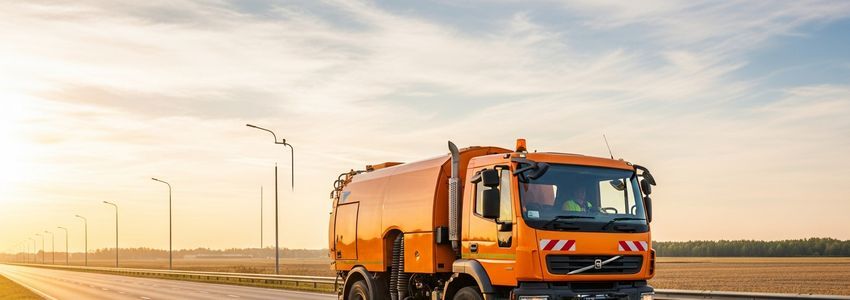
Street Sweeping Business Loans: The Complete Financing Guide for Street Sweeping Business Owners
Running a street sweeping business means managing expensive equipment, unpredictable contracts, and tight cash flow cycles. Whether you operate a single sweeper for a local municipality or manage a fleet serving commercial parking lots across multiple cities, access to reliable financing can be the difference between landing a major contract and losing it to a better-equipped competitor. Street sweeping business loans give owners the capital they need to purchase equipment, cover payroll during slow months, expand their service areas, and win larger government bids.
This guide covers every financing option available to street sweeping contractors, from equipment loans and working capital lines to SBA programs. You will learn what lenders look for, how to qualify, and exactly how to use funding to grow your operation faster.
In This Article
- Street Sweeping Industry Overview
- Why Street Sweeping Companies Need Financing
- Types of Loans for Street Sweeping Businesses
- Equipment Financing for Street Sweepers
- Working Capital Loans
- SBA Loans for Street Sweeping Companies
- How to Qualify for a Street Sweeping Business Loan
- Loan Costs and Interest Rates
- Street Sweeping Business Financing at a Glance
- Best Uses for Street Sweeping Business Loans
- Where to Get a Street Sweeping Business Loan
- Tips for Getting Approved
- Next Steps
- Frequently Asked Questions
Street Sweeping Industry Overview
The street sweeping and road maintenance services market generates billions of dollars annually in the United States. According to data from the U.S. Census Bureau, environmental services and outdoor cleaning contractors consistently rank among the fastest-growing segments in the broader facilities services industry.
Street sweeping businesses serve a wide range of clients including municipalities, airports, shopping centers, industrial parks, parking garages, construction sites, and private communities. Municipal contracts are especially lucrative but highly competitive, often requiring contractors to demonstrate financial strength, carry adequate insurance, and maintain a fleet of certified mechanical sweepers. Private commercial contracts, while smaller individually, often provide more predictable recurring revenue.
The industry is capital-intensive. A single modern regenerative air sweeper can cost between $100,000 and $300,000. Maintaining a fleet of four or five units represents several hundred thousand dollars in capital equipment before you add operating costs like fuel, maintenance, insurance, and labor. This is precisely why financing is not optional for most street sweeping businesses operating beyond a single-truck scale.
According to the U.S. Small Business Administration, capital access is one of the top challenges facing service-based small businesses, particularly those that depend on large equipment purchases and municipal contract cycles.
Why Street Sweeping Companies Need Financing
Cash flow in street sweeping is rarely smooth. Municipal contracts typically pay on net-30 to net-60 terms, which means you may complete 60 days of work before receiving your first check. Private commercial clients often take 45 days to pay. Meanwhile, your payroll, fuel, insurance premiums, and equipment maintenance bills come due every two to four weeks. This mismatch between receivables and expenses creates a persistent working capital gap that forces even profitable companies to rely on financing.
Beyond cash flow, growth in this industry requires upfront capital that most owners simply do not have sitting idle. Adding a second route means buying a second sweeper. Winning a municipal bid that covers 200 lane-miles requires two or three machines operating simultaneously. Expanding into storm drain cleaning or waterway compliance services means purchasing specialty vacuum trucks costing $150,000 or more. None of these growth steps are possible without financing.
Key Insight
Many street sweeping companies lose lucrative municipal bids not because of poor service quality, but because they lack the equipment or bonding capacity to handle the contract scope. Business financing solves both problems.
Seasonal demand also creates financing needs. Many regions see increased sweeping demand in spring when road debris accumulates after winter, and again in fall during leaf-clearing season. Hiring additional seasonal employees and running extra shifts requires upfront payroll capital before the seasonal revenue arrives. A business line of credit is perfectly suited to cover these predictable seasonal spikes.
Types of Loans for Street Sweeping Businesses
Street sweeping business owners have access to several financing products, each designed for a different purpose. Understanding which loan type matches your specific need is the first step to getting the right financing at the right cost.
Equipment Loans: Secured loans specifically for purchasing street sweepers, vacuum trucks, and related machinery. The equipment serves as collateral, which reduces lender risk and typically results in lower interest rates.
Equipment Leases: An alternative to purchasing where you make monthly payments to use the equipment for a set term. At the end, you may purchase the machine for a residual value or return it. Leasing preserves cash and may offer tax advantages under Section 179.
Working Capital Loans: Short-term financing to cover operational expenses like payroll, fuel, insurance, and routine maintenance between contract payment cycles.
Business Lines of Credit: A revolving credit facility you draw from as needed and repay over time. Ideal for covering the unpredictable gaps between invoicing and payment.
SBA Loans: Government-backed loans through the Small Business Administration offering the longest repayment terms and lowest interest rates, though they require more documentation and time to process.
Invoice Financing: If your business has outstanding invoices from municipalities or commercial clients, you can borrow against them immediately rather than waiting 30-60 days for payment. Learn more about invoice financing for contractors.
Term Loans: Lump-sum loans repaid over a fixed period, used for expansion, acquisition of a competitor's routes, or major capital purchases.
Equipment Financing for Street Sweepers
Equipment financing is the most common loan type for street sweeping businesses, and for good reason. A modern mechanical broom sweeper typically costs $80,000 to $150,000. Regenerative air sweepers run $150,000 to $250,000. High-capacity vacuum sweepers used for stormwater compliance can exceed $300,000. Without equipment financing, buying even one machine would require years of saved profits.
With equipment financing, you make a down payment (typically 10 to 20 percent) and finance the remainder over 36 to 84 months. The sweeper itself serves as collateral, so lenders are more willing to work with businesses that have moderate credit scores or limited time in business. Monthly payments are predictable and the equipment generates revenue that covers the payment from day one.
Here is what you need to know about street sweeper equipment financing:
- Loan amounts: $25,000 to $1,000,000 per piece of equipment
- Terms: 24 to 84 months
- Interest rates: 5% to 18% depending on credit profile and lender
- Down payment: 0% to 20% depending on equipment age and lender
- Collateral: The equipment itself
- Time to fund: 1 to 5 business days with alternative lenders
Equipment leasing is an alternative worth considering, especially for newer businesses. Under a lease, you do not own the sweeper outright, but you also do not carry the depreciation risk. If a sweeper becomes obsolete or breaks down catastrophically after three years, you return it and lease a newer model. Many municipalities actually prefer that contractors operate newer equipment, making leasing strategically useful for winning contract renewals. You can compare equipment leasing vs. financing options to find the best fit for your business.
For businesses purchasing used sweepers, be aware that some lenders have restrictions on equipment age. Most traditional lenders will not finance equipment older than 10 years. Alternative lenders are more flexible on age but charge higher rates. Always factor in expected maintenance costs when buying used equipment, and ensure the purchase price justifies the financing cost.
Working Capital Loans for Street Sweeping Businesses
Working capital loans address the single most common financial challenge in street sweeping: the gap between delivering services and getting paid for them. When you are sweeping 200 miles of municipal roadway every week for 45 days before your first invoice is paid, you need cash available to keep paying your drivers, fueling your trucks, and maintaining your equipment.
Working capital loans for street sweeping businesses typically range from $25,000 to $500,000 and can fund in as little as 24 to 48 hours through online lenders. Repayment terms range from 6 months to 3 years. Because these loans are not secured by specific equipment, they require stronger business financials than equipment loans, but they provide more flexibility in how you use the funds.
A business line of credit is often more appropriate than a lump-sum working capital loan for street sweeping operations with fluctuating cash flow needs. With a line of credit, you draw only what you need, when you need it, and you only pay interest on the amount drawn. As you collect on invoices and repay the drawn amount, your available credit replenishes. This revolving structure is ideal for businesses where payment timing is unpredictable.
Pro Tip
Establish a business line of credit before you need it. Lenders approve credit lines based on your current financial health. If you wait until cash flow is already tight, approval becomes harder and more expensive. Secure your line during a strong revenue period and draw on it only when needed.
For businesses with outstanding invoices, invoice financing is another powerful working capital tool. If you have $200,000 in invoices from municipalities or commercial clients, an invoice financing provider can advance you 80 to 90 percent of that value within 24 hours. When the client pays the invoice, the lender collects the advance plus a small fee, and you receive the remaining balance. This keeps your cash flow positive without taking on traditional debt. Explore invoice financing options to learn how this works for service contractors.
SBA Loans for Street Sweeping Companies
For street sweeping businesses with strong financials and the patience to navigate a longer application process, SBA loans represent the best financing value available. The SBA 7(a) loan program offers up to $5 million with repayment terms of up to 10 years for working capital and up to 25 years for real estate. Interest rates are capped by the SBA and are typically 2 to 3 percentage points lower than conventional loans.
The SBA 7(a) program is well-suited for street sweeping companies looking to acquire competitor businesses, purchase a maintenance yard or facility, expand into new geographic markets, or purchase a large fleet of sweepers. The SBA 504 loan program is designed specifically for major fixed asset purchases like commercial property or heavy machinery, making it another option worth exploring for large equipment purchases.
To qualify for an SBA loan, your street sweeping business typically needs:
- At least 2 years in business
- Annual revenues that support the loan amount
- A personal credit score of 650 or higher
- No recent bankruptcies or tax liens
- A demonstrated ability to repay based on cash flow analysis
The trade-off is time. SBA loans can take 30 to 90 days to fund, which makes them unsuitable for urgent needs. If you need equipment fast to fulfill a new contract, an equipment lender or alternative lender will serve you better. SBA loans are best used for planned, strategic growth rather than immediate operational needs. Learn more about SBA loan options for your business.
How to Qualify for a Street Sweeping Business Loan
Lenders evaluate street sweeping businesses using several key criteria. Understanding these factors before you apply allows you to strengthen your application and improve your chances of approval at the best available rates.
Time in Business: Most traditional lenders prefer at least 2 years of operating history. Alternative lenders may work with businesses as young as 6 months. Newer businesses should focus on equipment financing with the sweeper as collateral, which reduces the lender's risk.
Annual Revenue: Lenders generally require that your loan payments represent no more than 10 to 15 percent of your monthly revenue. A business generating $400,000 per year can typically qualify for a loan requiring $3,000 to $5,000 per month in payments.
Credit Score: For equipment loans, a personal credit score of 600 or above is generally sufficient. For working capital loans and lines of credit, most lenders prefer 650 or higher. SBA loans typically require 650 to 700. If your credit needs improvement, visit our guide on bad credit business loans for alternative options.
Cash Flow: Lenders review 3 to 6 months of business bank statements to verify that your revenue covers both existing obligations and the new loan payment. Consistent deposits and a positive average daily balance are favorable signals.
Debt Service Coverage Ratio (DSCR): This is the ratio of your net operating income to your total debt payments. Lenders generally want a DSCR of 1.25 or higher, meaning you earn $1.25 in operating income for every dollar of debt payment. For a street sweeping business with steady municipal contracts, demonstrating a strong DSCR is usually straightforward.
Contract Documentation: If you have signed municipal or commercial contracts, provide copies to your lender. These contracts serve as evidence of future revenue and can significantly improve your approval odds and loan terms. Many lenders will advance based on the contract value, especially for government work.
Loan Costs and Interest Rates
Understanding the true cost of financing helps you make better decisions and avoid overpaying. Street sweeping business loans vary widely in cost depending on the loan type, your credit profile, and the lender you choose.
For equipment loans, interest rates from banks typically range from 5% to 9% APR for borrowers with good credit and from 10% to 18% for those with fair credit. Alternative lenders may charge factor rates rather than interest rates, which can translate to effective APRs of 20% to 40% for shorter-term financing.
For working capital loans, rates from online lenders typically range from 8% to 35% APR depending on your business profile. The shorter the repayment term, the higher the effective APR tends to be, because lender fees are spread over fewer payment periods.
For SBA loans, interest rates are the SBA base rate (tied to the prime rate) plus a lender spread, resulting in total rates typically between 6% and 11% as of 2026. These are the most competitive rates available for small businesses and represent significant savings over conventional and alternative lending options.
For lines of credit, you typically pay a draw fee of 1% to 3% of the amount drawn, plus monthly interest on the outstanding balance. Annual fees or unused line fees may also apply depending on the lender.
Always calculate the total cost of capital, not just the interest rate. A loan with a 12% interest rate and $5,000 in origination fees may cost more over its term than a loan with a 15% rate and no fees, depending on the loan amount and term. Use an amortization calculator or ask your lender for a total cost of financing disclosure before signing.
Street Sweeping Business Financing at a Glance
Street Sweeping Business Financing: Key Numbers
Best Uses for Street Sweeping Business Loans
Street sweeping business loans can be deployed strategically across many parts of your operation. The most successful borrowers have a clear plan for how they will use the capital and how it will generate returns that exceed the cost of borrowing.
1. Purchasing a Street Sweeper: The most obvious use. Whether you are buying your first sweeper or adding a fifth, equipment financing lets you acquire revenue-generating assets without depleting your working capital. A single new municipal contract can pay off a sweeper purchase within 12 to 18 months.
2. Replacing Aging Equipment: Old sweepers break down frequently and burn more fuel per mile swept. Financing a newer model often reduces maintenance and fuel costs enough to make the monthly payment cost-neutral. Newer equipment also helps you comply with air quality regulations in jurisdictions that require CARB-compliant or Tier 4 emissions engines.
3. Bidding on Municipal Contracts: Many municipalities require contractors to demonstrate financial capacity as part of the bid qualification process. Having an approved credit line or recently financed equipment on your books signals financial strength. Some contracts require performance bonds, which are easier to obtain when your financials are clean.
4. Bridging Invoice Payment Gaps: Use a working capital loan or invoice financing to cover payroll and fuel while waiting for municipal or commercial invoices to clear. This is particularly important in winter months when seasonal slowdowns may stretch cash reserves thin.
5. Hiring and Training Operators: Qualified sweeper operators are in short supply in most markets. Financing payroll during a ramp-up period allows you to hire and train new operators before the revenue from their routes is fully established.
6. Expanding to New Markets: Entering a new city or county market requires marketing expenses, bidding costs, licensing fees, and potentially new equipment. A term loan can fund the entire expansion plan. Our article on financing equipment upgrades without cash flow strain offers additional strategies relevant to this scenario.
7. Acquiring a Competitor: Buying out a smaller street sweeping company in your market is often the fastest way to grow. You acquire their contracts, equipment, and customer relationships in a single transaction. Business acquisition loans are designed specifically for this use case. For details, see our long-term business loans guide.
8. Purchasing or Leasing a Facility: As your fleet grows beyond 3 to 4 sweepers, having a dedicated maintenance yard becomes essential. You need space to park, wash, and service your equipment between routes. Commercial real estate loans or SBA 504 loans can fund this purchase.
9. Technology and Route Optimization Software: GPS tracking, route optimization software, and customer billing platforms improve efficiency and reduce fuel costs. These technology investments often pay for themselves within 6 to 12 months but require upfront capital.
Important Reminder
The best use of a business loan is one that generates a return greater than its cost. Before borrowing, calculate whether the new sweeper, new route, or new hire will produce enough additional revenue to cover the loan payment and then some. If the math works, the loan makes sense.
Where to Get a Street Sweeping Business Loan
Street sweeping business owners have access to multiple lending channels. Each has different strengths, approval criteria, and funding timelines.
Online Business Lenders: Companies like Crestmont Capital offer fast funding (often within 24 to 48 hours), flexible qualification criteria, and a streamlined application process. Online lenders are ideal for businesses that need capital quickly, have less-than-perfect credit, or prefer a digital-first experience. Rates are higher than banks but the speed and accessibility often justify the premium. Explore fast business loan options here.
Community Banks and Credit Unions: Local banks often have strong relationships with municipal contractors and may offer favorable terms for businesses with 3 or more years of profitable history. The application process is more involved and funding typically takes 2 to 4 weeks, but rates are competitive with SBA loan rates for well-qualified borrowers.
SBA-Approved Lenders: Banks and credit unions that participate in SBA programs can originate 7(a) and 504 loans with government-backed guarantees. Crestmont Capital works with SBA-approved lenders and can help you navigate the process. Review our full SBA loans guide for details.
Equipment Finance Companies: Specialty lenders focused exclusively on commercial equipment financing often offer the most competitive rates and terms for sweeper purchases. They understand equipment values, residuals, and depreciation schedules better than general commercial lenders.
Municipal Financing Programs: Some states and municipalities offer low-interest financing for contractors who purchase clean-emission vehicles or who perform services under government contracts. Check with your state economic development agency for available programs.
Tips for Getting Approved for a Street Sweeping Business Loan
The preparation you do before applying directly affects your approval odds, the interest rate you receive, and the loan terms available to you. Here are the most impactful steps you can take:
Organize your financials. Lenders will want to see at least 3 months of bank statements, your most recent tax return, and a current profit and loss statement. Having these documents ready before you apply speeds up the process and signals professionalism. According to Forbes, incomplete documentation is one of the most common reasons small business loan applications are delayed or denied.
Check your credit before applying. Review both your personal credit report (via AnnualCreditReport.com) and your business credit profile (through Dun and Bradstreet or Experian Business). Dispute any errors before applying. Even a 20 to 30 point improvement in your credit score can meaningfully change your rate.
Show contract revenue. If you have signed contracts with municipalities or commercial clients, provide copies. Lenders place significant weight on contracted future revenue, especially when the counterparty is a government entity with strong creditworthiness.
Minimize existing debt before applying. Paying down an existing high-balance credit card or small business loan before applying for a larger loan improves your DSCR and your credit utilization ratio. Both factors positively influence approval and rate.
Apply with a clear use of proceeds. Lenders respond well to borrowers who have a specific, well-reasoned plan for how they will use the loan. Stating that you need $175,000 to finance one Elgin Pelican NP Street Sweeper to service a new municipal contract generates more confidence than stating you need cash for business purposes.
Consider a shorter loan term if you can manage the payments. Shorter terms typically come with lower interest rates and less total interest paid. If your contracted revenue is strong enough to handle higher monthly payments, a 36-month term will cost less total than a 60-month term for the same amount.
Next Steps
Your Financing Action Plan
- Define your funding need - Equipment purchase, working capital, expansion, or a combination?
- Gather your documents - Bank statements (3-6 months), tax returns, P&L, and any signed contracts
- Check your credit - Review personal and business credit profiles and resolve any errors
- Get pre-qualified - Apply online at Crestmont Capital for a same-day decision with no obligation
- Compare offers - Review the total cost, monthly payment, and term before committing
- Fund and execute - Deploy capital according to your plan and track the revenue impact
Frequently Asked Questions
What types of loans are available for street sweeping businesses?
Street sweeping businesses can access equipment loans, equipment leases, working capital loans, business lines of credit, SBA loans, invoice financing, and term loans. The right product depends on whether you need to purchase equipment, cover operating costs, bridge invoice gaps, or fund expansion.
How much can a street sweeping company borrow?
Loan amounts vary by lender and loan type. Equipment loans typically range from $25,000 to $1,000,000 per piece of equipment. Working capital loans range from $10,000 to $500,000. SBA loans go up to $5 million. Your specific approval amount depends on your revenue, credit profile, time in business, and ability to repay.
What credit score do I need to finance a street sweeper?
Most equipment lenders require a minimum personal credit score of 600. Working capital lenders typically prefer 650 or higher. SBA loans generally require 650 to 700. If your credit score is below 600, some alternative lenders specialize in bad credit business loans and will evaluate your business on revenue and cash flow rather than credit alone.
Can I get a loan if my street sweeping business is less than a year old?
Yes, though options are more limited. Equipment financing is the most accessible product for newer businesses because the sweeper serves as collateral. Some alternative lenders offer working capital loans to businesses with as little as 6 months of operating history. The key is demonstrating consistent revenue through bank statements.
How fast can I get funding for my street sweeping business?
Alternative online lenders can fund applications within 24 to 48 hours of approval. Equipment finance companies typically fund within 1 to 5 business days. Traditional bank loans take 2 to 4 weeks. SBA loans take 30 to 90 days. If you need capital quickly to fulfill a new contract, online lenders are your best option.
Can I finance a used street sweeper?
Yes. Many equipment lenders finance used sweepers, though they may charge a higher rate and limit financing to equipment under 10 years old. Some lenders will finance older equipment at higher rates. When buying used, always have the machine inspected by a qualified mechanic before finalizing the purchase, and factor in expected maintenance costs when evaluating affordability.
Do I need collateral for a street sweeping business loan?
For equipment loans, the sweeper or vehicle serves as collateral, so no additional collateral is typically required. For working capital loans and lines of credit, some lenders require a blanket business lien or personal guarantee but no specific collateral. SBA loans typically require collateral when it is available.
How do invoice financing and factoring work for street sweeping companies?
If you have outstanding invoices from municipalities or commercial clients, invoice financing allows you to borrow up to 80-90% of the invoice value immediately. The lender collects payment when your client pays and charges a small fee. Invoice factoring works similarly but the factoring company takes ownership of the invoice and handles collections. Both options improve cash flow without taking on traditional debt.
Can municipal contracts help me get a better loan rate?
Yes. Signed municipal contracts significantly strengthen a loan application because they represent predictable, government-backed future revenue. Many lenders will offer better rates and larger approvals when you can demonstrate contracted work. Always bring copies of your contracts to your loan application.
What interest rates should I expect on a street sweeping equipment loan?
Equipment loan rates typically range from 5% to 9% APR through banks and credit unions for well-qualified borrowers, and from 10% to 18% through alternative lenders or for borrowers with fair credit. SBA equipment loans may be even lower. Rates depend on your credit score, time in business, loan term, and the age and value of the equipment.
Is equipment leasing or buying better for a street sweeping company?
This depends on your goals. Buying builds equity and is typically cheaper over the long term if you keep the equipment. Leasing preserves cash, simplifies maintenance planning, and allows you to upgrade equipment more frequently. For businesses in jurisdictions with strict emissions requirements, leasing newer equipment every 3-5 years may be strategically advantageous.
How does a business line of credit work for street sweeping operations?
A business line of credit is a revolving facility with a set limit. You draw money when you need it and repay it over time. As you repay, the credit replenishes. You only pay interest on what you have drawn. For street sweeping businesses dealing with irregular invoice payment timing, a line of credit provides a flexible, low-cost way to manage cash flow gaps.
What documents do I need to apply for a street sweeping business loan?
Lenders typically require 3-6 months of business bank statements, your most recent business and personal tax returns, a profit and loss statement, a list of current equipment, and copies of any contracts. For equipment loans, you will also need an invoice or quote for the sweeper you want to purchase. Some online lenders only require 3 months of bank statements for initial approval.
What is the SBA 7(a) loan and is it right for a street sweeping company?
The SBA 7(a) loan is a government-backed loan program offering up to $5 million at competitive rates and long repayment terms. It is ideal for street sweeping companies looking to make major investments like fleet expansion, facility purchases, or business acquisitions. The trade-off is a longer application process and stricter qualification requirements compared to alternative lenders.
Can I use a business loan to bid on larger municipal contracts?
Yes, in several ways. First, having available financing demonstrates financial capacity to bid evaluation committees. Second, you can use a loan to purchase the equipment or hire the staff needed to fulfill a larger contract scope. Third, having a strong balance sheet makes it easier to obtain the performance bonds that many municipal bids require.
Disclaimer: The information provided in this article is for general educational purposes only and is not financial, legal, or tax advice. Funding terms, qualifications, and product availability may vary and are subject to change without notice. Crestmont Capital does not guarantee approval, rates, or specific outcomes. For personalized information about your business funding options, contact our team directly.








