Opening or expanding a steakhouse is one of the most capital-intensive ventures in the restaurant industry. Steakhouse business loans give owners the funding needed to cover everything from high-end kitchen equipment and premium interior design to staffing, inventory, and day-to-day cash flow. Whether you are launching your first concept or scaling an established brand, understanding your financing options is the foundation of long-term success.

What Are Steakhouse Business Loans?
Steakhouse business loans are financing products designed to help restaurant owners fund the unique costs of running a premium beef-focused dining establishment. These loans can come from traditional banks, credit unions, online lenders, and government-backed programs like the U.S. Small Business Administration (SBA). The capital can be used for startup costs, kitchen renovations, equipment purchases, working capital, or almost any other legitimate business need.
Unlike generic small business loans, steakhouse financing takes into account the specific economic profile of fine dining restaurants - including high inventory costs for premium cuts, substantial front-of-house investment, and the longer ramp-up time before reaching full revenue potential. Lenders who specialize in restaurant financing understand these realities and structure loan products accordingly.
Steakhouse loans are available in multiple forms: term loans, SBA loans, equipment financing, business lines of credit, and revenue-based financing. Each product has different eligibility requirements, repayment structures, and ideal use cases. The right choice depends on your business stage, credit profile, and specific funding goal.
For a broader overview of restaurant industry lending, see our guide on restaurant business loans - which covers funding solutions across all dining concepts.
Ready to Fund Your Steakhouse?
Get pre-qualified in minutes. No hard credit pull. No obligation.
Apply Now - Get Funded FastWhy Steakhouses Need Specialized Financing
The steakhouse segment sits at the premium end of the restaurant industry. According to the U.S. Census Bureau, the broader restaurant industry generates over $150 billion in annual revenue, and full-service steakhouses account for a significant share of that total. But high revenue potential comes with proportionally high capital requirements.
A steakhouse requires premium beef inventory, which can cost thousands of dollars per week even for a mid-sized operation. The cost of prime-grade cuts, dry-aged beef programs, and specialty imports adds up fast - and those costs hit before a single table turns. Maintaining consistent meat quality while managing food cost percentage is a constant balancing act that often requires working capital support.
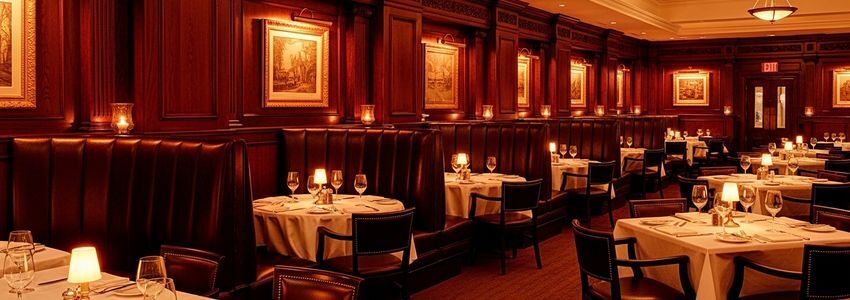
The physical environment of a steakhouse also demands significant upfront investment. Dark wood paneling, leather seating, custom lighting, and full bar buildouts are not optional - they define the guest experience that justifies premium pricing. These capital improvements can easily cost $300,000 to $1 million or more, and they are not the kind of expenses you can phase in over time without risking your concept.
Staffing a steakhouse adds another layer of cost. Experienced sommeliers, certified butchers, executive chefs, and polished front-of-house teams command premium compensation. Recruiting and training this talent requires capital before your doors ever open - and retaining them through the slow ramp-up period requires sustained cash flow support.
Types of Loans for Steakhouse Owners
Steakhouse owners have access to a wide range of financing products. The best option depends on your credit history, time in business, revenue, and specific funding need. Below is an overview of the most common loan types used by steakhouse operators.
SBA Loans for Steakhouses
SBA loans are government-backed loans that offer some of the most competitive rates and longest repayment terms available to small business owners. The SBA 7(a) loan program allows borrowing up to $5 million with repayment terms of up to 10 years for working capital and up to 25 years for commercial real estate. For steakhouse owners with solid credit and a strong business plan, SBA loans are often the gold standard.
Small Business Term Loans
Small business term loans provide a lump sum of capital repaid over a fixed period with regular payments. They are well-suited for large one-time expenses like buildouts, renovations, or purchasing an existing steakhouse. Terms typically range from 1 to 10 years, and interest rates vary based on your credit profile and lender type.
Equipment Financing
Commercial kitchen equipment - grills, ovens, refrigeration units, smokers, and meat aging cabinets - represents one of the largest upfront costs for any steakhouse. Equipment financing allows you to purchase this equipment with the equipment itself serving as collateral. This preserves cash and typically offers lower rates than unsecured options.
Business Line of Credit
A business line of credit works like a revolving fund you can draw from and repay as needed. It is ideal for managing seasonal cash flow fluctuations, covering payroll during slow periods, and handling unexpected expenses like equipment repairs. Many steakhouse owners maintain a line of credit alongside a term loan to have flexible access to capital at all times.
Short-Term Business Loans
Short-term business loans provide fast access to capital - often within 24 to 48 hours of approval - with repayment periods of 3 to 18 months. They are best used for time-sensitive opportunities such as a seasonal marketing push, urgent equipment replacement, or a limited-time inventory purchase at a favorable price.
Revenue-Based Financing / Merchant Cash Advance
Revenue-based financing products provide capital in exchange for a percentage of future revenue. Steakhouses with strong credit card sales may find this option accessible even with imperfect credit, though the effective cost is typically higher than term loans. These products are best used as a short-term bridge rather than a long-term financing strategy.
How Much Does It Cost to Open or Expand a Steakhouse?
The financial commitment required to launch a steakhouse is substantial. Industry data indicates that startup costs typically range from $500,000 to $3 million depending on location, concept size, and market positioning. Understanding these cost categories is essential for determining how much capital to raise and what financing structure makes sense for your situation.
Real Estate and Buildout
Leasing a commercial space in a prime market can require a security deposit equal to several months of rent plus the cost of tenant improvements. If you are building out a raw space, expect to spend $150 to $400 per square foot on construction and design. A 4,000-square-foot steakhouse in a major market could require $600,000 to $1.6 million in buildout costs alone.
Kitchen Equipment
A full-service steakhouse kitchen requires commercial-grade grills, broilers, ovens, refrigeration systems, and specialized equipment like dry-aging cabinets and meat slicers. A well-equipped steakhouse kitchen can cost $200,000 to $500,000. Equipment financing allows you to spread these costs over time rather than depleting your startup capital.
Furniture, Fixtures, and Decor
The ambiance of a premium steakhouse is part of the product. Custom leather booths, mahogany bar structures, sophisticated lighting rigs, and curated art can represent $100,000 to $400,000 in investment. These costs are non-negotiable if you intend to command the price points that make a steakhouse financially viable.
Inventory and Operating Capital
Your initial meat inventory, wine cellar stock, and bar inventory can cost $30,000 to $100,000 or more at opening. Add to that the working capital needed to cover payroll, utilities, and operating expenses for the first 3 to 6 months before revenue stabilizes, and working capital needs can easily exceed $200,000.
Licensing, Insurance, and Professional Fees
Restaurant licenses, liquor permits, health inspections, architect and design fees, and legal costs can add $30,000 to $80,000 to your opening budget. These are unavoidable and should be accounted for in your financing plan from the start.
How to Qualify for Steakhouse Financing
Qualifying for steakhouse business loans requires preparation. Lenders evaluate several key factors when assessing risk and determining loan eligibility. Understanding what lenders look for gives you the best chance of securing favorable terms.
Credit Score Requirements
Most traditional lenders and SBA programs require a minimum personal credit score of 680. Online lenders and alternative financing products may work with scores as low as 550 to 600. A higher score generally translates to better rates and higher loan amounts. If your credit needs improvement, focus on paying down existing balances and resolving any negative marks before applying.
Time in Business
Established steakhouses with at least 2 years of operating history have access to the widest range of financing options. Startup steakhouses have fewer choices but can still access SBA startup loans, equipment financing, and alternative lenders willing to fund new concepts with strong business plans and experienced operators behind them.
Annual Revenue
Most lenders require a minimum annual revenue of $100,000 to $250,000 for established businesses. Some products have lower thresholds or no minimum revenue requirement. A steakhouse generating $1 million or more annually typically qualifies for loans ranging from $100,000 to $2 million or higher.
Business Plan and Financial Projections
For startup financing, a well-structured business plan is essential. It should include a detailed market analysis, your concept overview, staffing plan, projected income statements, cash flow forecasts, and a clear explanation of how loan proceeds will be used. For existing businesses, lenders will review your profit and loss statements, balance sheets, and tax returns from the prior 2 to 3 years.
Collateral
While some loan products are unsecured, larger loans typically require collateral. Kitchen equipment, real estate, and other business assets can serve as collateral for steakhouse loans. SBA loans may also require a personal guarantee from business owners with a 20% or greater ownership stake.
See How Much You Qualify For
Check your options without affecting your credit score. Takes less than 5 minutes.
Get My RateSteakhouse Industry Stats at a Glance
The U.S. Steakhouse Industry by the Numbers
Sources: U.S. Census Bureau; Restaurant industry research. Figures are estimates and may vary by market.
How Crestmont Capital Helps Steakhouse Owners
Crestmont Capital is one of the leading small business lenders in the United States, with a track record of helping restaurant and hospitality businesses access the capital they need to grow. We understand the unique economics of the steakhouse industry and offer financing solutions designed to match your business stage and goals.
Our lending team has deep experience with fine dining and premium restaurant concepts. We review applications with an understanding of food cost structures, seasonal revenue patterns, and the front-loaded nature of steakhouse startup costs. That means we can often approve financing for operators that traditional banks might pass over.
Crestmont Capital offers a range of products that work together to give steakhouse owners maximum flexibility. Whether you need a large term loan to fund a full buildout, an equipment financing package for your commercial kitchen, a revolving line of credit to smooth seasonal cash flow, or a fast-turnaround working capital loan to cover a short-term gap, we have options designed for you.
Our application process is streamlined and straightforward. Most business owners can complete an application in under 10 minutes, and pre-qualification does not require a hard credit pull. Funding can happen in as little as 24 to 48 hours for certain products, and in 7 to 30 days for larger SBA and term loan packages.
We also provide ongoing support beyond the initial loan. Our team stays in touch with clients to understand evolving needs and proactively offer refinancing or additional capital options as your steakhouse grows. Many of our clients start with equipment financing and later graduate to larger SBA loans as their credit profiles and revenue histories strengthen.
Real-World Financing Scenarios
Understanding how steakhouse financing works in practice helps you plan your own funding strategy. Here are four realistic scenarios that illustrate how different steakhouse operators use loans to achieve their goals.
Scenario 1: Startup Steakhouse in a Mid-Tier Market
A veteran chef with 15 years of fine dining experience decides to open his own steakhouse concept in a secondary market city. His startup budget is $900,000. He secures an SBA 7(a) loan for $600,000 at a competitive rate with a 10-year repayment term and combines it with $200,000 in equipment financing for his commercial kitchen and $100,000 from personal savings. He opens with a full kitchen build, 80-seat dining room, and 6 months of operating reserves.
Scenario 2: Established Steakhouse Expanding to a Second Location
A successful steakhouse generating $2.5 million in annual revenue wants to open a second location. The owner applies for a $750,000 small business term loan based on the strength of her existing business financials. The new location replicates the original concept with a faster ramp-up thanks to the established brand, and the loan is repaid over 7 years with monthly payments that fit comfortably within projected cash flow.
Scenario 3: Aging Equipment Replacement Mid-Operation
A steakhouse owner realizes his broilers and walk-in coolers are approaching end of life. He uses equipment financing to replace $180,000 worth of kitchen infrastructure without disrupting cash flow. The equipment itself serves as collateral, the approval comes in 3 days, and he avoids a costly breakdown that could have shuttered his kitchen during a peak weekend service.
Scenario 4: Seasonal Cash Flow Management
A steakhouse in a vacation destination market experiences dramatic swings between summer peak and winter slow season. The owner maintains a $150,000 business line of credit that she draws from each January through March to cover payroll and inventory costs. She repays the drawn balance in full by June when summer revenue peaks. The line gives her the stability to retain her best staff year-round instead of laying off and rehiring every cycle.
Frequently Asked Questions
1. What are steakhouse business loans?
Steakhouse business loans are financing products designed to fund the startup, operation, or expansion of a steakhouse restaurant. They include term loans, SBA loans, equipment financing, lines of credit, and revenue-based financing. Each product serves different needs and has different eligibility requirements.
2. How much can I borrow for my steakhouse?
Loan amounts for steakhouse financing range from $10,000 to $5 million or more depending on the loan type, your credit profile, and your business's financial performance. SBA 7(a) loans max out at $5 million. Equipment financing is typically sized to the equipment cost. Alternative lenders can fund $10,000 to $500,000 in as little as 24 hours.
3. What credit score do I need for steakhouse financing?
Most traditional and SBA lenders require a personal credit score of at least 680. Online lenders and alternative financing products may approve borrowers with scores as low as 550. A stronger credit score generally results in lower interest rates, higher loan amounts, and better repayment terms.
4. Can I get steakhouse financing with bad credit?
Yes. Alternative lenders and revenue-based financing providers work with business owners who have challenged credit histories. These products typically carry higher costs to offset the additional risk, but they can provide a funding bridge while you rebuild your credit profile. Equipment financing is also often more accessible with lower credit scores because the equipment serves as collateral.
5. What types of loans work best for steakhouses?
SBA loans are ideal for large capital needs with the best rates and longest terms. Equipment financing works best for commercial kitchen buildouts and equipment replacement. Business lines of credit are perfect for managing cash flow and seasonal fluctuations. Short-term loans work well for urgent, time-sensitive capital needs. The best approach often combines multiple products.
6. How long does approval take for steakhouse loans?
Approval timelines vary by product. Alternative and online lenders can approve and fund steakhouse loans in as little as 24 to 48 hours. SBA loans typically take 2 to 8 weeks from application to funding. Traditional bank term loans usually take 2 to 6 weeks. Having all your documents prepared in advance significantly speeds up the process.
7. What collateral is needed for steakhouse loans?
Collateral requirements vary by loan type. Equipment financing uses the purchased equipment as collateral. SBA loans may require business assets and a personal guarantee. Term loans from banks often require collateral equal to the loan amount. Many online lenders offer unsecured products that require no collateral, though these carry higher rates.
8. Can I finance kitchen equipment separately?
Yes. Equipment financing is specifically designed for purchasing business-use equipment, including commercial kitchen infrastructure. The equipment serves as its own collateral, which often makes this product easier to qualify for than unsecured term loans. You can finance grills, ovens, refrigeration units, dry-aging cabinets, and other kitchen assets separately from your general working capital.
9. What can I use steakhouse financing for?
Steakhouse financing can be used for virtually any legitimate business expense: commercial space buildouts, kitchen equipment, furniture and decor, initial inventory, payroll and staffing, marketing and advertising, technology and POS systems, renovations, new location launches, and working capital to cover ongoing operational costs during slow periods.
10. How do SBA loans work for steakhouses?
SBA loans are government-backed loans where the SBA guarantees a portion of the loan amount, reducing the lender's risk. This enables lenders to offer lower rates and longer terms than conventional products. The SBA 7(a) program is the most common and can fund up to $5 million. Steakhouse owners typically use SBA loans for large startup costs, commercial real estate purchases, and major expansions. The application process is more thorough than alternatives but the terms are often worth the extra time investment.
11. What are the repayment terms for steakhouse loans?
Repayment terms depend on the loan product. Short-term loans from online lenders typically run 3 to 18 months. Equipment financing terms generally range from 2 to 7 years. SBA 7(a) loans offer up to 10 years for working capital and 25 years for real estate. Conventional term loans typically offer 3 to 10 year repayment periods. Monthly payment amounts vary based on loan amount, term, and interest rate.
12. Can I get financing for a steakhouse renovation?
Yes. Renovation financing is a common use case for steakhouse business loans. Whether you are refreshing an aging dining room, upgrading to a new kitchen layout, or rebranding an acquired location, term loans and lines of credit can cover renovation costs. Some lenders offer specific renovation or leasehold improvement financing products. SBA 7(a) loans are also commonly used for major renovation projects.
13. Do I need a business plan to apply for steakhouse financing?
A formal business plan is typically required for SBA loans and some conventional bank loans, particularly for startup steakhouses with no operating history. Many online lenders and alternative financing products do not require a formal business plan for established businesses, relying instead on recent financial statements and bank statements. For any startup, a comprehensive business plan significantly improves your approval odds and loan terms.
14. How is a steakhouse loan different from a general restaurant loan?
In most cases, the loan products themselves are the same - the difference lies in how lenders evaluate steakhouse-specific metrics. Steakhouses often have higher average check sizes, longer break-even timelines, and greater startup capital requirements than casual dining concepts. Lenders experienced with fine dining understand these dynamics. Working with a lender that specializes in restaurant financing ensures your application is evaluated with the right context.
15. How does Crestmont Capital help steakhouse owners?
Crestmont Capital provides steakhouse owners with access to a wide range of financing options including SBA loans, term loans, equipment financing, and business lines of credit. Our team understands restaurant economics and evaluates applications with an industry-specific lens. We offer fast pre-qualification with no hard credit pull, flexible products for all business stages, and a dedicated team ready to help structure the right financing package for your steakhouse.
How to Get Started
Your Path to Steakhouse Funding - 3 Simple Steps
Complete our simple online application in under 10 minutes. No hard credit pull required. Start your application here.
A Crestmont Capital lending specialist will review your application and contact you to discuss your options, answer questions, and structure the best financing package for your steakhouse.
Once approved, funds are deposited directly to your business bank account. Many products fund in 24 to 48 hours. SBA loans typically close within 2 to 8 weeks.
Conclusion
Steakhouse business loans are an essential tool for anyone serious about building a successful fine dining concept. The capital requirements of this segment - from premium beef inventory and high-end interior design to skilled staff and extensive kitchen infrastructure - make strategic financing not just helpful but necessary for most operators.
Understanding your loan options, knowing what lenders evaluate, and working with a financing partner experienced in restaurant economics gives you a significant advantage. Whether you are opening your first location, replacing aging equipment, renovating to a higher standard, or scaling an existing brand to a second or third market, the right loan product can make the difference between a concept that struggles and one that thrives.
The restaurant financing landscape offers more options than ever for well-prepared operators. Take the time to understand your needs, build your documentation, and work with a lender who understands your business. Crestmont Capital is ready to be that partner.
Fund Your Steakhouse Today
Crestmont Capital - America's #1 Rated Business Lender
Apply for Steakhouse FinancingDisclaimer: The information provided in this article is for general educational purposes only and is not financial, legal, or tax advice. Funding terms, qualifications, and product availability may vary and are subject to change without notice. Crestmont Capital does not guarantee approval, rates, or specific outcomes. For personalized information about your business funding options, contact our team directly.