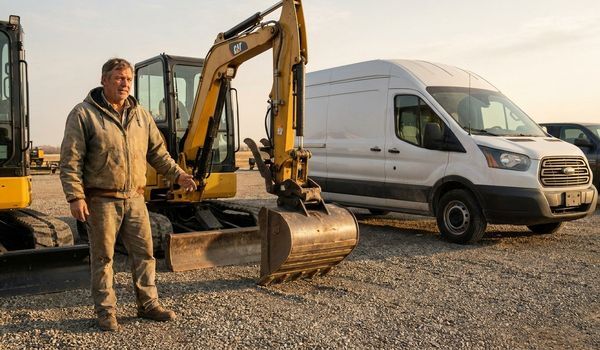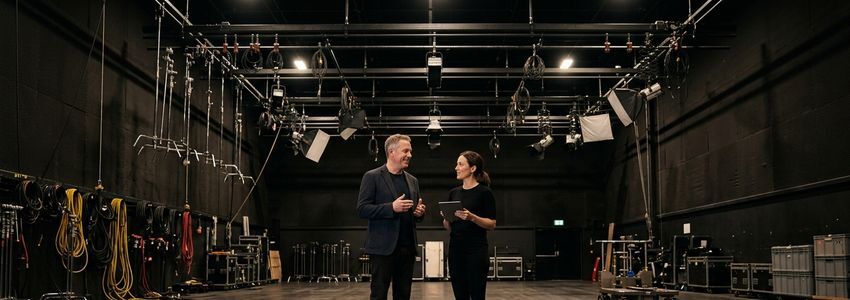
The demand for original film and television content has not slowed down, and neither has the pressure on studio owners to keep pace with production schedules that used to be considered impossible. Streaming platforms, independent producers, and commercial media companies all need dedicated soundstage space, and the facilities that can deliver it are booked out months in advance. If you own or operate a production facility, expanding your soundstage capacity or upgrading your equipment is no longer optional. It is the difference between winning bookings and watching them go to a competitor down the road.
Sound stage financing gives production company owners, studio operators, and media entrepreneurs a way to fund the construction, buildout, or equipment needs of a soundstage without draining working capital. Whether you are building a new stage from the ground up, retrofitting an existing warehouse, or outfitting a stage with lighting grids and grip equipment, the right financing structure can get you production-ready faster and on better terms than paying cash out of pocket.
In This Article
What Is Sound Stage Financing?
Sound stage financing refers to the funding solutions production companies and studio owners use to build, expand, retrofit, or equip a soundstage or film production facility. This can cover the physical construction of the stage itself, including structural buildout, soundproofing, HVAC systems, and electrical infrastructure, as well as the specialized equipment that turns an empty warehouse into a functioning production space: lighting grids, grip and rigging systems, green screens, camera packages, control rooms, and audio equipment.
Unlike a generic commercial construction loan, sound stage financing is structured around the unique economics of the media production industry. Lenders who understand this space recognize that a soundstage is a specialized commercial asset with real resale and rental value, and they structure terms accordingly, whether that means an equipment loan for the grip package, a lease for the lighting rig, or a broader commercial financing package for the buildout itself.
For studio owners, this financing usually falls into one of two categories: financing for the physical facility (construction, renovation, soundproofing, permanent fixtures) and financing for the production equipment that makes the stage usable (lighting, grip, camera, audio, and control room technology). Many studio owners need both, and a well-structured financing plan can address each piece with the terms that make the most sense for that asset.
Key Benefits of Sound Stage Financing
Financing a soundstage buildout or equipment purchase instead of paying cash preserves capital for the parts of your business that need it most: staffing, marketing to production companies, and day-to-day operations. Here is what studio owners gain by financing instead of depleting reserves.
- Preserved working capital. Keep cash on hand for payroll, insurance, marketing to producers, and unexpected repairs instead of tying it all up in construction or equipment.
- Faster time to production-ready. Financing lets you build or equip the stage now, rather than waiting years to save enough cash to do it outright, which matters when bookings are time-sensitive.
- Predictable monthly payments. Fixed-term loans and leases make budgeting simple, so you know exactly what your facility costs each month regardless of booking volume.
- Access to better equipment. Financing can make higher-end lighting rigs, camera packages, or grip equipment attainable sooner, which helps you compete for larger productions.
- Tax-advantaged structures. Depending on how a lease or loan is structured, businesses may be able to deduct financing costs or depreciate equipment as part of normal business planning with a qualified accountant.
- Flexibility to scale. As demand grows, financing allows you to add a second stage, expand square footage, or upgrade infrastructure without waiting for a single large capital event.
Ready to Build or Expand Your Sound Stage?
Get fast, flexible financing from the #1 business lender in the U.S. No obligation, apply in minutes.
Apply Now →How Sound Stage Financing Works
The process of financing a soundstage generally follows the same core structure as other commercial and equipment financing, with a few adjustments specific to the production industry. Here is what studio owners can expect from application to funding.
Step 1: Define the Scope of the Project
Start by determining exactly what needs financing. Is this new construction, a warehouse conversion, an equipment-only upgrade, or a combination of all three? Lenders will want a clear breakdown of costs for construction, soundproofing, lighting and grip packages, camera and control room equipment, and any ancillary spaces like dressing rooms or editing suites.
Step 2: Gather Financial Documentation
Most lenders will request business bank statements, tax returns, a profit and loss statement, and details on existing bookings or contracts if available. If your production company already has a track record of bookings, that history strengthens the application significantly.
Step 3: Choose the Right Financing Structure
Depending on whether the funding is for real estate and construction or for movable equipment, you may use a commercial real estate loan, an equipment loan, an equipment lease, or a working capital line to cover soft costs. A knowledgeable lender will help match the financing type to the asset being funded.
Step 4: Underwriting and Approval
The lender evaluates your business credit profile, time in business, revenue, and the value of the underlying asset (the equipment or the facility). Because production equipment and soundstage improvements have resale value, many lenders are comfortable extending financing even to newer production companies.
Step 5: Funding and Buildout
Once approved, funds are disbursed, either directly to equipment vendors and contractors or to your business account, depending on the structure. Many equipment financing arrangements allow you to work directly with your preferred lighting, grip, or camera equipment vendor.
By the Numbers
Sound Stage Financing and the U.S. Production Industry
$40B
Forecasted annual U.S. film and TV production spending
$50-$100
Typical cost per square foot to build a large-scale sound stage
53%
YoY increase in approved California productions after the 2025 incentive expansion
2M+
Jobs supported by the American film and television industry
Types of Sound Stage Financing
There is no single financing product built exclusively for sound stages, which means studio owners typically combine a few different financing tools depending on what they are funding.
- Equipment financing. Used to purchase lighting rigs, grip and rigging equipment, camera packages, green screens, and control room technology. Terms are usually structured around the useful life of the equipment.
- Equipment leasing. An alternative to buying outright, leasing lets studio owners access current-generation lighting and camera technology with lower upfront costs and the option to upgrade at the end of the term.
- Commercial real estate financing. Used when purchasing or renovating the physical building that will house the soundstage, including structural changes, soundproofing, and HVAC upgrades.
- Working capital loans. Useful for covering soft costs like permits, design fees, or bridging cash flow gaps during the construction or buildout period.
- Business lines of credit. A flexible option for studios that need ongoing access to capital for smaller equipment purchases, repairs, or unexpected costs between larger financing events.
- SBA loans. For qualifying small production companies, SBA-backed loans can offer longer terms and lower down payments on both equipment and real estate components of a soundstage project.
Key Insight: Studio owners often split their financing across two products, one for the fixed facility improvements and one for movable production equipment, because each asset type carries a different useful life and depreciation schedule.
Who Sound Stage Financing Is Best For
Sound stage financing is designed for a range of production and media businesses, not just traditional Hollywood studios.
- Independent production companies converting a warehouse or industrial space into a bookable soundstage.
- Existing studio operators adding a second or third stage to meet growing demand from streaming and commercial clients.
- Commercial and advertising production houses that need a dedicated space for brand shoots and corporate video work.
- Regional production facilities in states offering film incentive programs, looking to capture productions relocating out of traditional hubs.
- Broadcast and streaming content producers who need in-house studio capacity instead of renting stage time from third parties.
- Event and livestream production companies building hybrid stages that support both filmed content and live broadcast work.
If your business generates revenue from booking out stage time, producing content, or servicing production clients, and you need either the physical space or the equipment to do it, sound stage financing is built for your situation.
Comparing Your Funding Options
Choosing between financing structures comes down to what you are funding, how quickly you need it, and how long you plan to keep the asset. Here is a side-by-side look at the most common options for studio owners.
| Financing Type | Best For | Typical Term | Ownership |
|---|---|---|---|
| Equipment Financing | Lighting, grip, camera packages | 2 to 7 years | You own the equipment |
| Equipment Leasing | Fast-evolving tech (cameras, control room gear) | 2 to 5 years | Option to buy, upgrade, or return |
| Commercial Real Estate Financing | Building purchase, structural buildout | 10 to 25 years | You own the property |
| Working Capital Loan | Soft costs, permits, cash flow bridging | 6 months to 3 years | N/A |
| Business Line of Credit | Ongoing, smaller, or unpredictable needs | Revolving | N/A |
How Crestmont Capital Helps
Crestmont Capital works with production companies and studio owners to structure financing around the specific assets they are funding, rather than forcing every project into a single generic loan product. Our equipment financing programs are built for exactly this kind of purchase: lighting rigs, grip packages, camera systems, and control room technology that keep a soundstage production-ready.
For studios that prefer to preserve capital and stay current on technology, our equipment leasing options provide a lower upfront cost path to the same equipment, with flexibility to upgrade as production technology evolves. When the project involves purchasing or renovating the physical facility itself, our commercial real estate financing team can structure a plan around the construction timeline and long-term value of the property.
We have also worked with adjacent media businesses navigating similar financing decisions. Our guide on recording studio business loans covers financing considerations for audio-focused facilities, and our breakdown of content creator business loans is useful if your studio also supports independent creators and social media production work. Whatever combination of financing your soundstage project requires, our team can help you compare structures and move quickly once you are ready to apply.
Get Financing Built Around Your Production Business
From lighting rigs to full studio buildouts, Crestmont Capital structures financing around what your soundstage actually needs.
Apply Now →Real-World Scenarios
Scenario 1: The Warehouse Conversion. A production company leases an empty 40,000-square-foot warehouse and needs financing to add soundproofing, HVAC, electrical infrastructure, and a full grip and lighting package before its first booking. A combination of commercial real estate financing for the structural work and equipment financing for the lighting and grip package gets the space production-ready within months instead of years.
Scenario 2: The Second Stage Expansion. An established studio with one soundstage is regularly turning away bookings due to lack of availability. Equipment financing allows the studio to duplicate its lighting and camera package for a second stage without touching cash reserves earmarked for payroll and marketing.
Scenario 3: The Streaming-Era Upgrade. A regional production facility wants to attract streaming platform productions that require modern LED volume walls and virtual production technology. Equipment leasing lets the studio access this expensive, rapidly evolving technology with lower upfront costs and the flexibility to upgrade again in a few years.
Scenario 4: The Commercial Production House. A brand and advertising production company outgrows its rented stage space and wants to build its own facility to control scheduling and reduce recurring rental costs. A working capital loan bridges the gap during permitting and design, while a longer-term real estate loan funds the buildout itself.
Frequently Asked Questions
What is sound stage financing?
Sound stage financing is funding used to build, renovate, or equip a film and media production facility, covering both physical construction (soundproofing, HVAC, structural work) and equipment (lighting, grip, camera, and control room technology).
What can sound stage financing be used for?
It can cover construction or renovation of the physical stage, soundproofing and acoustic treatment, HVAC and electrical upgrades, lighting grids, grip and rigging equipment, camera packages, green screens, and control room technology.
How much does it cost to build a sound stage?
Costs vary widely based on size and features, but large-scale production stages commonly run $50 to $100 per square foot once construction, finishing, electrical, lighting, and acoustic treatment are included. Smaller studio conversions can start lower, depending on the level of soundproofing and fit-out required.
Do I need good credit to qualify for sound stage financing?
Strong personal and business credit improves your terms, but many lenders also weigh the resale value of production equipment and the underlying real estate, business revenue, and time in business alongside credit score.
What is the difference between equipment financing and equipment leasing for a soundstage?
Equipment financing means you own the lighting, grip, or camera equipment outright once the loan is paid off. Leasing gives you lower upfront costs and the flexibility to upgrade to newer technology at the end of the lease term, which can matter for fast-evolving gear like cameras and virtual production tools.
Can I finance both the building and the equipment together?
Often the building and the equipment are financed separately because they carry different useful lives and depreciation schedules. A common approach is a commercial real estate loan for the facility and a separate equipment loan or lease for lighting, grip, and camera packages.
How long does it take to get approved for sound stage financing?
Equipment financing and working capital approvals can often move within days once documentation is submitted. Larger commercial real estate financing packages typically take longer due to appraisal and underwriting requirements on the property.
Can a new production company qualify for financing?
Newer companies can qualify, especially for equipment financing, since the equipment itself carries resale value that lenders factor into the decision. Having signed bookings, contracts, or a clear business plan strengthens the application.
What documents do I need to apply?
Typically business bank statements, tax returns, a profit and loss statement, and a breakdown of the project costs (construction estimates, equipment quotes, or both). Existing booking contracts or letters of intent from production clients can strengthen your application.
Is an SBA loan a good option for a sound stage project?
SBA loans can offer longer repayment terms and lower down payments for qualifying small production companies, which is helpful for larger buildouts that combine real estate and equipment costs. The tradeoff is a more involved application and approval process compared to direct equipment financing.
Can financing cover soundproofing and acoustic treatment specifically?
Yes, soundproofing and acoustic treatment are typically included as part of the construction or renovation scope funded through commercial real estate or working capital financing, since they are a core part of making a space function as a usable soundstage.
What if I want to add virtual production or an LED volume wall later?
Equipment leasing is often a good fit here, since virtual production technology evolves quickly and leasing allows you to upgrade to newer systems without being locked into ownership of technology that may become outdated in a few years.
Are there financing options for renting or leasing my stage's equipment out between bookings?
A business line of credit can help smooth out cash flow between bookings and cover ongoing costs like insurance, maintenance, or minor equipment repairs, giving you flexibility outside of a single large financing event.
Who typically uses sound stage financing?
Independent production companies, established studio operators expanding capacity, commercial and advertising production houses, regional production facilities, and streaming or broadcast content producers all use this type of financing.
How do I get started with sound stage financing?
Start by outlining your project scope and gathering cost estimates for construction, equipment, or both. From there, a lender can walk you through which financing structures fit your specific project and timeline.
Turn Your Production Space Into a Bookable Sound Stage
Talk to Crestmont Capital about financing built around your studio's construction and equipment needs.
Apply Now →Next Steps
List out construction, soundproofing, and equipment needs with estimated costs.
Bank statements, tax returns, and a profit and loss statement.
Compare equipment, leasing, and real estate options for your specific project.
Move forward with funding and start booking clients sooner.
Conclusion
Demand for U.S. film and television production is not slowing down, and studio owners who can offer bookable, well-equipped soundstage space are positioned to capture that demand. Sound stage financing gives production companies a practical way to fund construction, buildout, and equipment needs without draining the working capital that keeps the rest of the business running. Whether you need financing for a full studio conversion, an equipment upgrade, or a second stage to meet growing demand, matching the right financing structure to the asset is the key to getting production-ready without unnecessary delay.
According to the U.S. Census Bureau, the arts, entertainment, and recreation sector that includes production facilities continues to represent a substantial share of U.S. commercial activity, and industry coverage from Forbes shows demand for studio and production space continuing to shift and grow across traditional film, streaming, and content creator markets alike. For studio owners weighing financing options, the U.S. Small Business Administration also outlines federally backed loan programs that can apply to both equipment and real estate components of a soundstage project.
Disclaimer: The information provided in this article is for general educational purposes only and is not financial, legal, or tax advice. Funding terms, qualifications, and product availability may vary and are subject to change without notice. Crestmont Capital does not guarantee approval, rates, or specific outcomes. For personalized information about your business funding options, contact our team directly.