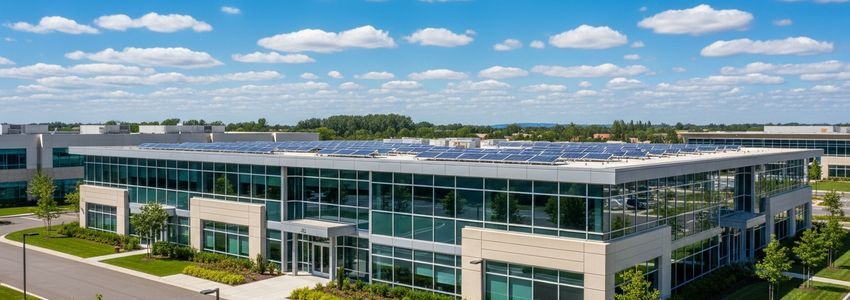
In 2026, the landscape of business operations is rapidly evolving, with sustainability and energy efficiency taking center stage. For forward-thinking business owners across the U.S., embracing solar power is no longer a niche environmental choice but a strategic imperative that offers substantial financial benefits and a clear competitive edge. As energy costs continue their upward trend and corporate social responsibility becomes a key differentiator, more enterprises are recognizing the profound return on investment (ROI) that modern solar technology delivers.
The decision to transition to solar energy often hinges on the initial capital outlay required for installation. While the long-term savings are undeniable, the upfront investment can be significant, prompting many businesses to seek smart, flexible financing solutions. This is where solar equipment financing becomes indispensable, transforming a large capital expenditure into manageable monthly payments that are often offset by immediate energy savings. It allows businesses to preserve their working capital for other growth initiatives while still reaping the myriad benefits of clean energy.
Crestmont Capital stands as a leading partner in this transition, empowering businesses with tailored solar equipment financing options designed to make the switch to solar seamless and affordable. We understand the unique financial dynamics of commercial enterprises and offer competitive rates, flexible terms, and a streamlined application process to help you unlock the full potential of solar energy. This comprehensive guide will walk you through everything you need to know about securing solar equipment financing, ensuring your business is poised for a brighter, more sustainable, and profitable future.
In This Article
- Why Businesses Are Going Solar in 2026
- What Is Solar Equipment Financing?
- Types of Solar Equipment You Can Finance
- Solar Financing Options Explained
- How Much Does Commercial Solar Cost?
- Do You Qualify for Solar Equipment Financing?
- How to Apply: Step by Step
- Financing vs. Paying Cash for Solar
- Federal and State Solar Incentives
- Solar Financing for Different Business Types
- Common Mistakes to Avoid
- Crestmont Capital Solar Financing Solutions
- Frequently Asked Questions
- Next Steps
Why Businesses Are Going Solar in 2026
The adoption of solar energy by businesses in 2026 is driven by a powerful confluence of economic, environmental, and strategic factors. Commercial enterprises, from small local shops to large industrial complexes, are increasingly recognizing that investing in solar is not just an expense, but a significant asset that delivers tangible, long-term returns. Understanding these motivations is crucial for any business owner considering solar equipment financing.
One of the most compelling reasons for businesses to go solar is the substantial energy cost savings. Utility rates have been steadily climbing across the United States, often with unpredictable fluctuations that make budgeting a challenge. By generating their own electricity, businesses can significantly reduce or even eliminate their monthly utility bills, locking in a predictable energy cost for decades. This stability acts as a powerful hedge against future energy price increases, offering financial certainty that traditional grid power cannot match. The immediate reduction in operational expenses directly impacts the bottom line, freeing up capital for other investments or growth opportunities.
Beyond the direct financial benefits, the environmental, social, and governance (ESG) advantages of solar are becoming increasingly important. Consumers, investors, and employees are more conscious than ever about a company's environmental footprint. Adopting solar power demonstrates a strong commitment to sustainability and corporate social responsibility, enhancing brand image and attracting eco-conscious customers. This positive public perception can translate into increased sales and customer loyalty, providing a competitive edge in crowded markets. Furthermore, many businesses are finding that a commitment to green initiatives helps attract and retain top talent, particularly among younger generations who prioritize working for environmentally responsible organizations.
Grid independence and resilience represent another critical driver for solar adoption. Power outages, whether due to extreme weather, infrastructure failures, or cybersecurity threats, can result in significant financial losses for businesses. Integrating solar with battery storage systems provides a reliable backup power source, ensuring critical operations can continue uninterrupted. This enhanced energy security is invaluable, particularly for businesses that rely on continuous power for manufacturing, data centers, or essential services. The ability to operate off-grid or reduce reliance on the main grid during peak demand also allows for greater control over energy consumption and costs.
Finally, the competitive advantages derived from solar adoption are multifaceted. Businesses with lower operating costs due to solar energy can often offer more competitive pricing for their products or services, or reinvest the savings into innovation and expansion. Moreover, as the global economy shifts towards a more sustainable model, businesses that embrace renewable energy are seen as forward-thinking and resilient. According to recent reports, the solar industry continues its robust growth, with CNBC highlighting significant investments and technological advancements making solar more efficient and cost-effective than ever before. This trend indicates that early adopters of solar are positioning themselves at the forefront of a major economic transformation, ready to capitalize on a future powered by clean energy. Forbes has also consistently covered the increasing corporate interest in renewable energy, noting how it aligns with long-term financial stability and market leadership. With continued technological advancements and supportive policies, solar equipment financing makes these benefits accessible, allowing businesses to future-proof their operations and thrive in an evolving energy landscape.
Ready to Finance Your Solar Equipment?
Crestmont Capital offers fast, flexible solar equipment financing with approvals as quick as 24 hours. Get the funding you need to start saving on energy costs today.
Apply Now - It's FreeWhat Is Solar Equipment Financing?
Solar equipment financing refers to a range of financial products designed specifically to help businesses acquire and install solar energy systems without the need for a large upfront capital outlay. Essentially, it allows companies to spread the cost of solar panels, inverters, battery storage, and associated installation expenses over a period of time, typically through loans or leases. This approach makes the transition to renewable energy financially feasible for a broader spectrum of businesses, from small family-owned operations to large corporations.
Commercial solar equipment financing differs significantly from residential solar financing in its scale, complexity, and the specific incentives available. While residential systems might power a single home, commercial installations often involve much larger arrays, more sophisticated electrical integrations, and higher energy demands. Business financing also takes into account factors like corporate tax structures, specific industry energy consumption patterns, and the potential for federal and state business tax credits and depreciation benefits, which are typically more substantial than those offered to homeowners. The financial products themselves are structured to align with business cash flows and investment strategies, aiming to provide a positive return on investment within a reasonable timeframe.
The primary reason why solar equipment financing makes immense financial sense for businesses is its ability to preserve working capital. Instead of depleting cash reserves on a multi-thousand or even multi-million dollar solar project, a business can make predictable monthly payments that are often offset, if not entirely covered, by the immediate savings on their utility bills. This creates a cash-flow positive scenario from day one for many businesses. Furthermore, financing allows businesses to immediately take advantage of federal incentives, such as the Investment Tax Credit (ITC) and accelerated depreciation (MACRS), which can significantly reduce the net cost of the system. These tax benefits, when combined with reduced operating expenses, often make the total cost of ownership considerably lower than paying for electricity from the grid over the long term.
By choosing to finance, businesses can allocate their preserved capital to other critical areas, such as product development, market expansion, hiring, or upgrading other essential equipment. This strategic deployment of capital ensures that the investment in solar energy contributes to overall business growth and profitability, rather than hindering it. Crestmont Capital specializes in various forms of equipment financing, including solutions tailored for solar equipment, understanding that the right financial structure is key to maximizing the benefits of renewable energy for your enterprise. It transforms the potentially daunting upfront cost of a solar system into a manageable, budget-friendly investment that delivers immediate and lasting value.
Types of Solar Equipment You Can Finance
When considering solar equipment financing, it's essential to understand the various components that make up a complete commercial solar energy system. Financing options typically cover the entire integrated solution, not just the panels themselves. This comprehensive approach ensures your business acquires a fully functional and optimized system. Here's a breakdown of the key types of solar equipment you can finance:
Solar Panels (Photovoltaic Modules): These are the core components that convert sunlight into electricity.
- Monocrystalline Panels: Known for their higher efficiency rates (often 18-22%) and sleek, uniform appearance, monocrystalline panels perform well in space-constrained environments. They are typically more expensive but offer excellent long-term performance.
- Polycrystalline Panels: A more cost-effective option, polycrystalline panels have slightly lower efficiency rates (15-17%) and a speckled blue appearance. They are a popular choice for larger installations where space is less of a concern.
- Thin-film Panels: While less common for commercial rooftop installations due to lower efficiency, thin-film panels are lightweight, flexible, and can perform better in low-light conditions, making them suitable for specialized applications.
Inverters: These critical devices convert the direct current (DC) electricity generated by the solar panels into alternating current (AC) electricity, which is usable by your business and the electrical grid.
- String Inverters: A common and cost-effective solution where panels are wired together in "strings" and connected to a central inverter. If one panel's performance is reduced, it can affect the entire string.
- Microinverters: Installed on each individual solar panel, microinverters optimize the output of each panel independently. This maximizes overall system performance, especially in shaded conditions, and provides panel-level monitoring.
- Hybrid Inverters: Designed to work with both solar panels and battery storage systems, hybrid inverters can manage power flow between the solar array, batteries, grid, and your business's electrical loads.
Battery Storage Systems: Increasingly popular for commercial applications, battery storage allows businesses to store excess solar energy for later use.
- Lithium-ion Batteries: The most common type, offering high energy density, long cycle life, and efficient charging/discharging.
- Flow Batteries: Emerging technology with longer lifespans and greater scalability, often used for larger, longer-duration storage needs.
- Benefits: Peak shaving (reducing demand charges), backup power during outages, energy arbitrage (buying/selling energy at optimal times).
EV Charging Stations: As electric vehicles become more prevalent, integrating EV charging infrastructure with your solar system makes environmental and economic sense. Financing can cover the charging units themselves, along with any necessary electrical upgrades for their installation. This allows businesses to provide a valuable amenity for employees and customers while reducing the energy costs associated with charging.
Solar Monitoring Systems: These systems are essential for tracking the performance of your solar array in real time. They typically include software and hardware that allow you to monitor energy production, consumption, and system health. Financing for these systems ensures you have the tools to maximize your ROI by identifying and addressing any performance issues promptly.
Racking and Mounting Hardware: This includes the structural components that secure the solar panels to your roof, ground, or carport structures. Materials like aluminum and stainless steel are chosen for durability and resistance to weather.
- Roof-mounted systems: Most common for commercial buildings.
- Ground-mounted systems: Ideal for businesses with ample open land.
- Solar Carports: Provide shade for vehicles while generating electricity, offering a dual benefit.
Electrical Panel Upgrades and Wiring: Often, existing electrical infrastructure in commercial buildings needs to be upgraded to safely and efficiently handle the new solar energy input. This can include new circuit breakers, wiring, and other components to comply with electrical codes and ensure optimal system performance. Financing typically covers these essential upgrades as part of the total project cost.
Financing these comprehensive solar solutions through Crestmont Capital ensures that your business can acquire a state-of-the-art system that is perfectly tailored to your energy needs, without compromising on quality or functionality.
Solar Equipment Financing Options Explained
Navigating the various solar equipment financing options available can seem complex, but understanding each type will help you choose the best fit for your business's financial structure and goals. Crestmont Capital offers a range of flexible solutions designed to make commercial solar accessible.
1. Equipment Loans: An equipment loan is one of the most straightforward ways to finance solar equipment. With this option, your business takes out a loan to purchase the solar system outright. The solar panels, inverters, and other components serve as collateral for the loan, which typically features a fixed interest rate and predictable monthly payments over a set term.
- Ownership: Your business owns the solar equipment from day one. This means you can immediately claim federal tax incentives like the Investment Tax Credit (ITC) and benefit from accelerated depreciation (MACRS), significantly reducing your taxable income.
- Benefits: Full control over the system, tax benefits, building equity, fixed payments for easy budgeting.
- Best For: Businesses looking for long-term ownership, maximizing tax advantages, and having the solar system as an asset on their balance sheet.
2. Equipment Leases: Equipment leases for solar allow your business to use the solar equipment for a set period, typically 5-10 years, without owning it upfront. There are generally two types of leases:
- Operating Lease (True Lease): This is often considered an off-balance sheet expense, similar to renting. Monthly payments are usually lower than loan payments and can be fully tax-deductible as an operating expense. At the end of the term, you can typically purchase the equipment at its fair market value, extend the lease, or return the equipment. The lessor claims the tax benefits.
- Capital Lease (Finance Lease): This type of lease is more akin to a loan. While technically a lease, it's treated as an asset on your balance sheet, and you generally have the option to purchase the equipment for a nominal fee at the end of the term. Your business can claim the tax benefits.
- Benefits: Lower upfront costs, potential for off-balance sheet financing (operating lease), fixed monthly payments, flexibility at the end of the term.
- Best For: Businesses that prefer lower initial expenses, want to avoid technological obsolescence, or prefer the tax treatment of an operating expense.
3. SBA Loans: The Small Business Administration (SBA) offers various loan programs, such as the SBA 7(a) loan and SBA 504 loan, that can be used for solar equipment financing. These government-backed loans are provided by commercial lenders but come with an SBA guarantee, which reduces risk for the lender and often results in more favorable terms for the borrower, including lower interest rates and longer repayment periods.
- SBA 7(a) Loan: The most common SBA loan, it can be used for a wide range of business purposes, including equipment purchase, working capital, and real estate. Max loan amounts can be up to $5 million.
- SBA 504 Loan: Specifically designed for fixed asset purchases, like solar equipment and real estate. It involves a partnership between a borrower, a conventional lender, and a Certified Development Company (CDC).
- Benefits: Lower interest rates, longer terms (up to 20 years for fixed assets), lower down payments.
- Best For: Established small businesses with strong financials looking for highly competitive rates and terms for substantial solar investments. Crestmont Capital can guide you through the SBA loans process.
4. Business Lines of Credit: A business line of credit provides flexible access to funds up to a certain limit. While not typically used for the entire cost of a large solar installation, it can be an excellent option for smaller solar projects, specific components, or to cover installation costs or unexpected expenses during the solar transition.
- Flexibility: You only pay interest on the amount you draw, and funds can be reused as they are repaid.
- Benefits: On-demand access to capital, useful for bridging gaps or smaller upgrades.
- Best For: Businesses needing flexible funding for incremental solar improvements or to supplement other financing methods. Explore Crestmont Capital's business lines of credit.
5. PACE Financing (Property Assessed Clean Energy): PACE financing is a unique funding mechanism available in certain states and localities. It allows property owners to finance energy efficiency, renewable energy, and water conservation upgrades, including solar installations. The financing is repaid through an assessment on the property's tax bill over a long term (typically 10-20 years).
- Key Features: Attached to the property, not the business owner, making it non-recourse. Repayment responsibility can transfer with property sale.
- Benefits: No upfront costs, long repayment terms, often requires no personal guarantee, potentially higher loan-to-value ratios.
- Best For: Commercial property owners in eligible PACE districts who want to finance significant energy upgrades with long-term, transferable repayment.
6. Power Purchase Agreements (PPAs): While not a direct financing option for equipment ownership, PPAs are a popular alternative. Under a PPA, a third-party developer owns, installs, and maintains the solar system on your property. Your business then purchases the electricity generated by the system at a fixed or escalating rate, typically lower than utility rates.
- Ownership: The PPA provider owns the system.
- Benefits: No upfront cost or maintenance responsibilities for your business, immediate savings on electricity bills, predictable energy costs.
- Best For: Businesses that want to go solar without any capital investment, operational burden, or claiming tax incentives directly.
Each of these solar equipment financing options has distinct advantages and disadvantages depending on your business's financial health, tax strategy, and long-term objectives. Consulting with a financing expert like Crestmont Capital can help you determine the most advantageous path for your commercial solar project.
| Financing Type | Typical Term | Down Payment | Equipment Ownership | Best For |
|---|---|---|---|---|
| Equipment Loan | 3-7 years | 0-20% | Yes, from day one | Businesses seeking full ownership, tax benefits, and asset building. |
| Equipment Lease | 5-10 years | Often 0% (first/last payments) | Lessor (Operating); Lessee (Capital) | Businesses prioritizing low upfront costs, off-balance sheet treatment, or upgrade flexibility. |
| SBA 7(a) Loan | 7-10 years (equipment) | 10-20% | Yes, from day one | Established small businesses with strong credit seeking competitive rates and long terms. |
| Business Line of Credit | Revolving | N/A | Yes, as purchased | Businesses needing flexible access to funds for smaller solar projects or supplementary costs. |
| PACE Financing | 10-20 years | Often 0% | Yes, property owner | Commercial property owners in eligible areas seeking long-term, non-recourse financing. |
How Much Does Commercial Solar Cost in 2026?
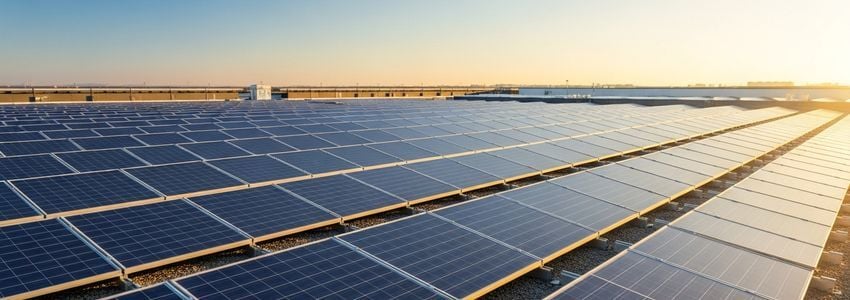
The cost of commercial solar in 2026 varies significantly based on several factors, making it challenging to provide a one-size-fits-all figure. However, understanding these elements can help business owners better estimate their investment and the potential for solar equipment financing. The overall price is influenced by system size, equipment quality, installation complexity, geographic location, and labor rates.
System Size and Scale: This is the most significant cost driver. Commercial solar systems are measured in kilowatts (kW) or megawatts (MW). A small business might need a 10kW system, while a large industrial facility could require a 1MW system or more. The larger the system, the higher the total cost, but the per-watt cost often decreases with scale due to economies of scale in equipment purchase and installation. As a general guideline, commercial solar systems in 2026 can range from $1.50 to $3.50 per watt, prior to incentives. For example, a 100 kW system could cost between $150,000 and $350,000.
Equipment Quality and Type: The choice of solar panels (monocrystalline, polycrystalline), inverters (string, micro, hybrid), and whether to include battery storage systems or EV charging stations significantly impacts the overall cost. Premium, high-efficiency panels and advanced inverters will naturally cost more but may offer better long-term performance and durability. Battery storage, while adding to the upfront cost, provides enhanced energy independence and the ability to capitalize on peak shaving, which can lead to substantial savings over time.
Installation Complexity: Factors such as roof type (flat vs. sloped), roof condition, structural reinforcements needed, ground-mount vs. rooftop installation, and the complexity of electrical tie-ins all contribute to labor costs. Projects requiring extensive trenching for ground mounts or significant electrical panel upgrades will incur higher installation expenses. Permitting and interconnection fees with the local utility also factor into the overall cost.
Geographic Location: Regional differences in labor costs, local permitting fees, and state-specific regulations can affect the total price. Additionally, the amount of available sunlight in your region influences the required system size to meet your energy needs, indirectly impacting cost.
Payback Periods and ROI Analysis: Despite the initial investment, commercial solar systems offer attractive payback periods and a strong return on investment.
- Typical Payback Periods: For businesses, the payback period for a solar system, before factoring in financing costs, typically ranges from 3 to 7 years. This period is influenced by local electricity rates (higher rates mean faster payback), available incentives, and the system's efficiency.
- ROI Analysis: The ROI for commercial solar is calculated by comparing the total benefits (energy savings, incentive values, increased property value) against the total cost (installation, maintenance, financing interest). Many businesses see an internal rate of return (IRR) of 10-20% or more, making solar a highly competitive investment compared to other capital projects.
- Benefits Breakdown:
- Energy Savings: Direct reduction in utility bills.
- Tax Incentives: Federal Investment Tax Credit (ITC) and accelerated depreciation (MACRS) significantly offset costs.
- Increased Property Value: Solar systems can increase the value of your commercial property without a corresponding increase in property taxes in many areas.
- Operational Cost Reduction: Predictable energy costs help stabilize budgets and reduce exposure to volatile energy markets.
When considering solar equipment financing, it's crucial to perform a thorough cost-benefit analysis. While the upfront cost might seem high, the long-term savings, tax benefits, and enhanced operational resilience often make it a wise financial decision. Resources like the Small Business Administration (SBA) at https://www.sba.gov offer valuable information on energy efficiency and cost-saving measures for small businesses, including insights into renewable energy projects. Crestmont Capital helps businesses navigate these costs by providing tailored financing solutions that align with their budget and maximize their ROI, ensuring that monthly payments are often less than or equal to the energy savings generated.
Do You Qualify for Solar Equipment Financing?
Qualifying for solar equipment financing, like any commercial loan or lease, involves demonstrating your business's financial health and ability to repay the funds. While specific requirements can vary between lenders and financing products, Crestmont Capital works with a broad range of businesses and strives for flexibility. Here are the typical qualifications we look for:
1. Credit Score: A strong business credit score is generally a key factor. Most lenders prefer to see a FICO Small Business Scoring Service (SBSS) score of 150 or higher, which often correlates with a personal credit score (FICO) of 650 or above for the business owner(s). A good credit history indicates responsible financial management. However, Crestmont Capital understands that a credit score is just one piece of the puzzle. We consider the overall financial picture of your business, and we have solutions for businesses with varying credit profiles.
2. Time in Business: Lenders typically prefer businesses with an established operational history, as this demonstrates stability and a track record of generating revenue. While some specialized programs might exist for startups, most solar equipment financing options require a minimum of 1-2 years in business. More established businesses (5+ years) often qualify for more favorable terms and larger loan amounts. Crestmont Capital is adept at working with both newer, growing businesses and long-standing enterprises.
3. Annual Revenue: Your business's annual revenue is a critical indicator of its capacity to handle additional debt payments. While there's no universal cutoff, a common benchmark for many commercial lenders is $150,000 or more in annual revenue. This figure ensures that the solar equipment financing payments represent a manageable percentage of your company's income, indicating a higher likelihood of successful repayment. Lenders will also look at your net profit and cash flow to assess your ability to service the debt.
4. Collateral: For solar equipment loans, the solar system itself typically serves as the primary collateral. This means that if your business defaults on the loan, the lender has the right to repossess the equipment. In some cases, especially for larger loans or businesses with a shorter operating history, additional collateral, such as real estate or other business assets, may be required. However, many solar financing products are structured such that the equipment's value is sufficient.
5. Debt-to-Income Ratio: Lenders will evaluate your business's existing debt obligations relative to its income and cash flow. A healthy debt-to-income ratio indicates that your business isn't overleveraged and can comfortably take on new financing.
6. Industry Stability and Business Plan: While not a numerical qualification, lenders assess the stability of your industry and the viability of your business model. A well-articulated business plan demonstrating how solar will enhance your operations and profitability can strengthen your application.
How Crestmont Capital Works with Various Profiles: At Crestmont Capital, we pride ourselves on our flexible approach to solar equipment financing. We understand that every business has a unique story and financial situation.
- Beyond Credit Scores: While credit is a factor, we look at the holistic health of your business, including cash flow, industry experience, and the strength of your solar project itself.
- Custom Solutions: We offer a range of products, from traditional equipment loans and leases to more specialized options, allowing us to tailor a financing package that fits your specific needs and qualifications.
- Dedicated Specialists: Our financing experts work closely with you to understand your business and guide you through the application process, helping you present the strongest possible case.
- Flexible Terms: We aim to provide terms that align with your projected energy savings, making the investment cash-flow positive from the start.
Even if your business doesn't perfectly fit every traditional qualification, it's always worth discussing your options with a Crestmont Capital specialist. We are committed to helping a diverse range of businesses access the funding they need to go solar. For more general information on business loans and qualifications, you can also explore our resources on small business loans.
Check Your Eligibility Today
Our quick pre-qualification process takes just minutes and won't impact your credit score. Find out how much solar financing you qualify for right now.
See Your OptionsHow to Apply for Solar Equipment Financing: Step by Step
Applying for solar equipment financing can be a straightforward process when you know what to expect and have a reliable partner like Crestmont Capital guiding you. Here's a detailed, step-by-step guide to help your business secure the funding needed for your solar project:
Step 1: Assess Your Energy Needs and Get an Energy Audit Before you even think about financing, you need a clear understanding of your business's energy consumption. A professional energy audit will analyze your historical utility bills, identify peak usage times, and pinpoint areas where efficiency improvements can be made. This audit is crucial for accurately sizing your solar system, ensuring you don't over-size (and overpay) or under-size (and not meet your energy goals). It provides the foundational data for your solar provider's proposals and helps justify your financing request.
Step 2: Obtain Multiple Solar System Quotes from Reputable Installers Once you know your energy needs, contact several qualified commercial solar installers. Request detailed proposals that include:
- System design and size (kW).
- Specific equipment brands and models (panels, inverters, batteries).
- Estimated energy production.
- Total project cost, including all hardware, labor, permitting, and interconnection fees.
- Warranties for equipment and workmanship.
- Projected energy savings and payback period. Comparing multiple quotes (typically 3-5) allows you to evaluate different technologies, pricing structures, and installer reputations to ensure you get the best value.
Step 3: Choose Your Preferred Solar System and Installer After reviewing the quotes, select the solar system and installer that best meet your business's needs and budget. This decision will inform the exact amount of solar equipment financing you will require. Ensure you have a clear, finalized quote or contract ready, as your lender will need this documentation.
Step 4: Explore Financing Options and Select a Lending Partner (Crestmont Capital) Now it's time to consider how you'll pay for the system. This is where Crestmont Capital comes in. Reach out to our specialists to discuss the various solar equipment financing options available, such as equipment loans, leases, or SBA loans. Our experts will help you understand the pros and cons of each, explain terms, interest rates, and eligibility requirements, and recommend the best solution tailored to your business's financial profile and goals. This consultation is a critical step in aligning your solar investment with your broader financial strategy.
Step 5: Prepare Your Application and Gather Required Documents Once you've chosen a financing option, you'll need to complete an application. Crestmont Capital strives to make this process as efficient as possible. Typically, you'll need to provide:
- Business Information: Legal name, address, EIN, industry, time in business.
- Financial Statements: Recent bank statements (3-12 months), profit and loss statements, balance sheets.
- Tax Returns: Business tax returns (2-3 years) and sometimes personal tax returns for owners.
- Business Plan: Especially for newer businesses or larger projects.
- Solar Project Details: The finalized quote or contract from your chosen solar installer.
- Personal Guarantees: Owners may need to provide a personal guarantee, depending on the financing type and business structure. Having these documents organized and ready will significantly expedite the approval process.
Step 6: Submit Your Application and Await Approval Submit your completed application and all supporting documents to Crestmont Capital. Our team will review your application thoroughly, often providing feedback or requesting additional information quickly. We are known for our fast approval times, with many solar equipment financing decisions made within 24-48 hours, especially for well-prepared applications. During this phase, our specialists are available to answer any questions and provide updates.
Step 7: Review and Sign the Financing Agreement Upon approval, you will receive a detailed financing agreement outlining all the terms, including the loan or lease amount, interest rate, repayment schedule, fees, and any covenants. It is crucial to read and understand every aspect of this agreement. Don't hesitate to ask your Crestmont Capital specialist to clarify any points. Once you are satisfied, sign the agreement to finalize your solar equipment financing. Funds will then be disbursed according to the agreed-upon schedule, often directly to your solar installer.
By following these steps, your business can efficiently secure the necessary solar equipment financing, paving the way for a smooth installation and years of energy savings.
Financing vs. Paying Cash for Solar: Which Makes More Sense?
When a business decides to invest in solar energy, one of the most fundamental financial decisions is whether to pay for the system upfront with cash or to utilize solar equipment financing. Both approaches have distinct advantages and disadvantages, and the "better" option often depends on the business's specific financial health, strategic goals, and risk tolerance.
Paying Cash for Solar: Pros:
- No Interest Payments: The most obvious advantage is avoiding interest costs, which can significantly reduce the total cost of the system over its lifetime.
- Immediate Ownership and Full Tax Benefits: Your business owns the system from day one, allowing you to claim the full Investment Tax Credit (ITC) and accelerated depreciation (MACRS) without any complexities related to financing structures.
- Simplicity: No monthly loan payments, no lender relationships to manage, and potentially fewer administrative hurdles.
- Higher Overall ROI (Nominally): Without interest, the direct return on the investment in solar energy can appear higher.
Cons:
- Significant Upfront Capital Drain: Commercial solar systems can be very expensive. Paying cash means tying up a substantial amount of working capital that could otherwise be used for critical business operations, expansion, or unexpected needs.
- Opportunity Cost: This is a crucial consideration. What else could that cash have been used for? Investing in new inventory, marketing campaigns, R&D, or other revenue-generating assets might yield a higher return for your business than the direct savings from solar. Depleting cash reserves for solar could hinder growth in other areas.
- Reduced Financial Flexibility: A large cash outlay can leave your business with less liquidity, making it vulnerable to economic downturns or unforeseen expenses.
Financing Solar Equipment: Pros:
- Preserves Working Capital: This is perhaps the most compelling advantage. Financing allows your business to acquire a valuable asset without depleting cash reserves, keeping funds available for day-to-day operations, strategic investments, and emergencies.
- Immediate Cash Flow Positive Potential: With smart solar equipment financing, the monthly energy savings can often be equal to or greater than the monthly loan or lease payment, creating a cash-flow positive situation from the start.
- Fixed, Predictable Payments: Loan or lease payments are typically fixed, making budgeting easier and providing cost stability against fluctuating utility rates.
- Access to Capital for Growth: By financing solar, your business can pursue other growth opportunities that might have a higher return on investment than the direct energy savings alone.
- Leverage Tax Benefits: While a loan incurs interest, the tax deductions from interest payments, combined with the ITC and depreciation, can still make financing highly attractive. For leases, the tax benefits may be absorbed by the lessor, but your business benefits from lower monthly payments.
- Spreads Risk: Distributes the financial burden over time.
Cons:
- Interest Costs: You will pay interest on the borrowed amount, increasing the total cost of the system compared to a cash purchase.
- Debt Obligation: Financing adds debt to your balance sheet, which some businesses may prefer to avoid.
- Application Process and Fees: There's a formal application process involved, potentially with fees and specific qualification requirements.
Which Makes More Sense? For many businesses, solar equipment financing often makes more strategic sense. While paying cash avoids interest, the opportunity cost of tying up significant capital can be far greater than the interest paid on a loan. A business that finances solar can often achieve positive cash flow from day one, using the energy savings to cover or exceed the financing payments, while simultaneously preserving cash for other revenue-generating activities. For example, if a $200,000 solar system saves $3,000 per month in electricity, and the loan payment is $2,500 per month, the business is immediately cash-flow positive by $500 per month, even after accounting for the loan. This allows the business to invest the $200,000 in a new product line or market expansion, potentially generating an even greater return.
Ultimately, the decision requires a careful break-even analysis and an honest assessment of your business's financial priorities. If preserving working capital and maximizing financial flexibility are paramount, then solar equipment financing through a reputable lender like Crestmont Capital is likely the more advantageous path. For businesses seeking long-term funding solutions, explore our guide on long-term business loans.
Federal and State Solar Incentives for Businesses
The financial viability of commercial solar projects is significantly enhanced by a robust framework of federal and state incentives. These programs are designed to encourage businesses to adopt renewable energy, reducing the initial investment cost and accelerating the return on investment. Understanding these incentives is crucial when planning your solar equipment financing strategy.
1. Federal Investment Tax Credit (ITC): The most impactful federal incentive is the solar Investment Tax Credit (ITC), often referred to as the federal solar tax credit. For commercial solar systems placed in service in 2026, the ITC allows businesses to claim a credit equal to 30% of the cost of their solar energy system. This is a direct dollar-for-dollar reduction in your federal income tax liability, not just a deduction.
- How it Works: If your solar system costs $200,000, you could claim a $60,000 tax credit. This credit can be carried forward if it exceeds your tax liability in the year the system is placed in service.
- Adders: Certain projects can qualify for additional ITC "adders," increasing the credit to 40% or even 50%. These include projects located in "energy communities" (areas historically reliant on fossil fuels) or projects that meet domestic content requirements (using U.S.-made components). Projects that benefit low-income communities can also qualify for further increases.
2. MACRS Depreciation (Modified Accelerated Cost Recovery System): Businesses can also benefit from accelerated depreciation under the Modified Accelerated Cost Recovery System (MACRS). This allows businesses to recover the costs of certain property, including solar equipment, over a shorter period than the asset's useful life. Solar energy property typically qualifies for a 5-year MACRS recovery period.
- Bonus Depreciation: In addition to standard MACRS, businesses can often claim "bonus depreciation," allowing them to deduct a large percentage (e.g., 80% in 2026, phasing down in subsequent years) of the system's cost in the first year it's placed in service.
- Tax Benefit: This significantly reduces your taxable income in the early years of the solar system's operation, providing substantial cash flow benefits.
- Important Note: When combined with the ITC, the depreciable basis of the solar system is reduced by half of the ITC amount. For example, if a $200,000 system qualifies for a $60,000 ITC, the depreciable basis for MACRS would be $200,000 - ($60,000 / 2) = $170,000.
3. State and Local Programs: Beyond federal incentives, many states, counties, and even municipalities offer their own programs to encourage solar adoption. These can include:
- State Tax Credits: Similar to the federal ITC but at the state level.
- Rebates: Direct cash back for installing solar, often provided by state energy offices or local utilities.
- Property Tax Exemptions: Exemptions for the increased property value due to solar installation.
- Sales Tax Exemptions: Waiving sales tax on solar equipment purchases.
- Solar Renewable Energy Credits (SRECs): In some states, businesses can earn SRECs for the amount of renewable energy their system generates. These credits can then be sold on a market, providing an additional revenue stream.
4. Net Metering: Net metering policies, available in many states, allow solar system owners to send excess electricity generated by their panels back to the utility grid. In return, they receive credits on their electricity bill, effectively reducing or even eliminating their monthly charges. This mechanism is crucial for maximizing the financial benefits of solar, as it ensures that every kilowatt-hour generated is accounted for.
5. Utility Rebates: Many local utility companies offer their own incentive programs, including rebates or performance-based incentives, to encourage customers to adopt solar and reduce strain on the grid during peak demand.
Crucial Considerations and Disclaimer: While these incentives significantly lower the net cost of solar equipment and enhance ROI, the specifics can be complex. Eligibility requirements, bonus depreciation percentages, and the availability of state/local programs can change. Understanding the economic landscape and business growth trends, as tracked by resources like the U.S. Census Bureau, helps policymakers design effective incentive programs that benefit businesses and the economy.
Disclaimer: This information is for general guidance only and does not constitute financial, legal, or tax advice. Always consult with a qualified tax professional and financial advisor to understand how federal and state incentives apply to your specific business and to ensure you maximize your eligible benefits. Crestmont Capital can help you structure your solar equipment financing to best leverage these incentives, but we cannot provide tax advice.
Solar Financing for Different Business Types
Solar energy offers transformative benefits for a vast array of business types, each with unique energy consumption patterns, operational needs, and financial structures. Solar equipment financing can be tailored to meet these diverse requirements, making the transition to clean energy feasible and profitable across various sectors.
1. Manufacturers: Manufacturing facilities typically have high, consistent energy demands due to machinery, assembly lines, and climate control. Solar panels on large factory rooftops or ground-mounted arrays can significantly offset these costs, offering substantial savings. Financing for manufacturers often focuses on long-term loans with predictable payments that align with production cycles, ensuring stable energy costs. The ability to utilize MACRS depreciation and the ITC is particularly attractive for capital-intensive manufacturing operations.
2. Farms and Agriculture: Agricultural operations, from crop farms to dairy facilities, require considerable energy for irrigation pumps, cold storage, lighting, and ventilation. Solar can power these essential functions, providing energy independence and reducing operating expenses. Farmers often benefit from specialized rural development grants and USDA programs that can be combined with solar equipment financing. Ground-mounted systems are popular on farms with ample land, and solar can also power remote well pumps, reducing the need for costly grid extensions.
3. Retail Businesses: Retail stores, shopping centers, and grocery stores have significant energy needs for lighting, HVAC, and refrigeration. Installing solar can drastically cut utility bills, improving profitability in a competitive market. For retailers, solar also enhances brand image, appealing to eco-conscious consumers and demonstrating a commitment to sustainability. Financing solutions for retail often emphasize a quick ROI and manageable monthly payments that align with sales cycles, allowing savings to immediately impact the bottom line.
4. Offices and Commercial Buildings: Office buildings consume considerable energy for lighting, computers, and HVAC systems. Solar panels on rooftops can provide a clean, renewable energy source, reducing overhead. Beyond cost savings, solar contributes to a positive corporate image and can help companies meet their ESG (Environmental, Social, and Governance) goals. For office properties, solar equipment financing can be structured to provide a long-term asset that increases property value and appeals to tenants seeking green amenities.
5. Medical and Dental Practices: Hospitals, clinics, and dental offices require reliable, uninterrupted power for sensitive medical equipment, patient care, and climate control. Solar with integrated battery storage offers enhanced energy security, crucial for maintaining operations during grid outages. Reducing energy costs also allows medical practices to allocate more resources to patient care and equipment upgrades. Financing for these practices often prioritizes reliability and uptime, ensuring the solar system is a robust and dependable asset.
6. Restaurants and Food Service: Restaurants are energy-intensive, with significant power consumption for cooking equipment, refrigeration, and HVAC. Solar can substantially lower these high utility bills, improving profit margins. For restaurants, a commitment to sustainability through solar can also be a unique selling proposition, attracting diners who value environmentally responsible businesses. Financing options focus on swift payback periods, aligning with the fast-paced nature of the food service industry.
7. Warehouses and Logistics Centers: With vast roof spaces and often 24/7 operations, warehouses are ideal candidates for large-scale solar installations. The energy generated can power lighting, material handling equipment, and temperature control systems, leading to massive operational savings. Solar carports can also be integrated, providing shade for vehicles while generating additional power. Solar equipment financing for warehouses can be structured to maximize the use of available roof space and the potential for federal tax incentives.
8. Hotels and Hospitality: Hotels have high energy demands for guest rooms, common areas, pools, laundry facilities, and HVAC. Solar can drastically reduce these operational costs, enhancing profitability. Furthermore, marketing a hotel as "green" or "eco-friendly" can attract a growing segment of environmentally conscious travelers. Financing solutions for the hospitality sector often consider the long-term asset value and the ability to enhance guest experience through sustainable practices.
Crestmont Capital understands that each business type has unique needs and financial considerations. Our specialists work with you to craft solar equipment financing solutions that are specifically designed for your industry, ensuring you get the most out of your investment in renewable energy. Just as we assist with HVAC equipment financing for growing service companies, we apply the same tailored approach to solar, recognizing that the right financing unlocks significant growth opportunities.
Common Mistakes to Avoid When Financing Solar Equipment
Investing in commercial solar energy is a significant decision that can yield substantial benefits, but it's also fraught with potential pitfalls if not approached carefully. Avoiding common mistakes, especially in the financing phase, can ensure your solar project is a success.
1. Not Comparing Multiple Solar Quotes: One of the biggest mistakes businesses make is settling for the first solar quote they receive. Solar system design, equipment quality, installation costs, and warranties can vary significantly between installers. Failing to compare at least three to five detailed proposals can lead to overpaying for your system, getting an undersized or oversized system, or receiving subpar equipment. Always ensure quotes are comprehensive, transparent, and include all costs from permitting to interconnection.
2. Ignoring Available Federal and State Incentives: Many businesses overlook or misunderstand the full scope of federal, state, and local solar incentives available to them. The Investment Tax Credit (ITC) and MACRS depreciation are powerful tools to reduce the net cost of your system. Additionally, state-specific rebates, tax credits, and Solar Renewable Energy Credits (SRECs) can further enhance your ROI. Not factoring these into your financial projections or failing to apply for them means leaving significant money on the table. Always consult with a tax professional and a knowledgeable solar financing specialist to maximize these benefits.
3. Choosing the Wrong Financing Type for Your Business: As discussed, there are several solar equipment financing options-equipment loans, leases, SBA loans, PPAs, and PACE financing. Each has different implications for ownership, tax benefits, balance sheet impact, and cash flow. Choosing a lease when you want full ownership and tax depreciation, or opting for a PPA when you could benefit from direct ownership, can lead to suboptimal financial outcomes. Understand your business's financial goals, tax situation, and liquidity needs before committing to a financing structure.
4. Not Reading the Financing Contract Carefully: It's easy to get excited about going solar and gloss over the fine print of a financing agreement. However, every clause in a loan or lease contract matters. Look out for hidden fees, early prepayment penalties, escalator clauses (in PPAs), default terms, and maintenance responsibilities. Ensure you understand the total cost of financing, including interest rates and any administrative charges. A reputable lender will be transparent and willing to explain all terms.
5. Underestimating the Project Timeline: Commercial solar installations are complex projects that involve more than just mounting panels. They require site assessments, system design, permitting from local authorities, utility interconnection agreements, and actual installation. Each of these phases can take time, sometimes months. Underestimating the timeline can lead to missed deadlines, unexpected delays, and frustration. Plan for contingencies and work with an installer who provides a realistic project schedule.
6. Skipping an Energy Audit: An energy audit is a foundational step that many businesses skip, often to their detriment. Without a thorough understanding of your current energy consumption patterns, peak demands, and potential energy efficiency upgrades, you risk designing a solar system that is either too small to meet your needs or unnecessarily large and expensive. An audit ensures your solar investment is precisely sized for maximum efficiency and ROI.
7. Over-sizing or Under-sizing the System: This mistake directly ties into skipping an energy audit. An over-sized system costs more than necessary, leading to a longer payback period. An under-sized system won't generate enough electricity to meet your business's needs, meaning you'll still rely heavily on grid power and miss out on potential savings. Work closely with your solar installer to design a system that accurately matches your historical and projected energy usage, considering future growth or changes in operations.
By being diligent and proactive in avoiding these common mistakes, businesses can ensure their solar equipment financing journey is smooth, efficient, and ultimately, highly profitable. Crestmont Capital's specialists are here to help you navigate these complexities and make informed decisions every step of the way.
Crestmont Capital Solar Equipment Financing Solutions
At Crestmont Capital, we understand that investing in solar energy is a strategic decision for your business's future. That's why we're dedicated to providing comprehensive and flexible solar equipment financing solutions that empower businesses across the U.S. to make the switch to clean, sustainable power without compromising their working capital. Our commitment is to simplify the financing process, making solar accessible and affordable for a diverse range of commercial enterprises.
Our solar equipment financing programs are designed with the unique needs of businesses in mind. We offer a robust suite of options, including equipment loans and leases, specifically tailored for solar installations. We recognize that speed is often critical for business owners, and our streamlined application process reflects this. Many of our clients experience fast approvals, often within 24-48 hours, allowing you to move forward with your solar project without unnecessary delays. This efficiency ensures you can capitalize on energy savings sooner and lock in current incentive structures.
Crestmont Capital provides flexible terms ranging from 12 to 84 months, allowing you to structure payments that align with your business's cash flow and projected energy savings. We aim to create a financing plan where your monthly energy savings often meet or exceed your monthly payment, making your solar investment cash-flow positive from the outset. Our funding amounts are substantial, catering to projects of various scales, from $25,000 up to $5,000,000. Whether you're a small business installing a rooftop array or a large industrial facility implementing a multi-megawatt ground-mount system, we have the capacity to fund your vision.
A key differentiator of Crestmont Capital is our commitment to transparency and fairness. We believe in providing clear, straightforward financing agreements, and notably, our solar equipment financing solutions often come with no prepayment penalties. This means you have the flexibility to pay off your loan early if your business experiences unexpected growth or surplus capital, without incurring additional charges. This flexibility provides peace of mind and greater control over your financial future.
We also pride ourselves on working with businesses across the credit spectrum. While a strong credit history is always beneficial, we look beyond just a single score. Our dedicated specialists evaluate the holistic health of your business, including its cash flow, time in business, and the strength of your solar project's ROI. This inclusive approach means we can often provide solutions for businesses that might not qualify for traditional bank loans, including those seeking first-time business loans.
At Crestmont Capital, you're not just a number. You'll work with a dedicated financing specialist who understands the intricacies of commercial solar and your specific industry. They will guide you through every step of the application process, answer your questions, and ensure you have the best possible financing structure to meet your energy goals. Crestmont Capital, recognized for its commitment to empowering businesses with strategic financing solutions, as highlighted in leading financial publications like Forbes, understands the transformative power of solar energy and is ready to be your trusted partner. Let us help you unlock the full potential of solar power for your business with financing solutions designed for your success.
Frequently Asked Questions About Solar Equipment Financing
1. What is solar equipment financing for businesses?
Solar equipment financing for businesses refers to specialized financial products, such as loans or leases, designed to help commercial enterprises acquire and install solar energy systems. Instead of paying the full upfront cost, businesses can make manageable monthly payments, often offset by immediate energy savings. This approach preserves working capital and makes the transition to renewable energy financially accessible.
2. How much can I borrow for commercial solar financing?
The amount you can borrow for commercial solar equipment financing varies based on your business's financial health, creditworthiness, and the total cost of your solar project. At Crestmont Capital, we offer flexible funding solutions ranging from $25,000 up to $5,000,000, catering to projects of all sizes from small businesses to large industrial installations. Our specialists work to match your project needs with the right financing amount.
3. What credit score do I need for solar equipment financing?
While a strong credit score is beneficial, Crestmont Capital considers a holistic view of your business's financial profile. Typically, a FICO score of 650 or above for the business owner(s) is preferred. However, we have solutions for businesses with varying credit histories and look at factors like cash flow, time in business, and the strength of your solar project itself. Don't hesitate to inquire even if your credit isn't perfect.
4. How long are solar equipment loan terms?
Solar equipment loan terms are typically flexible to accommodate the long lifespan of solar systems and the business's cash flow. At Crestmont Capital, we offer terms ranging from 12 to 84 months (1 to 7 years) for solar equipment financing. Longer terms can result in lower monthly payments, making the investment more manageable and often cash-flow positive from the start.
5. Can I finance solar panels and battery storage together?
Yes, absolutely. Most comprehensive solar equipment financing solutions, including those offered by Crestmont Capital, allow you to finance the entire integrated system. This includes not only solar panels and inverters but also battery storage systems, EV charging stations, monitoring equipment, and even necessary electrical panel upgrades. Financing these components together ensures a complete, optimized energy solution for your business.
6. Is it better to lease or buy commercial solar equipment?
The choice between leasing and buying commercial solar equipment depends on your business's financial strategy, tax situation, and long-term goals. Buying (via an equipment loan) offers full ownership, allowing you to claim federal tax incentives like the ITC and depreciation. Leasing can provide lower upfront costs and potentially off-balance-sheet financing, with the lessor often claiming tax benefits. Crestmont Capital can help you evaluate which option aligns best with your business objectives.
7. What documents do I need to apply for solar financing?
To apply for solar equipment financing, you'll typically need to provide standard business financial documents. This includes recent bank statements (3-12 months), profit and loss statements, balance sheets, and business tax returns (2-3 years). Depending on the loan amount and business structure, personal tax returns for owners and a finalized quote from your solar installer will also be required. Having these ready can significantly speed up the approval process.
8. How fast can I get approved for solar equipment financing?
At Crestmont Capital, we pride ourselves on our efficient application and approval process. For well-prepared applications with all necessary documentation, many businesses can receive approval for solar equipment financing within 24-48 hours. Our goal is to provide quick access to capital so you can move forward with your solar project without unnecessary delays and start realizing energy savings sooner.
9. Can I get solar financing with bad credit?
While a strong credit score generally leads to more favorable terms, having less-than-perfect credit doesn't automatically disqualify you from solar equipment financing. Crestmont Capital specializes in working with businesses of various credit profiles. We consider other factors such as your business's cash flow, industry experience, and the overall viability of your solar project to find a suitable financing solution. It's always worth discussing your options with our specialists.
10. What types of businesses qualify for commercial solar financing?
A wide range of business types qualify for commercial solar equipment financing. This includes manufacturers, farms, retail stores, office buildings, medical and dental practices, restaurants, warehouses, hotels, and many more. If your business has a physical location and incurs electricity costs, you likely qualify. Crestmont Capital tailors solutions to meet the specific needs of diverse industries, understanding their unique energy consumption and financial structures.
11. Does solar equipment financing cover installation costs?
Yes, comprehensive solar equipment financing typically covers the entire cost of the solar project, which includes not only the hardware (panels, inverters, batteries) but also all associated installation expenses. This encompasses labor, permitting fees, electrical upgrades, and any other costs directly related to getting your solar system fully installed and operational. This ensures your business has a single, complete financing solution.
12. How do federal solar incentives affect financing decisions?
Federal solar incentives, such as the 30% Investment Tax Credit (ITC) and MACRS accelerated depreciation, significantly impact financing decisions by reducing the net cost of the solar system. These incentives can make the overall investment more attractive and improve your project's ROI. Lenders like Crestmont Capital can help structure your solar equipment financing to maximize these tax benefits, potentially leading to lower effective payments or a faster payback period for your business.
13. What happens if I sell my business after financing solar equipment?
If you sell your business after financing solar equipment, the treatment of the financing depends on the terms of your agreement and the nature of the sale. If it's an asset sale, the loan or lease could potentially be paid off from the sale proceeds. In a stock sale, the financing typically transfers with the business. For PACE financing, the assessment transfers with the property. It's crucial to review your financing contract and consult with your lender and legal counsel during the sale process to understand your obligations and options.
14. Can I refinance my solar equipment loan?
Yes, refinancing a solar equipment loan is often possible, similar to other business loans. Businesses may choose to refinance to secure a lower interest rate, extend the repayment term to reduce monthly payments, or consolidate multiple debts. Eligibility for refinancing will depend on your business's current financial health and credit profile. Crestmont Capital can discuss refinancing options with you if your business's circumstances or market conditions have changed favorably since your initial financing.
15. How do I compare solar equipment financing offers?
When comparing solar equipment financing offers, look beyond just the interest rate. Consider the total cost of the loan or lease, including any fees, the length of the term, whether there are prepayment penalties, and the flexibility of the repayment schedule. Also, evaluate the lender's reputation, customer service, and their expertise in commercial solar financing. Crestmont Capital provides transparent offers and dedicated specialists to help you understand every aspect of your financing agreement.
Your Next Steps: Getting Started with Solar Equipment Financing
Your Next Steps
- Conduct an Energy Audit: Understand your business's precise energy consumption to accurately size your solar system and maximize ROI.
- Research Solar Providers: Identify reputable commercial solar installers in your area with proven experience and strong customer reviews.
- Request Multiple Solar Quotes: Obtain detailed proposals from several installers, comparing system designs, equipment, costs, and warranties.
- Explore Financing Options with Crestmont Capital: Contact our specialists to discuss tailored solar equipment financing solutions, including loans and leases, that align with your business goals.
- Prepare Your Application: Gather necessary financial documents, business information, and your chosen solar installer's quote to streamline the approval process.
- Review and Finalize Your Financing: Carefully read and sign your financing agreement, ensuring you understand all terms and conditions.
- Schedule Installation and Go Solar! Coordinate with your installer to begin the project and look forward to significant energy savings and a sustainable future for your business.
Start Your Solar Financing Application Today
Join thousands of businesses that have financed solar with Crestmont Capital. Fast approvals, flexible terms, and dedicated support throughout your solar journey.
Apply Now - Free Application