Owning a Snap-on Tools franchise is one of the most recognized business opportunities in the mobile tool industry. With a brand that has been synonymous with quality since 1920, over 3,300 active franchisees across the United States, and a customer base that includes professional mechanics, automotive dealerships, and manufacturing facilities, Snap-on represents a proven path to entrepreneurship. But like any business venture, the snap on franchise cost can be significant - and understanding your financing options is critical before you sign on the dotted line. This guide covers everything from the initial franchise fee to advanced funding strategies that help you launch, grow, and succeed as a Snap-on franchisee.
In This Article
- What Is a Snap-on Tools Franchise?
- Snap-on Franchise Cost Breakdown
- Financing Options for Snap-on Franchises
- SBA Loans for Snap-on Franchisees
- Equipment Financing for Your Tool Truck
- Working Capital for Inventory
- How Crestmont Capital Helps
- Who Qualifies for Snap-on Franchise Financing?
- Real-World Financing Scenarios
- Snap-on Franchise: By the Numbers
- Frequently Asked Questions
- Next Steps to Secure Your Financing
- Conclusion
What Is a Snap-on Tools Franchise?
Snap-on Tools Corporation was founded in 1920 and has grown into one of the most respected brands in professional hand tools, power tools, tool storage, and diagnostic equipment. The company pioneered the concept of interchangeable sockets - tools that "snap on" to handles - and has never looked back. Today, the brand commands premium pricing in the marketplace because professional tradespeople know the quality is unmatched.
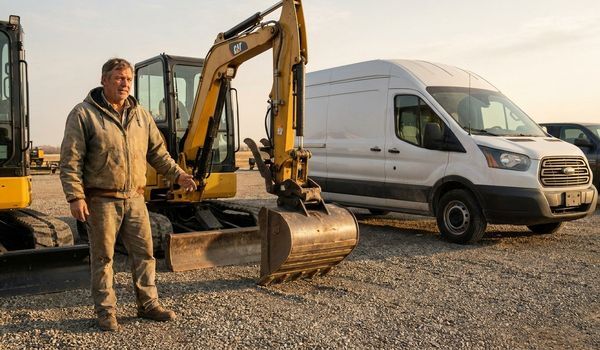
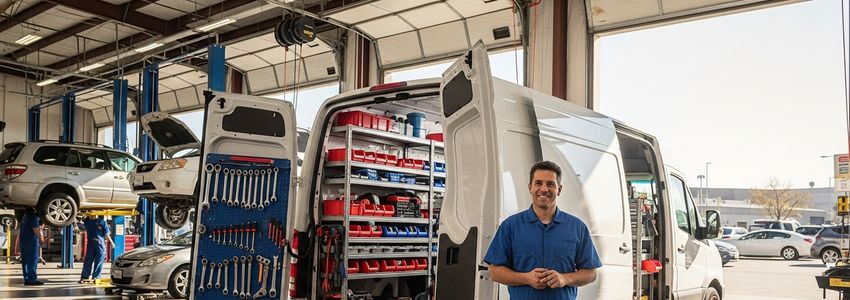
The Snap-on franchise model is unique in the business world: instead of a traditional brick-and-mortar storefront, franchisees operate a mobile tool store from a branded truck or van. Each day, the franchisee drives a custom-outfitted vehicle loaded with thousands of dollars worth of premium tools directly to their customers - automotive repair shops, independent mechanics, body shops, dealerships, and industrial facilities.
This mobile model eliminates many of the overhead costs associated with a traditional retail franchise. There is no commercial lease to pay, no retail build-out required, and no waiting for customers to walk through the door. Franchisees build direct, personal relationships with their clients on a weekly or bi-weekly route. Mechanics trust their Snap-on dealer the way a small-town merchant trusts their supplier - it is a relationship business built on reliability and product quality.
Key facts about the Snap-on franchise model:
- Over 3,300 active franchisees operating in the United States
- Mobile tool store operated from a custom-branded truck or van
- Primary customers: automotive technicians, dealerships, garages, and manufacturers
- Franchisees set their own hours and manage their own routes
- Snap-on Financial Corporation (SFC) provides some in-house financing to franchisees and their customers
- Strong brand recognition drives customer trust and repeat business
- Franchisee success is tied to consistency, customer relationships, and inventory management
For aspiring entrepreneurs with a background in the automotive industry - or those who simply want to operate a business with built-in brand recognition - a Snap-on franchise offers a compelling model. But the snap on franchise cost demands careful financial planning and, for most people, a combination of funding sources.
Snap-on Franchise Cost Breakdown
Understanding the full snap on franchise cost is the foundation of any financing plan. The total investment varies based on territory size, truck configuration, and initial inventory levels, but here is a detailed breakdown of what prospective franchisees should budget for:
Initial Franchise Fee
The initial franchise fee for a Snap-on Tools franchise typically ranges from approximately $8,000 to $16,000. This fee grants you the rights to operate within a defined territory, access Snap-on's training programs, and use the brand name and marketing materials. Compared to many franchise systems where the initial fee alone can exceed $50,000, Snap-on's entry fee is relatively modest.
Tool Truck Purchase
The most significant upfront cost for most new franchisees is the tool truck itself. Snap-on franchisees operate from custom-outfitted vehicles - typically full-size vans or step vans - that are built to showcase and sell tools effectively. A new Snap-on tool truck can cost anywhere from $80,000 to $150,000 or more, depending on the vehicle chassis, customization, and storage configuration. Used trucks may be available at lower price points, particularly when purchasing from a retiring franchisee.
Initial Inventory
A Snap-on franchisee's truck needs to be stocked with product before the first sales call. Initial inventory investment typically ranges from $70,000 to $200,000+. The exact amount depends on the size of the territory, the types of products you plan to carry, and your business strategy. A well-stocked truck generates more sales - but it also represents more capital tied up in physical goods.
Working Capital
Beyond the truck and inventory, new franchisees need working capital to cover day-to-day operating expenses while the business ramps up. Snap-on recommends having sufficient working capital reserves. A common guideline is to budget $20,000 to $50,000 for initial operating expenses including insurance, fuel, route expenses, and personal living costs during the startup phase.
Additional Costs
- Insurance (commercial vehicle, liability, inventory): $3,000-$8,000 per year
- Training expenses (travel, accommodation): $1,000-$3,000
- Initial marketing and route development: $1,000-$5,000
- Technology and POS system setup: $500-$2,000
Total Investment Summary
When all costs are added together, the total initial investment for a Snap-on Tools franchise typically falls in the range of $170,000 to $450,000+. The wide range reflects differences in territory size, truck configuration, and inventory levels. Most new franchisees find themselves in the $200,000 to $300,000 range for a solid startup operation.
It is worth noting that Snap-on Financial Corporation (SFC) may provide financing for some portion of these costs, particularly initial inventory. However, SFC financing alone is rarely sufficient to cover the full investment - most franchisees need to secure additional funding from third-party lenders like Crestmont Capital to bridge the gap.
Ready to Finance Your Snap-on Franchise?
Get a fast, flexible loan for your tool truck, inventory, and working capital needs. Crestmont Capital specializes in franchise financing.
Apply Now - It Only Takes MinutesFinancing Options for Snap-on Franchises
Once you understand the full snap on franchise cost, the next question is: where does the money come from? Fortunately, there are multiple financing pathways available to prospective Snap-on franchisees. Each has its own advantages, requirements, and best use cases.
1. Snap-on Financial Corporation (SFC)
Snap-on's own financing arm - Snap-on Financial Corporation - provides financing for some aspects of the franchise startup. SFC may offer financing for initial inventory purchases and possibly for some equipment costs. This is often the first place new franchisees look for funding. However, SFC financing has limitations, and not all applicants qualify for the full amount they need.
2. SBA Loans
Small Business Administration loans are one of the most popular and advantageous financing tools for new franchisees. The SBA 7(a) loan program and SBA 504 program offer competitive interest rates, longer repayment terms, and lower down payment requirements compared to conventional loans. SBA loans are backed by the federal government, which reduces risk for lenders and makes them more willing to approve franchise startup financing.
3. Equipment Financing
Your tool truck is a piece of commercial equipment, and it can be financed as such. Equipment financing and leasing programs allow you to spread the cost of the truck over multiple years, preserving your working capital for inventory and operations. The equipment itself serves as collateral, which often makes approval easier than unsecured loans.
4. Commercial Truck Financing
Specialized commercial truck financing and leasing programs are designed specifically for vehicles used in business operations. These programs recognize the unique nature of mobile businesses and can structure payments around your expected cash flow.
5. Working Capital Loans
Once the truck is funded, you still need capital for inventory, ongoing expenses, and route development. Unsecured working capital loans provide flexible funding without requiring you to put up specific assets as collateral - ideal for covering the gaps that SFC financing may leave.
6. Personal Savings and Self-Funding
Many successful Snap-on franchisees contribute personal savings as part of their startup capital. Lenders typically want to see that you have "skin in the game" - a personal financial contribution that demonstrates commitment. The exact amount varies, but plan to have at least 10-20% of the total investment available as your own contribution.
7. Retirement Account Rollover (ROBS)
Some franchisees use a Rollover for Business Startups (ROBS) arrangement to invest retirement funds into their new business without triggering early withdrawal penalties. This is a complex strategy that requires careful legal and financial structuring - consult a qualified advisor before pursuing this path.
SBA Loans for Snap-on Franchisees
The Small Business Administration loan programs are widely considered the gold standard for franchise financing, and Snap-on franchisees can benefit significantly from these government-backed lending programs. If you are wondering how to fund the full snap on franchise cost, an SBA loan deserves serious consideration.
SBA 7(a) Loan Program
The SBA 7(a) is the most versatile and widely used SBA loan program. Key features include:
- Loan amounts: Up to $5 million
- Repayment terms: Up to 10 years for working capital; up to 25 years for real estate
- Interest rates: Variable or fixed, based on Prime Rate plus a spread - generally lower than conventional business loans
- Down payment: Typically 10-20% of the total project cost
- Collateral: Required when available, but the SBA guarantee reduces lender risk
- Use of funds: Working capital, equipment, inventory, franchise fees
For Snap-on franchisees, the SBA 7(a) is particularly useful because it can cover multiple cost categories in a single loan - the franchise fee, the truck purchase, initial inventory, and working capital reserves. This consolidated approach simplifies the financing process compared to piecing together multiple smaller loans.
According to the SBA's startup cost calculator, accurately documenting all startup costs is essential for loan approval. Snap-on's established franchise disclosure documents (FDD) provide the financial data lenders need to evaluate your application.
SBA 504 Loan Program
The SBA 504 program is structured differently - it combines a conventional lender loan, an SBA-backed loan through a Certified Development Company (CDC), and a borrower contribution. This program is best suited for major fixed asset purchases. For Snap-on franchisees, it could be used for truck financing and major equipment investments.
SBA Loan Requirements for Franchisees
To qualify for an SBA loan as a Snap-on franchisee, lenders typically look for:
- Personal credit score of 650 or higher (680+ preferred)
- Strong personal financial history with limited derogatory marks
- Business plan demonstrating revenue potential for your territory
- Snap-on's Franchise Disclosure Document (FDD)
- Evidence of relevant business or industry experience
- Down payment capacity (10-20% of total investment)
- No recent bankruptcies or major tax liens
Timeline for SBA Loans
SBA loans are thorough - they take time. The typical SBA loan approval process takes 30 to 90 days from application to funding. If you are working toward a specific franchise launch date, start the SBA loan application process well in advance. Working with an experienced SBA lender like Crestmont Capital can help streamline the process and avoid common delays.
For more detailed information on the franchise loan landscape beyond Snap-on, see our complete guide to franchise business loans.
Equipment Financing for Your Tool Truck
The tool truck is the heart of a Snap-on franchise - it is your showroom, your storage facility, and your transportation all in one. Because the truck represents a large portion of the total snap on franchise cost, financing this asset strategically is critical to managing your overall capital structure.
Equipment financing treats the truck as collateral for the loan, which typically means lower interest rates and more flexible approval criteria compared to unsecured loans. Here is how equipment financing works for Snap-on tool trucks:
Equipment Loan vs. Equipment Lease
Equipment Loan: You borrow the full purchase price of the truck, make monthly payments over a fixed term (typically 3-7 years), and own the truck outright at the end of the loan. This approach builds equity in the asset and is often preferred when the truck has a long useful life and strong resale value.
Equipment Lease: Instead of buying, you lease the truck and make monthly payments for the lease term. At the end, you may have options to buy, renew, or return the vehicle. Leasing often comes with lower monthly payments and may include maintenance packages, which can reduce the operational burden on new franchisees.
Benefits of Equipment Financing for Tool Trucks
- Preserve working capital by spreading the truck cost over time
- Potential tax benefits (Section 179 depreciation for equipment purchases)
- Fixed monthly payments make cash flow planning straightforward
- The truck itself secures the loan, reducing lender risk
- Some lenders offer 100% financing with no down payment for qualified borrowers
Commercial Truck Financing
Because Snap-on tool trucks are commercial vehicles used in business operations, they may also qualify for commercial truck financing programs that are specifically designed for business vehicles. These programs often offer competitive rates for businesses with strong credit profiles and may accommodate both new and used vehicles.
What Lenders Look For
When applying for equipment financing for a Snap-on tool truck, lenders typically evaluate:
- Your personal and business credit profile
- The vehicle's age, condition, and value
- Your down payment (10-25% is typical)
- Projected cash flow from the franchise
- Overall debt service coverage ratio
New franchisees who are just starting out may need to rely more heavily on personal credit scores and a solid business plan, since there is no business revenue history to present. This is where a lender experienced with franchise startups - like Crestmont Capital - makes a significant difference in getting approved on favorable terms.
Working Capital for Inventory
Even after the truck is financed, Snap-on franchisees face an ongoing capital challenge: inventory. Unlike a service-based business where your main expenses are time and expertise, a Snap-on franchise is a product-based business. Your revenue is directly tied to the value of products on your truck and your ability to continuously restock as items sell.
This creates a working capital cycle that requires careful management:
- Purchase inventory (capital outflow)
- Sell tools to customers, often on credit (you extend the credit, not a bank)
- Collect weekly payments from customers over time (capital inflow - delayed)
- Replenish inventory with new products (capital outflow again)
The gap between capital outflow and inflow is where working capital financing becomes essential. Many Snap-on franchisees extend generous payment terms to their customers - allowing mechanics to pay weekly over months. This practice builds loyalty and drives sales, but it means you may have tens of thousands of dollars in outstanding receivables at any given time.
Working Capital Loan Options
Unsecured working capital loans provide the flexibility that inventory-heavy businesses need. Key features:
- Loan amounts: $10,000 to $500,000+
- Repayment terms: 3 months to 5 years, depending on the loan type
- Approval speed: As fast as 24-48 hours for qualified borrowers
- Collateral: Unsecured options available - no specific assets required
- Use of funds: Inventory purchases, seasonal stocking, route expansion
Lines of Credit for Snap-on Franchisees
A revolving line of credit can be particularly useful for managing inventory fluctuations. Unlike a term loan that provides a fixed lump sum, a line of credit allows you to draw funds as needed and repay them as cash comes in. This flexibility is ideal for Snap-on franchisees who need to respond quickly to customer demand or take advantage of Snap-on's promotional product offerings.
Managing Customer Credit and Collections
Snap-on franchisees often act as informal micro-lenders to their customers, extending weekly payment terms. While this drives sales, it also creates a need for working capital discipline. Best practices include:
- Tracking all customer credit accounts diligently
- Setting credit limits based on customer payment history
- Maintaining a buffer of working capital for unexpected demand
- Using SFC's customer financing programs where available to reduce your own credit exposure

Need Working Capital for Your Snap-on Inventory?
Fast funding for inventory, route expansion, and daily operations. Apply in minutes with Crestmont Capital.
Apply NowHow Crestmont Capital Helps Snap-on Franchisees
Crestmont Capital is a leading U.S. business lender rated among the top commercial financing companies in the nation. We specialize in helping franchise owners - including Snap-on franchisees - access the capital they need to launch and grow their businesses. Here is why Snap-on franchise owners choose Crestmont Capital:
Deep Franchise Financing Expertise
Our team understands the unique financial structure of franchise businesses. We know that a Snap-on franchisee's startup costs are predictable and well-documented - and we use that knowledge to structure financing packages that align with how the business actually operates, not just generic loan templates.
Multiple Loan Products Under One Roof
Rather than visiting multiple lenders for different needs, Crestmont Capital offers a full range of financing solutions:
- SBA 7(a) loans for comprehensive franchise startup financing
- Equipment loans and leases for tool trucks
- Commercial truck financing programs
- Unsecured working capital loans for inventory and operations
- Business lines of credit for flexible ongoing needs
Fast, Transparent Process
We believe in clear communication and efficient processing. Our online application takes minutes to complete, our team reviews applications quickly, and we provide transparent loan terms without hidden fees or surprise charges. Most working capital decisions are made within 24-48 hours, and more complex SBA loans are handled with the urgency your business timeline requires.
Experience With Mobile Business Models
Many lenders are unfamiliar with mobile business models like Snap-on's franchise structure. Crestmont Capital has extensive experience financing mobile retail and service businesses, and we understand how to evaluate the revenue potential of a route-based business. This expertise makes us a more effective advocate for your loan application.
Dedicated Relationship Management
When you work with Crestmont Capital, you get a dedicated financing professional - not a call center representative. We take the time to understand your specific situation, your territory, your experience level, and your financial goals. That personalized approach results in financing solutions that actually work for your business.
Who Qualifies for Snap-on Franchise Financing?
One of the most common questions prospective Snap-on franchisees ask is: "Will I qualify for financing?" The answer depends on several factors, and the good news is that Snap-on's established franchise model gives you a significant advantage in the eyes of lenders. Here is a breakdown of typical qualification criteria for various financing types:
General Qualification Factors
| Factor | SBA Loan | Equipment Financing | Working Capital |
|---|---|---|---|
| Credit Score | 650+ (680+ preferred) | 620+ | 600+ |
| Time in Business | Startup OK with FDD | Startup OK | 6+ months preferred |
| Down Payment | 10-20% | 10-25% | None required |
| Business Plan | Required | Helpful | Not always required |
| Collateral | Required when available | Equipment itself | Unsecured options available |
What Strengthens Your Application
- Industry experience: Prior work as a mechanic, tool salesperson, or automotive professional signals that you understand the customer base and the product.
- Strong personal credit: A credit score above 700 opens up the most favorable terms across all loan types.
- Cash reserves: Demonstrating that you have liquid assets beyond the down payment shows lenders you can handle unexpected challenges.
- Snap-on training completion: Having completed or enrolled in Snap-on's franchisee training program shows commitment and preparation.
- Territory analysis: Being able to articulate the potential customer base in your territory - the number of automotive shops, dealerships, and mechanics - strengthens your business case.
What Can Hurt Your Application
- Recent bankruptcies (within 7 years for SBA loans)
- Unresolved tax liens or judgments
- Very low personal credit scores (below 600)
- No personal financial contribution to the project
- Inability to document personal income or assets
Even if your profile is not perfect, Crestmont Capital works with borrowers at various credit stages. If traditional SBA financing is not available to you right now, there may be alternative pathways - including equipment financing, working capital loans, or a staged financing approach that builds your credit profile while getting your business off the ground.
Real-World Financing Scenarios for Snap-on Franchisees
The best way to understand how Snap-on franchise financing works in practice is to look at real-world scenarios. While every situation is unique, these examples illustrate how different franchisees approach the snap on franchise cost and financing challenge.
Scenario 1: The Career-Changer With Good Credit
Profile: Marcus, 38, former automotive service manager with 12 years of industry experience. Credit score: 710. Personal savings: $60,000. No prior business ownership.
Snap-on Franchise Cost: $250,000 total (franchise fee $12,000, truck $120,000, inventory $90,000, working capital $28,000)
Financing Strategy: Marcus puts $50,000 down (20%) and finances the remaining $200,000 through an SBA 7(a) loan. His strong credit score and industry experience lead to an approval at a competitive rate with a 7-year repayment term. His monthly payment of approximately $2,800 is well within the projected cash flow from his territory.
Outcome: Marcus launches his franchise on schedule, stocks his truck fully, and generates $180,000 in revenue in his first year. His industry relationships help him build a loyal customer base quickly.
Scenario 2: The First-Timer Splitting Costs
Profile: Jennifer, 31, no prior automotive experience but strong sales background. Credit score: 675. Personal savings: $35,000.
Snap-on Franchise Cost: $220,000 total
Financing Strategy: Jennifer uses SFC financing for $70,000 of initial inventory, gets equipment financing for $100,000 for the tool truck (15% down, $15,000 from savings), and secures a $35,000 working capital loan from Crestmont Capital. Her own contribution of $20,000 covers the franchise fee and startup expenses.
Outcome: By combining three financing sources, Jennifer assembles her full startup capital without depleting her savings. The diversified approach means she has accessible working capital for the first six months while she builds her route.
Scenario 3: The Existing Franchisee Expanding
Profile: David, 45, has operated a Snap-on franchise for 4 years with consistent revenue. Wants to add a second truck to expand into adjacent territory.
Financing Need: $150,000 for a second truck and additional inventory
Financing Strategy: David's established business history makes him an attractive borrower. Crestmont Capital approves a $150,000 equipment loan at favorable terms based on 4 years of business financials. His existing franchise generates sufficient cash flow to service both the new loan and his original obligations.
Outcome: David doubles his revenue potential within 18 months of expansion. His second truck focuses on industrial customers, diversifying his revenue stream beyond automotive repair shops.
Scenario 4: The Veteran Entrepreneur Using SBA Benefits
Profile: Robert, 52, military veteran transitioning to civilian business ownership. Credit score: 690. VA-backed business development assistance available.
Financing Strategy: Robert leverages the SBA's Veterans Advantage program, which reduces SBA guarantee fees for veteran-owned businesses. He secures a $275,000 SBA 7(a) loan with reduced upfront costs, complemented by a $25,000 working capital line of credit from Crestmont Capital.
Outcome: The Veterans Advantage program saves Robert several thousand dollars in loan fees. His military-developed discipline and organizational skills prove highly effective in managing his route and customer relationships.
Scenario 5: The Credit Rebuilder Starting Smaller
Profile: Tina, 44, went through a bankruptcy 5 years ago. Credit score currently 630 and improving. Has $40,000 saved.
Financing Strategy: SBA loans are not yet accessible due to the recent bankruptcy. Tina purchases a used Snap-on truck from a retiring franchisee for $65,000 (putting $25,000 down), finances the balance through equipment financing, and uses SFC for initial inventory. Crestmont Capital provides a $30,000 working capital loan based on her current credit trajectory and solid business plan.
Outcome: Tina's smaller initial investment means lower monthly obligations, which reduces pressure during the first year. By year two, her improved credit score and demonstrated business performance open up additional financing options for expansion.
Scenario 6: The Established Business Owner Adding a Franchise
Profile: Miguel, 50, already owns a profitable auto parts store. Wants to add Snap-on franchise as a complementary revenue stream.
Financing Strategy: Miguel's existing business assets and cash flow make him an ideal candidate for a business line of credit. Crestmont Capital structures a $200,000 line of credit secured against his existing business assets, giving him the flexibility to draw funds as needed for the Snap-on startup without a rigid term loan structure.
Outcome: Miguel's existing customer relationships in the automotive sector give his new Snap-on franchise an immediate head start. The line of credit's flexibility allows him to respond quickly to inventory opportunities and seasonal demand spikes.
Snap-on Franchise: By the Numbers
Snap-on Franchise Financing: Key Stats
1920
Year Snap-on was founded
3,300+
Active U.S. franchisees
$170K-$450K+
Total investment range
$8K-$16K
Initial franchise fee
$5M
Max SBA 7(a) loan amount
24-48 hrs
Working capital approval time
Sources: Snap-on FDD, SBA.gov, Crestmont Capital internal data. All figures approximate.
Get Pre-Qualified for Snap-on Franchise Financing
No impact on your credit score to check your options. Crestmont Capital makes the process simple and transparent.
Apply Now - Free ConsultationFrequently Asked Questions About Snap-on Franchise Financing
1. What is the total snap on franchise cost I should expect to pay?
2. Does Snap-on provide financing to franchisees?
3. Can I get an SBA loan for a Snap-on franchise?
4. What credit score do I need to finance a Snap-on franchise?
5. Can I finance the tool truck separately from other startup costs?
6. How long does it take to get approved for Snap-on franchise financing?
7. Do I need prior business ownership experience to qualify for a franchise loan?
8. What documents do I need to apply for a Snap-on franchise loan?
9. Can I use working capital financing to purchase Snap-on inventory?
10. What is the minimum down payment required for a Snap-on franchise loan?
11. Are there special financing programs for veteran franchisees?
12. Can I get financing if I had a bankruptcy in the past?
13. How does Snap-on franchise financing differ from other franchise types?
14. What interest rates should I expect for a Snap-on franchise loan?
15. How do I get started with Crestmont Capital for my Snap-on franchise financing?
Next Steps to Secure Your Snap-on Franchise Financing
Ready to move forward with your Snap-on franchise financing journey? Here is a clear, actionable roadmap to guide your next moves:
Get Your Snap-on Franchise Disclosure Document (FDD)
Contact Snap-on's franchise development team to begin the franchisee application process. The FDD is a critical document that lenders will require - it outlines the franchise system, fees, obligations, and financial performance representations. Review it thoroughly with an attorney before signing anything.
Review Your Credit Report and Personal Finances
Pull your credit reports from all three bureaus (Experian, Equifax, TransUnion) and review them for errors. Pay down any high-balance credit cards to improve your utilization ratio. Compile a personal financial statement listing all your assets, liabilities, income, and expenses. This preparation makes the loan application process much smoother.
Calculate Your Total Snap-on Franchise Cost
Work with Snap-on and independent advisors to develop a detailed startup budget for your specific territory. Use the SBA's startup cost calculator as a planning tool. Identify how much you can contribute personally versus how much you need to borrow, and from which sources.
Write a Business Plan for Your Territory
Lenders - especially SBA lenders - want to see a thoughtful business plan. Research your territory: how many automotive shops, dealerships, and mechanics are in your area? What are the competitive dynamics? What revenue do you project in year one, year two, and year three? A well-researched business plan dramatically improves your chances of approval and at better terms. Resources from Forbes Small Business can provide guidance on business plan best practices.
Apply with Crestmont Capital
Submit your application to Crestmont Capital to explore all available financing options for your Snap-on franchise. Our specialists will review your full profile, identify the optimal combination of loan products, and guide you through the approval process. The application takes just minutes, and there is no obligation to proceed until you are comfortable with the terms offered.
Complete Snap-on Training and Launch Your Route
Once financing is secured and your truck is stocked, Snap-on provides comprehensive training to help you succeed. From day one on the route, focus on building genuine relationships with your customers. Mechanics who trust their Snap-on dealer become loyal, long-term clients who drive consistent recurring revenue.
Conclusion
The Snap-on Tools franchise represents one of the most unique and proven business models in American franchising. With a brand recognized around the world, a mobile operating model that eliminates expensive lease obligations, and a dedicated customer base of professional tradespeople, the opportunity is compelling. But realizing that opportunity requires thoughtful financial planning and access to the right capital at the right time.
The full snap on franchise cost - typically $170,000 to $450,000+ - demands a comprehensive financing strategy that may combine SFC inventory financing, SBA loans, equipment financing for the tool truck, and working capital solutions for ongoing inventory and operations. No single source of funding will cover everything, which is why working with an experienced lender who understands the franchise financing landscape is so valuable.
Crestmont Capital has the expertise, the product range, and the commitment to help you navigate the financing process from initial application through funded launch - and beyond as your business grows. Whether you are a first-time franchise owner or an experienced entrepreneur expanding your portfolio, we are ready to help you build something exceptional.
Take the first step today. Explore your financing options, understand your full investment requirements, and partner with a lender who understands what it takes to succeed as a Snap-on franchisee. Your route - and your financial future - is waiting.
Apply Now at Crestmont Capital
Disclaimer: The information in this article is provided for general educational purposes only and does not constitute financial, legal, or investment advice. Loan terms, rates, and eligibility requirements are subject to change and vary based on individual borrower qualifications, lender policies, and market conditions. Snap-on franchise costs and investment ranges are approximate and based on publicly available information from the Snap-on Franchise Disclosure Document and related sources. Always consult with a qualified financial advisor, attorney, and franchise consultant before making any business or investment decisions. Crestmont Capital is not affiliated with Snap-on Tools Corporation or Snap-on Financial Corporation.