Small business loans in Rancho Cucamonga, California are fueling growth across one of the Inland Empire's most dynamic economic corridors. Whether you're running a construction firm near the Ontario border, a retail boutique on Foothill Boulevard, or a logistics operation close to Ontario International Airport, access to capital is the engine behind sustainable expansion. This guide covers everything Rancho Cucamonga business owners need to know about financing options, qualification standards, and how to secure the right funding in 2026.
In This Article
- Rancho Cucamonga's Business Economy
- Types of Small Business Loans Available
- How Business Loans Work in Rancho Cucamonga
- SBA Loan Options for Inland Empire Businesses
- How to Qualify for a Business Loan
- Top Industries and Their Financing Needs
- How Crestmont Capital Helps Rancho Cucamonga Businesses
- Real-World Financing Scenarios
- Frequently Asked Questions
- How to Get Started
Rancho Cucamonga's Business Economy in 2026
Rancho Cucamonga sits at a geographic and economic sweet spot - positioned between Los Angeles and the High Desert, with direct access to Interstate 10, Interstate 15, and Route 66. The city's population has grown to approximately 180,000 residents, making it one of California's largest cities and a key hub for commerce throughout San Bernardino County.
The Inland Empire as a whole is one of the fastest-growing regional economies in California. According to the U.S. Census Bureau, the Inland Empire has seen consistent population and business growth, with logistics, healthcare, manufacturing, and retail forming the backbone of local commerce. Rancho Cucamonga specifically benefits from its positioning near Ontario International Airport and a dense network of distribution centers, attracting businesses that need both local market access and regional logistics capability.
Small businesses in Rancho Cucamonga face the same challenges as entrepreneurs across California: rising commercial lease rates, a competitive labor market, and the ongoing need to invest in technology, equipment, and marketing to stay competitive. Business loans are often the key to turning these challenges into opportunities.
Key Stat: The Inland Empire is home to over 200,000 small businesses. Access to affordable capital is consistently cited as one of the top challenges for small business owners in the region, according to the U.S. Small Business Administration.
Ready to Grow Your Rancho Cucamonga Business?
Get fast, flexible financing from the #1 business lender in the U.S. No obligation - apply in minutes.
Apply Now →Types of Small Business Loans Available in Rancho Cucamonga
Rancho Cucamonga entrepreneurs have access to a wide range of financing products, each suited to different business needs, credit profiles, and timelines. Understanding the landscape helps you choose the product that best matches your goals.
Term Loans
Term loans provide a lump sum upfront that you repay in fixed installments over a set period - typically one to five years for short-term loans and five to twenty-five years for long-term products. They are ideal for major one-time investments like purchasing equipment, expanding your facility, or acquiring another business. Rates vary based on creditworthiness, time in business, and lender type.
Business Lines of Credit
A business line of credit gives you access to a revolving pool of funds you can draw on as needed. You only pay interest on the amount you use. This is an excellent solution for managing cash flow gaps, funding seasonal inventory, or covering unexpected expenses. Lines of credit are particularly popular among retail businesses and service companies with variable revenue cycles.
SBA Loans
SBA loans are government-backed financing options that typically offer lower interest rates and longer repayment terms than conventional loans. The SBA 7(a) program supports general business purposes including working capital, equipment, and real estate. The SBA 504 program focuses on major fixed assets like commercial property and heavy equipment. These loans are competitive but highly attractive for qualified borrowers.
Equipment Financing
Equipment financing allows you to purchase or lease machinery, vehicles, tools, and technology without tying up your working capital. The equipment itself often serves as collateral, making qualification more accessible even for businesses with limited credit history. This is one of the most widely used financing products in Rancho Cucamonga, given the area's manufacturing, construction, and logistics sectors.
Working Capital Loans
Working capital loans are short-term financing tools designed to cover day-to-day operating expenses - payroll, rent, utilities, and inventory. They are not meant for long-term investments but rather for smoothing out revenue gaps or funding short-term growth opportunities.
Merchant Cash Advances
An MCA provides upfront capital in exchange for a percentage of your future credit card or daily sales. Repayment fluctuates with your revenue, making it more manageable during slow periods. MCAs have higher effective costs than traditional loans, so they are best reserved for short-term needs when faster approval timelines are essential.
Business Lines of Credit for Established Businesses
Established Rancho Cucamonga businesses with two or more years of operation and solid revenue can often access larger commercial lines of credit with more competitive rates. These products provide maximum flexibility for scaling operations without overcommitting to fixed debt obligations.
Quick Guide
How Small Business Loans Work in Rancho Cucamonga
Identify whether you need a term loan, line of credit, equipment financing, or working capital based on your specific goal.
Gather bank statements, tax returns, business license, and financial statements. Most lenders require 3-6 months of bank statements minimum.
Your application is reviewed by underwriters who assess revenue, credit, time in business, and industry risk.
Online lenders can fund in 24-72 hours. SBA loans typically take 30-90 days. Funds are deposited directly to your business account.
How Business Loans Work for Rancho Cucamonga Entrepreneurs
The mechanics of a business loan are straightforward, but the details matter. When you borrow from a lender, you agree to repay the principal plus interest over a defined period. Interest rates can be fixed (the same throughout the loan) or variable (tied to a benchmark like the prime rate). Fees may include origination fees, prepayment penalties, and maintenance fees - reviewing all costs before signing is essential.
Repayment structures vary by product. Term loans use amortized monthly payments. Lines of credit require minimum monthly payments on outstanding balances. Equipment financing payments are typically fixed monthly installments tied to the asset's useful life.
One important concept for Rancho Cucamonga business owners is the Debt Service Coverage Ratio (DSCR). Lenders use this metric to assess whether your business generates sufficient cash flow to service the new debt. A DSCR above 1.25 is generally considered healthy and indicates your business earns 25% more than needed to cover loan payments.
By the Numbers
Inland Empire Small Business Lending - Key Data
$150K
Average SBA 7(a) loan amount for California small businesses
24-72hrs
Typical funding time from online alternative lenders
200K+
Small businesses operating in the Inland Empire region
6.5%+
Current SBA 7(a) base interest rate range for qualified borrowers
SBA Loan Options for Rancho Cucamonga and Inland Empire Businesses
SBA loans are government-backed loans that represent some of the most attractive financing available to small business owners. While the process requires more documentation and time than conventional alternatives, the rates and terms are typically superior for qualified borrowers.
SBA 7(a) Loan Program
The SBA 7(a) is the most widely used SBA loan product. It supports working capital, equipment purchases, real estate acquisition, and debt refinancing. Loan amounts up to $5 million are available, with repayment terms of up to 10 years for working capital and 25 years for real estate. Interest rates are tied to the prime rate plus a negotiated spread, and the SBA guarantees a portion of the loan to reduce lender risk.
SBA 504 Loan Program
The SBA 504 program is specifically designed for major fixed-asset purchases - commercial real estate, large equipment, and infrastructure improvements. It uses a structure involving a conventional lender, a Certified Development Company (CDC), and a borrower down payment. The CDC portion carries a fixed rate that is often below market, making this an excellent option for Rancho Cucamonga businesses looking to own their facilities or acquire high-value equipment.
SBA Microloans
SBA microloans provide up to $50,000 through SBA-approved intermediary lenders for startup costs, working capital, inventory, and equipment. These are particularly useful for newer businesses or entrepreneurs who have not yet built significant credit history.
Pro Tip: SBA loans require more documentation than alternative lenders, but the payoff is lower rates and longer terms. If your business is well-established with solid revenue and credit, the SBA pathway is almost always worth pursuing for larger capital needs. Start the process early - SBA loans typically take 30-90 days from application to funding.
How to Qualify for a Business Loan in Rancho Cucamonga
Lenders evaluate small business loan applications using several core criteria. Understanding what they look for helps you prepare a stronger application and access better rates and terms.
Credit Score Requirements
Most conventional lenders and SBA-approved lenders require a personal credit score of at least 650-680. Alternative online lenders may work with scores as low as 550, though higher rates apply. Bad credit business loans are available for businesses with credit challenges, giving you options even if your score is below ideal.
Time in Business
Most lenders require at least 6-12 months of operating history. SBA loans generally prefer 2 or more years in business. Newer businesses can qualify for startup financing products, equipment loans, and microloans with less history required.
Annual Revenue
Lenders typically want to see consistent monthly revenue to support the loan payments. Most alternative lenders require a minimum of $10,000-$15,000 in monthly revenue. SBA and bank lenders assess annual revenue relative to the requested loan amount and projected payments.
Business Documentation
Be prepared to provide business bank statements (3-6 months minimum), federal tax returns (1-2 years), a valid business license, and articles of incorporation or LLC formation documents. For larger loans, profit and loss statements and a business plan may also be required.
Collateral
Some loan types require collateral - assets the lender can claim if you default. Equipment loans use the equipment itself as collateral. SBA loans may require a blanket lien on business assets. Unsecured loans do not require specific collateral but typically carry higher interest rates.
| Loan Type | Min. Credit Score | Min. Time in Business | Funding Speed |
|---|---|---|---|
| SBA 7(a) | 650+ | 2+ years | 30-90 days |
| Term Loan (Online) | 580+ | 6+ months | 1-5 days |
| Equipment Financing | 550+ | 1+ year | 2-7 days |
| Business Line of Credit | 600+ | 1+ year | 1-7 days |
| Working Capital Loan | 550+ | 6+ months | 24-72 hours |
| Merchant Cash Advance | 500+ | 3+ months | 24 hours |

Top Industries in Rancho Cucamonga and Their Financing Needs
Rancho Cucamonga's economy is diverse, and business financing needs vary significantly by industry. Here is a look at the leading sectors and how each typically uses business loans.
Logistics and Warehousing
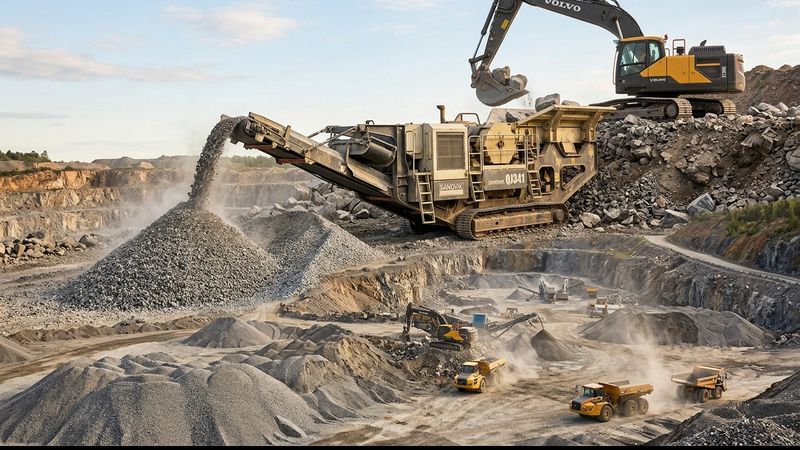
With Ontario International Airport nearby and major freeway access, Rancho Cucamonga is a logistics hub. Distribution centers and warehouse operations frequently finance material handling equipment, forklifts, racking systems, and fleet vehicles. Equipment financing and fleet loans are the most common products used by these businesses.
Construction and Trades
The Inland Empire's ongoing residential and commercial development boom keeps contractors busy year-round. Construction firms use business loans to purchase heavy machinery, cover payroll between project milestones, and fund materials purchases. Lines of credit are especially valuable for contractors whose revenue can be lumpy depending on project timelines.
Healthcare and Medical Practices
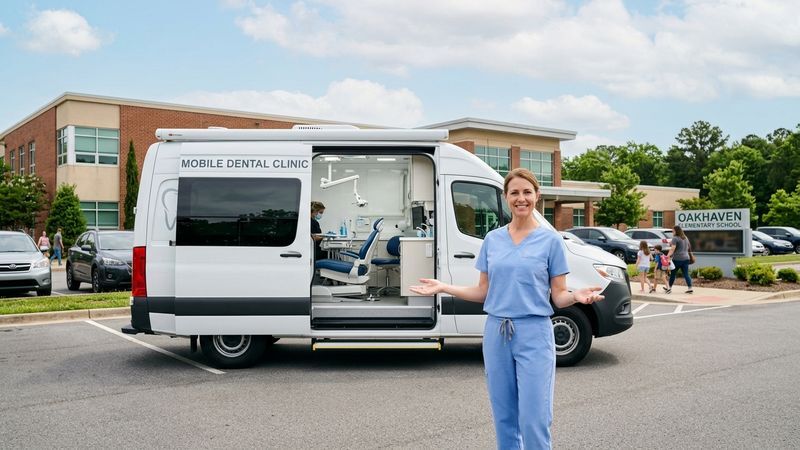
Rancho Cucamonga's population growth has driven strong demand for healthcare services. Medical practices, dental offices, physical therapy clinics, and urgent care centers regularly use loans to upgrade diagnostic equipment, expand facilities, and hire additional staff. SBA loans are popular in this sector due to the need for long-term capital at favorable rates.
Restaurants and Food Service
The food and beverage industry in Rancho Cucamonga ranges from fast-casual chains to independent dining establishments. Restaurant operators use business loans for kitchen equipment upgrades, leasehold improvements, POS system upgrades, and working capital during seasonal slow periods. Small business loans for restaurants are highly accessible through alternative lenders given the sector's consistent revenue patterns.
Retail and E-Commerce
From Victoria Gardens to online storefronts, Rancho Cucamonga retailers use loans to finance inventory purchases, technology upgrades, and marketing campaigns. Inventory financing and lines of credit are the go-to products for seasonal businesses managing fluctuating stock needs.
Manufacturing
Several light manufacturing firms operate in Rancho Cucamonga's industrial corridor. These businesses often need loans to fund capital equipment, upgrade production lines, and manage cash flow during periods of high order volume. Manufacturing equipment financing offers asset-backed lending with competitive rates.
Get Financing Matched to Your Industry
Crestmont Capital specializes in matching Rancho Cucamonga businesses with the right loan product for their specific industry and growth stage.
Explore Your Options →How Crestmont Capital Helps Rancho Cucamonga Business Owners
Crestmont Capital is rated the #1 business lender in the United States, and we work with businesses throughout California's Inland Empire every day. Our team understands the unique economic environment of Rancho Cucamonga - from the logistics infrastructure to the retail corridors and healthcare clusters - and we specialize in connecting local business owners with financing solutions that actually work for their situation.
We offer a full suite of financing products including small business loans, business lines of credit, equipment financing, SBA loans, and short-term business loans designed for businesses at every stage of growth.
What sets Crestmont Capital apart is our commitment to speed and transparency. We provide clear terms, no hidden fees, and our application process takes just minutes. Most qualifying businesses receive a decision within 24 hours, and funding can often be completed within 1-3 business days for alternative lending products.
Our advisors are not just loan processors - they are business financing consultants who take the time to understand your goals and recommend the product that best fits your needs. Whether you are just starting out, looking to expand, or navigating a cash flow challenge, we have the expertise and the products to help.
Why Crestmont Capital: Since 2015, we have helped thousands of California business owners access the capital they need to grow. Our approval rates are consistently higher than traditional banks, and our funding timelines are faster - often same-week for qualified applicants.
Real-World Financing Scenarios: Rancho Cucamonga Business Owners
Understanding how business loans apply in practice helps you identify the right path for your specific situation. Here are six real-world scenarios that reflect the kinds of financing decisions Rancho Cucamonga entrepreneurs face regularly.
Scenario 1: Logistics Company Adding Fleet Vehicles
A Rancho Cucamonga-based last-mile delivery company with $800,000 in annual revenue needs three additional commercial vans to handle increased order volume from a new retail client. They apply for a commercial vehicle financing package through Crestmont Capital. With a credit score of 680 and 3 years in business, they qualify for equipment financing at competitive rates. The vans serve as collateral, reducing the lender's risk and enabling a lower rate. Funding arrives in 4 business days, allowing them to onboard the new client on schedule.
Scenario 2: Restaurant Owner Upgrading Kitchen Equipment
A popular independent restaurant on Foothill Boulevard needs to replace aging commercial ovens and a walk-in refrigerator. The owner applies for a $75,000 equipment loan. Despite having a personal credit score of 610, their consistent monthly revenue of $60,000 in bank deposits qualifies them for financing. The kitchen equipment serves as collateral, and the loan is structured with 60-month terms to keep monthly payments manageable.
Scenario 3: Construction Contractor Covering Payroll Gap
A general contractor specializing in commercial tenant improvements has three active projects but experiences a cash flow gap when two clients delay progress payments. They need $150,000 to cover payroll and materials for 45 days. A working capital line of credit provides the flexibility to draw funds as needed, repay when client payments arrive, and draw again for the next project cycle - without the rigidity of a fixed-term loan.
Scenario 4: Medical Practice Expanding Services
A family medicine practice in Rancho Cucamonga wants to add ultrasound and digital imaging capabilities to reduce patient referrals to outside facilities. The investment - approximately $250,000 in equipment - is financed through a combination of an SBA 7(a) loan and equipment financing. The SBA loan covers working capital for hiring additional staff, while the equipment financing covers the diagnostic technology. The practice's 12-year operating history and strong revenue profile make them excellent SBA candidates.
Scenario 5: Retail Boutique Financing Seasonal Inventory
A clothing boutique near Victoria Gardens needs $40,000 to stock up for the holiday shopping season. Rather than taking a term loan that would cost more in the long run, they use a business line of credit they established earlier in the year. They draw $40,000 in October, pay it back from holiday sales by January, and keep the line available for the next seasonal cycle. The revolving structure saves them significantly compared to a fixed term loan for a cyclical need.
Scenario 6: Startup Manufacturing Business
A founder launches a small plastics manufacturing operation in Rancho Cucamonga's industrial zone. At 14 months in business with $180,000 in annual revenue, they do not yet qualify for SBA loans but need $85,000 in production equipment. They apply for startup equipment financing through an alternative lender. The equipment itself secures the loan, allowing approval despite limited business credit history. Two years later, their improved profile and track record qualifies them for SBA financing at better rates.
Frequently Asked Questions
What credit score do I need for a small business loan in Rancho Cucamonga?
Most conventional and SBA lenders prefer a personal credit score of 650 or higher. Alternative online lenders may approve loans for scores as low as 550, though at higher interest rates. Building your business credit profile separately from your personal credit can also improve your options over time.
How much can I borrow as a small business in Rancho Cucamonga?
Loan amounts depend on your revenue, credit profile, time in business, and loan type. Alternative lenders may approve $5,000 to $500,000. SBA 7(a) loans go up to $5 million. SBA 504 loans can fund even larger projects for qualified borrowers. The general rule is that most lenders will approve you for up to 10-15% of your annual revenue.
How fast can I get a business loan in Rancho Cucamonga?
It depends on the product. Online alternative lenders like Crestmont Capital can fund in as little as 24-72 hours for working capital loans and lines of credit. Equipment financing typically takes 2-7 business days. SBA loans require 30-90 days due to the government guarantee process and additional documentation requirements.
Can I get a business loan if my business is less than a year old?
Yes, though options are more limited. Startups with less than a year in business can access equipment financing (using the equipment as collateral), SBA microloans, and some alternative working capital products. Personal credit score plays a larger role when business history is limited. Providing a strong business plan and demonstrating revenue potential helps.
Do I need collateral for a small business loan in California?
Not always. Unsecured business loans and lines of credit do not require specific collateral, though personal guarantees are common. Equipment financing uses the equipment as collateral. SBA loans often require a blanket lien on business assets. Collateral-backed loans typically carry lower interest rates because they reduce lender risk.
What documents do I need to apply for a business loan?
At minimum, most lenders require 3-6 months of business bank statements, a valid business license, and basic business information. For larger loans, expect to provide 1-2 years of federal tax returns, a profit and loss statement, and articles of incorporation or LLC documents. SBA loans require a full business plan, three years of financial projections, and additional forms.
Are there local small business resources in Rancho Cucamonga?
Yes. The Rancho Cucamonga Chamber of Commerce provides networking, advocacy, and referrals. The Inland Empire Small Business Development Center (IE SBDC) offers free counseling for business planning and loan application support. The city's Economic Development Division also maintains resources for businesses looking to establish or expand operations in Rancho Cucamonga.
What is the difference between a term loan and a line of credit?
A term loan provides a fixed lump sum upfront that you repay over a set period in regular installments. It is best for one-time, defined expenses. A line of credit is a revolving pool of funds you draw on as needed and repay over time. You only pay interest on what you use. Lines of credit are better for recurring or unpredictable expenses.
Can I use a business loan to buy commercial real estate in Rancho Cucamonga?
Yes. SBA 504 loans are specifically designed for commercial real estate purchases and carry highly competitive fixed rates. Conventional commercial mortgages and SBA 7(a) loans can also fund real estate acquisitions. Commercial real estate financing in the Inland Empire can be competitive given the strong demand for industrial and retail space in the region.
What interest rates should I expect on a small business loan in California?
Rates vary significantly by product and borrower profile. SBA 7(a) loans range from approximately 6.5% to 9.5%. Conventional bank loans may range from 5% to 12%. Alternative lender term loans typically range from 8% to 30%+ depending on risk. Equipment financing usually falls between 4% and 18%. Your credit score, revenue, and time in business are the primary rate drivers.
How does equipment financing work for Rancho Cucamonga businesses?
Equipment financing allows you to purchase machinery, vehicles, technology, or tools using the equipment itself as collateral. You make fixed monthly payments over a term that typically matches the equipment's useful life (2-7 years). At the end of the term, you own the equipment outright. This approach preserves your working capital while allowing you to deploy productive assets immediately.
What is a merchant cash advance and when should I use it?
A merchant cash advance provides upfront capital in exchange for a percentage of your future credit card or daily sales. Repayment is automatic and fluctuates with revenue, which can ease cash flow pressure during slow periods. MCAs approve quickly - often same-day - but carry higher effective costs than most loan types. Use MCAs for short-term emergency needs when speed is critical and other options are not available.
Can I get a business loan with bad credit in California?
Yes. Several lenders specialize in financing for businesses with credit challenges. Options include bad credit business loans, equipment financing (asset-backed), merchant cash advances, and revenue-based financing. Rates will be higher than prime borrowers receive, but getting funded and building a repayment track record is an effective way to improve your credit profile and unlock better financing over time.
How do I improve my chances of getting approved for a business loan?
Key steps include: maintaining clean bank statements without overdrafts, building consistent monthly revenue, reducing personal debt to lower your debt-to-income ratio, correcting errors on your credit report, and having clear documentation for how the loan will be used. Working with an experienced lender like Crestmont Capital also helps because their advisors guide you toward the right product match rather than forcing a poor fit.
What local industries in Rancho Cucamonga benefit most from business loans?
Logistics and warehousing, construction trades, healthcare and medical practices, restaurants and food service, retail, and manufacturing are the most active borrowing sectors in Rancho Cucamonga. The city's position in the Inland Empire logistics corridor, combined with its growing healthcare and retail infrastructure, creates constant demand for business capital across these industries.
How to Get Started with a Small Business Loan in Rancho Cucamonga
Complete our quick application at offers.crestmontcapital.com/apply-now - it takes just a few minutes and does not require a hard credit pull to get started.
A Crestmont Capital financing advisor will review your business profile, understand your goals, and recommend the loan product best suited to your needs and timeline.
Once approved, receive your funds - often within days - and put your capital to work. Whether you are hiring, expanding, upgrading equipment, or managing cash flow, Crestmont Capital is your long-term financing partner.
Conclusion
Small business loans in Rancho Cucamonga, California open the door to real growth for entrepreneurs operating in one of California's most dynamic economic regions. Whether you need working capital to bridge a cash flow gap, equipment financing to expand your production capacity, or an SBA loan to purchase commercial real estate, the right financing product can transform your business trajectory.
Crestmont Capital has been helping California business owners access capital since 2015. Our team understands the Inland Empire market, works with businesses across all industries, and offers financing solutions that are both fast and flexible. We are here to help you find the right loan - not just any loan.
Take the first step today. Apply online at offers.crestmontcapital.com/apply-now and connect with a financing specialist who can help you access the capital your Rancho Cucamonga business needs to thrive in 2026 and beyond.
Ready to Fund Your Rancho Cucamonga Business?
Apply in minutes. Get a decision fast. Join thousands of California business owners who trust Crestmont Capital.
Apply Now →Disclaimer: The information provided in this article is for general educational purposes only and is not financial, legal, or tax advice. Funding terms, qualifications, and product availability may vary and are subject to change without notice. Crestmont Capital does not guarantee approval, rates, or specific outcomes. For personalized information about your business funding options, contact our team directly.