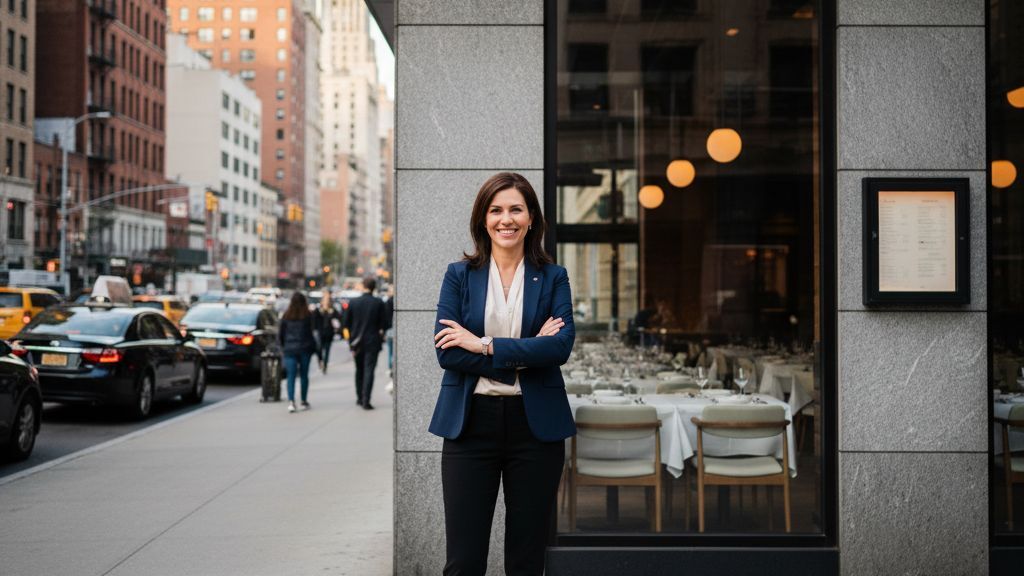
New York is the most dynamic small business environment in the United States. From the skyscraper-lined corridors of Midtown Manhattan to the artisan workshops of Buffalo's Larkinville district, the Empire State is home to more than 2.3 million small businesses that collectively employ over 4 million people. Whether you are launching a boutique in SoHo, expanding a food manufacturing operation in Rochester, or scaling a fintech startup in Brooklyn's tech hub, one factor unites virtually every New York entrepreneur: the need for capital.
The cost of doing business in New York is among the highest in the nation. Commercial rents in New York City alone can run $100 or more per square foot annually, and labor costs, licensing requirements, and regulatory compliance add up fast. For small businesses across the state, access to affordable financing is not a luxury - it is a strategic necessity. Small business loans in New York give entrepreneurs the fuel to hire staff, purchase inventory, upgrade equipment, open new locations, and weather the inevitable slow seasons that come with running any business.
This guide covers everything New York entrepreneurs need to know about small business loans in 2026: the types of loans available, state and city-specific programs, SBA lending in New York, how to qualify, where to apply, and how Crestmont Capital helps New York business owners access fast, flexible funding. Whether you are a first-time borrower or an experienced operator looking to optimize your financing strategy, this is the most comprehensive resource available for small business loans in New York.
New York Small Business Landscape in 2026
New York's economy is the largest of any state in the nation and the third largest in the world, with a GDP that rivals entire countries. According to the U.S. Small Business Administration, there are more than 2.3 million small businesses operating in New York State, accounting for 99.8% of all businesses in the state. These enterprises range from solo-operated freelance agencies to mid-sized manufacturers with dozens of employees, and together they represent the backbone of New York's economic diversity.
The industries driving New York's small business sector are as varied as the state itself. In New York City, finance and professional services dominate, but the creative economy - spanning media, film production, fashion design, architecture, and advertising - is equally significant. Food and beverage businesses represent one of the most densely concentrated small business sectors in the five boroughs, with over 25,000 restaurants and food service establishments operating in NYC alone. Healthcare, retail, construction, and personal services round out the top industries statewide.
Upstate New York tells a different story. Cities like Buffalo, Rochester, Albany, and Syracuse have invested heavily in advanced manufacturing, life sciences, clean energy, and agribusiness. Buffalo has emerged as a tech and biomedical hub with significant investment from institutions like the University at Buffalo. Rochester retains its roots in optics and imaging while expanding into photonics and semiconductor manufacturing. Albany has become a center for nanotechnology and chip fabrication, supported by SUNY Polytechnic Institute's Albany NanoTech Complex.
Understanding the regional distinctions within New York is critical for small business owners seeking financing. The programs available to a Manhattan restaurateur are fundamentally different from those accessible to a dairy farmer in the North Country or a precision manufacturer in the Southern Tier. Loan amounts, interest rates, qualifying criteria, and available programs all vary based on location, industry, and business profile. New York's rich ecosystem of lenders - from major commercial banks and SBA-approved lenders to community development financial institutions (CDFIs) and online lenders - ensures that most businesses can find financing options suited to their specific circumstances.
The economic recovery following the disruptions of the early 2020s has been uneven across New York. Small businesses in tourism-dependent regions, the restaurant industry, and retail have faced persistent challenges, while tech, healthcare, and professional services have expanded rapidly. For entrepreneurs across all sectors, access to capital remains the number one constraint on growth. According to the U.S. Small Business Administration, approximately 43% of small business owners applied for financing in 2024, and New York consistently ranks among the top five states for total SBA loan volume.
Types of Small Business Loans Available in New York
New York small businesses have access to a broad spectrum of financing products, from federally backed SBA loans to fast-approval online funding. Understanding the differences between loan types is the first step toward selecting the right product for your needs. Below is an overview of the primary loan types available to New York entrepreneurs, followed by a detailed comparison table.
SBA Loans: Backed by the U.S. Small Business Administration, SBA loans offer some of the most competitive rates and terms available to small businesses. The SBA 7(a) loan program is the most widely used, offering up to $5 million for working capital, real estate, equipment, and more. The SBA 504 loan is designed for major fixed-asset purchases. SBA microloans of up to $50,000 are available for startups and small operators through nonprofit intermediaries. New York is one of the nation's largest SBA markets.
Conventional Term Loans: Traditional bank loans provide a lump sum repaid over a fixed period with regular payments. They typically offer favorable interest rates for well-qualified borrowers with strong credit and financials. Visit our Traditional Term Loans page to explore options.
Business Lines of Credit: A revolving credit facility that allows businesses to draw funds up to a set limit as needed, repay, and draw again. Ideal for managing cash flow fluctuations, seasonal inventory needs, or unexpected expenses. Explore Business Lines of Credit through Crestmont Capital.
Equipment Financing: Loans specifically designed to purchase or lease business equipment, with the equipment itself serving as collateral. Common in manufacturing, healthcare, construction, and food service industries across New York.
Working Capital Loans: Short-term financing designed to cover day-to-day operational costs rather than long-term investments. Particularly valuable for NYC businesses with high overhead and seasonal fluctuations. See our Working Capital Loans for details.
Merchant Cash Advances: An advance against future sales, repaid through a percentage of daily credit card receipts. Accessible for businesses with limited credit history but often carries higher effective costs.
Invoice Financing: Allows businesses to borrow against outstanding invoices, improving cash flow while waiting for customers to pay. Popular among B2B service providers in New York's professional services sector.
| Loan Type | Typical Amount | Term | Best For | Speed |
|---|---|---|---|---|
| SBA 7(a) Loan | Up to $5M | Up to 25 yrs | Working capital, expansion, real estate | 30-90 days |
| SBA 504 Loan | Up to $5.5M | 10-25 yrs | Equipment, commercial real estate | 60-90 days |
| SBA Microloan | Up to $50K | Up to 6 yrs | Startups, microenterprises | 2-8 weeks |
| Conventional Term Loan | $50K-$5M+ | 1-10 yrs | Established businesses, large purchases | 1-4 weeks |
| Business Line of Credit | $10K-$500K | Revolving | Cash flow, seasonal needs | Days-2 weeks |
| Equipment Financing | $5K-$5M | 2-7 yrs | Machinery, vehicles, tech | Days-2 weeks |
| Working Capital Loan | $5K-$500K | 3-18 months | Operating expenses, payroll | 24-72 hours |
| Merchant Cash Advance | $5K-$500K | 3-18 months | High-volume retail, restaurants | 24-48 hours |
For a deeper dive into all your financing options, visit Crestmont Capital's Small Business Financing Hub, where you can compare products and find the best fit for your New York business.
SBA Loans in New York
New York State is one of the most active SBA lending markets in the entire country, consistently ranking in the top three states for total SBA loan volume and dollars approved each year. In fiscal year 2024, New York lenders approved more than 8,000 SBA 7(a) and 504 loans worth over $4 billion, reflecting the immense demand for federally backed financing among the state's diverse small business community.
The SBA operates three district offices in New York to serve businesses across the state. The New York City District Office covers the five boroughs and surrounding counties and is the largest SBA district office in the nation by loan volume. The Buffalo District Office serves Western New York, including Erie, Niagara, Chautauqua, and surrounding counties. The Syracuse District Office covers Central and Northern New York, including the Capital Region, the North Country, and the Southern Tier.
Each district office provides access to SBA lending programs, free counseling through the Small Business Development Center (SBDC) network, and connections to local SBA-approved lenders. New York is home to dozens of SBA Preferred Lenders - banks and financial institutions that have earned the authority to approve SBA loans in-house, dramatically speeding up the approval process. Major SBA lenders active in New York include JPMorgan Chase, TD Bank, Investors Bank, Sterling National Bank, and numerous community banks across upstate regions.
For businesses seeking our SBA loan options, Crestmont Capital can guide you through the application process and connect you with the right SBA product for your situation. We also recommend reviewing our detailed SBA Loan Requirements: The Complete 2026 Guide to understand what lenders look for before you apply.
Key SBA Programs for New York Businesses
- SBA 7(a): The most flexible program - working capital, expansion, debt refinancing, equipment, and real estate up to $5M
- SBA 504: Fixed-rate long-term financing for commercial real estate and major equipment, paired with a Certified Development Company (CDC)
- SBA Microloan: Up to $50,000 through nonprofit intermediaries - ideal for startups and very small businesses
- SBA Community Advantage: Targets underserved markets and minority-owned businesses through mission-based lenders
- SBA Export Loan Programs: Relevant for NY's significant export-oriented manufacturing and agricultural sectors
The SBA also offers free resources through its network of Small Business Development Centers (SBDCs) across New York. There are 24 SBDC locations statewide, offering free business advising, loan preparation assistance, financial analysis, and business plan development. These centers are invaluable for first-time borrowers and businesses preparing to approach lenders for the first time.
Ready to Explore Your New York Business Loan Options?
Crestmont Capital helps New York entrepreneurs access fast, flexible funding - from SBA loans to working capital. Apply in minutes and get a decision today.
Apply Now - Free, No ObligationNew York-Specific Small Business Programs
Beyond federal SBA programs, New York State and New York City operate some of the most robust small business support ecosystems in the country. Understanding these programs can significantly reduce your borrowing costs and open doors to grants, technical assistance, and specialized loan products unavailable through conventional lenders.
Empire State Development (ESD) is New York State's primary economic development agency, offering a range of financing programs for small and mid-sized businesses. ESD programs include the Excelsior Jobs Program (tax credits for job creation), the Innovate NY Fund (for high-growth startups), Regional Economic Development Councils (REDCs) that direct capital to priority projects in each region, and the New York State Small Business Revolving Loan Fund. ESD's programs are especially relevant for manufacturers, exporters, and businesses in Upstate New York's priority sectors. For more information, visit esd.ny.gov.
NYC Department of Small Business Services (SBS) is the city's primary resource for small business owners in the five boroughs. NYC SBS operates a network of Business Solutions Centers in all five boroughs, offering free services including access to capital, recruitment and hiring assistance, contract and certification help, and educational workshops. Through its Neighborhood 360 initiative, SBS supports commercial district development in underserved neighborhoods. SBS also connects business owners to the NYC Small Business Resource Network and can help match entrepreneurs with appropriate lenders and grant programs.
New York City Economic Development Corporation (NYCEDC) manages several direct lending programs for NYC businesses, particularly in manufacturing and industrial sectors. The Industrial and Commercial Abatement Program (ICAP) provides property tax benefits for businesses that renovate or expand facilities. NYCEDC also administers the Grow NYC Retail program and various sector-specific initiatives for tech, life sciences, and creative industries. For NYC manufacturers, the Made in NY small business loan program provides working capital and equipment financing with favorable terms.
New York Business Development Corporation (NYBDC) is one of the nation's oldest and most active small business lenders, providing SBA 504 loans, SBA 7(a) loans, and direct lending programs throughout New York State. NYBDC specializes in working with businesses that may not qualify for conventional bank financing, including startups and businesses with limited collateral. They have a particular focus on minority-owned, women-owned, and veteran-owned businesses.
Minority and Women-Owned Business Enterprise (MWBE) Programs: New York State has one of the most comprehensive MWBE programs in the country. Certified MWBEs gain access to set-aside contracts with state agencies and authorities, and many lenders offer specialized loan products and reduced rates for certified businesses. The New York State Division of Minority and Women's Business Development oversees the certification process and maintains a directory of MWBE-focused resources.
Community Development Financial Institutions (CDFIs): CDFIs are mission-driven lenders that specialize in serving underserved communities and businesses that face barriers to conventional financing. New York has a robust CDFI ecosystem including Accion Opportunity Fund, TruFund Financial Services, Pursuit (formerly Greater New York Savings Bank), Renaissance Economic Development Corporation (serving Asian immigrant communities in Queens and Brooklyn), and many others. CDFIs often offer smaller loan amounts, flexible criteria, and business development support alongside financing.
NYC Small Business Financing vs. Upstate New York
New York State's geography and economy create two distinctly different small business financing environments. Understanding which environment your business operates in helps you target the right programs and lenders.
New York City offers the most dense concentration of lenders, programs, and resources of any city in the world. Businesses in the five boroughs can access city-specific programs through NYC SBS and NYCEDC, a massive network of community banks, credit unions, and CDFIs, specialized lenders for specific industries like restaurant finance and creative economy businesses, and numerous neighborhood-based microlenders. The challenge in NYC is not a lack of options but rather the high cost of doing business, intense competition for real estate and talent, and the complexity of navigating multiple overlapping city, state, and federal programs. NYC businesses often need larger loan amounts to cover commercial rent, build-outs, and staffing costs.
Upstate New York presents different opportunities and challenges. While the concentration of lenders is lower, upstate businesses benefit from significantly lower operating costs, making smaller loan amounts go further. State programs through ESD place particular emphasis on upstate economic development, with Regional Economic Development Councils directing resources to manufacturing, agribusiness, clean energy, and tourism. The Buffalo-Niagara region has seen significant investment from the Buffalo Billion initiative and is becoming a hub for biomedical, tech, and clean energy businesses. The Capital Region benefits from proximity to state government and significant healthcare and research institutions. The Southern Tier and North Country have specialized programs for agricultural businesses and rural entrepreneurs.
Community banks play a larger role in upstate lending markets than in NYC, where major national banks dominate. Organizations like Five Star Bank, Community Bank, Chemung Canal Trust Company, and NBT Bank have deep relationships with local businesses and often provide more flexible, relationship-based lending than national institutions. Credit unions are also significant players in upstate New York's small business lending ecosystem.
Online Lenders for New York Small Businesses
Online lending has transformed small business finance in New York, particularly for the state's enormous immigrant entrepreneur community, newer businesses, and companies with less-than-perfect credit profiles. New York City alone is home to more immigrant entrepreneurs per capita than virtually any other metro in the world, with vibrant business communities from Chinese, Korean, Indian, Haitian, Dominican, Mexican, and dozens of other backgrounds. Traditional banks have historically served these communities poorly, creating a significant opportunity for alternative and online lenders.
Online lenders offer several critical advantages for New York small businesses. First, speed: while SBA loans can take 30-90 days and conventional bank loans weeks, online lenders can often approve and fund applications in 24-72 hours. For a business owner who needs capital quickly - to buy inventory for an unexpected order, cover payroll during a slow month, or take advantage of a time-sensitive opportunity - this speed is invaluable. Second, accessibility: online lenders use technology to evaluate creditworthiness beyond traditional credit scores, often looking at bank statements, revenue patterns, and business performance data. This opens the door for businesses that would not qualify for bank financing. Third, convenience: the entire application process can be completed online without visiting a branch.
For New York businesses that need capital quickly without the lengthy SBA process, working with a lender like Crestmont Capital can provide access to funding in as little as one business day. Whether you need a working capital loan, a business line of credit, or a term loan, online applications streamline the process significantly compared to traditional banks. Learn more about your options on our Small Business Financing Hub.
Speed Matters in New York's Fast-Moving Economy
New York businesses move fast. When a lease opportunity comes up in the right neighborhood, inventory needs to be purchased for a peak season, or a large contract requires upfront costs, waiting months for bank approval is not an option. Online lenders and alternative financing providers can deliver capital in days, helping New York entrepreneurs stay competitive in the nation's most dynamic market.
Industry-Specific Financing in New York
New York's economy is defined by its industry diversity, and financing options often reflect the specific capital needs and revenue profiles of different sectors. Here is how small business loans in New York apply across major industries.
Finance and Fintech: New York City is the global capital of finance, and a thriving fintech startup ecosystem has emerged in neighborhoods like Hudson Yards, the Flatiron District, and Brooklyn Tech Triangle. Fintech startups typically seek venture capital and growth-stage equity, but early-stage companies and established financial services firms also use business lines of credit for operational flexibility, equipment financing for technology infrastructure, and SBA loans for expansion. Specialized lenders with expertise in fintech and financial services understand the regulatory landscape and unique financial profiles of these businesses.
Media and Entertainment: New York remains the world capital of publishing, advertising, television production, and performing arts. Media and entertainment businesses have highly variable revenue tied to project cycles, making revolving lines of credit and working capital loans particularly valuable. Production companies use equipment financing for cameras, lighting, and post-production technology. Ad agencies and PR firms often use invoice financing to bridge gaps between completing work and receiving client payments.
Fashion and Retail: New York's fashion industry encompasses design houses, showrooms, manufacturing, wholesale, and retail across price points from luxury to fast fashion. Seasonal inventory financing is critical - fashion businesses need capital months before their selling season to purchase materials and manufacture goods. Equipment financing for sewing, cutting, and production equipment supports NYC's remaining garment district manufacturers. Working capital loans help retailers manage the gap between inventory investment and sales revenue.
Restaurants and Food Service: With over 25,000 restaurants in NYC and thousands more across the state, food service is one of New York's most financing-intensive industries. Restaurant startup costs can exceed $500,000 in NYC, making SBA loans particularly relevant for new openings. Established restaurants use merchant cash advances for renovations, equipment financing for kitchen equipment, and working capital loans to cover slow months. The New York City Restaurant Revitalization Fund and various state programs have provided additional support in recent years.
Healthcare: New York is home to some of the world's leading hospitals and healthcare systems, and thousands of independent medical practices, dental offices, home health agencies, and specialty providers operate across the state. Healthcare businesses have predictable revenue from insurance reimbursements but often face cash flow challenges due to billing cycle delays. Equipment financing for medical equipment (MRI machines, dental chairs, diagnostic tools), working capital loans to cover payroll between insurance payments, and term loans for practice acquisition are all common financing needs.
Real Estate Services: New York's real estate sector - including property management, brokerage, construction, and renovation - is one of the largest in the country. Real estate businesses use lines of credit for carrying costs during development, equipment financing for construction tools and vehicles, and working capital loans to fund operations between closings or lease signings. Commercial construction companies often need bonding in addition to financing, which can affect loan structure.
Tech Startups: Brooklyn's tech scene, Manhattan's Silicon Alley, and emerging upstate hubs have created a vibrant technology startup ecosystem in New York. Early-stage tech companies typically pursue venture capital and angel investment, but even VC-backed startups use SBA loans for equipment, conventional loans for office build-outs, and lines of credit for operational flexibility. Revenue-based financing is increasingly popular among SaaS and software companies with recurring revenue streams.
How to Qualify for a Business Loan in New York
Qualifying criteria for small business loans in New York vary significantly by lender and loan type, but most lenders evaluate a common set of factors. Understanding these requirements before you apply helps you identify the best products for your situation and prepare a stronger application.
Standard Requirements for Most Business Loans:
- Time in Business: Most traditional lenders require at least 2 years of operating history. Some online lenders and alternative financing providers work with businesses as young as 6 months.
- Annual Revenue: Lenders typically want to see minimum annual revenue of $100,000 to $250,000 for conventional loans. Working capital lenders may have lower minimums.
- Credit Score: SBA loans generally require a minimum personal credit score of 680-700. Conventional bank loans often want 700+. Alternative lenders may work with scores as low as 550-600.
- Cash Flow: Lenders want to see that your business generates enough cash flow to comfortably cover loan payments. Most look for a debt service coverage ratio of at least 1.25x.
- Collateral: Many conventional and SBA loans require collateral - real estate, equipment, or other business assets. Unsecured loan products are available but typically come with higher rates or lower amounts.
- Business Plan: Especially important for SBA loans and larger amounts, a well-documented business plan demonstrates that you have thought through the use of funds and your repayment strategy.
- Tax Returns: Most lenders require 2-3 years of personal and business tax returns. Recent returns showing strong revenue and manageable expenses strengthen your application.
NY-Specific Programs for Minority, Women, and Immigrant-Owned Businesses: New York's MWBE certification opens access to state contract set-asides and specialized lending programs. Several CDFIs and mission-based lenders specifically target immigrant entrepreneurs, offering loans in multiple languages with culturally appropriate underwriting criteria. The NYC Department of Small Business Services offers dedicated support for immigrant business owners through its Business Solutions Centers, and organizations like the Renaissance Economic Development Corporation serve specific immigrant communities in Queens and Brooklyn.
For a complete breakdown of what lenders look for, read our guide on Small Business Loan Requirements - it covers every document and qualification factor in detail.
Documents Typically Required:
- Business and personal tax returns (2-3 years)
- Business bank statements (3-12 months)
- Business financial statements (profit and loss, balance sheet)
- Business license and registration documents
- Articles of incorporation or partnership agreement
- Owner identification documents
- Lease agreements or property documents (if applicable)
- Business plan and use-of-funds statement (for larger loans)

Financing Resources by New York Location
Your location within New York State significantly affects which programs, lenders, and resources are available to you. The following table provides a quick reference for small business financing resources by major location.
| Location | Key Programs | Notable Lenders | Key Industries |
|---|---|---|---|
| Manhattan (NYC) | NYC SBS, NYCEDC, SBA NYC District, NYBDC | JPMorgan Chase, TD Bank, Crestmont Capital | Finance, media, hospitality, luxury retail |
| Brooklyn (NYC) | BDC, NYC SBS, NYCEDC Made in NY | Pursuit, TruFund, Crestmont Capital | Tech, creative, food manufacturing, retail |
| Queens (NYC) | Renaissance EDC, NYC SBS, SBA microloans | Accion, Renaissance EDC, Crestmont Capital | Immigrant-owned businesses, food, manufacturing |
| Bronx (NYC) | NYC SBS, BDC, CDFI programs | TruFund, Accion, Crestmont Capital | Food, retail, healthcare, construction |
| Buffalo | SBA Buffalo District, ESD, Buffalo Billion, REDC | Five Star Bank, M&T Bank, NYBDC | Manufacturing, biomedical, clean energy, tech |
| Albany | ESD, Capital Region REDC, SBA Syracuse District | KeyBank, Community Bank, NBT Bank | Government services, nanotech, healthcare |
| Rochester | Finger Lakes REDC, ESD, SBA programs | Five Star Bank, ESL Federal Credit Union | Optics, photonics, healthcare, manufacturing |
| Syracuse | SBA Syracuse District, Central NY REDC, ESD | Pathfinder Bank, Community Bank, NYBDC | Healthcare, education, food production, logistics |
How to Apply for a Small Business Loan in New York
Applying for a small business loan in New York involves more steps than simply submitting an application - particularly for SBA loans and state programs. Following a systematic approach increases your chances of approval and can significantly shorten the timeline from application to funding.
Step 1: Define Your Funding Need
Before approaching any lender, clearly articulate what you need capital for, how much you need, and how you will repay it. Are you purchasing equipment, opening a new location, managing cash flow, or financing an expansion? The purpose of the loan determines which products are appropriate. Use-of-funds clarity makes your application far stronger and helps lenders assess risk accurately.
Step 2: Review Your Financial Profile
Pull your personal and business credit reports. Review your business financial statements and ensure they are accurate and up to date. Calculate your debt service coverage ratio (net operating income divided by total debt service) - most lenders want to see at least 1.25x. Address any errors on your credit report before applying.
Step 3: Research Your Options
Given New York's rich ecosystem of lenders and programs, take time to identify the best options for your specific situation. Consider SBA loans for the most competitive rates and terms. Evaluate state and city programs if you qualify. Compare online lenders if speed is a priority. Review our complete guide on how to apply for a business loan for a detailed walkthrough of the process.
Step 4: Gather Documentation
Compile your business tax returns (2-3 years), personal tax returns (2-3 years), business bank statements (3-12 months), financial statements (P&L and balance sheet), business license and registration, organizational documents, and any relevant lease agreements or purchase contracts. Having all documents ready before you apply dramatically speeds the process.
Step 5: Apply and Communicate
Submit your application and be responsive to lender requests for additional information. SBA loans involve more back-and-forth than conventional or online loans - respond quickly to underwriter questions to keep your application moving. For NYC-specific programs, connect with an NYC SBS Business Solutions Center advisor who can help you navigate the application process and identify additional resources.
Step 6: Review Loan Terms Carefully
Before accepting any offer, review the interest rate (fixed vs. variable), repayment term, origination fees, prepayment penalties, collateral requirements, and any financial covenants. Compare multiple offers if possible. An advisor from your local SBDC can help you evaluate offers and negotiate terms.
How Crestmont Capital Serves New York Small Businesses
Crestmont Capital is proud to be one of the most trusted small business lenders serving New York entrepreneurs across all five boroughs and throughout upstate New York. We understand that New York businesses operate in a uniquely challenging and dynamic environment - one that demands fast, flexible financing from a lender who understands your market.
Our financing solutions are designed to meet New York businesses where they are. Whether you are a Harlem restaurant owner who needs working capital to cover a slow January, a Long Island construction company financing new equipment, a Buffalo manufacturer expanding production capacity, or a Brooklyn creative agency bridging invoices, Crestmont Capital has the products and expertise to help.
What sets Crestmont Capital apart for New York small businesses:
- Fast approvals: Many borrowers receive a decision within 24 hours and funding within 1-3 business days
- Flexible qualifying criteria: We look beyond credit scores to evaluate the full picture of your business
- Broad product range: From short-term working capital to SBA loans and term loans up to $5 million
- No collateral required for many working capital and line of credit products
- Dedicated advisor support: A real person walks you through the process and helps you find the right solution
- NY market expertise: We understand the cost structures, seasonality, and specific challenges of New York businesses
Our loan products for New York businesses include unsecured working capital loans, business lines of credit, traditional term loans, and SBA loan programs. We make it our mission to help New York entrepreneurs access the capital they need to compete, grow, and thrive in the most demanding business environment in the country.
New York Businesses: Get Funded Fast with Crestmont Capital
Don't let capital constraints hold back your New York business. Apply online in minutes - no obligation, no hard credit pull to check your options.
Get Your Free Quote TodayReal-World New York Business Financing Scenarios
Abstract discussions of loan types and qualifying criteria are only so useful. To illustrate how small business loans in New York actually work in practice, here are three realistic scenarios based on common situations New York entrepreneurs face.
Scenario 1: The Queens Restaurant Owner
Maria runs a family-owned Filipino restaurant in Jackson Heights, Queens, that has been operating for four years. The restaurant does approximately $850,000 in annual revenue and has a loyal local following. Maria wants to open a second location in Astoria, which she estimates will require $300,000 in build-out costs, equipment, and working capital to get through the first six months. Her personal credit score is 695, the business has been profitable for three years, and she has a small amount of equity in her home.
Maria's best path is likely an SBA 7(a) loan, possibly paired with NYC SBS resources. Her credit profile, time in business, and revenue make her a solid SBA candidate. The NYC SBS Business Solutions Center in Queens can help her prepare the business plan and financial projections required for the SBA application. She could also consider working with a CDFI like Renaissance Economic Development Corporation, which specializes in immigrant-owned food businesses in Queens. Total timeline from application to funding: approximately 45-60 days for the SBA route, or 2-3 weeks through a CDFI.
Scenario 2: The Brooklyn Creative Agency
James runs a 12-person video production and digital marketing agency in Greenpoint, Brooklyn, with annual revenue of $2.1 million. The agency has landed a major contract with a Fortune 500 brand that requires significant upfront costs - hiring freelancers, renting equipment, and purchasing software licenses - before the first payment arrives in 90 days. James needs approximately $200,000 in short-term working capital to cover these costs without disrupting regular operations.
For James, a business line of credit or working capital loan is the ideal solution. With strong revenue, good credit (score of 740), and two years of tax returns showing consistent profitability, James would qualify for competitive terms through multiple lenders. Crestmont Capital could provide a working capital loan or line of credit with approval in 24-48 hours, allowing James to move quickly on the contract opportunity without waiting for traditional bank underwriting. This is precisely the scenario where fast, flexible financing provides a real competitive advantage.
Scenario 3: The Buffalo Manufacturer
Patricia owns a precision metal fabrication shop in South Buffalo that employs 22 people and specializes in aerospace components. Annual revenue is $3.8 million and the business has been operating for 11 years. Patricia has landed a major defense contractor as a client and needs to purchase a CNC machining center costing $450,000 to fulfill the new contract. She wants to keep her existing credit lines free for operational flexibility.
Patricia's ideal solution is equipment financing, potentially through the SBA 504 program which is specifically designed for fixed asset purchases. The Buffalo SBA District Office and the New York Business Development Corporation are both excellent starting points. An SBA 504 loan would allow Patricia to finance the CNC machine over 10 years with a fixed interest rate, preserving her working capital and lines of credit. ESD's regional programs may also offer additional tax incentives given the manufacturing expansion. With strong financials and 11 years in business, Patricia is an excellent candidate for highly competitive terms.
Frequently Asked Questions
What is the easiest small business loan to get in New York?
The easiest small business loans to qualify for in New York are typically merchant cash advances and working capital loans from online lenders, which have the most flexible qualifying criteria. Businesses with at least 6 months in operation, $10,000 or more in monthly revenue, and a credit score of 550 or higher can often qualify. However, easier qualification usually comes with higher costs. If you have stronger financials, SBA microloans and CDFI loans offer better terms with accessible qualifying standards.
How much can a small business borrow in New York?
Loan amounts in New York range from as little as $500 through microlenders to $5 million or more through SBA and conventional lenders. The amount you can borrow depends on your revenue, credit profile, time in business, collateral, and the specific loan product. Most online and alternative lenders offer $5,000 to $500,000. SBA 7(a) loans go up to $5 million, and SBA 504 loans can finance fixed assets up to $5.5 million.
What credit score do I need for a business loan in New York?
Credit score requirements vary by lender and loan type. SBA loans generally require a minimum personal credit score of 680-700. Conventional bank loans often want 700 or higher. Online and alternative lenders may work with scores as low as 550-600, though lower scores typically mean higher rates and smaller amounts. CDFIs and mission-based lenders serving underserved communities sometimes use more holistic underwriting that weighs factors beyond credit scores.
Are there grants available for small businesses in New York?
Yes, New York State and New York City offer various grant programs, though most small business funding in New York comes through loans rather than grants. State grants are often tied to specific programs through Empire State Development for manufacturing, clean energy, and tech sectors. NYC SBS coordinates access to various grant opportunities. MWBE-certified businesses and businesses in designated low-income areas may have access to additional grant programs. Grants are competitive and typically require businesses to meet specific criteria.
How fast can I get a business loan in New York?
Speed depends entirely on the loan type. Working capital loans and merchant cash advances from online lenders can be approved and funded in 24-72 hours. Business lines of credit from online lenders typically take 2-5 business days. Conventional bank loans take 1-4 weeks. SBA 7(a) loans take 30-90 days, though SBA Express loans (up to $500,000) can be approved in 36 hours. Crestmont Capital can often provide funding decisions within 24 hours for working capital products.
What is the New York Business Development Corporation (NYBDC)?
The New York Business Development Corporation (NYBDC) is one of the largest and most active small business lenders in New York State. Founded in 1955, NYBDC provides SBA 504 loans, SBA 7(a) loans, and direct loans to small businesses throughout New York. They specialize in working with businesses that may not qualify for conventional bank financing, including startups and businesses in underserved communities. NYBDC operates a "Linked Deposit Program" that provides below-market interest rates for qualifying businesses.
What SBA district offices are in New York?
New York State is served by three SBA district offices. The New York City District Office covers the five boroughs and surrounding suburban counties, making it the highest-volume SBA district in the country. The Buffalo District Office serves Western New York, including Erie, Niagara, Chautauqua, Allegany, and Cattaraugus counties. The Syracuse District Office covers Central and Northern New York, including the Capital Region, the North Country, the Mohawk Valley, the Southern Tier, and the Finger Lakes region.
Can immigrant-owned businesses get loans in New York?
Absolutely. New York has a robust ecosystem of lenders specifically serving immigrant-owned businesses. Organizations like Renaissance Economic Development Corporation, Accion Opportunity Fund, and TruFund Financial Services specialize in immigrant entrepreneur lending. CDFIs throughout New York offer bilingual services, culturally appropriate underwriting, and technical assistance. SBA loans are available to permanent residents and other eligible non-citizens. Online lenders like Crestmont Capital serve immigrant-owned businesses without regard to national origin.
What is Empire State Development and how can it help my business?
Empire State Development (ESD) is New York State's primary economic development agency. It supports small businesses through financing programs, grants, tax incentives, and technical assistance. Programs include the Excelsior Jobs Program (tax credits for job creation), the New York State Small Business Revolving Loan Fund, Regional Economic Development Councils that direct capital to local priority projects, and sector-specific initiatives for manufacturing, clean energy, agriculture, and technology. ESD is particularly valuable for upstate businesses and manufacturers.
Do I need collateral to get a small business loan in New York?
Collateral requirements vary widely by lender and loan type. SBA loans technically require all available business and personal assets to be pledged, though the SBA will not decline a loan solely due to insufficient collateral if other qualifying factors are strong. Many online lenders and alternative financing providers offer unsecured loans and lines of credit with no collateral requirement. Equipment financing is self-collateralized by the equipment itself. Working capital loans from Crestmont Capital are available without collateral for qualifying businesses.
What is the NYC Small Business Services (SBS) and how does it help?
The NYC Department of Small Business Services (SBS) is the city agency dedicated to supporting small business owners across the five boroughs. SBS operates a network of Business Solutions Centers in all five boroughs that offer free services including help accessing capital, workforce recruitment and training, contract and procurement assistance, and business education workshops. SBS can connect you with lenders, help you apply for MWBE certification, navigate city permits and licenses, and find grant opportunities. The service is free to all NYC small business owners.
How do New York's MWBE programs help minority and women-owned businesses access capital?
New York State's MWBE (Minority and Women-Owned Business Enterprise) certification program provides several financial benefits. Certified businesses gain access to state contract set-asides, which can significantly increase revenue and improve your loan profile. Many lenders offer specialized products, reduced rates, or relaxed qualifying criteria for certified MWBEs. CDFIs and community lenders often prioritize MWBE lending. The certification also provides access to technical assistance, networking, and business development resources that can strengthen your overall business profile and make you a more attractive borrower.
What are the interest rates on small business loans in New York?
Interest rates on New York small business loans vary significantly by loan type, lender, and borrower profile. SBA 7(a) loans currently range from approximately 10% to 13% (prime plus an allowable spread). SBA 504 loans for real estate and equipment offer fixed rates that have recently ranged from 6% to 8%. Conventional bank loans typically range from 7% to 15% depending on creditworthiness. Online and alternative lenders charge higher rates - often 15% to 45% annual percentage rates or higher for very short-term products. Always request a full APR disclosure and compare total cost of capital across options.
Can a startup get a business loan in New York?
Yes, though startups face more limited options than established businesses. SBA microloans are specifically designed for startups and can provide up to $50,000 through nonprofit intermediaries. CDFIs like Accion and TruFund work with early-stage businesses. Some online lenders work with businesses as young as 6 months old. Startups with strong business plans, personal creditworthiness, and some startup capital invested can also qualify for SBA 7(a) loans. NYC's startup ecosystem also offers pitch competitions, incubator financing, and angel investor networks as alternatives to traditional loans.
How is getting a small business loan in New York different from other states?
New York offers one of the most comprehensive small business financing ecosystems in the country, with more options than most states. The density of CDFIs, community banks, city-specific programs (through NYC SBS and NYCEDC), and state programs (through Empire State Development) gives New York borrowers access to resources unavailable in most other states. The trade-off is complexity: navigating the ecosystem requires research and often the help of an advisor. New York's higher cost of doing business also means loan amounts and minimum revenue thresholds may be higher than in less expensive markets.
Take the Next Step for Your New York Business
Whether you need working capital, equipment financing, or an SBA loan, Crestmont Capital is ready to help New York entrepreneurs access the funding they need - fast.
Apply Now - Get Funded in DaysNext Steps: Apply for a Business Loan in New York
Your Action Plan: Getting Funded in New York
Conclusion
New York is simultaneously the most challenging and the most rewarding place to run a small business in America. The competition is fierce, the costs are high, and the market moves fast. But for entrepreneurs who can navigate New York's complex business environment, the opportunities are equally extraordinary. Access to capital is the single most powerful tool New York business owners can wield to stay competitive, seize opportunities, and build lasting enterprises.
The good news is that New York offers one of the most comprehensive small business financing ecosystems in the world. From SBA loans and state programs through Empire State Development to city resources through NYC SBS, CDFIs serving immigrant entrepreneurs, and fast online lenders like Crestmont Capital, New York businesses of all sizes and profiles have real options for accessing the capital they need.
The key is knowing your options, preparing thoroughly, and working with a lender who understands your market. Crestmont Capital has deep expertise in serving New York entrepreneurs across industries and boroughs. Whether you need $25,000 for working capital or $2 million for expansion, we are here to help you navigate the financing landscape and find the right solution for your business. According to Forbes and other leading financial publications, working with experienced lenders who understand your local market is one of the most important factors in securing favorable loan terms. And as CNBC has reported, access to capital remains the defining factor separating small businesses that scale from those that stagnate.
New York's 2.3 million small businesses are the heartbeat of the Empire State's economy. Your business deserves the financing it needs to thrive. Take the first step today - apply online with Crestmont Capital and get a decision within 24 hours. The New York business community is waiting for what you build next.
Disclaimer: The information provided in this article is for general educational purposes only and is not financial, legal, or tax advice. Funding terms, qualifications, and product availability may vary and are subject to change without notice. Crestmont Capital does not guarantee approval, rates, or specific outcomes. For personalized information about your business funding options, contact our team directly.