Great Falls, Montana is one of the most promising cities in the Mountain West for small business owners. Known as "The Electric City," this community of 60,000 along the Missouri River has quietly built a resilient economy anchored by healthcare, retail, agriculture, and a strong military presence from Malmstrom Air Force Base. If you are an entrepreneur looking to start or grow a business here, understanding your financing options is the first step to turning your vision into a thriving enterprise. This guide covers everything you need to know about small business loans in Great Falls, Montana in 2026.
In This Article
- Why Great Falls Is a Strong Market for Small Business
- Types of Small Business Loans Available
- How the Loan Process Works
- Qualification Requirements
- Great Falls Small Business Lending at a Glance
- How Crestmont Capital Helps Great Falls Entrepreneurs
- Real-World Funding Scenarios
- Comparing Your Loan Options
- Frequently Asked Questions
- How to Get Started
Why Great Falls Is a Strong Market for Small Business
Great Falls punches well above its weight as a business hub for north-central Montana. The city serves as the regional commercial center for a vast agricultural area, drawing customers and commerce from across Cascade County and well beyond. This broad geographic draw means local businesses often see a larger effective customer base than the city's population alone would suggest.
Montana has no state sales tax, a fact that gives Great Falls businesses a meaningful competitive advantage when competing with online retailers and neighboring states. Combined with relatively affordable commercial real estate and a cost of living below the national average, the overhead burden on small businesses here tends to be lower than in major metro markets. According to the SBA's Montana District Office, the state consistently ranks in the top 15 nationally for small business activity as a percentage of total employment.
The economic diversity in Great Falls helps stabilize business conditions. Malmstrom Air Force Base employs thousands and generates consistent consumer spending year-round. The healthcare sector, anchored by Benefis Health System (one of the state's largest employers), provides stable employment and vendor opportunities. Agriculture - both farming and ranching - drives seasonal commerce that supports everything from equipment dealers to restaurants. Retail and food service remain vibrant thanks to the city's role as a regional shopping destination.
Key Fact: Montana has no state sales tax, giving Great Falls businesses a structural cost advantage over competitors in neighboring states like Wyoming and North Dakota. For consumer-facing businesses, this can be a genuine differentiator.
That said, growing a business in Great Falls still requires capital. Whether you need to hire additional staff before the busy summer season, purchase specialized equipment, renovate a retail space, or bridge a cash flow gap during a slow stretch, small business loans provide the financial foundation that lets local entrepreneurs act quickly and grow with confidence.
Ready to Fund Your Great Falls Business?
Crestmont Capital connects Montana entrepreneurs with fast, flexible financing options. Apply in minutes - no obligation.
Apply NowTypes of Small Business Loans Available in Great Falls
Great Falls entrepreneurs have access to the full spectrum of small business financing, from government-backed SBA programs to fast-approval alternative loans from online lenders like Crestmont Capital. Understanding each option helps you match the right product to your specific need.
SBA 7(a) Loans
The SBA 7(a) loan is the federal government's flagship small business lending program and the most widely used. These loans are issued by approved lenders and partially guaranteed by the U.S. Small Business Administration, which reduces risk for lenders and makes it possible for small businesses to access longer repayment terms and lower interest rates than they might qualify for on the open market.
SBA 7(a) loans in Great Falls can be used for a wide range of purposes: working capital, equipment purchases, real estate acquisition, business acquisitions, and debt refinancing. Loan amounts can reach $5 million, and repayment terms extend up to 25 years for real estate or 10 years for other uses. The trade-off is that SBA loans involve more paperwork, longer processing times (often 60 to 90 days), and stricter qualification requirements. They are ideal for established businesses with solid financials who are planning major investments and can afford to wait for funding.
Term Loans
Traditional term loans from banks, credit unions, and alternative lenders provide a lump sum of capital upfront that is repaid over a fixed schedule with interest. They are among the most straightforward loan structures available and work well for predictable expenses like equipment, renovations, or inventory purchases where you know exactly how much you need.
Banks in Great Falls (First Interstate Bank, Stockman Bank, Glacier Bank, and others) offer term loans to local businesses with established credit histories. Alternative lenders like Crestmont Capital offer term loans with faster approval - sometimes within 24 hours - and more flexible eligibility criteria, making them accessible even to newer businesses or those with less-than-perfect credit histories.
Business Lines of Credit
A business line of credit is one of the most flexible financing tools available. Unlike a term loan, a line of credit gives you access to a pool of funds that you draw from as needed and repay on a revolving basis. You only pay interest on what you actually use, and as you repay the balance, your available credit replenishes.
Lines of credit are especially useful for Great Falls businesses that experience seasonal fluctuations - retail shops that ramp up inventory before the holidays, agricultural suppliers who carry heavy stock in spring planting season, or service businesses that need to bridge payroll between invoice payments. Credit limits typically range from $10,000 to $500,000 depending on the lender and your qualifications.
Equipment Financing
Many Great Falls businesses - from construction contractors to restaurant owners to healthcare providers - rely on specialized equipment that comes with significant price tags. Equipment financing lets you purchase or lease that equipment and spread the cost over time, with the equipment itself often serving as collateral. This typically results in better rates than unsecured financing and preserves your working capital for day-to-day operations.
Loan terms generally match the useful life of the equipment, ranging from two to seven years for most assets. Because the asset secures the loan, equipment financing is often accessible to businesses that might not qualify for other types of credit.
Working Capital Loans
Working capital loans are designed to cover day-to-day operational needs: payroll, inventory, utilities, marketing, and other short-term expenses. They are not typically used for major purchases or long-term investments. Instead, they function as a financial cushion that allows businesses to operate smoothly even when cash flow is temporarily constrained.
For Great Falls businesses in agriculture-adjacent industries, healthcare services, or tourism (the city hosts several Lewis and Clark heritage sites), working capital loans can be particularly valuable for managing the gap between when expenses occur and when revenue arrives.
Invoice Financing and Factoring
If your business regularly invoices other businesses or government clients - contractors working with Malmstrom AFB vendors, healthcare providers billing insurance companies, or B2B service firms - invoice financing or factoring can convert outstanding receivables into immediate cash. Rather than waiting 30, 60, or 90 days for payment, you receive most of the invoice value upfront from a financing partner who then collects the payment directly.
Merchant Cash Advances
A merchant cash advance (MCA) provides upfront capital in exchange for a percentage of future credit card or debit card sales. Repayment happens automatically as sales are processed, which means payments flex with your revenue. MCAs can be approved in as little as 24 hours and do not require collateral, making them accessible for retail businesses and restaurants with consistent card transaction volume. That said, the effective cost of an MCA is typically higher than traditional loans, so they are best used for short-term, high-return opportunities.
How the Loan Process Works
Whether you are applying with a local bank, the SBA, or an alternative lender like Crestmont Capital, the small business loan process follows a general sequence. Understanding each stage helps you prepare and move quickly when an opportunity arises.
Step 1 - Assess Your Needs: Before approaching any lender, clarify how much you need, what you will use it for, and how quickly you need it. A clear purpose makes your application more compelling and helps you choose the right loan product. Lenders want to see that you understand your financing need and have a plan for repayment.
Step 2 - Review Your Qualifications: Lenders evaluate credit score, time in business, annual revenue, cash flow, and often collateral. Pull your business and personal credit reports, review your recent bank statements, and gather your financial documents before applying. Knowing where you stand lets you target lenders with programs you are likely to qualify for.
Step 3 - Choose the Right Lender: Match your need to the lender. SBA loans for major, long-term investments with time to wait. Bank term loans for established businesses with strong credit. Alternative lenders like Crestmont Capital for fast approvals, flexible terms, or situations where traditional lenders may be less receptive.
Step 4 - Submit Your Application: Online applications with alternative lenders often take 10 to 15 minutes. SBA and bank applications require more documentation - tax returns, profit and loss statements, balance sheets, business licenses, and sometimes a business plan. Having these ready accelerates the process significantly.
Step 5 - Receive Your Offer and Review Terms: Once approved, review the offer carefully. Pay attention to the interest rate or factor rate, repayment schedule, origination fees, prepayment penalties, and any collateral requirements. Compare total cost of capital, not just the monthly payment.
Step 6 - Accept and Receive Funds: After accepting an offer, funding timelines vary. Alternative lenders can often deposit funds within 24 to 48 hours of acceptance. SBA loans may take several additional weeks for final processing and fund disbursement.
Pro Tip: The Great Falls Development Authority and Montana's Small Business Development Center (SBDC) network offer free one-on-one advising for local entrepreneurs preparing loan applications. These resources can help you organize financials, identify the right programs, and strengthen your application before you submit it.
What Lenders Look for When Evaluating Great Falls Businesses
Every lender has its own specific criteria, but most evaluate small business loan applications using a consistent set of factors. Understanding what matters most to lenders - and how to present your business in the best possible light - is as important as finding the right loan product.
Credit Score
Your personal credit score plays a significant role in most small business loan decisions, particularly for newer businesses that have not yet established their own business credit profile. Most traditional lenders prefer a score of 680 or higher for their standard products. SBA loans typically require at least 640 to 680. Alternative lenders may approve borrowers with scores in the 550 to 600 range, especially if other factors - revenue, cash flow, time in business - are strong. If your score needs work, take steps to pay down existing balances and resolve any derogatory marks before applying for major financing.
Time in Business
Lenders view business longevity as a proxy for stability and viability. Most banks require at least two years of operating history. SBA loans also generally require established businesses. Alternative and online lenders are often more flexible, with some approving businesses that have been operating for just six months with demonstrable revenue. Startups face the greatest challenge securing financing and are typically best served by SBA microloans, USDA rural development grants, or personal loans until they build a track record.
Annual Revenue
Lenders want to see that your business generates enough revenue to comfortably support loan repayment. Most alternative lenders require a minimum of $10,000 to $15,000 in monthly revenue ($120,000 to $180,000 annualized) for their standard products. SBA and bank loans may require higher revenue minimums. The debt service coverage ratio - essentially the ratio of your business income to your total debt obligations - is a key metric. Most lenders want a ratio of at least 1.25:1, meaning your business earns $1.25 for every $1.00 of debt repayment.
Collateral
Secured loans backed by collateral - real estate, equipment, inventory, accounts receivable - typically offer better rates and higher loan amounts. If you have business or personal assets that could secure a loan, this can open doors to products that might otherwise be out of reach. Unsecured loans do not require collateral but often carry higher rates to compensate the lender for the increased risk.
Industry and Business Type
Some lenders restrict financing for certain industries. Cannabis businesses, speculative real estate, and a few others may face challenges regardless of financial strength. For Great Falls businesses in agriculture, healthcare, retail, construction, or service industries, the full range of lending products is generally available. According to Forbes Advisor, approval rates for small business loans vary significantly by industry, with service businesses and healthcare providers generally seeing higher approval rates than restaurants and retail.
By the Numbers
Small Business Lending in Great Falls, Montana - 2026 Snapshot
60K+
Great Falls residents, the 3rd-largest city in Montana
0%
Montana state sales tax - a competitive advantage for local businesses
$5M
Maximum SBA 7(a) loan amount for eligible Montana businesses
24 Hrs
Typical time to funding with alternative lenders like Crestmont Capital
How Crestmont Capital Helps Great Falls Entrepreneurs
Crestmont Capital is the #1 rated business lender in the United States, and we work with entrepreneurs across Montana and every other state. Our approach is built around speed, flexibility, and genuine partnership - because we understand that great business opportunities do not wait for slow approval timelines.
When you apply for a small business loan through Crestmont Capital, you get access to a broad range of financing products designed to fit different needs and situations. Our team reviews your application based on the full picture of your business - revenue, growth trajectory, industry conditions - not just a credit score. That means more entrepreneurs get funded, and more businesses in communities like Great Falls get the capital they need to grow.
We offer SBA loans for businesses looking for government-backed financing with longer terms and lower rates. We also offer fast-approval term loans, revolving lines of credit, equipment financing, and working capital solutions for businesses that need funding in days rather than weeks. Our online application takes minutes to complete, and you can receive a decision the same day in many cases.
If you are a Montana entrepreneur who has found it difficult to access financing through traditional channels, we want to hear from you. We work with businesses across a range of credit profiles and industries, and we can often structure solutions that local banks cannot or will not offer. You can also learn about our experience helping entrepreneurs in similar regional markets like Bozeman, Montana and Casper, Wyoming.
Get Matched with the Right Loan Today
Our Montana business lending specialists are ready to help. Tell us about your business and we will identify the best financing options for your situation.
Start Your ApplicationReal-World Funding Scenarios: Great Falls Businesses in Action
Abstract loan descriptions are helpful, but seeing how financing works in practice makes the options more concrete. Here are six scenarios that reflect the kinds of businesses and funding situations common in Great Falls.
Scenario 1: Agricultural Supply Store Expanding Inventory
A family-owned agricultural supply store on the outskirts of Great Falls has been in business for 11 years. Each spring, the store needs to stock up on seed, fertilizer, fencing supplies, and irrigation equipment before the planting season begins. The owners apply for a $150,000 working capital loan to pre-purchase inventory at better bulk pricing. With consistent revenue history and solid credit, they qualify for a 24-month term loan at a competitive rate. The loan is repaid largely from spring and summer sales, well before the winter slow season.
Scenario 2: Restaurant Owner Upgrading the Kitchen
A downtown Great Falls restaurant has been operating for four years and has built a loyal following. The kitchen equipment is aging, and the owner wants to invest in a new commercial range, ventilation system, and refrigeration units. The total cost is $85,000. Rather than depleting operating cash reserves, the owner uses equipment financing, spreading the cost over five years with the equipment itself as collateral. Monthly payments fit comfortably within the restaurant's existing cash flow, and the new equipment actually increases throughput and reduces maintenance costs.
Scenario 3: Healthcare Services Firm Bridging Billing Lag
A physical therapy practice near Benefis Health System has strong patient volume and growing revenue, but insurance reimbursements take 45 to 60 days to arrive after services are rendered. Meanwhile, the practice needs to meet biweekly payroll for its therapists and administrative staff. A business line of credit for $75,000 solves the problem - the owners draw on it when cash is tight, repay it when reimbursements arrive, and pay interest only on what they use. The credit line functions as a permanent financial buffer that keeps operations smooth without accumulating long-term debt.
Scenario 4: Retail Boutique Funding a Remodel
A retail clothing boutique on Central Avenue has been in business for seven years and wants to modernize the store layout to improve the customer experience and increase average transaction size. The remodel will cost $60,000. The owner qualifies for a term loan based on consistent sales history and a personal credit score in the mid-700s. The remodel is completed in six weeks, and within three months the store sees a measurable uptick in both foot traffic and average purchase amount, validating the investment.
Scenario 5: Construction Contractor Financing Equipment
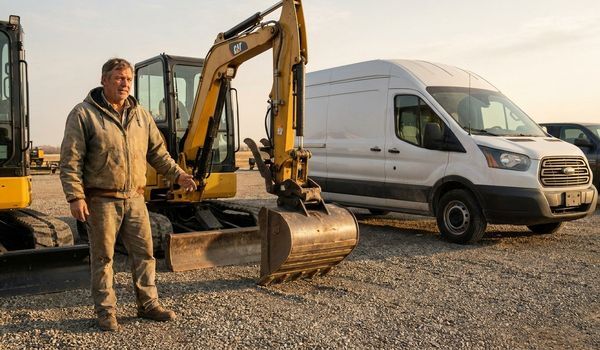
A general contractor specializing in residential and light commercial projects has won a large contract that requires access to a mini excavator and skid steer loader. Buying both outright would cost $120,000, which is not feasible from operating funds. Equipment financing covers 100% of the purchase cost with monthly payments structured around the contractor's project billing cycle. The equipment is immediately put to work on the contract, and the revenue generated makes repayment straightforward.
Scenario 6: Startup Food Business Accessing a Microloan
A resident of Great Falls wants to launch a specialty food production business - Montana-sourced jams and preserves sold through local retailers and online. As a startup with no business credit history and modest personal savings, traditional loans are out of reach. Instead, the entrepreneur applies for an SBA microloan through a Montana-based nonprofit intermediary. The $25,000 microloan, combined with a small business development center consultation to prepare the business plan, provides the capital to purchase equipment, develop packaging, and build initial inventory for launch.

Comparing Small Business Loan Options for Great Falls Entrepreneurs
Not all loans are created equal, and the right choice depends on your specific situation. The table below offers a side-by-side comparison of the most common options available to Great Falls business owners.
| Loan Type | Typical Amount | Speed | Credit Needed | Best For |
|---|---|---|---|---|
| SBA 7(a) Loan | Up to $5M | 60-90 days | 640+ | Major investments, acquisitions |
| Term Loan (Alternative) | $10K - $500K | 1-3 days | 550+ | Equipment, renovations, growth |
| Business Line of Credit | $10K - $500K | 1-5 days | 600+ | Cash flow gaps, seasonal needs |
| Equipment Financing | $5K - $5M+ | 1-5 days | 580+ | Machinery, vehicles, technology |
| SBA Microloan | Up to $50K | 30-60 days | Flexible | Startups, early-stage businesses |
| Merchant Cash Advance | $5K - $250K | 24-48 hours | 500+ | Short-term needs, card-heavy businesses |
According to CNBC Select, the average small business loan amount varies widely by lender type, with SBA loans averaging over $600,000 and alternative lender loans typically ranging from $50,000 to $150,000 for most small businesses. Choosing the right product is about matching your specific need, timeline, and qualifications - not just seeking the highest possible approval.
Montana Resource: The Montana Small Business Development Center (SBDC) offers free consulting services to entrepreneurs statewide, including help navigating loan applications, building business plans, and identifying appropriate funding sources. The SBDC network is funded in part by the SBA and state of Montana.
Frequently Asked Questions
What credit score do I need to qualify for a small business loan in Great Falls, Montana?
Requirements vary by lender and loan type. SBA loans typically require a personal credit score of at least 640 to 680. Traditional bank loans usually require 680 or above. Alternative lenders like Crestmont Capital work with business owners with scores as low as 550, depending on other factors like revenue and time in business. The stronger your credit, the more options you have and the better the rates you will be offered.
How long does it take to get a business loan in Great Falls?
It depends on the lender. Alternative and online lenders can approve and fund loans in as little as 24 to 48 hours after a complete application is submitted. Traditional bank loans typically take two to four weeks. SBA loans are the slowest, often requiring 60 to 90 days for full approval and funding due to additional documentation and review requirements.
Can a startup in Great Falls get a small business loan?
Startups face more challenges accessing traditional financing since lenders cannot evaluate business revenue history. Options for startups include SBA microloans (up to $50,000), USDA rural development programs, nonprofit microlenders, personal loans, and some alternative lenders that focus on the entrepreneur's profile rather than business history. The Montana SBDC can help startups identify appropriate programs and prepare strong applications.
What is the SBA microloan program and is it available in Great Falls?
The SBA microloan program provides loans up to $50,000 through nonprofit intermediary lenders. It is specifically designed for startups and small businesses that need modest capital and may not qualify for larger loans. Montana has SBA-approved microloan intermediaries that serve Great Falls businesses. These programs often come with business mentoring and technical assistance as part of the package.
Does Montana's lack of sales tax affect my loan options?
Montana's no-sales-tax environment does not directly affect loan eligibility, but it can improve your business's financial profile. Businesses in Montana often have slightly better margins than comparable businesses in sales-tax states because their pricing is more competitive and their overhead is lower. Stronger margins and better cash flow can make your loan application more attractive to lenders.
What documents do I need to apply for a small business loan in Great Falls?
For alternative lenders, you typically need three to six months of business bank statements, a government-issued ID, and basic business information (name, EIN, industry). For bank loans and SBA loans, expect to provide two to three years of business and personal tax returns, profit and loss statements, a balance sheet, business licenses, and potentially a business plan. Having these documents organized before you start the application can cut processing time significantly.
Can I use a business loan to buy commercial real estate in Great Falls?
Yes. SBA 7(a) and SBA 504 loans are commonly used to purchase or refinance commercial real estate. The SBA 504 program is specifically designed for owner-occupied commercial real estate and offers fixed-rate, long-term financing up to $5.5 million. Commercial mortgage loans from banks are also an option. Great Falls has relatively affordable commercial real estate compared to larger Montana markets like Bozeman, which makes property ownership an achievable goal for many local business owners.
How does a business line of credit work compared to a term loan?
A term loan provides a fixed lump sum that is repaid on a set schedule with interest calculated on the full balance. A business line of credit gives you a revolving pool of capital you can draw from and repay repeatedly. With a line of credit, you only pay interest on the funds you have drawn, and as you repay the balance, your available credit renews. Term loans are better for one-time investments with a clear cost; lines of credit are better for ongoing or unpredictable cash flow needs.
What is the best loan option for a seasonal business in Great Falls?
Seasonal businesses in Great Falls - outdoor recreation retailers, agricultural suppliers, tourism-adjacent operations - typically benefit most from a revolving business line of credit. This allows owners to draw capital in the ramp-up period before peak season (for inventory, staffing, or marketing) and then repay the balance as revenue flows in during the busy months. Some lenders also offer seasonal loan structures that align repayment schedules with business revenue patterns.
What is equipment financing and how does it differ from a general business loan?
Equipment financing is a loan specifically for purchasing business equipment, where the equipment itself serves as collateral. Because the lender has a claim on a tangible asset, these loans often come with lower rates and more flexible qualification requirements than unsecured business loans. The loan term typically matches the useful life of the equipment. Unlike a general term loan, equipment financing is restricted to the equipment purchase - you cannot use it for other operating expenses.
Are there grants available for small businesses in Great Falls, Montana?
Yes, though grants are competitive and typically limited in scope. The Montana Department of Commerce administers several programs including the Big Sky Economic Development Trust Fund, which can provide grants to businesses creating jobs. The USDA offers rural business development grants for qualifying rural areas. Local organizations like the Great Falls Development Authority occasionally administer targeted grant or incentive programs. Grants are best viewed as a supplement to, not a replacement for, debt financing.
How does my business credit score affect my loan application?
Business credit scores (Dun and Bradstreet PAYDEX, Experian Business, Equifax Business) are separate from your personal credit score and reflect your company's track record of paying suppliers, vendors, and lenders on time. Strong business credit can reduce the weight placed on your personal credit in loan decisions and may help you qualify for larger amounts or better rates. Building business credit involves obtaining a DUNS number, opening business credit accounts, and paying all business obligations on time and in full.
What happens if I cannot repay my business loan?
If you experience difficulty repaying a business loan, contact your lender immediately. Most lenders prefer to work out a modification or restructuring plan rather than default, as the collection process is costly for them as well. Options may include a payment deferral, extended term, or reduced payment period. For SBA loans, there are specific hardship accommodation processes. Defaulting on a secured loan can result in the lender seizing the collateral, and personal guarantees make business loan defaults a personal financial matter as well.
Can I get a business loan with no collateral?
Yes. Unsecured business loans do not require specific collateral but often require a personal guarantee, meaning you personally guarantee repayment even if the business cannot pay. Unsecured loans are available from alternative lenders in amounts ranging from $10,000 to $500,000 or more, depending on your revenue and credit profile. They typically carry slightly higher rates than secured loans to compensate the lender for the added risk, but they are a viable option for businesses without significant assets.
How do I choose between an SBA loan and an alternative lender like Crestmont Capital?
The choice depends on your priorities. If you want the lowest possible rate and a long repayment term, and you can afford to wait two to three months for funding, an SBA loan is worth pursuing. If you need capital quickly, have a less-than-perfect credit profile, or want a simpler application process, an alternative lender like Crestmont Capital offers faster approvals and more flexibility, though typically at a somewhat higher cost. Many business owners use both over time - alternative financing for immediate needs and SBA loans for major long-term investments.
How to Get Started with Small Business Loans in Great Falls
Before applying anywhere, pull your business bank statements, check your credit score, and calculate your monthly revenue. Knowing where you stand helps you choose the right lender and loan product from the start.
Complete our quick application at offers.crestmontcapital.com/apply-now. The process takes just a few minutes and you can receive a decision the same day in many cases.
A Crestmont Capital advisor will review your business needs and match you with the best financing option for your situation, whether that is a term loan, line of credit, SBA loan, or equipment financing.
Once approved, receive your funds often within 24 to 48 hours and put them to work. Whether you are expanding, hiring, buying equipment, or bridging a cash flow gap, capital is what turns your plans into reality.
Conclusion
Great Falls, Montana offers a genuinely compelling environment for small business owners. A no-sales-tax state, affordable commercial real estate, a stable military and healthcare economy, and a regional retail draw combine to create real opportunity for entrepreneurs willing to invest in this community. The key is having the right financing in place to move when the time is right.
Whether you need a long-term SBA loan for a major expansion, an equipment financing package for new machinery, or a fast working capital loan to seize a seasonal opportunity, the right lender can make all the difference. Small business loans in Great Falls, Montana are more accessible than many entrepreneurs realize - especially with lenders like Crestmont Capital who evaluate your full business profile rather than relying on credit score alone.
Take the first step today. Apply online, speak with a financing specialist, and find out what you qualify for. Great Falls businesses have built something worth growing. We are here to help you do exactly that.
Apply Now - No Obligation
Join thousands of small business owners who have secured financing through Crestmont Capital. Fast approvals, flexible terms, and real support for Montana entrepreneurs.
Get Started TodayDisclaimer: The information provided in this article is for general educational purposes only and is not financial, legal, or tax advice. Funding terms, qualifications, and product availability may vary and are subject to change without notice. Crestmont Capital does not guarantee approval, rates, or specific outcomes. For personalized information about your business funding options, contact our team directly.