
 (800) 949-0401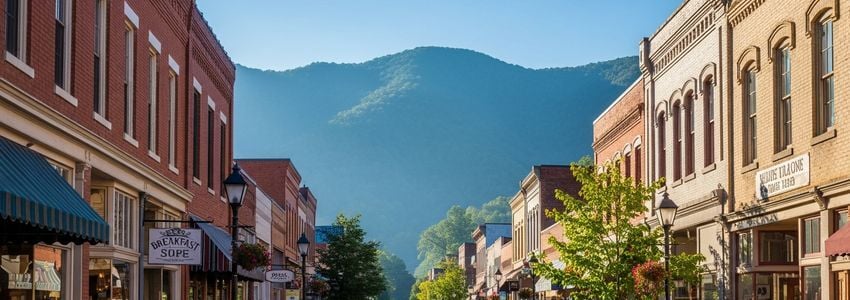
Small Business Loans in Asheville, North Carolina: The Complete 2026 Guide for Entrepreneurs
Navigating the world of commercial financing can be a significant challenge, but securing the right **small business loans in Asheville, North Carolina** is a critical step toward sustainable growth and success. This comprehensive 2026 guide is designed for Asheville's vibrant community of entrepreneurs, providing a detailed roadmap to understanding funding options, qualification requirements, and the local economic landscape. Whether you are looking to expand your brewery, purchase new equipment for your restaurant, or manage seasonal cash flow for your downtown retail shop, this guide will equip you with the knowledge to make informed financial decisions.In This Article
- What Types of Business Loans Are Available in Asheville?
- Understanding Asheville's Unique Business Landscape
- The Key Benefits of Securing Business Funding
- How to Qualify for a Small Business Loan in Asheville
- Typical Loan Amounts, Rates, and Terms
- What Types of Asheville Businesses Benefit Most from Funding?
- How Crestmont Capital Streamlines the Funding Process
- Real-World Scenarios: Putting Asheville Business Loans into Action
- Frequently Asked Questions (FAQ)
- How to Get Started
- Conclusion: Fueling Your Asheville Business Growth
What Types of Business Loans Are Available in Asheville?
Asheville entrepreneurs have access to a diverse array of funding solutions, each designed to meet specific business needs. Understanding the differences between these products is the first step in choosing the right path for your company. From government-backed programs to flexible alternative financing, the options are plentiful.SBA Loans
The U.S. Small Business Administration (SBA) partners with lenders to offer government-guaranteed loans, which often feature favorable terms, lower down payments, and longer repayment periods. These are highly sought after but typically come with a more rigorous application process. For Asheville businesses, the most common types are:
- SBA 7(a) Loans: This is the SBA's most popular program, offering versatile funding up to $5 million. Funds can be used for a wide range of purposes, including working capital, refinancing debt, purchasing equipment, or buying real estate. The flexibility makes it an excellent choice for many established Asheville businesses looking for significant growth capital.
- SBA 504 Loans: This program provides long-term, fixed-rate financing for major fixed assets that promote business growth and job creation. Asheville businesses could use a 504 loan to purchase or construct a new building, such as a larger brewery facility or a new medical office. These loans are structured with a bank, a Certified Development Company (CDC), and the business owner.
- SBA Microloans: For startups and smaller businesses needing less capital, microloans offer amounts up to $50,000. These are often distributed through nonprofit, community-based intermediary lenders and can be used for inventory, supplies, or working capital. They are a great entry point for new entrepreneurs in the River Arts District or West Asheville.
For more details on these programs, you can explore the official SBA funding programs website.
Term Loans
A traditional term loan provides a lump sum of capital that you repay with interest over a fixed period. These loans are predictable and ideal for large, one-time investments. A restaurant in Biltmore Village might use a term loan to fund a major renovation, or a tech company downtown could use it to finance a software development project. Lenders will assess your credit history, revenue, and time in business to determine your eligibility and terms. Crestmont Capital offers various small business loans with competitive terms tailored to your specific needs.
Business Line of Credit
A business line of credit offers flexibility that term loans do not. It functions like a credit card for your business, giving you access to a set amount of capital that you can draw from as needed. You only pay interest on the funds you use, and as you repay the balance, your available credit is replenished. This is perfect for managing cash flow fluctuations common in Asheville's tourism-driven economy, covering unexpected expenses, or seizing opportunities without needing to apply for a new loan each time.
Equipment Financing
For many Asheville businesses-from breweries and restaurants to construction companies and healthcare providers-specialized equipment is essential. Equipment financing allows you to purchase necessary machinery, vehicles, or technology without a large upfront cash outlay. The equipment itself typically serves as collateral for the loan, which can make this option easier to qualify for than other types of unsecured financing. This is an ideal solution for a South Slope brewery needing new fermentation tanks or a local contractor upgrading their fleet of vehicles.
Working Capital Loans
Short-term cash flow gaps can challenge even the most successful businesses. Unsecured working capital loans are designed to provide quick access to funds to cover day-to-day operational expenses like payroll, rent, inventory, and marketing. These loans are particularly valuable for seasonal businesses in Asheville that experience revenue peaks and valleys, ensuring they have the capital to operate smoothly during the slower months.
Merchant Cash Advance (MCA)
A merchant cash advance is not a traditional loan but rather an advance on your future credit and debit card sales. A lender provides a lump sum of cash in exchange for a percentage of your daily sales until the advance is repaid. While MCAs offer very fast funding and are accessible to businesses with lower credit scores, they typically come with higher costs. This option might be suitable for a retail shop or cafe in downtown Asheville that needs immediate cash and has a high volume of card transactions.
Invoice Financing (Factoring)
For B2B companies that deal with long payment cycles, invoice financing can be a lifeline. Instead of waiting 30, 60, or 90 days for clients to pay their invoices, you can sell your outstanding invoices to a factoring company for an immediate cash advance (typically 80-90% of the invoice value). Once your client pays the invoice, the factoring company releases the remaining balance, minus their fee. This helps improve cash flow for service-based businesses in Asheville, such as marketing agencies or IT consultants.
Ready to Grow Your Asheville Business?
Don't let a lack of capital hold you back. Discover the best funding options for your unique goals in Asheville.
Apply Now ->Understanding Asheville's Unique Business Landscape
Asheville's economy is a dynamic mix of creativity, tourism, and innovation, nestled in the stunning Blue Ridge Mountains. This unique environment creates specific opportunities and challenges for small businesses, directly influencing their funding needs.The Pillars of Asheville's Economy
Several key sectors drive the local economy, and businesses within these industries often have distinct financial requirements:
- Tourism and Hospitality: As a world-renowned tourist destination, Asheville's economy is heavily reliant on hotels, bed and breakfasts, vacation rentals, restaurants, and tour operators. These businesses often face seasonal revenue swings and require capital for marketing to attract visitors, renovating properties, and managing cash flow during the off-season.
- Craft Beverage and Food Scene: Asheville is famous for its craft breweries, distilleries, and a vibrant farm-to-table restaurant culture. These businesses need significant capital for specialized brewing equipment, kitchen upgrades, sourcing local ingredients, and expanding their taprooms or dining spaces to accommodate growing demand.
- Arts and Culture: The River Arts District and numerous downtown galleries are home to a thriving community of artists and craftspeople. These small businesses and sole proprietors may need funding for studio space, materials, marketing their work, and participating in craft fairs and exhibitions.
- Outdoor Recreation: With access to countless hiking trails, rivers, and scenic parkways, the outdoor industry is booming. Retailers selling gear, guide services, and adventure tourism companies need funding for inventory, vehicles, insurance, and marketing to a national audience of outdoor enthusiasts.
- Healthcare and Wellness: Asheville is a regional hub for healthcare, with a growing wellness and alternative medicine sector. Medical practices, dental offices, and wellness centers often need financing for state-of-the-art medical equipment, facility expansion, and technology upgrades.
- Technology and Professional Services: A growing tech scene is emerging in Asheville, with startups and established firms in software development, climate science, and digital marketing. These companies require capital for talent acquisition, research and development, and scaling their operations.
Economic Insight: According to the U.S. Census Bureau, Buncombe County, where Asheville is located, is home to over 24,000 employer establishments. The vast majority of these are small businesses, highlighting the critical role of accessible financing in sustaining the local economy.
Local Challenges and Opportunities
Operating a business in Asheville comes with its own set of considerations. The high cost of commercial real estate, a competitive labor market, and the seasonality of tourism can present financial hurdles. However, the city's strong brand, passionate local consumer base, and collaborative business community create immense opportunities for growth.
Securing a small business loan can help you overcome these challenges by providing the capital to secure a prime location, offer competitive wages, or invest in marketing that extends your reach beyond the peak tourist season. By understanding these local dynamics, you can better position your funding request to align with your strategic goals and the realities of the Asheville market.
The Key Benefits of Securing Business Funding
Access to capital is more than just a financial transaction; it is a strategic tool that can unlock potential and propel your business forward. For Asheville entrepreneurs, the benefits of securing a small business loan are multifaceted and can be transformative.Fueling Expansion and Growth
The most common reason businesses seek funding is to grow. A loan can provide the necessary capital to open a second location, expand your current facility, or enter a new market. For an Asheville brewery, this could mean building a larger production facility to begin distribution. For a downtown retailer, it could mean launching an e-commerce platform to reach a national audience.
Purchasing Essential Equipment and Technology
Staying competitive often requires investing in the latest equipment and technology. Whether it is a new point-of-sale system for a cafe, advanced diagnostic tools for an auto repair shop, or new brewing tanks, financing allows you to acquire these assets without depleting your cash reserves. This improves efficiency, enhances product quality, and can ultimately boost your bottom line.
Managing Cash Flow and Working Capital
Consistent cash flow is the lifeblood of any small business. Funding solutions like a business line of credit or a working capital loan provide a crucial safety net. This is especially important for Asheville's seasonal businesses, which can use these funds to cover payroll, rent, and other fixed costs during slower months, ensuring stability and readiness for the busy season.
Boosting Inventory Levels
Having the right amount of inventory is critical for meeting customer demand, particularly during peak seasons like fall leaf peeping or summer vacation. A loan can allow you to purchase inventory in bulk, often at a discount, ensuring you never miss a sale due to stockouts. This is vital for retailers in Biltmore Village, outdoor gear shops, and local artisan boutiques.
Investing in Marketing and Advertising
You can have the best product or service in Asheville, but if no one knows about it, growth will be slow. A business loan can fund a comprehensive marketing strategy to increase brand awareness, attract new customers, and drive sales. This could include digital advertising campaigns, website development, or participating in local festivals and events to enhance visibility.
Hiring and Training a Talented Team
As your business grows, you will need to expand your team. Funding can cover the costs of recruiting, hiring, and training new employees. In a competitive labor market like Asheville's, offering attractive salaries and benefits is key to attracting top talent, and a loan can provide the financial stability to do so.
By the Numbers
Asheville, NC Small Business Financing - Key Statistics
24,000+
Employer firms in Buncombe County, forming the backbone of the local economy. (Source: U.S. Census Bureau)
$1.2B+
In SBA 7(a) and 504 loans approved in North Carolina in FY 2023, supporting thousands of businesses. (Source: SBA.gov)
Top 3 Industries
Accommodation & Food Services, Health Care, and Retail Trade are the largest employment sectors in the area.
8.5%
Growth in private nonfarm establishments in Buncombe County from 2017-2022, indicating a dynamic business environment.
How to Qualify for a Small Business Loan in Asheville
Qualifying for a business loan requires preparation and a clear understanding of what lenders look for. While specific requirements vary by lender and loan type, several key factors consistently influence the decision-making process.The 5 Cs of Credit
Most lenders, from traditional banks to online financiers, evaluate your application based on a framework known as the "5 Cs of Credit":

- Character: This refers to your personal and business credit history. Lenders want to see a track record of responsible financial management and timely payments. A strong credit score demonstrates reliability.
- Capacity: This is your ability to repay the loan. Lenders will analyze your business's cash flow, revenue, and existing debt to calculate your debt-to-income ratio and ensure you can handle the new loan payments.
- Capital: This refers to the amount of money you have personally invested in the business. A significant personal investment shows lenders that you are committed to the success of your venture and have "skin in the game."
- Collateral: For secured loans, collateral is an asset (such as real estate, equipment, or inventory) that you pledge to the lender. If you default on the loan, the lender can seize the collateral to recoup their losses. Strong collateral can improve your chances of approval and lead to better terms.
- Conditions: This encompasses the purpose of the loan, the amount you are requesting, and the prevailing economic conditions. Lenders want to see that you have a clear, strategic plan for using the funds and that market conditions are favorable for your industry in Asheville.
Key Metrics and Documentation
To assess the 5 Cs, lenders will require specific documentation. Being prepared with these documents can significantly speed up the application process.
- Credit Score: Both personal and business credit scores are crucial. While some alternative lenders work with lower scores, traditional banks and SBA loans typically require a personal credit score of 680 or higher. If you have a less-than-perfect credit history, options for bad credit business loans are available, though they may have higher rates.
- Time in Business: Most lenders prefer to work with businesses that have been in operation for at least one to two years. A longer history demonstrates stability and a proven business model. Startups may need to look at specific programs like SBA microloans or seek funding from investors.
- Annual Revenue: Your annual revenue is a primary indicator of your capacity to repay a loan. Lenders will have minimum revenue requirements, which can range from $100,000 to $250,000 or more per year, depending on the loan product.
- Business Plan: For larger loans or startups, a comprehensive business plan is often required. This should include an executive summary, company description, market analysis, organizational structure, and detailed financial projections.
- Financial Documents: Be prepared to provide several months of business bank statements, recent tax returns (both business and personal), and financial statements like a profit and loss statement and balance sheet.
Explore Flexible Funding Options in the Blue Ridge Mountains
Our simple application process connects Asheville business owners with the capital they need to thrive.
Get Started Today ->Typical Loan Amounts, Rates, and Terms
The financial specifics of a business loan can vary dramatically based on the lender, the type of loan, and your business's financial health. Understanding the typical ranges for loan amounts, interest rates, and repayment terms can help you set realistic expectations for your Asheville business.Loan Amounts
The amount of capital you can secure depends on your needs and qualifications. The spectrum is broad:
- Microloans & Small Working Capital Loans: $5,000 - $50,000. These are ideal for covering minor expenses, purchasing small pieces of equipment, or managing a temporary cash flow dip.
- Standard Term Loans & Lines of Credit: $50,000 - $500,000. This range covers more substantial investments like hiring several new employees, launching a major marketing campaign, or purchasing significant inventory.
- SBA 7(a) Loans & Large Commercial Loans: $500,000 - $5 million+. These are reserved for major projects such as acquiring another business, purchasing commercial real estate, or funding a large-scale expansion.
The approved loan amount will be based on your business's annual revenue, profitability, and ability to service the debt. Lenders want to ensure the loan amount is appropriate for your capacity to repay.
Interest Rates
Interest rates are the cost of borrowing money and are one of the most important factors to consider. Rates are influenced by your credit score, the loan type, and the overall risk profile of your business.
- Prime Rates (SBA Loans & Bank Loans): These offer the lowest rates, often tied to the prime rate plus a small margin. They are typically reserved for the most qualified borrowers with excellent credit and strong financials.
- Mid-Range Rates (Online Lenders & Term Loans): Rates from reputable online lenders and for standard term loans are competitive but generally higher than a traditional bank loan. They offer a balance of speed and cost.
- Higher Rates (MCAs & Short-Term Loans): Funding options like Merchant Cash Advances use a "factor rate" instead of an APR, which can be significantly more expensive. These are best used for short-term, urgent needs when other options are not available.
A recent Forbes Advisor article highlights that business loan rates can range widely, making it crucial to compare offers from multiple lenders.
Repayment Terms
The repayment term is the length of time you have to pay back the loan. Longer terms result in lower monthly payments but higher total interest paid, while shorter terms mean higher payments but less interest over the life of the loan.
- Short-Term: 3 - 24 months. Common for working capital loans and MCAs, designed for quick repayment.
- Medium-Term: 2 - 5 years. Typical for term loans used for equipment purchases or business expansion projects.
- Long-Term: 10 - 25 years. Generally associated with SBA loans and commercial real estate financing, allowing for large investments to be paid off over an extended period.
What Types of Asheville Businesses Benefit Most from Funding?
Virtually any small business in Asheville can benefit from the right type of funding at the right time. However, certain industries and business stages are particularly well-suited for specific loan products.Startups and New Businesses (Under 2 Years)
New businesses face the greatest challenge in securing traditional financing. However, options exist:
- SBA Microloans: Excellent for initial capital needs like purchasing inventory or basic equipment.
- Business Credit Cards: A good way to manage small expenses and build business credit.
- Personal Loans: Some entrepreneurs use personal loans to fund their initial startup costs, though this mixes personal and business finances.
Established Businesses Seeking Growth (2+ Years)
Businesses with a proven track record have more options available to them:
- Restaurants & Breweries: Can use equipment financing for kitchen or brewing gear and term loans for expanding their dining or patio space.
- Retail & E-commerce Shops: Benefit from a business line of credit to manage inventory and working capital loans to fund marketing for peak seasons.
- Construction & Trades: Heavily rely on equipment financing for vehicles and machinery. Invoice factoring can help manage cash flow while waiting for project payments.
- Medical & Dental Practices: Use term loans and equipment financing for acquiring expensive diagnostic technology and renovating their offices.
- Professional Services (Consultants, Agencies): A line of credit is ideal for managing payroll and expenses between client projects.
Statewide Context: The broader landscape for Small Business Loans in North Carolina is robust, with a supportive ecosystem of lenders and resources. Asheville businesses can tap into this statewide network for even more opportunities.
Businesses with Specific Needs
- Seasonal Businesses: Tour operators, outdoor outfitters, and holiday retailers in Asheville can use short-term working capital loans or lines of credit to bridge the gap during their off-seasons.
- Businesses with Poor Credit: While options are more limited, businesses with lower credit scores can explore MCAs or secured loans, using them as a stepping stone to rebuild credit and qualify for better products in the future.
How Crestmont Capital Streamlines the Funding Process
Navigating the lending landscape can be overwhelming. Working with a financial partner like Crestmont Capital provides Asheville business owners with a significant advantage. Instead of applying to dozens of lenders individually, we simplify the process and connect you with the best funding solutions for your specific situation.A Vast Network of Lenders
Crestmont Capital is a business lender. We have established relationships with a wide network of national and specialized lenders. This means we can match your business with the lender most likely to approve your application and offer the most favorable terms. Our network includes everything from SBA-preferred lenders to fast-moving alternative financiers.
Expert Guidance and Personalized Service
Our team of financing experts understands the nuances of different industries and loan products. We take the time to understand your business, your goals, and your financial situation. We then guide you through the process, helping you prepare your application, compare offers, and choose the loan that truly aligns with your strategic objectives. This personalized approach saves you time and eliminates the guesswork.
Speed and Efficiency
We know that in business, timing is everything. Our streamlined online application process is quick and simple. Once you apply, we work diligently to secure offers from our lending partners, often within 24-48 hours. This speed allows you to seize opportunities, address urgent needs, and get back to what you do best-running your Asheville business.
A Full Suite of Funding Products
Because we work with a diverse group of lenders, we can offer a comprehensive range of commercial financing products. Whether you need a long-term SBA loan, a flexible line of credit, or fast working capital, we have a solution. This one-stop-shop approach ensures you find the right fit without having to start your search from scratch for every funding need.
Real-World Scenarios: Putting Asheville Business Loans into Action
To better understand how these loan products apply in practice, let's explore a few hypothetical scenarios for Asheville-based businesses.Scenario 1: The South Slope Brewery Expansion
- The Business: "Blue Ridge Brews," a popular craft brewery in the South Slope district, is struggling to keep up with demand. They want to start canning their beer for regional distribution but need new fermentation tanks, a canning line, and a delivery vehicle.
- The Challenge: The total cost of the equipment and vehicle is $250,000, a sum they do not have in cash reserves.
- The Solution: The owners apply for an Equipment Financing agreement. Because the new equipment and vehicle serve as collateral, the application process is straightforward. They secure a 5-year loan that covers 100% of the cost.
- The Outcome: Blue Ridge Brews installs the new equipment and begins distribution within three months. The increased revenue from can sales easily covers the monthly loan payments and generates significant new profit, allowing them to hire two more employees.
Scenario 2: The Downtown Boutique's Seasonal Inventory
- The Business: "Mountain Threads," a clothing boutique on Patton Avenue, experiences a major sales surge during the fall tourist season. To capitalize on this, the owner needs to purchase $75,000 worth of inventory in late summer.
- The Challenge: Purchasing the inventory would deplete her working capital, leaving her unable to cover payroll and rent before the fall revenue starts coming in.
- The Solution: The owner secures a Business Line of Credit for $100,000. She draws $75,000 to purchase the fall collection. As sales ramp up in September and October, she uses the revenue to pay down the balance on the line of credit.
- The Outcome: The boutique has its best fall season ever, with fully stocked shelves meeting high customer demand. By December, the line of credit is paid off, and she retains the remaining credit line as a safety net for future cash flow needs.
Scenario 3: The West Asheville Restaurant Renovation
- The Business: "West End Eatery," a beloved farm-to-table restaurant, has an outdated dining room and kitchen that are hurting efficiency and customer experience. The owner wants to do a complete renovation, estimated at $150,000.
- The Challenge: The owner has strong credit and has been in business for eight years, but her local bank's loan process is slow and requires a large down payment.
- The Solution: She applies for a Term Loan through Crestmont Capital. Within a few days, she receives multiple offers from online lenders. She chooses a 4-year term loan with a competitive interest rate and a fast funding timeline.
- The Outcome: The funds are in her account within a week. She closes the restaurant for three weeks to complete the renovation. Upon reopening, the refreshed ambiance and more efficient kitchen lead to a 30% increase in nightly covers and rave reviews, justifying the investment.
Scenario 4: The Biltmore Village Inn Upgrade
- The Business: A historic bed and breakfast near Biltmore Village needs to make significant capital improvements, including a new roof, updated HVAC systems, and purchasing a new property next door to expand. The total project cost is $1.2 million.
- The Challenge: This is a major, long-term investment that requires a loan with a favorable interest rate and a long repayment period to be feasible.
- The Solution: The owners work with a specialist to apply for an SBA 504 Loan. The loan is structured to cover the real estate acquisition and construction costs. The process is lengthy and requires extensive documentation, but the result is a 20-year, fixed-rate loan.
- The Outcome: The inn completes its renovations and expansion. The new rooms and improved amenities allow them to increase their rates and occupancy, and the stable, long-term loan payments are easily managed within their new, higher revenue stream.
Get Your Asheville Business Funded. Fast.
Time is money. Our efficient process connects you with capital quickly so you can focus on running your business.
Apply in Minutes ->Frequently Asked Questions (FAQ)
What is the easiest type of business loan to get in Asheville?
Generally, financing options that are secured by collateral (like equipment financing or invoice factoring) or based on sales volume (like a merchant cash advance) are easier to qualify for than unsecured loans. They place less emphasis on credit score and time in business. However, "easy" often comes with higher costs, so it's important to weigh the trade-offs.
How much can I borrow for my small business in Asheville?
Loan amounts can range from as little as $5,000 for a microloan to over $5 million for an SBA 504 or commercial real estate loan. The amount you can borrow depends on your business's annual revenue, profitability, credit history, and the specific purpose of the loan. A lender will assess your capacity to repay to determine the maximum approved amount.
What credit score do I need for a small business loan?
For traditional bank loans and SBA loans, a personal credit score of 680+ is typically required. Many online lenders are more flexible, with minimums often in the 600-650 range. Options like merchant cash advances may be available for business owners with scores below 600, but the rates will be significantly higher.
How long does it take to get funded?
The time to funding varies greatly by loan type. A merchant cash advance or a short-term working capital loan can often be funded in 1-3 business days. A term loan from an online lender may take 3-10 days. A traditional bank loan or an SBA loan is a much longer process, often taking anywhere from 30 to 90 days or more from application to funding.
Can I get a business loan for a startup in Asheville?
Yes, but options are more limited. Startups lack the financial history that most lenders require. The best options for startups include SBA microloans, business credit cards, personal loans, or seeking funding from friends, family, or angel investors. Some lenders may consider funding a startup if the owner has excellent personal credit and a strong, detailed business plan.
What can I use the funds from a business loan for?
This depends on the loan type. Working capital loans and lines of credit are flexible and can be used for nearly any business expense, including payroll, inventory, and marketing. Term loans are for specific, large investments. Equipment financing must be used to purchase equipment, and SBA 504 loans are for real estate and major fixed assets. Always be clear with your lender about the intended use of funds.
Do I need collateral to get a business loan in North Carolina?
Not always. Unsecured business loans and lines of credit do not require specific collateral, though they often require a personal guarantee. Secured loans, such as equipment financing or commercial mortgages, require you to pledge an asset that the lender can claim if you default. Providing collateral can often help you secure a larger loan amount or a lower interest rate.
What documents are required for a business loan application?
Commonly required documents include: 3-6 months of business bank statements, business and personal tax returns for the last 2-3 years, a government-issued photo ID, a voided business check, and financial statements (profit and loss, balance sheet). For larger or more complex loans, a business plan and detailed financial projections may also be necessary.
What is the difference between a term loan and a line of credit?
A term loan provides a one-time lump sum of cash that you repay in fixed installments over a set period. It is best for large, planned purchases. A line of credit gives you access to a revolving pool of funds that you can draw from and repay as needed, only paying interest on what you use. It is ideal for ongoing cash flow management and unexpected expenses.
Are there specific loan programs for businesses in Asheville?
While there are not many loan programs exclusive to Asheville, many North Carolina statewide and regional programs are available to Asheville entrepreneurs. Organizations like the Mountain BizWorks and the Carolina Small Business Development Fund are excellent local resources that offer financing and advisory services tailored to the needs of Western North Carolina businesses.
Can I get a business loan if my business is not yet profitable?
It can be more challenging, but it is possible. Lenders will look closely at your revenue trends, cash flow, and personal credit score. If your business shows strong revenue growth and a clear path to profitability, some lenders may be willing to provide funding. A strong business plan with detailed projections is crucial in these cases.
What is a personal guarantee and is it always required?
A personal guarantee is a legal promise from a business owner to be personally responsible for repaying a business loan if the business defaults. It is required for most small business loans, especially unsecured ones. This means if the business fails, the lender can pursue your personal assets (like your home or savings) to recoup their losses.
How do interest rates for business loans work?
Most business loans have either a fixed or variable interest rate. A fixed rate remains the same for the life of the loan, providing predictable payments. A variable rate is tied to a benchmark index (like the prime rate) and can fluctuate, meaning your payments could go up or down. Some financing, like an MCA, uses a factor rate, which is a fixed fee that is not an APR.
Will applying for a business loan affect my personal credit score?
Yes, it can. Most lenders will perform a "hard pull" or hard credit inquiry on your personal credit when you formally apply for a loan, which can temporarily lower your score by a few points. Many initial pre-qualification applications use a "soft pull," which does not affect your score. It is best to complete all your loan applications within a short period (e.g., 14 days) so that credit bureaus treat them as a single inquiry.
What are the main differences between a bank loan and an online lender loan?
Bank loans typically offer the lowest interest rates and best terms but have a very strict underwriting process and can take months to fund. Online lenders offer much faster funding (often within days) and have more flexible qualification requirements, but their rates are usually higher than those of a traditional bank. The best choice depends on your priorities: cost versus speed and convenience.
How to Get Started
Taking the next step toward securing funding for your Asheville business is a straightforward process. By following these steps, you can prepare a strong application and position your company for success.
Assess Your Needs and Financial Health
Before applying, clearly define how much capital you need and exactly how you will use it. Review your business's financial health, including your credit score, annual revenue, and cash flow. This self-assessment will help you identify the most appropriate loan types.
Gather Your Documentation
Collect all the necessary paperwork, including bank statements, tax returns, financial statements, and any other documents required by lenders. Having everything organized in advance will dramatically speed up the application process.
Complete Our Simple Online Application
Fill out the Crestmont Capital online application. It takes just a few minutes and provides our team with the information we need to start matching you with the best lending partners for your Asheville business.
Review and Compare Your Offers
Once you submit your application, our team will get to work. You will receive offers from various lenders, which you can then review with the help of your dedicated financing expert. We will help you understand the terms, rates, and fees so you can make a confident, informed decision.
Conclusion: Fueling Your Asheville Business Growth
Asheville's dynamic and creative business environment offers boundless opportunities for entrepreneurs who are prepared to seize them. Securing the right small business loan is often the catalyst that transforms potential into reality, enabling you to expand your operations, invest in critical equipment, and navigate the unique economic currents of Western North Carolina. The journey to obtaining funding requires careful preparation, a clear understanding of your options, and a strong financial partner. From versatile North Carolina small business financing options like SBA loans to fast and flexible solutions like lines of credit and working capital loans, there is a product designed to meet your specific needs. By assessing your business's health, gathering your documentation, and working with an expert team, you can confidently navigate the lending landscape. Crestmont Capital is committed to empowering Asheville business owners by simplifying the funding process and connecting you with the capital you need to thrive in 2026 and beyond.Disclaimer: The information provided in this article is for general educational purposes only and is not financial, legal, or tax advice. Funding terms, qualifications, and product availability may vary and are subject to change without notice. Crestmont Capital does not guarantee approval, rates, or specific outcomes. For personalized information about your business funding options, contact our team directly.








