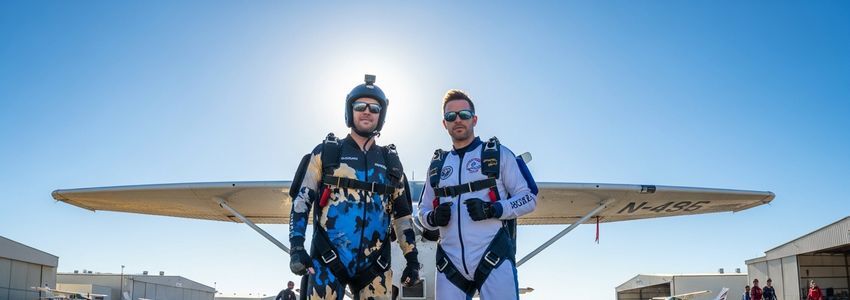
Running a skydiving operation is one of the most exhilarating businesses in the adventure sports industry. But between maintaining aircraft, purchasing parachute equipment, training instructors, and managing liability insurance, the financial demands can be just as intense as a freefall. Whether you own a dropzone, run a tandem jump operation, or offer skydiving instruction and training, access to capital is essential to keeping your business airborne.
Skydiving business loans provide the working capital you need to invest in safety equipment, aircraft maintenance, staffing, marketing, and facility upgrades. In this complete guide, you will learn about every financing option available to skydiving companies, what lenders look for, how to qualify, and how to get funded fast.
In This Article
- Why Skydiving Businesses Need Financing
- Types of Skydiving Business Loans
- How Much Can You Borrow?
- Qualification Requirements
- Skydiving Industry: Key Stats and Trends
- How Crestmont Capital Helps Skydiving Businesses
- Best Uses of Funding for Skydiving Companies
- Tips for Getting Approved
- How to Get Started
- Frequently Asked Questions
Why Skydiving Businesses Need Financing
Skydiving is a capital-intensive industry. Unlike many service businesses, a skydiving operation requires expensive, specialized assets that must be constantly maintained and upgraded to meet Federal Aviation Administration (FAA) safety standards and United States Parachute Association (USPA) guidelines. Here is a closer look at the financial realities that make business financing so important for skydiving operations.
Aircraft Costs
Aircraft are the single largest capital expense for most skydiving companies. A used Cessna 182 suitable for small operations can cost $80,000 to $150,000, while larger jump planes like the Cessna 208 Caravan or PAC 750 XSTOL can run $500,000 to $2 million or more. Annual maintenance, engine overhauls, avionics upgrades, and FAA-mandated inspections add tens of thousands of dollars per year per aircraft.
Parachute and Safety Equipment
A complete tandem parachute system with reserve costs $8,000 to $15,000. Sport rigs for AFF (Accelerated Freefall) instruction cost $6,000 to $12,000 each. Most dropzones maintain a fleet of 10 to 50 systems, which represents an investment of $100,000 to $500,000 before any other expenses. Parachutes require reserve repacks every 180 days, and most components have a limited service life, requiring ongoing replacement.
Insurance Premiums
Liability insurance for skydiving businesses is among the most expensive in any industry. Annual premiums typically range from $20,000 to $100,000 or more depending on jump volume, aircraft owned, and coverage limits. Seasonal operators often face lump-sum renewal premiums that strain cash flow.
Seasonal Cash Flow Gaps
Most skydiving operations are highly seasonal, with the majority of revenue concentrated in spring and summer months. During the off-season, businesses still face fixed costs including insurance, hangar rent, loan payments, and staff retention. Financing helps bridge these gaps and keep operations running year-round.
Facility and Training Investments
Opening a new dropzone, building a landing area, installing a wind tunnel, or constructing a classroom and packing area all require significant upfront capital. Even improving an existing facility with updated bathrooms, a student briefing room, or a retail store requires funding beyond typical cash reserves.
Did You Know?
According to the USPA, there are over 230 USPA Group Member dropzones in the United States. The industry collectively facilitates more than 3.3 million skydives per year, representing billions of dollars in combined annual revenue.
Ready to Finance Your Skydiving Business?
Crestmont Capital works with adventure sports businesses just like yours. Get funded in as little as 24 hours with flexible terms designed for seasonal operators.
Apply Now - It Only Takes 5 MinutesTypes of Skydiving Business Loans
There is no single "skydiving loan" product. Instead, skydiving business owners use a range of financing tools depending on their needs, credit profile, and time in business. Here is a breakdown of the most common options.
Term Loans
A term loan provides a lump sum of capital repaid over a fixed schedule, typically 12 to 60 months. Term loans are ideal for large one-time investments such as purchasing a jump plane, acquiring another dropzone, or building a facility. Online lenders may approve term loans up to $500,000 in as little as 24 hours, while SBA-backed term loans can reach $5 million with lower interest rates and longer repayment periods.
Best for: Aircraft purchases, facility construction, business acquisitions
Typical loan amounts: $25,000 to $2 million
Repayment terms: 12 to 84 months
Interest rates: 7% to 35% depending on creditworthiness and lender type
Business Line of Credit
A business line of credit gives you access to a revolving pool of capital you can draw on as needed. You only pay interest on what you use, making it a cost-effective tool for managing cash flow gaps, covering payroll during the off-season, or handling unexpected equipment repairs. Lines of credit typically range from $10,000 to $500,000.
Best for: Seasonal cash flow management, emergency repairs, operational expenses
Typical amounts: $10,000 to $500,000
Draw period: Revolving, often 12 to 24 months with renewal options
Equipment Financing
Equipment financing allows you to purchase aircraft, parachute systems, wind tunnels, vehicles, and other assets using the equipment itself as collateral. This reduces the need for additional collateral and typically results in lower interest rates than unsecured loans. Equipment loans commonly cover up to 100% of the purchase price, though many lenders require a 10% to 20% down payment for aviation assets.
Best for: Jump planes, tandem rigs, sport parachute systems, vehicles, wind tunnels
Typical amounts: $20,000 to $5 million
Repayment terms: 24 to 84 months
SBA Loans
SBA loans are government-backed financing products administered through approved lenders. The SBA 7(a) loan is the most common, offering up to $5 million with rates typically 2.75% to 4.75% above prime. SBA 504 loans are designed for real estate and major equipment purchases, with fixed rates and terms up to 25 years. While SBA loans offer excellent rates, the application process can take 30 to 90 days, making them less ideal for urgent funding needs.
Best for: Large equipment purchases, real estate, long-term financing at low rates
Typical amounts: $50,000 to $5 million
Repayment terms: Up to 25 years (real estate), up to 10 years (working capital)
Working Capital Loans
Working capital loans are short-to-medium-term loans designed specifically to fund day-to-day operations. They are ideal for skydiving companies facing seasonal cash flow gaps, insurance renewal costs, or payroll obligations during slower months. Approval is typically faster than SBA loans, and some lenders can fund in 24 to 48 hours.
Best for: Insurance premiums, payroll, seasonal expenses, supplies
Typical amounts: $10,000 to $500,000
Repayment terms: 3 to 36 months
Merchant Cash Advance
A merchant cash advance (MCA) provides a lump sum in exchange for a percentage of future daily credit and debit card sales. MCAs are fast - funds can arrive in 24 hours - but they carry higher effective rates than traditional loans. They are best used as a last resort or for businesses with very high credit card revenue volume and a short-term cash need.
Best for: Very short-term cash needs, high credit card revenue operations
Typical amounts: $5,000 to $500,000
Factor rates: 1.1 to 1.5
Revenue-Based Financing
Revenue-based financing lets you borrow against your future revenue, repaying a fixed percentage of monthly sales rather than a fixed monthly payment. This structure is particularly appealing for seasonal businesses like skydiving operations because payments automatically scale down during slow winter months and up during busy summer months.
Best for: Seasonal businesses, variable revenue operations
Typical amounts: $10,000 to $3 million
How Much Can You Borrow?
The amount you can borrow depends on your annual revenue, time in business, credit score, and the specific financing product you choose. Here is a general overview:
Skydiving Business Loan Amounts by Product Type
Amounts vary by lender. Individual qualifications apply.
As a general rule, lenders will approve loans up to 15% to 20% of your annual gross revenue for working capital loans, and up to 100% of an asset's value for equipment financing. If your dropzone generates $800,000 per year in revenue, you might qualify for a working capital loan of $120,000 to $160,000 or an equipment loan covering the full cost of a jump plane.
Qualification Requirements for Skydiving Business Loans
Lenders evaluate skydiving businesses using the same criteria they apply to all business loan applicants, with a few industry-specific considerations. Here is what you need to know.
Time in Business
Most traditional lenders require at least 2 years in business, while online lenders and alternative financing companies often fund businesses with as little as 6 months of operating history. Newer operations may qualify for startup business loans or equipment financing with less history but may face higher rates.
Annual Revenue
Lenders typically require a minimum of $100,000 in annual gross revenue for most term loans and lines of credit. Some lenders work with businesses generating as little as $50,000 per year, though loan amounts will be smaller and rates higher. Strong seasonally-adjusted revenue trends work in your favor even if recent months appear slow.
Credit Score
For small business loans, lenders generally look for a personal credit score of at least 620 to 650 for online lenders and 680 to 700 for SBA and bank loans. Bad credit business loans are also available for business owners with lower scores, though they carry higher interest rates. Building your business credit profile separately can improve your terms over time.
Cash Flow
Lenders want to see that your business generates sufficient cash flow to service additional debt. The debt service coverage ratio (DSCR) is the most common metric - most lenders require a DSCR of at least 1.25, meaning your net operating income is at least 1.25 times your total debt payments. For seasonal businesses, lenders may annualize seasonal revenue rather than penalizing you for slow months.
Industry Risk Profile
Some conventional lenders classify aviation and adventure sports businesses as higher risk due to liability exposure and asset depreciation. This means you may face slightly higher rates or more thorough underwriting at traditional banks. Alternative lenders and specialized equipment financiers often have more experience funding aviation-related businesses and may offer more competitive terms.
Documentation Needed
- Last 3 to 6 months of business bank statements
- Last 2 years of business and personal tax returns
- Year-to-date profit and loss statement
- Balance sheet
- Business license, FAA certifications, and USPA membership documents
- Equipment list and appraisals (for equipment financing)
- Lease or property documents if financing real estate improvements
Pro Tip: Prepare for Seasonality Questions
When applying for a skydiving business loan, prepare a brief narrative explaining your seasonal revenue patterns. Show lenders your peak-season revenue data alongside your annual totals. Lenders who understand adventure sports will appreciate the context and may offer seasonal repayment structures that align with your cash flow.
Skydiving Industry: Key Stats and Trends
Understanding the size and trajectory of the skydiving industry helps lenders assess risk and helps you make the case for your financing application. Here are some important data points from industry and government sources.
- The United States Parachute Association reports that approximately 3.3 million skydives are made annually in the United States by over 40,000 active skydivers.
- According to SBA.gov, adventure and recreation businesses represent a growing segment of small business financing activity, with loan volumes increasing steadily over the past decade.
- The global skydiving market was valued at approximately $940 million in 2023 and is projected to grow at a compound annual growth rate of over 6% through 2030, according to industry research reports cited by Forbes.
- Tandem skydiving accounts for over 60% of all jump revenue at most commercial dropzones, making it the primary revenue driver for financing purposes.
- The average cost of a tandem skydive ranges from $150 to $250, with video packages and upgrades pushing total transaction values to $300 or more at many dropzones.
- Indoor skydiving (wind tunnel) revenue has grown by over 15% annually in recent years, creating new financing opportunities for dropzones looking to expand into year-round operations.
- According to data from U.S. Census Bureau economic surveys, sports and recreation businesses with under $1 million in revenue have seen loan approval rates improve significantly at alternative lenders compared to traditional banks.
These numbers tell a compelling story: skydiving is a growing, viable, and increasingly financeable industry. Lenders who specialize in small business financing are increasingly comfortable with adventure sports operators who can demonstrate consistent revenue and strong safety practices.
Need Capital for Your Skydiving Business?
Crestmont Capital specializes in funding adventure and recreation businesses. Our simple application takes just 5 minutes and you can receive offers within hours.
Start Your ApplicationHow Crestmont Capital Helps Skydiving Businesses
Crestmont Capital is a leading U.S. business lender that has helped hundreds of adventure and recreation businesses access the capital they need to grow. Our platform connects skydiving companies with the right financing product for their specific situation - whether you need a fast working capital loan to cover an insurance renewal, equipment financing for a new jump plane, or an SBA loan to fund a major expansion.
Here is why skydiving business owners choose Crestmont Capital:
- Fast approvals: Many applicants receive decisions within hours and funding within 24 to 48 business hours for working capital and term loan products.
- Flexible underwriting: We understand seasonal revenue patterns and work with businesses across a wide range of credit profiles, including those with bad credit.
- Multiple products: From a $10,000 line of credit to a $5 million SBA loan, we match your need with the right product and the right lender.
- Transparent terms: No hidden fees, no surprises. We present all terms upfront before you sign anything.
- Dedicated support: Our funding advisors understand adventure sports businesses and can help you structure your application for the best possible outcome.
Whether you are a solo jumpmaster with a small Cessna or a multi-aircraft operation with a 100,000-square-foot facility, Crestmont Capital has the tools and expertise to help you succeed. Learn more about our fast business loans or explore our small business loan options to find the right fit for your skydiving company.
Let Crestmont Capital Help Your Dropzone Soar
Apply in minutes. Get funded fast. No collateral required for many loan types.
Apply for a Skydiving Business LoanBest Uses of Funding for Skydiving Companies
Once you secure a skydiving business loan, knowing how to deploy that capital effectively can mean the difference between a marginal return and a transformative investment. Here are the highest-impact ways skydiving companies use business financing.
1. Aircraft Purchase or Upgrade
Your aircraft is your primary revenue-generating asset. Upgrading from a smaller Cessna 182 to a turbine-powered aircraft like the Cessna 208 Caravan can increase jump capacity from 4 to 14 skydivers per load, dramatically increasing revenue per flight hour. Equipment financing with the aircraft as collateral often makes this the most accessible and cost-effective funding option.
2. Fleet of Parachute Equipment
A fresh fleet of tandem systems, student rigs, and sport parachutes improves the experience for customers and instructors alike. New rigs also reduce maintenance costs and liability exposure. Equipment loans can cover 80% to 100% of parachute system costs, with repayment structured over 24 to 60 months.
3. Facility Improvements
Investing in your dropzone facility - better bathrooms, a larger student briefing room, a packing facility, a retail shop, or an improved landing area - enhances the customer experience and can significantly increase revenue per visitor. Term loans and SBA loans are ideal for these types of capital improvements.
4. Indoor Wind Tunnel Addition
Adding an indoor wind tunnel to your skydiving operation creates year-round revenue that offsets the seasonal nature of outdoor jumping. Wind tunnel systems range from $500,000 to over $5 million for commercial installations. SBA 504 loans, with their long terms and fixed rates, are often the best financing vehicle for this level of capital expenditure.
5. Marketing and Customer Acquisition
Skydiving is a highly competitive market in many regions, and digital marketing investment can generate significant returns. Using a working capital loan or line of credit to fund paid search campaigns, social media advertising, video content, and local partnerships can drive bookings in your highest-margin months. Many operators report 3x to 5x returns on targeted digital advertising spend.
6. Insurance Premium Financing
Annual liability insurance renewals can cost tens of thousands of dollars as a lump sum. Using a short-term working capital loan or a line of credit to spread that cost over monthly payments improves cash flow and avoids draining your operating reserves at renewal time.
7. Instructor Training and Certification
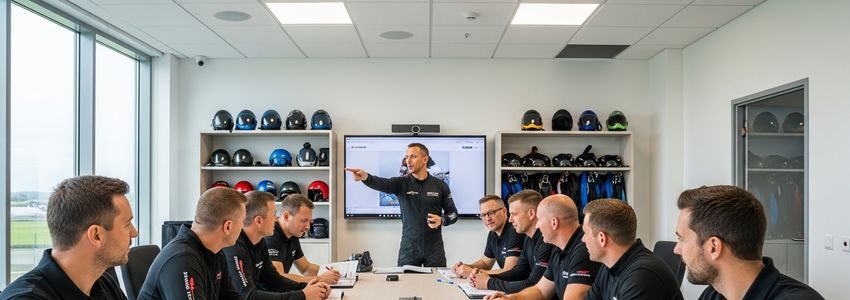
Attracting and retaining qualified AFF instructors and tandem instructors is critical for scaling your operation. Funding training programs, tandem ratings, FAA certifications, and professional development for your team improves service quality and operational capacity.
8. Staff and Payroll During Off-Season
Keeping your best staff during winter months is an investment in your spring and summer revenue potential. A seasonal working capital loan or revolving line of credit provides the cash flow needed to retain experienced jumpmasters and ground crew year-round.
Related Reading
Interested in financing for other outdoor and adventure businesses? Read our guides on Outdoor Recreation Business Loans and Swimming Pool Business Loans for more financing insights in adjacent industries.
Tips for Getting Approved for a Skydiving Business Loan
Getting approved for financing as a skydiving business requires the same preparation as any small business loan, with a few industry-specific considerations. Here are the most effective strategies to improve your approval odds and secure the best possible terms.
Demonstrate Your Safety Record
Lenders assessing risk for aviation businesses will want to understand your safety practices. Highlight your USPA Group Member status, FAA operating certificates, accident-free operating history, insurance claims record, and any industry certifications. A strong safety narrative directly addresses a lender's primary concern: the risk that a single incident could result in a major liability claim that threatens the business's ability to repay the loan.
Prepare Seasonal Revenue Documentation
Do not let a slow January bank statement undermine a strong annual revenue picture. Prepare a seasonally annotated cash flow summary that shows your peak-season revenue trends over multiple years. If you have been growing year over year, make that trend visually obvious. Lenders who understand seasonal businesses will evaluate your annualized revenue, not just your most recent 3 months.
Separate Business and Personal Finances
Running personal expenses through your business account or co-mingling funds makes underwriting more difficult and can reduce the loan amount you qualify for. Ensure your business has its own dedicated bank account, credit card, and financial statements before applying.
Build Your Business Credit Profile
Establishing a business credit profile with Dun & Bradstreet, Equifax Business, and Experian Business can help you qualify for larger loans at lower rates over time. Open trade lines with vendors and suppliers, pay all bills on time, and consider a small secured business credit card to start building your profile if it does not exist yet.
Work with a Lender Who Knows Aviation
Not all lenders are familiar with the aviation or adventure sports industries. Working with a broker or lender who has experience financing dropzones and aviation businesses can save you time and improve your approval odds. Crestmont Capital's advisors understand the unique financial structure of skydiving operations and can match you with the right product.
Consider Multiple Financing Products
Many skydiving businesses benefit from a combination of financing products. For example, using an equipment loan to purchase a new jump plane while maintaining a line of credit for seasonal cash flow needs can provide comprehensive financial support without over-leveraging any single facility. Our guide to bank statement loans explores another flexible option for businesses with strong cash flow but non-traditional documentation.
How to Get Started: Your Next Steps
Step-by-Step: Apply for a Skydiving Business Loan
- Gather your documents: Last 3-6 months bank statements, tax returns, P&L statement, and any equipment appraisals or purchase agreements.
- Choose your loan type: Decide between a term loan, equipment loan, line of credit, or SBA loan based on your specific use of funds and timeline.
- Submit your application: Apply online at Crestmont Capital in as little as 5 minutes.
- Review offers: Compare your loan offers by APR, term length, monthly payment, and total cost of capital - not just the interest rate.
- Accept and receive funds: Many applicants receive funding within 24 to 48 hours of accepting an offer for working capital loans.
- Deploy capital strategically: Use your loan proceeds for the highest-ROI investments in your operation.
- Build your relationship: Timely repayment builds your business credit and qualifies you for larger, lower-rate financing in the future.
Frequently Asked Questions About Skydiving Business Loans
Can I get a loan to buy a jump plane for my skydiving business?
Yes. Equipment financing and SBA loans are both commonly used to purchase aircraft for skydiving operations. The aircraft typically serves as collateral for the loan, which can reduce rates compared to unsecured financing. Most equipment lenders require a down payment of 10% to 20% for aviation assets. Lenders will want to see proof of your FAA operating authority and insurance coverage.
How much can a skydiving business borrow?
Loan amounts vary widely based on your annual revenue, credit score, and the type of financing you pursue. Working capital loans typically range from $10,000 to $500,000. Equipment loans can reach $5 million or more for aircraft or wind tunnel systems. SBA loans are available up to $5 million. As a general benchmark, most lenders will approve working capital loans up to 15% to 20% of your annual gross revenue.
Are skydiving businesses considered high risk by lenders?
Some conventional bank lenders do classify aviation and extreme sports businesses as higher risk due to liability exposure and specialized assets. However, many online lenders and alternative financing companies have extensive experience funding these types of businesses. Demonstrating a strong safety record, solid insurance coverage, USPA Group Member status, and consistent revenue significantly improves your approval odds and the terms you receive.
What credit score do I need to qualify for a skydiving business loan?
Requirements vary by lender. Many online and alternative lenders will work with personal credit scores as low as 600 to 620 for working capital loans. SBA loans and bank term loans generally require scores of 680 or higher. Equipment financing for aircraft may require scores of 650 or above, depending on the lender and the value of the aircraft. Even business owners with challenged credit have options - see our guide to bad credit business loans for more information.
How long does it take to get a skydiving business loan?
Online lenders can approve and fund working capital loans in as little as 24 to 48 hours. Equipment loans typically take 3 to 7 business days due to appraisal and lien filing requirements. SBA loans are the slowest option, often taking 30 to 90 days from application to funding. If you have an urgent cash need, a business line of credit or short-term working capital loan from an alternative lender is typically your fastest path to capital.
Can I get a skydiving business loan with no collateral?
Yes. Many working capital loans and business lines of credit from alternative lenders are unsecured, meaning they do not require you to pledge specific collateral. These loans typically rely on your business's cash flow and creditworthiness for approval. Unsecured loans tend to carry higher interest rates than secured products because the lender assumes more risk. Equipment loans, by contrast, are always secured by the equipment being financed.
How do I handle the seasonal nature of skydiving when applying for a loan?
Prepare a comprehensive narrative and supporting financial data that shows your annualized revenue, not just recent monthly statements. Provide at least 12 months of bank statements to show the full seasonal cycle. Ask about seasonal repayment structures - some lenders offer products with lower payments in off-peak months. Revenue-based financing can also be beneficial because repayments automatically scale with your actual monthly revenue.
Can a startup skydiving business get a loan?
Getting a loan as a brand-new skydiving business is challenging because lenders want to see operating history. However, startup business loans and equipment financing based on the collateral value of aircraft and parachute systems are possible for startups with strong personal credit (700+), a detailed business plan, and prior industry experience. SBA microloans and CDFI programs can also be options for early-stage businesses. Expect higher rates and smaller amounts until you establish a track record.
What documents do I need to apply for a skydiving business loan?
Most lenders require the last 3 to 6 months of business bank statements, the last 2 years of business and personal tax returns, a current profit and loss statement, and a balance sheet. For equipment loans, you will also need an equipment description, purchase agreement or invoice, and sometimes a third-party appraisal. Industry-specific documents like FAA certifications, USPA membership, and insurance declarations may also be requested by underwriters evaluating aviation-related applications.
What are typical interest rates for skydiving business loans?
Interest rates vary widely based on loan type, creditworthiness, and lender. SBA loans currently carry rates of approximately 10% to 14.5% (based on the prime rate plus a spread). Bank term loans range from 7% to 15%. Online term loans and working capital products typically carry rates of 15% to 40% APR. Merchant cash advances can carry effective APRs of 40% to 150% or more. Equipment financing for aviation assets typically falls in the 8% to 20% range.
Can I use a business line of credit for skydiving insurance premiums?
Yes, and this is one of the most effective uses of a revolving line of credit for skydiving businesses. Annual liability insurance renewals are a significant lump-sum expense that can strain cash flow, especially in the winter months when jump revenue is low. Drawing on a line of credit at renewal and paying it down during your peak season allows you to smooth out this large expense over the year without sacrificing your operating reserve.
Is equipment financing available for used parachutes and aircraft?
Yes. Many equipment lenders will finance used aircraft and parachute equipment, though the loan-to-value ratio may be lower than for new equipment, and lenders may require a professional appraisal. For used aircraft, lenders typically lend 70% to 80% of the appraised value. Parachute equipment lenders generally require the rigs to be within their service life and have current reserve repacks. Always check that the equipment you are financing meets FAA and USPA standards.
How does a business loan affect my personal credit as a skydiving business owner?
Most small business loans require a personal guarantee, meaning the lender can hold you personally responsible if the business defaults. Applying for a loan may also trigger a hard inquiry on your personal credit report, which can temporarily lower your score by a few points. However, timely repayment of business loans can help build both your personal and business credit profiles over time. Using a business line of credit responsibly is one of the fastest ways to improve your business credit score.
What is the best loan type for funding a wind tunnel at my dropzone?
Wind tunnels are significant capital investments, typically ranging from $500,000 to over $5 million for commercial installations. The SBA 504 loan is generally considered the best financing vehicle for this type of fixed asset purchase, offering fixed rates, terms up to 20 to 25 years, and the ability to finance both the equipment and real estate components. Large conventional bank term loans and commercial real estate loans are also options for established dropzones with strong financial profiles.
Can I refinance existing skydiving business debt to lower my payments?
Yes. Refinancing existing higher-rate debt into a lower-rate product can reduce your monthly payments and total cost of capital. This is particularly valuable if you originally funded with a merchant cash advance or high-rate short-term loan and have since built a stronger credit profile and revenue history. Working with a lender like Crestmont Capital, you can explore options for consolidating and refinancing existing obligations. Be sure to review any prepayment penalties on your existing loans before refinancing.
Disclaimer: The information provided in this article is for general educational purposes only and is not financial, legal, or tax advice. Funding terms, qualifications, and product availability may vary and are subject to change without notice. Crestmont Capital does not guarantee approval, rates, or specific outcomes. For personalized information about your business funding options, contact our team directly.