
 (800) 949-0401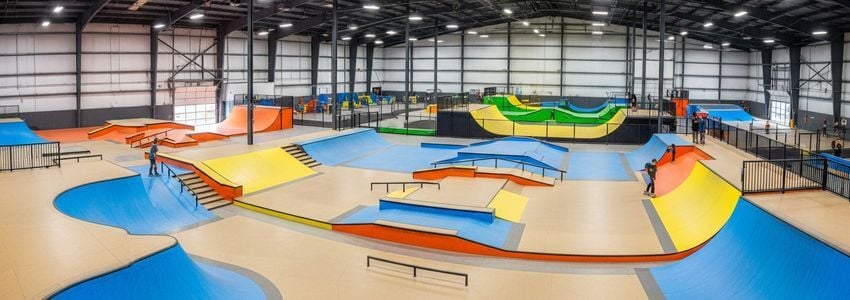
Skate Park Business Loans: The Complete Financing Guide for Skate Park Owners
In This Article
- The Booming Skateboarding Industry: Why Now is the Time to Invest
- What Are Skate Park Business Loans?
- Why You Need a Skate Park Business Loan
- Breaking Down the Costs: How Much to Build a Skate Park?
- Top Financing Options for Skate Park Owners
- Indoor vs. Outdoor Skate Parks: A Financing Perspective
- The Critical Role of Liability Insurance in Securing a Loan
- Qualifying for a Skate Park Business Loan
- How to Apply for a Skate Park Loan: A Step-by-Step Guide
- Maximizing Your Revenue: How Skate Parks Make Money
- Tips for Improving Your Skate Park Loan Approval Odds
- Frequently Asked Questions (FAQ)
- Next Steps: Build Your Skate Park Dream
Skateboarding is more than a sport- it's a culture, a community, and a rapidly growing industry. With its inclusion in the Olympics and a surge in popularity, the demand for safe, well-designed skate parks is at an all-time high. For passionate entrepreneurs, this presents a unique opportunity to turn a love for skating into a thriving business. But building this dream requires significant capital, and that's where skate park business loans come in.
Whether you're planning a massive indoor training facility, a sprawling outdoor concrete park, or a smaller community-focused spot, securing the right financing is the first critical step. This comprehensive guide will walk you through everything you need to know about funding your skate park venture, from understanding startup costs to navigating the loan application process. At Crestmont Capital, we specialize in helping niche businesses like yours get the funding they need to succeed.
The Booming Skateboarding Industry: Why Now is the Time to Invest
The perception of skateboarding has transformed. Once seen as a rebellious subculture, it's now a mainstream global phenomenon. This shift is fueling incredible growth and creating a stable foundation for businesses within the industry. Consider these powerful statistics:
- Market Size: The global skateboarding equipment market is projected to grow significantly in the coming years. A recent report highlighted by Forbes noted the cultural and commercial impact of its Olympic debut.
- Participation: Millions of people actively participate in skateboarding in the United States alone. This diverse group includes kids picking up a board for the first time, dedicated amateurs, and a growing number of adult enthusiasts.
- Olympic Status: Skateboarding's inclusion in the Summer Olympics has legitimized the sport on a global stage, inspiring a new generation of skaters and driving demand for professional-grade facilities. This mainstream acceptance makes a skate park a more viable and attractive business model to lenders.
- Community Hubs: Modern skate parks are more than just ramps and rails. They are community centers that host events, offer lessons, and provide a safe and positive environment for people of all ages. This community aspect creates loyal customers and diverse revenue streams.
Investing in a skate park now means tapping into a market with proven demand and a bright future. Lenders recognize this trend, making it a prime time to seek out skate park business loans to build or expand your facility.
What Are Skate Park Business Loans?
A skate park business loan is a specific form of commercial financing designed to cover the unique and substantial costs associated with starting, acquiring, or expanding a skate park. Unlike a generic personal loan, these financial products are tailored to the needs of a business, with funds specifically earmarked for commercial purposes.
These loans can be used for a wide range of expenses, including:
- Construction and Development: The largest expense, covering land acquisition or leasing, park design, materials (concrete, wood, steel), and labor.
- Equipment Purchase: Financing for ramps, half-pipes, bowls, rails, funboxes, and other features.
- Real Estate: Buying land or a building for an indoor facility.
- Working Capital: Covering day-to-day operational costs like payroll, utilities, marketing, and inventory for a pro shop.
- Refinancing: Consolidating existing business debt to improve cash flow with better rates or terms.
- Expansion or Renovation: Adding new features to an existing park or building a second location.
Essentially, a skate park business loan provides the necessary capital to bridge the gap between your vision and a fully operational, revenue-generating business. Financial partners like Crestmont Capital understand the specific capital needs of recreational businesses, offering a range of small business loans to get your project rolling.
Why You Need a Skate Park Business Loan
Few entrepreneurs have the liquid cash on hand to fund a skate park entirely out of pocket. The startup costs are substantial, and attempting to self-fund can drain personal savings and leave the business undercapitalized from day one. Securing a business loan is a strategic move that offers several key advantages:
- Covers High Upfront Costs: The primary reason for seeking a loan is to manage the immense initial investment. From permits and architectural designs to tons of concrete and steel, the costs add up quickly. A loan allows you to build a high-quality, safe, and attractive park without cutting corners.
- Preserves Personal Capital: Using a business loan keeps your personal finances separate and protected. It ensures you have a safety net and aren't risking your entire life savings on the venture.
- Establishes Business Credit: Successfully managing and repaying a business loan helps build a positive credit history for your company. This will make it easier to secure financing for future expansions or needs.
- Enables Faster Launch: Instead of saving for years, a loan allows you to capitalize on the current market demand. You can build and open your park much sooner, starting to generate revenue and build your brand.
- Provides Working Capital: Even after the park is built, you need funds for the first few months of operation before revenue becomes consistent. A loan can include working capital for staff salaries, insurance premiums, marketing, and initial inventory.
Breaking Down the Costs: How Much to Build a Skate Park?
The total investment for a skate park can range from $50,000 to over $500,000, and sometimes even into the millions for world-class facilities. The final cost depends heavily on factors like size, location, materials (concrete vs. wood), and whether it's an indoor or outdoor park. Below is an infographic breaking down potential startup costs you'll need to account for in your business loan application.
Skate Park Startup Cost Breakdown
Estimated costs for a medium-sized skate park. Actual costs will vary by location and project scope.
| Expense Category | Estimated Cost Range | Notes |
|---|---|---|
| Design & Planning | $15,000 - $50,000 | Professional design, engineering, permits |
| Construction & Materials | $100,000 - $350,000+ | Concrete, steel, wood, labor, site prep |
| Land/Building Lease (First Year) | $30,000 - $100,000 | Varies greatly by location (buy vs. lease) |
| Pro Shop & Concessions Setup | $20,000 - $60,000 | POS system, initial inventory, fixtures |
| Insurance (First Year Premium) | $10,000 - $30,000 | Liability is a major, non-negotiable expense |
| Initial Marketing & Grand Opening | $5,000 - $15,000 | Website, social media, launch event |
| Working Capital Reserve | $25,000 - $75,000 | Covers 3-6 months of operating expenses |
| TOTAL ESTIMATED RANGE | $205,000 - $680,000+ |
Top Financing Options for Skate Park Owners
There isn't a one-size-fits-all loan for a skate park. The best financing strategy often involves a combination of different loan types to cover various expenses. Here are the most common and effective options available through lenders like Crestmont Capital.
Long-Term and Short-Term Business Loans
Traditional term loans provide a lump sum of capital that you repay over a set period with fixed interest rates. They are excellent for large, one-time expenses.
• Long-Term Business Loans: With repayment periods of 3-10 years or more, these are ideal for major investments like real estate acquisition or the primary construction of the park. The longer term results in lower monthly payments, which helps manage cash flow.
• Short-Term Business Loans: These loans have repayment terms of 3-18 months. They are useful for smaller projects, like renovating a section of the park, purchasing a large inventory order for the pro shop, or bridging a seasonal cash flow gap.
SBA Loans
Backed by the U.S. Small Business Administration, SBA loans are considered the gold standard for small business financing. They offer some of the lowest interest rates and longest repayment terms available, making them perfect for a capital-intensive startup like a skate park. The most common type is the SBA 7(a) loan, which can be used for real estate, construction, equipment, and working capital. While the application process can be more intensive, the favorable terms are often worth the effort. For more information, you can visit the official SBA website.
Equipment Financing
Building a skate park requires a massive amount of specialized equipment- not just the ramps and rails, but also point-of-sale (POS) systems, security cameras, lighting, and rental gear. Equipment financing allows you to purchase these assets without a huge upfront cash outlay. The equipment itself serves as collateral for the loan, which can make this type of financing easier to qualify for than other loans. This is a smart way to acquire revenue-generating assets while preserving your working capital for other needs.
Business Lines of Credit
A skate park's expenses don't stop once construction is complete. A business line of credit provides the ultimate flexibility for managing ongoing and unexpected costs. It functions like a credit card for your business: you are approved for a certain limit and can draw funds as needed. You only pay interest on the amount you use. This is perfect for:
- Purchasing new pro shop inventory
- Running a marketing campaign for a big event
- Covering payroll during a slow week
- Handling unexpected repairs to a ramp or feature
Working Capital Loans
A working capital loan is designed to cover the everyday costs of running your business. These are typically short-term loans that provide a quick infusion of cash to ensure smooth operations. This funding can be used for anything from paying utility bills and rent to launching a new series of skate lessons. They are crucial for maintaining healthy cash flow, especially in the early months of operation.
Ready to Fund Your Skate Park?
Get fast, flexible financing from Crestmont Capital - rated #1 for small business loans.
Apply Now - Get Funded FastIndoor vs. Outdoor Skate Parks: A Financing Perspective
The decision to build an indoor or outdoor skate park has significant financial implications that will shape your business plan and loan requirements. Lenders will analyze the pros and cons of each model.
Indoor Skate Parks
Financial Advantages:
- Year-Round Revenue: An indoor park is immune to weather, providing a consistent and predictable income stream regardless of rain, snow, or extreme heat. This stability is very attractive to lenders.
- Controlled Environment: You can host events, lessons, and parties on a reliable schedule.
- More Revenue Streams: Indoor facilities are better suited for larger pro shops, full-service concession stands, and arcade or lounge areas.
- Higher Overhead: You'll have significant monthly costs for rent or a mortgage on a large warehouse-style building, plus substantial utility bills for heating, cooling, and lighting.
- Higher Initial Investment: The cost of acquiring or retrofitting a suitable building can be higher than developing an outdoor space.
Outdoor Skate Parks
Financial Advantages:
- Potentially Lower Build Cost: If you can secure land at a reasonable price, the construction cost can be lower without the need for a building structure.
- Lower Operating Costs: No rent (if land is owned) and significantly lower utility bills.
- Atmosphere: Many skaters prefer the open-air feel of an outdoor park.
- Weather Dependency: Your revenue is at the mercy of the climate. A rainy month can devastate your income, a risk that lenders will scrutinize.
- Maintenance: Outdoor parks, especially those with wooden ramps, are exposed to the elements and may require more frequent and costly maintenance.
- Limited Hours: Operations are often limited to daylight hours unless you invest heavily in lighting.

Your business plan must clearly address these factors. If you're proposing an outdoor park in a region with harsh winters, you need a financial model that accounts for several months of little to no revenue. For an indoor park, your projections must justify the high overhead with strong, year-round attendance figures.
The Critical Role of Liability Insurance in Securing a Loan
For a skate park, liability insurance isn't just a good idea- it's an absolute necessity and a non-negotiable requirement for any lender. Skateboarding is an inherently risky activity, and accidents will happen. Without robust insurance coverage, a single lawsuit could bankrupt your business.
Lenders view insurance as a critical risk mitigation tool. Before they approve your skate park business loan, they will require proof of a comprehensive insurance policy. This demonstrates that their investment is protected from catastrophic loss due to a liability claim. Expect to need:
- General Liability Insurance: This is the most important policy. It covers bodily injury and property damage that occurs on your premises. The coverage limits will need to be substantial, often $1 million or more per occurrence.
- Participant Accident Insurance: This can provide secondary medical coverage for skaters who are injured at your park, which can help prevent larger lawsuits.
- Property Insurance: Protects your physical assets- the ramps, building, inventory, and equipment- from damage due to fire, theft, or natural disasters.
- Workers' Compensation: If you have employees, this is legally required in most states to cover medical expenses and lost wages for work-related injuries.
Qualifying for a Skate Park Business Loan
Lenders evaluate several key factors to determine your creditworthiness and the viability of your skate park project. To prepare for your application, focus on strengthening these areas:
- Credit Score: Both your personal and business credit scores are crucial. A higher score (typically 680+) will open up more options with better rates and terms. If you have a lower score, options are still available, such as the bad credit business loans offered by Crestmont Capital, but the terms may be less favorable.
- Business Plan: This is your project's blueprint. A strong business plan must include a detailed market analysis (competitors, target audience), a clear operational plan, multi-year financial projections (profit and loss, cash flow), and a marketing strategy.
- Financial History: For existing businesses, lenders will want to see 2-3 years of tax returns and financial statements. For startups, they will focus on your personal financial history and the strength of your projections.
- Down Payment / Owner Injection: Lenders want to see that you have skin in the game. Expect to contribute 10-30% of the total project cost from your own funds. This demonstrates your commitment and reduces the lender's risk.
- Collateral: While some loans are unsecured, larger loans like SBA or term loans will likely require collateral. This could be the skate park's real estate, equipment, or other business or personal assets.
- Industry Experience: Having a management team with experience in the skateboarding industry or in running a recreational business will significantly boost your credibility with lenders.
This is similar to the due diligence required for other recreational businesses, like those seeking fishing charter business loans, where industry-specific knowledge is key to proving viability.
How to Apply for a Skate Park Loan: A Step-by-Step Guide
Navigating the loan application process can seem daunting, but breaking it down into manageable steps makes it straightforward. Here’s how to approach it:
Step 1: Get Your Documents in Order
Before you even speak to a lender, gather all your necessary paperwork. Being prepared will speed up the process immensely.
- Comprehensive Business Plan
- Personal and Business Tax Returns (2-3 years)
- Personal and Business Bank Statements (3-6 months)
- Financial Statements (Balance Sheet, Income Statement)
- Detailed List of Startup Costs and Use of Funds
- Business Legal Documents (Articles of Incorporation, Licenses, Permits)
- Resumes of Key Management Personnel
Step 2: Research and Choose the Right Lender
Not all lenders are the same.
- Traditional Banks: May offer good rates but often have very strict requirements and a slow, bureaucratic process. They may be hesitant to fund a "niche" business like a skate park.
- SBA Lenders: A great option for their favorable terms, but the application process is lengthy and requires extensive documentation.
- Alternative Lenders (like Crestmont Capital): We specialize in funding small to medium-sized businesses, including those in unique industries. We offer a wider range of products, more flexible requirements, and a much faster application and funding process. Our fast business loans can get you capital in as little as 24 hours.
Step 3: Complete the Application
Fill out the lender's application form accurately and completely. Our online application at Crestmont Capital is designed to be simple and quick. Be prepared to submit the documents you gathered in Step 1. Honesty and transparency are key- don't try to hide potential weaknesses in your application.
Step 4: Underwriting and Review
The lender will now review your application and supporting documents. This underwriting process involves assessing the risk of the loan. They will analyze your credit, cash flow, business plan, and collateral. An underwriter may reach out with follow-up questions.
Step 5: Receive and Accept Your Offer
If approved, you will receive a loan offer detailing the loan amount, interest rate, repayment term, and any fees. Review this document carefully. Make sure you understand all the terms before signing. At Crestmont Capital, our dedicated loan specialists will walk you through the offer to ensure you are comfortable with the terms.
Step 6: Funding
Once you sign the loan agreement, the funds will be disbursed to your business bank account. The time to funding varies- with Crestmont Capital, it can be as fast as one day. With a bank or the SBA, it could take several weeks.
Ready to Fund Your Skate Park?
Get fast, flexible financing from Crestmont Capital - rated #1 for small business loans.
Apply Now - Get Funded FastMaximizing Your Revenue: How Skate Parks Make Money
A successful skate park is more than just a place to skate- it's a multi-faceted entertainment business. Your business plan needs to show lenders diverse and reliable revenue streams. A diversified model proves your business is resilient and has a high potential for profitability. A report from CNBC on skateboarding's Olympic debut touches on the commercialization and broad appeal of the sport, which supports these diverse income opportunities.
- Admission Fees: The core revenue stream. This can be structured as hourly rates, all-day passes, or session-based pricing.
- Memberships: Offer monthly, quarterly, or annual memberships for your most loyal customers. This creates a predictable, recurring revenue base.
- Lessons and Camps: A huge opportunity. Offer private lessons, group clinics, and week-long summer or holiday camps for all skill levels. This is especially popular with parents of younger skaters.
- Pro Shop: A well-stocked retail store is essential. Sell skateboard decks, trucks, wheels, bearings, safety gear (helmets, pads), apparel, and shoes. This can be a major profit center.
- Equipment Rentals: Offer skateboards, helmets, and pads for rent. This lowers the barrier to entry for beginners and tourists.
- Food and Beverage Sales: A concession stand selling drinks, snacks, and simple food items can significantly boost your per-customer revenue.
- Events and Competitions: Host local, regional, or even national competitions. These draw large crowds and can be monetized through entry fees, sponsorships, and increased concession sales.
- Private Parties and Rentals: Rent out the park for birthday parties, corporate events, or private sessions. This is a high-margin revenue stream that fills the park during off-peak hours.
Tips for Improving Your Skate Park Loan Approval Odds
Getting approved for a significant business loan requires careful preparation. Here are some actionable tips to strengthen your application and impress lenders:
- Craft an Impeccable Business Plan: This cannot be overstated. Your business plan should be professional, data-driven, and passionate. It should leave no doubt in the lender's mind that you have thought through every aspect of the business.
- Clean Up Your Credit: Check your personal and business credit reports for errors. Pay down existing debts where possible to improve your credit score and debt-to-income ratio.
- Show Your Financial Contribution: A larger down payment (owner injection) significantly reduces the lender's risk and shows your deep commitment to the project. Aim for at least 20%.
- Get Realistic Quotes: Don't guess your costs. Get detailed, written quotes from contractors, equipment suppliers, and insurance brokers. This adds credibility to your financial projections.
- Highlight Your Experience: If you or your partners have managed a business, worked in the skate industry, or have a background in construction or event management, showcase this experience prominently.
- Build a Strong Online Presence: Even before you secure funding, start building a brand. Create a simple website and active social media profiles to show community interest and engagement. This demonstrates market validation.
- Start Small and Show Traction: If possible, start with a smaller version of your vision (e.g., a mobile ramp setup or a skate lesson business) to prove the concept and generate some initial revenue before seeking a large loan for a full park.
This approach of demonstrating expertise and careful planning is universal across niche industries, whether you're funding a skate park or a specialized business like those needing weight loss franchise loans.
Frequently Asked Questions (FAQ)
How much does it cost to start a skate park?
The cost to build a skate park varies widely, typically ranging from $50,000 for a small, basic setup to over $500,000 for a large, complex indoor or outdoor facility. Key costs include land acquisition or lease, design, construction materials (concrete, wood, steel), labor, lighting, fencing, insurance, and amenities like a pro shop or concessions.
What is the best type of loan for a new skate park?
For a new skate park, an SBA 7(a) loan is often the best option due to its long repayment terms and lower interest rates, which helps manage cash flow during the critical startup phase. A combination of an SBA loan for the real estate and construction, plus equipment financing for ramps and gear, can be a powerful strategy.
Can I get a skate park business loan with bad credit?
Yes, it's possible to get a skate park business loan with bad credit, but your options may be more limited. Lenders like Crestmont Capital offer bad credit business loans. You may face higher interest rates and shorter terms. Alternative options include equipment financing or working capital loans, which can have more flexible credit requirements than traditional bank loans.
What kind of insurance do I need for a skate park?
Comprehensive liability insurance is non-negotiable for a skate park. You will need General Liability insurance to cover injuries and property damage. You should also consider Property Insurance for your physical assets, Workers' Compensation if you have employees, and potentially Event Insurance for competitions or special programming.
How do skate parks generate revenue?
Skate parks generate revenue through multiple streams, including daily admission fees, monthly or annual memberships, skateboarding lessons and camps, equipment rentals, a pro shop selling gear and apparel, food and beverage sales, hosting competitions and events, and private rentals for parties.
What documents do I need to apply for a skate park loan?
Commonly required documents include a detailed business plan, personal and business financial statements, personal and business tax returns (typically 2-3 years), bank statements, a breakdown of startup costs and projections, and legal documents like your business license and articles of incorporation.
Is an indoor or outdoor skate park more profitable?
Profitability depends on your location and business model. Indoor parks have higher overhead (rent, utilities) but offer year-round, weather-proof revenue. Outdoor parks may have lower build costs but are subject to weather, which can impact consistent income. A strong business plan is key to profitability for either model.
What is equipment financing for a skate park?
Equipment financing is a type of loan used specifically to purchase the physical assets for your skate park. This can include ramps, rails, half-pipes, lighting systems, POS (point-of-sale) systems for the pro shop, and rental equipment like boards and pads. The equipment itself often serves as collateral for the loan.
How long does it take to get a skate park business loan approved?
The approval time for a skate park business loan varies by lender and loan type. Alternative lenders like Crestmont Capital can offer approval and funding in as little as 24 hours for products like working capital or equipment loans. SBA loans and traditional bank loans can take several weeks to months to process.
Do I need a business plan to get a skate park loan?
Yes, a comprehensive business plan is absolutely essential. It demonstrates to lenders that you have a viable business concept and a clear path to profitability. Your plan should include market analysis, financial projections, a marketing strategy, management team details, and a detailed breakdown of how you will use the loan funds.
Can I use a business line of credit for my skate park?
A business line of credit is an excellent tool for managing a skate park's ongoing expenses. It's a flexible form of financing that allows you to draw funds as needed, up to a set limit, and you only pay interest on the amount you use. It's ideal for covering inventory purchases, marketing campaigns, unexpected repairs, or payroll.
What are the typical repayment terms for a skate park loan?
Repayment terms depend on the loan type. Short-term loans may have terms of 3-18 months. Equipment financing typically aligns with the useful life of the asset, often 3-7 years. Long-term loans and SBA loans can have terms of 10-25 years, especially if real estate is involved.
Will I need to provide collateral for a skate park loan?
It depends on the loan. SBA loans and large bank loans often require collateral, which could be the skate park property, equipment, or even personal assets. Equipment financing uses the purchased equipment as collateral. Some lenders, like Crestmont Capital, offer unsecured loans that do not require specific collateral, but may require a personal guarantee.
How can I improve my chances of getting a loan approved?
To improve your approval odds, you should: have a strong, detailed business plan; maintain a good personal and business credit score; provide a down payment or personal investment; demonstrate relevant industry experience; and have realistic and well-supported financial projections.
Can I use a skate park business loan to buy an existing skate park?
Yes, absolutely. Business acquisition loans are a common use of funds. Lenders will want to see the existing park's financial history, including revenue, profits, and cash flow, to assess the viability of the purchase. An SBA 7(a) loan is a popular choice for business acquisitions.
Next Steps: Build Your Skate Park Dream
You have the passion for skateboarding and the vision for an incredible community hub. Now you have the knowledge to secure the funding to make it a reality. Building a skate park is a major undertaking, but with a solid plan and the right financial partner, it is an achievable and rewarding venture.
Your journey starts with a strong application and a lender who understands your unique business. Don't let the financial hurdles stop you from creating the next great spot for skaters in your community.
The team at Crestmont Capital is ready to help you navigate the process of securing a skate park business loan. We offer a range of flexible, fast financing solutions designed to get your project off the ground. Take the next step today.
Ready to Fund Your Skate Park?
Get fast, flexible financing from Crestmont Capital - rated #1 for small business loans.
Apply Now - Get Funded Fast







