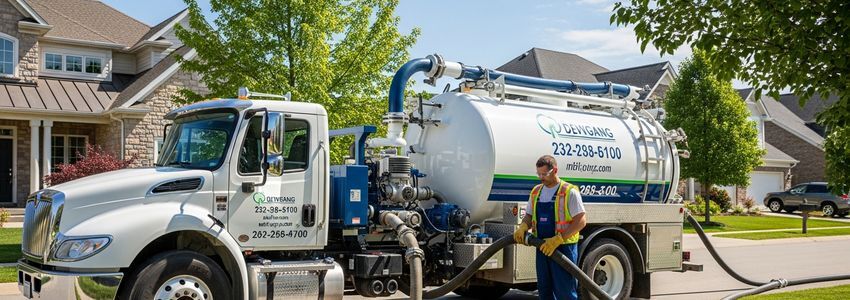
Septic tank business loans give septic service contractors, pumping companies, and installation specialists the capital they need to buy trucks, hire technicians, and grow their service territories. Whether you are launching a new septic pumping route or expanding an established wastewater services business, the right financing can be the difference between standing still and landing more contracts. In this guide, we break down every loan type available to septic businesses in 2026, walk you through how to qualify, and show you how to compare your options so you get the best deal possible.
In This Article
- Why Septic Companies Need Business Financing
- Types of Loans for Septic Tank Businesses
- Equipment Financing for Septic Trucks and Tools
- SBA Loans for Septic Service Companies
- Working Capital and Line of Credit Options
- How to Qualify for a Septic Business Loan
- How Much Can You Borrow?
- Best Uses for Septic Business Loans
- Septic Industry Financing at a Glance
- Septic Business Loans with Bad Credit
- Comparing Lenders: Banks vs. Online Lenders
- Tips to Strengthen Your Loan Application
- Frequently Asked Questions
- Next Steps
- Conclusion
Why Septic Companies Need Business Financing
The septic services industry is a vital segment of the broader environmental and wastewater management sector. According to the U.S. Environmental Protection Agency, approximately 21 million American homes rely on septic systems, and that number grows every year as rural and suburban development expands away from municipal sewer lines. For septic contractors, that means consistent demand but also heavy capital requirements.
A single combination vacuum truck capable of pumping and jetting septic tanks can cost anywhere from $80,000 to over $300,000. Add in locating equipment, inspection cameras, backhoes for system installations, and the cost of licensing and insurance, and it is easy to see why even experienced operators rely on outside capital. Small business loans help septic companies:
- Purchase or upgrade vacuum trucks and pump trucks
- Hire additional licensed technicians and drivers
- Cover payroll during slow seasons or large service gaps
- Finance inventory of pipes, fittings, risers, and bio-additives
- Expand service territories and marketing programs
- Meet bonding and insurance requirements for new contracts
- Replace aging equipment before it causes downtime and lost revenue
The combination of high equipment costs, seasonal fluctuations in pumping demand, and the working capital needed between job completion and invoice payment makes septic businesses a natural fit for business financing. The good news is that lenders view septic companies favorably because of their stable, recurring revenue from maintenance contracts and emergency call-outs.
Industry Snapshot
The U.S. septic tank servicing industry generates over $5 billion in annual revenue and employs more than 45,000 workers. Demand is growing at roughly 3-4% per year, driven by new residential construction and aging rural infrastructure requiring replacement. This stable demand profile makes septic businesses attractive to commercial lenders.
Types of Loans for Septic Tank Businesses
Septic service companies have access to several financing options. The right choice depends on your credit profile, time in business, how quickly you need funds, and what you plan to spend the money on. Here is a breakdown of the most common options:
Term Loans
A traditional term loan delivers a lump sum of capital repaid over a fixed period, typically 1 to 10 years. Term loans work well for large purchases like vacuum trucks, installation equipment, or expanding your service facility. Interest rates vary widely based on credit score, revenue, and lender type. Banks may offer rates starting around 6-8% for well-qualified borrowers, while online lenders typically range from 10-30%.
SBA 7(a) Loans
The Small Business Administration guarantees a portion of these loans, reducing lender risk and allowing for longer repayment terms and lower down payments. SBA 7(a) loans are ideal for septic businesses needing $50,000 to $5 million with repayment terms up to 10 years for working capital or 25 years for real estate. The catch is that SBA loans take longer to process, often 30-90 days.
Equipment Financing
Since septic trucks and related equipment represent the core asset of your business, equipment financing is one of the most popular choices. The equipment itself serves as collateral, which means you can often get approved with less-than-perfect credit. Equipment financing typically covers 80-100% of the purchase price with repayment terms matching the useful life of the equipment.
Business Line of Credit
A business line of credit gives you revolving access to funds you can draw and repay as needed. This is the best tool for managing working capital, covering payroll during slow periods, and bridging the gap between completing a job and receiving payment. Lines of credit can range from $10,000 to $500,000 or more for established businesses.
Merchant Cash Advance
An MCA provides upfront capital in exchange for a percentage of future credit card or debit card sales. Septic companies with consistent card transaction volume can use MCAs for fast funding, though costs are significantly higher than traditional loans. Use MCAs sparingly and only for short-term needs when speed is critical.
Ready to Fund Your Septic Business?
Get fast, flexible financing from the #1 business lender in the U.S.
Apply Now →Equipment Financing for Septic Trucks and Tools
For most septic businesses, the biggest financing need is equipment. Vacuum trucks, combination jetter/vacuum units, inspection cameras, and backhoes are the lifeblood of your operation. Equipment financing is purpose-built for this kind of purchase and offers several advantages over general business loans.
With equipment financing, the asset you are buying secures the loan. That means:
- Lower down payments, sometimes as low as zero
- Faster approvals, often within 24-48 hours
- Higher approval rates even for borrowers with challenged credit
- Tax deductions under Section 179 allowing you to deduct up to the full purchase price in year one
- Repayment terms that match how long you plan to use the equipment
Here is a look at typical costs for septic equipment that lenders commonly finance:
| Equipment Type | Typical Cost | Typical Loan Term |
|---|---|---|
| Vacuum Pump Truck (used) | $40,000 - $100,000 | 3-7 years |
| Vacuum Pump Truck (new) | $150,000 - $350,000 | 5-10 years |
| Combination Jetter/Vac | $120,000 - $250,000 | 5-10 years |
| Excavator / Mini Excavator | $35,000 - $150,000 | 3-7 years |
| CCTV Inspection Camera | $10,000 - $40,000 | 2-5 years |
| Service Trailer and Tools | $5,000 - $25,000 | 2-5 years |
Most equipment lenders will finance both new and used equipment. For used equipment, the lender may require an appraisal or proof of the asset's condition. If you are purchasing from a dealer, financing is often streamlined through the dealer's lending partners.
Similar to plumbing business financing, septic equipment loans typically require 12+ months in business, minimum annual revenue of $100,000-$150,000, and a credit score of 600 or above, though some lenders go lower when the equipment value is strong.
SBA Loans for Septic Service Companies
SBA loans are considered the gold standard for small business financing because they offer the lowest interest rates and longest repayment terms. The SBA does not directly lend money but guarantees a portion of loans issued by approved banks and credit unions, reducing the lender's risk and enabling better terms for borrowers.
For septic businesses, two SBA programs stand out:
SBA 7(a) Loan Program
This is the most flexible SBA option. You can use the funds for almost any legitimate business purpose, including purchasing vehicles, financing real estate for your shop, paying off existing debt, or covering working capital. Loan amounts go up to $5 million with terms up to 25 years for real estate and 10 years for equipment and working capital. Interest rates are typically prime plus 2.25-4.75%.
SBA 504 Loan Program
The 504 program is designed specifically for major fixed-asset purchases like real estate and heavy equipment. It pairs a bank loan with SBA-backed financing and typically requires a 10% down payment from the borrower. If you are buying a large combination vacuum truck or establishing a service facility, the 504 program could offer excellent long-term terms.
Per the SBA's official lending guidelines, septic and wastewater service companies are eligible for all major SBA loan programs. To qualify, your business must operate for profit, fall within SBA size standards, and be based in the United States. Most lenders require at least 2 years in business and a personal credit score above 650 for SBA loans.
Pro Tip: SBA Express Loans
If you need funding faster than the standard 30-90 day SBA process allows, ask about SBA Express loans. These offer up to $500,000 with a 36-hour turnaround for lender approval. The trade-off is a slightly lower SBA guarantee percentage, but for established septic businesses needing quick capital, Express loans are a strong option.
Working Capital and Line of Credit Options
The nature of the septic business creates predictable working capital gaps. Residential customers often pay at the time of service, but commercial and municipal clients may have 30-60 day payment terms. Meanwhile, you have to pay drivers, fuel costs, disposal fees, and insurance on a weekly or monthly basis.
A business line of credit solves this problem elegantly. You draw only what you need, when you need it, and pay interest only on the outstanding balance. Once you collect payment from your customers, you repay the line and it is available again for the next need.
Lines of credit for septic businesses typically range from:
- $25,000-$100,000 for newer companies with 1-2 years in business
- $100,000-$500,000 for established companies with strong revenue
- $500,000+ for large multi-truck operations with proven cash flow
According to Forbes Advisor's business lending data, business lines of credit typically carry APRs ranging from 8-60% depending on the lender type and borrower profile. Bank lines tend to have the lowest rates but require strong credit and two or more years in business. Online lender lines are more accessible but cost more.
For fast working capital needs, some septic companies use short-term loans or merchant cash advances as a bridge while waiting for larger, more permanent financing to be approved. This can be costly if overdone but appropriate for urgent, short-term gaps.
Get Working Capital for Your Septic Company Today
Lines of credit, term loans, and equipment financing available for all credit profiles.
Apply Now →How to Qualify for a Septic Business Loan
Qualifying for a septic tank business loan follows the same general framework as other home services and contractor loans. Lenders evaluate five core factors:
1. Credit Score
Your personal credit score is a primary factor, especially for businesses under two years old. Most conventional lenders want to see 650+, SBA lenders prefer 680+, and equipment financing can be available from 580+ when the equipment serves as collateral. Check your credit reports through AnnualCreditReport.com and dispute any errors before applying.
2. Time in Business
Most lenders require at least 6 months in operation to qualify, with better rates and terms available after 2+ years. Startup septic companies may need to rely on SBA microloans, equipment financing, or personal guarantees to secure initial funding.
3. Annual Revenue
Lenders use revenue to gauge your ability to repay. Most traditional lenders require $100,000-$250,000 in annual revenue. Online lenders and equipment financiers may approve with as little as $50,000-$75,000 per year. Your revenue should show consistent growth or stability, not wild fluctuations.
4. Cash Flow
Beyond revenue, lenders look at whether your business generates enough free cash flow to service new debt. A healthy debt service coverage ratio (DSCR) of 1.25 or higher is generally what lenders expect, meaning your net operating income covers debt payments by 125%.
5. Collateral
Equipment loans use the financed asset as collateral. For unsecured loans and lines of credit, lenders may ask for a personal guarantee, which means your personal assets can be used to satisfy the debt if the business defaults. Offering collateral generally improves your terms and approval odds. Learn more about how similar contractor businesses use collateral to secure better financing.
Documents Typically Required
- 6-24 months of business bank statements
- Most recent 1-2 years of business and personal tax returns
- Profit and loss statement and balance sheet
- Business license and any required state septic contractor licenses
- Voided business check
- Equipment quotes or invoices (for equipment financing)
How Much Can You Borrow?
Loan amounts for septic businesses depend heavily on your revenue, credit profile, and how long you have been operating. Here are some general guidelines:
| Business Profile | Typical Loan Range | Best Loan Type |
|---|---|---|
| Startup (0-12 months) | $5,000 - $50,000 | SBA Microloan, Equipment Financing |
| Early-Stage (1-2 years) | $25,000 - $150,000 | Online Term Loan, Equipment Financing |
| Established (2-5 years) | $50,000 - $500,000 | SBA 7(a), Bank Term Loan, LOC |
| Mature Operation (5+ years) | $100,000 - $5,000,000 | SBA 504, Bank Term Loan, Multiple Lines |
In general, most lenders will cap your loan amount at 10-15% of your annual gross revenue for unsecured loans. For asset-backed equipment loans, you can often finance up to 100% of the equipment value regardless of revenue, as long as the debt payments are manageable relative to cash flow.
Best Uses for Septic Business Loans
Not all uses of borrowed capital deliver the same return. Smart septic operators use financing for investments that directly increase revenue or reduce costs, not just to cover routine operating expenses. Here are the highest-ROI uses of business loans for septic companies:
Purchasing Additional Service Trucks
Each additional vacuum truck represents a new service route and incremental revenue. A truck costing $150,000 financed over 7 years at 8% costs approximately $2,300 per month. If it generates even $8,000-$12,000 in monthly revenue, the ROI is exceptional.
Expanding Service Territory
Opening a new service area often requires upfront investment in marketing, licensing in additional counties, and possibly a second location or storage facility. Working capital loans can cover these expansion costs while your new territory builds revenue.
Hiring and Training Technicians
Finding qualified, licensed septic installers and pump operators is one of the biggest growth constraints for septic companies. Loans can cover recruitment costs, training, and the payroll ramp period before a new hire becomes fully productive. According to CNBC's small business reporting, the ability to hire quickly during demand spikes is one of the top advantages established businesses cite for maintaining a line of credit.
Technology and Fleet Management
GPS fleet tracking, digital dispatch software, and inspection camera systems pay for themselves quickly through improved efficiency, reduced fuel waste, and the ability to offer premium digital inspection reports that command higher service fees.
Seasonal Inventory and Supplies
Spring brings a surge in demand for septic system installations and new drain field construction. Stocking up on gravel, pipe, risers, filters, and additives before the busy season prevents you from losing contracts due to supply chain delays. A short-term loan or line of credit is perfect for this kind of seasonal pre-stocking.
Important Note
Avoid using business loans to cover ongoing operating losses or to sustain a business model that is not generating sufficient cash flow. Borrowed capital works best when it finances a clear revenue-generating investment, not when it masks underlying profitability problems.
Septic Industry Financing at a Glance
Septic Business Financing: Key Facts
21M+
U.S. homes on septic systems
$5B+
Annual U.S. septic service industry revenue
$80K-$350K
Typical vacuum truck cost range
24-48 hrs
Typical online equipment loan approval time
3-4%
Annual industry growth rate
580+
Minimum credit score for equipment financing
Septic Business Loans with Bad Credit
A less-than-perfect credit score does not automatically disqualify you from getting a septic business loan. Lenders weigh multiple factors, and strong revenue, solid cash flow, and collateral can offset a lower credit score. Here are the best options if your personal credit is challenged:
Equipment Financing
Because the financed equipment secures the loan, equipment lenders are more willing to approve borrowers with scores in the 580-620 range. The key is that the equipment must be in good condition and have clear resale value.
Revenue-Based Loans
Some online lenders offer revenue-based loans where approval is based primarily on your monthly revenue rather than credit score. If your septic business brings in $15,000-$20,000+ per month consistently, you may qualify even with a credit score below 600.
Business Lines of Credit for Bad Credit
Specialized lenders offer bad credit business loans with higher interest rates to compensate for the increased risk. While more expensive, these products can help you build a repayment track record that strengthens your credit profile for future, lower-cost financing.
Adding a Co-Signer
If a business partner or guarantor with stronger credit is willing to co-sign, you may unlock significantly better rates and terms. This is common for family-owned septic businesses where a spouse or parent with strong personal credit can strengthen the application.
Per data from Bloomberg's small business coverage, alternative lenders approved nearly 60% of small business applications in recent years compared to roughly 13% for large banks, demonstrating that there are more pathways to funding than traditional banking alone.
Comparing Lenders: Banks vs. Online Lenders vs. SBA
Understanding where to apply is just as important as knowing what to apply for. Each lender type has distinct advantages and trade-offs:
| Factor | Bank / Credit Union | Online Lender | SBA Program |
|---|---|---|---|
| Interest Rates | 6-12% | 10-40% | 7-12% |
| Funding Speed | 2-4 weeks | 1-5 business days | 30-90 days |
| Credit Score Required | 680+ | 550+ | 650+ |
| Max Loan Amount | $500K-$5M+ | $500K | $5M |
| Documentation Required | Heavy | Light to Moderate | Heavy |
| Best For | Established businesses, large loans | Speed, less-than-perfect credit | Long-term, low-rate financing |
Many septic business owners use a combination of lender types. For example, they may use an online lender for immediate working capital or equipment needs while building their credit history, then transition to bank financing or an SBA loan once their business profile is stronger. See how HVAC contractors approach multi-lender financing strategies for additional context.
Tips to Strengthen Your Septic Business Loan Application
The difference between approval and denial often comes down to preparation. Here is how to maximize your approval odds and secure the best possible terms:
Organize Your Financial Documents
Lenders want clean, organized documentation. Prepare your business bank statements (6-24 months), most recent two years of tax returns (business and personal), and a current profit and loss statement. If you do not have these readily available, start organizing them now.
Clean Up Your Credit
Check both your personal and business credit reports before applying. Dispute any errors immediately. Pay down revolving balances to below 30% utilization if possible. Even a 20-point improvement in your credit score can unlock meaningfully better interest rates.
Demonstrate Consistent Revenue
Lenders love predictability. If your septic business has consistent, recurring revenue from maintenance contracts and commercial accounts, highlight that in your application. Bank statements that show steady deposits are your most powerful selling point.
Have a Clear Plan for the Funds
Know exactly what you are going to do with the loan and how it will increase revenue or reduce costs. A lender who understands that your $120,000 equipment loan will allow you to add a new $180,000/year service route is much more confident in your ability to repay.
Apply to Multiple Lenders
Do not limit yourself to your current bank. Shopping multiple lenders, especially online lenders who can provide term sheets within hours, lets you compare rates and find the best deal. Applying to multiple lenders within a 30-day window typically counts as a single credit inquiry for scoring purposes.
As detailed in research from The Wall Street Journal's small business coverage, business owners who prepare thoroughly and shop multiple lenders secure rates that are on average 2-3 percentage points lower than those who accept the first offer they receive.
Ready to Grow Your Septic Business?
Apply in minutes and get a decision fast. Crestmont Capital works with all credit profiles.
Apply Now →Frequently Asked Questions About Septic Tank Business Loans
What credit score do I need to get a septic business loan?
Most traditional lenders require a personal credit score of 650 or higher. SBA lenders typically want 680+. Equipment financing lenders can approve down to 580 when the financed equipment serves as collateral. Online lenders and revenue-based lenders sometimes approve scores as low as 550 for businesses with strong monthly revenue.
How much does a septic business loan cost?
The total cost depends on the loan type, amount, term, and your credit profile. Interest rates range from as low as 6-7% for SBA loans to 10-15% for conventional bank loans to 20-40% or more for online short-term loans. Equipment loans typically fall in the 7-15% range. Always calculate the total cost of borrowing, not just the monthly payment, before accepting any loan offer.
Can I get financing to start a new septic business?
Yes, but startup financing is more limited. SBA microloans (up to $50,000), equipment financing where the truck is collateral, and some online lenders serve businesses with less than 12 months of operation. You will likely need a strong personal credit score (680+), a solid business plan, and sometimes a personal guarantee or co-signer.
How long does it take to get approved for a septic business loan?
Approval timelines vary by lender. Online lenders can approve and fund within 24-72 hours. Traditional bank loans typically take 2-4 weeks. SBA loans take 30-90 days. Equipment financing through dealers is often the fastest, sometimes same-day or next-day approval.
Can I finance a used vacuum truck for my septic business?
Yes. Most equipment lenders finance both new and used septic trucks. For used equipment, lenders may require an inspection or appraisal, and you may face a slightly higher interest rate or lower financing percentage than with new equipment. The equipment should generally be less than 10-15 years old and in good working condition.
Do I need a business plan to apply for a septic business loan?
For SBA loans, a formal business plan is typically required. For conventional bank loans, lenders may ask for a plan if the purpose of the loan is expansion or startup. For online lenders and equipment financing, a business plan is usually not required, though being able to explain the purpose of the loan clearly strengthens your application.
What is the best loan for buying a septic pump truck?
Equipment financing is typically the best option for buying a septic vacuum truck. It uses the truck as collateral, often allows for 100% financing with no down payment, and repayment terms align with the useful life of the vehicle. For larger multi-truck purchases, an SBA 504 loan can offer excellent long-term rates.
How much revenue does my septic business need to qualify for a loan?
Requirements vary by lender. Most traditional and SBA lenders want $100,000-$250,000 in annual revenue. Online lenders typically require $50,000-$100,000 per year or $5,000-$8,000 per month in bank deposits. Equipment lenders focus more on the asset value and your ability to make monthly payments than on revenue minimums alone.
Is a personal guarantee required for septic business loans?
Most small business loans require a personal guarantee, especially for businesses with less than 3-5 years of operating history or below-average credit. A personal guarantee means you are personally responsible for repaying the loan if the business cannot. Equipment loans may reduce or eliminate the personal guarantee requirement when the financed asset provides adequate security.
Can I get a septic business loan with an LLC?
Yes, LLCs are eligible for all major business loan types including SBA loans, term loans, equipment financing, and lines of credit. Lenders evaluate the business's financials and the personal credit of the LLC member(s) who provide the guarantee. Operating as an LLC does not limit your financing options.
What happens if I default on a septic business loan?
If you default, the lender may seize collateral (such as your vacuum truck), pursue collections, report the default to credit bureaus, and in the case of a personal guarantee, seek repayment from your personal assets. Contact your lender at the first sign of trouble. Many lenders will work with you on modified payment plans or temporary deferrals before resorting to collections.
Can I use a business loan to hire more septic technicians?
Yes. Working capital loans and lines of credit can be used to cover hiring costs including recruitment, onboarding, payroll during the training period, and any certifications or licensing costs for new employees. This is one of the smartest uses of business financing for service companies looking to scale their technician headcount.
Are SBA loans available for septic installation companies?
Yes. Septic installation, pumping, and maintenance companies are all eligible for SBA loan programs. The SBA classifies these businesses under construction and specialty trade contractors, and they meet the size standards for the SBA 7(a) and 504 programs. Working with an SBA Preferred Lender can speed up the approval process significantly.
How do septic business loans compare to loans for other contractor businesses?
Septic business loans follow the same general framework as loans for plumbing, HVAC, roofing, and other specialty contractors. Lenders evaluate credit, revenue, time in business, and collateral the same way. The key difference is that septic businesses have very clear, tangible assets (vacuum trucks) that make equipment financing particularly accessible compared to service businesses without physical assets.
What tax benefits come with financing septic business equipment?
Equipment purchased for business use may be eligible for Section 179 deductions, which allow you to deduct the full purchase price of qualifying equipment in the year it is placed in service rather than depreciating it over time. The 2026 Section 179 limit is $1,160,000 per the current IRS guidelines. Interest paid on business loans is also generally tax-deductible as a business expense. Consult a qualified tax professional for advice specific to your situation.
Next Steps: Getting Your Septic Business Loan
- Identify your funding need - Equipment purchase, working capital, hiring, or expansion?
- Check your credit score - Pull your personal and business credit reports from AnnualCreditReport.com and Nav.com
- Gather your documents - Bank statements (6-12 months), tax returns (2 years), P&L statement
- Determine your loan amount - Be specific about how much you need and how you will use it
- Compare multiple lenders - Apply to at least 2-3 lenders to compare rates and terms
- Review the terms carefully - Total cost, prepayment penalties, covenants, and personal guarantee requirements
- Accept the best offer and deploy capital strategically - Focus on revenue-generating investments
Conclusion
Septic tank business loans are a powerful growth tool for pumping operators, installation contractors, and full-service wastewater companies across the country. Whether you need to finance a vacuum truck, hire additional licensed technicians, bridge seasonal cash flow gaps, or expand into new service territories, the right loan puts the capital you need in your hands quickly and affordably.
The septic industry is growing steadily, driven by rural residential expansion, aging infrastructure, and increasing regulatory requirements for system upgrades. That growth creates real opportunity for operators who are willing to invest in their capacity. SBA loans, equipment financing, and business lines of credit are your primary tools for funding that growth without exhausting your operating reserves.
Start by knowing your numbers, preparing your documents, and understanding which loan type fits your specific need. Then apply with confidence. With over 21 million homes depending on private septic systems, the demand for your services is not going away. The question is whether you have the capital to meet it.
Landscaping contractors and other home service businesses have long used strategic financing to build multi-truck operations. Septic companies can follow the same playbook. With the right financing partner, the path from a one-truck operation to a regional service fleet is well within reach.
Disclaimer: The information provided in this article is for general educational purposes only and is not financial, legal, or tax advice. Funding terms, qualifications, and product availability may vary and are subject to change without notice. Crestmont Capital does not guarantee approval, rates, or specific outcomes. For personalized information about your business funding options, contact our team directly.